
Integrative Care Approaches in Regenerative Medicine

Find out how regenerative medicine and integrative care are revolutionizing treatment and fostering a holistic approach to health.
Abstract
Welcome to our educational journey into the latest advancements in regenerative medicine. My name is Dr. Alex Jimenez, and I am excited to share groundbreaking insights into a revolutionary type of stem cell: Multilineage-differentiating Stress-Enduring (Muse) cells. This post, written from my clinical perspective, will guide you through the science behind Muse cells, exploring their unique properties and immense therapeutic potential. We will discuss the latest findings from leading researchers, highlighting how these cells differ from traditional mesenchymal stem cells (MSCs) and why they represent a paradigm shift in how we approach cellular repair and rejuvenation. I’ll break down complex topics like their pluripotency, stress-endurance, and targeted homing mechanisms.
Furthermore, I’ll explain how we integrate these cutting-edge therapies at our clinic within a collaborative, multidisciplinary framework. This comprehensive approach, which includes integrative chiropractic care, functional medicine, and medical oversight, allows us to provide holistic and effective treatments for a wide range of health challenges. Join me as we explore this new chapter in medicine, where the body’s innate healing capacity is amplified to achieve remarkable outcomes.
Our Collaborative and Integrative Approach to Patient Care
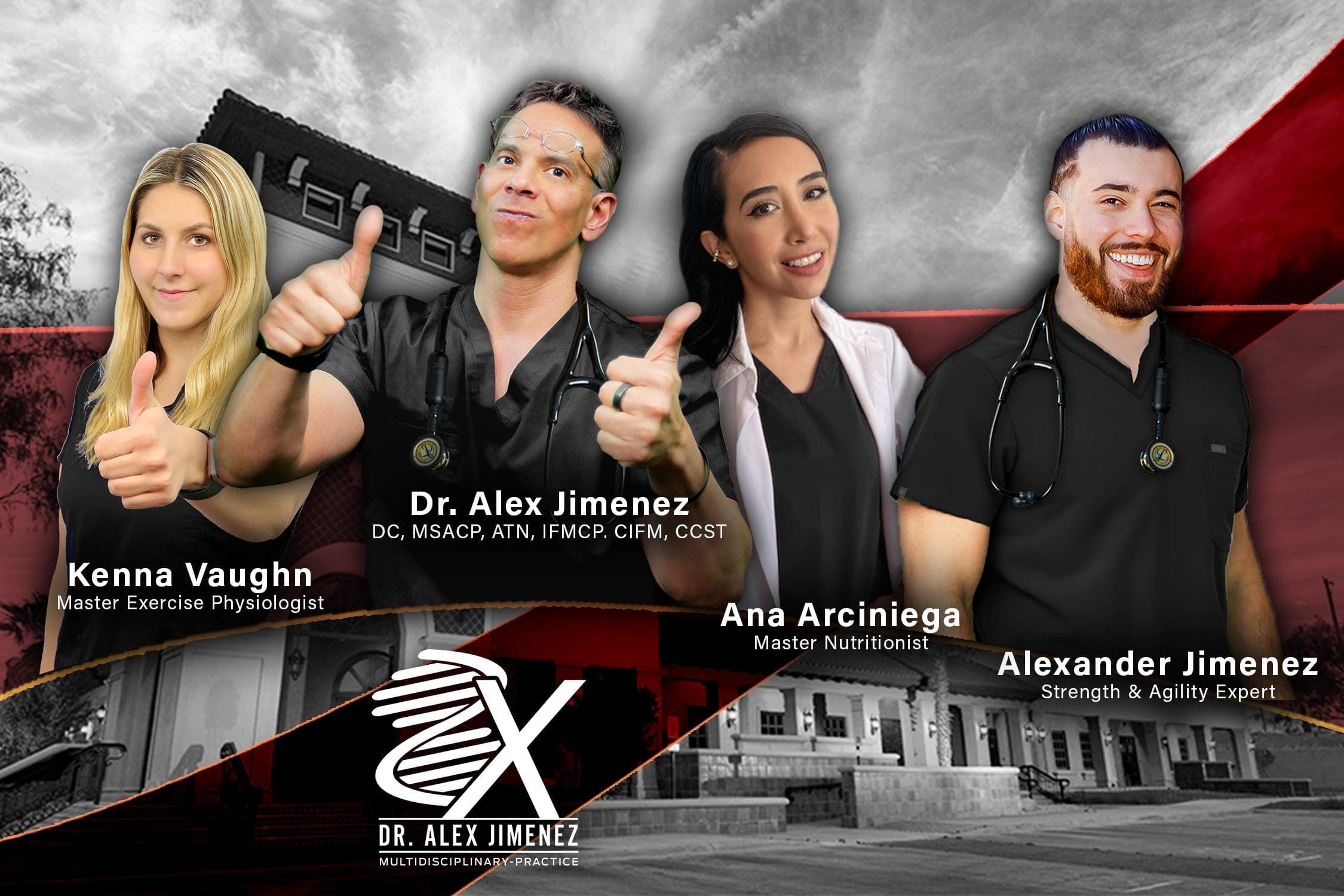
As a Doctor of Chiropractic with multiple advanced certifications, including Family Nurse Practitioner and certified functional medicine practitioner, my career has been dedicated to understanding and treating the root causes of disease and injury. My practice, Injury Medical Clinic PA, located here in El Paso, Texas, is built on a foundation of integrative medicine. This means we don’t just treat symptoms; we look at the whole person—their biochemistry, lifestyle, and structural health—to create a comprehensive and personalized healing plan.
A cornerstone of our integrative model is our collaborative structure. I work alongside Dr. Maria Guadalupe Cardenas, MD, a highly respected internist with over 40 years of experience. Dr. Cardenas is Board Certified in Internal Medicine and serves as our Medical Director and Collaborative Physician. This partnership between a chiropractor (myself) and a medical doctor is fundamental to our practice. It allows us to blend the best of different disciplines seamlessly: the structural and neurological focus of chiropractic care, the diagnostic and prescriptive authority of internal medicine, and the deep, systems-based analysis of functional medicine.
Together, our team provides a spectrum of services, including personal injury care, advanced rehabilitation, nutritional counseling, and now, the most advanced regenerative therapies available. This multidisciplinary environment ensures that every patient receives a well-rounded and robust treatment strategy, addressing their health from every possible angle. Chiropractic adjustments, for instance, are not performed in a vacuum. By improving spinal alignment and nervous system function, we create an optimal physiological environment for other therapies, like regenerative medicine, to work more effectively. This synergy is the essence of true integrative care.
The Dawn of a New Era: The Arrival of Muse Stem Cells
For nearly two decades, I have been deeply involved in the regenerative medicine space. I’ve followed its evolution closely, from the early days of Platelet-Rich Plasma (PRP) to the widespread use of mesenchymal stem cells (MSCs). A few years ago, I began tracking the development of a unique type of cell that was generating incredible results overseas but was not yet available in the United States. These were Muse (Multilineage-differentiating Stress-Enduring) cells. The initial challenge was access; the few manufacturing labs were in places like Lithuania and Japan, making it difficult to source these cells for my patients.
However, a significant breakthrough occurred around November 2024. A U.S.-based manufacturing facility in Florida finally began producing Muse cells, making this revolutionary technology accessible to practitioners like myself. Since then, I have spent the last nine months immersed in the clinical application of Muse cells, collaborating with a network of pioneering physicians. The feedback from my colleagues and the results I’ve seen in my own patients have been nothing short of extraordinary. The most common word I hear to describe the outcomes is “godsend“—an expression of profound impact that I haven’t heard with such frequency since the early, exciting days of PRP development back in 2006.
What Exactly Are Muse Stem Cells?
Muse cells are a naturally occurring, pluripotent-like stem cell population discovered by Dr. Mari Dezawa and her team at Tohoku University in Japan. They are present in various tissues, including the umbilical cord and bone marrow, but they are exceptionally rare, typically making up less than 1% of the total mesenchymal stem cell population.
- Identification: Muse cells are specifically identified by a unique surface marker called SSEA-3 (Stage-Specific Embryonic Antigen-3). This marker is crucial because it allows labs to isolate and verify a pure population of Muse cells. Every batch we use in our clinic comes with this SSEA-3 verification, ensuring we know exactly what our patients are receiving.
- The Stress-Endurance Test: What makes Muse cells truly remarkable is how they are isolated. The manufacturing process involves subjecting a batch of umbilical cord tissue to severe stress conditions—such as hypoxia (low oxygen), serum starvation, and proteolytic enzymes. While most cells, including standard MSCs, perish in this harsh environment, Muse cells endure. They are the ultimate survivors. This selection process is why I often refer to them as the “special forces” of stem cells. They are naturally selected for their resilience and trained by stress to thrive in the most hostile environments, like those found in damaged or inflamed tissues.
Muse Cells vs. Standard MSCs: A Side-by-Side Comparison
To truly appreciate the leap forward that Muse cells represent, it’s helpful to compare them directly to the standard mesenchymal stem cells (MSCs) that have been the workhorse of regenerative medicine for years.
1. Cell Size and Pulmonary Trapping
One of the most significant physical differences is size.
- Muse Cells: Are very small, measuring between 8 and 15 micrometers. This small size allows them to pass easily through the tiny pulmonary capillaries in the lungs after an IV infusion. I like to use the analogy of pushing a marble through a garden hose—it flows freely. This means they can circulate throughout the body and home directly to sites of injury and inflammation.
- Standard MSC are much larger, ranging from 15 to 25 micrometers. Because of their size, a large percentage of them become trapped in the lung’s capillary bed. This is like trying to push a golf ball through a garden hose. It gets stuck. This “pulmonary trapping” effect has long been a major limitation of IV-administered MSC therapy, as many of the cells never reach their intended target.
2. Differentiation Potential: The Power of Pluripotency
This is where the biology of Muse cells becomes truly exciting.
- Standard MSCs are multipotent. This means they can only differentiate into a limited number of cell types within their germ layer of origin, the mesoderm. This lineage includes bone, cartilage, muscle, and fat cells. While useful for musculoskeletal issues, it’s a significant limitation for other conditions.
- Muse Cells: Are pluripotent. This means they have the incredible ability to differentiate into cells of all three primary germ layers: the ectoderm (skin, neurons), mesoderm (bone, muscle, heart), and endoderm (liver, lung, gut lining). This trilineage potential opens up a vastly wider range of therapeutic applications, from neurological disorders to organ repair and skin rejuvenation.
3. Active Homing Mechanism: The Heat-Seeking Missile
How do these cells know where to go? The body’s own biology provides a sophisticated targeting system.
- When tissue is damaged or inflamed, it releases a signaling molecule called sphingosine-1-phosphate (S1P).
- Muse cells are unique because they carry a high concentration of the corresponding receptor, S1P2, on their surface.
- This S1P-S1P2 interaction functions like a heat-seeking missile. The Muse cells are actively drawn to the “heat” signal of the S1P released by damaged tissue, where they then engraft and begin their repair work.
- Animal models have demonstrated this with stunning clarity. In one study on cardiac injury, 5% of IV-administered Muse cells successfully engrafted into the damaged heart tissue. In the same study, zero standard MSCs made it to the heart; they were all trapped in the lungs. This active homing mechanism is a game-changer for systemic regenerative therapy.
The Three Engines of Muse Cell Healing
The therapeutic action of Muse cells can be understood as a powerful, three-part system.
- Targeted Homing: As we just discussed, their ability to seek out and travel directly to damaged tissue is the first and most critical step. They don’t just wander; they are guided with precision.
- Direct Tissue Replacement: Once they arrive, Muse cells don’t just release growth factors (though they do that too). They can spontaneously and automatically differentiate into the exact type of cell that is damaged or lost. If they encounter a damaged neuron in the brain, they become a new neuron. If they find a damaged hepatocyte in the liver, they become a new hepatocyte. This happens within days to hours of administration, making them incredibly potent for acute conditions like stroke or spinal cord injury.
- Enhanced Paracrine Signaling: Like other stem cells, Muse cells release a cocktail of beneficial molecules—anti-inflammatory cytokines, growth factors, and other signaling proteins. This is known as the paracrine effect. However, because Muse cells are pluripotent and more robust, the signals they send are more powerful and comprehensive, leading to more effective suppression of inflammation and stimulation of the body’s local repair mechanisms.
Clinical Applications and The Evidence for Age Reversal
The potential applications are vast, spanning across specialties. We’ve seen promising results in areas from neurodegenerative conditions and musculoskeletal injuries to aesthetic and sexual wellness applications. But one of the most astonishing areas of research is biological age reversal.
A recently published human case study provides the first evidence that Muse cell therapy can produce a measurable reversal of biological age across multiple organ systems.
- Case Example: A 45-year-old female with a baseline biological age of 53 received two IV infusions of a “golden bag” cocktail containing allogeneic Muse cells, Muse exosomes, and cord blood plasma.
- The Results: Three months later, epigenetic testing revealed incredible changes:
-
- Brain Epigenetic Age: Decreased by 6 years.
- Immune System Age: Decreased by 1 year.
- Urinary System Age: Decreased by 5 years.
- Reproductive System Age: Decreased by 9 years.
These are not just cosmetic changes; they represent a fundamental, measurable rejuvenation at the cellular level. This is a profound finding that opens a new chapter in anti-aging and preventative medicine. The full study details, which we provide to our patients, outline the specific biomarkers used to measure these changes.
Discovering the Benefits of Chiropractic Care – Video
Optimizing Muse Cell Therapy: The Importance of Formulation
Pure, undiluted Muse cells are so potent that they can cause an excessive inflammatory reaction, almost like a cytokine storm. They work so hard and so fast that the body’s response can be overwhelming. For this reason, the formulation is critical.
The products we use contain a carefully calibrated ratio of 20% Muse cells buffered with 80% standard MSCs. This formulation provides the perfect balance. The Muse cells act as the “generals,” directing the repair and performing the heavy lifting of tissue replacement, while the MSCs provide a supportive, anti-inflammatory buffer that modulates the healing environment.
Furthermore, our products come pre-diluted. This is a crucial safety and efficacy measure. The effectiveness of Muse cells is highly dependent on the correct concentration. Diluting them in a clinical setting requires specialized equipment like a nano-flow cytometer, which is not practical for most practices. Having a lab-verified, pre-diluted product ensures consistent, safe, and optimal results for every patient.
Integrating Muse Cells with Chiropractic and Functional Medicine
At our clinic, administering Muse Cells is just one part of a larger, synergistic strategy. Here is how it fits into our integrative model:
- Chiropractic Care as the Foundation: Before any regenerative therapy, my first goal is to ensure the body’s structure and nervous system are functioning optimally. A misaligned spine can create nerve interference that hinders communication between the brain and the body, impeding healing signals. By performing specific chiropractic adjustments, we clear these pathways, reduce systemic inflammation, and improve blood flow. This creates a more receptive and efficient environment for the Muse cells to do their work. A body that is structurally sound and neurologically clear is primed to heal.
- Functional Medicine for Biochemical Optimization: Cardenas and I use functional medicine to analyze a patient’s unique biochemistry. We run advanced lab tests to identify nutritional deficiencies, hormonal imbalances, hidden infections, or toxic burdens that could be driving inflammation and hindering regeneration. We then create personalized protocols involving diet, supplementation, and lifestyle changes to correct these imbalances. This ensures the “soil” is fertile before we plant the “seeds” of regenerative cells.
- Rehabilitation for Functional Restoration: Post-treatment, our rehabilitation specialists guide patients through exercises designed to strengthen repaired tissues, restore mobility, and ensure a return to full function. This active component is essential to solidifying the gains from the cellular therapy and preventing re-injury.
This holistic approach is what sets our practice apart. We don’t just inject stem cells and hope for the best. We build a comprehensive scaffolding of support around the therapy—structural, neurological, biochemical, and functional—to maximize the patient’s healing potential.
I often tell my patients to start with their most challenging case—the patient who has tried everything else without success. The results I’ve seen with Muse cells, even in these difficult situations, speak for themselves. This technology is not snake oil; it is the next chapter in regenerative medicine, built on a foundation of rigorous science. I am honored to be at the forefront of this movement, and I am thrilled to offer this life-changing therapy to my patients here in El Paso.
References
- Dezawa, M. (2016). Muse cells: A novel source of pluripotent stem cells for regenerative medicine. Journal of Biochemistry, 160(3), 119-125. https://doi.org/10.1093/jb/mvw041
- Kuroda, Y., Kitada, M., Wakao, S., & Dezawa, M. (2011). Bone marrow- and adipose-derived stem cells: A comparative analysis of their regenerative potential. Vitamins and Hormones, 87, 303-324. https://doi.org/10.1016/B978-0-12-386015-7.00013-0
- Uchida, N., Kushida, Y., Kitada, M., & Dezawa, M. (2020). The therapeutic potential of Muse cells for neurological diseases. Journal of Experimental Medicine, 217(5), e20191779. https://doi.org/10.1084/jem.20191779
- Wakao, S., Kitada, M., Kuroda, Y., & Dezawa, M. (2014). Multilineage-differentiating stress-enduring (Muse) cells are a new pluripotent stem cell type for clinical applications. Cancer Science, 105(10), 1239-1246. https://doi.org/10.1111/cas.12501
- Yamada, Y., Wakao, S., Kushida, Y., & Dezawa, M. (2018). S1P-S1PR2 axis mediates homing of Muse cells into damaged tissues. Stem Cell Research & Therapy, 9(1), 22. https://doi.org/10.1186/s13287-018-0775-6
- Yarahmadi, A., Tavakol, S., & Yousefi, M. (2021). The therapeutic potential of Muse cells in myocardial infarction. Journal of Cellular and Molecular Medicine, 25(21), 10183-10196. https://doi.org/10.1111/jcmm.16912
SEO Tags: Muse Stem Cells, Regenerative Medicine, Dr. Alex Jimenez, El Paso, Integrative Chiropractic Care, Functional Medicine, SSEA-3, Pluripotent Stem Cells, Anti-Aging, Biological Age Reversal, Personal Injury Care, Dr. Maria Cardenas, MSC, Mesenchymal Stem Cells, Stem Cell Therapy, Chronic Pain, Neurodegenerative Disease, Spinal Cord Injury
Comments are closed.