

Chiropractic Rehabilitation for Recovery Using Omega-3s

Unlock the potential of omega-3s combined with chiropractic rehabilitation for improved health and recovery.
Abstract
This educational post draws on modern, evidence-based research from leading scientists and explains the powerful role of omega-3 fatty acids in reducing inflammation and supporting overall health. It explains how these key nutrients influence inflammatory pathways at the cellular level, promote inflammation resolution, and support the heart, brain, joints, and more. Readers will learn about food sources and high-quality supplements rich in EPA, DHA, and ALA. The discussion then turns to the synergy of omega-3 intake with integrative chiropractic care and how it reduces inflammation, relieves pain and discomfort, and supports faster healing. This combination works well as part of non-surgical therapies in a complete health and wellness routine. Dr. Alexander Jimenez, D.C., APRN, FNP-BC, CFMP, IFMCP, ATN, CCST, Clinical Observations are examples of practical uses inreal-world patient care at the Injury Medical Clinic PA (aka Mission Plaza Injury Medical Clinic) in El Paso, Texas. The post also emphasizes the team-oriented role of Maria Guadalupe Cardenas, MD (Board Certified in Internal Medicine, NPI #1164426749, Texas MD License #J2933), who has over 40 years of experience as an internist and serves as Medical Director and Collaborative Physician. The team combines chiropractic care, medical oversight, functional medicine, personal injury care, rehabilitation, and other services to support whole-person recovery.
Understanding Omega-3 Fatty Acids and Their Anti-Inflammatory Mechanisms
Omega-3 fatty acids are polyunsaturated fats important for human health because the body can’t make enough of them from other nutrients. Three major forms exist: ALA (alpha-linolenic acid) from plants and the long-chain marine forms EPA (eicosapentaenoic acid) and DHA (docosahexaenoic acid). The body must convert ALA to EPA and DHA. Still, conversion rates remain low, often only a few percent, so direct consumption of EPA and DHA is more effective for increasing tissue levels (Calder, 2017).
Inflammation is a necessary protective response, but when it becomes chronic or unresolved, it drives tissue damage and contributes to conditions ranging from joint pain to cardiovascular disease. Omega-3s break this cycle in several interconnected ways. First, they are incorporated into cell membrane phospholipids, displacing arachidonic acid (AA), the omega-6 precursor of many pro-inflammatory eicosanoids, such as prostaglandins and leukotrienes. This change reduces the substrate available for enzymes such as cyclooxygenase and lipoxygenase, thereby reducing production of potent inflammatory mediators (Calder, 2015).
Second, EPA and DHA are substrates for specialized pro-resolving mediators (SPMs)—resolvins, protectins, and maresins. These molecules actively resolve inflammation by inhibiting neutrophil infiltration, promoting clearance of macrophage debris, and restoring tissue homeostasis (Calder, 2020). Recent preclinical work shows that an omega-3-enriched diet increases resolvin E2 and E4 in arthritic joints, increases pro-resolving macrophages, and decreases paw swelling (2026 arthritis resolution study). Pharmacological administration of these resolvins further reduces inflammation and decreases pro-inflammatory enzymes such as MMP-9.
Third, omega-3s affect gene expression. They inhibit activation of the pro-inflammatory transcription factor nuclear factor kappa B (NF-kB), thereby decreasing the production of cytokines such as TNF-?, IL-6, and IL-1?. They also activate the anti-inflammatory transcription factor peroxisome proliferator-activated receptor gamma (PPAR-?) and bind the G-protein-coupled receptor GPR120, which triggers an anti-inflammatory cascade (Calder, 2017; 2024 obesity inflammation review). This increases membrane fluidity, disrupts lipid rafts that cluster signaling proteins, and overall dampens inflammatory cell communication. Animal models and human trials show decreased leukocyte chemotaxis, adhesion molecule expression, and cytokine production with sufficient EPA and DHA intake.
This is why omega-3s help prevent and resolve inflammation rather than simply suppressing symptoms. Oral marine omega-3s have shown benefits in clinical settings for rheumatoid arthritis and plaque stabilization, and intravenous forms have shown promise in critically ill patients by attenuating systemic inflammation (Calder, 2017).
Dietary Sources and Supplements That Deliver Omega-3 Benefits
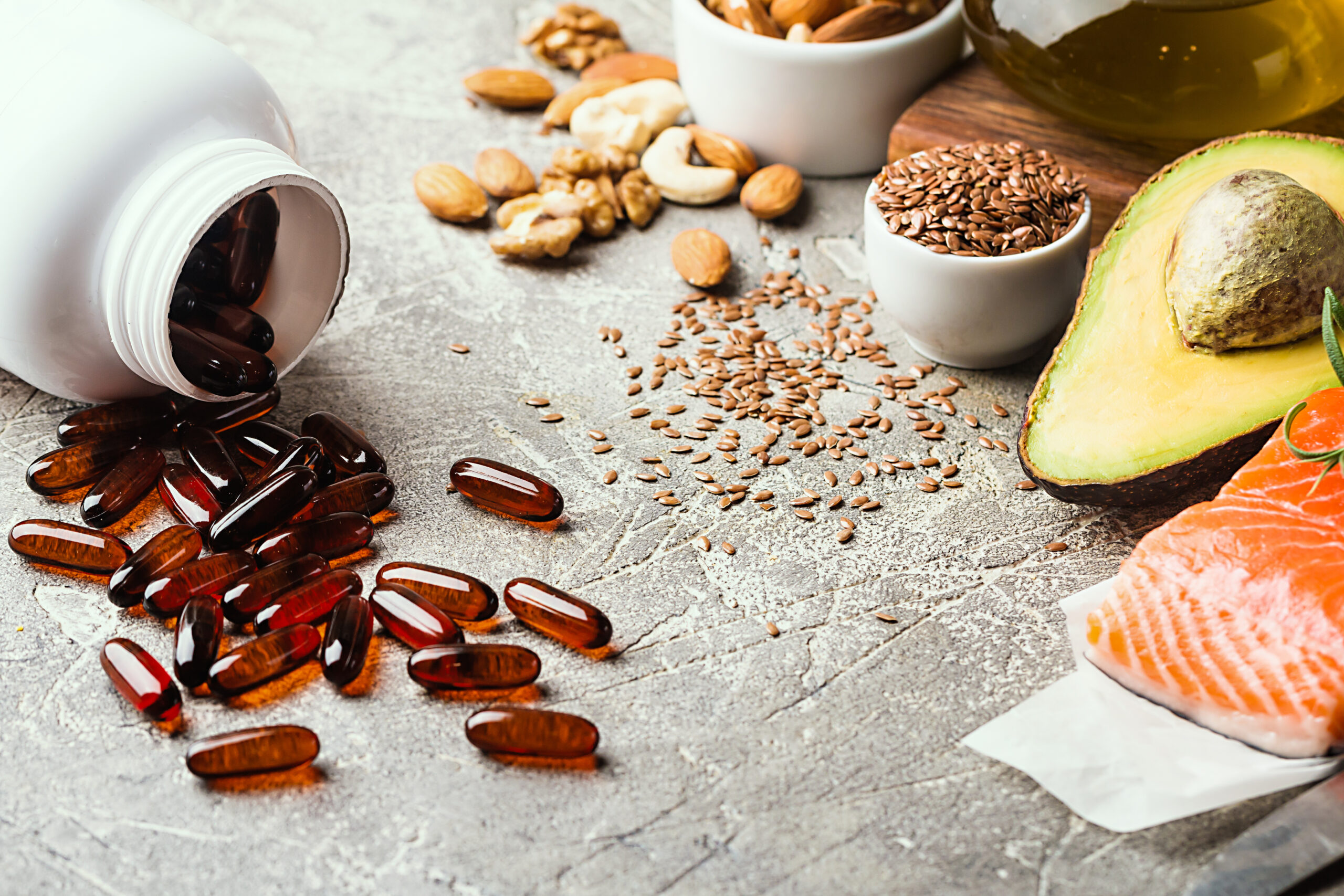
Cold-water fatty fish and seafood are the richest natural sources of EPA and DHA. Farmed Atlantic salmon delivers about 1.24 g of DHA and 0.59 g of EPA in a 3-ounce serving; other good sources include wild salmon, mackerel, herring, sardines, and trout (Harvard Health, 2024; NIH Office of Dietary Supplements). The American Heart Association recommends at least two such servings a week. Plant sources provide ALA: one ounce of chia seeds has 5 g of ALA, one ounce of walnuts has 2.6 g of ALA, and ground flaxseed or flaxseed oil contains even higher concentrations. Fortified eggs, yogurt, and milk also contain small amounts.
Many people benefit from concentrated supplements, as ALA conversion is inefficient. Fish oil gives you EPA and DHA, krill oil gives you these in phospholipid form, algal oil gives vegetarian DHA (and sometimes EPA), and flaxseed oil gives you ALA. Prescription-strength purified EPA (icosapent ethyl) has been studied at 4 g per day. Quality counts: Third-party testing for purity, oxidation, and contaminants ensures safety and potency. Doses are generally 1-3 g combined EPA+DHA for general inflammation support, with higher doses under medical supervision for specific conditions. According to evaluations by the European Food Safety Authority, intakes up to 5 g EPA+DHA a day do not raise safety concerns for adults.
In practice, patients who eat fatty fish regularly (twice a week) or take a quality EPA/DHA supplement report fewer inflammatory flares and a better response to other therapies, says Dr. Alexander Jimenez. 2. Through his education channels, he shares clinical observations, stressing the importance of combining omega-3s with a lower consumption of pro-inflammatory processed foods, refined sugars, and too much omega-6 oils.
Broad Physiological Benefits of Omega-3 Fatty Acids
Omega-3s also help several organ systems, in addition to controlling inflammation. In the cardiovascular system, they reduce triglycerides, stabilize membranes, improve endothelial function, and, at appropriate doses, may reduce the risk of major events. In the brain, DHA constitutes a major portion of the lipids in neuronal membranes. Adequate levels promote synaptic function, reduce neuroinflammation, and are associated with enhanced cognitive performance and mood regulation. Joint tissues experience less cytokine-driven cartilage breakdown and improved synovial fluid quality, resulting in less stiffness and pain in many people with osteoarthritis or inflammatory arthropathies.
At the 2026 European Society for Medical Oncology meeting, a phase 3 trial reported on the effects of high-dose EPA (4 g daily as prescription icosapent ethyl) in patients undergoing surgery for colorectal cancer liver metastases. EPA was associated with 62% 5-year overall survival vs 45% with placebo (hazard ratio 0.68), but progression-free survival did not differ significantly (Hull et al., 2026 presentation; Drugs.com MedNews summary). The researchers note that the supplement was well tolerated when given alongside other cancer treatments, and speculate that improved host response, possible immune modulation, or mitigation of cancer-related cachexia may contribute. While this finding still needs confirmation through peer-reviewed publication, it suggests that EPA may have systemic benefits beyond its classic anti-inflammatory actions.
Other benefits include supporting eye health (DHA in retinal membranes), improving insulin sensitivity through increasing adiponectin and reducing adipose inflammation, and modulating the NLRP3 inflammasome. These effects stem from omega-3s altering membrane composition throughout the body, changing lipid mediator profiles, and reprogramming gene expression in immune and stromal cells.
How Integrative Chiropractic Care Reduces Inflammation and Promotes Healing
Integrative chiropractic care focuses on restoring optimal spinal alignment, joint mobility, and nervous system function through spinal manipulative therapy (SMT), mobilization, soft-tissue techniques, and rehabilitative exercises. Joint restrictions or misalignments can perpetuate local and systemic inflammation through changes in biomechanics, increased mechanical stress, and amplified nociceptive signaling. SMT seems to regulate inflammatory mediators. In a nonrandomized trial of patients with nonspecific low back pain, a short course of SMT significantly reduced TNF-? production in both acute and chronic cohorts and IL-6 and nonrandomized soluble TNF receptor 2 in nonspecific patients, with moderate-to-large effect sizes; correspondingly, pain and disability scores improved (Teodorczyk-Injeyan et al., 2021). A further study of nine lumbar manipulations in individuals with chronic low back pain showed IL-6 and CRP trending toward values observed in asymptomatic controls (Roy et al., 2010).
A pragmatic, randomized trial of 12 weeks of chiropractic spinal adjustments in adults with subclinical spinal pain showed higher blood BDNF (a marker associated with neuroplasticity), modulated IL-6, and lower TNF-? compared to sham care, along with changes in cortisol and immune-cell markers (2025 PLOS One study). Animal work has shown that SMT after experimental intervertebral foramen inflammation reduces hyperalgesia, reduces dorsal-root-ganglion inflammation, and speeds recovery of neuronal excitability. Several Cochrane-affiliated systematic reviews have concluded that SMT provides short-term benefits in pain and function comparable to exercise or usual care for chronic low back and neck pain, and many clinical guidelines recommend it as a non-surgical option within a multimodal plan (WHO 2023 guideline).
The physiological rationale is multifactorial. Restoring joint motion improves local blood flow and lymphatic drainage, helping clear inflammatory mediators. Afferent input from the joint and adjacent tissues modulates spinal and supraspinal pain processing, reducing central sensitization. Better biomechanics means less ongoing microtrauma and less cytokine release from stressed tissue. Add to these mechanical and neurological effects the nutritional strategies that reduce systemic inflammatory tone, and the net result is faster resolution and more durable relief.
Synergy of Omega-3s and Chiropractic Care for Pain and Discomfort
People with musculoskeletal pain from injury, repetitive strain, or chronic conditions often find themselves in a cycle of inflammation, limited movement, and additional stress to the tissue. Biochemically, omega-3s reduce cytokine production, create SPMs that actively resolve inflammation, and protect cartilage and neural membranes. Chiropractic care addresses biomechanics and neurology by restoring motion, reducing mechanical irritation, and modulating pain pathways and local inflammatory mediators.
Dr. Jimenez employs both strategies in clinical practice for patients recovering from motor-vehicle accidents, workplace injuries, sports trauma, or degenerative joint conditions. Patients who embrace an anti-inflammatory diet rich in omega-3s, combined with targeted SMT and rehabilitative exercise, often report reduced reliance on medications, improved range of motion, and a faster return to activity. This dual approach is especially helpful in personal-injury situations, when documentation of functional improvement and reduced inflammation support comprehensive recovery plans. Both interventions are non-surgical and low risk when applied appropriately, making them a fundamental component of conservative management.
Integrating Omega-3s and Chiropractic Care into a Health and Wellness Routine
A practical routine starts with the basics of diet: two servings of fatty fish per week, daily ground flax, chia, or walnuts, and cutting down on ultra-processed foods high in refined omega-6 oils. If dietary intake is low, you can add a good EPA/DHA supplement (generally 1-2 g combined daily for maintenance, higher under guidance). Regular chiropractic adjustments locate and correct biomechanical stressors before they turn into chronic inflammation. Prescribed mobility and strengthening exercises between visits maintain gains. Stress-management and sleep optimization further support resolution pathways.
Dr. Jimenez prioritizes personalization. The omega-3 index (the percentage of EPA+DHA in red blood cell membranes) can be measured in the lab to help with dosing, and functional testing can identify other nutrient needs, such as magnesium or vitamin D, that may enhance the benefits. Progression is monitored with pain scales, function questionnaires, and inflammatory markers, when appropriate. This approach is structured but flexible, allowing patients to integrate the combination into their daily life rather than viewing it as a temporary fix.
The Healing Diet: Combat Inflammation, Embrace Wellness- Video
Multidisciplinary Team Care at Injury Medical Clinic PA
Dr. Alexander Jimenez, DC, APRN, FNP-BC, CFMP, IFMCP, ATN, CCST, provides chiropractic and functional-medicine care under the medical direction of Dr. Maria Guadalupe Cardenas, MD, board-certified in internal medicine and with more than 40 years of experience (NPI #1164426749, Texas MD License #J2933) as Medical Director and Collaborative Physician, at Injury Medical Clinic PA (Mission Plaza Injury Medical Clinic) in El Paso, Texas. This model is common in integrative and injury-care clinics: the MD provides medical oversight, evaluates comorbidities, orders or interprets advanced diagnostics when warranted, and ensures pharmacological or surgical considerations are addressed. In contrast, the chiropractor provides hands-on neuromusculoskeletal care, nutritional counseling, and rehabilitative planning.
The team combines chiropractic adjustments and soft-tissue therapies with functional-medicine assessments of inflammation drivers, personal-injury documentation and care coordination, physical rehabilitation, and related services such as nutrition education and lifestyle coaching. Medical oversight ensures omega-3 recommendations, exercise prescriptions, and adjunctive therapies are appropriate for each patient’s overall health status. As a result, patients receive coordinated, non-surgical care that addresses both the biomechanical sources of pain and the systemic inflammatory environment that perpetuates it. Through the clinic’s platforms and Dr. Jimenez’s professional profiles, educational resources consistently emphasize this collaborative model as a route to lasting recovery and long-term health.
Conclusion
Omega-3 fatty acids lower inflammation through membrane remodeling, competition with arachidonic acid, production of specialized pro-resolving mediators, and changes in key transcription factors and receptors. Together with evidence-based chiropractic care that restores motion, modulates local inflammatory mediators, and improves function, they form a powerful non-surgical strategy for those experiencing pain and discomfort. When embedded in a multidisciplinary framework, including medical direction from an experienced internist such as Dr. Maria Guadalupe Cardenas, the approach becomes comprehensive, safe and sustainable. Readers are encouraged to discuss individualized plans with qualified practitioners so dietary, supplement, and manual therapies can be tailored to their unique physiology and goals.
References
- Calder, P. C. (2015). Marine omega-3 fatty acids and inflammatory processes: Effects, mechanisms and clinical relevance. Biochimica et Biophysica Acta, 1851(4), 469–484. https://doi.org/10.1016/j.bbalip.2014.08.010
- Calder, P. C. (2017). Omega-3 fatty acids and inflammatory processes: From molecules to man. Biochemical Society Transactions, 45(5), 1105–1115. https://doi.org/10.1042/BST20160474
- Calder, P. C. (2020). n-3 PUFA and inflammation: From membrane to nucleus and from bench to bedside. Proceedings of the Nutrition Society, 79(4), 404–416. https://doi.org/10.1017/S0029665120007079
- Harvard Health Publishing. (2024). Omega-3 foods: Incorporating healthy fats into your diet. https://www.health.harvard.edu/diet-and-nutrition/omega-3-foods-incorporating-healthy-fats-into-your-diet
- Hull, M., et al. (2026, October). Omega-3 EPA linked to longer survival after surgery for colorectal cancer liver metastases [Conference presentation]. ESMO Congress, Madrid, Spain. Summary available at https://www.drugs.com/news/omega-3s-might-improve-survival-advanced-cancer-trial-finds-131819.html
- National Institutes of Health, Office of Dietary Supplements. (2022). Omega-3 fatty acids: Fact sheet for consumers. https://ods.od.nih.gov/factsheets/Omega3FattyAcids-Consumer/
- Roy, R. A., Boucher, J. P., & Comtois, A. S. (2010). Inflammatory response following a short-term course of chiropractic treatment in subjects with and without chronic low back pain. Journal of Chiropractic Medicine, 9(3), 107–114. https://doi.org/10.1016/j.jcm.2010.06.002
- Teodorczyk-Injeyan, J. A., et al. (2021). Effects of spinal manipulative therapy on inflammatory mediators in patients with non-specific low back pain: A non-randomized controlled clinical trial.Chiropractic & Nonrandomized 29, Article 3. https://doi.org/10.1186/s12998-020-00357-
- Worldnonspecificon. (2023). Nonrandomized for non-surgical management of chronic primary low back pain in adults in primary and community care settings. https://www.who.int/publications/i/item/9789240081789
SEO Tags
omega-3 fatty acids, inflammation reduction, EPA DHA benefits, chiropractic care, integrative medicine, non-surgical pain treatment, Dr. Alexander Jimenez, Dr. Maria Guadalupe Cardenas, Injury Medical Clinic PA, El Paso chiropractic, specialized pro-resolving mediators, spinal manipulative therapy, anti-inflammatory diet, personal injury rehabilitation, functional medicine, joint pain relief, omega-3 supplements, resolvins, protectins, chronic low back pain, wellness routine, medical-chiropractic collaboration, evidence-based nutrition, musculoskeletal healing
Comments are closed.