

Chiropractic Care Techniques for Headaches With Causation
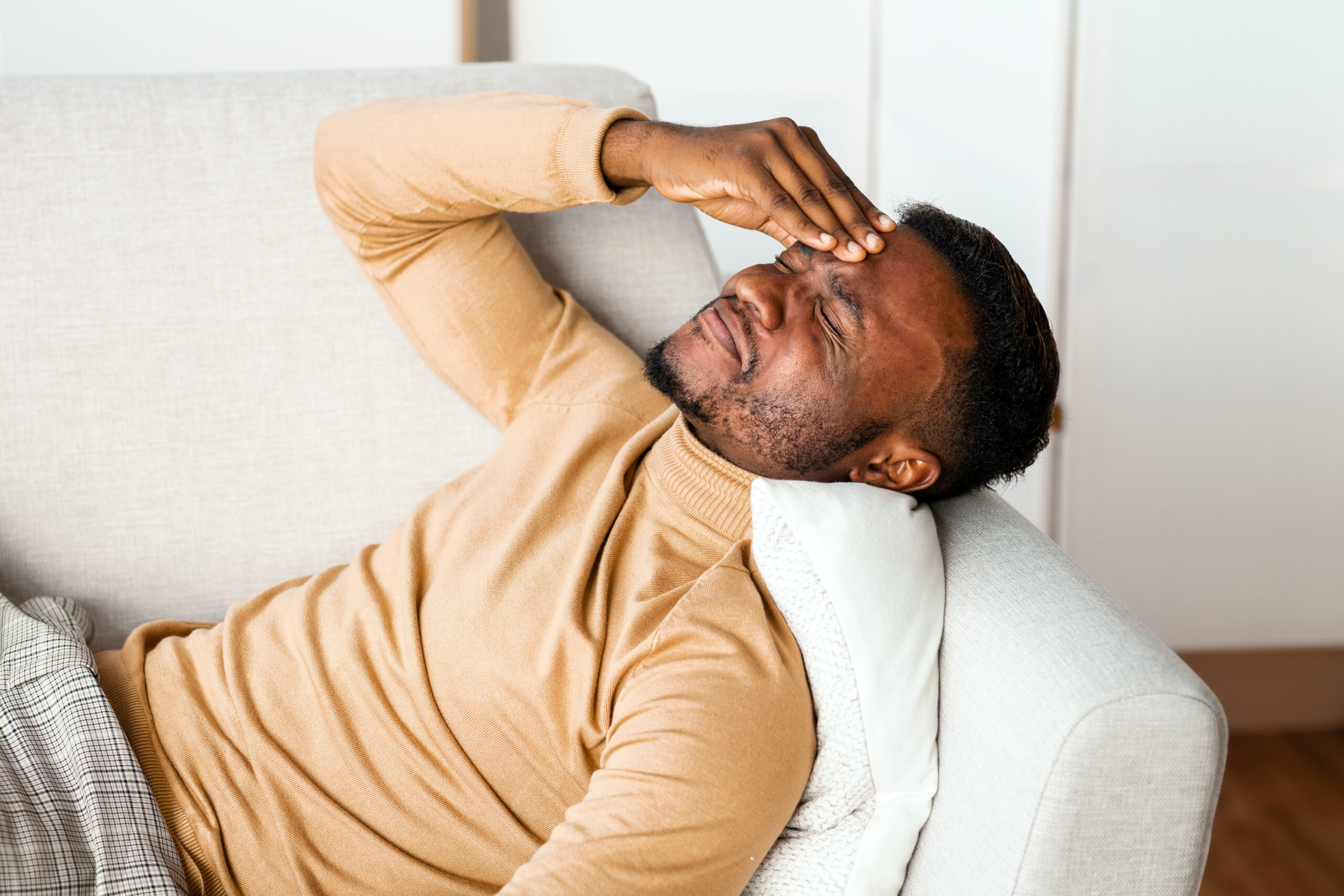
Unlock the benefits of chiropractic care, combined with causation, to treat headaches for a pain-free life and better health.
Abstract
Headaches are among the most prevalent and disabling conditions, affecting millions worldwide and often originating from or interacting with dysfunction in the cervical spine, upper trapezius, suboccipital muscles, and related structures of the head, neck, and shoulders. This educational post explores the physiological underpinnings of various headache types, including cervicogenic headache, tension-type headache, and migraine. It examines how they radiate into or influence the upper extremities through shared neural pathways, myofascial chains, and compensatory biomechanics. In the context of personal injury, particularly after motor vehicle collisions, causation and mechanism of injury are central to accurate diagnosis and recovery. Drawing on clinical observations from practice at Injury Medical Clinic PA (also known as Mission Plaza Injury Medical Clinic) in El Paso, Texas, this article details how integrative chiropractic care fits within a broader non-surgical, multidisciplinary framework. Led by Dr. Alexander Jimenez, DC, APRN, FNP-BC, CFMP, IFMCP, ATN, CCST, in collaboration with Medical Director and Collaborative Physician Dr. Maria Guadalupe Cardenas, MD (Board Certified in Internal Medicine, NPI #1164426749, Texas MD License #J2933), with more than 40 years of experience as an internist, the team integrates spinal manipulative therapy, functional medicine, rehabilitation, and medical oversight to reduce headache frequency, intensity, and associated comorbidities such as neck pain, shoulder restriction, and upper extremity symptoms. We incorporate the latest evidence-based findings from systematic reviews and clinical practice guidelines throughout. The journey begins with foundational anatomy and progresses through diagnostics, personalized treatment protocols, and real-world clinical application to support informed recovery.
What Are Headaches and Why Do They Matter for the Head, Neck, and Shoulders
Headaches are not simply pain confined to the skull. They often involve complex interactions among the trigeminocervical complex, cervical facet joints, intervertebral discs, neck and shoulder muscles, and the dura mater. When patients describe pain that begins at the base of the skull and spreads across the forehead or behind the eyes, or when tension gathers across the upper back and radiates into the arms, clinicians must look beyond the head itself.
In everyday language, people often say “I have a headache,” yet the underlying drivers can differ dramatically. Primary headaches such as migraine and tension-type headache arise from central nervous system changes. In contrast, secondary headaches such as cervicogenic headache stem from structures in the upper cervical spine. A rear-end collision can simultaneously irritate joints, strain muscles, and sensitize nerves, creating overlapping patterns that affect the head, neck, shoulders, and even the hands.
At Injury Medical Clinic PA, clinical observations consistently show that patients who report post-accident headaches almost always demonstrate restricted cervical range of motion, tenderness in the suboccipital muscles, and altered shoulder girdle posture. These findings are not incidental. They reflect the continuous anatomical and neurological connections that allow dysfunction in one region to manifest as pain and limited function in another. Understanding these connections forms the foundation for effective, non-surgical recovery.
Physiological Underpinnings of Headaches Involving the Cervical Spine
The trigeminocervical nucleus serves as the central hub where sensory information from the upper three cervical nerves converges with input from the trigeminal nerve. This anatomical arrangement explains why irritation of the C2-C3 facet joint or the rectus capitis posterior minor muscle can produce pain felt in the forehead or around the eye. Researchers have repeatedly confirmed that the same second-order neurons receive nociceptive signals from both regions, allowing referred pain patterns that patients experience as “headaches” rather than neck pain alone (Bogduk, 2001, as referenced in subsequent reviews).
When a motor vehicle collision forces the head into rapid flexion and extension, the upper cervical facets can sustain capsular strain, the atlanto-occipital and atlanto-axial joints can lose normal gliding mechanics, and the greater occipital nerve can become irritated as it passes through the suboccipital musculature. The resulting peripheral sensitization increases the excitability of the trigeminocervical complex, lowering the pain threshold and allowing previously non-painful neck movements to trigger headache. Over time, central sensitization can develop, so that even light pressure on the scalp or mild neck rotation produces widespread discomfort.
Muscle dysfunction compounds these joint and neural changes. The upper trapezius, levator scapulae, and sternocleidomastoid frequently develop trigger points after trauma or prolonged postural stress. These trigger points can refer pain into the head and restrict scapular mobility, altering shoulder girdle biomechanics. Because the same fascial chains and neural pathways link the neck to the upper extremities, patients may report tingling, heaviness, or aching in the arms even when imaging shows no frank nerve root compression. In clinical practice, careful palpation often reproduces both the headache and the arm symptoms, confirming the shared source.
Recent network meta-analyses have shown that multimodal approaches addressing both joint mechanics and myofascial sources produce greater short-term reductions in headache intensity and frequency than single-modality care (Koonalinthip et al., 2026). These findings align with clinical observations: patients who receive only medication often return with recurring symptoms once the acute inflammatory phase subsides, whereas those who also restore cervical motion and reduce trigger-point irritability experience more durable improvement.
How Different Headaches Affect the Head, Neck, Shoulders, and Upper Extremities
Cervicogenic headache is defined by pain that originates in the neck and is perceived in the head. Patients typically describe a unilateral, non-throbbing ache that begins in the upper neck or suboccipital region and spreads to the occiput, temple, or forehead. Neck movement or sustained postures reliably worsen the pain, and restricted upper cervical rotation is a hallmark finding. Because the C2-C3 joint is the most common pain generator, patients often exhibit ipsilateral shoulder elevation or scapular dyskinesis as the body compensates for the restricted segment. Over weeks or months, this compensation can lead to secondary shoulder impingement patterns or referred aching into the deltoid and upper arm.
Tension-type headache presents as a bilateral pressing or tightening sensation, often described as a band around the head. Although classified as a primary headache, contemporary research demonstrates that individuals with tension-type headache commonly display cervical muscle trigger points and reduced craniocervical flexion strength. The upper trapezius and suboccipital muscles are frequent sites of active trigger points whose referral patterns precisely match the patient’s headache distribution. When these muscles remain shortened, the shoulders sit in a protracted position, increasing load on the acromioclavicular joint and occasionally producing mild paresthesia in the hands through thoracic-outlet-like mechanisms. In post-traumatic cases, the distinction between a primary tension-type headache and a cervical contribution becomes especially important for establishing causation.
Migraine is characterized by moderate-to-severe throbbing pain, often unilateral, accompanied by nausea, photophobia, or phonophobia. While the primary pathophysiology involves cortical spreading depression and trigeminovascular activation, a substantial proportion of migraineurs also report neck pain before or during attacks. Cervical dysfunction can trigger or amplify migraines through the same trigeminocervical complex. In personal-injury populations, patients frequently note that their pre-existing occasional migraines became far more frequent and severe after a collision once cervical joint and muscle irritation was added. Upper-extremity symptoms in migraine are less common but can appear when concurrent myofascial chains or central sensitization heighten the perception of arm discomfort during an attack.
Across all three headache types, the shoulders and upper extremities are affected through several mechanisms. First, protective muscle guarding elevates the scapulae and increases upper trapezius tension, which can compress the brachial plexus or subclavian vessels in susceptible individuals. Second, altered cervical proprioception changes the timing of scapular stabilizers, leading to fatigue and arm aching during reaching or overhead activities. Third, central sensitization lowers the pain threshold so that normal joint or muscle signals from the shoulder are interpreted as more intense. Clinical examination at the clinic routinely includes assessment of scapular position, shoulder range of motion, and upper-limb neurodynamic tests precisely because these regions are so frequently involved.
Causation and Headaches in Personal Injury Cases
In personal-injury practice, establishing causation requires linking the collision mechanism to the patient’s current symptoms through objective clinical findings and a coherent timeline. When a patient reports the onset of headaches within hours or days of a rear-end impact, and examination reveals restricted C1-C2 rotation, positive cervical compression that reproduces the headache, and trigger points in the suboccipital muscles, the causal chain is clear. The same forces that produce whiplash-associated disorder also load the upper cervical joints and irritate the greater occipital nerve, providing a direct biomechanical explanation.
Dr. Jimenez’s clinical observations, documented across case presentations and educational materials available at personalinjurydoctorgroup.com and professional updates on LinkedIn, emphasize the importance of reconstructing the pre-accident baseline. Many patients had occasional tension-type headaches before the collision; after the accident, the frequency increases dramatically, the location shifts to include the neck, and new upper-extremity symptoms appear. Objective measures such as reduced cervical range of motion measured with inclinometry, positive orthopedic tests, and documented trigger-point referral patterns help distinguish trauma-related exacerbation from purely pre-existing primary headache disorders.
Medical-legal documentation must also address comorbidities. When headache is accompanied by shoulder pain and intermittent hand numbness, the clinician records the shared myofascial and neural pathways so that the entire symptom complex is understood as a single injury mechanism rather than multiple unrelated complaints. This integrated view supports appropriate treatment planning and provides the foundation for collaborative care under medical direction.
Chiropractic Care for Neck Pain Relief- Video
Integrative Chiropractic Care Within a Multidisciplinary Non-Surgical Framework
Integrative chiropractic care addresses the mechanical, neurological, and myofascial drivers of headache while remaining fully compatible with medical oversight. At Injury Medical Clinic PA, Dr. Jimenez provides spinal manipulative therapy, soft-tissue techniques, and rehabilitative exercise. At the same time, Dr. Maria Guadalupe Cardenas, MD, supplies internal-medicine evaluation, medication management when indicated, and overall medical direction. This arrangement is common in injury-focused clinics and ensures that red-flag conditions are excluded and that systemic contributors such as sleep disruption, metabolic inflammation, or medication-overuse patterns are identified and treated.
Spinal manipulative therapy targets restricted upper cervical segments to restore joint mobility and reduce afferent nociceptive input into the trigeminocervical complex. A 2026 clinical practice guideline developed through an umbrella review and Delphi consensus recommends spinal manipulation for cervicogenic headache and supports its use within multimodal care for tension-type headache (Trager et al., 2026). The same guideline notes that dry needling and exercise also carry favorable evidence when combined with manual therapy. In practice, high-velocity low-amplitude adjustments are often paired with instrument-assisted soft-tissue mobilization of the suboccipital and upper trapezius muscles and with targeted strengthening of the deep neck flexors.
Functional-medicine principles further support recovery. Nutritional strategies that reduce systemic inflammation, sleep-hygiene coaching, and stress-modulation techniques help lower overall nervous system excitability. Patients who continue to experience breakthrough headaches after structural care is optimized often benefit from these additional layers, which Dr. Cardenas helps coordinate from the medical side.
How Chiropractic Care Reduces Headaches and Related Comorbidities
The primary mechanisms by which chiropractic care reduces headaches include restoring segmental motion, reducing myofascial trigger-point activity, and modulating central pain processing. When a restricted C2-C3 joint is mobilized or adjusted, mechanoreceptor input increases and nociceptive traffic decreases, providing immediate relief for many patients and creating a window for rehabilitative exercise. At the same time, releasing upper-trapezius and suboccipital trigger points reduces referred pain into the head and allows the shoulders to settle into a more neutral posture. As scapular mechanics improve, the secondary aching and fatigue in the upper arms typically diminish.
Comorbidities such as neck pain, reduced cervical proprioception, and mild upper-extremity paresthesia respond because the same interventions address the shared sources. Patients frequently report that once the headache frequency drops, they can return to computer work or driving without the accompanying shoulder tightness and hand tingling that had previously limited them. Systematic reviews of dry needling combined with spinal manipulation have shown favorable short-term effects on pain intensity, pressure-pain thresholds, and disability scores across migraine, tension-type, and cervicogenic headache populations (systematic review of 13 trials, 2026). Although long-term data remain limited and evidence certainty varies, clinical observation consistently shows that multimodal care produces larger and more sustained improvements than isolated interventions.
Diagnostic Assessments for Headaches in an Integrative Setting
Accurate diagnosis begins with a detailed history that maps the onset relative to any trauma, the precise location and quality of pain, aggravating and relieving factors, and associated symptoms in the neck, shoulders, and arms. Red-flag screening excludes serious pathology such as fracture, infection, or vascular dissection. Physical examination includes cervical range-of-motion measurement, palpation of the upper cervical joints and suboccipital muscles to reproduce the patient’s headache, assessment of craniocervical flexion endurance, and evaluation of scapular position and shoulder mobility.
Orthopedic tests such as the cervical flexion-rotation test help identify C1-C2 dysfunction commonly linked to cervicogenic headache. Upper-limb neurodynamic testing and Spurling’s test screen for concurrent cervical radiculopathy or thoracic-outlet contributions. When indicated, advanced imaging or diagnostic injections may be coordinated under Dr. Cardenas’s medical direction to confirm a specific joint source or to rule out other contributors. Functional assessments, including digital motion analysis when available, further quantify biomechanical deficits to guide treatment.
Evidence-Based Treatment Approaches and Protocols
Treatment is individualized yet follows evidence-informed principles. For cervicogenic headache, the 2026 chiropractic clinical practice guideline supports spinal manipulative therapy as a primary intervention, often combined with exercise. In the clinic, a typical sequence begins with gentle mobilization or adjustment of the restricted upper cervical segments, followed by soft-tissue work to the suboccipital and upper trapezius muscles. It concludes with supervised deep neck flexor and scapular-stabilizer exercises. Patients are taught postural awareness and home mobility drills to maintain gains between visits.
For tension-type headache, the same guideline recommends spinal manipulation only within a multimodal program that also includes exercise and, when appropriate, dry needling. Migraine management emphasizes trigger identification, cervical care to reduce peripheral sensitization, and medical co-management of acute attacks or preventive medication when needed. Across all types, the goal is to progressively reduce headache days, restore cervical and shoulder function, and minimize reliance on medication.
Rehabilitation progresses from pain control and mobility restoration to strength and endurance training, then to functional reintegration. Patients recovering from personal injury also receive guidance on activity modification and graded return to work or sport. Throughout, Dr. Cardenas monitors systemic factors and ensures that any pharmacological support is coordinated with the conservative plan rather than used in isolation.
Clinical Observations from Practice and the Role of the Collaborative Team
Clinical experience at Injury Medical Clinic PA repeatedly demonstrates that patients whose headaches are addressed through an integrated mechanical and medical approach recover more completely than those managed with medication alone. One recurring pattern involves individuals who, after a frontal or rear-end collision, develop daily headaches accompanied by neck stiffness and shoulder aching. After a course of cervical adjustments, trigger-point release, and scapular stabilization, headache frequency often drops by more than half within six to eight weeks, and the upper-extremity symptoms resolve in parallel. These observations are consistent with published case series and with the short-term benefits reported in recent systematic reviews.
Dr. Maria Guadalupe Cardenas’s long experience in internal medicine allows the team to identify and manage concurrent conditions such as hypertension, sleep apnea, or medication-overuse headache that can perpetuate symptoms. Her role as Medical Director ensures diagnostic imaging, laboratory evaluation, and any necessary referrals occur in a timely, coordinated manner. The result is a seamless continuum in which chiropractic care restores joint and muscle function while medical oversight safeguards overall health and addresses systemic contributors.
Conclusion
Headaches that involve the head, neck, shoulders, and upper extremities are best understood through the lens of shared neural, joint, and myofascial pathways. In personal-injury settings, clear documentation of mechanism and objective findings establishes causation and guides recovery. Integrative chiropractic care, delivered under the medical direction of Dr. Maria Guadalupe Cardenas and led clinically by Dr. Alexander Jimenez, offers a non-surgical pathway that reduces headache burden, restores function, and addresses comorbidities. Ongoing research continues to refine the evidence, yet current clinical practice guidelines and systematic reviews support multimodal manual therapy and exercise as valuable components of care. Patients who engage in this comprehensive approach frequently regain the ability to work, drive, and participate in daily life without the constant limitation of headache and associated upper-body discomfort.
References
- Trager, R. J., Daniels, C. J., Hawk, C., Taylor, D. N., Walters, S. A., Price, M. R., Anderson, K. R., Crivelli, L. S., Mooring, S. A., Staab, C. A., & Oakley, C. B. (2026). Chiropractic management of adults with cervicogenic or tension-type headaches: Development of a clinical practice guideline. Journal of Integrative and Complementary Medicine, 32(4), 325–344. https://doi.org/10.1177/27683605251397769
- Koonalinthip, N., Koonalintip, P., & Stonsaovapak, C. (2026). The comparative efficacy of treatments for cervicogenic headache: A systematic review and network meta-analysis of randomized controlled trials. European Journal of Pain, 30(2), e70219. https://doi.org/10.1002/ejp.70219
- Additional supporting literature on spinal manipulation, dry needling, and cervical contributions to headache is cited throughout from peer-reviewed sources published 2023–2026.
SEO tags
headaches, cervicogenic headache, tension-type headache, migraine, chiropractic care, spinal manipulative therapy, personal injury, neck pain, shoulder pain, upper extremities, integrative medicine, Dr. Alexander Jimenez, Dr. Maria Guadalupe Cardenas, Injury Medical Clinic PA, El Paso, Texas, non-surgical treatment, functional medicine, trigeminocervical complex, whiplash, causation, evidence-based, clinical practice guideline
Comments are closed.