

Chiropractic Rehabilitation Explained for Cluster Headaches

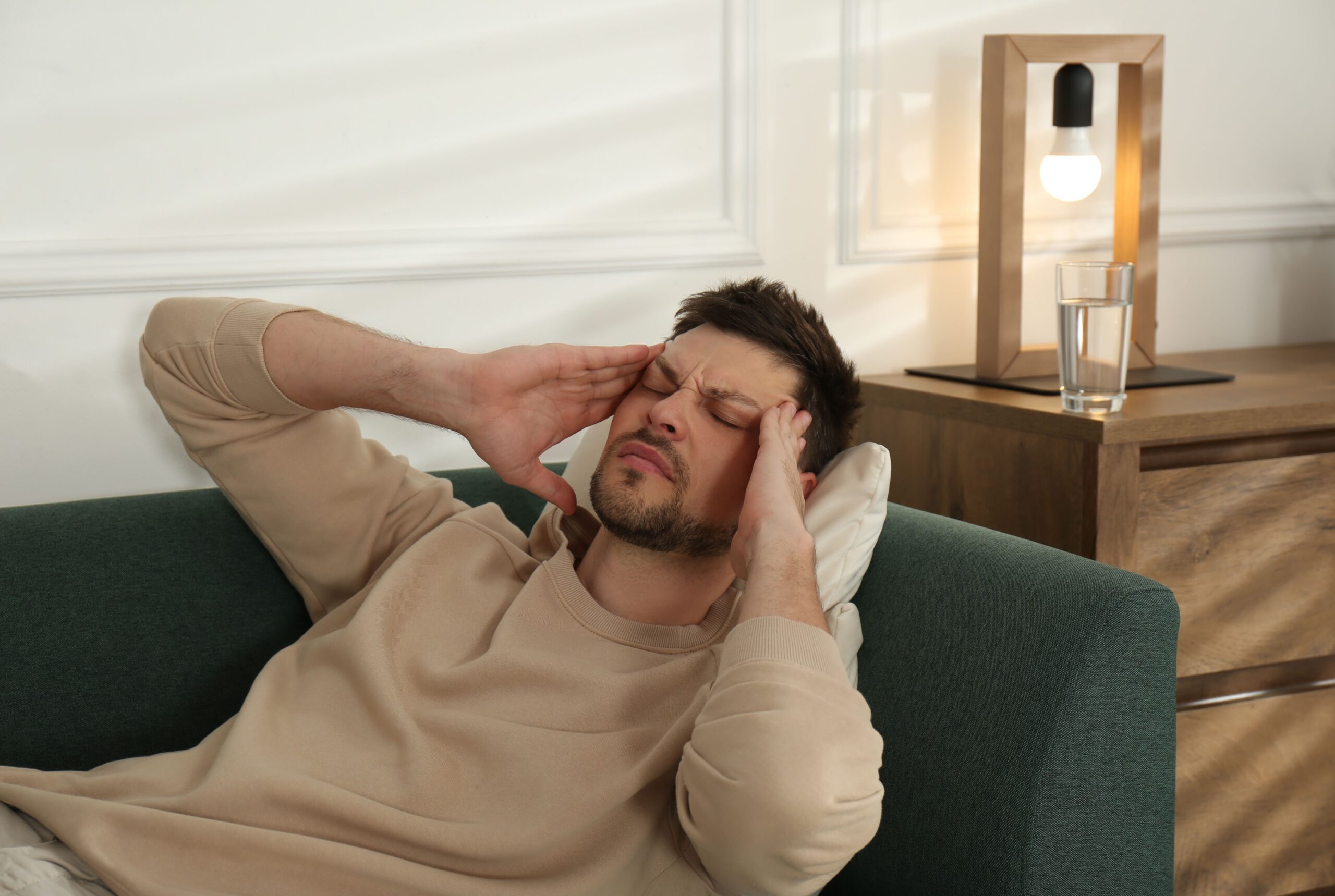
Unlock the potential of chiropractic rehabilitation for cluster headaches to reduce pain and restore balance to your health.
Abstract
Cluster headaches represent one of the most severe primary headache disorders known to medicine, characterized by intense unilateral pain accompanied by cranial autonomic features and driven by complex interactions involving the hypothalamus, the trigeminovascular system, and neuropeptides such as calcitonin gene-related peptide and pituitary adenylate cyclase-activating polypeptide. This educational post, authored by Dr. Alexander Jimenez, DC, APRN, FNP-BC, CFMP, IFMCP, ATN, CCST, explores the physiological underpinnings of cluster headaches, their wide-ranging symptoms, and the profound effects these attacks exert on day-to-day functioning and overall well-being. Drawing on the latest findings from leading researchers employing modern evidence-based methods, the discussion examines how causation is established and required in personal injury courtroom proceedings when cluster headaches arise or worsen after trauma. It further details the principles of chiropractic care, the mechanisms by which integrative chiropractic interventions reduce attack burden and associated comorbidities, and the valuable insights chiropractic evaluation provides in personal injury contexts. Within the multidisciplinary framework at Injury Medical Clinic PA (also known as Mission Plaza Injury Medical Clinic) in El Paso, Texas, chiropractic care delivered by Dr. Jimenez integrates seamlessly with medical oversight from Dr. Maria Guadalupe Cardenas, MD (Board Certified in Internal Medicine, NPI #1164426749, Texas MD License #J2933), who brings more than forty years of experience as an internist and serves as Medical Director and Collaborative Physician. Functional medicine, rehabilitation, and related non-surgical strategies complete the collaborative model. The post concludes by outlining how these evidence-informed non-surgical approaches can be incorporated into a comprehensive health and wellness routine, supporting individuals living with cluster headaches.
Understanding Cluster Headaches and Their Physiological Foundations
Cluster headache stands apart among primary headache disorders because of the extraordinary intensity of its pain and its distinctive temporal patterning. The International Classification of Headache Disorders defines cluster headache as attacks of severe or very severe unilateral orbital, supraorbital, or temporal pain lasting 15 to 180 minutes when untreated, occurring with a frequency from once every other day to eight times daily, and accompanied by ipsilateral cranial autonomic symptoms or a sense of restlessness or agitation. These attacks often group into bouts lasting weeks to months, separated by remission periods that may last months to years in the episodic form, or continue for more than a year with brief or absent remissions in the chronic form.
Recent advances have clarified key elements of the underlying physiology while confirming that important gaps remain. Neuroimaging studies consistently demonstrate activation in the posterior hypothalamus ipsilateral to the pain during attacks, supporting the long-recognized role of this region in generating the circadian and circannual rhythmicity that defines the disorder. The suprachiasmatic nucleus within the anterior hypothalamus functions as the primary circadian pacemaker; subtle microstructural and connectivity alterations observed with advanced magnetic resonance imaging techniques suggest that dysregulation at this level lowers the threshold for attack initiation. At the same time, the trigeminovascular system and the cranial parasympathetic pathway contribute decisively once an attack begins. Activation of the superior salivatory nucleus leads to outflow through the sphenopalatine ganglion, releasing vasoactive neuropeptides that produce local vasodilation, plasma protein extravasation, and intense nociceptor activation.
Among these neuropeptides, calcitonin gene-related peptide has received particular attention. Elevated levels have been documented in jugular blood and in tear fluid during attacks, and the monoclonal antibody galcanezumab, which targets calcitonin gene-related peptide, has received regulatory approval for the preventive treatment of episodic cluster headache on the basis of trials showing substantial reductions in attack frequency. Pituitary adenylate cyclase-activating polypeptide and vasoactive intestinal peptide can also provoke cluster-like attacks when infused during active periods, indicating that multiple signaling molecules participate. Additional research has implicated inflammatory pathways, genetic loci associated with immune function, and possible contributions from androgen deficiency in a subset of male patients. Smoking and alcohol remain well-established environmental triggers, and recent biochemical profiling has linked tobacco-related exposures to altered gene regulation and inflammatory markers.
These findings, generated through carefully designed observational studies, randomized trials, genetic analyses, and preclinical models, underscore that cluster headache is a neurovascular and chronobiological disorder rather than a purely vascular or purely muscular condition. The same research also highlights why non-pharmacological strategies that modulate central pain processing, reduce peripheral nociceptive input, and support overall homeostasis can complement established medical therapies.
Recognizing the Varied Symptoms of Cluster Headaches
The hallmark symptom is extreme, sharp, or stabbing pain centered in, behind, or around one eye, often radiating to the temple, forehead, or upper neck. The pain is almost always unilateral within a given cluster period, although the side may switch between bouts. Intensity is frequently described as the worst pain imaginable; patients may pace, rock, or become unable to remain still, a behavioral feature that distinguishes cluster headache from migraine, in which most individuals prefer to lie quietly in a dark room.
Ipsilateral cranial autonomic symptoms appear in the large majority of attacks. These include conjunctival injection and lacrimation, nasal congestion or rhinorrhea, eyelid edema, forehead and facial sweating, miosis, and ptosis. Restlessness or agitation is itself a diagnostic criterion and reflects the intensity of the pain together with hypothalamic involvement. Attacks typically last 15 to 180 minutes and may occur multiple times within 24 hours, often with a striking circadian preference for nocturnal hours. Premonitory symptoms such as neck stiffness, fatigue, or mood changes have been reported in a substantial proportion of patients, further illustrating the central nervous system contribution.
Between attacks within a bout, many individuals experience residual discomfort, allodynia, or a persistent sense of unease. Over time, repeated bouts can produce secondary musculoskeletal findings, including upper cervical joint restriction, suboccipital muscle hypertonicity, and reduced pressure pain thresholds in the trigemino-cervical region. Quantitative sensory testing studies have documented mechanical hyperalgesia on both the symptomatic and asymptomatic sides, consistent with central sensitization. These secondary features become clinically relevant when trauma coexists, because cervical dysfunction can both result from and amplify the primary headache disorder.
How Cluster Headaches Affect Day-to-Day Life and the Individual
The impact of cluster headache extends far beyond the minutes or hours of each attack. During an active bout, the anticipation of the next attack disrupts sleep architecture, often producing profound sleep deprivation because attacks preferentially occur during the first rapid-eye-movement periods. Occupational performance declines sharply; individuals may be unable to concentrate, drive, or remain at work during or immediately after attacks. Social relationships suffer as patients withdraw to manage pain or because partners and family members experience secondary stress from witnessing the intensity of the episodes. Anxiety and depressive symptoms are common, driven both by the pain itself and by the fear of future bouts.
Functional limitations accumulate. Simple activities such as reading, screen work, or outdoor exercise may be curtailed. Dietary patterns change because alcohol is a potent trigger for many, and some individuals restrict other foods out of caution. Over months and years, the cumulative burden can lead to reduced physical conditioning, weight changes, and diminished quality of life scores that rival those seen in far more prevalent chronic conditions. When cluster headache develops or worsens after a traumatic event, these effects become entangled with the physical and legal consequences of the injury, amplifying disability and complicating recovery.
Establishing Causation in Personal Injury Courtroom Cases Involving Cluster Headaches
In personal injury litigation, the plaintiff must prove that the defendant’s conduct was a substantial factor in causing or aggravating the claimed injuries. For cluster headache, this requirement is particularly rigorous because the disorder is a primary headache condition whose spontaneous onset is well recognized. Courts therefore demand clear evidence linking the traumatic event to the onset or permanent worsening of attacks. Factual causation is typically addressed through the “but for” test: but for the collision, fall, or other incident, would the cluster headache bout or its increased severity have occurred? When pre-existing cluster headache is documented, the analysis shifts to material aggravation or acceleration of a latent condition.
Medical expert testimony is essential. Records must establish a temporal relationship between the trauma and the change in headache pattern, objective findings that corroborate the history, and the exclusion of alternative explanations. Detailed diaries of attack frequency, duration, and associated autonomic features before and after the incident strengthen the narrative. Imaging that demonstrates new or worsened cervical segmental dysfunction, together with quantitative measures of range of motion and pressure pain thresholds, supplies objective correlates. In the multidisciplinary setting, the internal medicine physician’s assessment of systemic contributors and the chiropractor’s documentation of biomechanical findings together create a coherent clinical picture that can withstand cross-examination.
Dr. Maria Guadalupe Cardenas, MD, with her extensive experience in internal medicine, provides medical direction that ensures red-flag conditions are excluded and that any pharmacologic interventions remain appropriate. Dr. Jimenez’s dual credentials as a chiropractor and advanced-practice nurse practitioner allow integrated documentation of both neuromusculoskeletal and medical elements, producing records that address the precise questions attorneys and courts require.
Defining Chiropractic Care and Its Role in Non-Surgical Treatment
Chiropractic care is a health profession focused on the diagnosis, treatment, and prevention of mechanical disorders of the musculoskeletal system, particularly the spine, and the effects of these disorders on nervous system function and overall health. Practitioners employ spinal manipulative therapy, mobilization, soft-tissue techniques, therapeutic exercise, and patient education within a broader rehabilitative framework. The goal is to restore segmental mobility, reduce nociceptive input from dysfunctional joints and myofascial tissues, and support the body’s capacity for self-regulation.
In the context of cluster headache, chiropractic care does not claim to replace disease-specific preventive medications or acute abortive therapies. Rather, it addresses coexisting cervical and upper thoracic dysfunction that can amplify central sensitization and contribute to attack frequency or intensity. Spinal manipulative therapy applied to restricted upper cervical segments is thought to reduce afferent barrage into the trigeminocervical complex, engage descending inhibitory pathways, and improve local biomechanics. Soft-tissue techniques deactivate trigger points in the suboccipital, upper trapezius, and sternocleidomastoid muscles that refer pain into the head and face. Progressive exercise programs restore proprioception, strengthen deep cervical flexors, and correct postural patterns that sustain muscle hypertonicity.
These interventions sit within a larger non-surgical paradigm that also includes functional medicine strategies aimed at optimizing sleep, nutrition, stress modulation, and inflammatory balance. At Injury Medical Clinic PA, this paradigm is coordinated under the medical direction of Dr. Cardenas, ensuring that chiropractic and rehabilitative measures proceed safely alongside any necessary medical management.
Mechanisms by Which Chiropractic Care Reduces Cluster Headaches and Associated Comorbidities
Although high-quality randomized trials specifically examining chiropractic care for pure cluster headache remain limited, mechanistic reasoning and clinical observations support its adjunctive role. Cervical nociceptive input converges with trigeminal afferents in the trigeminocervical complex; reducing that input through restoration of joint mobility and muscle tone can lower the overall excitability of second-order neurons. Manual therapy has been shown in other headache disorders to increase pressure pain thresholds and decrease central sensitization markers. In a small case series of patients with cluster headache who continued their prescribed pharmacologic regimens, a program of manual therapy and exercise produced reductions in attack frequency exceeding 50 percent in several participants over a three-month follow-up, accompanied by improvements in headache-related disability and pain catastrophizing.
Comorbidities such as neck pain, restricted cervical range of motion, sleep disruption, and anxiety respond to the same interventions. Improved segmental motion and reduced muscle guarding facilitate better sleep posture and decrease nocturnal arousal. Education that addresses fear-avoidance behaviors supports gradual return to activity, mitigating deconditioning. Functional medicine components, guided by laboratory assessment when indicated, may address nutritional deficiencies, hormonal imbalances, or inflammatory contributors that interact with the chronobiological dysregulation of cluster headache.
The reasoning for each element is straightforward. Spinal manipulative therapy is used because restricted motion generates ongoing nociception and altered proprioceptive signaling; restoring motion interrupts that cycle. Soft-tissue techniques are applied because myofascial trigger points release algogenic substances that sensitize peripheral nociceptors. Exercise is prescribed because it activates endogenous inhibitory systems, improves motor control, and counters the postural adaptations that follow prolonged pain. These choices rest on established neurophysiological principles rather than on unsubstantiated claims of disease modification.
Chiropractic Insights into Personal Injury and the Multidisciplinary Model
Chiropractic evaluation supplies objective data that illuminate the biomechanical consequences of trauma. Restricted upper cervical motion, positive orthopedic tests that reproduce head pain, and measurable improvements with care constitute contemporaneous documentation of injury-related impairment. When these findings coexist with a clear change in cluster headache pattern after a motor vehicle collision or other incident, they strengthen the causal link. Serial measurements of range of motion, pain scales, and functional questionnaires create a longitudinal record that demonstrates both the initial impact and the response to treatment.
At Injury Medical Clinic PA, this information is integrated with the medical assessment performed under Dr. Cardenas’s direction. The internist evaluates systemic health, reviews medications, orders or interprets advanced diagnostics when red flags appear, and provides collaborative oversight. Dr. Jimenez contributes dual-scope expertise that bridges musculoskeletal and medical domains, allowing a single clinical encounter to address both the structural and the broader health dimensions of the injury. Rehabilitation specialists, functional medicine protocols, and, when appropriate, other non-surgical modalities complete the team approach. The result is a coordinated plan that prioritizes patient safety, documents causation thoroughly, and supports maximal recovery.
Benefits of Chiropractic and Non-Surgical Treatments in a Health and Wellness Routine
Individuals living with cluster headaches benefit from a structured wellness routine that reduces modifiable triggers and supports resilience between bouts. Regular chiropractic visits during active periods can maintain cervical mobility and limit the secondary musculoskeletal contributions to pain. Outside of bouts, maintenance care focused on posture, ergonomics, and targeted exercise helps prevent the gradual accumulation of cervical dysfunction. Sleep hygiene practices that stabilize circadian rhythms align with the chronobiological features of the disorder. Nutritional strategies that emphasize anti-inflammatory patterns, adequate hydration, and avoidance of personal triggers complement medical preventive regimens. Stress-reduction techniques and graded physical activity further support overall regulation of the nervous system.
These elements are not substitutes for evidence-based pharmacologic or neuromodulatory treatments such as high-flow oxygen, subcutaneous triptans, verapamil, or calcitonin gene-related peptide pathway agents. They function as supportive measures that address the whole person. Clinical observations at the El Paso clinic indicate that patients who combine optimized medical management with consistent non-surgical care often report fewer secondary complaints, improved sleep, and greater confidence in their ability to manage daily responsibilities even when a bout occurs.
Clinical Observations from Practice
In the setting of Injury Medical Clinic PA, patients who present with new or worsened cluster-pattern headaches after trauma frequently exhibit concurrent upper cervical joint restriction and suboccipital hypertonicity. Restoration of motion and reduction of muscle tone, performed under appropriate medical oversight, often correlates with a decrease in the frequency or intensity of residual discomfort between attacks and with improved tolerance for daily activities. Careful documentation of these changes, together with patient diaries and validated outcome measures, provides the objective foundation required for both clinical decision-making and legal causation analysis. Collaboration with Dr. Cardenas ensures that any systemic factors, including hormonal or inflammatory contributors, are evaluated and addressed in parallel.
Conclusion
Cluster headaches impose an extraordinary burden through their intensity, rhythmicity, and impact on every domain of life. Modern research has illuminated the roles of the hypothalamus, neuropeptide signaling, and the trigeminovascular system, while also confirming the value of targeted medical therapies. Within a carefully coordinated multidisciplinary model, integrative chiropractic care and related non-surgical strategies address coexisting biomechanical and functional contributors, support recovery after trauma, and supply the detailed documentation needed to establish causation in personal injury proceedings. At Injury Medical Clinic PA in El Paso, the partnership between Dr. Alexander Jimenez and Dr. Maria Guadalupe Cardenas exemplifies how chiropractic expertise and internal-medicine oversight can work together to deliver comprehensive, evidence-informed care that helps individuals reclaim function and quality of life.
References
- Goadsby, P. J., & related discussions in UCLA Health coverage of recent advances. (2021). New treatments for the cluster headache. https://www.uclahealth.org/news/article/new-treatments-for-the-cluster-headache-a-pain-that-knows-no-peer
- Mayo Clinic. (2025). Cluster headache – Symptoms and causes. https://www.mayoclinic.org/diseases-conditions/cluster-headache/symptoms-causes/syc-20352080
- Petersen, A. S., Lund, N., Goadsby, P. J., et al. (2024). Recent advances in diagnosing, managing, and understanding the pathophysiology of cluster headache. The Lancet Neurology. https://www.sciencedirect.com/science/article/abs/pii/S1474442224001431
- de-la-Puente-Ranea, L., Gil-Martínez, A., et al. (2021). Manual therapy and exercise for patients with cluster headache. EXCLI Journal. https://doi.org/10.17179/excli2021-3763
- Burish, M. J., et al. (2021). Cluster headache is one of the most intensely painful human conditions. Headache. https://doi.org/10.1111/head.14021
- Additional supporting literature on hypothalamic involvement, CGRP, and PACAP pathways is drawn from peer-reviewed neuroimaging and neuropeptide studies published in Cephalalgia, The Journal of Headache and Pain, and related journals through 2026.
SEO Tags
cluster headaches, cluster headache symptoms, cluster headache treatment, chiropractic care for headaches, personal injury cluster headaches, causation in personal injury, Dr. Alexander Jimenez, Dr. Maria Guadalupe Cardenas, Injury Medical Clinic PA, El Paso chiropractic, integrative headache care, non-surgical headache treatment, hypothalamic dysfunction, CGRP cluster headache, trigeminal autonomic cephalalgia, wellness routine for headaches, multidisciplinary injury care, functional medicine headaches, cervical dysfunction headache, evidence-based chiropractic
Comments are closed.