

Heat Induced Headaches: EP’s Personal Injury Doctors

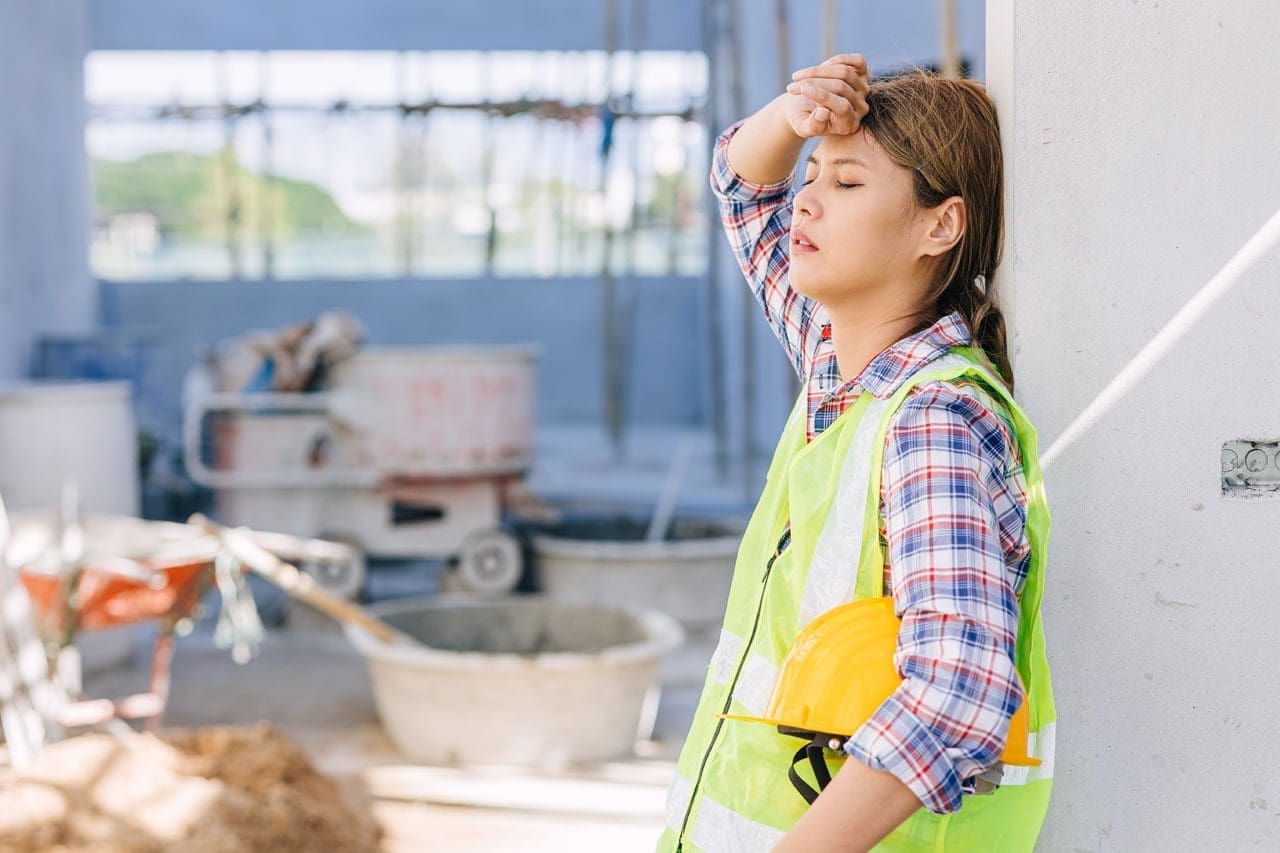
When temperatures rise in summer, heat-induced, severe headaches like migraines are common. However, a heat-induced migraine is not the same as a heat-induced headache, as the two have different symptoms. What they have in common is that they’re both triggered by the effects of hot weather on the body. Understanding the causes and warning signs of heat headaches can help prevent and treat potentially dangerous heat-related conditions. Injury Medical Chiropractic and Functional Medicine Clinic uses various techniques and therapies customized to the individual to relieve pain and improve function.
Heat-Induced Headaches
Headaches and migraines are common, affecting 20 percent of women and nearly 10 percent of men. An increase in frequency can be caused by
- Dehydration.
- Environmental factors.
- Heat exhaustion.
- Heatstroke.
A heat-induced headache can feel like a dull, pulsing ache around the temples or in the back of the head. Depending on the cause, a heat-induced headache may escalate into more intense internal pain.
Causes
A heat-induced headache may not be caused by the hot weather but by the body’s response to heat. Weather-related triggers of headaches and migraines include:
- Sun glare
- Bright light
- High humidity
- Sudden drops in barometric pressure
- Weather conditions can also affect serotonin levels.
- Hormonal fluctuations are common migraine triggers that can also cause headaches.
- Dehydration can trigger both headaches and migraines.
When exposed to higher temperatures, the body needs more water to compensate for water lost through use and sweating. Prolonged exposure to high temperatures puts the body at risk of heat exhaustion, one of the stages of heat stroke, with headaches as a symptom. Any time the body is exposed to high temperatures or spends a long time outside in the hot sun, and a headache occurs afterward, heat stroke is possible.
Heat Headache Symptoms
Symptoms of a heat-induced headache can vary according to the situation. If the headache is triggered by heat exhaustion, the body will experience heat exhaustion symptoms, including head pain. Heat exhaustion symptoms include:
- Dizziness.
- Muscle cramps or tightness.
- Nausea.
- Fainting.
- An extreme thirst that does not go away.
If the headache or migraine is related to heat exposure but not connected to heat exhaustion, the symptoms may include the following:
- A throbbing, dull sensation in the head.
- Dehydration.
- Fatigue.
- Sensitivity to light.
Relief
Individuals can be proactive about prevention.
- If possible, limit time outside, protect the eyes with sunglasses, and wear a hat with a brim when staying outdoors.
- Exercise indoors in an air-conditioned environment if able.
- Increase water consumption as temperatures rise, and utilize healthy sports drinks to replenish electrolytes.
Home remedies can include:
- Lavender or peppermint essential oils.
- Cold packs.
- Iced herbal teas.
- Over-the-counter acetaminophen and ibuprofen.
Chiropractic Care
Chiropractic treatment can include:
- Craniocervical mobilization involves gentle chiropractic pressure on the neck to adjust the joints.
- Spinal manipulation involves applying more force and pressure at certain points along the spine.
- Neuromuscular massage includes kneading joints and muscles and relieves pain by releasing pressure from compressed nerves.
- Myofascial release massage targets the connective tissue that supports muscles and focuses on trigger points in the back, neck, or head to relax the muscles and improve blood circulation.
- Trigger point therapies target tense areas to help relax muscles, improve blood flow, and relieve stress.
- Traction therapy.
- Decompression therapy.
- Exercises designed specifically to reduce pain.
From Inflammation to Healing
References
Bryans, Roland, et al. “Evidence-based guidelines for the chiropractic treatment of adults with headache.” Journal of Manipulative and physiological therapeutics vol. 34,5 (2011): 274-89. doi:10.1016/j.jmpt.2011.04.008
Demont, Anthony, et al. “Efficacy of physiotherapy interventions for the management of adults with cervicogenic headache: A systematic review and meta-analyses.” PM & R: the journal of Injury, Function, and Rehabilitation vol. 15,5 (2023): 613-628. doi:10.1002/pmrj.12856
Di Lorenzo, C et al. “Heat stress disorders and headache: a case of new daily persistent headache secondary to heat stroke.” BMJ case reports vol. 2009 (2009): bcr08.2008.0700. doi:10.1136/bcr.08.2008.0700
Fernández-de-Las-Peñas, César, and María L Cuadrado. “Physical therapy for headaches.” Cephalalgia: an international journal of Headache vol. 36,12 (2016): 1134-1142. doi:10.1177/0333102415596445
Swanson JW. (2018). Migraines: Are they triggered by weather changes? mayoclinic.org/diseases-conditions/migraine-headache/expert-answers/migraine-headache/faq-20058505
Victoria Espí-López, Gemma, et al. “Effectiveness of Physical Therapy in Patients with Tension-type Headache: Literature Review.” Journal of the Japanese Physical Therapy Association = Rigaku ryoho vol. 17,1 (2014): 31-38. doi:10.1298/jjpta.Vol17_005
Whalen, John, et al. “A Short Review of the Treatment of Headaches Using Osteopathic Manipulative Treatment.” Current pain and headache reports vol. 22,12 82. 5 Oct. 2018, doi:10.1007/s11916-018-0736-y

Comments are closed.