
Data Center Workplace Injury: Common Causes and Solutions

Rack-Side Strains, Lifting Injuries, and Repetitive-Use Problems: Why Early Medical Documentation Matters After a Data Center Workplace Injury
A data center can look calm, but the work inside can be physically demanding. Technicians lift servers, move batteries, carry tools, climb ladders, reach into racks, kneel, push carts, and repeat hand and wrist motions. One awkward lift, one slip, or hundreds of repeated movements can turn a normal shift into a painful one.
When that happens, health comes first. A timely medical evaluation can document what happened, what hurts, what the examination shows, and how the injury affects work and daily function. That record can guide care, support appropriate work restrictions, and create an accurate clinical timeline. It does not guarantee a legal or workers’ compensation result. Effective documentation supports good medicine.

Data Center Work Creates More Than One Kind of Injury Risk
Work-related musculoskeletal problems are associated with lifting, forceful exertion, bending, twisting, awkward posture, overhead reaching, repetitive activity, and prolonged static positions. NIOSH and OSHA identify these exposures as important ergonomic risk factors (National Institute for Occupational Safety and Health [NIOSH], 2024; Occupational Safety and Health Administration [OSHA], n.d.-c).
On a server floor, a technician may strain the low back while lifting equipment. A shoulder may hurt after repeated overhead cable work. A wrist or forearm may develop symptoms after frequent tool use or fastening. A slip may cause an acute neck, back, hip, knee, or shoulder injury.
Repetitive-use problems may begin as tightness, tingling, fatigue, or soreness and gradually interfere with grip, sleep, concentration, or endurance. That is why symptom history and functional change matter.
Why “I’ll See How It Feels Tomorrow” Can Create Problems
After a workplace incident, people often minimize symptoms. They may focus on finishing the shift or hope soreness settles down. Sometimes it does. Sometimes pain, stiffness, spasm, swelling, numbness, or limited movement becomes clearer later.
Not every ache requires emergency care. However, a meaningful injury should be evaluated according to its symptoms and severity, especially with trauma, neurologic change, weakness, loss of function, or persistent pain.
An early evaluation lets the clinician record the history while details are fresh. Occupational medicine guidance emphasizes documenting medical and occupational history, involved body regions, functional effects, work exposures, examination findings, and disability risks during initial assessment (Klees et al., 2026).
Chronology clearly matters. A note that identifies when the event happened, the task being performed, the symptoms that followed, and the resulting limitations is more useful than a vague record created weeks later.
What Accurate Medical Documentation Should Include
A strong medical record is specific. It should clearly distinguish patient reports from clinician observations.
Useful details may include the date and time; the task being performed; the weight of a lift when known; whether twisting, reaching, kneeling, climbing, or falling occurred; body areas affected; symptom onset; and later changes.
The examination may record range of motion, tenderness, swelling, strength, reflexes, sensation, gait, balance, grip, orthopedic findings, neurologic findings, and other measures. When indicated, the clinician may recommend imaging, testing, referral, or further evaluation.
Function deserves equal attention. “Back pain” is less informative than saying “pain increases when lifting from floor level, sitting for more than thirty minutes, or climbing stairs.” “Wrist discomfort” is less useful than documenting difficulty gripping tools, typing, fastening components, or carrying equipment.
Functional detail helps the care team understand the impact and shape medically appropriate temporary restrictions.
Medical Records and Workplace Reporting Are Related, but Not the Same
Employees should follow their employer’s reporting procedures. OSHA requires covered employers to establish a reasonable process for workers to report work-related injuries and illnesses promptly and accurately (OSHA, n.d.-b).
Workplace reporting and medical documentation serve different purposes. An employer incident report describes the workplace event from an organizational perspective. A clinical record documents the patient’s history, examination, assessment, functional status, treatment plan, and follow-up.
Neither document automatically proves fault, compensability, or eligibility for benefits. OSHA notes that reporting a work-related injury does not mean anyone was at fault, an OSHA rule was violated, or a worker is eligible for workers’ compensation or other benefits (OSHA, n.d.-a). Medical care should remain medically driven, objective, patient-centered, and evidence-informed.
Repetitive Strain Needs Documentation, Too
Not every data center injury begins with one memorable moment. Repetitive tasks can create gradual neck, shoulder, elbow, wrist, hand, or low-back symptoms. NIOSH identifies repetition, force, awkward posture, static posture, lifting, and vibration among recognized risk factors for work-related musculoskeletal disorders (NIOSH, 2024).
When symptoms build gradually, describe patterns. Which tasks aggravate symptoms? How often are they performed? Do you have numbness, tingling, weakness, loss of dexterity, or reduced tolerance for reaching, sitting, standing, or lifting?
A careful assessment also considers prior injuries, underlying conditions, activities outside work, and other relevant factors. Objective medicine means considering the whole picture rather than assuming work is the only cause.
Red Flags Should Never Wait for Paperwork
Documentation matters, but urgent care comes first. After a neck or back injury, worsening weakness, major sensory loss, loss of bowel or bladder control, saddle-area numbness, severe unrelenting pain, significant trauma, fever with spinal pain, or other concerning neurologic or systemic findings require prompt assessment. Low-back guidelines emphasize screening for red flags that may indicate serious conditions (Buelt et al., 2023).
After a blow to the head, worsening confusion, repeated vomiting, seizure, severe headache, unusual drowsiness, or loss of consciousness deserve immediate attention (Centers for Disease Control and Prevention [CDC], 2025).
Do not delay urgent evaluation to finish employer forms, call an attorney, or wait for a routine appointment.
Integrated Care Can Connect Structure, Medicine, and Function
At Personal Injury Doctor Group, an integrated model can be useful when a workplace injury affects movement and health needs.
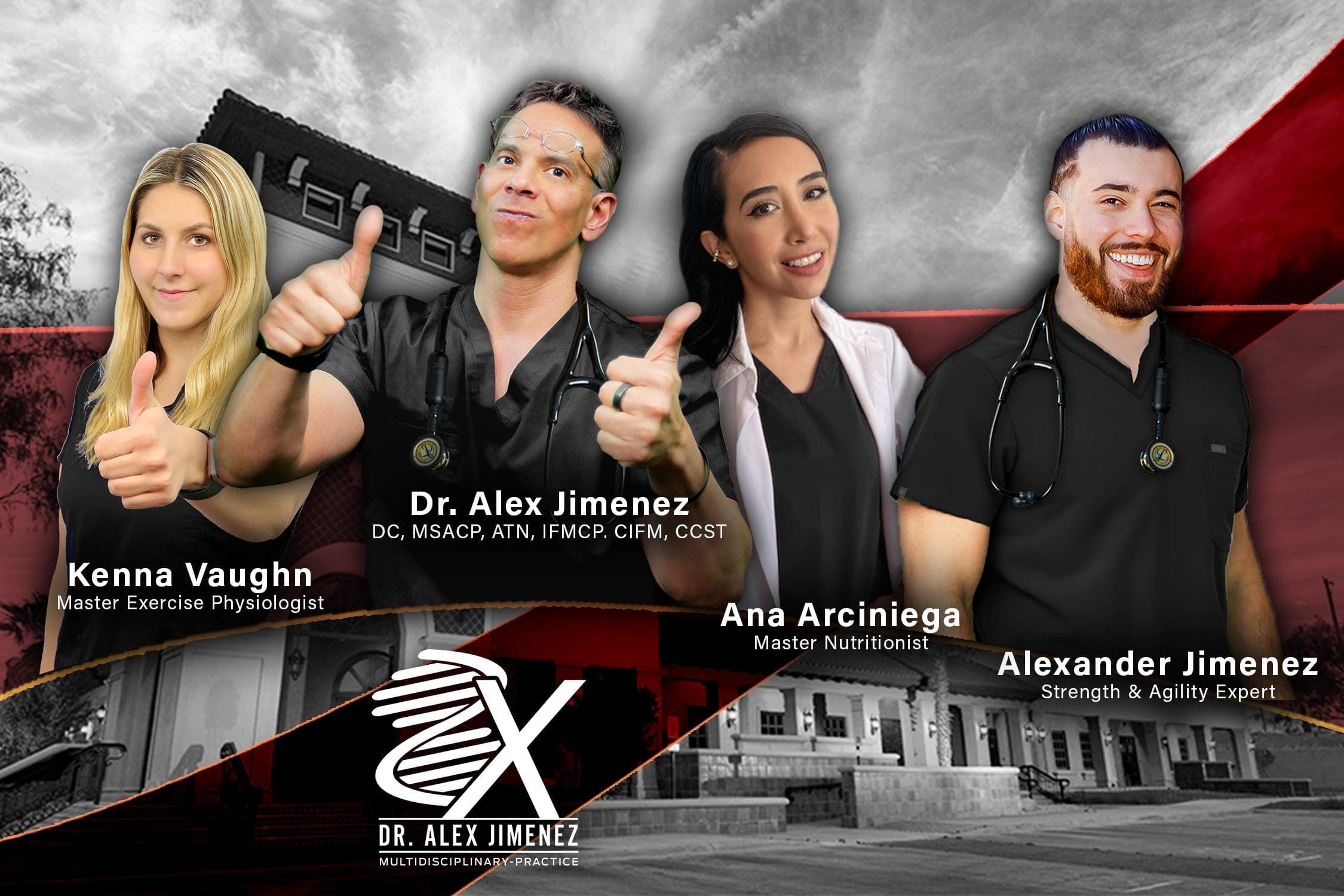
Dr. Alex Jimenez, DC, APRN, FNP-BC, CFMP, IFMCP, bridges physical medicine with functional diagnostics. His role can include chiropractic structural assessment, mechanical rehabilitation, movement-based care, and advanced metabolic or nutritional evaluation when clinically appropriate. Licenses include Texas Chiropractic License #TX5807, New Mexico Chiropractic License #NM-DC2182, and Texas Advanced Practice Nursing License #1191402 with Prescriptive Authority #59628. His NPI is 1205907805.
Dr. Maria G. Cardenas, MD, is a board-certified Internal Medicine physician and serves as Medical Director and Clinical Director. Her role includes medical oversight, evaluation of complex medical or metabolic comorbidities, laboratory interpretation when indicated, risk stratification, and internal medicine treatment coordination. Her Texas Medical License is #J2933, and her NPI is 1164426748.
Collaboration does not mean every patient receives every service. It means the patient can be evaluated from multiple clinically relevant angles when needed.
Beneficence Means Protecting the Patient, Not the Paper Trail
The ethical priority is the patient’s well-being. Beneficence means choosing care intended to improve health, reduce risk, restore function, and avoid unnecessary procedures.
That may involve conservative care, rehabilitation, work modification, diagnostic testing, referral, or medical management. It may also mean deciding that a treatment is not appropriate.
Accurate records allow the care team to compare symptoms, findings, and function over time. They can show improvement, lack of improvement, new findings, or a reason to change the plan.
Autonomy Means You Understand What Is Being Documented
Patients should know what is in their medical record and why it matters. You should be able to describe the event in your own words, report symptoms honestly, ask questions, and understand recommended care.
Do not minimize or exaggerate symptoms. If a detail is uncertain, say so; the mechanism is unclear; explain what you remember rather than guessing. If symptoms change, report the change. Your record should reflect your actual experience and the clinician’s findings.
A Practical Next Step After a Data Center Injury
If you are injured while lifting equipment, working inside racks, climbing, carrying, troubleshooting, or performing repetitive tasks, prioritize safety and medical clarity. Follow workplace reporting procedures, seek appropriate care, and bring a clear description of the event and job demands to the evaluation.
Personal Injury Doctor Group can provide an integrated assessment connecting musculoskeletal findings, medical oversight, functional limitations, and a documented care plan. The goal is not to promise a claim outcome. The goal is to understand the injury, protect health, support informed decisions, and create an accurate clinical record.
If symptoms persist, worsen, or limit work or daily function, schedule an evaluation with our multidisciplinary team. You remain the decision-maker. We provide the examination, clinical reasoning, documentation, and care options you need to make informed choices.
References
Buelt, A., McCall, S., & Coster, J. (2023). Management of low back pain: Guidelines from the VA/DoD. American Family Physician, 107(4), 435–437.
Centers for Disease Control and Prevention. (2025, September 15). Symptoms of mild TBI and concussion. National Center for Injury Prevention and Control.
Klees, J. E., Milek, D., Hegmann, K. T., & ACOEM Evidence-Based Practice Initial Assessment Panel. (2026). General approach to initial assessment and documentation. Journal of Occupational and Environmental Medicine, 68(1), e85–e97.
National Institute for Occupational Safety and Health. (2024, March 1). Step 1: Identify risk factors. Centers for Disease Control and Prevention.
Occupational Safety and Health Administration. (n.d.-a). 1904.0—Purpose. U.S. Department of Labor.
Occupational Safety and Health Administration. (n.d.-b). 1904.35—Employee involvement. U.S. Department of Labor.
Occupational Safety and Health Administration. (n.d.-c). Ergonomics—Overview. U.S. Department of Labor.
Comments are closed.