

Sleep After Car Accident: Finding Comfort Again


Why Is It So Hard to Sleep After a Car Accident? Pain, Positioning, and Recovery
After a crash or a tough shift, many people get through the day but can’t get comfortable at night. This article explains why sleep positions fail, how that shows up on a screen or on the floor, why the change belongs in the record, and which symptoms need prompt care.
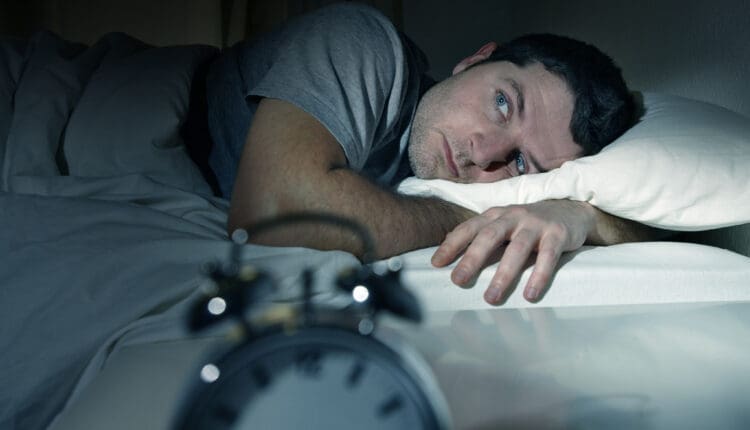
The shift ended. The tickets closed. The last tote left the belt. You got home, ate something simple, and expected the bed to work the way it always has. Then the neck would not settle. The shoulder objected to the side you have used for years. A rib caught when you rolled. The quiet made every symptom louder. That split is familiar after a motor vehicle collision and after some workplace injuries. It is not a character flaw, and it should not be left out of the clinical story.
Sleep trouble after injury is common enough to take seriously and variable enough to document with care. Neck pain and headache are frequent early findings after whiplash-type trauma, and both can still be present months later in a meaningful share of people (Al-Khazali et al., 2020). People may also report worse sleep quality even when a motion monitor shows no dramatic group difference (Schlesinger et al., 2001). Poor sleep and pain travel together. Sleep loss can predict later pain more reliably than pain predicts later sleep loss, so the night problem belongs in the recovery plan (Finan et al., 2013). One poor night does not prove how severe an injury is.
The Day Can Seem Manageable. The Pillow Does Not.
People in tech roles, Amazon fulfillment, data center operations, and warehouse work often describe the same pattern. During the day, movement, conversation, and task focus cover some of the discomfort. Once the room is dark, the load on the neck and ribs becomes constant. A position change requires a deliberate roll. Nothing distracts attention from tingling, headache, or a guarded muscle.
A preferred side may suddenly be the wrong side. A stomach sleeper may not tolerate neck rotation. A back sleeper may feel the low back seize when the knees are straight. These positioning problems have clinical significance. The person is not refusing rest. The old setup is refusing the person.
Why Sleep Gets Harder After an Injury
Several mechanisms can overlap. A careful history separates them, rather than folding everything into stress.
- Neck or back discomfort with position changes. Rolling, reaching for a phone, or propping on an elbow can reproduce the motion that hurt in the car or on the floor.
- Muscle guarding and stiffness. After a sudden load, muscles may stay on to protect a joint. Guarded muscles fatigue, then ache more when you finally lie still.
- Shoulder or rib soreness. A seatbelt line, a brace against a rack, or a fall onto the side can make side-lying feel sharp even when walking seems fine.
- Headaches. Post-injury headache often tracks with neck load. A thick pillow or a curled chin can feed it (Al-Khazali et al., 2020).
- Neurological symptoms such as tingling. Arm or leg symptoms that appear only at night need a specific note: which side, which fingers or toes, and whether shaking the limb helps.
- Loss of a preferred side. If the only comfortable position is new, say so. That is a change in function.
- Quiet-hour awareness. The symptoms did not begin at bedtime. The day stopped competing with them.
- Medication effects. Some pain medicines cause grogginess. Others fragment sleep. Stopping a medicine abruptly can cause rebound pain. Report the name, dose, and timing.
- A broken routine. Shift work, NOC rotations, and late warehouse closes already disrupt sleep timing. An injury can remove the short walk, the wind-down, or the usual bedtime.
Fear of rolling onto a sore rib is reasonable. Describe it in plain language so the record shows function, not drama.
Poor Sleep Can Make the Next Day Feel Harder
Sleep does not, by itself, decide whether tissue heals. That claim would overreach. The evidence supports something more modest. Disturbed sleep can lower pain tolerance, blunt mood, and make the next day’s effort feel larger (Finan et al., 2013). Sleep restriction can also impair attention and reaction time in ways that matter at work (Williamson & Feyer, 2000).
People notice the effects in ordinary terms.
- Pain tolerance drops, so familiar tasks feel sharper.
- Concentration slips, especially on detailed work.
- Mood becomes shorter, which strains households and crews.
- Physical energy fades before the shift ends.
- Rehab sessions feel harder to start, even when the plan is sound.
Protecting sleep can make care participation more realistic. It does not replace an exam, imaging when indicated, or time spent in care.
How the Next Shift Reveals the Night
For software engineers, analysts, help-desk staff, and NOC monitors, a rough night often shows up on the screen before it shows up on a pain scale. The text looks harsher. Headache builds after a shorter stretch of monitors. Typing slows. The person needs more standing breaks, misses a small error, or closes tickets later than usual. Those are functional changes. They belong next to the neck range and headache pattern.
For Amazon associates, data center technicians, and warehouse workers, the same night can show up under load. Lifting endurance fades earlier. Balance feels less automatic on a step stool or a short ladder. Reaction time for a sudden stop or a change in direction may be duller. Walking tolerance drops, so a routine aisle now needs a pause. None of these factors proves the injury is severe. It does explain why a person who can still clock in may not be safe or fair to themselves at full pace (Williamson & Feyer, 2000).
Group health plans used by many El Paso technology, fulfillment, and data center employers often cover a focused musculoskeletal and medical evaluation. Coverage rules differ. Ask for the plan, then bring the sleep notes with you.
Document the Night Because It Describes Function
Sleep changes help clinicians see how an injury is affecting life. They don’t automatically prove injury severity, and you shouldn’t write them that way. A clean entry is more protective than a dramatic one.
Useful details include:
- Bedtime, wake time, and how many times you got up
- Which positions reproduced neck, shoulder, rib, or leg pain
- Whether tingling, numbness, or radiating pain appeared, and where
- Headache, dizziness, or a sense of not quite being steady
- Medicines taken, and whether they helped or clouded the morning
- Whether the pattern is improving, flat, or worse over one to two weeks
- What the next shift could not tolerate: screens, typing, lifts, walking, or ladders
Attorneys and claims reviewers use the function. A dated note that says left-side-lying causes hand tingling after 20 minutes is more useful than “I cannot sleep.” Autonomy here is practical. You decide what to share, and you keep a record that matches what you experienced.
What a Clinical Evaluation Should Cover
At Injury Medical Clinic PA, a sleep complaint after a crash or workplace injury is examined, not waved off. Dr. Alex Jimenez, DC, APRN, FNP-BC, and Dr. Maria Guadalupe Cardenas, MD, look at structure and medical context together. The visit should make several points explicit.
- Which sleeping positions reproduce symptoms, and which give relief
- Whether numbness or radiating pain occurs at night, and the path it follows
- Cervical and lumbar movement, including whether motion is guarded or blocked
- Shoulder or rib involvement, including seatbelt or impact lines
- Neurological findings: strength, reflexes, sensation, and gait
- Headaches or dizziness, and whether they are worsening
- Trend over time: better, unchanged, or worse
Use imaging or laboratory work when the history and exam call for it, not as a reflex. Normal images do not erase a real positioning problem. Abnormal images do not, by themselves, explain every night waking.
Coordinated Care, Not a Single Trick
Beneficence means the plan serves safety and function. Non-maleficence means starting with options that avoid unnecessary surgery and limit heavy medication dependence when a conservative path is appropriate. Coordination can include:
- Chiropractic structural care to restore motion that guarding has limited
- Gentle mobility so rolling in bed is less of a threat
- Rehabilitation paced to the job, whether that job is a keyboard or a pallet
- Positioning strategies, including pillow height and a supported side-lying setup
- Medical management when headache or sleep disruption needs it, under Dr. Cardenas’s internal-medicine oversight
Dr. Jimenez’s dual chiropractic and board-certified family nurse practitioner training allows structural care and medical assessment in one clinic. Prescriptive authority is used only when indicated. Care is meant to work with the patient’s existing physicians and, when relevant, the legal team. The patient remains the decision-maker.
Red Flags That Should Not Wait
Most night discomfort can be evaluated on a routine timeline. Some symptoms need prompt medical attention, including an emergency department visit when they are severe:
- Severe or worsening headache
- Repeated vomiting
- Significant confusion or a new change in alertness
- Progressive weakness or numbness
- Breathing difficulty
- Severe chest pain
- Other concerning neurological symptoms, such as trouble speaking, facial droop, or loss of bowel or bladder control
These signs are safety issues first. Documentation comes after the person is stable.
The Night Is Part of the Recovery Story
If an injury changes how you sleep, that change is part of the recovery story. Don’t ignore it until fatigue hits a NOC console or a warehouse aisle. Bring the positions, the tingling map, and the next-day limits. A clear exam can separate a solvable positioning problem from a symptom that needs faster medical care.
Injury Medical Clinic PA is at 11860 Vista del Sol Dr, Suite 128, El Paso, TX 79936. Call 915-850-0900. Patients with group benefits can ask the office to review coverage for an injury-focused visit.
Watch a short patient perspective on post-crash recovery: Feeling Better Than Ever After a Semi-Truck Accident | El Paso, TX (2025)
References
Al-Khazali, H. M., Ashina, H., Iljazi, A., Lipton, R. B., Ashina, M., Ashina, S., & Schytz, H. W. (2020). Neck pain and headache after whiplash injury: A systematic review and meta-analysis. Pain, 161(5), 880–888.
Finan, P. H., Goodin, B. R., & Smith, M. T. (2013). The association of sleep and pain: An update and a path forward. The Journal of Pain, 14(12), 1539–1552.
Schlesinger, I., Hering-Hanit, R., & Dagan, Y. (2001). Sleep disturbances after whiplash injury: Objective and subjective findings. Headache: The Journal of Head and Face Pain, 41(6), 586–589.
Williamson, A. M., & Feyer, A.-M. (2000). Moderate sleep deprivation produces impairments in cognitive and motor performance equivalent to legally prescribed levels of alcohol intoxication. Occupational and Environmental Medicine, 57(10), 649–655.
Comments are closed.