

Chiropractic Integrative Treatment Insights For Migraines

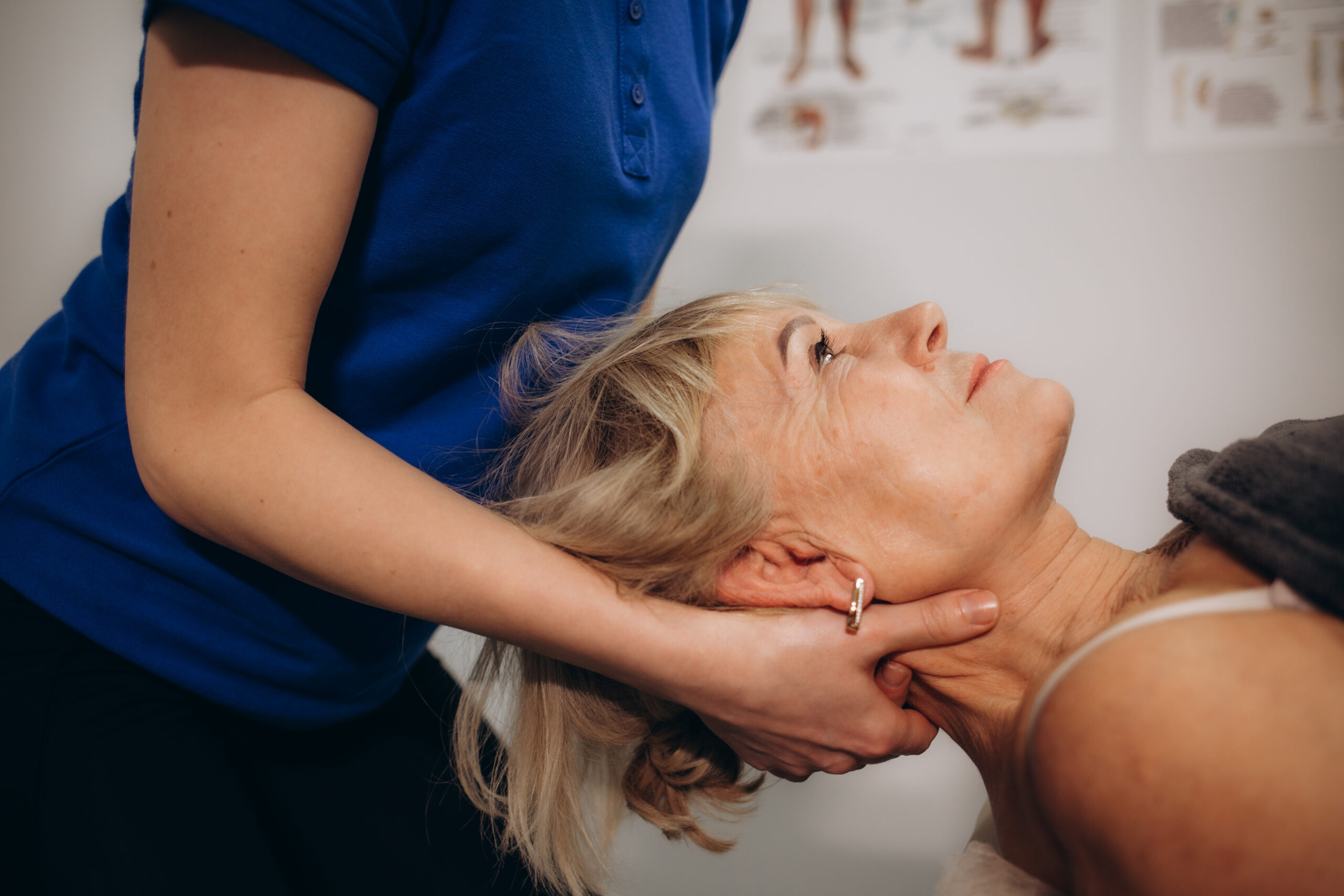
Learn how integrative migraine treatments can help alleviate pain and restore your health through chiropractic care.
Abstract
I am Dr. Alex Jimenez, DC, APRN, FNP-BC, CFMP, IFMCP, ATN, CCST. In this educational post, I guide you through a comprehensive, evidence-based journey into migraine—one of the most prevalent and disabling neurological disorders worldwide. I explain how to accurately diagnose migraine using the International Classification of Headache Disorders, 3rd edition (ICHD-3) criteria; how to screen for danger signs using SNOOP; and how to distinguish migraine from tension-type headache quickly and reliably. I then walk you through the neurological phases of a migraine attack (prodrome, aura, headache, postdrome) and translate cutting-edge science into plain language, including the central role of the hypothalamus, cortical spreading depression, trigeminovascular activation, neurogenic inflammation, calcitonin gene-related peptide (CGRP), serotonin dynamics, and central sensitization.
From there, I connect science to care. I detail how our multidisciplinary team at Injury Medical Clinic PA (also known as Mission Plaza Injury Medical Clinic) in El Paso, Texas, integrates medical oversight by Dr. Maria Guadalupe Cardenas, MD (Board Certified in Internal Medicine; NPI #1164426749; Texas MD License #J2933) with chiropractic care, functional medicine, rehabilitation, and personal injury services. I explain the mechanisms, benefits, and clinical reasoning for therapies such as onabotulinumtoxinA (Botox), CGRP monoclonal antibodies and gepants, triptans, NSAIDs, and nonpharmacologic strategies. You will learn how chiropractic adjustments, soft tissue therapies, postural correction, autonomic regulation, and metabolic optimization fit into acute and preventive treatment plans. Throughout, I include insights from leading researchers and my clinical observations to provide a practical, patient-centered framework.
About Our Integrative Care Model
- Practice: Injury Medical Clinic PA (Mission Plaza Injury Medical Clinic), El Paso, Texas
- Clinical Team:
-
- Medical oversight: Dr. Maria Guadalupe Cardenas, MD (Board Certified in Internal Medicine; NPI #1164426749; Texas MD License #J2933), Medical Director and Collaborative Physician with over 40 years of experience.
- Integrative care: Dr. Alex Jimenez, DC, APRN, FNP-BC, CFMP, IFMCP, ATN, CCST—integrating chiropractic care, functional medicine, neurological and biomechanical assessment, rehabilitation, and personal injury care.
- Model:
-
- Patient-centered, interdisciplinary care in which an MD provides continuous medical direction alongside a chiropractor.
- Integrated diagnostics and therapy planning across neurology, internal medicine, biomechanics, nutrition, and rehabilitation.
- Emphasis on safety, personalization, and evidence-based practice aligned with modern guidelines.
The Hidden Epidemic of Migraine
Migraine is a pervasive neurological disorder that affects enormous numbers of people worldwide. Its burden extends far beyond head pain—it disrupts families, livelihoods, and communities. Understanding the scope is essential for designing responsive, scalable care.
- Global prevalence: Over a billion individuals suffer from migraine (Goadsby et al., 2017).
- Gender differences:
-
- Approximately one in five women will experience migraine.
- Approximately one in sixteen men will experience migraine.
- Post-puberty hormonal influences substantially modulate risk and frequency (Ashina et al., 2019).
- Pediatric impact:
-
- About one in eleven children are affected.
- Prevalence balances between boys and girls before menarche, suggesting non-hormonal drivers early on.
- Household burden:
-
- In the United States, one in four households includes at least one person with migraine.
- Consequences include missed work or school, reduced productivity, and caregiver strain (Lipton et al., 2001; Manack et al., 2011).
- Care context:
-
- Approximately 70% of individuals with migraine are managed in primary care settings.
- Integrative and primary care teams are responsible for accurate diagnosis, excluding dangerous secondary causes, and effective treatment planning (Rizzoli & Loder, 2011).
Key takeaway: Migraine is common, costly, and diverse in presentation. A high index of suspicion—with a methodical approach to diagnosis—is essential.
How We Diagnose Migraine Accurately
Accurate diagnosis is central to effective care. Migraine can mimic or be mistaken for other headaches and vice versa. Our diagnostic process balances patient narratives with systematic assessment.
The SNOOP Framework: Screening for Red Flags
Before diagnosing a primary headache disorder such as migraine, we must rule out dangerous secondary causes. The SNOOP mnemonic provides a structured checklist to identify warning signs.
- S – Systemic symptoms
-
- Clinical questions: Do you have fever, unexplained weight loss, myalgias, or systemic illness?
- Rationale: Suggests infections like meningitis or systemic inflammatory disease requiring urgent evaluation.
- S – Secondary risk factors
-
- Clinical questions: History of cancer? Immunosuppression? Is this the first severe headache in pregnancy?
- Rationale: Raises suspicion for metastasis, CNS infections, cerebral venous thrombosis, or preeclampsia.
- N – Neurological signs/symptoms
-
- Clinical assessment: Focal neurological deficits, aphasia, sensory loss, seizures, papilledema.
- Rationale: Indicates potential mass lesion, stroke, abscess, or raised intracranial pressure.
- O – Onset
-
- Clinical questions: Did the headache reach maximum intensity within 60 seconds (thunderclap)?
- Rationale: Subarachnoid hemorrhage risk; requires immediate imaging.
- O – Older age of onset
-
- Clinical questions: New headache after age 50?
- Rationale: Consider giant cell arteritis; evaluate for jaw claudication, scalp tenderness, visual changes.
- P – Pattern change or precipitants
-
- Pattern: Sudden change in severity/frequency; persistent daily headaches in someone with episodic history.
- Precipitants: Valsalva-related headaches (coughing, sneezing, bearing down), positional headaches, headaches associated with sexual activity.
- Rationale: Points to structural causes (e.g., Chiari malformation, CSF leak, elevated intracranial pressure) or subarachnoid hemorrhage.
By applying SNOOP meticulously, we create a safety net that prevents missing life-threatening causes before diagnosing migraine.
ICHD-3 Criteria: Defining Migraine
We use the International Classification of Headache Disorders, 3rd edition (ICHD-3), to diagnose migraine. For migraine without aura:
- At least five attacks fulfilling:
- Duration: 4–72 hours (untreated or unsuccessfully treated).
- At least two of the following:
-
-
- Unilateral location.
- Pulsating quality.
- Moderate to severe intensity.
- Aggravation by routine physical activity.
-
-
- During headache, one of:
-
-
- Nausea and/or vomiting.
- Photophobia and phonophobia.
-
Examples:
- Patient A: Unilateral, throbbing pain, severe; photophobia and phonophobia present. Diagnosis: migraine.
- Patient B: Bilateral pressure pain, 7/10, worsens with activity; nausea present. Diagnosis: migraine, even without throbbing.
Important nuance: Migraine is heterogeneous. Not all attacks are throbbing or strictly unilateral, and bilateral presentations are common, especially in children and at onset.
ID Migraine Screener: A Quick Primary Care Tool
The ID Migraine screener (PIN) focuses on three predictive features:
- P – Photophobia.
- I – Impairment (functional limitation).
- N – Nausea.
If a patient answers “yes” to two out of three (in the absence of SNOOP red flags), the probability of migraine is approximately 93% (Lipton et al., 2001). This tool speeds identification in busy settings and prompts confirmatory evaluation.
Distinguishing Migraine from Tension-Type Headache
Diagnostic clarity avoids undertreatment or overtreatment. The following features are especially discriminating:
- Duration:
-
- Migraine: 4–72 hours (adults); can be as short as 2 hours in children.
- Tension-type headache (TTH): 30 minutes to 7 days.
- Location:
-
- Migraine: Often unilateral; can be bilateral.
- TTH: Typically bilateral (“band-like”).
- Quality:
-
- Migraine: Pulsating or throbbing is common.
- TTH: Pressing or tightening (non-pulsating).
- Intensity:
-
- Migraine: Moderate to severe; typically disabling.
- TTH: Mild to moderate; usually allows continued activity.
- Aggravation by activity:
-
- Migraine: Characteristically worsened by routine activity (e.g., walking, bending).
- TTH: Not worsened by routine activity; may improve with gentle movement.
- Associated symptoms:
-
- Migraine: Nausea and/or vomiting; photophobia and phonophobia together are common.
- TTH: No nausea/vomiting; may have either photophobia or phonophobia, but not both simultaneously.
Clinical insight: Many patients describe neck tightness transitioning into head pain and call the initial phase a “tension headache.” In fact, neck stiffness is often part of the prodrome—the migraine process has begun. This reframing helps patients intervene earlier.
The Migraine Continuum: Phases and Symptoms
Migraine is a multisystem neurological event with distinct phases. Recognizing them enables timely intervention.
- Interictal phase:
-
- Period between attacks; prevention aims to lengthen this phase.
- Prodrome (premonitory phase):
- Occurs hours to days before headache.
- Symptoms:
-
-
- Neurological/cognitive: brain fog, word-finding difficulty, fatigue, yawning, irritability or mood change.
- Sensory: light, sound, and smell sensitivity; food cravings.
- Autonomic/physical: neck stiffness and pain, dizziness, frequent urination.
-
-
- Clinical pearl: Neck pain in prodrome is often misattributed to tension; early intervention during prodrome can blunt or abort attacks.
- Aura:
-
- Fully reversible neurological symptoms (25–30% of patients).
- Visual aura: scintillating scotoma, shimmering zig-zags; typically positive phenomena.
- Sensory aura: tingling that spreads (cheiro-oral progression).
- Language aura: transient aphasia.
- Onset and duration: develops over 5–20 minutes; typically lasts less than 60 minutes.
- Headache phase:
-
- Throbbing, moderate to severe pain, with nausea, photophobia, phonophobia; lasts 4–72 hours.
- Postdrome (“migraine hangover” ):
-
- 24–48 hours afterthe headache subsides.
- Symptoms: fatigue, cognitive fog, scalp allodynia, neck and shoulder aches, mood changes.
Recognizing the full continuum validates patients’ experiences and informs phase-specific treatment strategies.
Migraine Neurobiology: A Modern, Evidence-Based View
Migraine is no longer seen as purely vascular. It is a neurobiological disorder rooted in hypersensitive neural networks and neuroimmune signaling. Understanding the physiology guides precise, targeted care.
Central Mechanisms: Hypothalamic Activation and Cortical Spreading Depression
- The hypothalamus:
-
- Master regulator of homeostasis, circadian rhythms, appetite, stress response, and endocrine function.
- Functional imaging (fMRI) shows hypothalamic activation before attacks, explaining prodromal symptoms and linking internal/external triggers to attack initiation (Ashina et al., 2012; Schulte & May, 2016).
- The “generator” concept: The hypothalamus initiates cascades that recruit brainstem and cortical mechanisms.
- Cortical spreading depression (CSD):
- A wave of depolarization followed by suppression traveling across cortex at 3–5 mm/min.
- Basis for aura:
-
-
- Visual cortex involvement? Scintillating scotoma, zig-zag patterns, and transient blind spots.
- Somatosensory cortex involvement? Tingling and numbness.
-
-
- Triggers trigeminovascular activation by releasing ions (K+) and glutamate and altering the meningeal environment (Goadsby et al., 2017).
Peripheral Mechanisms: Trigeminovascular System and Neurogenic Inflammation
- Trigeminal nerve (CN V):
-
- Primary sensory nerve of the face and head.
- The ophthalmic division (V1) innervates the dura and meningeal vessels—pain-sensitive structures that generate headache.
- Trigeminovascular pathway:
- Activation sequence:
-
-
- Trigeminal meningeal afferents activated by CSD signals and hypothalamic-brainstem drive.
- Release of neuropeptides—especially CGRP—plus substance P and neurokinin A.
- Vasodilation, plasma extravasation, mast cell degranulation: a neuroimmune cascade known as neurogenic inflammation (Edvinsson, 2017; Noseda & Burstein, 2013).
-
-
- Pain transmission:
-
-
- Signals converge in the trigeminocervical complex (TCC) in the upper cervical spinal cord and lower brainstem.
- From TCC to thalamus to cortex? Conscious perception of pain.
-
- Central sensitization:
-
- Persistent attacks increase excitability in TCC and thalamus.
- Clinical result: allodynia—innocuous stimuli become painful (e.g., brushing hair, wearing hats).
Molecular Mediators: CGRP and Serotonin
- CGRP:
- A 37-amino-acid neuropeptide central to migraine pathophysiology.
- Roles:
-
-
- Potent vasodilator (but not the sole pain driver).
- Amplifies nociceptive signaling.
- Facilitates neurogenic inflammation via mast cell degranulation and vascular permeability.
- Contributes to central sensitization (Edvinsson, 2017; Ashina et al., 2019).
-
-
- Elevated during attacks; returns to baseline interictally. Infusion can trigger attacks in susceptible individuals; blocking its signaling prevents or reduces attacks.
- Serotonin (5-HT):
-
- Inverse relationship with CGRP release at trigeminal synapses.
- Triptans (5-HT1B/1D agonists) reduce CGRP release and pain transmission, highlighting the serotonergic control of trigeminal neurochemistry.
Key insight: Migraine results from a neurobiological convergence—hypothalamic dysregulation, cortical hyperexcitability, trigeminovascular activation, neuroimmune signaling, and maladaptive plasticity.
From Bench to Bedside: Evidence-Based Acute and Preventive Therapies
Acute Therapies: Stop the Attack Early
- Triptans:
-
- Mechanism: 5-HT1B/1D agonists reduce CGRP and neuropeptide release; may cause vasoconstriction (use caution in vascular disease).
- Clinical use: First-line for moderate to severe attacks.
- Gepants (acute):
-
- Mechanism: Small molecule CGRP receptor antagonists (e.g., rimegepant); do not cause vasoconstriction.
- Clinical use: Alternative for patients with cardiovascular contraindications or triptan intolerance.
- Ditans:
-
- Mechanism: 5-HT1F agonists (e.g., lasmiditan), central analgesic effects without vasoconstriction.
- Clinical use: Option for patients with vascular risk.
- NSAIDs:
-
- Mechanism: Reduce prostaglandin-mediated inflammation.
- Clinical use: Mild to moderate attacks or adjunctive therapy.
Timing matters:
- Treat at attack onset or prodrome—before central sensitization escalates—for better outcomes.
Preventive Therapies: Reduce Frequency and Severity
Modern prevention combines pharmacologic and nonpharmacologic strategies tailored to comorbidities, preferences, and response.
- CGRP monoclonal antibodies (mAbs):
- Ligand-targeting: galcanezumab, fremanezumab, eptinezumab.
- Receptor-targeting: erenumab.
- Mechanism: Neutralize CGRP or block its receptor; reduce neurogenic inflammation and nociceptor sensitization (Ashina et al., 2019).
- Dosing/pharmacokinetics:
-
-
- Monthly or quarterly dosing; long half-lives (~28–32 days).
- Eptinezumab: quarterly IV infusion; others: monthly SC injections (some quarterly options).
-
-
- Safety/monitoring:
-
-
- Erenumab: constipation risk; post-marketing reports of blood pressure elevation and muscle spasm.
- Class considerations: monitor blood pressure and counsel regarding Raynaud’s-type symptoms; mild injection-site reactions possible.
- Minimal CYP interactions—advantageous in polypharmacy.
-
-
- Clinical course: Assess efficacy over 3–6 months, though some improve within the first month.
- Gepants (preventive):
-
- Atogepant and rimegepant for preventive use in select patients.
- Mechanism: CGRP receptor blockade with flexible dosing; limited interactions; favorable tolerability profiles.
- OnabotulinumtoxinA (Botox) for chronic migraine:
- Mechanism: Cleaves SNAP-25 in the SNARE complex, reducing presynaptic release of CGRP, substance P, glutamate.
- Indication: Chronic migraine (?15 headache days/month for >3 months, with ? 8 migraine days).
- Injection protocol:
-
-
- The PREEMPT paradigm targets 31 sites across frontal, temporal, occipital, paraspinal, and trapezius muscles.
- Rationale: Modulates pericranial nociceptive inputs and muscle overactivity; reduces peripheral sensitization feeding central circuits (Blumenfeld et al., 2018).
-
-
- Clinical trajectory: Benefits typically accrue over 4–12 weeks and build across cycles.
- Legacy preventives (individualized to comorbidities):
-
- Beta-blockers (e.g., propranolol): useful in patients with comorbid hypertension/anxiety.
- Antiepileptics (e.g., topiramate): consider weight effects and cognitive tolerability.
- Antidepressants (e.g., SNRIs, TCAs): beneficial in comorbid depression/anxiety and insomnia.
- Caution in women of childbearing potential: avoid valproic acid and use topiramate cautiously due to teratogenicity.
Evolving standards:
- Recent positions from leading societies reflect increasing use of CGRP-targeting therapies and gepants as first-line preventives given favorable efficacy and tolerability when matched to patient risk profiles.
How Chiropractic Care Fits: Targeting the Trigeminocervical Complex
Chiropractic care addresses musculoskeletal and neurophysiologic contributors that prime the trigeminocervical complex (TCC). In my clinical experience, many migraine patients present with cervical dysfunction—segmental hypomobility, myofascial trigger points, altered proprioception, and forward head posture ” tech neck”). These factors increase nociceptive input converging with trigeminal signals, lowering thresholds for attack initiation.
Mechanisms Linking Neck and Head Pain
- Convergence:
-
- Sensory afferents from upper cervical segments (C1–C3) converge with trigeminal afferents in the TCC.
- Increased cervical nociception amplifies TCC excitability; headaches manifest with neck pain and stiffness.
- Peripheral and central sensitization:
-
- Chronic neck dysfunction fosters low-grade neuroinflammation and nociceptive signaling.
- Over time, this primes central circuits; allodynia and persistent sensitization emerge.
Chiropractic Interventions and Rationale
- Chiropractic adjustments (spinal manipulation):
-
- Goal: Restore segmental motion in upper cervical and thoracic regions; reduce joint restrictions; normalize afferent input.
- Mechanism: High-velocity, low-amplitude thrusts deliver a burst of mechanoreceptive input that “gates” nociception at spinal and brainstem levels (gate control theory); modulates dorsal horn and TCC activity.
- Outcome: Reduced central sensitization and increased threshold for attack triggers.
- Soft tissue and myofascial therapies:
-
- Techniques: Myofascial release, trigger point therapy, instrument-assisted soft tissue mobilization (IASTM).
- Targets: Suboccipital muscles, sternocleidomastoid, trapezius, levator scapulae, temporalis, masseter.
- Mechanism: Reduces myofascial nociception, decreases local inflammatory mediators, and improves tissue mobility.
- Rehabilitative and postural correction:
-
- Focus: Deep neck flexor strengthening, scapular stabilization, thoracic mobility, proprioceptive training.
- Problem addressed: Forward head posture imposes strain, perpetuates myofascial trigger points, and increases cervical nociception.
- Outcome: Improved neuromuscular control, decreased afferent noise into the TCC, enhanced resilience.
- Autonomic regulation:
-
- Interventions: Breathing training, paced respiration, HRV-guided strategies.
- Rationale: Downregulates sympathetic tone; autonomic hyperarousal worsens migraine susceptibility.
Evidence-informed integration: Chiropractic care is not a stand-alone cure for migraine; it is a complementary modality that targets structural and sensorimotor drivers embedded within the neurobiological cascade. When integrated with medical therapy and functional medicine, outcomes improve in frequency, intensity, and quality of life.
The Role of Functional Medicine: Optimizing the Terrain
Functional medicine evaluates systemic contributors—sleep, nutrition, metabolism, hormones, and gut health—that influence migraine susceptibility. Targeted interventions modulate neuroinflammation, energy metabolism, and neural excitability.
- Nutrient optimization:
-
- Magnesium (often low in migraine): supports NMDA receptor modulation and vascular tone.
- Riboflavin (B2): enhances mitochondrial energy production; reduces CSD susceptibility.
- Coenzyme Q10: supports mitochondrial function and reduces oxidative stress.
- Omega-3 fatty acids: anti-inflammatory effects on eicosanoid pathways.
- Sleep architecture:
-
- Assessment for insomnia and sleep apnea; institute CBT-I or sleep hygiene protocols.
- Rationale: Poor sleep lowers migraine threshold; nocturnal hypoxia triggers attacks.
- Metabolic health:
-
- Address insulin resistance and glycemic variability; stabilize energy supply to reduce cortical hyperexcitability.
- Gastrointestinal health:
-
- IBS and dysbiosis can worsen systemic inflammation; tailored probiotics and fiber support may help.
- Specific consideration with erenumab: proactive constipation management.
- Hormonal/environmental modulation:
-
- Track menstrual cycles; mitigate triggers; reduce exposure to known culprits (e.g., certain foods, alcohol, strong scents).
Outcome: By improving the physiologic “terrain,” functional medicine raises the threshold for triggers and synergizes with neurological and biomechanical interventions.
Medical Oversight: The Essential Role of Dr. Maria Guadalupe Cardenas, MD
In our clinic’s multidisciplinary model, Dr. Maria Guadalupe Cardenas, MD, provides continuous internal medicine oversight to ensure safety, precision, and comprehensive care:
- Diagnostic rigor:
-
- Oversees screening for red flags and systemic risks.
- Guides imaging decisions and specialist referrals when appropriate.
- Pharmacologic stewardship:
-
- Selects appropriate acute and preventive therapies considering cardiovascular, metabolic, and gastrointestinal profiles.
- Monitors emergent safety observations (e.g., blood pressure changes, Raynaud’s phenomenon in CGRP therapies).
- Coordinates with primary care and subspecialists, minimizing drug-drug interactions (leveraging the low-CYP interaction profiles of mAbs).
- Complex case management:
-
- Polypharmacy, diabetes, hypertension, thyroid disease, autoimmune conditions—all require tailored strategies.
- Women’s health and pregnancy planning considerations guide treatment choices to avoid teratogenic risks.
- Continuous monitoring:
-
- Tracks headache days, intensity, medication use, blood pressure, GI functions, disability scores (e.g., MIDAS, HIT-6), and functional outcomes.
Our patients benefit from dual-lens precision: internal medicine vigilance with integrative chiropractic and functional medicine strategies. This common setup in integrative and injury care optimizes safety and outcomes.
How We Integrate Care: A Step-by-Step Clinical Pathway
Initial Intake and Assessment
- Comprehensive history:
-
- Headache onset, frequency, duration, aura, triggers, associated symptoms, medication history, impact on function.
- Neuromusculoskeletal exam:
-
- Cervical range of motion, segmental mobility, posture analysis, palpation for trigger points.
- Systemic risk screening:
-
- Blood pressure, BMI, sleep quality, GI function, mood, endocrine assessment.
- SNOOP red flags:
-
- Immediate action when present to exclude secondary causes.
- Rapid screening:
-
- ID Migraine PIN questions to prompt formal diagnostic criteria assessment.
Diagnostics (When Indicated)
- Imaging:
-
- Based on red flags (e.g., thunderclap headache), new onset after age 50, persistent pattern changes.
- Laboratory tests:
-
- Vitamin D, magnesium, B12, ferritin, thyroid panel, fasting glucose/insulin as corridors of metabolic context.
- Autonomic and vascular monitoring:
-
- Ambulatory blood pressure monitoring for high-risk patients starting CGRP therapies.
- Specialized assessments:
-
- Vestibular testing for vestibular migraine phenotypes; autonomic function assessments when indicated.
Care Planning: Integrative Strategy
- Acute therapy:
-
- Triptans, NSAIDs, gepants, or ditans tailored to cardiovascular risk and attack severity.
- Preventive therapy:
-
- CGRP mAbs/gepants or Botox for chronic migraine; consider legacy preventives aligned to comorbidities.
- Chiropractic care:
-
- Schedule manipulative therapy, soft tissue techniques, and sensorimotor retraining aligned with pharmacologic cycles.
- Rehabilitation:
-
- Deep neck flexor training, scapular stabilization, vestibular habituation when indicated, ergonomic coaching.
- Functional medicine:
-
- Nutrient supplementation, sleep optimization, anti-inflammatory nutrition, stress modulation, GI care.
- Education and shared decision-making:
-
- Explain mechanisms; align interventions with patient preferences and life context.
Monitoring and Iteration
- Metrics:
-
- Headache days per month, peak intensity, rescue medication use, disability measures, BP trends, GI changes.
- Time course:
-
- Evaluate preventive efficacy at 3–6 months; adjust earlier with intolerance.
- Progressive recalibration:
-
- As central sensitization diminishes, we taper rescue medication reliance; reinforce functional gains.
Botox and the SNARE Complex: Why SNAP-25 Matters
OnabotulinumtoxinA (Botox) achieves migraine prevention through a precise molecular pathway:
- SNARE complex:
-
- Proteins (SNAP-25, syntaxin, synaptobrevin/VAMP) that allow vesicles to fuse with the presynaptic membrane.
- Vesicular release of neurotransmitters and neuropeptides (e.g., CGRP, substance P, glutamate) requires an intact SNARE complex.
- SNAP-25:
-
- Essential component of the docking platform for vesicle fusion.
- Botox mechanism:
-
- Internalized into nerve terminals; its light chain cleaves SNAP-25.
- Result: Vesicles cannot fuse; neuropeptide release is reduced.
- Clinical translation:
-
- Reduces peripheral sensitization by decreasing release of CGRP and other mediators from trigeminal afferents.
- Over time, lowers central sensitization by decreasing nociceptive bombardment into the TCC and thalamus.
- Injection rationale:
-
- PREEMPT protocols target regions with high nociceptive input and muscle overactivity that feed the TCC.
- Modulating pericranial musculature and afferents complements neural recalibration.
This targeted synaptic modulation makes Botox particularly effective in chronic migraine, where repetitive nociception entrenches maladaptive neural plasticity.
CGRP Targeting: Ligand Versus Receptor Strategies
- Ligand mAbs:
-
- Galcanezumab, fremanezumab, and eptinezumab bind CGRP, preventing receptor activation.
- Receptor mAb:
-
- Erenumab blocks the receptor, preventing CGRP binding.
- Gepants:
-
- Small molecule receptor antagonists (e.g., rimegepant, atogepant) for acute and preventive use.
Clinical reasoning:
- Mechanism selection considers patient comorbidities, tolerability, and preferences (injection vs oral).
- Efficacy requires patience: allow sufficient time for steady-state equilibrium and neuroplastic adaptation.
- Safety pearls:
-
- Erenumab: monitor for constipation and blood pressure changes; counsel for Raynaud’s.
- Eptinezumab: monitor for nausea and upper respiratory symptoms.
- Class: educate patients on early signs of adverse reactions; encourage prompt reporting.
Synergy with chiropractic care:
- While CGRP therapies reduce neuroimmune drivers, chiropractic interventions reduce cervical nociceptive inputs and normalize sensorimotor integration—two complementary routes to the same goal.
Clinical Observations and Real-World Lessons
From my practice in El Paso, integrating chiropractic care with Botox or CGRP-targeting therapies yields additive benefits:
- Patients with pronounced cervical dysfunction:
-
- Benefit from adjustments and soft tissue therapy to decrease TCC input.
- Experience fewer breakthrough attacks and lower reliance on acute medications.
- Chronic migraine with comorbid neck injuries (e.g., whiplash):
-
- Combined medical and chiropractic rehabilitation accelerates recovery.
- Careful documentation and staged rehab pathways support both health outcomes and personal injury case requirements.
- Functional medicine contributions:
-
- Magnesium and riboflavin often reduce attack frequency; sleep optimization yields significant gains.
- GI support is crucial for patients using erenumab; proactive constipation management prevents treatment discontinuation.
I share additional reflections and case insights at:
Practical Algorithms: Tailoring Treatment to the Patient
- Chronic migraine (?15 headache days/month; ?8 migraine days):
-
- Consider Botox per PREEMPT protocol, especially with cervical myofascial contributors.
- Alternatively or in addition, initiate CGRP mAbs/gepants; monitor BP and GI status.
- Hypertension:
-
- Favor antihypertensives with migraine benefit; monitor erenumab closely for BP changes.
- IBS/constipation:
-
- Avoid erenumab initially; consider ligand mAbs or gepants; support GI function proactively.
- Pregnancy planning:
-
- Avoid teratogens; emphasize nonpharmacologic supports and safe supplements; coordinate with obstetric care.
- Obesity/metabolic syndrome:
-
- Consider topiramate cautiously for dual benefits; integrate nutrition and exercise programs.
- Always integrate:
-
- Chiropractic care, rehabilitation, functional medicine strategies, and patient education.
Education and Empowerment: Why Mechanisms Matter to Patients
Patients are more engaged when they understand why treatments are used:
- Visualizing the trigeminovascular system helps explain why light and sound bother them during attacks.
- Understanding CGRP’s role clarifies why modern preventives are effective and why monitoring blood pressure or Raynaud’s makes sense.
- Seeing how posture and neck function feed the TCC motivates adherence to chiropractic and rehab plans.
- Knowing that mitochondria, sleep, and nutrition affect cortical excitability encourages sustained lifestyle changes.
Informed patients partner better in their care, enhancing adherence and outcomes.
The Integrative Framework in Action: A Case-Style Walkthrough
- Intake:
-
- A 38-year-old woman with 12 years of migraine; recent escalation to 20 headache days/month.
- SNOOP negative; ICHD-3 consistent with chronic migraine.
- Neck stiffness and forward head posture; deep neck flexor weakness.
- BP mildly elevated; IBS with constipation.
- Plan:
-
- Preventive: Fremanezumab monthly (avoid erenumab due to constipation; monitor BP).
- Acute: Rimegepant for rescue due to cardiovascular caution.
- Chiropractic: Cervical adjustments and suboccipital release; thoracic mobility.
- Rehab: Deep neck flexor endurance; scapular stabilization; ergonomics.
- Functional medicine: Magnesium glycinate, riboflavin, CoQ10; sleep hygiene; GI fiber and probiotic support.
- Monitoring: HIT-6, monthly headache days, BP logs, bowel patterns.
- Outcomes at 12 weeks:
-
- Headache days reduced to 8/month; intensity decreased; less allodynia.
- Improved posture and cervical endurance; fewer rescue doses.
- GI function stabilized; no adverse events.
- Iteration:
-
- Consider extending dosing interval if stable; maintain chiropractic and rehab cadence; reinforce sleep consistency.
This structured, multidisciplinary approach reflects how we align medical and integrative interventions to achieve durable benefits.
Why This Integrative Model Works
- Precision:
-
- Pharmacologic therapies target molecular pathways (CGRP, SNAP-25) with growing specificity and tolerability.
- Systems integration:
-
- Chiropractic and rehabilitation address biomechanical drivers mediated via the TCC.
- Functional medicine optimizes systemic physiology, raising the threshold for attack triggers.
- Safety:
-
- MD oversight ensures vigilant monitoring and risk mitigation, particularly with novel therapies.
- Personalization:
-
- Comorbidity-guided choices tailor prevention; flexible sequencing matches patient preference and risk.
When we treat the person—not just the headache—we unlock better outcomes.
Final Thoughts
Migraine is complex, but our toolkit is stronger than ever. By uniting modern pharmacology, precise chiropractic care, rehabilitation, and functional medicine—under careful medical oversight—we deliver comprehensive, patient-centered care that reduces pain, restores function, and improves quality of life.
If migraine is shaping your days or your patients’ lives, know that an integrative, evidence-based approach exists—and it works.
References
- Ashina, M., Hansen, J. M., Do, T. P., & Olesen, J. (2012). The hypothalamus and the prodromal phase of migraine. Lancet Neurology, 11(7), 648.
- Ashina, M., Hansen, J. M., Do, T. P., & Olesen, J. (2019). Migraine and the trigeminovascular system—40 years and onwards. Cephalalgia, 39(13), 1708–1720.
- Blumenfeld, A. M., et al. (2018). Safety and efficacy of onabotulinumtoxinA for chronic migraine: PREEMPT 24-week and 56-week pooled data analyses. The Journal of Headache and Pain.
- Burstein, R., Noseda, R., & Borsook, D. (2015). Migraine: Multiple processes, complex pathophysiology. The Journal of Neuroscience, 35(17), 6619–6629.
- Edvinsson, L. (2017). The trigeminovascular pathway: Role of CGRP and CGRP receptors in migraine. Headache: The Journal of Head and Face Pain, 57(S2), 47–55.
- Goadsby, P. J., Holland, P. R., Martins-Oliveira, M., Hoffmann, J., Schankin, C., & Akerman, S. (2017). Pathophysiology of migraine: A disorder of sensory processing. Physiological Reviews, 97(2), 553–622.
- Headache Classification Committee of the International Headache Society (IHS). (2018). The International Classification of Headache Disorders, 3rd edition. Cephalalgia, 38(1), 1–211.
- Lipton, R. B., Dodick, D. W., & Silberstein, S. D. (2001). Migraine in the United States: Epidemiology and patterns of health care use. Neurology, 56(7), 863–870.
- Manack, A. N., Buse, D. C., & Lipton, R. B. (2011). Chronic migraine: Epidemiology and disease burden. Current Pain and Headache Reports, 15(1), 70–78.
- Maniyar, F. H., Sprenger, T., Schankin, C., & Goadsby, P. J. (2014). The origin of nausea in migraine—a PET study. The Journal of Headache and Pain, 15(1), 85.
- Noseda, R., & Burstein, R. (2013). Migraine pathophysiology: Anatomy of the trigeminovascular pathway and associated neurological symptoms, cortical spreading depression, sensitization, and modulation of pain. Pain, 154(Suppl 1), S44–S53.
- Rizzoli, P., & Loder, E. W. (2011). The primary/secondary headache dichotomy: A neutral term for the “symptomatic” headache? Headache: The Journal of Head and Face Pain, 51(3), 466–469.
- Schulte, L. H., & May, A. (2016). The migraine generator revisited: Continuous scanning of the migraine cycle over 30 days and three spontaneous attacks. Brain, 139(Pt 7), 1987–1993.
- American Headache Society. (2024). The American Headache Society position statement on integrating CGRP-targeting therapies into migraine prevention. Headache: The Journal of Head and Face Pain.
- Dodick, D. W., et al. (2018). Erenumab in chronic migraine. The New England Journal of Medicine.
- Lipton, R. B., et al. (2019). Eptinezumab for prevention of chronic migraine. Neurology.
- Tepper, S. J., et al. (2017). Clinical implications of CGRP receptor antagonism for migraine prevention: mAbs vs gepants. CNS Drugs.
- American Academy of Neurology. (2024). Practice guideline update: Preventive therapies for migraine. Neurology.
- Silberstein, S. D., et al. (2012). Botulinum toxin for chronic migraine: Mechanisms and clinical outcomes. Expert Review of Neurotherapeutics.
SEO tags: migraine, chronic migraine, migraine diagnosis, ICHD-3, SNOOP mnemonic, ID Migraine, trigeminovascular system, CGRP, serotonin, cortical spreading depression, hypothalamus, central sensitization, neurogenic inflammation, triptans, gepants, ditans, onabotulinumtoxinA, Botox, SNAP-25, SNARE complex, erenumab, eptinezumab, fremanezumab, galcanezumab, rimegepant, atogepant, preventive therapy, acute therapy, chiropractic care, integrative medicine, functional medicine, rehabilitation, cervical spine, trigeminocervical complex, neck pain, postural correction, vestibular migraine, personal injury care, El Paso Texas, internal medicine oversight, Dr. Maria Guadalupe Cardenas, Dr. Alex Jimenez, evidence-based care

Comments are closed.