
Second Opinion for Complex Spine Injuries in El Paso
Second Opinion for Complex Spine Injuries in El Paso
Abstract
Complex spinal joint and nerve pain refers to pain caused by overlapping damage, wear, or pressure on the vertebrae, facet joints, discs, and nerve roots surrounding the spine. This type of pain is associated with chronic discomfort. Many people in El Paso and West Texas still hurt after rest, medicine, or one procedure because more than one spinal structure is involved. This article explains what the condition is, how joint pain differs from nerve pain, and when a second opinion makes sense. It also shows how integrative chiropractic care can work with medical oversight and combined therapies such as shockwave therapy, MLS laser therapy, IV infusion therapy, PRP, PFP, MFAT, peptide therapies, and epidural spinal injections.
What Is Complex Spinal Joint and Nerve Pain?
Complex spinal joint and nerve pain refers to pain caused by overlapping damage, wear, or pressure on the vertebrae, facet joints, discs, and nerve roots that surround the spine. This type of pain is associated with chronic discomfort.
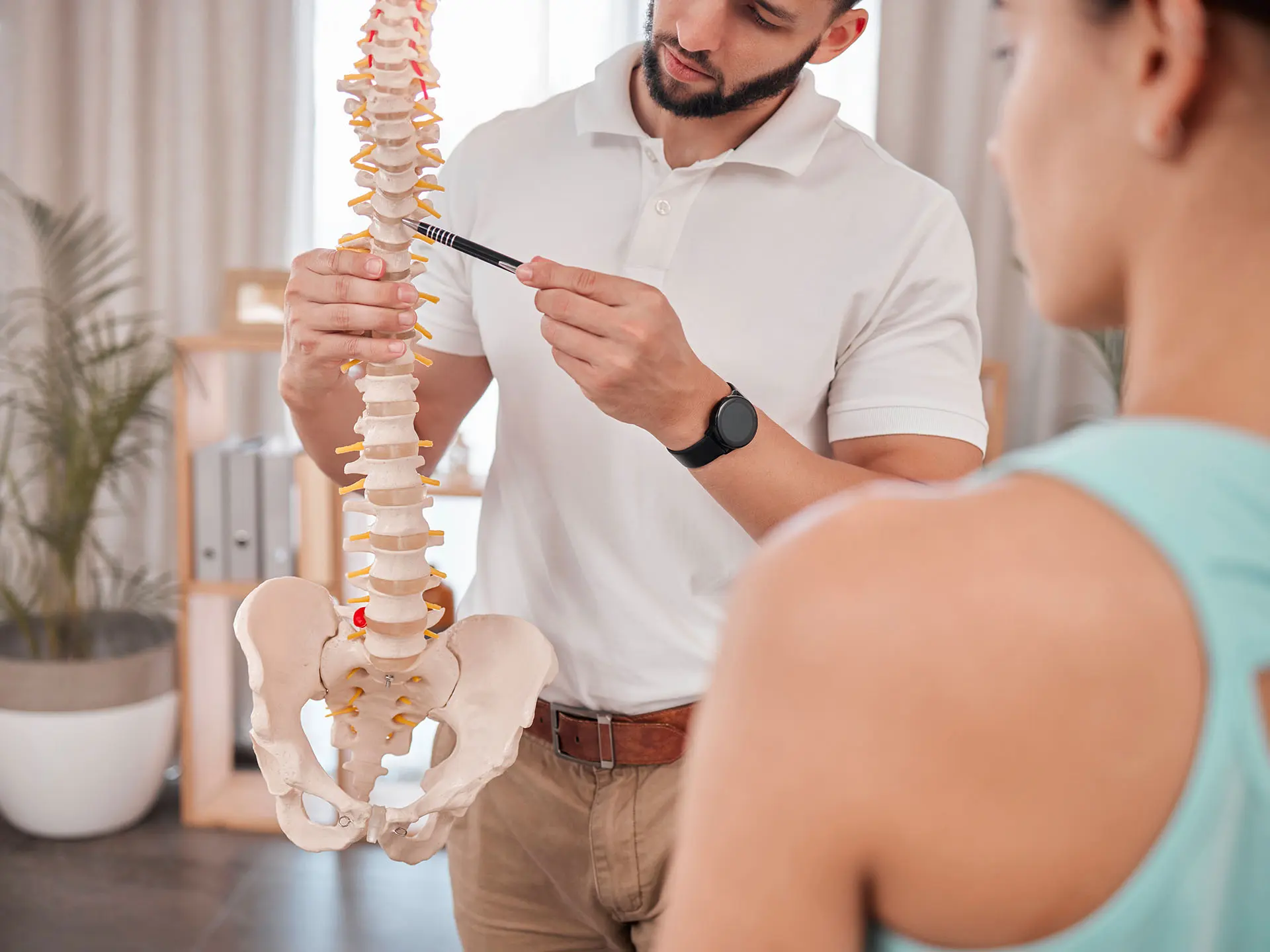
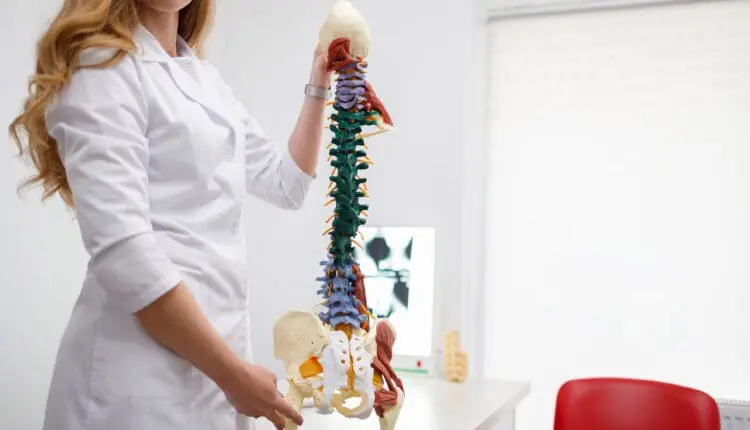
The spine is a stack of bones called vertebrae. Soft discs sit between most of those bones and act like cushions. Small joints on the back of the spine, called facet joints, help you bend and twist. Nerve roots leave the spinal canal through narrow openings and travel into the arms or legs. When more than one of these parts is irritated at the same time, pain can feel mixed, confusing, and hard to treat.
Spine problems often involve the vertebrae, discs, nerves, and nearby muscles together. That mix can cause back or neck pain, stiffness, limited motion, numbness, tingling, or weakness in an arm or leg.
This is not the same as Complex Regional Pain Syndrome (CRPS). CRPS is a separate nerve condition that usually affects a hand, arm, foot, or leg after injury. It can also change skin color, temperature, and swelling. Complex spinal joint and nerve pain stays centered on the spine and the nerves that exit it.
How Joint Pain and Nerve Pain Differ
A second opinion starts with a better question: which structure is generating the pain?
Joint pain often feels like:
- A deep ache in one spot
- Stiffness after sitting or first thing in the morning
- Pain that worsens when you arch backward or stand too long
- Soreness that stays close to the spine
Nerve pain often feels like:
- Burning, stabbing, or electric-shock sensations
- Tingling, numbness, or “pins and needles”
- Pain that travels into a shoulder, arm, hip, or leg
- Weakness in a muscle group
Kansas Pain Management notes that muscle pain tends to feel dull and tight, nerve pain often shoots or burns, and facet joint pain is more localized and position-based. Oakland Spine explains that nerve pain can start far from where you feel it, while joint pain usually stays in one area unless a swollen joint also presses on a nerve.
When both problems exist together, a person may have a stiff low back and burning pain down the leg. Treating only the joint, or only the nerve, leaves half the problem untouched.
What Puts Pressure on the Spine and Its Nerves
Nerve compression happens when the space around a nerve root gets smaller. Common causes include:
- A bulging or herniated disc
- Bone spurs from arthritis
- Spinal stenosis, which is a narrowed spinal canal
- Degenerative disc disease
- Injury from a fall, work accident, or car crash
- Thickened ligaments
- Long-term posture strain
Radiculopathy is the medical term for a pinched nerve root. It can cause pain, numbness, tingling, or weakness along the nerve’s path. It is most common in the neck and lower back. Facet joints can wear down at the same time. When those small joints become inflamed, they can create local spine pain and add extra pressure near a nerve root.
Educational videos on spine anatomy and nerve pain help people see how close these structures sit. That close relationship is why symptoms overlap and why one treatment often is not enough.
When to Seek a Second Opinion in El Paso and West Texas
A second opinion is not a complaint about the first provider. It is a smart step when the first plan did not explain the full problem or did not create lasting change.
Consider a second opinion if:
- Pain has lasted more than a few weeks and is not clearly improving
- You have numbness, tingling, or weakness in an arm or leg
- Imaging was done, but no one explained how the findings match your symptoms
- You were told “everything looks fine,” yet work, sleep, or driving still hurt
- Steroid shots or pain medicine helped only for a short time
- Surgery was offered before a complete non-surgical plan was tried
- Care treated only one structure when your symptoms sound mixed
- An auto accident, work injury, or old sports injury still bothers you months later
- You live in El Paso or elsewhere in West Texas and want a team that can look at both the mechanical and medical sides of the problem
People often seek a new evaluation when traditional care focused on rest, medication, or a single procedure and the pain kept returning. Accurate identification of the pain source—nerve, joint, disc, muscle, or a combination—guides better treatment.
Why Traditional Medical Outcomes Sometimes Fall Short
A herniated disc on an MRI does not always explain every symptom. Facet arthritis, muscle guarding, inflammation, poor movement patterns, and nerve irritation can all sit at the same spinal level. If care targets only one layer, relief can stall.
That is a common reason patients look for another opinion. They are not asking for more of the same plan. They want someone to explain why the pain is mixed and what else can be done before surgery or long-term medication becomes the only option.
Delayed care can also allow stiffness, weakness, and guarded movement to become habits. Those habits then keep feeding the pain cycle.
How Integrative Chiropractic Care Fits Into Treatment
Integrative chiropractic care looks at how the spine moves, how the joints stack, and how nearby muscles and nerves respond. The goal isn’t just to ease pain for a day. The goal is to restore cleaner motion, so nerves have more room and joints share load more evenly.
Chiropractic care can help by:
- Improving spinal joint motion with precise adjustments
- Reducing mechanical pressure around irritated nerve roots
- Pairing care with spinal decompression when discs are compressed
- Retraining posture and core support so the spine stays more stable
- Coordinating soft-tissue work so muscles stop guarding the injured area
Oakland Spine notes that chiropractic care and physical therapy can help both nerve pain and joint pain when the plan corrects alignment and builds support around the injured structures.
In an integrative clinic, chiropractic care does not stand alone. It is timed with medical evaluation, rehabilitation, functional medicine, and regenerative options so the spine can move better while tissues repair.
Combined Therapies for More Thorough Healing
Complex pain often needs more than one tool. The therapies below are commonly used together, not as competing choices.
Shockwave therapy
Shockwave therapy sends acoustic waves into tight or scarred tissue. Those waves can increase local blood flow, break up dense scar tissue, and help a stalled healing response start again. It is often used before or after regenerative procedures, so the area is more ready to repair.
MLS laser therapy
MLS laser therapy uses specific light wavelengths to lower inflammation and support cellular energy. It can calm swelling after an adjustment, decompression session, or injection and make it easier to stay consistent with rehab.
IV infusion therapy
IV therapy delivers fluid and selected nutrients into the bloodstream. It does not replace spinal treatment. It may support hydration, recovery, and the broader healing environment while other therapies work on the joints and nerves.
PRP (platelet-rich plasma)
PRP uses a concentrated portion of a person’s own blood platelets. Platelets release growth factors that may support tissue repair in joints, soft tissue, or selected spinal structures when used as part of a larger plan.
PFP (platelet-fibrin plasma)
PFP is a related blood-based product. Clinics may use it when a more fibrin-rich preparation better matches the treatment area. Like PRP, it is a supportive option, not a stand-alone cure.
MFAT (microfragmented adipose tissue)
MFAT uses a small amount of a person’s own fat tissue that is processed into smaller fragments. It may be considered when a more complex injury needs added structural or cushioning support.
Peptide therapies
Selected peptide therapies may support recovery, sleep, tissue signaling, or the overall repair environment. They are not a replacement for spinal alignment, nerve-pressure relief, or rehabilitation. In a combined plan, they may sit beside chiropractic care, laser or shockwave therapy, and regenerative procedures when medically appropriate.
Epidural spinal injections
An epidural injection places medication near an irritated nerve root to reduce inflammation in the space around that nerve. Conservative care for radiculopathy often includes rehabilitation, medication, and interventional options such as epidural injections. Injections can create a window of lower pain so a person can move, adjust, and strengthen more effectively.
These options work best when they are sequenced. Decompression and adjustments can create space. Shockwave and laser can prepare tissue and control inflammation. Regenerative procedures, peptides, IV support, and selected injections can support biology. Rehabilitation then teaches the spine how to hold the new motion.
Clinical Observations From Dr. Alexander Jimenez
Dr. Alexander Jimenez, DC, APRN, FNP-BC, CCST, CFMP, IFMCP, ATN, has shared clinical observations on dralexjimenez.com and his LinkedIn profile. A recurring theme is that mixed spinal pain is rarely “just a disc” or “just arthritis.”
In practice, several problems often happen together:
- Restricted facet motion
- Disc pressure or reduced disc space
- Nerve-root irritation
- Muscle guarding
- Weak core or hip control
- Poor sleep and high inflammation
- Old injury patterns from work or auto accidents
His approach asks a simple question: why is this area still hurting? Possible answers include poor alignment, scarred or weak tissue, unresolved swelling, nerve irritation, or daily habits that keep stressing the same joint. Regenerative care may support the tissue environment. Chiropractic care and rehab may reduce the mechanical load. Functional medicine may change how well that tissue can repair. These observations come from integrated clinical work in El Paso and should be read as practice-based insight, not as proof from one controlled trial of the exact combination.
The Collaborative Team in El Paso
At Injury Medical Clinic PA in El Paso, Texas, care is built as a team model rather than a one-provider visit.
Dr. Jimenez provides chiropractic care, functional medicine, personal injury evaluation, and rehabilitation planning. Dr. Maria Guadalupe Cardenas, MD, is board-certified in internal medicine. Her NPI is #1164426749, and her Texas medical license is #J2933. With more than 40 years of experience as an internist, she serves as medical director and collaborative physician at Injury Medical Clinic PA. This multidisciplinary setup is common in integrative or injury-care clinics, where an MD provides medical direction alongside a chiropractor.
Together, the team can coordinate:
- Chiropractic and spinal decompression
- Functional medicine and nutrition support
- Personal injury documentation and rehabilitation
- Shockwave and MLS laser therapy
- Regenerative options such as IV infusion therapy, PRP, PFP, MFAT, and selected peptide therapies
- Medical decision-making around injections and co-existing health issues
That structure matters in El Paso and West Texas, where patients may travel from across the city or nearby communities and want one coordinated plan instead of disconnected referrals.
What a Second-Opinion Visit Should Cover
A useful second opinion should do more than repeat the last MRI report. It should connect your story to a clear exam.
A thorough visit often includes:
- A detailed history of how the pain started and what makes it travel
- A movement exam of the neck or low back
- Nerve testing for strength, sensation, and reflex changes
- Review of prior imaging and whether it matches the exam
- Screening for joint pain versus nerve pain versus mixed pain
- A discussion of non-surgical options before any new procedure
- A staged plan that may combine chiropractic care, rehab, laser or shockwave therapy, and selected regenerative, peptide, or injection options
If you have personal injury, veteran, or work-related documentation needs, those records should be part of the same conversation so care and paperwork stay aligned.
A Clear Next Step
Complex spinal joint and nerve pain is hard because it is rarely “just a disc” or “just arthritis.” It is often both, plus muscle guarding and nerve irritation. That is why people feel stuck after standard care.
A second opinion is worth seeking when pain is mixed, persistent, or poorly explained. Integrative chiropractic care can restore motion and reduce mechanical pressure. Medical oversight can keep the plan safe and complete. Combined therapies such as shockwave therapy, MLS laser therapy, IV infusion therapy, PRP, PFP, MFAT, peptide therapies, and epidural spinal injections can support healing from more than one angle.
If you live in El Paso or elsewhere in West Texas and your current plan has not given you a clear path forward, a multidisciplinary evaluation can help you see which structures are driving the pain and which combination of care is most likely to help you move again.
References
Advanced Orthopaedics & Sports Medicine. (n.d.). Radiculopathy.
Cleveland Clinic. (2022). Complex regional pain syndrome (CRPS).
Dallas Spine Surgery. (n.d.). What causes nerve compression in the spine?
Jimenez, A. (n.d.). Injury specialists. Dr. Alex Jimenez.
Jimenez, A. (n.d.). Dr. Alexander Jimenez, DC, APRN, FNP-BC. LinkedIn.
Kansas Pain Management. (2026). Is your back pain coming from nerves, muscles, or joints?
Comments are closed.