
Sports Neuropathies: Comprehensive Care Approaches
Sports Neuropathies: Integrative Chiropractic, Regenerative Medicine, and Advanced Nerve Recovery
Abstract
Neuropathies can occur in sports when nerves are compressed, stretched, irritated, or repeatedly injured. Athletes may experience burning pain, tingling, numbness, weakness, loss of grip, or changes in muscle control. Some nerve injuries happen suddenly after a collision, fall, joint dislocation, or fracture. Others slowly develop from repetitive movement, poor biomechanics, training overload, tight equipment, or repeated pressure on a nerve.
A complete treatment plan begins by finding the injured nerve and understanding why it is irritated. Care may include activity changes, rehabilitation, integrative chiropractic care, nerve-mobility exercises, laser therapy, shockwave therapy, medically directed injections, and selected regenerative approaches. More serious nerve damage may require surgical evaluation.
At Injury Medical Clinic PA in El Paso, Texas, the multidisciplinary approach described by Dr. Alexander Jimenez, DC, APRN, FNP-BC, CCST, CFMP, IFMCP, ATN, combines chiropractic and rehabilitation with functional medicine and medical oversight. Dr. Maria Guadalupe Cardenas, MD, works with Dr. Jimenez as medical director and collaborative physician, creating a model that addresses both the mechanical and medical sides of recovery. Research supports multimodal care for many sports-related neuropathies, although evidence for newer regenerative therapies is still developing.
Are There Neuropathies in Sports?
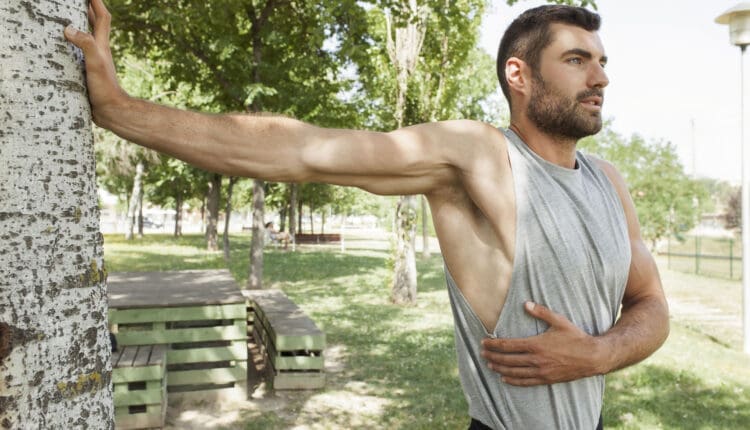
Yes. Athletes can develop neuropathies.
A neuropathy is a problem affecting a nerve. In sports, pressure, stretching, direct impact, fractures, joint injuries, or repeated microtrauma can damage peripheral nerves.
Sports-related nerve injuries are less common than muscle, tendon, ligament, and joint injuries, which can make them easy to miss. Nerve pain may even look like a tendon strain or ordinary muscle soreness at first.
Research has identified pressure, stretching, repetitive trauma, and fractures as major causes of athletic peripheral nerve injuries (Radi? et al., 2018). Older research also found that continuous compression and repeated trauma were common causes of sports-related nerve problems (Hirasawa & Sakakida, 1983).
MRI research has also shown why these injuries deserve attention. Sports-related peripheral nerve injuries may overlap with more common bone, muscle, tendon, and joint problems. MRI can sometimes show nerve abnormalities before they become obvious through other testing (Mitchell et al., 2014).
How Sports Can Injure a Nerve
An athletic nerve injury may be acute, meaning it happens suddenly, or chronic, meaning it develops over time.
Common causes include:
- Repetitive throwing, swinging, kicking, gripping, or running
- Direct blows during football, hockey, wrestling, martial arts, or other contact sports
- Stretching of a nerve during a joint dislocation or severe sprain
- Repeated compression from bicycles, footwear, braces, pads, skates, or ski boots
- Swelling around an injured joint
- Scar tissue that traps or irritates a nerve
- Muscle tightness that places pressure around a nerve tunnel
- Poor movement mechanics that repeatedly load the same area
- Fractures or joint injuries affecting nearby nerves
The type of sport often helps predict which nerve the injury affects. A 2025 review noted that upper-extremity neuropathies in athletes may cause numbness, tingling, weakness, or pain, but the symptoms can also be subtle and nonspecific (Stokes et al., 2025).
Common Sports Neuropathies
Different sports place stress on different nerves.
Burners and Stingers
Football, wrestling, rugby, and other contact sports can suddenly stretch or compress the brachial plexus or cervical nerve roots. The athlete may feel a burning or electric sensation traveling from the neck or shoulder down the arm.
Suprascapular and Axillary Neuropathy
Throwing and overhead sports such as baseball, volleyball, and tennis can place repeated stress around shoulder nerves.
Symptoms may include:
- Shoulder weakness
- Deep shoulder pain
- Reduced throwing strength
- Muscle wasting in more advanced cases
Ulnar and Median Nerve Problems
Throwing athletes may irritate the ulnar nerve near the elbow. Cyclists can experience nerve compression around the wrist and hand.
Athletes may notice numbness, tingling, poor grip, or weakness in the fingers.
Peroneal Nerve Injury
The common peroneal nerve is particularly exposed around the outside of the knee. Direct blows, knee injuries, repetitive running, or compression may cause numbness or weakness.
More serious injuries can lead to foot drop, which makes it difficult to lift the front of the foot.
Tarsal Tunnel and Other Foot Neuropathies
Runners are especially vulnerable to some lower-extremity entrapment neuropathies. PM&R KnowledgeNow describes sports activity, repetitive microtrauma, abnormal gait patterns, previous trauma, and mechanical compression as possible contributors to ankle and foot neuropathies (Senk & Carlson, 2026).
Sural Nerve Neuropathy
The sural nerve travels along the outside of the lower leg and ankle. It can become irritated following an ankle sprain, repetitive running, scar formation, Achilles-related injury, or pressure from tight footwear.
Common symptoms include burning, tingling, tenderness, or abnormal sensation along the outer calf, ankle, and foot (Mallac, n.d.).
How Doctors Diagnose a Sports Neuropathy
Correct diagnosis is essential because muscle pain and nerve pain require different treatment strategies.
Evaluation may include:
- Detailed history of the injury
- Neurological examination
- Muscle-strength testing
- Reflex testing
- Sensory examination
- Movement and gait analysis
- Orthopedic testing
- Nerve-tension testing
- Ultrasound
- MRI or MR neurography
- Electromyography, or EMG
- Nerve-conduction studies
MRI, ultrasound, and electrodiagnostic testing can help locate the injured nerve and determine the severity of the damage (Radi? et al., 2018; Stokes et al., 2025).
Sports nerve injuries are commonly divided into neurapraxia, axonotmesis, and neurotmesis. Neurapraxia is usually the mildest and often involves temporary interruption of nerve conduction. Neurotmesis represents severe disruption of the nerve and may require surgical treatment (Radi? et al., 2018).
Where Integrative Chiropractic Care Fits
Integrative chiropractic care does not replace neurological testing or medical treatment for a damaged peripheral nerve. Instead, it can address the mechanical environment surrounding the injury.
Dr. Alexander Jimenez’s published clinical observations emphasize the relationship between joints, muscles, fascia, posture, movement, inflammation, and neurological symptoms, rather than treating pain as an isolated problem.
In this model, chiropractic care may include:
- Gentle spinal or extremity joint manipulation when appropriate
- Joint mobilization
- Soft-tissue treatment
- Postural correction
- Movement retraining
- Corrective exercise
- Nerve-mobility exercises
- Strength and stability training
- Progressive return-to-sport rehabilitation
The goal is not to claim that an adjustment directly regenerates an injured nerve. Instead, chiropractic and rehabilitative care can improve joint motion and movement mechanics and reduce mechanical stress that may continue irritating surrounding tissues.
This fits with established rehabilitation principles. Conservative treatment for many nerve entrapments includes correcting mechanical causes, improving movement, reducing excessive nerve tension, changing equipment, and strengthening weak supporting muscles (Senk & Carlson, 2026).
Laser Therapy and Sports Neuropathy
Photobiomodulation, sometimes called low-level laser therapy or therapeutic laser treatment, uses specific wavelengths of light to influence biological activity within tissue.
Research is encouraging but still developing.
A 2025 systematic review of randomized trials involving peripheral nerve injuries found a trend toward improvements in pain, strength, and sensation. However, treatment methods varied greatly between studies, and many studies had small sample sizes (Weimer & Rocha, 2025).
Clinical chiropractic resources also describe laser therapy as an adjunct to movement care and rehabilitation rather than a stand-alone answer for nerve pain.
For an athlete, laser therapy may therefore be one part of a broader rehabilitation plan rather than a guaranteed method of nerve regeneration.
Shockwave Therapy and Peripheral Nerves
Extracorporeal shockwave therapy, or ESWT, is better known for treating certain tendon and musculoskeletal problems. Researchers are now studying its effect on peripheral nerves.
A 2024 systematic review and meta-analysis involving 24 trials found evidence that ESWT could improve some sensory nerve-conduction measurements. Combining ESWT with physical therapy also produced better results for some nerve measurements than physical therapy alone. However, ESWT was not clearly superior to local corticosteroid injections in every comparison (Yang et al., 2024).
That means shockwave therapy is promising, but it should be used for the right diagnosis and as part of a complete treatment plan.
Targeted Injections for Nerve Entrapment
Some athletes may need more than rehabilitation.
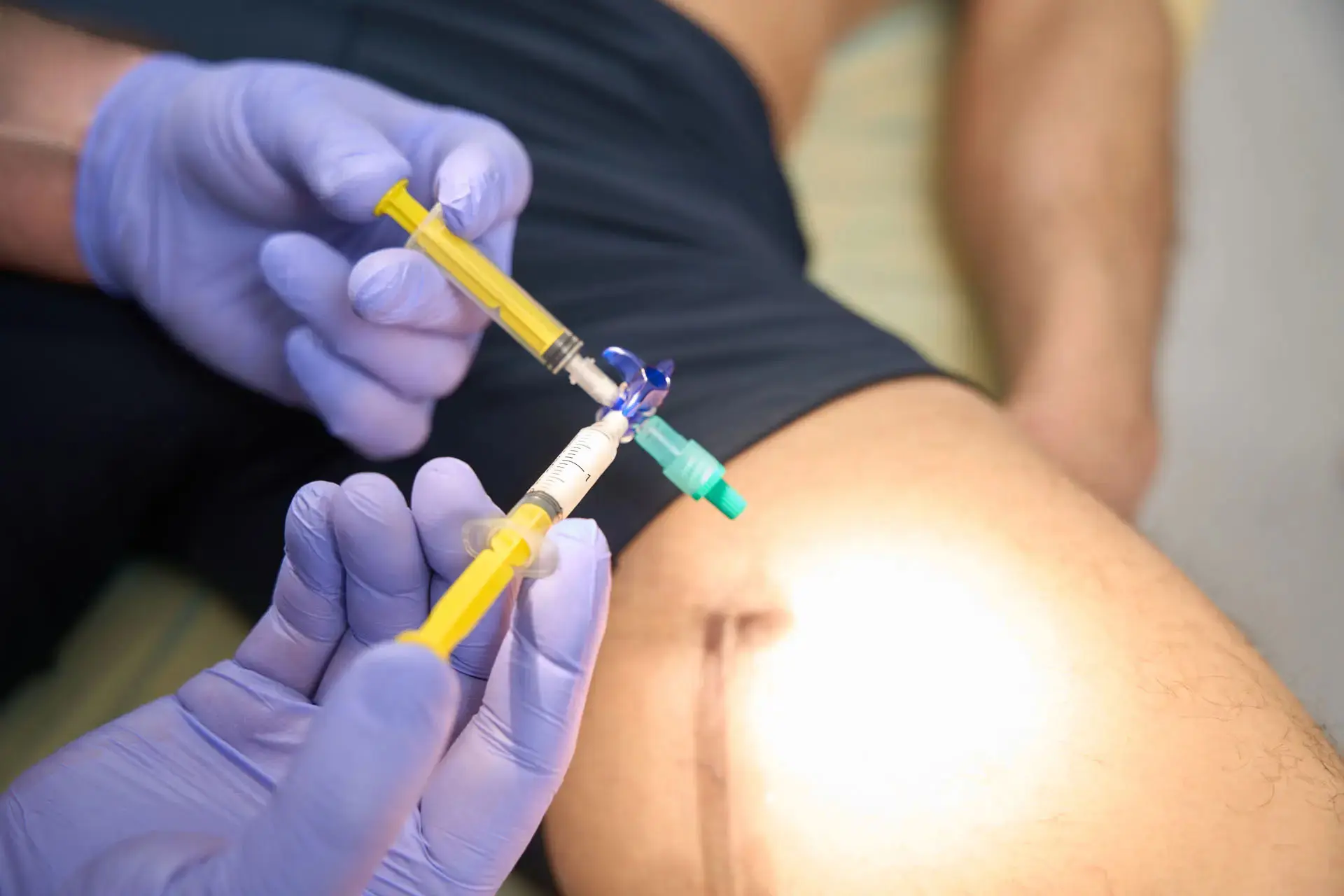
Ultrasound-guided injections can sometimes help identify whether pain is coming from a particular nerve and also provide treatment.
For selected foot and ankle entrapments, injections using local anesthetic and corticosteroid around the appropriate nerve tunnel may have both diagnostic and therapeutic value (Senk & Carlson, 2026).
Perform these procedures only after identifying the nerve and the cause of compression.
Persistent weakness, progressive neurological loss, severe trauma, or a mass pressing on a nerve can require specialist or surgical evaluation.
What About PRP and Regenerative Injections?
Platelet-rich plasma, or PRP, uses a concentration of platelets taken from the patient’s own blood.
PRP contains biological signaling molecules involved in tissue repair. Interest in PRP for neuropathic pain and nerve entrapment has increased.
A 2025 systematic review examined 12 randomized trials involving PRP for neuropathic pain. Most studies suggested potential benefit, but differences between the studies were large enough that the researchers could not make strong universal conclusions. The authors described PRP as promising while calling for more rigorous research (de Jesus et al., 2025).
For sports neuropathy, this means PRP may eventually have a larger role, but it should currently be viewed as a developing option rather than a guaranteed nerve-repair treatment.
MFAT and the Biological Side of Recovery
Microfragmented adipose tissue, or MFAT, is created from a patient’s own adipose tissue through mechanical processing.
MFAT contains structural tissue and cells associated with biological signaling and tissue repair. Research has focused mainly on orthopedic problems involving joints, cartilage, wounds, and soft tissues.
A 2025 review described encouraging applications of MFAT in regenerative medicine but also emphasized that larger, stronger clinical studies are still needed (Fu & Wang, 2025).
This distinction is important.
MFAT should not currently be described as a proven direct treatment for sports neuropathy.
Its more reasonable role may be supporting an injured joint or surrounding soft tissue when those structures contribute to the athlete’s overall pain and mechanical dysfunction.
Bridging Structural and Cellular Healing
This is where an integrative approach becomes useful.
A complicated sports injury may involve several problems at once:
- Nerve compression
- Joint dysfunction
- Tendon or ligament injury
- Swelling
- Muscle weakness
- Scar tissue
- Poor movement patterns
- Persistent inflammation
- Nutritional or metabolic factors that may interfere with recovery
No single treatment can correct all of these problems.
A layered strategy may therefore combine:
Mechanical care: Chiropractic care, mobility treatment, biomechanics, posture correction, and movement retraining.
Neurological rehabilitation: Nerve-mobility work, strengthening, balance training, and progressive sport-specific exercise.
Advanced modalities: Laser or shockwave therapy when clinically appropriate.
Medical care: Evaluation of medications, systemic disease, abnormal laboratory findings, metabolic health, or other conditions influencing nerve function.
Targeted procedures: Diagnostic blocks, medically appropriate injections, or selected regenerative approaches.
Biological recovery: Nutrition, protein intake, sleep, hydration, blood-sugar control, and other modifiable factors affecting tissue recovery.
In Dr. Jimenez’s published clinical observations, this connection between biomechanics and physiology is central to his model: treating the structural problem while also considering the biological environment in which healing takes place. His practice publications describe regenerative treatments as potentially supporting injured tissues while chiropractic care and rehabilitation address the mechanical stresses affecting those tissues.
A Multidisciplinary Model in El Paso, Texas
At Injury Medical Clinic PA in El Paso, Dr. Alexander Jimenez, DC, APRN, FNP-BC, CCST, CFMP, IFMCP, ATN, works within a multidisciplinary model integrating chiropractic care, functional medicine, personal injury care, rehabilitation, biomechanical assessment, and medically coordinated services.
Dr. Jimenez’s clinical observations emphasize that nerve irritation often exists alongside joint dysfunction, muscle imbalance, inflammation, and altered movement. His goal is to identify these overlapping factors instead of treating only the location where the athlete feels pain.
Dr. Maria Guadalupe Cardenas, MD, works alongside Dr. Jimenez as medical director and collaborative physician. Practice materials describe Dr. Cardenas as board-certified in internal medicine with more than 40 years of clinical experience. Public provider information lists her Texas physician license as J2933 and her specialty taxonomy as Internal Medicine.
Provider-number clarification: Some Injury Medical Clinic publications have displayed NPI 1164426749.
Within this team approach, Dr. Cardenas provides internal medicine and medical oversight, while Dr. Jimenez focuses on chiropractic, functional, neuromusculoskeletal, and rehabilitative care. The broader team can also coordinate personal-injury evaluation, functional medicine, rehabilitation, advanced diagnostic testing, and other medically appropriate services.
Such collaboration is useful because an athlete with nerve symptoms may have both a mechanical problem and a medical problem. A coordinated team can decide when conservative care is appropriate and when imaging, electrodiagnostic testing, injections, medication management, or referral is needed.
Returning the Athlete to Sport
The goal of neuropathy treatment is not simply to make pain disappear.
The athlete should be able to move, control the limb, tolerate training, and perform safely.
Before full return to sport, clinicians may look for:
- Normal or improving strength
- Normal sensation or significant sensory recovery
- Adequate joint motion
- Good balance and coordination
- No progressive neurological symptoms
- Ability to perform sport-specific movements
- Ability to tolerate progressive training without recurrent symptoms
A gradual return is usually safer than returning to full competition immediately.
The Bottom Line
Sports neuropathies are real and easy to overlook.
Repeated microtrauma, direct compression, traction, joint injuries, fractures, equipment pressure, and abnormal movement mechanics can all injure peripheral nerves.
Treatment starts with an accurate diagnosis.
For many athletes, conservative care involving activity modification and rehabilitation is appropriate. Integrative chiropractic care can add value by addressing joint mobility, movement mechanics, posture, muscular balance, and rehabilitation. Laser and shockwave therapies may provide additional support, although protocols and evidence are still developing.
Targeted injections may be appropriate for carefully diagnosed nerve entrapments. PRP is emerging as a possible treatment for some forms of neuropathic pain, while MFAT has stronger current support for surrounding joint and soft-tissue problems than for direct nerve repair.
The strongest approach is therefore not a single treatment used alone. It is a coordinated plan that recognizes the mechanical, neurological, biological, and metabolic sides of recovery.
For selected athletes, collaboration between chiropractic care, rehabilitation, medical oversight, advanced modalities, and regenerative medicine may help bridge the gap between structural recovery and biological healing while keeping treatment focused on safety, function, and a successful return to activity.
References
de Jesus, L. S., Nepomuceno, A. F. S. F., Couto, R. D., & Villarreal, C. F. (2025). Platelet-rich plasma for the treatment of neuropathic pain: A systematic review. Current Drug Research Reviews, 17(3), 450–470.
Fu, H., & Wang, C. (2025). Micro-fragmented adipose tissue—An innovative therapeutic approach: A narrative review. Medicine, 104(9), e41724.
Hirasawa, Y., & Sakakida, K. (1983). Sports and peripheral nerve injury. American Journal of Sports Medicine, 11(6), 420–426.
Jimenez, A. (2026). A new paradigm in integrative chiropractic approaches. DrAlexJimenez.com.
Jimenez, A. (2026). Regenerative and integrative care for sciatica: PRP, PFP, MFAT, epidurals, and chiropractic support. El Paso Chiropractor Blog.
Jimenez, A. (n.d.). Dr. Alexander Jimenez, DC, APRN, FNP-BC—Professional website.
Jimenez, A. (n.d.). Dr. Alexander Jimenez—LinkedIn professional profile.
Mallac, C. (n.d.). Uncommon injuries: Sural nerve neuropathy. Sports Injury Bulletin.
Mitchell, C. H., Brushart, T. M., Ahlawat, S., Belzberg, A. J., Carrino, J. A., & Fayad, L. M. (2014). MRI of sports-related peripheral nerve injuries. AJR American Journal of Roentgenology, 203(5), 1075–1084.
Radi?, B., Radi?, P., & Durakovi?, D. (2018). Peripheral nerve injury in sports. Acta Clinica Croatica, 57(3), 561–569.
Senk, A. M., & Carlson, A. (2026). Ankle and foot neuropathies and entrapments. PM&R KnowledgeNow.
Stokes, D. C., Toole, K., & Cushman, D. M. (2025). Upper extremity neuropathies in athletes. Current Sports Medicine Reports, 24(11), 356–365.
Weimer, G. H., & Kolling da Rocha, C. F. (2025). Photobiomodulation treatment in incomplete spinal cord injuries or peripheral nerve injuries: A comprehensive systematic review of randomized clinical trials. Lasers in Medical Science, 40, 286.
Yang, L., Li, X., Li, S., Yang, J., & Meng, D. (2024). Effect of extracorporeal shock wave therapy on nerve conduction: A systematic review and meta-analysis. Frontiers in Neurology, 15, 1493692.
Comments are closed.