

Myofascial Pain Recovery Tips Using Trigger Point Injections

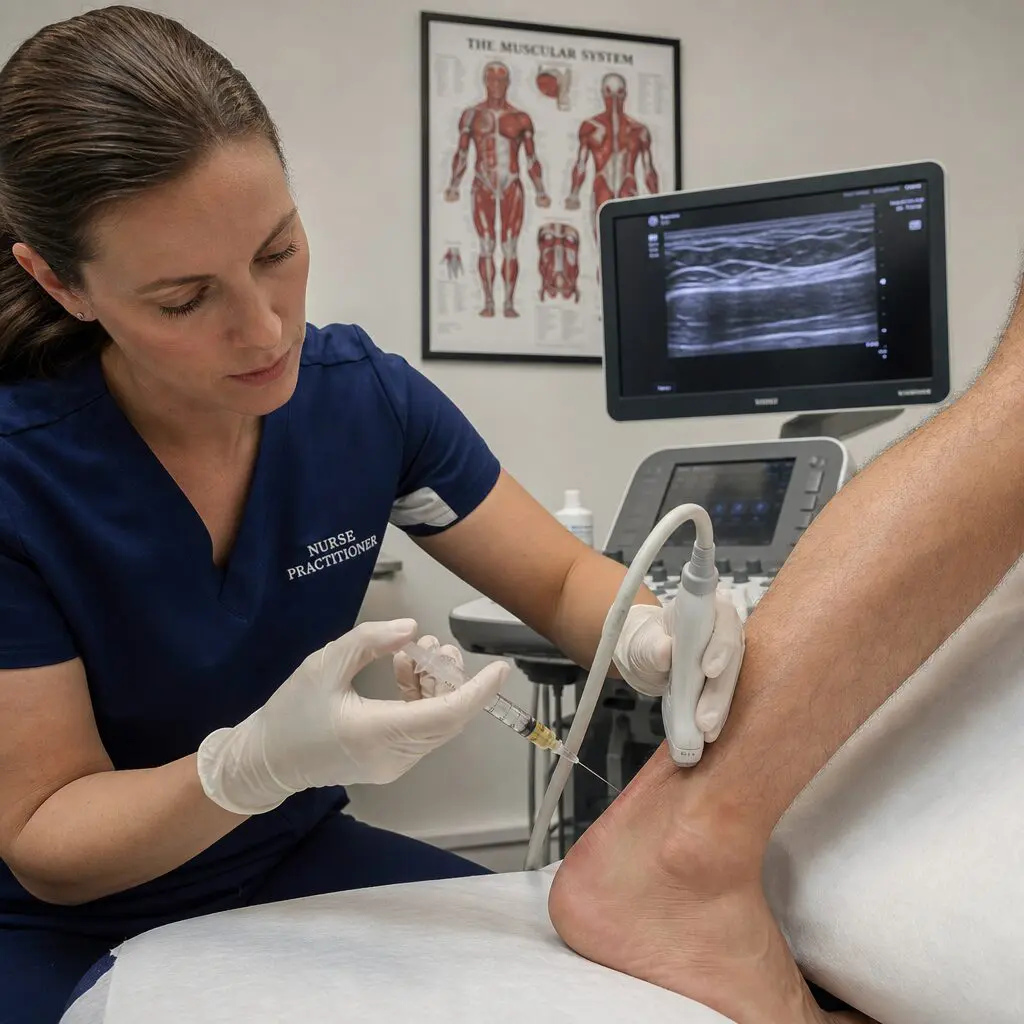
Explore trigger point injections for myofascial pain relief. Understand how this treatment can alleviate chronic discomfort.
Abstract
In this comprehensive educational post, I walk you through how I evaluate and treat painful myofascial trigger points using a modern, evidence-informed approach that blends chiropractic care, functional medicine, and minimally invasive needle techniques. I explain the star-pattern method for trigger point deactivation, why we combine small doses of lidocaine with a natural anti-inflammatory agent, and how dosage, needle depth, and anatomical landmarks guide safe and effective interventions—especially around the cervical and thoracic regions. I also compare dry needling, local anesthetic infiltration, and biologic options like PRP and ozone-based prolotherapy, clarifying when each is appropriate and when it may be excessive for focal trigger points. Importantly, I highlight our multidisciplinary team model at Injury Medical Clinic PA (Mission Plaza Injury Medical Clinic) in El Paso, Texas, where I collaborate closely with Dr. Maria Guadalupe Cardenas, MD (Board Certified in Internal Medicine; NPI #1164426749; Texas MD License #J2933), our Medical Director and Collaborative Physician, to integrate chiropractic adjustments, internal medicine oversight, functional medicine diagnostics, personal injury care, and rehabilitation services. Throughout, I draw on clinical observations from our practice, offering practical insights into dosing, safety, patient communication, and anatomy review to ensure a patient-centered, evidence-based pathway from pain to function.
About Our Multidisciplinary Clinical Model in El Paso, Texas
- Medical Director and Collaborative Physician: Dr. Maria Guadalupe Cardenas, MD (Board Certified in Internal Medicine; NPI #1164426749; Texas MD License #J2933), with over 40 years of experience in internal medicine.
- Chiropractic and Functional Medicine Care: Dr. Alex Jimenez, DC, APRN, FNP-BC, CFMP, IFMCP, ATN, CCST; owner and clinical lead at Injury Medical Clinic PA (also known as Mission Plaza Injury Medical Clinic).
- Location: El Paso, Texas.
- Team Integration: Internal medicine oversight, chiropractic adjustments, functional medicine testing and therapeutics, personal injury (PI) care, rehabilitation, and collaborative procedures in a coordinated care pathway.
Our clinic follows a multidisciplinary model common in integrative and injury care settings. In this model, an experienced MD provides medical direction and collaborative oversight while chiropractors deliver manual and neuromusculoskeletal care. Our goal is to blend evidence-based chiropractic care, medical safety and pharmacology, functional medicine frameworks, and rehabilitation science to improve outcomes, reduce pain, and restore function.
My Journey Into Trigger Point Care: A First-Person Perspective
When I first began working intensively with myofascial pain and trigger points, I quickly realized that the most effective care was not about one technique but about merging a set of precise, complementary strategies. From assessing posture and movement patterns to understanding the biomechanical stressors that perpetuate muscle spasm and fascial adhesions, I learned that each intervention must be anatomically grounded and clinically appropriate.
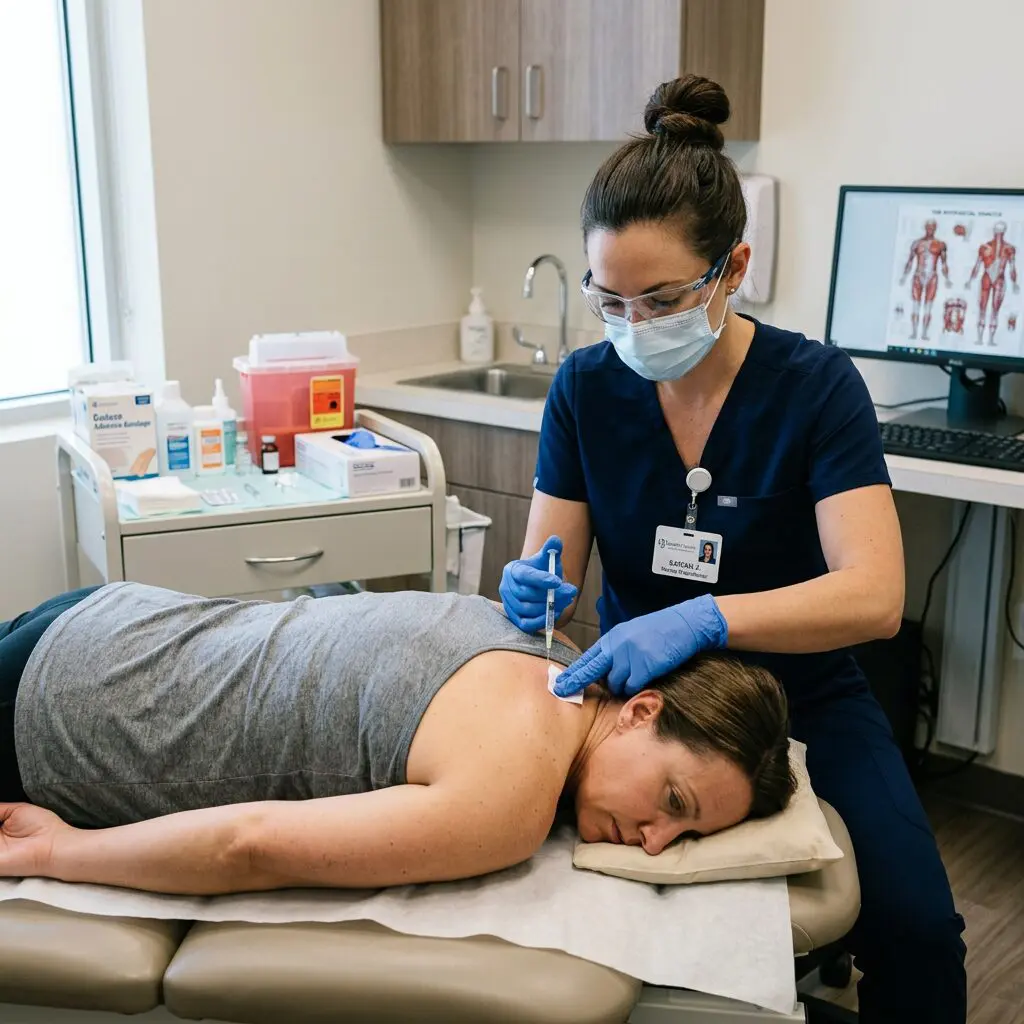
Over time, our team refined a star-pattern trigger point technique that integrates gentle needle passes, precise dosing, and a combination of local anesthetic and a natural anti-inflammatory. This method reduces pain quickly while helping the muscle release from spasm, allowing rehabilitative exercises and chiropractic adjustments to take hold. We use this approach thoughtfully and always within the broader framework of an integrative plan directed by Dr. Cardenas’ medical oversight, ensuring safety for patients with complex medical histories or comorbid conditions.
The Anatomy Of Myofascial Trigger Points And Why They Hurt
- Trigger points are focal hyperirritable nodules in taut bands of skeletal muscle.
- They often arise from overload, sustained postures, microtrauma, metabolic dysregulation, or post-injury protective guarding.
- Physiologically, trigger points show increased endplate noise, localized ischemia, elevated inflammatory mediators, and altered nociceptive signaling.
- Pain referral patterns can be surprisingly distant from the source muscle, requiring careful anatomical mapping.
In practice, I often find that patients describe pain that seems “mismatched”. For example, pain felt on one side with limited ability to rotate or “flip” a segment due to spasmodic guarding on the opposite side. This asymmetry points directly to myofascial imbalance and trigger point activity. When we palpate, we find taut bands and discrete nodules; pressing them reproduces the patient’s pain, sometimes with a familiar referral pattern.
Our Star-Pattern Needle Technique: Relieving Spasm And Breaking Adhesions
- Pattern: A star-pattern of in-and-out passes across the trigger point region.
- Purpose: Mechanically disrupt localized scarring and adhesions that develop when a muscle remains in spasm, allowing it to release.
- Evolution: We previously performed dry needling only; now we add a small amount of lidocaine plus a natural anti-inflammatory to enhance outcomes.
When a muscle enters prolonged spasm, the surrounding connective tissue—endomysium, perimysium, and adjacent fascia—can develop micro-adhesions and fibrotic changes due to local hypoxia and sustained mechanical stress. By gently passing a needle in a star pattern, we encourage micro-mechanical disruption of these adhesions. The local anesthetic quiets nociceptive firing and the natural anti-inflammatory tempers cytokine activity, helping the muscle relax and recover.
Why We Combine A Local Anesthetic And A Natural Anti-Inflammatory
- Local anesthetic (e.g., lidocaine) provides rapid pain relief and can reduce muscle spindle hyperexcitability.
- A natural anti-inflammatory agent (e.g., plant-derived compounds) aims to modulate the inflammatory cascade without steroid-related tissue effects.
I prefer pairing a small dose of lidocaine with a natural anti-inflammatory because I consistently see better clinical outcomes: quicker pain relief, smoother muscle release, and fewer post-procedure flares. While some clinicians use lidocaine or bupivacaine (Marcaine) alone, our experience suggests that the anti-inflammatory co-injection reduces localized cytokine signaling and improves tolerance, accelerating return to functional activities and rehabilitation. We use a simple one-to-one ratio between the local anesthetic and the plant-based anti-inflammatory agent, tailoring total volume to the body region.
Dosing And Needle Selection: Cervical, Thoracic, And Lumbar Regions
- Cervical and upper thoracic regions: Usually tolerate about 1 mL per site using a 30-gauge, 1-inch needle
- Lower thoracic and lumbar regions: Can often tolerate up to 2 mL per site; may require a larger needle due to tissue depth and density.
Careful dosing matters. The cervical and upper thoracic areas are thinner, with smaller muscle groups close to vital structures; a 30-gauge, 1-inch needle is typically adequate and safer. The lower thoracic and lumbar muscles are larger and deeper; they often benefit from 2 mL total volume, but we select needle length and gauge thoughtfully to engage the trigger point while minimizing risk.
Safety: Needle Depth And Avoiding Thoracic Complications
- Typical depth guidance near the thoracic cage: About 1 inch is generally safe in most adults; 5 inches may approach risk in very thin older patients.
- Always use anatomical landmarks and angle away from the pleura when near rib angles and intercostal spaces.
- In the upper thoracic region, be mindful of scapular positioning, rib slope, and paraspinal muscle thickness.
In thin patients, especially elderly individuals with less soft tissue coverage, I adjust needle depth conservatively. A 1-inch depth is usually adequate for superficial paraspinal trigger points. Venturing toward 1.5 inches in frail, thin patients increases the risk of entering the thoracic cavity, so I avoid that by angling and carefully assessing tissue resistance. We palpate the rib angles, assess muscle thickness, and target taut bands that are safely accessible. Safety is paramount, and Dr. Cardenas’ internal medicine oversight ensures our protocols remain consistent with best practice.
Dry Needling Versus Injection: Choosing The Right Tool
- Dry needling: No injectate; relies on mechanical disruption and neuromodulation. Effective for many patients, particularly those with allergies to local anesthetics.
- Local anesthetic infiltration: Adds immediate pain relief and reduces muscle spindle activity; often superior for intense spasm.
- Adding natural anti-inflammatory: May improve durability of relief and reduce post-needling soreness.
Not everyone can receive local anesthetics. A small percentage, commonly cited around 1 percent, report allergies to lidocaine or other amide anesthetics (the “-caine” class). For those patients, dry needling remains a viable and effective option. Acupuncturists and physical therapists trained in dry needling often achieve significant release with careful patterning and post-procedure rehab. While injectables may shorten recovery and improve comfort, dry needling alone can still produce meaningful relief when anatomically precise.
When Biologics Are Too Much: PRP And Ozone-Based Prolotherapy
- PRP (platelet-rich plasma): Concentrated platelets and growth factors may aid tendon and ligament healing; often excessive for small focal trigger points.
- Prolotherapy and ozone: Used to stimulate local healing in ligamentous laxity; typically reserved for structural instability, not routine trigger points.
Injecting PRP directly into simple trigger points often constitutes over-treatment. Trigger points respond to mechanical release and local anesthetic/anti-inflammatory combinations. We reserve PRP for tendinopathies, ligament injuries, or joint osteoarthritis where growth factor activation is clinically beneficial. Similarly, ozone-based prolotherapy may be appropriate in select cases of laxity or chronic ligament microfailure but is rarely indicated for ordinary myofascial nodules. Precision is key: match the tool to the pathology.
Patient Experience: Order Of Trigger Point Treatment Matters
- I treat the most painful point last to avoid early treatment refusal due to discomfort.
- Patient communication: Explain the pattern, expected sensations, and relief trajectory before starting.
- Post-procedure: Gentle mobility, hydration, and heat as needed; gradual return to activity.
Over years of practice, I learned that starting with the worst point can discourage patients from completing the session. By working through moderate points first and leaving the most intense for last, patients acclimate to the sensations and gain confidence as pain begins to soften. This approach reduces procedural stress and enhances overall tolerance.
Reviewing Anatomy: AClinician’ss Lifelong Practice
- Trigger point care demands a precise understanding of muscle origins, insertions, fiber orientation, and innervation.
- Orthotic decisions, aesthetic considerations, and needling vectors all rely on revisiting anatomy regularly.
- I often remind clinicians: Even seasoned providers must return to fundamentals to keep care safe and effective.
I encourage colleagues—especially those working with orthotics, aesthetic medicine, and trigger point care—to review anatomy frequently. This is non-negotiable. I’ve been candid with my teams: we all struggled at first; mastery comes with repeated study, palpation practice, and reflective clinical observation. This humility keeps patients safe and improves outcomes.
Integrative Chiropractic Care In Our Trigger Point Pathway
- Chiropractic role: Biomechanical assessment, segmental dysfunction correction, and postural restoration.
- Why it fits: Trigger points often arise to protect dysfunctional joints or compensate for poor movement; chiropractic adjustments help resolve the drivers of spasm.
- Sequence: Release trigger points to reduce guarding, then apply gentle adjustments to normalize mechanics, followed by rehabilitation for stability.
Many trigger points are secondary to segmental joint dysfunction, postural asymmetry, or shock-absorbing pattern changes following injury. By addressing the biomechanical root causes, chiropractic care reduces reactivation of trigger points. The sequence matters: we calm the muscle first, correct joint mechanics second, then integrate stabilization and motor control training. This prevents recurrence and supports lasting relief.
Internal Medicine Oversight: Dr. Maria Guadalupe Cardenas, MD
- Safety: Dr. Cardenas screens for medication allergies, comorbidities, anticoagulants, diabetes, and hypertension.
- Protocols: She provides guidance on dose limits, contraindications, and systemic considerations for injections.
- Collaboration: Our shared documentation and case reviews ensure personalized, safe care.
With over 40 years of experience as an internist, Dr. Cardenas maintains medical governance over invasive procedures, pharmacologic selections, and complex patients. She directs our consistency, monitors risk, and validates that our interventions integrate safely with a patient’s broader medical needs. This structure is common in integrative and injury clinics and is foundational to our practice at Injury Medical Clinic PA (Mission Plaza Injury Medical Clinic).
Functional Medicine Frameworks In Trigger Point Care
- Assess nutrients influencing muscle function: Magnesium, vitamin D, B vitamins, omega-3 fatty acids.
- Investigate systemic drivers: Sleep deficits, stress-hormone dysregulation, inflammation, insulin resistance, thyroid status.
- Gut-muscle axis: Microbiome health can influence systemic inflammation, pain perception, and recovery capacity.
Trigger points rarely occur in isolation. A functional medicine workup identifies systemic contributors to poor muscle recovery and heightened pain sensitivity. Optimizing micronutrients, sleep, and stress physiology enhances neuromuscular resilience and makes local interventions more durable. Our protocols include targeted supplementation, stress reduction strategies, and lifestyle coaching to create a supportive internal environment.
Personal Injury Care: From Acute Trauma To Functional Return
- Mechanisms: Whiplash, falls, sports collisions, overuse.
- Care pathway: Acute inflammation management, trigger point release, chiropractic correction, progressive rehab, return-to-work plans.
- Documentation: Structured notes suitable for PI claims and legal processes while keeping patient-centered goals primary.
In personal injury cases, trigger points are common due to protective guarding and altered biomechanics after trauma. Our team coordinates medical documentation and functional assessments needed for PI claims, while ensuring that clinical care remains grounded in best outcomes, not just paperwork. We prioritize safe return to normal activities, minimizing chronicity.
Rehabilitation And Motor Control: Making Relief Last
- Early phase: Isometric holds, breathing drills, graded exposure to movement.
- Mid phase: Scapular stabilization, core control, hip hinge patterning.
- Late phase: Functional strength, endurance, sport-specific mechanics.
After trigger point release and chiropractic adjustments, we build motor control to prevent relapse. Muscles that have been in spasm often lose coordination and proprioceptive acuity. Through progressions—from breath-led relaxation to integrated strength patterns—we restore efficient movement. This is where patients lock in the benefits and move beyond temporary relief.
Patient Communication And Expectations
- Procedure explanation: Describe sensations, duration, post-care.
- Volume and ratio: Clarify that we use about 1 mL in the cervical/upper thoracic and up to 2 mL in the lower thoracic/lumbar, with a 1:1 anesthetic-to-anti-inflammatory ratio.
- Allergy considerations: Patients with lidocaine or Marcaine allergy can still benefit from dry needling.
Patients are partners. We encourage questions about dosing, technique, and post-care activities. We explain risks and benefits in plain language and document allergies meticulously. We also demystify misconceptions—for example, why PRP might be unsuitable for simple trigger points and how over-treatment can complicate recovery.
Clinical Pearls From Our Practice
- Start with less painful points; end with the worst one to maintain patient cooperation.
- Use conservative depth near the thoracic cage; angle away from the pleura.
- Palpate and map taut bands carefully; a precise star pattern trumps brute force.
- Avoid unnecessary biologics for simple trigger points; save PRP and ozone for structural issues.
- Pair local anesthetic with a natural anti-inflammatory to reduce flare and speed recovery.
These practical pearls arise from countless treatments and continuous learning. They align with modern evidence-based reasoning and are vetted through our team’s collaborative lens.
Case Patterns We Commonly See
- Cervical paraspinal trigger points with reduced rotation and contralateral shoulder compensation.
- Upper thoracic spasm with rib dysfunction and intercostal tenderness; pain exacerbated by deep breath or rotation.
- Lumbar taut bands with hip hinge deficits and persistent gluteal trigger points.
- Post-whiplash trapezius and levator scapulae nodules with scalenes involvement; referral into temporal region or shoulder.
Each pattern demands specific palpation, needle vector adjustments, and rehabilitation emphasis. We tailor our approach to the muscle groups involved and the kinetic chain compensations observed.
The Root Causes of Pain- Video
Patient Safety Protocols
- Pre-procedure checklist: Allergies, anticoagulants, infection status, glycemic control, blood pressure review.
- Positioning: Neutral spine, supported limbs, clear access to target muscle.
- Post-care monitoring: Light soreness expected; instruct on signs of unusual pain or shortness of breath to report immediately.
Safety underpins every procedure. Dr. Cardenas’ oversight ensures adherence to medical standards and rapid response pathways for any atypical post-procedure issues.
Adjunct Therapies And Modalities
- Manual therapies: Myofascial release, instrument-assisted soft tissue mobilization.
- Electrotherapy: TENS for analgesia; NMES for re-education.
- Thermal strategies: Heat for relaxation; ice for acute irritation.
- Lifestyle: Sleep optimization, stress reduction, anti-inflammatory nutrition patterns.
Adjuncts complement the main interventions, making relief more robust and sustainable. We select modalities based on patient preference, response patterns, and functional goals.
Why We Avoid Certain Areas And Requests
Patients occasionally ask if we can treat unrelated areas during the same visit, such as cosmetic regions not medically indicated. We keep the focus on the musculoskeletal targets and avoid non-clinical add-ons. This keeps sessions safe, efficient, and aligned with medical necessity.
Outcome Measurement
- Pain scales: Numeric rating scales pre- and post-procedure.
- Function: Range of motion, strength tests, movement quality.
- Durability: Symptom recurrence tracking and rehab adherence.
- Patient-reported outcomes: Daily function, sleep quality, work capacity.
Objective and subjective metrics guide our care. Our aim is not just to reduce pain during the session but to improve real-world function over time.
Integrating Evidence: Research And Clinical Insight
- Trigger point physiology: Local ischemia, nociceptive sensitization, endplate dysfunction.
- Dry needling evidence: Demonstrates neuromodulation and mechanical disruption benefits.
- Local anesthetic infiltration: Rapid analgesia; facilitates rehabilitation onset.
- Natural anti-inflammatory agents: Emerging data suggest improved tolerance and reduced flare.
We remain committed to evidence-based practice, continuously reviewing the literature and aligning our protocols with the best available data. Where evidence is evolving, we apply careful clinical reasoning and monitor outcomes closely.
The Patient Journey: From Pain To Function
- Step 1: Assessment and mapping of trigger points; review of anatomy and safety.
- Step 2: Star-pattern needling with appropriate dosing and injectate selection.
- Step 3: Chiropractic correction of segmental dysfunction.
- Step 4: Rehabilitation progression for motor control and strength.
- Step 5: Functional medicine optimization and lifestyle support.
- Step 6: Follow-up, outcome measurement, and maintenance planning.
This pathway is individualized but consistent in its logic: calm the muscle, correct mechanics, restore movement, and support systemic resilience.
Frequently Asked Questions
- Can I do this if I have a lidocaine allergy? Yes, with dry needling only; we avoid “-caine” injectables.
- What ratio do you use for the anesthetic and anti-inflammatory? One-to-one.
- How much do you inject per site? About 1 mL in cervical/upper thoracic; up to 2 mL in lower thoracic/lumbar, as appropriate.
- Do you use PRP for trigger points? Not typically;it’ss often overkill for simple myofascial nodules.
- What if I’m very thin or older? We use conservative depth and careful angles; safety first.
Clinical Observations And Practice Notes
Based on the clinical observations I share publicly, including those highlighted through my professional presence and education materials, my experience shows:
- Patients respond better when we sequence interventions thoughtfully—muscle relief, then chiropractic correction, then rehab.
- Avoiding the most painful trigger point first increases treatment tolerance and session completion.
- Pairing a natural anti-inflammatory with lidocaine commonly improves patient comfort and reduces post-needling soreness, enabling quicker rehab progression.
For further insights into my clinical approach and multidisciplinary education, see my professional materials and observations:
- Personal Injury Doctor Group: https://personalinjurydoctorgroup.com/
- LinkedIn: https://www.linkedin.com/in/dralexjimenez/
Team Roles And Coordination
- Cardenas: Medical risk assessment, oversight of invasive procedures, medication review, and governance of safety protocols.
- Jimenez: Chiropractic and functional medicine leadership, trigger point mapping, manual therapy, and rehabilitation integration.
- Rehabilitation specialists: Guided exercise programming and motor control retraining.
- Care coordinators: Schedule follow-ups, provide patient education, and manage documentation.
This coordination ensures that patient care is personalized, safe, and incrementally progressive.
Post-Procedure Care And Self-Management
- Hydration and light movement are encouraged.
- Gentle heat may help; avoid excessive stretching immediately post-needling.
- Watch for signs of unusual pain, shortness of breath, or persistent swelling; report to our clinic promptly.
- Follow rehabilitation plans and chiropractic visit schedules.
Self-management is a cornerstone of sustained improvement. We equip patients with clear instructions and accessible communication channels.
How Integrative Chiropractic Care Fits Within The Modern Myofascial Pain Framework
Chiropractic care provides a biomechanical correction that complements myofascial release techniques. Trigger points often form as compensations for dysfunctional movement and joint restriction. By addressing these root causes, chiropractic adjustments help ensure that trigger points do not simply reactivate. This integrative synergy—myofascial release, precise injections when appropriate, chiropractic normalization, and rehabilitative strengthening—is central to our clinic’s approach.
Closing Perspective
Myofascial trigger point care is both an art and a science. Success rests on anatomy, precision, patient communication, and the broader integrative framework. With medical direction from Dr. Maria Guadalupe Cardenas, MD, and our multidisciplinary team, we deliver evidence-informed, patient-centered care that respects safety, optimizes function, and restores confidence in movement. Whether using dry needling or combining a local anesthetic with a natural anti-inflammatory, our goal is to remove barriers to healing and guide patients from pain to capability.
References
- Trigger point physiology and management (Jimenez, A.). Clinical observations and educational materials from a multidisciplinary personal injury and integrative care perspective.
- Professional profile and clinical insights (Jimenez, A.). Public-facing clinical overview and integrative practice philosophy.
SEO tags: integrative chiropractic care, trigger point injections, lidocaine injections, natural anti-inflammatory, dry needling, star pattern needling, myofascial pain, cervical trigger points, thoracic trigger points, lumbar trigger points, internal medicine oversight, multidisciplinary clinic, El Paso chiropractic, Injury Medical Clinic PA, Mission Plaza Injury Medical Clinic, PRP vs trigger points, ozone prolotherapy, functional medicine, personal injury care, rehabilitation, patient safety, anatomy review, Dr Alex Jimenez, Dr Maria Guadalupe Cardenas

Comments are closed.