

Fitness vs. Wellness After an Injury: A Guide
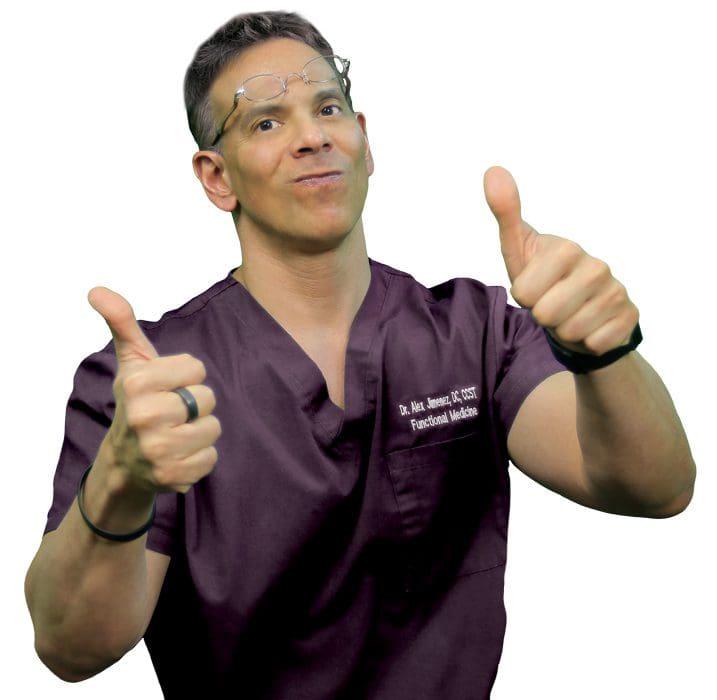

Fitness vs. Wellness After an Injury: How Chiropractic Care Bridges the Gap

After a car crash, work accident, or slip-and-fall, you’ll often hear two messages:
-
“You need to get your fitness back.”
-
“You should focus on wellness.”
They sound similar, but they are not the same—especially when you’re recovering from a personal injury.
Fitness is about what your body can physically do: strength, endurance, flexibility, and balance. Wellness is a bigger picture. It includes your physical health, as well as your pain levels, sleep, mood, stress, relationships, and your ability to live your daily life. ACE Fitness+1
On a site like PersonalInjuryDoctorGroup.com, the goal is not just to make you “fit” again. The goal is to help you rebuild a safer, stronger life after trauma—using exercise, integrative chiropractic care, and rehab as a united team.
Fitness vs. Wellness After an Injury
What is fitness?
Health organizations describe fitness as your body’s ability to perform physical activity safely and effectively—like walking, lifting, climbing stairs, or doing work tasks without getting overly tired or sore. ACE Fitness+1
Key parts of physical fitness include:
-
Cardiorespiratory endurance – how well your heart and lungs handle activity
-
Muscular strength – how much force your muscles can produce
-
Muscular endurance – how long muscles can work before they fatigue
-
Flexibility – how freely your joints move
-
Balance and coordination – how safely you move without falling
After an accident, many people notice:
-
Shortness of breath when walking up stairs
-
Weakness when lifting groceries or a child
-
Pain with simple tasks like bending, reaching, or driving
-
Poor balance or fear of falling
These are all fitness losses caused by pain, injury, and time away from normal activity.
What is wellness?
Wellness is bigger than fitness. It is a holistic state of health that includes your body, mind, and daily life. Wellness resources describe it as the ongoing practice of healthy habits that help you thrive rather than just survive. Juliette’s House+1
Wellness often includes:
-
Physical wellness – movement, nutrition, sleep, and pain control
-
Emotional wellness – coping with stress, fear, frustration, or trauma
-
Mental wellness – focus, memory, and clear thinking
-
Social wellness – support from family, friends, and your care team
-
Purpose and lifestyle – getting back to work, hobbies, and roles you value
For personal injury patients, wellness questions sound like:
-
“Can I sleep through the night without severe pain?”
-
“Can I drive, work, or care for my family again?”
-
“How is this accident affecting my mood, stress, and relationships?”
-
“What kind of future can I expect if I follow my treatment plan?”
You can be “fit” enough to move, but still not well if pain, anxiety, or stress dominates your daily life. That’s why a personal injury clinic must think in terms of wellness, not just workouts. Fyzical+1
How Exercise Connects Fitness and Wellness in Recovery
Whether you are dealing with whiplash, a herniated disc, knee damage, or soft-tissue strain, exercise is the bridge between fitness and wellness.
Trusted health sources explain that regular physical activity: Harvard Health+3HelpGuide.org+3MedlinePlus+3
-
Strengthens the heart, lungs, and circulation
-
Builds and preserves muscle and bone
-
Improves balance and coordination
-
Reduces the risk of heart disease, diabetes, and other chronic conditions
-
Boosts mood and reduces symptoms of anxiety and depression
-
Helps with sleep quality and daytime energy
After an injury, exercise is not just about “getting strong.” It helps you:
-
Regain confidence in your body
-
Restore safe movement patterns
-
Lower pain by improving joint motion and muscle support
-
Support mental health, especially after a traumatic event
Main types of exercise used in personal injury rehab
Most injury-focused programs blend several kinds of exercise:
-
Aerobic (cardio) exercise
-
Walking, stationary cycling, gentle elliptical, or aquatic therapy
-
Supports heart and lung health and can improve mood and stamina
-
-
Strength training
-
Light weights, resistance bands, bodyweight movements
-
Protects joints, builds back and core support, and prepares you for work tasks
-
-
Flexibility and mobility
-
Stretching, light yoga, joint mobility drills
-
Reduces stiffness, improves range of motion, and helps prevent re-injury
-
-
Balance and coordination exercises
-
Single-leg stance, step training, stability work
-
Key for patients with falls, dizziness, or lower extremity injuries
-
A good personal-injury program doesn’t throw you into high-intensity training. It starts where you are and progresses slowly under professional supervision.
Wellness Exercise vs. Fitness Training in a Personal Injury Setting
You can approach exercise with different goals:
Fitness training (performance-focused)
Performance-based exercise often focuses on:
-
Running faster
-
Lifting heavier
-
Completing intense workouts
That type of training can be helpful later—but right after an accident, it can be too aggressive and may flare your pain or stress levels if done without a plan.
Wellness-focused exercise (recovery-centered)
Wellness exercise prioritizes safe function and overall quality of life. It is especially important for personal injury patients and often includes: Foothills Therapy & Sports Medicine+1
-
Pain-aware pacing: movement that respects your healing tissue
-
Gradual, step-by-step progress toward daily activities
-
Focus on posture, body mechanics, and joint protection
-
Stress relief through breathing, gentle stretching, or mindful movement
-
Coordination with your chiropractor, physical therapist, and medical team
In this model, the question is not, “How hard can I push?” But, “How can I move in a way that supports healing today and keeps me safer tomorrow?”
How Integrative Chiropractic Care Supports Injured Patients
On PersonalInjuryDoctorGroup.com, chiropractic care is not isolated—it is part of a broader injury recovery system that includes rehab, functional fitness, and medical evaluation. El Paso Injury Doctors+2El Paso Injury Doctors+2
What chiropractic care does for injury patients
Chiropractors who work in personal injury settings focus on:
-
Spinal and joint alignment
-
Correcting restrictions and misalignments from whiplash, falls, or work injuries
-
Reducing mechanical stress on discs, nerves, and muscles El Paso Injury Doctors+1
-
-
Nervous system function
-
Easing irritation around nerves to reduce pain, numbness, or tingling
-
Supporting better muscle activation and coordination
-
-
Muscle and soft-tissue balance
-
Addressing tight, overworked muscles and weak, underused ones
-
Helping the body move in a smoother, more efficient pattern
-
-
Education and movement coaching
-
Teaching safe lifting, posture, and daily activities
-
Guiding early exercises that build toward full rehab
-
Articles on PersonalInjuryDoctorGroup.com highlight that chiropractic adjustments, combined with rehabilitative training and other therapies, can help patients restore normal function after neck, back, spinal, and soft-tissue injuries. El Paso Injury Doctors+2El Paso Injury Doctors+2
Chiropractic + Exercise: A Synergistic Rehab Strategy
Research and clinical experience from sports medicine, physical therapy, and chiropractic clinics support a synergistic approach: chiropractic care plus structured exercise often works better than either one alone. El Paso, TX Doctor Of Chiropractic+4Tigard Chiropractic+4AdventHealth+4
How the synergy works in personal injury care
-
Chiropractic sets the foundation
-
Restores better alignment and joint motion
-
Reduces pain and muscle guarding
-
Improves nerve communication to muscles
-
-
Exercise builds on that foundation
-
Strengthens stabilizing muscles around injured joints and the spine
-
Improves endurance so you can perform daily tasks without flare-ups
-
Enhances coordination, balance, and reaction time
-
-
Functional rehab connects it to real life
-
Movement patterns are retrained for:
-
Lifting
-
Pushing and pulling
-
Walking on uneven surfaces
-
Getting in and out of a car
-
-
Progress is measured in real-world abilities, not just in the gym
-
Clinics like Tigard Chiropractic Auto Injury and AdventHealth note that combining chiropractic adjustments with tailored exercise improves performance and reduces injury risk for athletes and active adults. El Paso, TX Doctor Of Chiropractic+3Tigard Chiropractic+3AdventHealth+3
The same principles apply to personal injury patients—except the focus is less on winning races and more on:
-
Returning to work safely
-
Caring for family without constant pain
-
Preventing long-term disability
Dr. Alexander Jimenez’s Dual-Scope Clinical Insights
Dr. Alexander Jimenez, DC, APRN, FNP-BC, is a chiropractor and board-certified family nurse practitioner with decades of experience treating personal injury patients in El Paso and beyond. El Paso Back Clinic® • 915-850-0900+3LinkedIn+3El Paso, TX Doctor Of Chiropractic+3
From his integrative perspective, several patterns show up again and again:
-
Many injured patients are afraid to move.
Pain, fear of re-injury, and confusion about what is “safe” lead to inactivity—and that can delay healing and worsen stiffness and weakness. -
Spinal and joint misalignment often makes exercise harder.
If joints are “stuck,” muscles must work overtime to keep you upright, which can cause more pain and fatigue during rehab. -
True wellness requires more than pain relief.
Sleep, stress, nutrition, and emotional recovery all influence how well a patient responds to chiropractic care and exercise. -
Legal and documentation needs also matter.
In personal injury cases, proper documentation of function, limitations, and response to care helps ensure patients receive the support and time they need for full recovery. LinkedIn+1
In his articles and clinical programs, Dr. Jimenez emphasizes performance-based injury rehab—using chiropractic adjustments, functional movement screening, therapeutic exercise, and, when appropriate, durable medical equipment (DME) as part of a full recovery plan. El Paso Back Clinic® • 915-850-0900+2El Paso, TX Doctor Of Chiropractic+2
A Simple Fitness–Wellness Roadmap for Personal Injury Patients
Here is a practical framework that reflects the type of care patients might receive through a clinic featured on PersonalInjuryDoctorGroup.com.
Start with a thorough assessment
A good injury-centered evaluation should include:
-
Detailed accident and health history
-
Pain mapping (where, when, and how it hurts)
-
Posture and gait analysis
-
Joint and spinal motion testing
-
Strength, flexibility, and balance screening
-
Review of imaging (X-rays, MRI, CT) when appropriate
This helps the care team understand:
-
What structures were injured
-
Which movements are safe now
-
Which exercises should be avoided or modified
Stabilize pain and protect injured tissues
Early priorities often include:
-
Chiropractic adjustments to restore healthier joint motion
-
Gentle soft-tissue work to ease tight or guarded muscles
-
Basic pain-management strategies and education
-
Simple, low-load movements like:
-
Short walks
-
Gentle range-of-motion exercises
-
Supported core activation
-
The goal is not intense exercise—it’s calming the system and preventing further deconditioning.
Build foundational fitness with wellness in mind
Once pain is more controlled, your team may:
-
Add light strength work for core, hips, and shoulders
-
Introduce low-impact cardio such as walking or cycling
-
Increase mobility for the neck, mid-back, or hips
-
Start balance and coordination drills
Wellness is always part of the plan:
-
Sleep hygiene strategies
-
Stress management (breathing, pacing, mental health support)
-
Basic nutrition guidance to support healing MedlinePlus Magazine+2MedlinePlus+2
Progress to functional and work-specific tasks
Next, the program shifts toward real-life goals, such as:
-
Lifting, carrying, and pushing tasks similar to your job
-
Getting in and out of a car without pain
-
Climbing stairs or navigating uneven ground
-
Returning to sport or recreational activity when appropriate
This is where fitness and wellness fully overlap—you’re not just exercising; you’re reclaiming your life.
Long-term maintenance and prevention
Even after a case settles or formal rehab ends, many patients benefit from:
-
Periodic chiropractic check-ins
-
A home exercise program focused on:
-
Core and spinal stability
-
Hip and shoulder strength
-
Flexibility and balance
-
-
Lifestyle habits that protect your spine and joints:
-
Better ergonomics at work
-
Breaks from sitting
-
Regular physical activity you enjoy
-
The goal is simple: stay active, stay aligned, and stay well.
Key Takeaways for Personal Injury Patients
-
Fitness is your physical capacity—what your body can do.
-
Wellness is your overall health—how you live, feel, and function day to day.
-
After an accident, you need both: safe physical conditioning and whole-person recovery.
-
Exercise is the bridge between fitness and wellness, improving strength, endurance, mood, and long-term health.
-
Integrative chiropractic care, like that highlighted on PersonalInjuryDoctorGroup.com and in Dr. Jimenez’s work, provides the structural and neurological foundation that makes exercise safer and more effective during rehab. El Paso Injury Doctors+3El Paso Injury Doctors+3El Paso Injury Doctors+3
When chiropractic care, physical therapy, and wellness-focused exercise are combined:
https://youtu.be/ig5F9FM1-98?si=0t6L4VKtMFgVEcfu
References
ACE. (2024). Wellness vs. fitness: What’s the difference?. ACE Fitness
AdventHealth. (2024). A beginner’s guide to combining exercise with chiropractic care for maximum benefits. AdventHealth+1
Foothills Sports Medicine Physical Therapy. (2017). Exercise therapy: Wellness as a whole. Foothills Therapy & Sports Medicine
FYZICAL Eastlake. (n.d.). Fitness & wellness. Fyzical
HelpGuide. (n.d.). Exercise & fitness. HelpGuide.org+2HelpGuide.org+2
Juliette’s House. (2024). Are wellness and fitness the same?. Juliette’s House
MedlinePlus. (2022). Physical fitness and nutrition: Know your terms. MedlinePlus+3MedlinePlus Magazine+3MedlinePlus Magazine+3
National Institutes of Health. (2025). Physical wellness toolkit. National Institutes of Health (NIH)
Newbold Chiropractic. (2025). Unlocking wellness: How chiropractic care enhances overall health. Newbold Chiropractic+2Newbold Chiropractic+2
Personal Injury Doctor Group. (n.d.). Chiropractor. El Paso Injury Doctors
Personal Injury Doctor Group. (2025). Chiropractic pain recovery program and rehabilitation. El Paso Injury Doctors+1
Tigard Chiropractic Auto Injury. (2024). Integrating exercise with chiropractic: A synergistic approach to sports medicine. El Paso, TX Doctor Of Chiropractic+3Tigard Chiropractic+3ChiroMed+3
Jimenez, A. (n.d.). El Paso, TX doctor of chiropractic. El Paso, TX Doctor Of Chiropractic+1
Jimenez, A. (n.d.). Dr. Alexander Jimenez LinkedIn profile. LinkedIn+7LinkedIn+7LinkedIn+7
Comments are closed.