I hope you have enjoyed our blog posts on various health, nutritional and injury related topics. Please don't hesitate in calling us or myself if you have questions when the need to seek care arises. Call the office or myself. Office 915-850-0900 - Cell 915-540-8444 Great Regards. Dr. J
athletic woman abdominals training outdoors. Pretty sporty woman abs working out on beach wearing leggings and top. Healthy lifestyle.
Share
Understanding the difference between weight loss and fat loss will help promote a healthy change and an improvement in an individual’s wellbeing. Fat loss can be a part of losing weight however, individuals lose more than just fat. For most individuals, fat loss is the goal, so taking a deliberate, focused approach will generate the best results. Here we discuss how individuals can optimize for fat loss.
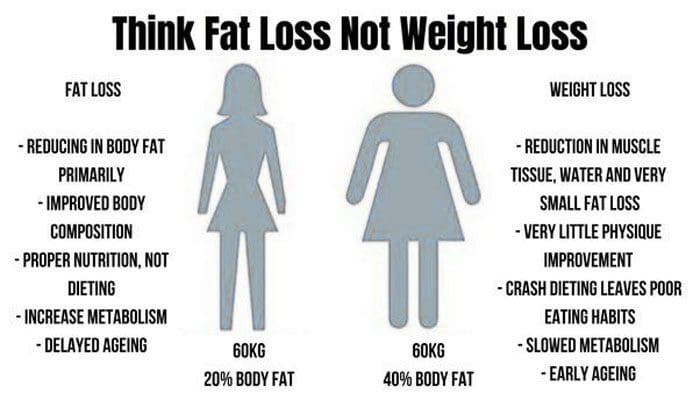
Weight loss is the overall reduction in body weight
Fat loss is a reduction in body fat
When losing weight, the body is not just losing body fat, there are changes being made to each component of body composition. This includes:
Body fat
Lean Body Mass
Body Water
This is also true for weight gain. An individual cannot control how much is lost but can influence what is lost.
Weight Loss
There are hundreds of diet and exercise programs that can help achieve fat loss some better than others. The ones that tend to work better focus on the same thing, which is reducing energy intake from food/diet while increasing energy output through exercise and regular physical activity. This forces the body to make up for the missing energy by breaking down the body’s tissues, including fat and muscle. As an individual loses weight, they will also lose some muscle in the form of Lean Body Mass in addition to body fat.
Fat Loss
Body fat is a combination of essential fat and storage fat. Storage fat is adipose tissue that has accumulated for reserved energy. This type of fat changes with diet modification and regular exercise. Too much storage fat can negatively impact physical and mental wellbeing, so this should be the focus for better health.
Focus on fat loss and not weight loss
There is a clear association between obesity and chronic disease. Focusing on weight loss can lead to unintended consequences like eating disorders. This is why the focus on fat loss is key along with healthy body composition. This is the recommended approach because it encourages the individual to move more and eat healthily.
Understanding health benefits of losing fat
Body fat percentage works better as a gauge of health than weight.
Weight is composed of lean body mass, body fat, and water, so any changes that occur in these areas can lead to weight gain and not just fat loss. Excess body fat, specifically storage fat, has a close association to chronic diseases like:
Type 2 Diabetes
Hypertension
Heart Disease
Various Cancers
The key is understanding that a healthy body fat percentage will help reduce the risk of these diseases, improve mental health and overall health.
Different ways to measure fat loss
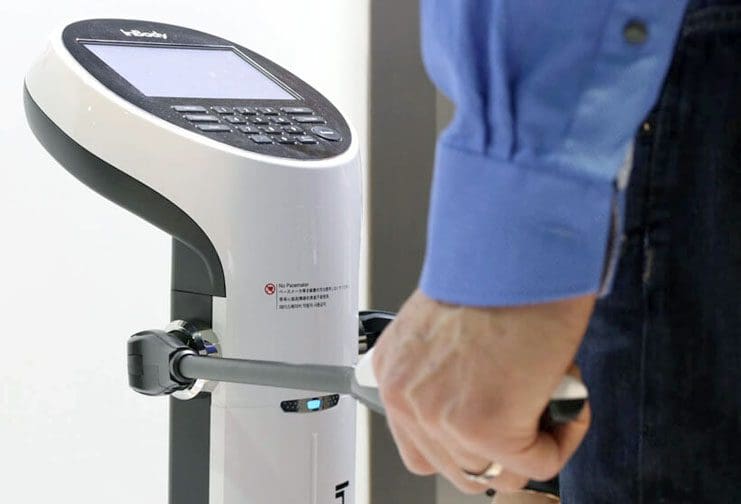
Tracking body fat loss means having body composition tracked and monitored. There are devices and methods for determining body composition, including:
For truly accurate results get tested by a highly skilled professional who uses medical-grade tools for assessment. Cheap plastic calipers and at-home scales don’t tend to be the best options.
Metabolism changes with weight loss
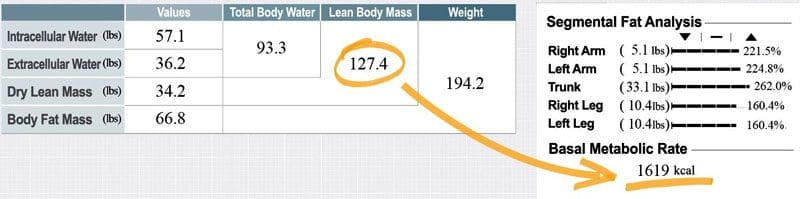
When losing weight there is more lost than fat. One loss can be Lean Body Mass, which is critical because the amount of Lean Body Mass that the body has directly influence Basal Metabolic Rate or the body’s metabolism. The Basal Metabolic Rate (BMR) is the number of calories the body naturally burns when resting. When focusing on weight loss and not making changes to minimize lean body mass loss, the individual decreases the size of their metabolism. However, if an individual continues with the same eating habits, this could be a setup for weight regain.
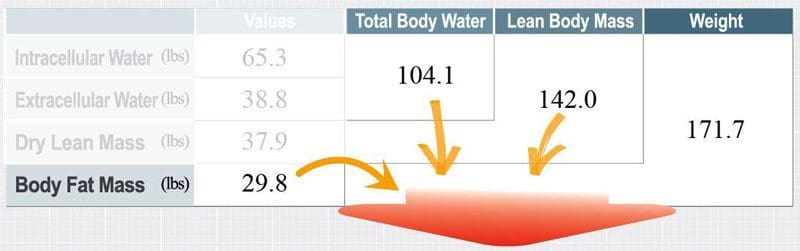
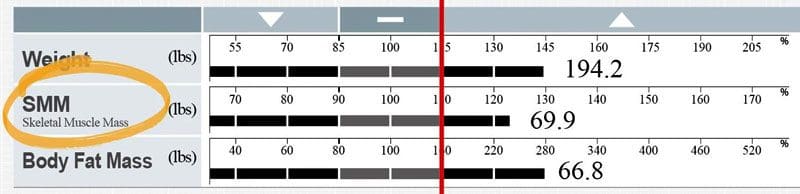
Here is an example of a typical set of body composition results of someone who would be clinically diagnosed as obese.
Along with weight and body fat mass measurements, the individual naturally developed muscles by carrying their body weight. This means that individuals that are obese also have relatively large metabolisms. Dramatic changes to Lean Body Mass and metabolism are not ideal, especially when the goal is maintaining healthy body weight.
This is why it is important to come up with a focused/customized approach for gaining muscle, losing fat, and body recomposition, rather than just weight loss. The weight and body fat bars on the above chart are significantly over average, as well as, the Skeletal Muscle Mass bar. This is common for individuals that are obese. Individuals that are obese have developed this muscle by carrying a large amount of weight. Large amounts of muscle begin to develop to move the heavy body.
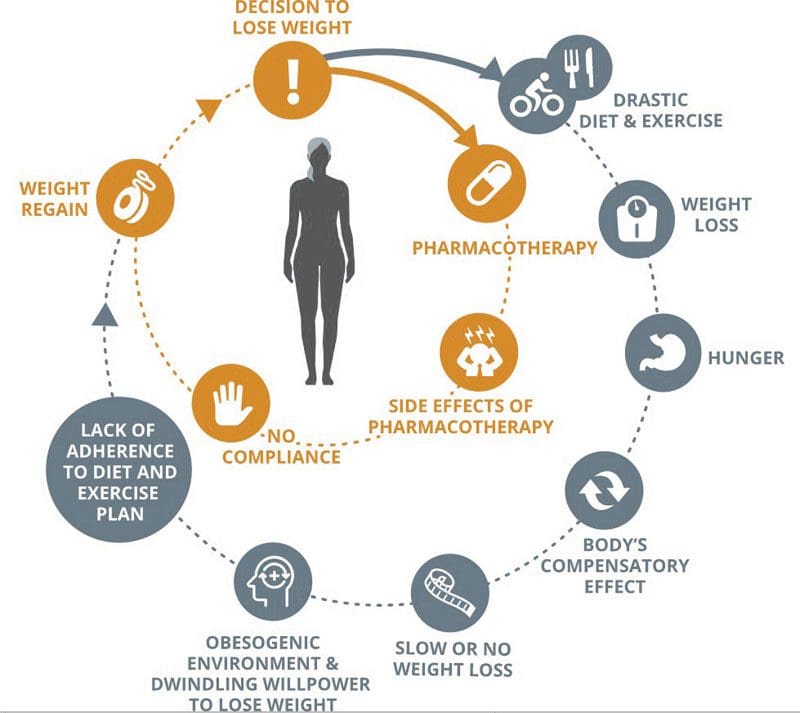
Stopping weight regain
With weight loss, there will be some Lean Body Mass loss. This means a low metabolism, combined with non-regulated eating habits can lead to regaining weight. With no development of Lean Body Mass and skeletal muscle to help grow the metabolism, there is an increased chance for weight regain. It is crucial to focus on body composition, developing muscle, and Lean Body Mass. Along with continued changing eating habits after an individual reaches their target weight.
Building muscle, losing fat for healthy body composition
The main areas to focus on to change body composition, overall health, and wellbeing.
Focus on body composition, not on weight loss
Instead, track changes in body composition. This means optimizing programs for fat loss while minimizing Lean Body Mass loss. Weight loss will occur, but combined with proper nutrition and strength training can minimize Lean Body Mass loss.
Develop new eating habits
An important step is understanding how to improve eating habits by choosing a diet plan that will be fun and enjoyable. When optimizing for fat loss, it will take longer than weight loss. Effective dietary plans go for half to one pound of fat loss per week. This is a manageable and sustainable goal that will not cause negative effects on metabolism. Slow and steady is the better option and will lead to long-term changes.
Start strength training to increase metabolism
Strength training/weight lifting is a great way to increase metabolism. Increased muscle benefits range from:
Increased ability to recover from disease/s
Reducing insulin resistance
Keeps the body mobile
Helps combat obesity by increasing BMR and metabolism
Body composition in the long-term
Fat loss is more important than weight loss and will lead to long-term changes. Understanding that working out smarter and finding out body composition numbers will promote getting fit while keeping the fat off. It will take longer than expected, but dropping 30 pounds in less than a year then regaining it all back is counterproductive.Take the time to make small, impactful adjustments that will lead to a lifetime of optimal health.
InBody
Dr. Alex Jimenez’s Blog Post Disclaimer
The scope of our information is limited to chiropractic, musculoskeletal, physical medicines, wellness, and sensitive health issues and/or functional medicine articles, topics, and discussions. We use functional health & wellness protocols to treat and support care for injuries or disorders of the musculoskeletal system. Our posts, topics, subjects, and insights cover clinical matters, issues, and topics that relate and support directly or indirectly our clinical scope of practice.*
Our office has made a reasonable attempt to provide supportive citations and has identified the relevant research study or studies supporting our posts. We also make copies of supporting research studies available to the board and or the public upon request. We understand that we cover matters that require an additional explanation as to how it may assist in a particular care plan or treatment protocol; therefore, to further discuss the subject matter above, please feel free to ask Dr. Alex Jimenez or contact us at 915-850-0900. The provider(s) Licensed in Texas& New Mexico*
References
Hall, Kevin D et al. “Calorie for Calorie, Dietary Fat Restriction Results in More Body Fat Loss than Carbohydrate Restriction in People with Obesity.â€Â Cell metabolism vol. 22,3 (2015): 427-36. doi:10.1016/j.cmet.2015.07.021
Merlotti, C et al. “Subcutaneous fat loss is greater than visceral fat loss with diet and exercise, weight-loss promoting drugs and bariatric surgery: a critical review and meta-analysis.â€Â International journal of obesity (2005) vol. 41,5 (2017): 672-682. doi:10.1038/ijo.2017.31
Tobias, Deirdre K et al. “Effect of low-fat diet interventions versus other diet interventions on long-term weight change in adults: a systematic review and meta-analysis.â€Â The lancet. Diabetes & endocrinology vol. 3,12 (2015): 968-79. doi:10.1016/S2213-8587(15)00367-8
Specialties: Stopping the PAIN! We Specialize in Treating Severe Sciatica, Neck-Back Pain, Whiplash, Headaches, Knee Injuries, Sports Injuries, Dizziness, Poor Sleep, Arthritis. We use advanced proven therapies focused on optimal Mobility, Posture Control, Deep Health Instruction, Integrative & Functional Medicine, Functional Fitness, Chronic Degenerative Disorder Treatment Protocols, and Structural Conditioning. We also integrate Wellness Nutrition, Wellness Detoxification Protocols and Functional Medicine for chronic musculoskeletal disorders. We use effective "Patient Focused Diet Plans", Specialized Chiropractic Techniques, Mobility-Agility Training, Cross-Fit Protocols, and the Premier "PUSH Functional Fitness System" to treat patients suffering from various injuries and health problems.
Ultimately, I am here to serve my patients and community as a Chiropractor passionately restoring functional life and facilitating living through increased mobility and true functional health.






Comments are closed.