
Autoimmunity and Healing With Integrative Chiropractic

Find solutions for autoimmunity and systemic inflammation with integrative chiropractic techniques that promote healing.
Abstract
In this educational post, I share a clear, step-by-step exploration of rosacea as an early systemic signal—often a precursor to widespread immune dysregulation—informed by modern evidence-based research. I present how chronic vascular changes, barrier failure, and innate immune activation can progress toward autoimmunity patterns that mirror systemic lupus erythematosus (SLE). I also detail how functional and integrative chiropractic care can stabilize these pathways through gut restoration, nutritional repletion (including riboflavin/vitamin B2 for NADPH oxidase function), barrier repair, vascular regulation, and immune modulation.
I highlight our multidisciplinary care model at Injury Medical Clinic PA (Mission Plaza Injury Medical Clinic) in El Paso, Texas, where I collaborate with Dr. Maria Guadalupe Cardenas, MD (Board Certified in Internal Medicine; NPI #1164426749; Texas MD License #J2933), who serves as our Medical Director and Collaborative Physician. Together, we integrate chiropractic care, internal medicine oversight, functional medicine, personal injury care, and rehabilitation to craft individualized, evidence-aligned protocols. Throughout, I incorporate clinical observations from my practice and professional postings, emphasizing a practical roadmap of testing, interpretation, and treatment.
Rosacea As A Systems-Level Warning: What My Clinical Eyes See First
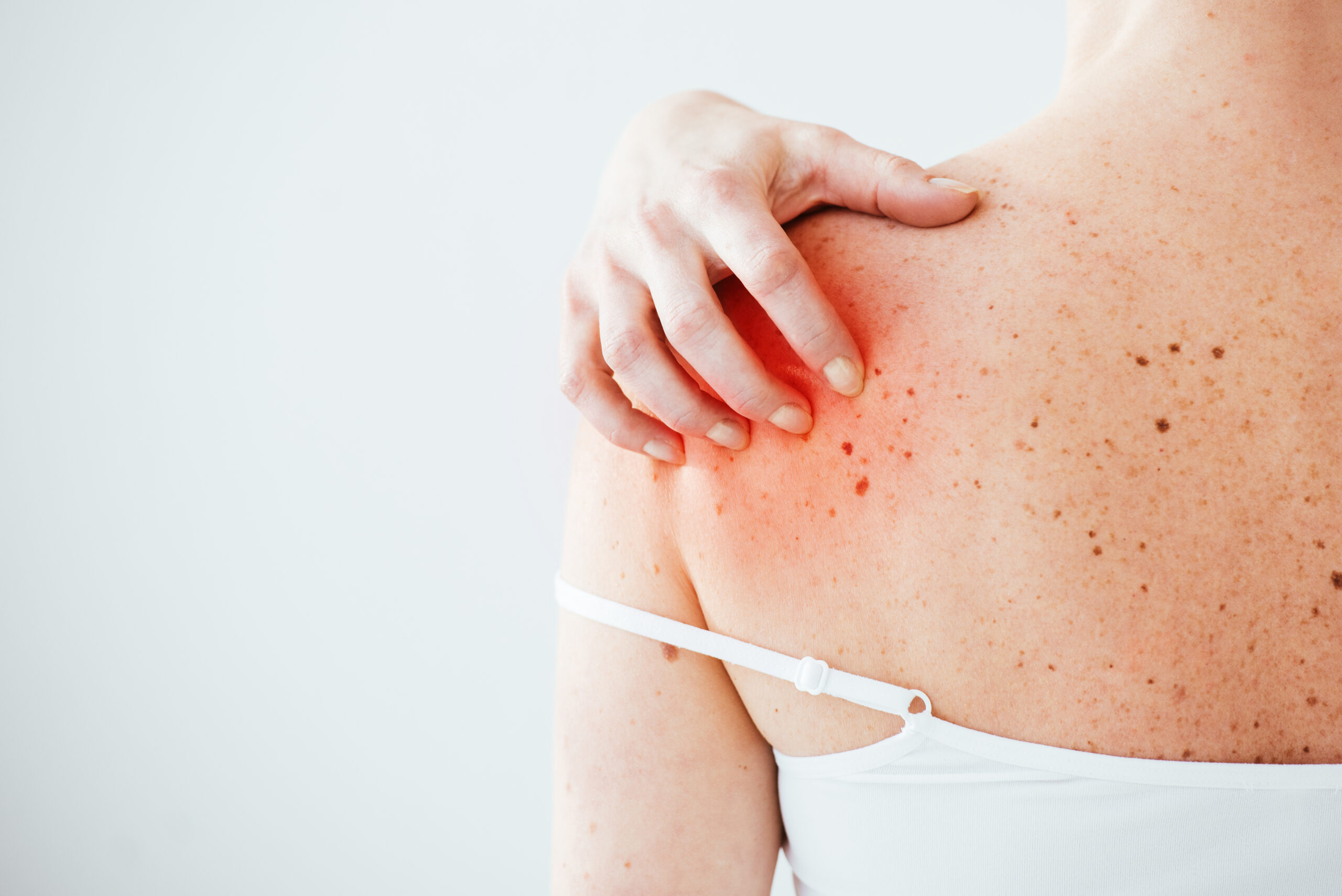
I’ve learned to treat rosacea not as a cosmetic nuisance but as a systems-level signal. When I meet someone with persistent facial erythema, edema, papules, and pustules, I start an internal checklist:
- Is the skin barrier compromised—are tight junctions, lipid bilayers, and antimicrobial peptide defenses failing?
- Are microvascular dynamics dysfunctional, leaving vessels chronically dilated and protein-rich fluid leaking into the interstitial space?
- Is the local innate immune response hyper-activated, with neutrophils and macrophages generating persistent reactive oxygen species (ROS) without resolution?
- Are matrix metalloproteases (MMPs) elevated as tissue remodelers go into overdrive, degrading collagen and elastin, and fueling inflammatory cycles?
- Do type I interferons (IFN-?/?) show a sustained signature, matching what we see in early autoimmunity?
The answer is often yes. Over time, I’ve watched how a “red face” can be a visible endpoint of deeper immune and vascular shifts that need coordinated correction—not just topical suppression.
The Skin’s Biological Mandate And Where It Breaks
The skin’s biological mandate is singular and elegant: keep bad stuff out, keep good stuff in. When that mandate fails, we see predictable physiology:
- Lipid bilayers and tight junctions: If disrupted, allergens, toxins, and microbes traverse into deeper layers.
- Antimicrobial peptides (AMPs): If dysregulated, cutaneous defense shifts from balanced surveillance to inflammatory chaos.
- Resident immune surveillance: Langerhans cells, dermal dendritic cells, mast cells, and macrophages flip from protective sensing to chronic activation.
In rosacea, I often observe:
- Chronic vasodilation: Persistent warmth, flushing, and erythema.
- Protein leakage: Edema and pustule formation driven by leakage of plasma proteins and immune components into the interstitium.
- MMP surge: Elevated MMP-9 and other MMPs associated with collagen/elastin breakdown and tissue fragility.
- Barrier breach: Transepidermal water loss (TEWL) increases; sensitivity spikes; dermatitis overlap emerges.
Why this matters: These shifts are not “skin-only.” They are an immune story that can go systemic unless the inputs are corrected.
The Type I Interferon Signature: Why Rosacea Can Look Like SLE In The Lab
I often explain to patients that type I interferons (IFN-? and IFN-?) are the immune system’s emergency broadcast. When they rise and persist, multiple downstream effects occur:
- Follicular helper T cells (Tfh) accelerate B-cell activation, promoting autoantibody production
- Antigen-presenting cells sustain a high-alert loop, keeping the innate and adaptive systems “on.”
- Gene expression patterns—the “IFN signature”—mirror signatures observed in SLE patients in several cohorts.
The clinical implication is profound: if a rosacea patient exhibits a sustained type I interferon profile, plus elevated MMPs, barrier dysfunction, and vascular dysregulation, we should consider this a stage in a systemic immune trajectory. Waiting for kidney or organ involvement before connecting the dots is too late.
Demodex, Vitamin B2, And The Respiratory Burst: Why The Inflammation Doesn’t Resolve
One of the overlooked pivots in rosacea is the Demodex mite story:
- Most of us host Demodex species harmlessly.
- In rosacea, populations can be 10x higher, and antigenic activity increases.
- The immune response ramps up—but often without resolution.
Here’s where biochemistry matters:
- Neutrophils and macrophages kill pathogens via the respiratory burst, producing ROS through the enzyme NADPH oxidase.
- Riboflavin (vitamin B2) is a critical cofactor supporting flavin adenine dinucleotide (FAD) dependent reactions in NADPH oxidase.
- If B2 is deficient, immune cells can arrive but fail to clear pathogens efficiently, resulting in ongoing inflammation without pathogen resolution—a perfect incubator for immune dysregulation.
This biochemical choke point is actionable. Addressing B2 is a small hinge that can swing a big door—particularly when we confirm deficiency and correct it with nutrition, supplementation, and improved gut absorption strategies.
The Gut As The First Antimicrobial Checkpoint: Acid, Enzymes, And Barrier Integrity
Another piece frequently missed is gastric acid:
- Adequate hydrochloric acid (HCl) sterilizes the stomach’s lumen and primes protein digestion.
- Low HCl permits bacteria, fungi, and parasites to pass through, especially when gastric motility is sluggish.
Follow that with pancreatic enzyme deficits:
- Poor digestion leaves undigested proteins and fats to ferment and feed pathogens.
- Dysbiosis expands; gases and endotoxins rise; small intestinal bacterial overgrowth (SIBO) becomes more likely.
The final hit is intestinal permeability:
- Tight junction disruption leads to leaky gut.
- Microbial products like lipopolysaccharide (LPS) enter circulation, stoking systemic inflammation and IFN signaling.
Why the spleen matters in this cascade:
- The spleen filters every drop of blood about every eight minutes.
- Chronic load of microbial fragments and immune complexes can keep the spleen’s immune programming “on,” sustaining the type I interferon signature and nudging the system toward autoantibodies.
These are not isolated facts—they are connected pathways. Treat the gut, and the skin often follows. Rebuild the barrier, and vascular stability improves. Modulate interferon drivers, and autoimmunity pressure drops.
How We Integrate Care: Internal Medicine Oversight And Chiropractic-Led Functional Protocols
At our clinic in El Paso, Texas—Injury Medical Clinic PA, also known as Mission Plaza Injury Medical Clinic—we function as a cohesive, multidisciplinary team. I provide integrative chiropractic care and functional medicine protocols, and our Medical Director and Collaborative Physician, Dr. Maria Guadalupe Cardenas, MD (Board Certified in Internal Medicine; NPI #1164426749; Texas MD License #J2933), oversees medical safety, diagnostics, and inter-specialty coordination.
What this looks like in practice:
- Medical oversight enables targeted testing, pharmacologic options when indicated, and referrals to dermatology or rheumatology as necessary.
- Chiropractic care supports autonomic regulation, vascular tone modulation, myofascial balance, and lymphatic circulation that affect facial flushing, edema, and inflammatory load.
- Functional medicine addresses nutrient repletion (e.g., vitamin B2), gut recovery, barrier repair, detox support, and immune modulation informed by metabolomic and microbiome data.
- Rehabilitation programs improve vascular resilience, respiratory efficiency, stress-system regulation, and sleep architecture, each a lever on immune stability.
- Personal injury knowledge, foundational in our clinic, enhances our biomechanics and neurovascular approach in cases where trauma influences autonomic balance and inflammatory tone.
Our ethos: evidence-informed, patient-centered, and systems-coordinated.
The Research Basis And Clinical Rationale: Why We Choose These Levers
To make our approach transparent, here’s the reasoning behind each lever:
- Barrier reboot: Restoring ceramides, cholesterol, free fatty acids, and tight junction integrity reduces antigen ingress and calms AMP dysregulation.
- Vascular retraining: Managing neurovascular tone with chiropractic autonomic modulation and breathwork reduces persistent vasodilation that feeds rosacea phenotypes.
- Interferon modulation: Correcting gut-derived triggers, resolving latent infections, and normalizing sleep downshift IFN-?/? signaling and Tfh hyperdrive.
- MMP tempering: Nutritional biochemistry (e.g., omega-3s, polyphenols, vitamin C, zinc) and mechanical stability reduce tissue-destructive signals.
- Respiratory burst competence: Ensuring riboflavin sufficiency supports NADPH oxidase, allowing immune hits to be decisive and brief, rather than unresolved and chronic.
- Spleen load reduction: Cut systemic endotoxin and immune complex burden by healing the gut and improving detox pathways; the spleen’s chronic activation then recedes.
A Clinically Practical Testing Pathway: How We Identify, Stage, And Treat
With internal medicine oversight, we use tiered testing to clarify drivers and guide treatment:
- Skin barrier and vascular:
-
- TEWL measurements, dermoscopy, and high-resolution photography for erythema, edema, papules/pustules.
- Capillaroscopy or imaging when vascular anomalies are suspected.
- Immune and interferon profile:
-
- CBC with differential, CRP, ESR.
- Autoantibody panels (ANA, dsDNA, ENA subsets) when clinically indicated.
- Cytokine panels with attention to type I interferon–related markers where available.
- MMP profiling (e.g., MMP-9) in select cases.
- Nutrient and metabolic:
-
- Riboflavin (vitamin B2) status via RBC B2 markers or functional assays where accessible.
- B-vitamin panel, homocysteine, methylation markers.
- Omega-3 index, vitamin D, zinc, copper, selenium.
- Gut and microbiome:
-
- Gastric acid evaluation (clinical, Heidelberg test where indicated).
- Pancreatic elastase, fecal fat, calprotectin.
- Comprehensive stool analysis and microbiome sequencing.
- Breath tests for SIBO.
- Infection and latent triggers:
-
- Demodex assessment (skin scrapings, standardized surface biopsy).
- Targeted serologies for latent infections when history suggests.
We tailor the scope to the individual, working with Dr. Cardenas to ensure medical appropriateness and safety.
Integrative Chiropractic Care: Autonomic And Vascular Modulation For Rosacea
As a chiropractor with functional medicine training, I use precise mechanical inputs to influence neurovascular and immune tone:
- Cervical and upper thoracic adjustments: Target dysautonomia and improve sympathetic-parasympathetic balance; patients often report reduced flushing and facial warmth over time.
- Myofascial release: Free fascial restrictions affecting lymphatic drainage, decreasing regional edema and improving nutrient delivery.
- Cranio-cervical integration: Align craniocervical junction mechanics that impact trigeminal and facial vascular patterns, and the central autonomic network.
- Breath mechanics training: Diaphragmatic and nasal breathing enhance vagal tone, lower sympathetic arousal, and reduce neurogenic inflammation.
- Postural and movement rehabilitation: Balances muscle chains and circulation; reduces heat and pressure pooling in facial vascular beds.
Each modality is chosen for its specific physiological effects—aiming to reduce vascular hyper-reactivity, inflammatory persistence, and autonomic dysregulation.
Fighting Inflammation Naturally- Video
Functional Medicine Protocols: From Riboflavin To Barrier Lipids
Working closely with Dr. Cardenas, we build individualized protocols:
- Vitamin B2 (Riboflavin):
-
- Repletion plan based on labs and clinical picture.
- Emphasis on dietary sources and supplemental forms that enhance NADPH oxidase function and mitochondrial resilience.
- Expected impact: more decisive respiratory burst, lower chronic ROS noise, improved pathogen resolution.
- Barrier lipid therapy:
-
- Use of ceramides, cholesterol, free fatty acids in moisturizers.
- Strategically chosen topicals to rebuild stratum corneum
- Monitor TEWL and symptom response.
- Gut restoration:
-
- If low HCl suspected: supervised acid support
- Pancreatic enzymes with meals to reduce fermentation and dysbiosis.
- Targeted antimicrobials or botanicals with caution, guided by testing.
- Prebiotic fibers and probiotics tailored to microbiome results.
- Polyphenols to reduce MMP activity and modulate microbial ecology.
- Inflammation and interferon modulation:
-
- Sleep architecture optimization; circadian alignment.
- Omega-3 repletion, vitamin D correction, zinc and selenium where indicated.
- Address latent infections or Demodex overgrowth per medical guidance.
- Detox and liver-spleen load management:
-
- Support phase I/II liver pathways with nutrients and food-based strategies.
- Hydration, movement, and lymphatic support reduce immune complex burden.
We adjust as the person’s physiology changes, never locking into a rigid protocol.
Personal Injury And Rosacea: The Hidden Autonomic Link
In personal injury cases, autonomic imbalance can worsen rosacea:
- Pain and stress elevate sympathetic tone, driving vasodilation, flushing, and inflammation.
- Posture changes compress vascular routes; edema increases.
- Sleep disruption fuels interferon signaling and immune activation.
We integrate trauma-informed care, manual therapy, and stress regulation to restore autonomic coherence—often improving skin symptoms as a downstream benefit.
Clinical Observations From Practice
Across many cases, including those I’ve discussed publicly on my platforms, I repeatedly see:
- When gut integrity improves, rosacea activity
- When riboflavin is repleted and NADPH oxidase competence returns, inflammation resolves faster.
- When vascular tone is regulated via autonomic and myofascial inputs, patients report fewer flares and improved skin texture.
- When sleep and stress are normalized, type I interferon pressures ease, and autoantibody noise diminishes.
These observations guide our protocols and confirm the importance of multidisciplinary care.
For more on my clinical approach and professional background:
- Clinical insights: https://personalinjurydoctorgroup.com/
- Professional profile: https://www.linkedin.com/in/dralexjimenez/
The Treatment Journey: A Patient-Centered Roadmap
We create a clear sequence so patients understand the journey:
- Phase 1: Assess and stabilize
-
- Medical intake, testing, initial barrier repair, dietary foundations, sleep and stress support.
- Phase 2: Target drivers
-
- Gut correction, nutrient repletion (e.g., vitamin B2), Demodex management, vascular-autonomic retraining.
- Phase 3: Consolidate and protect
-
- Reinforce skin barrier, refine diet, lock in movement and breath routines, monitor labs for interferon and autoantibody shifts.
- Phase 4: Maintain and monitor
-
- Periodic reassessment, adapt protocol to life changes, stay vigilant for early signs of systemic activation.
We measure progress with symptoms, imaging, TEWL, labs, and quality-of-life metrics.
Why Timing Matters: Connecting Early Skin Signals To Systemic Protection
Because our content was created on 2026-08-26 10:24:40, I emphasize an urgent theme: early intervention saves organ systems. The timeline isn’t abstract:
- If a sustained IFN signature, MMP activity, and barrier failure go uncorrected for months to years, the risk of broader autoimmunity increases.
- Correcting riboflavin deficiency, improving gastric acid and enzymes, and repairing gut permeability can quickly lower the systemic immune burden.
- Coordinating chiropractic neurovascular care with internal medicine oversight puts a guardrail between early skin pathology and advanced systemic disease.
How Integrative Chiropractic Fits Into Medical Oversight: The Team Approach
Dr. Cardenas ensures rigorous medical direction:
- Safety checks for pharmacology and botanicals.
- Interpretation of autoimmune markers and interferon-related data.
- Coordination with dermatology and rheumatology when escalation is necessary.
My role integrates mechanical and functional inputs:
- Align neurovascular dynamics through adjustments and soft-tissue work.
- Implement metabolic and nutrition interventions.
- Guide breath and movement rehabilitation.
Together, we deliver coordinated care that respects the complexity of rosacea while aiming to prevent systemic progression.
The Physiology In Detail: From Skin Microvessels To Splenic Immunology
To fully grasp why integrative treatment works, we walk through the physiology:
- Microvascular tone in the face:
-
- Neurogenic control via sympathetic and parasympathetic
- Endothelial mediators: nitric oxide (NO), endothelin, prostaglandins.
- ROS interaction with endothelial signaling and MMP-mediated matrix changes.
- Barrier science:
-
- Stratum corneum lipid composition: ceramides, cholesterol, free fatty acids.
- Claudins, occludins, ZO proteins in tight junctions.
- AMP balance: cathelicidin, beta-defensins.
- Innate immune orchestration:
-
- Pattern recognition receptors (PRRs), including TLRs.
- Type I interferon axis driven by nucleic acid sensing.
- Neutrophil extracellular traps (NETs) when clearance fails.
- NADPH oxidase and riboflavin:
-
- FAD-dependent electron transfer and ROS generation.
- Consequences of impaired respiratory burst: chronic inflammation, pathogen persistence, tissue damage.
- Gut-immune loop:
-
- HCl and pepsin: pathogen control and protein priming.
- Pancreatic enzymes: nutrient cleavage and anti-fermentation.
- Permeability and LPS: hepatic and splenic immune activation.
- Splenic programming:
-
- Marginal zone B cells, dendritic cells, and macrophage crosstalk.
- IFN exposure driving Tfh assistance and autoantibody
- Systemic recirculation sustaining the loop.
This blueprint explains why our interventions target multiple nodes rather than a single symptom.
Patient Education: Empowering Understanding And Action
I teach patients:
- Your skin is a sensor and a shield; when it signals distress, listen.
- Nutrition and mechanics both drive immune tone.
- Sleep and stress are not soft topics—they are hard levers on interferon signaling.
- Progress is measurable and incremental; we monitor and adapt.
Education turns confusion into clarity and passive worry into active participation.
Putting It All Together: A Modern, Evidence-Aligned Approach
This entire framework reflects a modern, evidence-informed approach. By applying:
- Medical diagnostics and safety through Maria Guadalupe Cardenas, MD.
- Integrative chiropractic methods that modulate autonomic and vascular
- Functional medicine protocols for nutrients, gut, barrier, and immune modulation.
We build an actionable plan to relieve rosacea and guard against systemic immune escalation.
References
- Autoimmunity Reviews: Type I Interferon Pathways And Clinical Overlap In Cutaneous And Systemic Autoimmunity (APA-7 style in-text: Autoimmunity Reviews, 2021)
- Personal Injury Doctor Group: Clinical Insights by Dr. Alex Jimenez (APA-7 style in-text: Jimenez, n.d.)
- Alex Jimenez LinkedIn Profile (APA-7 style in-text: Jimenez, n.d.)
SEO tags: rosacea, interferon, type I interferon, SLE, lupus, autoimmunity, NADPH oxidase, riboflavin, vitamin B2, Demodex, skin barrier, MMP-9, integrative chiropractic, internal medicine, functional medicine, leaky gut, HCl, pancreatic enzymes, spleen, vascular dysregulation, El Paso, Injury Medical Clinic PA, Mission Plaza Injury Medical Clinic, Dr Maria Guadalupe Cardenas MD, Dr Alex Jimenez DC

Comments are closed.