
Regenerative Therapies for Athletes in El Paso Benefits
Regenerative Therapies for Athletes in El Paso, TX: PRP, PFP, MFAT, IV Infusions, Peptides, and Integrative Chiropractic Care
Abstract
Athletes in El Paso, Texas, often want to recover from injuries while losing as little training time as possible. This has increased interest in regenerative therapies and orthobiologics, including platelet-rich plasma (PRP), platelet-fibrin products (PFP), microfragmented adipose tissue (MFAT), IV infusions, and peptide therapies. These treatments are not all the same, and the scientific evidence, recovery time, medical risks, and sports rules are different for each one.
An integrative approach can combine these options with chiropractic care, soft-tissue therapy, functional rehabilitation, nutrition, and medical oversight. At Injury Medical Clinic PA in El Paso, Dr. Alexander Jimenez, DC, APRN, FNP-BC, CCST, CFMP, IFMCP, ATN, works within a multidisciplinary model that includes Dr. Maria Guadalupe Cardenas, MD, an Internal Medicine physician and the clinic’s Medical Director and Collaborative Physician. The purpose is to look beyond pain alone and evaluate the athlete’s injury, movement, health, recovery needs, and safe return to sport.
Why El Paso Athletes Are Asking About Regenerative Medicine
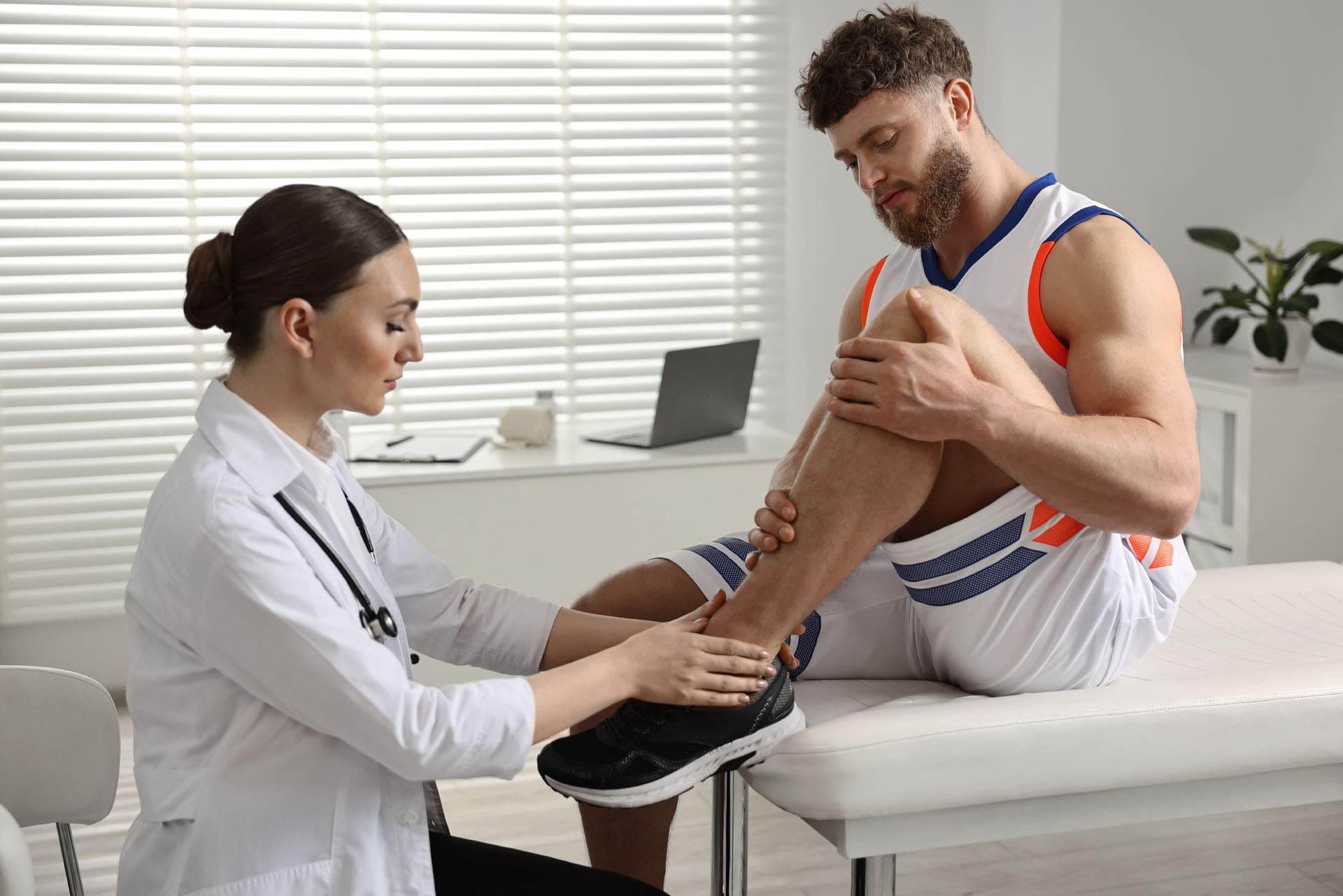
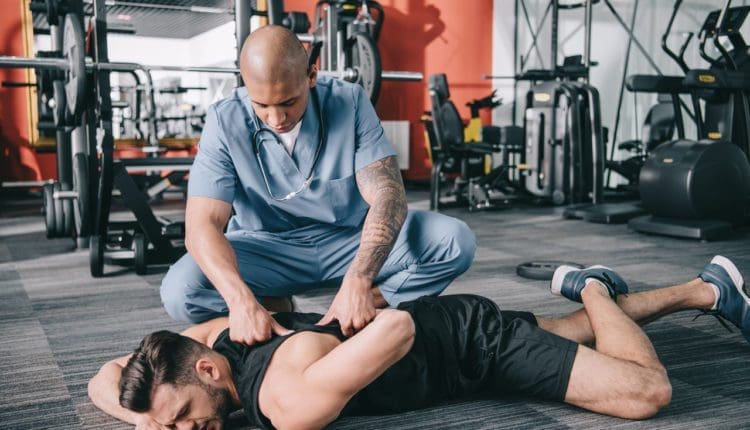
A sports injury is rarely just about pain. A runner may have an irritated Achilles tendon. A soccer player may have a knee ligament injury. A weightlifter may develop shoulder tendinopathy. A football player may be dealing with joint irritation after repeated contact.
Athletes usually want answers to three important questions:
- Can this treatment help my injured tissue recover?
- How much training time will I lose?
- Is this treatment allowed under my sport’s anti-doping rules?
Those questions are important because the term regenerative medicine covers very different treatments. PRP uses concentrated components from the patient’s own blood, while MFAT uses processed adipose tissue. IV therapy delivers fluids or nutrients into a vein, and peptide therapies involve signaling molecules with very different medical and regulatory profiles.
The FDA also warns patients that the word regenerative should not be taken to mean that every marketed therapy has been proven to regrow damaged orthopedic tissue. Evidence and regulatory status vary by product and condition.
PRP: Using the Athlete’s Own Platelets
Platelet-rich plasma, or PRP, begins with a blood draw. The blood is processed so the final preparation contains a higher concentration of platelets. The PRP is then placed into or around a specific injured structure.
Platelets do more than form blood clots. They contain growth factors and signaling proteins involved in normal tissue repair. Sports medicine providers may consider PRP for certain tendon, ligament, muscle, and joint problems. El Paso-area orthopedic and specialty practices also describe its use for selected sports and musculoskeletal injuries (Dunn, n.d.; OrthoEdge, 2025).
Research is encouraging for some conditions, but PRP is not equally effective for every injury. A 2025 systematic review found that PRP may help with pain in athletes, while also noting that stronger high-quality research is still needed (de Sire et al., 2025). Research involving knee osteoarthritis has also shown improvements in pain and function, although results can depend on how PRP is prepared and which patients are treated.
This is why the diagnosis matters more than simply asking, “Does PRP work?”
How Much Downtime Comes With PRP?
PRP is usually an outpatient procedure, but minimal downtime does not mean immediate return to full competition.
Mild soreness, warmth, or swelling may occur after an injection. Some clinical aftercare programs allow normal daily activity fairly quickly while delaying strenuous exercise for a longer period. A gradual rehabilitation program may then increase load as the treated tissue tolerates it.
The return-to-sport timetable should depend on:
- The injured tissue
- Severity of the injury
- Location of the injection
- Strength and range of motion
- The athlete’s sport
- Response to rehabilitation
- Medical and imaging findings
An injection should not be used as permission to train through a tissue injury that is not ready for competition.
What Are Platelet-Fibrin Products, or PFP?
Platelet-fibrin products (PFP) are another family of blood-derived preparations. In the terminology used by several El Paso integrative care resources, PFP combines platelet-related signals with a fibrin framework or scaffold that may help hold those signals near the treatment area.
PFP is not one universally standardized product. Preparation techniques can differ between practices, so athletes should ask exactly what preparation is being offered.
In Dr. Jimenez’s clinical educational materials, PRP and PFP are described as tools that may support the biological environment around an injured ligament, tendon, joint, or other selected tissue. They are presented as part of a larger treatment plan, not a guaranteed way to rebuild damaged tissue.
MFAT: Microfragmented Adipose Tissue
Microfragmented adipose tissue, or MFAT, uses a person’s own fat tissue. A small amount is collected and mechanically processed into smaller tissue fragments before being used in a treatment area.
MFAT has received attention for joint conditions, especially knee osteoarthritis. However, the research remains mixed. Some studies have reported meaningful improvements in pain and function, while a 2025 placebo-controlled study did not show MFAT to be superior to saline for knee osteoarthritis. Other research has found outcomes similar to PRP.
That does not mean MFAT never has a role. It means an athlete should be selected carefully, rather than assuming a more complex procedure automatically produces a better result.
Because MFAT also requires harvesting adipose tissue, recovery considerations may include both the treatment site and the tissue-harvest site.
Where Do IV Infusions Fit Into Athletic Recovery?
IV therapy can deliver fluid and selected nutrients directly into the bloodstream. In sports medicine, IV fluids have legitimate medical uses, especially when an athlete is significantly dehydrated or cannot adequately replace fluids by mouth.
However, research has not shown that routine IV hydration is automatically superior for athletic performance when an athlete can drink and absorb fluids normally. Oral rehydration remains useful for many exercise-related hydration needs.
Dr. Jimenez’s clinical writings describe IV therapy as a possible part of a larger recovery plan when there is a specific hydration, nutrient, or medical reason for using it—not as a replacement for proper nutrition, sleep, rehabilitation, and hydration habits.
For competitive athletes, another major issue is anti-doping rules.
Athletes Must Check the Rules Before Receiving an IV
Under the 2026 World Anti-Doping Agency Prohibited List, intravenous infusions or injections totaling more than 100 mL during a 12-hour period are generally prohibited except when legitimately received during qualifying hospital treatment, surgery, or clinical diagnostic investigations.
This means an IV bag can create a sports-compliance problem even if the ingredients themselves are not prohibited.
Competitive athletes should tell their medical team that they are subject to drug testing before receiving an IV. They may also need to check their governing body’s rules and whether a Therapeutic Use Exemption, or TUE, applies.
Peptide Therapy Requires Even More Caution
The word peptide does not describe one treatment. Peptides are chains of amino acids that can act as signaling molecules. Some peptide-based medications have accepted medical uses, while other compounds promoted for muscle growth, fat loss, or injury recovery remain experimental.
This distinction is especially important for athletes.
For example, BPC-157 is prohibited under WADA’s S0 Non-Approved Substances category. Other growth-hormone-related peptides and releasing factors may also be prohibited. USADA specifically warns athletes about compounds such as BPC-157 and notes that some peptide hormones and growth factors fall under the prohibited list.
FDA information also identifies safety concerns or limited human safety information for several compounded peptides promoted in wellness settings, including BPC-157, CJC-1295, ipamorelin, and TB-500. Compounded drugs are not FDA-approved, meaning the FDA does not review each compounded product for safety, effectiveness, and quality before it is marketed.
Therefore, an athlete should never assume that “prescribed,” “natural,” or “available from a wellness clinic” means permitted in competition.
Where Integrative Chiropractic Care Fits
Regenerative treatment may address one part of the problem, but the athlete still has to move, stabilize, strengthen, and tolerate sport-specific forces.
This is where integrative chiropractic care can complement a medical treatment plan.
Depending on the diagnosis, care may include:
- Chiropractic spinal or extremity treatment
- Joint mobility work
- Soft-tissue therapy
- Instrument-assisted soft-tissue treatment
- Functional movement assessment
- Corrective exercise
- Strength and stability training
- Balance and coordination work
- Progressive sport-specific rehabilitation
Functional movement programs are designed to identify mobility restrictions, strength differences, balance problems, and compensation patterns that may contribute to recurring symptoms. Soft-tissue approaches are also commonly combined with movement rehabilitation to improve mobility around injured areas.
The important point is that chiropractic care does not replace tissue healing. It addresses the mechanical and functional side of recovery while biological or medical treatments address other parts of the problem.
Dr. Jimenez’s Clinical Observation: Treat the Tissue and the Movement
A recurring theme in the clinical observations published by Dr. Alexander Jimenez, DC, APRN, FNP-BC, CCST, CFMP, IFMCP, ATN, is that an injection alone is rarely the entire recovery plan.
His approach combines evaluation of the injured tissue with how the athlete moves. PRP, PFP, or MFAT may be considered for the biological environment, while chiropractic treatment and rehabilitation focus on mobility, strength, control, stability, and mechanical stress.
In practical terms, an athlete with a knee problem may also need evaluation of hip control, ankle mobility, strength, landing mechanics, and training load. A shoulder injury may require attention to the thoracic spine, scapular control, rotator cuff strength, and lifting technique.
That combination helps move the conversation from “How do we stop the pain?” to “Why is this area being overloaded, and how do we safely restore performance?”
Multidisciplinary Care at Injury Medical Clinic PA in El Paso
At Injury Medical Clinic PA in El Paso, Texas, Dr. Jimenez works within a multidisciplinary model that combines chiropractic care, functional medicine, personal injury care, rehabilitation, and medically supervised services. Clinic materials identify Dr. Maria Guadalupe Cardenas, MD, as Board Certified in Internal Medicine and as the practice’s Medical Director and Collaborative Physician, with more than 40 years of internal medicine experience.
Public provider listings identify Dr. Cardenas as an internal medicine physician with a Texas medical license J2933 and NPI 1164426748. Some earlier clinic materials listed NPI 1164426749; a more recent DrAlexJimenez.com publication notes that the ending “9” appears to be a typographical error.
In this collaborative model, the professionals have different roles. Dr. Jimenez focuses on neuromusculoskeletal assessment, chiropractic care, functional rehabilitation, and integrative health strategies. Dr. Cardenas provides medical direction and internal medicine oversight, including medical evaluation, prescription management, risk assessment, and coordination with other physicians.
A Smarter Return-to-Sport Strategy
For athletes in El Paso, the goal should not simply be the fastest possible injection or the shortest possible break from training. A safer plan asks whether the tissue can handle the demands of the sport again.
Before returning to full competition, the care team may look at:
- Pain and swelling
- Range of motion
- Strength
- Joint stability
- Functional movement
- Running, jumping, throwing, or lifting mechanics
- Sport-specific workload
- Recovery between training sessions
- Medical restrictions
- Anti-doping compliance
A regenerative therapy may be one part of that process, but rehabilitation and progressive loading remain essential parts of rebuilding function. Research combining PRP with exercise also supports the idea that exercise provides important longer-term rehabilitation benefits rather than injections being treated as stand-alone care.
The Bottom Line for El Paso Athletes
PRP, PFP, MFAT, IV infusions, and peptide therapies should not be placed into one basket. They serve different purposes and have different evidence levels, risks, recovery requirements, and sports regulations.
PRP has one of the larger evidence bases among commonly discussed orthobiologic treatments, but results vary by injury and preparation. PFP uses platelet-related signals with a fibrin framework, although protocols are less standardized. MFAT is being studied for orthopedic conditions, but results remain mixed. IV therapy can have legitimate medical uses but is closely regulated in tested sports. Peptide therapies require special caution because several popular compounds are experimental, have limited safety data, or are prohibited by anti-doping organizations.
For many athletes, the strongest strategy is not one treatment. It is a coordinated recovery plan that combines accurate diagnosis, appropriate medical care, integrative chiropractic treatment, functional rehabilitation, nutrition, recovery, and a gradual return to sport.
References
de Sire, A., et al. (2025). Efficacy of platelet-rich plasma injection for pain relief in athletes: A systematic review. PubMed.
Dunn, J. (n.d.). Platelet-rich plasma injection procedure. John Dunn, MD.
Dunn, J. (n.d.). Regenerative medicine for sports injuries. John Dunn, MD.
Food and Drug Administration. (2026). Certain bulk drug substances for use in compounding that may present significant safety risks. U.S. Food and Drug Administration.
Food and Drug Administration. (2025). Compounding and the FDA: Questions and answers. U.S. Food and Drug Administration.
Jimenez, A. (2026). Regenerative medicine and integrative chiropractic approaches. DrAlexJimenez.com.
Jimenez, A. (2026). Regenerative therapies for fitness and recovery insights. DrAlexJimenez.com.
Jimenez, A. (2026). Dr. Alexander Jimenez professional profile. LinkedIn.
OrthoEdge. (2025). Platelet-rich plasma (PRP) therapy. OrthoEdge El Paso.
QC Kinetix. (2025). Regenerative therapy aftercare: Recovery guidelines.
Reagan Integrated Sports Medicine. (2022). How platelet-rich plasma therapy helps athletes.
Texas Spine & Sports Therapy Center. (2026). Are you a candidate for platelet-rich plasma (PRP) therapy?.
U.S. Anti-Doping Agency. (2026). World Anti-Doping Agency prohibited list. USADA.
U.S. Anti-Doping Agency. (n.d.). BPC-157: Experimental peptide creates risk for athletes. USADA.
U.S. Anti-Doping Agency. (n.d.). Orthobiologics: What athletes need to know about PRP. USADA.
Wellness Doctor RX. (2026). El Paso injury regenerative wellness treatments available.
World Anti-Doping Agency. (2026). The Prohibited List. WADA.
Comments are closed.