
Overlooked Injuries After Crashes and Work Accidents Explained
Overlooked Injuries After Crashes and Work Accidents That X-Rays Often Miss
Abstract: Doctors sometimes miss injuries from motor vehicle accidents and workplace incidents when there are no obvious bruises, cuts, or broken bones. Soft-tissue damage, mild concussions, and small spinal problems frequently go undetected on standard X-rays. This article explains the most common overlooked injuries—such as micro-tears in spinal ligaments, subtle annular tears in discs, facet joint capsule trauma, and chronic myofascial trigger points. It shows why symptoms can appear days later and how an integrative approach that pairs mechanical restoration through chiropractic care with biological tissue repair can support better recovery. The discussion includes the collaborative model used at Injury Medical Clinic PA in El Paso, Texas, where chiropractic care works alongside medical oversight, functional medicine, personal injury support, and rehabilitation.
Many people walk away from a car crash or a workplace incident feeling only somewhat sore. Emergency rooms check for broken bones and serious bleeding. When the X-rays look normal, patients often hear they are fine and go home. Yet weeks later, neck stiffness, headaches, back pain, or trouble concentrating can appear and refuse to leave. These delayed problems are common because the body hides certain injuries at first.
Adrenaline and endorphins flood the system right after trauma. They mask pain. Inflammation builds slowly. Soft tissues stretch or tear without breaking bone, so standard X-rays stay clear. The result is lingering pain that can turn into long-term limits on daily life if the real damage is never found and treated.

Why Standard X-Rays Miss So Many Injuries
X-rays excel at showing hard structures. They reveal fractures and major dislocations. They do not show muscles, ligaments, tendons, fascia, joint capsules, or the outer layers of spinal discs. Mild concussions also leave no clear mark on routine scans. Microscopic tears and inflammation develop over hours or days. By the time symptoms become strong, the patient may already have been discharged with a “normal” report.
This pattern appears after both motor vehicle accidents and workplace events. Rear-end collisions create rapid acceleration-deceleration forces. Workplace falls, lifting strains, or repetitive motions can create the same micro-damage over time. In both settings, the most frequently overlooked problems share the same features: no immediate visible signs and little or no findings on plain X-rays.
The Most Commonly Overlooked Soft-Tissue and Spinal Injuries
Several specific injuries appear again and again in clinical practice after crashes and work incidents.
- Micro-tears in spinal ligaments: Ligaments hold vertebrae steady. Sudden force can create tiny tears that allow slight excess movement. The spine may feel unstable even when X-rays look perfect. Patients notice stiffness after sitting, pain with certain motions, or a sense that the back “gives out.”
- Subtle annular tears in intervertebral discs: The outer ring of a disc can develop small cracks without a full herniation. These tears allow internal material to irritate nearby nerves. Pain may radiate into the arms or legs days or weeks later. Routine imaging often misses early-grade tears.
- Hidden facet joint capsule trauma: Facet joints guide spinal motion. Their capsules can stretch or partially tear. The result is local pain, reduced range of motion, and sometimes headaches. Standard films rarely capture this soft-tissue damage.
- Chronic myofascial trigger points: Deep muscles can develop tight, painful knots after trauma. These knots refer pain to distant areas, making the true source difficult to identify. Patients may feel headaches, shoulder tightness, or low-back discomfort that seems unrelated to the original event.
Mild concussions form another frequent miss. The brain can shift inside the skull even without a direct head strike. Symptoms such as brain fog, concentration trouble, light sensitivity, or mood changes may surface later. CT and standard MRI often appear normal because the injury is functional rather than a large structural bleed.
Workplace injuries follow similar patterns. Cumulative trauma from repetitive lifting, awkward postures, or vibration can create the same micro-tears and trigger points over months. These problems may not trigger an immediate emergency visit, so they stay hidden longer.
What Happens When These Injuries Stay Untreated
The body tries to protect itself. Muscles tighten around unstable segments. Posture shifts. Circulation decreases in the guarded areas. Scar tissue can form in less organized patterns. Over time, the nervous system becomes more sensitive to pain signals. What began as a treatable soft-tissue injury can settle into chronic pain, reduced mobility, and difficulty returning to work or normal activity.
Early recognition changes the outcome. A careful history, hands-on examination, and, when needed, advanced imaging or specialized tests can reveal the true sources of symptoms. Treatment then targets both the mechanical problems and the biological repair process.
An Integrative Approach: Mechanical Restoration Plus Biological Tissue Repair
Healing after these injuries works best when two goals are met at the same time. First, the mechanical environment must improve. Joints need proper motion. Muscles need balanced length and strength. Posture and movement patterns need correction so healing tissues aren’t constantly re-stressed. Second, damaged soft tissues need biological support to rebuild stronger collagen and reduce lingering inflammation.
Integrative chiropractic care addresses the mechanical side. Precise adjustments restore joint motion. Soft-tissue techniques release guarded muscles and improve circulation. Corrective exercises retrain movement. When appropriate, spinal decompression can reduce pressure on discs and nerves. These steps create a better environment for repair.
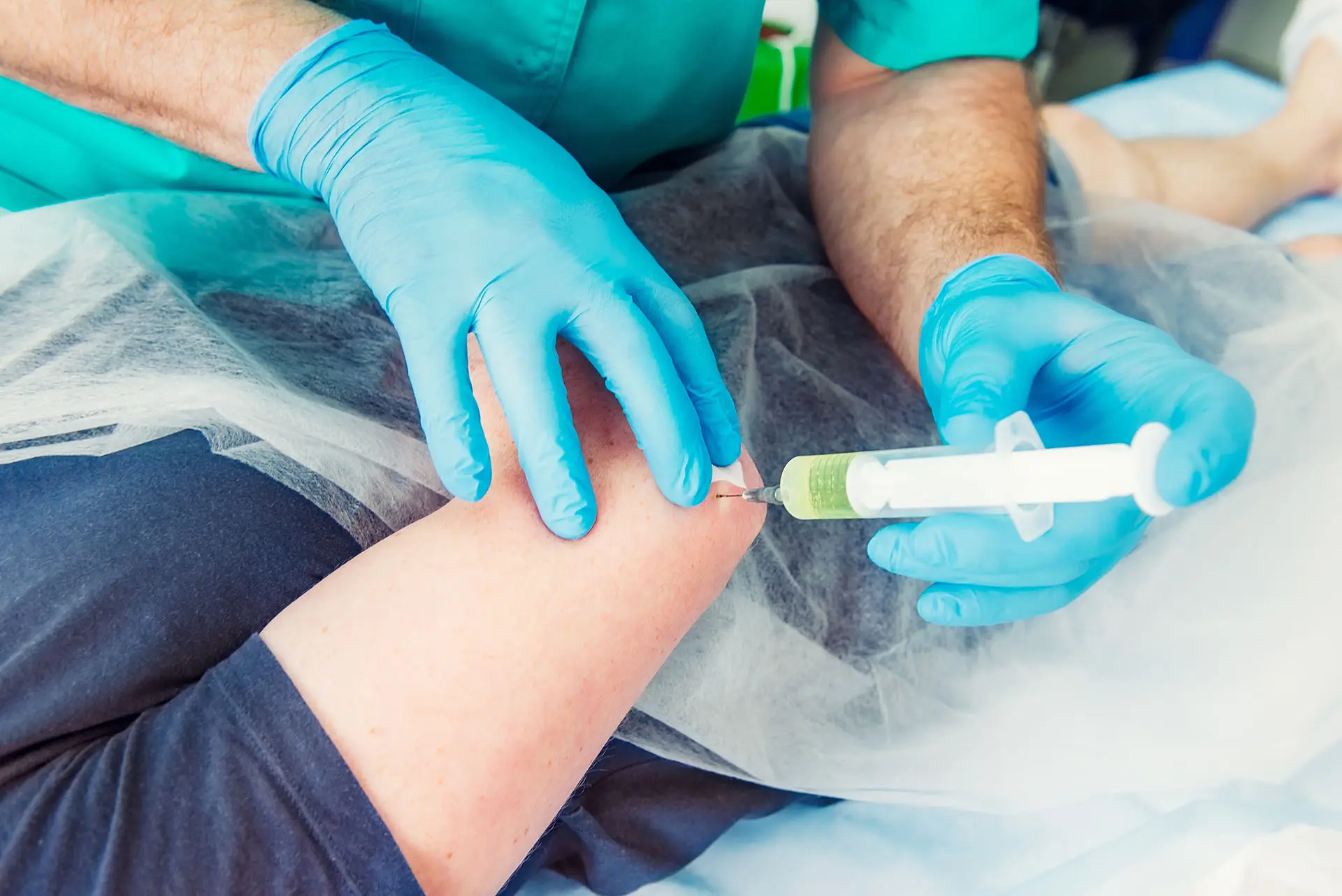
Biological tissue repair can include regenerative options such as platelet-rich plasma or related plasma products when clinically suitable. These approaches use the patient’s own growth factors to support healing in ligaments, tendons, and other soft tissues. Combining restored mechanics with supported biology aims for lasting function rather than temporary symptom relief.
How a Multidisciplinary Team Applies This Model in El Paso
At Injury Medical Clinic PA in El Paso, Texas, care follows this dual approach under a clear collaborative structure. Dr. Alexander Jimenez, DC, APRN, FNP-BC, CCST, CFMP, IFMCP, ATN, provides chiropractic care, functional medicine insight, personal injury evaluation, and rehabilitation planning. His dual background allows him to assess both spinal mechanics and broader clinical factors.
Dr. Maria Guadalupe Cardenas, MD, board-certified in internal medicine (NPI #1164426749, Texas MD License #J2933), serves as Medical Director and Collaborative Physician. With more than 40 years of experience as an internist, she provides medical oversight, diagnostic direction, and care coordination that requires physician-level supervision. This arrangement is common in integrative and injury-focused clinics: an MD provides medical direction while a chiropractor focuses on biomechanics, movement, and hands-on restoration.
The team integrates chiropractic adjustments and soft-tissue work with medical evaluation, functional medicine strategies that address inflammation and recovery nutrition, personal injury documentation, and progressive rehabilitation. Patients receive a coordinated plan rather than isolated treatments. Clinical observations from this model emphasize that overlooked soft-tissue and joint injuries often produce secondary changes in posture and gait. Addressing the whole pattern—not only the most painful spot—supports more complete recovery.
Moving Forward After a Crash or Workplace Injury
If you have lingering pain, stiffness, headaches, or concentration problems after a motor vehicle accident or workplace incident—even when early X-rays were normal—further evaluation is reasonable. Soft-tissue damage, mild concussions, and small spinal injuries are real. They respond best when found early and treated with both mechanical correction and support for biological healing.
An integrative model that combines chiropractic care for joint and soft-tissue function with medical oversight, functional strategies, and rehabilitation offers a practical path. In settings such as Injury Medical Clinic PA, collaboration between chiropractic expertise and internal medicine direction helps patients move from hidden injury toward restored daily function.
References
Advantage Health Care Services. (n.d.). The hidden soft-tissue injuries most people miss after a car accident. https://advantagehcs.com/the-hidden-soft-tissue-injuries-most-people-miss-after-a-car-accident/
Court Lawyer CA. (n.d.). How is TBI diagnosed in California? https://courtlawyerca.com/articles/how-is-tbi-diagnosed-in-california
Dr. Alex Jimenez. (n.d.). Injury specialists. https://dralexjimenez.com/
Dr. Alex Jimenez. (n.d.). MVA joint trauma: Comprehensive chiropractic approaches. https://dralexjimenez.com/mva-joint-trauma-comprehensive-chiropractic-approaches/
El Paso Back Clinic. (n.d.). Regenerative medicine and integrative chiropractic strategies. https://elpasobackclinic.com/regenerative-medicine-and-integrative-chiropractic-strategies/
El Paso Chiropractor Blog. (2026). Integrative chiropractic and regenerative medicine in El Paso. https://www.elpasochiropractorblog.com/2026/06/integrative-chiropractic-and.html
For the People. (n.d.). 15 work injuries you may not know about. https://www.forthepeople.com/blog/15-work-injuries-you-may-not-know-about/
Jimenez, A. (n.d.). How regenerative medicine and chiropractic care work together. https://www.linkedin.com/pulse/how-regenerative-medicine-chiropractic-care-work-dr-alexander-qlb1c
Xcell Medical Group. (n.d.). The most overlooked injuries after a crash. https://xcellmedicalgroup.com/the-most-overlooked-injuries-after-a-crash/
Comments are closed.