
A Clinical Approach to Integrative Care Benefits for OUD Treatment


Understand the importance of the clinical approach to integrative care for OUD in delivering holistic patient support.
Abstract
Hello, I am Dr. Alex Jimenez, and I am honored to present this comprehensive educational post on a subject of critical importance: Opioid Use Disorder (OUD). As a Doctor of Chiropractic, Advanced Practice Registered Nurse, and a specialist in Functional and Integrative Medicine, I have dedicated my career to understanding the intricate connections between physical health, neurological function, and overall well-being. Today, we will embark on an in-depth journey into the world of opioids, exploring their history, the neurobiology of addiction, and the devastating impact of the opioid crisis. More importantly, we will illuminate the path forward by presenting the latest findings from leading researchers and showcasing modern, evidence-based treatment modalities. This post will detail both pharmacological and non-pharmacological interventions, emphasizing the power of a compassionate, person-centered approach. We will dismantle harmful myths and stigmas, replacing them with scientific understanding and practical strategies for recovery, including motivational interviewing and harm reduction. A central theme of our discussion will be the role of integrative care, demonstrating how a multidisciplinary team can provide a holistic and highly effective framework for treating OUD. At our practice, this collaborative model is the cornerstone of our philosophy, and I will share how our unique team structure supports patients on their journey to lasting recovery.
Our Collaborative Care Model: Integrating Chiropractic, Medical, and Functional Medicine
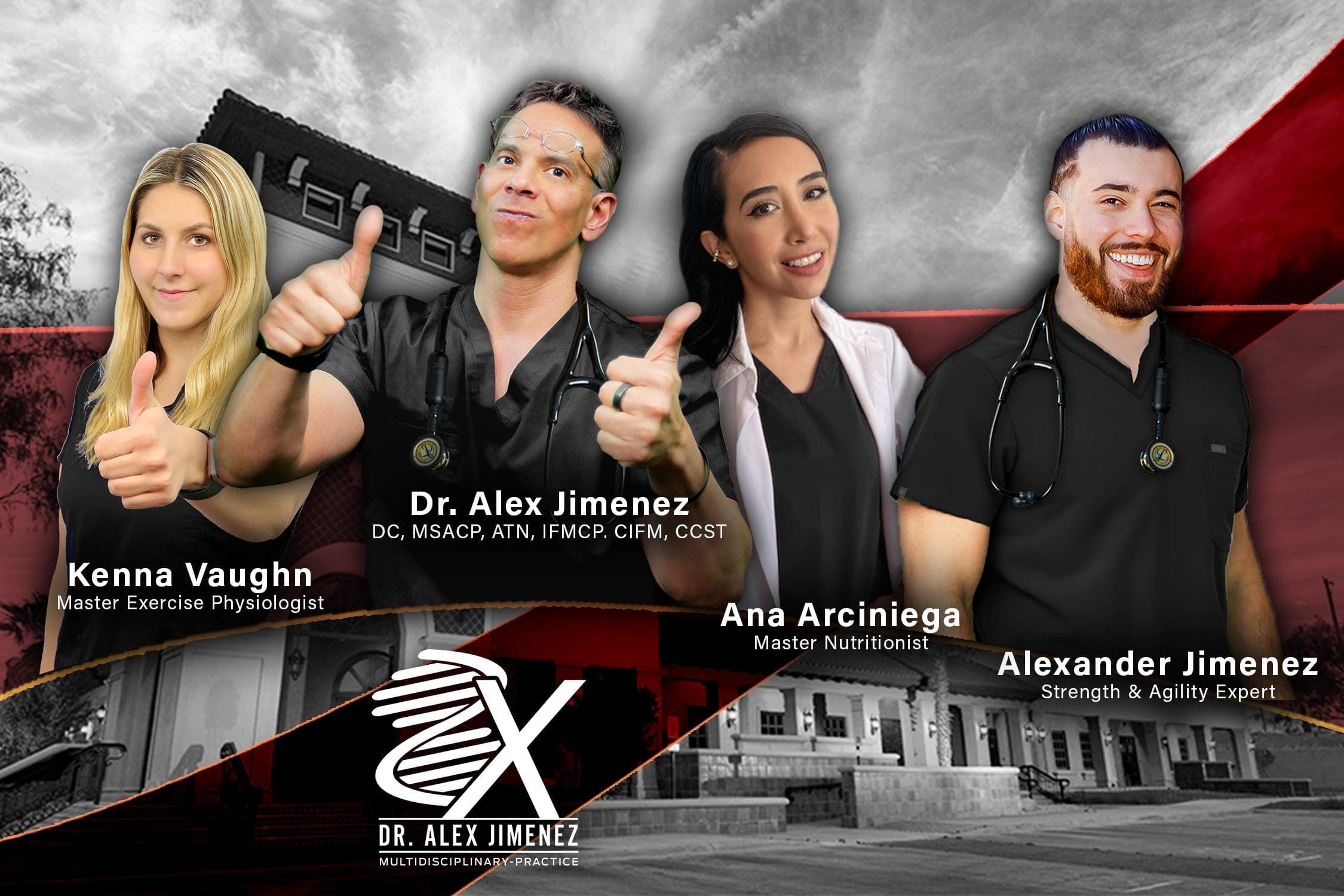
At Injury Medical Clinic PA, we have pioneered a unique, multidisciplinary approach to patient care. I am Dr. Alex Jimenez, and my credentials span multiple disciplines, including Chiropractic (DC), Advanced Practice Registered Nurse (APRN), Board-Certified Family Nurse Practitioner (FNP-BC), and certifications in Functional Medicine (CFMP, IFMCP), among others. This diverse background allows me to view health through a multifaceted lens, addressing not just symptoms, but the underlying root causes of dysfunction.
A vital component of our practice is our collaboration with Dr. Maria Guadalupe Cardenas, MD. Dr. Cardenas is a highly respected physician, Board Certified in Internal Medicine, with over 40 years of invaluable experience. She serves as our Medical Director and Collaborative Physician, providing essential medical oversight and guidance. Her extensive NPI (#1164426749) and Texas MD License (#J2933) credentials underscore her expertise and authority in the medical field.
This partnership between a Doctor of Chiropractic with advanced practice nursing and functional medicine credentials and a seasoned Internist creates a powerful synergy. This structure, common in advanced integrative and injury care clinics, allows us to offer a truly comprehensive spectrum of services. Here’s how our team integrates various disciplines to provide superior patient outcomes, especially for complex conditions like OUD and chronic pain:
- Medical Oversight (Dr. Cardenas, MD): Cardenas provides the foundational medical direction for our clinic. Her role includes overseeing diagnostic processes, managing pharmacological interventions when necessary, and ensuring all our treatment plans adhere to the highest standards of medical safety and efficacy. For patients with OUD, her expertise is crucial in managing co-occurring medical conditions (comorbidities) and overseeing medication-based treatments.
- Chiropractic and Neuromusculoskeletal Care (Dr. Jimenez, DC): Many individuals struggling with OUD began their journey with an injury or chronic pain. As a chiropractor, my role is to address the underlying musculoskeletal and neurological issues that contribute to pain. Using advanced chiropractic techniques, spinal adjustments, and soft tissue therapies, we can often significantly reduce or eliminate the physical pain that drives opioid dependence. This non-pharmacological pain management is a cornerstone of our integrative approach, offering a safe and effective alternative to opioids.
- Functional and Integrative Medicine (Dr. Jimenez, FNP-BC, CFMP): As a Family Nurse Practitioner and Certified Functional Medicine Practitioner, I bridge the gap between conventional and holistic care. We use advanced diagnostic testing to uncover the root causes of inflammation, hormonal imbalances, nutritional deficiencies, and gut health issues that can exacerbate pain and affect mental health. By creating personalized nutrition, supplement, and lifestyle protocols, we support the body’s innate ability to heal, which is critical for sustainable recovery from OUD.
- Rehabilitation and Personal Injury Care: Our clinic is fully equipped to manage the entire spectrum of injury recovery. We create customized rehabilitation programs that include physical therapy modalities, corrective exercises, and functional movement training. This not only helps patients recover from acute injuries but also builds resilience against future pain, reducing long-term reliance on pain medication.
By integrating these disciplines under one roof, we provide seamless, coordinated care. A patient suffering from chronic back pain and OUD can receive a spinal adjustment from me to alleviate mechanical stress, consult with Dr. Cardenas about safely tapering off opioids, and work with our team on a functional medicine plan to reduce systemic inflammation. This holistic, patient-centered model treats the whole person—not just a collection of symptoms—and offers a powerful, sustainable path to health and recovery.
The Long and Complex History of Opioids
To truly grasp the nature of the current opioid crisis, we must first travel back in time and understand the origins and evolution of these powerful substances. The story of opioids is a long and winding one, deeply interwoven with human history, medicine, and culture.
From Nature’s Remedy to Laboratory Synthesis: The Different Types of Opioids
When we discuss opioids, it’s essential to differentiate between the various types, as their origins and potencies differ significantly. Understanding these categories is the first step in appreciating the complexities of their use and misuse.
- Natural Opioids (Opiates): These are substances derived directly from the resin of the opium poppy plant, Papaver somniferum. Human civilizations have cultivated this plant for millennia. The primary natural opioids are morphine and codeine. These are the foundational alkaloids from which many other opioids were later developed.
- Semi-Synthetic Opioids: These substances are created in a laboratory but start with a natural opium product as their chemical base. Chemists modify the structure of natural opiates to create new compounds with different properties. This category includes some of the most commonly known (and often misused) prescription painkillers, such as hydrocodone (e.g., Vicodin), oxycodone (e.g., OxyContin, Percocet), and the illicit drug heroin, which is synthesized from morphine.
- Synthetic Opioids: These are entirely artificial in a laboratory setting, with no connection to the opium poppy plant. These compounds are designed to interact with the same opioid receptors in the brain as natural opiates but are created through purely chemical processes. This category includes methadone, which is used in addiction treatment, and fentanyl, an incredibly potent analgesic that has become a primary driver of the modern overdose crisis.
A Historical Timeline: Major Milestones in the Opioid Saga
The timeline of opioids is not to scale but is presented chronologically to highlight the key moments that have shaped our relationship with these substances.
- 3400 B.C.: Our story begins in ancient Mesopotamia, where the opium poppy was first cultivated. Sumerians called it Hul Gil, the “joy plant,” recognizing its euphoric and sedative properties.
- 1400s: The use of opium as a potent pain reliever became more widespread. Ancient Greek and Roman physicians, including Hippocrates and Galen, documented its medicinal benefits for a variety of ailments.
- 1500s: Paracelsus, a Swiss physician, created laudanum, a tincture of opium mixed with alcohol, which became a popular remedy for pain and was also used to treat conditions like diarrhea.
- 1803: Morphine is Extracted: A pivotal moment occurred when a German pharmacist, Friedrich Sertürner, successfully isolated the primary active alkaloid from opium. He named it “morphium” after Morpheus, the Greek god of dreams, a nod to its potent sedative effects. Morphine was a medical breakthrough, offering a standardized and more potent form of pain relief than raw opium.
- 1832: Codeine is Isolated: French chemist Pierre-Jean Robiquet isolated another, less potent alkaloid from opium: codeine. It was soon adopted as a widely used cough suppressant and a milder analgesic.
- 1874: Heroin is Synthesized: In a search for a less addictive alternative to morphine, a chemist at Bayer in Germany, C.R. Alder Wright, synthesized diacetylmorphine by boiling morphine with acetic anhydride. Bayer later marketed this new compound as heroin, promoting it as a “non-addictive” cough suppressant and pain reliever. This claim, of course, would prove to be catastrophically wrong.
- 1939: Methadone is Synthesized: During World War II, German chemists developed a fully synthetic opioid, methadone, as a pain reliever due to a shortage of morphine. It would later find a crucial role in the treatment of opioid addiction.
- 1959: Fentanyl is Developed: Paul Janssen in Belgium synthesized fentanyl, an extraordinarily powerful synthetic opioid. It was initially introduced into medical practice as an intravenous anesthetic, valued for its rapid onset and short duration. Its potency, estimated to be 50 to 100 times that of morphine, also made it incredibly dangerous outside of a controlled medical setting.
- 1966: Buprenorphine is Discovered: Researchers seeking a new pain reliever with a lower risk profile discovered buprenorphine. This unique compound, a partial opioid agonist, would later become a cornerstone of modern opioid use disorder treatment due to its excellent safety profile.
As this timeline reveals, much of the recent history of opioids, including the development of the most potent and widely used substances, has occurred within the last 200 years. This rapid proliferation of new and more powerful compounds set the stage for the public health crisis we face today.
Understanding Opioid Potency: Morphine Milligram Equivalents (MME)
When prescribing or discussing different opioid medications, it is not enough to look at the milligram (mg) dosage of a pill. The potency of opioids varies dramatically from one substance to another. To standardize the comparison of different opioids and to better assess the risk of overdose, clinicians use a metric called the Morphine Milligram Equivalent (MME), sometimes referred to as Morphine Milligram Daily Dose (MMDD). The MME converts the dosage of any opioid into an equivalent dosage of morphine. This allows us to understand the total opioid “load” a patient is receiving, even if they are taking multiple different types of opioids.
The Centers for Disease Control and Prevention (CDC) has established that higher MME values are associated with a significantly increased risk of overdose. For instance, a total daily dose exceeding 50 MME doubles the risk of overdose compared to doses below 20 MME. Doses above 90 MME increase the risk by up to 10 times.
Here is a list of common opioids, ordered by increasing potency relative to morphine, which serves as our baseline with a 1:1 ratio.
- Tramadol: This is often perceived as a “weaker” opioid, but it is still an opioid. Its potency is approximately 1 MME. This means that 10 milligrams of tramadol are roughly equivalent to 1 milligram of morphine.
- Codeine: Slightly more potent than tramadol, with an MME of 15. It would take about 6.7 milligrams of codeine to equal 1 milligram of morphine.
- Hydrocodone: This is one of the most commonly prescribed opioids in the United States. Its potency is considered equivalent to morphine, with an MME of 1. So, 10 milligrams of hydrocodone is equal to 10 milligrams of morphine.
- Oxycodone: This is a step up in potency from hydrocodone. Oxycodone has an MME of 5. This means 10 milligrams of oxycodone are equivalent to 15 milligrams of morphine.
- Hydromorphone (Dilaudid): This is a significantly more potent opioid commonly used in hospital settings for severe pain. Its MME is 4. Just 1 milligram of hydromorphone is equivalent to 4 milligrams of morphine.
- Fentanyl (Transdermal Patch): Fentanyl is in a league of its own. Its potency is so high that it is dosed in micrograms (mcg), not milligrams. The conversion factor for a transdermal fentanyl patch is 4. This means that a fentanyl patch delivering just 12 mcg per hour is equivalent to approximately 30 MME per day. Its extreme potency is what makes illicitly manufactured fentanyl so deadly; even a tiny, imperceptible amount can cause a fatal overdose.
As a clinical team, we are acutely aware of these equivalencies. When a patient comes to our clinic on a high-dose opioid regimen, calculating their total MME is one of the first steps we take. This calculation immediately informs our risk assessment and helps us develop a safe and gradual tapering plan, often integrating chiropractic care and functional medicine to manage the pain that the opioids were initially prescribed for.
The Three Waves of the U.S. Opioid Overdose Crisis
The opioid crisis in the United States did not happen overnight. It has unfolded in three distinct and devastating waves, each characterized by a different primary driver of overdose deaths. Understanding these waves is crucial to appreciating the epidemic’s evolving nature and the challenges we face in combating it. This data is extensively documented by the CDC and the National Institute on Drug Abuse (NIDA).
Wave 1: The Rise of Prescription Opioids (1999–2010)
The first wave began in the late 1990s, fueled by a perfect storm of factors. There was a cultural shift within medicine to treat pain more aggressively, with pain being promoted as the “fifth vital sign.” This was coupled with aggressive and misleading marketing campaigns by pharmaceutical companies, most notably for the drug OxyContin, which was falsely promoted as having a low risk of addiction.
- The Quadrupling of Sales: Between 1999 and 2010, the sale of prescription opioids in the United States quadrupled. This massive influx of pills into American communities created an unprecedented level of exposure to these potent substances.
- Doubling of Overdose Deaths: As the volume of prescriptions soared, so did the death toll. During this period, overdose deaths involving prescription opioids (excluding synthetic opioids like fentanyl) doubled, rising from 2.9 deaths per 100,000 people to 6.8 per 100,000. This wave laid the foundation for what followed.
Wave 2: The Resurgence of Heroin (2010–2013)
As awareness of prescription opioid addiction grew, efforts were made to crack down on “pill mills” and reformulate drugs like OxyContin to make them more difficult to crush and inject. While well-intentioned, this had an unintended and tragic consequence. Many individuals who had become dependent on prescription pills found their supply cut off or the pills too expensive. They then turned to a cheaper, more readily available, and more potent alternative: heroin.
- A Cheaper Alternative: Heroin became the logical next step for many. It was less expensive and produced a more intense high.
- Soaring Heroin Deaths: From 2010 to 2013, heroin-involved overdose deaths skyrocketed, increasing from 1.0 to 4.9 deaths per 100,000 people. For the first time, deaths from heroin surpassed those from prescription opioids.
Wave 3: The Dominance of Synthetic Opioids (2013–Present)
The third and deadliest wave began around 2013 with the infiltration of the illicit drug market by powerful synthetic opioids, primarily illicitly manufactured fentanyl and its analogs. Fentanyl is 50 times more potent than heroin and 100 times more potent than morphine. It is cheap to produce and easy to smuggle, making it incredibly profitable for drug trafficking organizations. It began to be mixed into the heroin supply, often without the user’s knowledge, and is now frequently pressed into counterfeit pills made to look like legitimate prescription medications like Xanax or oxycodone.
- An Exponential Increase in Deaths: The impact has been catastrophic. From 2013 to 2018 alone, the death rate from synthetic opioids increased by over 1,000%, jumping from 1.0 to 11.4 deaths per 100,000 people.
- The Contamination of the Drug Supply: A deeply concerning trend within this third wave is the emergence of contaminants like xylazine, a non-opioid animal tranquilizer also known as “tranq.” Xylazine is being mixed with fentanyl, leading to more severe and complex overdoses that are resistant to naloxone (Narcan). In recent years, xylazine has been detected in up to 10% of fentanyl-related overdose deaths, causing horrific skin wounds and complicating treatment efforts.
In 2017, in response to this escalating crisis, the U.S. Department of Health and Human Services (HHS) officially declared the opioid crisis a Public Health Emergency. This designation remains in effect to this day.
This graphical representation from the CDC vividly illustrates the three waves. The teal line, representing commonly prescribed opioids, shows the initial rise and subsequent leveling off of the first wave. The orange line shows the sharp rise of heroin beginning in 2010. But it is the purple line, representing synthetic opioids, that tells the most terrifying part of the story. It remains relatively flat until 2013 and then skyrockets exponentially, dwarfing the other two waves and driving the overdose death toll to unprecedented heights. The sheer scale of the purple wave is a stark visual reminder of the lethality of fentanyl.
The Current Landscape of Opioid Misuse in the U.S.
To understand the scope of the challenge we face, we must look at the most recent data available. The Substance Abuse and Mental Health Services Administration (SAMHSA) conducts an annual National Survey on Drug Use and Health, which provides a detailed snapshot of substance use in America. The 2021 survey data paints a sobering picture of opioid misuse among people aged 12 and older.
- The Overall Number: According to the survey, an estimated 2 million people in the United States misused opioids in the past year. This is a staggering number, representing a significant portion of the at-risk population.
The data can be broken down further to understand what substances are being misused:
- Pain Reliever Misuse: The largest circle in the Venn diagram represents the misuse of prescription pain relievers. An estimated 7 million people misused prescription opioids. This is a critical point for us as healthcare providers. Despite the focus on illicit drugs, the misuse of prescribed medications remains a massive problem. It underscores our responsibility to prescribe opioids judiciously, screen patients for risk factors, and offer non-opioid alternatives for pain management, such as the chiropractic and functional medicine services we provide at our clinic.
- Heroin Use: The smaller circle represents heroin use. Approximately 1 million people used heroin in the past year. While the number of heroin users is smaller than that of prescription pain reliever misusers, its high potency and the unpredictable nature of the illicit supply make it a major contributor to overdose deaths.
- The Overlap: The diagram shows an overlap of about half a million people who misused both prescription pain relievers and heroin. This often represents the progression of the disease, where individuals may move between different substances depending on availability and cost.
This data tells a crucial story: while the media often focuses on heroin and fentanyl, the misuse of prescription pain relievers is still the most prevalent form of opioid misuse. This is where many journeys into addiction begin. As clinicians, this is our primary front for prevention and early intervention. By effectively treating pain with non-addictive methods, we can prevent many people from ever starting down this dangerous path.
Key Legislation and Treatment Milestones: A Century of Evolving Policy
The legal and regulatory landscape surrounding opioids has undergone profound changes over the last century. These laws have shaped everything from how opioids are prescribed to how addiction is treated, often reflecting the prevailing societal attitudes of the time—swinging between punitive criminalization and a public health approach.
- Harrison Narcotics Tax Act of 1914: This was one of the first major pieces of federal legislation to regulate opiates and cocaine. While framed as a tax act, its primary effect was to criminalize the non-medical use of opiates. It required manufacturers, distributors, and prescribers to register and pay a tax. More significantly, it was interpreted by law enforcement and the courts to prohibit physicians from prescribing opioids to maintain a person’s addiction. This effectively drove addiction treatment underground and marked the beginning of treating addiction as a criminal issue rather than a medical one.
- Controlled Substances Act (CSA) of 1970: This landmark legislation established the modern framework for federal drug regulation. It created the five-schedule system for classifying drugs based on their potential for abuse, accepted medical use, and safety. It also gave the Drug Enforcement Administration (DEA) the authority to regulate and enforce these laws. Opioids like morphine and oxycodone were placed in Schedule II, signifying a high potential for abuse but with accepted medical use.
- Narcotic Addiction Treatment Act of 1974: This act specifically addressed the use of methadone for the treatment of opioid addiction. It established that methadone could only be dispensed through highly regulated, federally certified programs, which came to be known as opioid treatment programs (OTPs) or “methadone clinics.” This created a separate and highly siloed system for addiction treatment, distinct from mainstream medical care.
- Drug Addiction Treatment Act of 2000 (DATA 2000): This was a revolutionary piece of legislation that represented a major shift toward treating addiction as a medical condition within the mainstream healthcare system. DATA 2000 created the “X-waiver,” which allowed qualified physicians to prescribe buprenorphine, a Schedule III opioid, for the treatment of OUD in an office-based setting. For the first time, patients could receive medication for addiction from their primary care doctor instead of having to go to a specialized clinic every day.
- Comprehensive Addiction and Recovery Act (CARA) of 2016: This act was a response to the escalating opioid crisis. Crucially, it expanded the authority to prescribe buprenorphine to Nurse Practitioners (NPs) and Physician Assistants (PAs), significantly increasing the number of potential providers and improving access to care, especially in rural and underserved areas. As an APRN myself, this legislation was instrumental in allowing me and my colleagues to become frontline providers in the fight against OUD.
- Support for Patients and Communities Act of 2018: This bipartisan legislation further expanded access to care by, among other things, allowing Medicaid programs to cover treatment in residential addiction facilities and enhancing Medicare coverage for OUD treatment.
- Mainstreaming Addiction Treatment (MAT) Act of 2023: This was another monumental step forward. This act eliminated the buprenorphine X-waiver. It removed the separate, burdensome training and registration process. Now, any prescriber with a standard DEA license who is authorized to prescribe Schedule III medications under their state law can prescribe buprenorphine for OUD. This has been a game-changer, integrating OUD treatment even more fully into standard medical practice and removing a significant barrier to care.
This legislative journey reflects a slow but steady evolution from a purely punitive model to a public health and medical model of addiction care. The elimination of the X-waiver, in particular, signals a powerful recognition that treating OUD is a core competency of modern medicine, not a niche specialty.
The Rationale for Treatment: Why We Must Act
The statistics surrounding OUD are not just numbers on a page; they represent a profound human and economic crisis that demands an urgent and comprehensive response from the healthcare system.
- A Massive Treatment Gap: In the United States, there are approximately 9 million adults who meet the criteria for OUD and need treatment. However, only a little over 2 million actually receive medications for opioid use disorder (MOUD). This leaves a staggering treatment gap of nearly 7 million people who are not receiving the gold-standard, life-saving care they need.
- Disparities in Care: The data also reveals significant disparities in who receives treatment. The demographic group most likely to receive MOUD is white males ages 35 to 49. This suggests that women, younger and older individuals, and people from racial and ethnic minority groups face additional barriers to accessing care.
- A Staggering Death Toll: In 2022 alone, there were nearly 82,000 opioid-involved overdose deaths. This is equivalent to a jumbo jet crashing every single day. Each of these deaths was preventable.
- The Economic Impact: The societal cost of the opioid crisis is astronomical. The estimated annual economic impact, including healthcare costs, lost productivity, and criminal justice expenses, is over $193 billion.
These numbers make an undeniable case: OUD is a prevalent, deadly, and costly disease. As healthcare professionals, we have a moral, ethical, and economic imperative to screen for, diagnose, and treat this condition with the same urgency and dedication we apply to other chronic diseases like diabetes or heart disease. The evidence-based treatments we have are highly effective, and failing to provide them is a failure of our healthcare system.
Dismantling the Myths and Stigma Surrounding OUD
One of the greatest barriers to effective treatment for OUD is not a lack of medical knowledge or effective medications, but the pervasive stigma that surrounds this disease. Stigma manifests as negative attitudes, beliefs, and judgments about people with substance use disorders. These myths are deeply ingrained in our culture and even within the healthcare profession, and they prevent people from seeking help and prevent providers from offering it. To be effective healers, we must first be effective educators, and that begins with dismantling these harmful myths.
Let’s address some of the most common myths by reframing them in the context of other chronic medical conditions.
Myth 1: “Medications for opioid use disorder (MOUD) just replace one addiction with another.”
The Reality: This is perhaps the most common and damaging myth. Let’s apply this logic to another chronic disease: diabetes. Would we ever say that giving a person with Type 1 diabetes insulin is “just replacing their dependence on food with a dependence on a drug”? Of course not. We understand that insulin is a life-saving medication that corrects a physiological deficit in the body.
Similarly, medications like buprenorphine and methadone work by stabilizing the brain’s neurochemistry, which has been hijacked by chronic opioid use. They occupy the opioid receptors, which eliminates withdrawal symptoms and cravings, allowing the person’s brain to begin healing. This stabilization allows the individual to stop the chaotic, compulsive behaviors associated with illicit drug use and re-engage with their life—to hold a job, be a parent, and work on their recovery. It is medical treatment for a medical disease, not a substitute for addiction.
Myth 2: “Recovery without medication is a superior or ‘truer’ form of recovery.”
The Reality: This myth creates a false hierarchy of recovery that is deeply stigmatizing. Let’s consider a patient with hypertension (high blood pressure). We first recommend diet and exercise. If they successfully lower their blood pressure with lifestyle changes alone, we celebrate that. Now, consider another patient for whom diet and exercise are not enough to control their blood pressure, so we add a medication. Would we ever consider the first patient’s treatment plan “superior” to the second’s? No. We would recognize that two different patients had different needs and required different treatment plans to achieve the same goal: healthy blood pressure.
The same logic applies to OUD. For some, abstinence-based programs may work. But for the vast majority, the evidence is overwhelming that MOUD is the most effective treatment for preventing relapse and reducing mortality. To suggest that medication-based recovery is “inferior” is not only scientifically inaccurate but also dangerous, as it can discourage people from using the very treatment that is most likely to save their life.
Myth 3: “Medications for OUD are not effective.”
The Reality: This is patently false. The scientific literature is unequivocal. Study after study has demonstrated the profound effectiveness of MOUD. Most strikingly, the use of medications like buprenorphine and methadone is associated with up to a 60% reduction in all-cause mortality among people with OUD. This is a massive reduction in the risk of death. These medications are not only effective; they are among the most effective life-saving interventions in all of modern medicine.
Myth 4: “MOUD is a crutch for ‘weak’ people who can’t stop on their own.”
The Reality: This statement is rooted in a fundamental misunderstanding of addiction neuroscience. OUD is not a moral failing or a lack of willpower. It is a chronic brain disease. Chronic exposure to opioids physically changes the brain’s structure and function, particularly in the areas responsible for reward, motivation, memory, and impulse control (the prefrontal cortex). The brain’s survival circuitry is essentially hijacked, creating a powerful, compulsive drive to use the substance that overrides rational decision-making.
To tell someone to “use their willpower” to overcome this is like telling someone with Alzheimer’s disease to “just try harder to remember.” It’s not a matter of weakness; it’s a matter of pathophysiology. MOUD helps correct this pathophysiology, giving the brain a chance to heal and restoring the individual’s capacity for rational choice.
Defining Substance Use Disorder: A Medical Diagnosis
In the past, we used terms like “abuse,” “dependence,” and “addiction” to describe problematic substance use. However, the clinical and scientific community has moved toward more precise and less stigmatizing language. The Diagnostic and Statistical Manual of Mental Disorders, 5th Edition (DSM-5), which is the authoritative guide for psychiatric diagnoses, classifies these conditions as Substance Use Disorders (SUDs).
An SUD is defined as a medical, chronic condition characterized by a problematic pattern of substance use leading to clinically significant impairment or distress. The diagnosis is not based on the quantity of a substance used, but rather on a cluster of cognitive, behavioral, and physiological symptoms that indicate the individual has lost control over their use and it is negatively impacting their life.
The condition is diagnosed based on 11 criteria and is categorized by severity based on the number of criteria met:
- Mild: 2-3 criteria
- Moderate: 4-5 criteria
- Severe: 6 or more criteria
The good news is that, like other chronic diseases, SUDs are treatable. Effective, evidence-based treatments are available that can lead to sustained remission and recovery.
The 11 Criteria for Substance Use Disorder (DSM-5)
To be diagnosed with an SUD, an individual must meet at least two of the following criteria within 12 months. As we review these, notice how many of them relate to behaviors and the impact on a person’s life, rather than simply the amount of drug consumed.
- Using in larger amounts or for a longer period than intended. (e.g., “I only meant to take one pill, but I ended up taking the whole bottle.”)
- A persistent desire or unsuccessful efforts to cut down or control use. (e.g., “I’ve tried to quit so many times, but I just can’t.”)
- Spending a great deal of time obtaining, using, or recovering from the effects of the substance. The substance becomes the central organizing principle of the person’s life.
- Craving, or a strong desire or urge to use the substance. This is an intense, intrusive thought that can be overwhelming.
- Recurrent use failing to fulfill major role obligations at work, school, or home. (e.g., losing a job, failing classes, neglecting children).
- Continued use despite having persistent or recurrent social or interpersonal problems caused or exacerbated by the effects of the substance. (e.g., fighting with a spouse, losing friends).
- Giving up or reducing important social, occupational, or recreational activities because of substance use. (e.g., quitting a sports team, no longer attending family events).
- Recurrent use in situations in which it is physically hazardous. (e.g., driving while under the influence, sharing needles).
- Continued use despite knowledge of having a persistent or recurrent physical or psychological problem that is likely to have been caused or exacerbated by the substance. (e.g., continuing to use even after being diagnosed with liver damage or worsening depression).
The final two criteria relate to physiological adaptations:
- Tolerance: This is defined by either (a) needing a markedly increased amount of the substance to achieve the desired effect, or (b) a markedly diminished effect with continued use of the same amount.
- Withdrawal: This is manifested by either (a) the characteristic withdrawal syndrome for the substance, or (b) taking the substance (or a closely related one) to relieve or avoid withdrawal symptoms.
It is critically important to note that tolerance and withdrawal (criteria 10 and 11) alone do not constitute a substance use disorder. A patient who takes opioids as prescribed for chronic pain may develop physiological dependence (tolerance and withdrawal). Still, if they do not exhibit any of the other nine criteria related to loss of control and negative consequences, they do not have an SUD. This distinction is crucial and often misunderstood.
The Pervasive Impact of Stigma on Care
Stigma is not just an abstract concept; it is a tangible force that has devastating consequences for people with OUD. It creates barriers to care at every level: public, structural, and individual.
Public Stigma
Public stigma refers to the negative attitudes and beliefs held by the general population.
- Refusal to See SUD as a Disease: A primary manifestation is the failure to recognize that SUD is a chronic medical condition, just like diabetes or asthma. When the public views addiction as a moral failing, it leads to judgment rather than compassion.
- Association with Crime: This view often leads to the assumption that people with OUD are inherently dangerous or criminal, which fuels fear and social exclusion.
- Opposition to Treatment Access: Public stigma can translate into political opposition to evidence-based policies that increase access to treatment. This includes opposing the placement of treatment clinics in a community (the “Not In My Back Yard” or NIMBY phenomenon) or opposing harm reduction measures like syringe service programs.
- Correlation with Age: Some research suggests that stigmatizing attitudes are more prevalent among older populations, highlighting the need for targeted public education across all age groups.
Structural Stigma
Structural stigma is when the policies and practices of institutions, whether governmental or private, create and perpetuate discrimination against a particular group.
- Public Policy and Criminalization: The “War on Drugs,” declared in 1971, is a prime example of structural stigma. It framed drug use as a criminal justice issue, not a public health one. This led to mass incarceration, disproportionately affecting racial and ethnic minorities, while providing very little actual substance use treatment within the criminal justice system.
- The History of the X-Waiver: The very existence of the buprenorphine waiver was a form of structural stigma. It created an extra, burdensome hurdle for providers to offer life-saving medication for OUD. At the same time, no such waiver was ever required to prescribe the very opioids that caused the addiction in the first place. This sent a message that treating addiction was somehow more dangerous or complex than causing it.
- Lack of Funding and Parity: Historically, there has been a chronic lack of funding for mental health and substance use treatment compared to physical health. Despite laws mandating parity, insurance coverage for SUD treatment is often more limited and difficult to access.
- Discriminatory Organizational Policies: Many organizations have stigmatizing policies. For example, zero-tolerance drug testing policies for employment or housing can penalize people who are in recovery and may even be on prescribed medication for OUD, effectively punishing them for seeking treatment.
Individual and Internalized Stigma
This stigma occurs at the personal level, both in how others treat individuals and how individuals come to view themselves.
- Stereotypes and Prejudice: Individuals with OUD are often stereotyped as being dangerous, unpredictable, and untrustworthy. This leads to prejudice, where others feel moral outrage, anger, resentment, and fear toward them.
- Discrimination and Coercive Treatment: This prejudice can manifest as discrimination, such as a provider refusing to treat a patient’s other medical conditions unless they stop all substance use, or a landlord refusing to rent to someone in recovery.
- Social Restriction: People with OUD are often socially isolated and excluded from their communities.
- Internalized Shame: Perhaps most tragically, individuals with OUD often internalize these negative messages. They come to believe that they are “less than,” “unworthy,” or “a failure.” This internalized shame is a massive barrier to seeking help and can lead to a sense of hopelessness. It is also fueled by communities that may tell them they are not “truly sober” if they are on life-saving medications.
Provider Bias
Even we, as healthcare providers, are not immune to these biases. Studies have shown that provider bias is a significant problem.
- Rural vs. Urban: Some research suggests provider bias may be higher in rural areas than in urban centers.
- Fear of Legal Implications: Many providers fear the legal and regulatory scrutiny that comes with treating this patient population.
- Moral Judgments: Providers who believe that SUD is a moral failing are, not surprisingly, less likely to offer evidence-based treatment.
- The Bottom Line: The ultimate consequence of stigma and bias is that it leads to a reduced likelihood of providers prescribing life-saving MOUD. Our biases can become a fatal barrier to care for our patients.
The Power of Language: Using Person-First Language to Combat Stigma
One of the most powerful and immediate ways we can begin to dismantle stigma is by changing the language we use. The words we choose shape our perceptions and others’ perceptions. Person-first language is a simple but profound practice that reorients our thinking. It emphasizes the person’s humanity before their diagnosis. We are treating a person with a disease, not the disease itself.
Here are some concrete examples of how to shift from stigmatizing language to person-first, recovery-oriented language.
- Avoid: “Addict,” “junkie,” “user”
- Instead, use: “Person with a substance use disorder,” “person in recovery,” “person with an alcohol use disorder.”
- Avoid: “User” or “injector”
- Instead, use: “People who use drugs” (often abbreviated as PWUD) or “People who inject drugs” (PWID). This describes a behavior without defining the person by that behavior.
- Avoid: “Addicted baby”
- Instead, use: “Baby with neonatal opioid withdrawal syndrome (NOWS).” A baby cannot be “addicted” because addiction involves compulsive behaviors and a loss of control, which a newborn is incapable of. A baby can, however, be born physiologically dependent and experience withdrawal. This is a medical condition, not a moral one.
- Avoid: “Dirty” vs. “Clean” urine test.
- Instead, use: “Negative for [substance]” or “Positive for [substance].” This is objective, medical terminology. Think about it: if a patient’s A1c level were high, we would never describe their blood as “dirty.” We would state the clinical finding. The same standard should apply to toxicology screens. Using judgmental language like “dirty” reinforces shame and damages the therapeutic relationship.
- Avoid: “Medication-Assisted Treatment (MAT)”
- Instead, use: “Medications for Opioid Use Disorder (MOUD).” The shift away from “medication-assisted” is subtle but important. It recognizes that the medication is not merely “assisting” treatment; the medication is the treatment, just as insulin is the treatment for Type 1 diabetes.
- Avoid: “abuse”
- Instead, use: “Misuse” or “Use.” The word “abuse” is heavily freighted with moral judgment and is often associated with violence (e.g., physical abuse, emotional abuse). “Misuse” is a more neutral, objective term that describes using a substance in a way that is harmful or not as prescribed.
By consciously adopting this language in our charts, in our conversations with colleagues, and most importantly, in our interactions with patients, we can help create a culture of respect, compassion, and healing.
Case Study: Putting Person-First Language into Practice
Let’s revisit a case presentation, first with stigmatizing language, and then rewritten with person-first language. Notice how the tone and feeling of the presentation change.
Original (Stigmatizing) Version:
“Substance use history: Patient reports abusing heroin IV from age 20 to 30. At age 20, she tried heroin with friends and began to use it daily soon after. Last heroin use was one month ago after seven years clean. Substance use treatment history: Entered recovery after an overdose. Started medication-assisted treatment. Patient strengths: has supportive family, regularly involved with addict community. History of non-fatal overdose three times. Relevant family history: father living, history of OUD in recovery. Mother living. She has a female child, nine years old, born addicted to heroin, who’s healthy now.”
Rewritten (Person-First) Version:
“Substance use history: The patient reports misusing heroin IV from ages 20 to 30. She began to use it daily after age 20. Her last use of heroin was one month ago after seven years of no use. Substance use treatment history: She entered recovery after an overdose and started medications for opioid use disorder (MOUD). Protective factors: She has a supportive family and is regularly involved with the recovery community. For her child, she was born with neonatal opioid withdrawal syndrome (NOWS) and is now healthy.
The second version presents the same clinical facts in a respectful, objective, and non-judgmental way. It honors the patient as a person first and creates a foundation for a trusting therapeutic alliance.
Evidence-Based Treatments: The Path to Recovery
Now that we have established a foundational understanding of OUD, we can turn to the most important part of our discussion: how to treat it effectively. A comprehensive treatment plan integrates psychosocial support, non-pharmacological therapies, and pharmacological management.
Motivational Interviewing: Partnering with the Patient for Change
Motivational Interviewing (MI) is not just a technique; it is a philosophy and a way of being with a patient. It is a collaborative, goal-oriented communication style with particular attention to the language of change. It is designed to strengthen a person’s own motivation and commitment to change by exploring and resolving their ambivalence. MI is especially powerful for patients with SUDs because it puts them in the driver’s seat of their own recovery.
The Spirit of MI
MI is guided by four core principles, often called the “Spirit of MI.”
- Partnership: You are not the expert telling the patient what to do. You collaborate with the patient and work alongside them. The relationship is supportive rather than persuasive or confrontational.
- Evocation: The wisdom and motivation for change reside within the patient, not within you. Your job is to evoke it, to draw it out. You focus on the patient’s own perceptions, goals, and values.
- Acceptance: This has four components:
-
- Absolute Worth: You value the patient as a human being, unconditionally.
- Autonomy: You respect the patient’s right to make their own choices, even if you disagree.
- Affirmation: You actively seek out and affirm the patient’s strengths and efforts.
- Accurate Empathy: You make a genuine effort to understand the patient’s world from their perspective.
- Compassion: You actively promote the patient’s welfare and prioritize their needs. Your approach is consistently non-judgmental, non-blaming, and non-shaming. This is paramount for a population that is so often met with the opposite.
The Four Processes of MI
MI unfolds in a structured, four-step process:
- Engaging: This is the foundation of everything. You must first establish a good therapeutic relationship and rapport. This is the bedrock of trust.
- Focusing: You and the patient collaborate to identify a specific target goal for change. What does the patient want to work on? This ensures the process remains patient-centered.
- Evoking: This is the heart of MI. You elicit the patient’s own motivations for change. Why do they want to make this change? What are their reasons?
- Planning: Once the motivation for change is strong, you collaborate on a specific, concrete plan of action. You explore options, build a plan, and elicit commitment.
MI Core Skills: OARS
MI provides a set of core communication skills to help you put these principles into practice. The acronym OARS is a helpful reminder:
- O – Open-Ended Questions: Questions that invite more than a “yes” or “no” answer. They encourage the patient to explore their own thoughts and feelings.
-
- Example: “Can you tell me a little bit about your recovery journey?” instead of “Have you been in recovery long?”
- A – Affirmations: These are statements that recognize the patient’s strengths, efforts, and positive attributes. They build self-efficacy.
-
- Example: “That’s a really creative idea for how to avoid a situation where you might be tempted to use. It shows you’re thinking ahead.”
- R – Reflective Listening: This is the most important skill in MI. A reflection is a statement that reflects the meaning of what the patient has said. It shows you are listening and trying to understand. In good MI, you should make more reflections than ask questions.
-
- Patient: “I’m just so tired of this whole cycle.”
- Reflection: “It sounds like you’re feeling exhausted and ready for something different.”
- S – Summaries: These are extended reflections that pull together several things the patient has said. They show you’ve been listening, help the patient see connections, and provide a moment to transition.
-
- Example: “Let me see if I’m understanding everything so far. You’ve been feeling frustrated with your use, you’re worried about how it’s affecting your kids, and you’re starting to think about making a change, but you’re not sure where to start. Is that about right?”
Eliciting Change Talk: DARN CATS
The goal of MI is to elicit “change talk” from the patient—any language they use that favors movement toward change. A helpful acronym for remembering the types of change talk to listen for and elicit is DARN CATS. The first four (DARN) are preparatory change talk, and the last three (CATS) are mobilizing change talk, which signals readiness to act.
- D – Desire: “What do you hope our work together will accomplish?” (Wants, wishes)
- A – Ability: “What do you think you might be able to change about your opioid use?” (Self-efficacy)
- R – Reasons: “Why do you want to stop or cut back your use?” (Specific reasons for change). This is where you might uncover their core values. They might not say “I want to save my life.” They might say, “I want to be there for my child’s graduation.” That is the motivation to anchor the conversation to.
- N – Need: “What needs to happen for you to feel ready to give up opioids?” (Urgency). This might reveal other barriers that need to be addressed first, such as untreated depression or anxiety.
- C – Commitment: “I want to…” (The goal)
- A – Activation: “I am ready to reduce my use…” (Readiness to move forward)
- T – Taking Steps: “I’ve already started attending meetings.” (Reporting on actions already taken)
By using OARS to elicit DARN CATS, you can guide the patient from ambivalence toward concrete action, all while honoring their autonomy.
Understanding the Stages of Change
Motivational interviewing is most effective when it is tailored to the patient’s current stage of readiness for change. The Transtheoretical Model of Change provides a useful framework for understanding this process. It outlines five stages that people typically move through when making a significant life change.
- Precontemplation: In this stage, the person is not considering change. They may not believe their substance use is a problem (“I don’t think my drug use is impacting my life”). Your role here is not to argue, but to gently raise awareness and build rapport.
- Contemplation: The person is now ambivalent about change. They are aware of the pros and cons of their behavior (“I think my marriage will improve if I reduce my drug use, but I’m not sure I can handle the stress without it”). Your role is to help them tip the balance of decisional pros and cons in favor of change.
- Preparation: The person has decided to make a change and is now planning and preparing to do so. They are taking small steps toward action (“I looked up an NA meeting to attend near my house”). Your role is to help them create a solid, realistic plan.
- Action: The person is actively implementing their plan and making the change (“I reduced the number of days per week I use drugs,” or “I started buprenorphine treatment today”). Your role is to support them and help them troubleshoot challenges.
- Maintenance: The person has sustained the change for a period of time (typically defined as 6 months or more) and is working to prevent relapse (“I have been using medications for opioid use disorder for a year now”). Your role is to help them identify and manage high-risk situations and continue to support their recovery journey.
By identifying which stage a patient is in, you can meet them where they are and apply the most appropriate MI strategies, rather than pushing them into action before they are ready, which often creates resistance.
Enhancing Health Together: Embracing Multidisciplinary Evaluation and Treatment- Video
Non-Pharmacological Management: Building a Support System
While medication is a critical component of treatment for many, it is most effective when combined with psychosocial support and behavioral therapies. At our clinic, we emphasize this holistic approach, connecting patients with resources that align with their personal beliefs and needs.
- Behavioral Therapy (One-on-One): Individual counseling provides a safe space for patients to explore the root causes of their substance use, develop coping skills, and address co-occurring mental health conditions like depression and anxiety. Psychologists, social workers, licensed professional counselors, and recovery coaches can provide this support. Peer support specialists, who have lived experience with recovery, can be an incredibly powerful and relatable source of one-on-one support.
- Group Therapy and Mutual Help Groups: Group settings provide a sense of community and shared experience that can be profoundly healing. They combat the isolation that so often accompanies addiction. Many different types of groups are available, and it’s important to help patients find one that fits them.
- 12-Step Programs: Alcoholics Anonymous (AA) and Narcotics Anonymous (NA) are the most well-known. They are based on a 12-step model of recovery that often includes a spiritual component, though the interpretation of a “Higher Power” is left to the individual.
- Cognitive-Behavioral Approaches: SMART Recovery (Self-Management and Recovery Training) is a secular, evidence-based program that uses tools from Rational Emotive Behavior Therapy (REBT) and Cognitive Behavioral Therapy (CBT) to help people manage their thoughts, feelings, and behaviors.
- Secular Organizations: For those who are not comfortable with the spiritual aspect of 12-step programs, alternatives include Secular Organizations for Sobriety (SOS).
It is crucial to remember that participation in these groups, while often very helpful, should not be a mandatory requirement for receiving medical treatment. A patient’s access to life-saving MOUD should never be contingent on their attendance at meetings. We offer these as supportive options, not prerequisites.
As a provider, I strongly encourage my colleagues to attend an open meeting of one of these groups. Many meetings are open to the public for observation. Doing so provides invaluable insight into the supportive environment you are recommending for your patients and helps you speak about it from a place of genuine understanding.
Pharmacological Management: The Science of MOUD
To understand how medications for OUD work, we first need to review some basic pharmacology and understand how different substances interact with the opioid receptors in the brain, particularly the mu-opioid receptor, which is primarily responsible for both the pain-relieving and the euphoric/addictive effects of opioids.
- Full Agonists: These substances bind to and fully activate the mu-opioid receptor. This produces the maximum possible opioid effect. As the dose increases, the effect continues to increase, leading to a high risk of respiratory depression and overdose. Full agonists include morphine, heroin, oxycodone, methadone, and fentanyl.
- Partial Agonists: These substances bind to the mu-opioid receptor but activate it only partially. This means they produce an opioid effect, but it is limited. This is known as a “ceiling effect.” Once the dose reaches a certain level, increasing it further does not produce a greater opioid effect. This makes partial agonists much safer in terms of overdose risk. The primary example is buprenorphine.
- Antagonists: These substances bind to the mu-opioid receptor but do not activate it. Instead, they block the receptor, preventing any opioid agonist (full or partial) from binding to it and having an effect. Pure antagonists include naloxone and naltrexone.
This graph provides a simplified visual representation. The x-axis is the dose, and the y-axis is the opioid effect (including respiratory depression).
- The antagonist (naltrexone) is a flat line at the bottom. No matter how much you give, there is no opioid effect.
- The full agonist (e.g., heroin, fentanyl) is the gray line that keeps going up and eventually crosses the black line that represents the threshold for fatal respiratory depression.
- The partial agonist (buprenorphine) is the orange line. As the dose increases, the effect goes up, but then it hits a ceiling and flattens out well below the respiratory depression threshold. This ceiling effect is the key to buprenorphine’s remarkable safety profile.
FDA-Approved Medications for OUD
There are three main FDA-approved medications for the treatment of opioid use disorder: methadone, buprenorphine, and naltrexone.
Methadone
- Mechanism: Methadone is a long-acting full mu-opioid agonist.
- Regulation: It is a Schedule II controlled substance. Due to the Narcotic Addiction Treatment Act of 1974, it can only be dispensed for OUD through federally certified Opioid Treatment Programs (OTPs), commonly known as methadone clinics. Patients typically must go to the clinic daily to receive their observed dose, especially early in treatment.
- Side Effects: Common side effects are typical of opioids: constipation, dizziness, sedation, nausea, and sweating.
- Serious Side Effects: The most significant concern is QTC prolongation, an electrical disturbance in the heart that can lead to fatal arrhythmias. The risk increases at higher doses (especially over 100 mg/day), so EKG monitoring is recommended. As a full agonist, it also carries a significant risk of respiratory depression, especially if combined with other sedatives.
- Contraindications: It should not be used in patients with acute or severe asthma (due to respiratory risk) or GI obstruction (as it slows gut motility).
While I may not prescribe methadone in my office-based practice, I need to understand it, as many of my patients may be on it or have a history of being on it.
Buprenorphine
- Mechanism: Buprenorphine is a partial mu-opioid agonist and a kappa-opioid receptor antagonist. Its partial agonism provides the ceiling effect on respiratory depression. It also has a very high affinity (strong binding) for the mu-receptor. This is a crucial property. It binds more tightly to the receptor than full agonists like heroin or fentanyl.
- The “Bumping Off” Effect: Because of its high affinity, if a person has heroin on their opioid receptors and then takes buprenorphine, the buprenorphine will “kick off” the heroin and take its place. If the person was at a very high level of intoxication (far above buprenorphine’s ceiling), this process will rapidly bring their opioid effect down to the ceiling level, causing a sudden and severe withdrawal known as precipitated withdrawal. This is why it is essential to be in a state of moderate withdrawal before starting buprenorphine.
- Protective and Therapeutic Effects: Conversely, this high affinity is also protective. If someone is on a stable dose of buprenorphine, the receptors are occupied. If they then use heroin or fentanyl, the illicit opioid has nowhere to bind and will have little to no effect. Buprenorphine effectively reduces cravings and eliminates withdrawal symptoms without producing the euphoric “high” or the dangerous respiratory depression of full agonists.
- Regulation: It is a Schedule III controlled substance, which means it can be prescribed in an office-based setting by any provider with a DEA license.
- Side Effects: Side effects are generally milder than full agonists and include headache, constipation, nausea, and orthostatic hypotension. Because many formulations are sublingual (dissolve under the tongue), some patients may experience oral numbness or irritation (oral hypoesthesia).
- Serious Side Effects: While much lower than with full agonists, there is still a risk of respiratory depression, particularly when combined with other central nervous system depressants like benzodiazepines or alcohol. Rare cases of hepatotoxicity (liver damage) have been reported.
- Contraindications: Allergy and severe hepatic impairment (especially for the combination product with naloxone).
Buprenorphine: Drug Interaction Considerations
- Benzodiazepines: The combination of buprenorphine and benzodiazepines increases the risk of respiratory depression. However, the FDA has issued a specific warning that the benefits of treating OUD with buprenorphine outweigh the risks of withholding it from a patient who also takes benzodiazepines. Withholding buprenorphine is more dangerous, as the patient is likely to return to using illicit fentanyl or heroin, which carries a much higher overdose risk. The best practice is to prescribe buprenorphine while counseling the patient on the risks and working toward a gradual taper of the benzodiazepine if possible.
- CYP3A4 Inhibitors and Inducers: Buprenorphine is metabolized by the CYP3A4 enzyme in the liver.
- Inhibitors (like erythromycin, ketoconazole, or grapefruit juice) slow its metabolism, increasing buprenorphine concentration in the blood.
- Inducers (like rifampin or St. John’s Wort) will speed up its metabolism, decreasing the concentration of buprenorphine, which could lead to withdrawal symptoms.
- Other Drugs: Caution is also warranted with other serotonergic drugs, as buprenorphine has some serotonergic activity and could contribute to the risk of serotonin syndrome, though this is rare.
Naloxone
- Mechanism: Naloxone is a pure opioid antagonist. It has a very high affinity for the mu-receptor but zero intrinsic activity. It blocks the receptor and can rapidly reverse the effects of an opioid overdose.
- Use in Combination Products: You will often see buprenorphine prescribed in a combination product with naloxone (e.g., Suboxone). This is a misuse-deterrent formulation. When taken sublingually as prescribed, buprenorphine is well absorbed, but naloxone has very poor bioavailability and no effect. However, if a person were to crush and inject the tablet, the naloxone would be fully bioavailable and would immediately block the opioid receptors, precipitating a severe withdrawal. This makes the product much less desirable for injection misuse.
- Overdose Reversal: Naloxone (brand name Narcan) is the primary tool for reversing an opioid overdose. It is critical to understand that naloxone has a shorter half-life than most opioids, especially long-acting ones like fentanyl.
- The Rebound Effect: When you administer naloxone, it kicks the opioid off the receptor, and the person may start breathing again. However, the naloxone will wear off in 30-90 minutes. The original opioid is still in the person’s system, just “waiting in the wings.” When the naloxone wears off, that opioid can re-attach to the receptor, and the person can slip back into an overdose. This is why it is essential to call 911 for emergency medical services every time naloxone is administered. The person needs to be monitored in a medical setting.
- Co-Prescribing and Training: I co-prescribe naloxone to all of my patients who use drugs (even if they don’t use opioids, because the illicit supply is so contaminated) and to patients on high-dose opioid prescriptions for pain. It is crucial to train the patient, their family, and their friends on how to recognize an overdose and how to use naloxone. The person overdosing cannot administer it to themselves.
- Side Effects: In a person with no opioids in their system, naloxone has no effect. In a person dependent on opioids, the side effects are the symptoms of acute opioid withdrawal: tachycardia, irritability, fever, nausea, vomiting, diarrhea, and sweating.
- Formulations: Naloxone is available as an easy-to-use intranasal spray (Narcan, 4 mg/0.1 mL) and as an injection. The standard procedure is to give one dose, wait 2-3 minutes, and if there is no response, give a second dose in the other nostril.
Naltrexone
- Mechanism: Naltrexone is a mu- and kappa-opioid receptor antagonist. It completely blocks the opioid receptors. It is also used for the treatment of alcohol use disorder, where it is thought to reduce the dopamine release associated with drinking.
- Effects: For OUD, it blocks the euphoric effects of any opioids a person might take, which can help reduce cravings over time. For alcohol, it reduces the number of heavy drinking days and the rate of return to heavy drinking.
- Opioid-Free Period: Because naltrexone is a full antagonist, a person must be completely free of all opioids for at least 7-10 days before starting it. If it is started too soon, it will precipitate severe withdrawal.
- Side Effects: Common side effects include headache, nausea, diarrhea, and injection-site reactions with the long-acting formula.
- Serious Side Effects: There is a risk of acute hepatitis or liver injury (liver enzymes should be monitored), eosinophilic pneumonia, and depression/suicidality.
- Contraindications: Acute hepatitis, liver failure, and current opioid use. It is also critical to educate patients that if they are on naltrexone, no opioid pain medication will work in an emergency or for a planned surgery. They must inform all their medical providers that they are on naltrexone.
- Formulations:
- Injectable (Vivitrol): This is a long-acting, extended-release formulation given as a 380 mg intramuscular injection into the gluteal muscle once a month. It must be refrigerated.
- Oral (PO): The typical oral dose is 50 mg daily.
Harm Reduction: A Pragmatic and Compassionate Approach
Harm reduction is a set of practical strategies and ideas aimed at reducing the negative consequences associated with drug use. It is a movement for social justice built on a belief in, and respect for, the rights of people who use drugs. Harm reduction accepts that licit and illicit drug use is a part of our world and chooses to work to minimize its harmful effects rather than ignore or condemn them. It is about meeting people where they are, without judgment.
In our practice, harm reduction is not an alternative to treatment; it is a vital component of a comprehensive care model. Here are some key harm reduction strategies we discuss with our patients:
- Naloxone Distribution: As discussed, this is the single most important harm reduction tool. We ensure every at-risk patient has naloxone and knows how to use it.
- Fentanyl Test Strips: These are small, inexpensive strips that allow people to test their drug supply for the presence of fentanyl before they use it. This can be a life-saving intervention, as a positive test might deter someone from using a potentially lethal dose or encourage them to use a smaller amount or use more cautiously.
- Never Use Alone: Using drugs alone is a major risk factor for fatal overdose, as there is no one there to administer naloxone or call for help. We encourage patients to use with a trusted friend who has naloxone. For those who can’t, we provide information about the Never Use Alone Hotline (800-484-3731). A person can call this number, and a volunteer will stay on the line with them while they use. If the person becomes unresponsive, the volunteer will call emergency services to their location.
- Syringe Service Programs (SSPs) / Clean Needle Exchanges: These programs provide sterile syringes and other injection equipment to people who inject drugs. This is a proven public health intervention that dramatically reduces the transmission of bloodborne pathogens like HIV and Hepatitis C. SSPs are also critical engagement points where people can access other services, like wound care, naloxone, and referrals to treatment.
- Non-Judgmental Use of Urine Drug Screens (UDS): A UDS should be used as a therapeutic tool, not a punitive one. It is a way to have an honest conversation with a patient about what is in their system. Often, patients are unaware that their heroin supply is contaminated with fentanyl or their cocaine with xylazine. A positive result is an opportunity for education and harm reduction counseling, not for punishment or dismissal from care. “I see fentanyl in your urine screen today. I know you said you’ve only been using heroin. This is really concerning because it means your supply is unpredictable and much more dangerous than you think. Let’s make sure you have extra naloxone and talk about how to stay safe.”
- Prescription Drug Monitoring Programs (PDMPs): These are state-level electronic databases that track controlled substance prescriptions. As providers, it is our responsibility to check the PDMP to ensure our patients are not receiving opioids from multiple prescribers. This helps us provide coordinated, safe care and prevent dangerous drug combinations.
- Motivational Interviewing: As we have discussed at length, MI itself is a form of harm reduction. It respects the patient’s autonomy and focuses on any positive change, no matter how small. The goal might not be immediate abstinence; it might be reducing use, or simply starting to use more safely. Any step that reduces harm is a step in the right direction.
Conclusion: A Call for Compassionate, Evidence-Based Care
We have journeyed through the long history of opioids, dissected the devastating waves of the overdose crisis, and confronted the deep-seated stigma that continues to be a major barrier to care. The context provided by the history of opioids and the evolving legislation is critical for us to understand the complex landscape of OUD today.
The most important takeaway is that Opioid Use Disorder is a treatable chronic medical condition. We have highly effective, evidence-based treatments—including MOUD, behavioral therapies, and robust harm reduction strategies—that can save lives and support long-term recovery. Stigma remains a formidable enemy, impacting patient outcomes and provider behavior, but we can actively fight it with person-first language and a commitment to compassionate, non-judgmental care.
At our clinic, we are proud to offer a truly integrative model, where Dr. Cardenas’s medical oversight, my expertise in chiropractic and functional medicine, and our shared commitment to patient-centered care come together to treat the whole person. By addressing the physical pain, the neurobiological changes of addiction, and the psychosocial needs of our patients, we can offer a comprehensive and sustainable path to healing.
I hope this educational post has been informative and empowering. The opioid crisis is one of the greatest public health challenges of our time, but it is not insurmountable. By embracing science, leading with compassion, and working together, we can and will turn the tide.
Thank you for your time and attention. Please do not hesitate to reach out if you have any questions.
References
- Centers for Disease Control and Prevention. (2021). S. Opioid Dispensing Rate Maps. CDC.gov. [https://www.cdc.gov/drugoverdose/rxrate-maps/index.html](https://www.cdc.gov/drugoverdose/rxrate-maps/index.html)
- Centers for Disease Control and Prevention. (2023). Understanding the Opioid Overdose Epidemic. CDC.gov. [https://www.cdc.gov/opioids/basics/epidemic.html](https://www.cdc.gov/opioids/basics/epidemic.html)
- Compton, W. M., & Volkow, N. D. (2006). Major increases in opioid analgesic abuse in the United States: concerns and strategies. Drug and Alcohol Dependence, 81(2), 103–107. [https://doi.org/10.1016/j.drugalcdep.2005.05.013](https://doi.org/10.1016/j.drugalcdep.2005.05.013)
- Miller, W. R., & Rollnick, S. (2013). Motivational Interviewing: Helping People Change (3rd ed.). The Guilford Press.
- National Institute on Drug Abuse. (2023). Opioid Overdose Crisis. NIDA. [https://www.drugabuse.gov/drug-topics/opioids/opioid-overdose-crisis](https://www.drugabuse.gov/drug-topics/opioids/opioid-overdose-crisis)
- Satcher, D. (2000). From the Surgeon General: The science of MOUD. Public Health Reports, 115(4), 306-307.
- Substance Abuse and Mental Health Services Administration. (2022). Key substance use and mental health indicators in the United States: Results from the 2021 National Survey on Drug Use and Health. SAMHSA. [https://www.samhsa.gov/data/report/2021-nsduh-annual-national-report](https://www.samhsa.gov/data/report/2021-nsduh-annual-national-report)
- Substance Abuse and Mental Health Services Administration. (2023). Medications for Opioid Use Disorder. SAMHSA. [https://www.samhsa.gov/medication-assisted-treatment](https://www.samhsa.gov/medication-assisted-treatment)
- Volkow, N. D., & Blanco, C. (2021). The changing opioid crisis: development, challenges, and opportunities. Molecular Psychiatry, 26(1), 218–233. [https://doi.org/10.1038/s41380-020-0661-4](https://doi.org/10.1038/s41380-020-0661-4)
- Wakeman, S. E., & Rich, J. D. (2018). The opioid crisis: a path forward. The New England Journal of Medicine, 378(8), 689-691.
SEO Tags: Opioid Use Disorder, OUD, Integrative Chiropractic Care, Dr. Alex Jimenez, Dr. Maria Guadalupe Cardenas, Functional Medicine, Chronic Pain Management, Buprenorphine, Methadone, Naltrexone, Harm Reduction, Motivational Interviewing, Opioid Crisis, Fentanyl, Heroin, El Paso Texas, Injury Medical Clinic, MOUD, Substance Use Disorder, Stigma, Person-First Language, Overdose Prevention, Naloxone, Narcan, Chiropractic for Pain, Non-Pharmacological Pain Relief, Personal Injury Care, Rehabilitation.

Comments are closed.