

Platelet-Rich Plasma Therapy for Injury Recovery Success


Unlocking the Potential of Regenerative Medicine: Platelet-Rich Plasma Therapy for Injury Recovery
Abstract
Welcome to our educational series. I’m Dr. Alex Jimenez. In this post, we will journey into the complex world of Platelet-Rich Plasma (PRP) therapy, a cornerstone of modern regenerative medicine. We will move beyond the surface-level understanding of PRP to explore the critical, yet often overlooked, factors that determine its success: dosing, formulation, and patient selection. Drawing on the latest findings from leading researchers, we will dissect the science of how PRP works, examining the crucial role of platelet concentration, the impact of different cell types, such as white blood cells, and the necessity of precise delivery. We will explore how factors such as age influence treatment protocols and discuss emerging evidence for specific dosages in conditions such as osteoarthritis and tendinopathies. As we navigate this evidence-based landscape, we’ll also integrate the role of integrative chiropractic care as a foundational framework, enhancing patient outcomes by addressing the biomechanical and neurological aspects that complement these advanced biologic treatments. This comprehensive guide is designed to empower you with a deeper understanding of what makes PRP therapy a truly personalized and effective treatment modality.
The Foundation of PRP: More Than Just “Liquid Gold”
As a clinician deeply invested in regenerative and functional medicine, I find that many of my conversations with patients and colleagues begin with a fundamental question: “What exactly is Platelet-Rich Plasma, and how does it work?” It often takes us back to what might feel like a distant memory from biology class—understanding the humble platelet.
These are not whole cells but rather tiny, anucleated (lacking a nucleus) cell fragments teeming with a powerful arsenal of proteins, growth factors, and cytokines. Their natural lifespan is about 7 to 10 days, which is a key reason we advise patients to limit the use of anti-inflammatory medications (NSAIDs) before and after treatment, as these drugs can inhibit platelet function.
In a healthy individual, the typical platelet count ranges from 150,000 to 400,000 per microliter of blood. The FDA’s definition of PRP is simply a platelet concentration above the normal baseline. However, this definition is quite broad and doesn’t capture the nuances that determine clinical effectiveness. The core principle of PRP therapy is to:
- Harvest a patient’s own blood.
- Concentrate these powerful platelets, along with their associated growth factors.
- Precisely deliver this biologic product to an area of injury or degeneration to initiate and amplify the body’s natural healing cascade.
The goal is to create a super-physiological healing response precisely where it’s needed most.
The Critical Issue of Variability in PRP Preparations
A significant challenge in the field of regenerative medicine is the immense variability among commercial PRP systems. This is not a “one-size-fits-all” therapy. A groundbreaking study by Jaewoo Pak highlighted this issue by analyzing five different commercial PRP systems (Pak et al., 2017). The results showed dramatic differences not only in the final platelet concentration but also in the number of white blood cells (leukocytes) included in the final product.
To illustrate the point, imagine taking a single blood sample from one patient and processing it through four different systems. You would likely end up with four tubes of PRP with distinctly different colors—ranging from light straw-yellow to deep amber-red—each representing a unique cellular and protein “bio-formulation”. This variability is a critical factor that we, as practitioners, must understand and control to ensure predictable and positive outcomes.
In our clinic, we’ve observed that a system’s ability to selectively concentrate platelets while managing other cells, such as red and white blood cells, is paramount. My clinical experience, documented through patient case studies, has reinforced the necessity of using high-quality, validated systems to produce a consistent and potent biologic product tailored to the specific pathology we treat.
The Evidence Speaks: Is PRP an Effective Treatment?
A common question I receive from patients, and even from colleagues in other specialties, is about the evidence supporting PRP. Many are surprised to learn that, for conditions like knee osteoarthritis (OA), more patients are enrolled in high-quality clinical trials for PRP than for other common treatments, such as hyaluronic acid injections or prolotherapy.
A large-scale meta-analysis published in The American Journal of Sports Medicine systematically reviewed 28 randomized controlled trials and found that PRP injections provided more significant and longer-lasting improvements in pain and function for knee OA compared to hyaluronic acid (Shen et al., 2017). The data generally show that while both can offer relief, PRP tends to provide superior benefits in the medium- to long-term.
This growing body of evidence is shifting the conversation from “Does PRP work?” to “How do we make PRP work best?” The answer lies in the details of its preparation and application.
Crafting the Perfect Dose: The Science of PRP Preparation
The process of creating PRP in a clinical setting is a fascinating display of biomedical engineering. Here’s a step-by-step look at how we prepare a high-quality PRP product in our office:
- Blood Draw: We begin by drawing a specific volume of the patient’s own blood into a specialized kit. The volume is crucial—a smaller blood draw yields fewer platelets, while a larger volume allows for a higher potential dose. We might use a 60 cc or even a 120 cc kit, depending on the target dose and the patient’s individual characteristics.
- First Centrifugation (The “Hard Spin”): The blood is placed in a centrifuge, a machine that spins at high speeds. This first spin is often a “hard spin” designed to separate the blood into distinct layers based on density. The heavier red blood cells are forced to the bottom. Above them, a thin, whitish layer called the “buffy coat” forms. This layer is rich in platelets and white blood cells. The top layer is platelet-poor plasma (PPP), which contains a lower platelet concentration but remains rich in various proteins.
- Isolation and Re-suspension: The next step is to carefully isolate the buffy coat and a small amount of the adjacent plasma. Understanding the precise location of the platelets within the tube is critical. For many advanced systems, up to 85% of the platelets are concentrated within a mere 2-millimeter layer of the buffy coat. This allows us to create a high platelet concentration in a very small, injectable volume.
- Second Centrifugation (Optional “Soft Spin”): Some systems employ a second, gentler spin to further refine the product, for instance, to reduce red blood cell concentration or fine-tune the leukocyte count.
Each system has its own unique protocol. As a practitioner, mastering the intricacies of the specific system you use is non-negotiable for maximizing the therapeutic potential of the final product.
The Concept of a “Therapeutic Dose” in PRP
Although the FDA doesn’t regulate PRP as a traditional drug with standardized dosing, we must consider it a biologic drug. Just like any medication, there is a dose-response relationship. An insufficient dose will be sub-therapeutic and fail to produce the desired clinical effect, while an excessive dose could potentially have inhibitory or even detrimental effects.
So, what is the effective clinical dose of PRP? The answer is complex and likely varies by the type of tissue being treated (e.g., tendon, cartilage, muscle) and the specific pathology.
Dosing for Tendinopathies:
Early research is beginning to shed light on dosing for tendon injuries. Studies have shown that a specific platelet concentration is required to optimally stimulate tenocyte (tendon cell) proliferation. A study by Giusti et al. (2009) demonstrated this in vitro, showing that while moderate concentrations of PRP stimulated tenocyte growth, very high concentrations actually began to have an inhibitory effect. This suggests a “Goldilocks zone” for dosing.
A pivotal review by Peter Everts’ group analyzed PRP studies for soft tissue applications. They plotted the outcomes of various studies against the total platelet dose delivered. A clear pattern emerged:
- Studies using a dose below 3.5 billion platelets were overwhelmingly negative (showing no benefit).
- Studies using a dose above 3.5 billion platelets were predominantly positive.
This strongly suggests that for many soft-tissue and tendon applications, achieving a dose of 5-10 billion platelets may be necessary to see consistent, positive results. If your system can only produce 1.5 billion platelets, you may be setting the patient up for a sub-optimal outcome.
Dosing for Knee Osteoarthritis (OA):
This is the area where we have some of the most robust dosing information. The famous RESTORE trial, published in JAMA, concluded that PRP was no better than a placebo for knee OA (Bennell et al., 2021). However, a critical look at their methodology reveals a major flaw: the dose. They used a low-dose PRP system that delivered only 1.6 billion platelets. According to our dose-response curve, this is a sub-therapeutic dose, so the negative result was, in retrospect, predictable. While it was a well-conducted study, its primary lesson was about the importance of adequate dosing.
In stark contrast, consider the study by van der Weegen et al. (2016), which used a high-dose PRP formulation delivering approximately 10 billion platelets in a single injection. This study not only showed significant improvements in pain and function but also demonstrated through MRI imaging a slowing of cartilage degradation compared to controls. This was one of the first high-quality studies to suggest a potential disease-modifying effect of high-dose PRP.
This leads us to a crucial distinction: concentration vs. dose. Stating that a PRP is “3x” or “5x” baseline concentration is not enough. Imagine two glasses of water, each containing 10 billion platelets. If one glass has 5 mL of water and the other has 10 mL, the dose is the same (10 billion platelets), but the concentration is different. Total dose—the absolute number of platelets injected—is the more accurate and clinically relevant metric we should use to guide treatment and interpret research.
The Role of Other Cells: Leukocyte-Rich vs. Leukocyte-Poor PRP
Platelets are not the only cells in the PRP formulation. We must also consider the white blood cells (leukocytes), particularly neutrophils and monocytes. This has led to a major classification in the PRP world:
- Leukocyte-Rich PRP (LR-PRP): Contains a high concentration of white blood cells. Neutrophils, in particular, are pro-inflammatory and can lead to a more intense, sometimes more painful, post-injection inflammatory response.
- Leukocyte-Poor PRP (LP-PRP): Has been processed to remove most of the white blood cells, resulting in a product that is primarily concentrated platelets and plasma.
The debate over which is better is ongoing and context-dependent. Some theories suggest the potent inflammatory signal from LR-PRP might be beneficial for kick-starting the healing of chronic, non-responsive tendinopathies. However, for intra-articular injections, such as in the knee joint, the intense inflammation from LR-PRP could be detrimental to the delicate cartilage environment. Many studies, particularly those from outside Europe, suggest that for knee OA, there may be no significant clinical difference in outcomes between LR-PRP and LP-PRP, but patients receiving LR-PRP often report more post-injection pain and swelling. In my practice, the decision is individualized based on the condition, the injection site, and the patient’s inflammatory status.
The Chiropractic Connection: A Holistic and Integrative Framework
Regenerative medicine treatments like PRP do not exist in a vacuum. Their success is profoundly influenced by the patient’s overall health and biomechanical environment. This is where integrative chiropractic care plays an indispensable synergistic role.
- Optimizing Biomechanics: A degenerative knee or a chronic tendinopathy is often the result of, or is exacerbated by, faulty biomechanics, postural imbalances, or dysfunctional movement patterns. As a chiropractor, my first step is to perform a thorough biomechanical assessment. By using chiropractic adjustments, soft-tissue mobilization, and corrective exercises, we can address the underlying mechanical stresses contributing to tissue breakdown. Injecting PRP into a joint that remains under abnormal load is like patching a tire on a misaligned car—the fix is unlikely to last.
- Enhancing Neurological Function: Chiropractic care focuses on restoring proper nervous system function. By correcting spinal misalignments (subluxations), we can improve nerve flow to the affected extremity, which is crucial for coordinating muscle function, modulating pain signals, and supporting the body’s intrinsic healing processes. A well-functioning nervous system creates a more favorable environment for PRP growth factors to work effectively.
- Pre-habilitation and Rehabilitation: The journey doesn’t end with the injection. Appropriate rehabilitation is non-negotiable for a successful outcome. We guide patients through a phased rehabilitation protocol, starting with a period of relative rest to allow the PRP clot to form and mature, followed by a gradual progression of mobility, strengthening, and proprioceptive exercises. This structured rehab ensures the new tissue matures into a strong, functional, and resilient structure.
Essential Pillars for Successful PRP Therapy
To conclude, achieving success with PRP therapy is a multi-faceted endeavor. It requires a deep understanding of the product you are delivering and meticulous attention to detail at every step. The key takeaways are:
- Dosing is Paramount: Think in terms of total platelet dose, not just concentration. For many conditions, a minimum dose of 5-10 billion platelets seems necessary to achieve a therapeutic effect.
- Know Your System: Understand the capabilities and limitations of your PRP preparation system. Can it consistently produce the dose you need?
- Consider the Formulation: Decide whether a leukocyte-rich or leukocyte-poor formulation is more appropriate for the specific pathology and anatomical location.
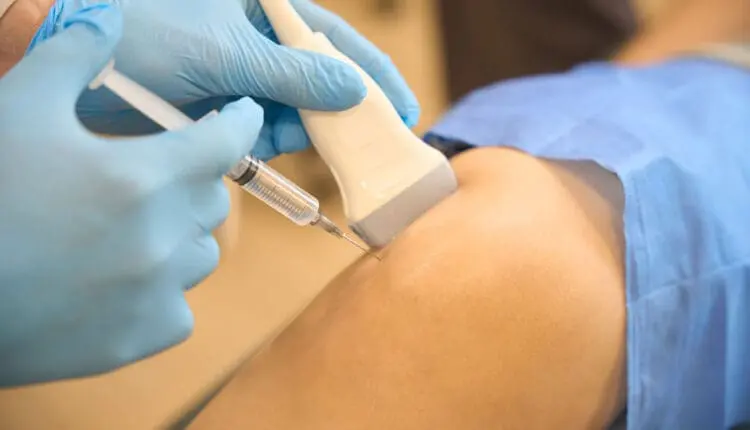
- Precision is Key: Always use image guidance (e.g., ultrasound) to ensure the PRP is delivered precisely into the site of injury. Injecting into healthy tissue or outside the joint capsule will not yield the desired result.
- Integrate and Rehabilitate: Frame the PRP injection within a comprehensive treatment plan that addresses biomechanical faults through chiropractic care and guides the patient through a structured post-procedure rehabilitation program.
By embracing this evidence-based, integrative approach, we can move beyond simply offering PRP and begin truly engineering predictable, personalized, and transformative outcomes for our patients.
References
Bennell, K. L., Paterson, K. L., Metcalf, B. R., Duong, V., Emsley, E., Burns, A., … & Hunter, D. J. (2021). Effect of intra-articular platelet-rich plasma vs placebo on pain, function, and structural change in patients with knee osteoarthritis: The RESTORE randomized clinical trial. JAMA, 326(20), 2021–2030. https://doi.org/10.1001/jama.2021.19415
Giusti, I., D’Ascenzo, S., Mancò, A., Di Stefano, G., Di Paolo, M., Dolo, V., & Scherillo, S. P. (2009). Platelet-rich plasma for the treatment of refractory Achilles tendinopathy: a case report. Blood Transfusion, 7(3), 225–228. https://doi.org/10.2450/2009.0063-08
Pak, J., Lee, J. H., & Lee, S. H. (2017). A novel biological classification of PRP. Journal of Disability and Rehabilitation, 39(2), 183-191. https://doi.org/10.3109/09638288.2016.1147575
Shen, L., Yuan, T., Chen, S., Xie, X., & Zhang, C. (2017). The temporal effect of platelet-rich plasma on pain and physical function in the treatment of knee osteoarthritis: a systematic review and meta-analysis of randomized controlled trials. The American Journal of Sports Medicine, 45(7), 1675-1685. https://doi.org/10.1177/0363546516670863
van der Weegen, W., van Drumpt, R., & de Windt, C. (2016). Platelet-rich plasma treatment for knee osteoarthritis: a one-year prospective, randomized, placebo-controlled trial. The American Journal of Sports Medicine, 44(7), 1669-1678. https://doi.org/10.1177/0363546516630739

Comments are closed.