
PRP Therapy: A Transformative Option for Joint Care

Learn how PRP therapy joint care can help improve joint health and reduce discomfort for a better quality of life.
Abstract
In this educational post, I share a clear, first-person walkthrough of today’s key insights into orthobiologics—particularly platelet-rich plasma (PRP), cellular therapies, and precision patient selection—and how they can be combined with integrative chiropractic care and functional medicine to treat joint and musculoskeletal conditions. I present the latest findings from leading researchers using modern, evidence-based methods and explain how our multidisciplinary team approach in El Paso, Texas, brings medical direction from Dr. Maria Guadalupe Cardenas, MD, alongside my chiropractic and functional medicine leadership. You will learn seven practical take-home principles: activate PRP effectively, embrace a hopeful future for orthobiologics, apply precision medicine for patient selection, treat the whole joint as an organ, prioritize biology and root-cause thinking, standardize protocols, and collect outcomes data diligently. I detail the physiological mechanisms behind each technique, why we use them, and how we integrate care for personal injury, rehabilitation, and performance. The post concludes with transparent references and SEO tags to improve discoverability.
My Journey with Orthobiologics and Integrative Chiropractic Care: Collaboration, Precision, and Better Outcomes
As Dr. Alex Jimenez, DC, APRN, FNP-BC, CFMP, IFMCP, ATN, CCST, I believe advancing musculoskeletal care is a collaborative journey. Today, we explored orthobiologics with an emphasis on practical techniques and deep scientific nuance. We discussed PRP activation, cellular-related treatments, patient selection frameworks, standardized protocols, and rigorous outcomes tracking. We reinforced that integrative chiropractic care is central to this model, guiding biomechanical alignment, neuromuscular re-education, and functional rehabilitation to enhance biologic therapies and reduce reinjury.
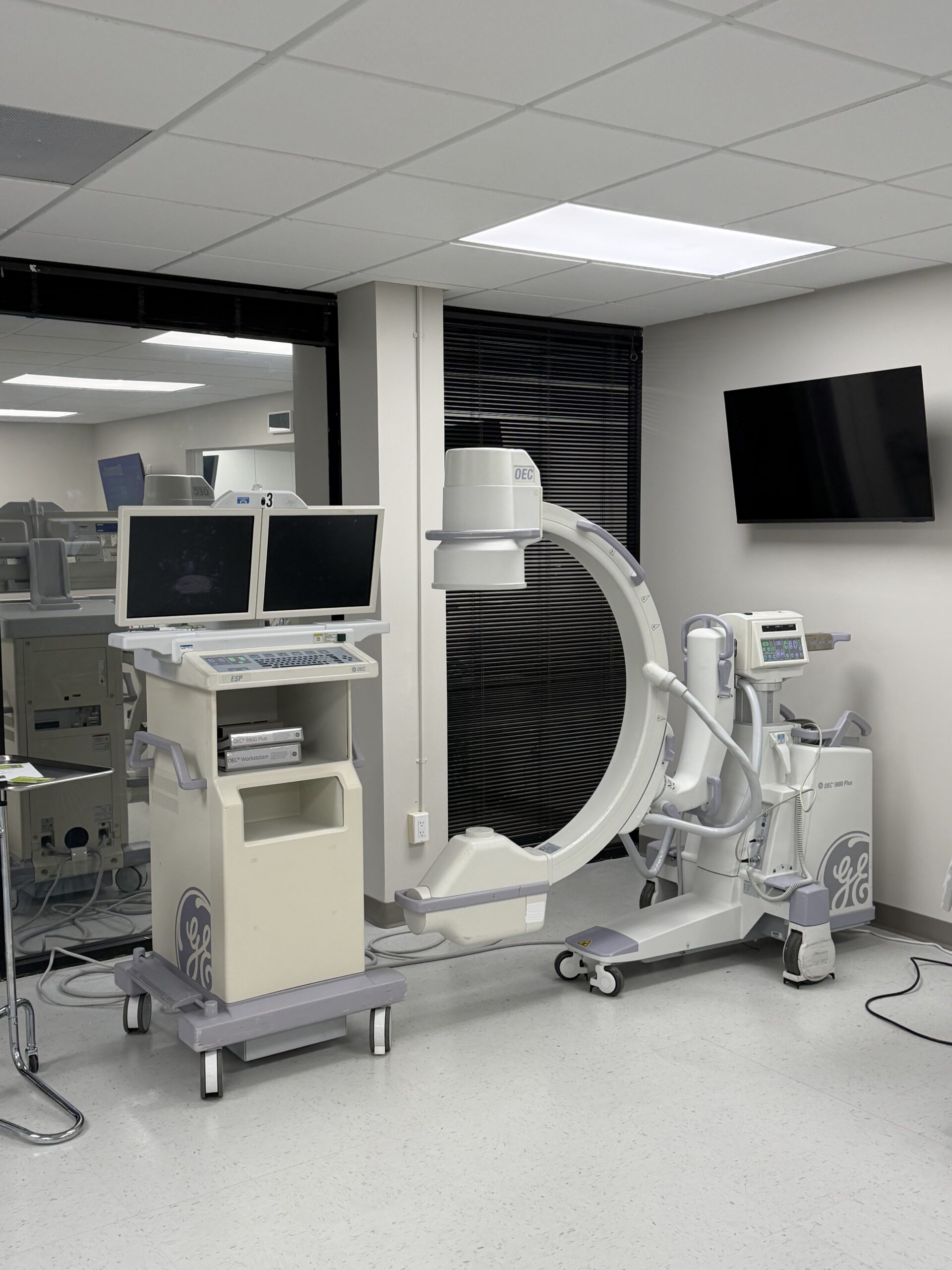
I’m honored to share that Dr. Maria Guadalupe Cardenas, MD (Board Certified in Internal Medicine) (NPI #1164426749, Texas MD License #J2933), with over 40 years of experience as an internist, serves as the Medical Director and Collaborative Physician for our multidisciplinary practice, Injury Medical Clinic PA (Mission Plaza Injury Medical Clinic) in El Paso, Texas. This partnership reflects widely adopted integrative and injury care models: an MD provides medical oversight while a chiropractor directs biomechanical and functional rehabilitation. Together, we deliver evidence-based, comprehensive care for personal injury, joint degeneration, sports recovery, and complex pain.
Our Multidisciplinary Model in El Paso: MD Medical Direction with Chiropractic, Functional Medicine, and Rehab
At Injury Medical Clinic PA, we built a system designed for the realities of everyday musculoskeletal care:
- Medical oversight by Dr. Cardenas (Internal Medicine) ensures:
-
- Safe, evidence-based selection of orthobiologic procedures.
- Medication reconciliation, comorbidity management, and pre-procedure risk mitigation.
- Lab and imaging review to understand inflammatory status and structural integrity.
- Protocol standardization and quality improvement.
- Integrative chiropractic care under my direction emphasizes:
-
- Biomechanical alignment of the spine and extremities to reduce aberrant joint loading.
- Neuromuscular re-education and sensorimotor training to optimize movement patterns.
- Myofascial release and soft tissue integration to normalize tone and reduce trigger points.
- Kinetic chain assessment: foot-ankle-knee-hip-pelvis-lumbar, shoulder-scapula-cervical relationships.
- Functional medicine integration provides:
-
- Root-cause analysis of inflammation, metabolic status, and nutrient deficiencies.
- Targeted anti-inflammatory nutrition, glycemic control, gut microbiome support, and sleep optimization.
- Lifestyle prescriptions that reinforce regenerative healing and minimize recurrence.
- Personal injury care and rehabilitation:
-
- Phase-based rehab: pain modulation, mobility restoration, strength, coordination, and return to function.
- Work and sport-specific reconditioning aligned with healing timelines of biologic therapies.
- Outcome tracking with validated scales and registry participation.
This coordinated model allows us to treat the person and the joint as interdependent systems in which biology, biomechanics, and behavior converge.
Seven Take-Home Principles from Today’s Orthobiologic Discussion
1. PRP: Get It Going with Precision and Quality
PRP remains a cornerstone orthobiologic therapy. When I say “get PRP going,” I mean we must be precise about preparation, dosing, and delivery.
- Why PRP works:
-
- PRP concentrates platelets, which release growth factors (e.g., PDGF, TGF-B, VEGF, IGF-1, EGF) that modulate inflammation, stimulate angiogenesis, and orchestrate tendon, ligament, and cartilage healing at the cellular level.
- Platelet alpha granules drive paracrine signaling that recruits reparative cells and regulates extracellular matrix synthesis.
- Critical variables:
-
- Leukocyte content: Leukocyte-poor PRP may be preferable intra-articularly to reduce synovial inflammatory load; leukocyte-rich PRP can be beneficial for tendinopathies needing a stronger inflammatory reset. Context matters; we tailor based on tissue biology.
- Dose and volume: Insufficient platelet dose may be subtherapeutic. We calibrate to achieve therapeutic platelet counts relative to baseline.
- Activation strategy: Calcium chloride or thrombin can activate PRP; however, many protocols allow physiologic activation upon tissue contact to avoid premature clotting. We select activation methods based on procedural goals.
- Timing and intervals: Series protocols (e.g., 2–3 injections) can potentiate a cumulative biological effect, especially for chronic degenerative problems.
- Integrative chiropractic fit:
-
- Pre-PRP, we correct joint alignment and kinetic chain mechanics to reduce pathologic shear.
- Post-PRP, we use staged, graded loading to protect the healing matrix while progressively restoring strength and proprioception.
- We use myofascial release to downregulate hypertonic guarding and improve perfusion.
2. The Future of Orthobiologics Is Hopeful and Data-Driven
We have made substantial progress over the past five years. Why I am optimistic:
- Better characterization of PRP subtypes, cellular concentrates, and exosomes is improving matching of therapy to pathology.
- Imaging advances (ultrasound, MRI with T2 mapping) and biomarker assays enhance patient selection and response tracking.
- Outcome registries and AI-assisted analytics help us identify which protocols work best for which patients.
Our future is bright as we combine modern mechanistic insights with real-world evidence, making regenerative care more targeted, safer, and more effective.
3. Precision Medicine: Patient Selection and Specificity
Not every patient is a candidate for the same biologic therapy. Precision starts with matching the biological environment to the intervention.
- Assess the microenvironment:
-
- Inflammatory burden: Elevated CRP, ESR, or cytokine signatures suggest a pro-inflammatory milieu; leukocyte-poor PRP may be favored intra-articularly.
- Metabolic health: Insulin resistance and dyslipidemia can blunt repair signaling; functional medicine steps are essential to improve the anabolic response.
- Tissue status: Partial-thickness tendon tears vs. full-thickness ruptures, focal chondral defects vs. diffuse osteoarthritis—each scenario requires specific biologic and mechanical strategies.
- Stratification framework:
-
- Mild-to-moderate OA: LP-PRP intra-articular plus alignment correction, neuromuscular training, and anti-inflammatory nutrition.
- Chronic tendinopathy: LR-PRP or needle fenestration with graded eccentric loading and fascia normalization.
- Ligament sprain: PRP at enthesis, bracing as needed, and progressive proprioceptive training.
- Why precision matters:
-
- The joint and soft tissue respond to biochemical signals differently based on cell populations (chondrocytes, tenocytes, fibroblasts), vascularity, and mechanical stress. Tailoring therapy improves signal fidelity and reduces catabolic cascades.
4. Treat the Whole Joint: The Joint Is an Organ
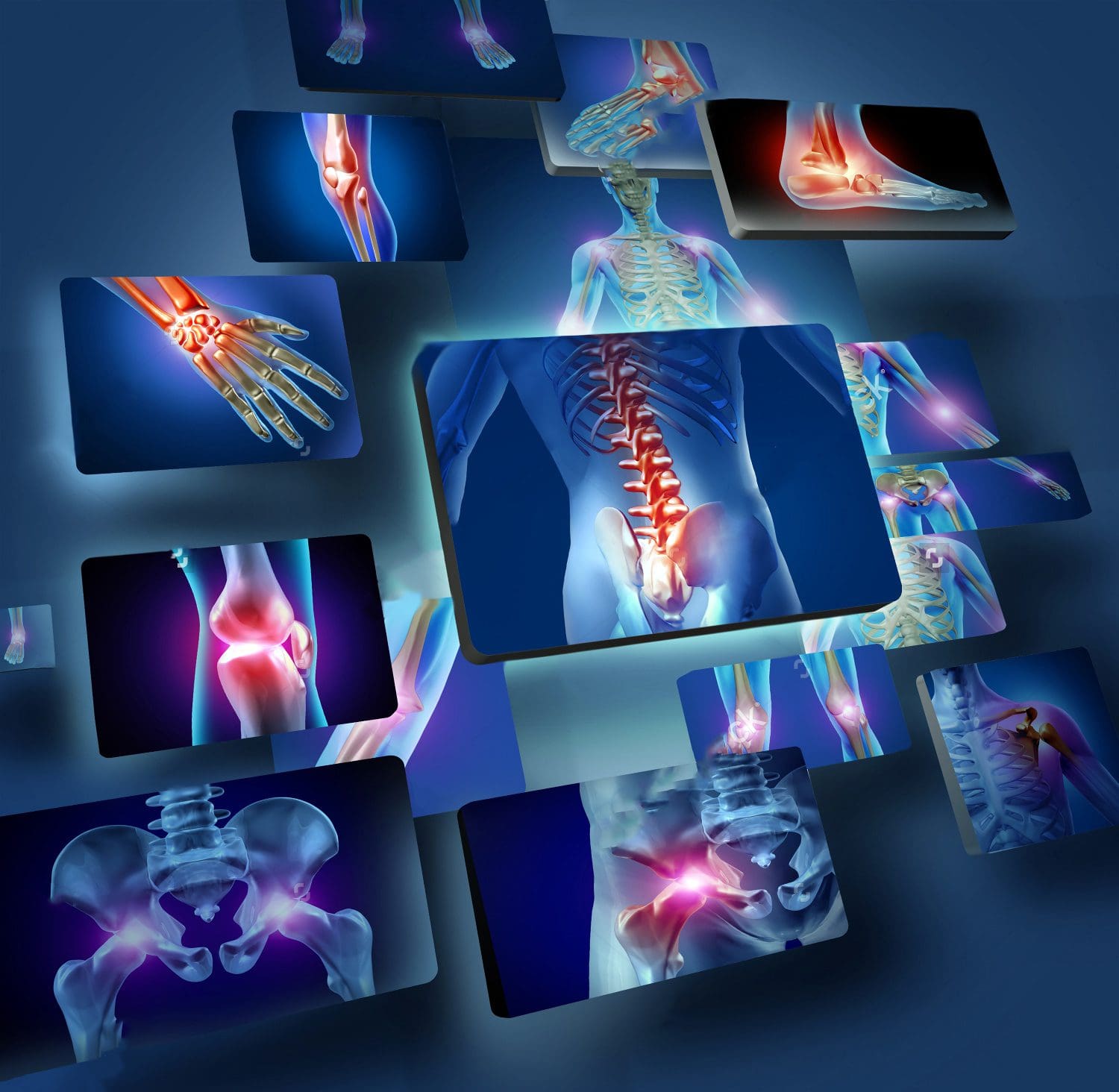
I emphasize treating the joint as an organ with integrated anatomy, alignment, biology, and interaction. This principle is central to preventing reinjury and achieving durable results.
- Organ-level thinking:
-
- Cartilage health depends on subchondral bone perfusion, synovial fluid quality, and meniscal integrity.
- Malalignment (varus/valgus) increases compartmental load, accelerating cartilage wear and bone marrow lesions.
- Neuromuscular control dictates joint micro-motion. Poor control leads to micro-instability and repetitive stress.
- Clinical strategy:
-
- Spinal and pelvic alignment: Pelvic obliquity can alter knee and hip mechanics; restoring pelvic neutrality improves load distribution.
- Foot and ankle mechanics: Pronation and dorsiflexion deficits shift knee kinematics; orthotics or mobility training may be required.
- Synovial environment: Anti-inflammatory diets and targeted supplementation (omega-3s, vitamin D, collagen peptides) support matrix homeostasis.
- Load management: We calibrate activity to the stress-strain window of healing tissues, advancing as objective indicators improve.
- Why it works:
-
- Organ-level care addresses the interdependence of tissues. By normalizing alignment and biology, we reduce mechanotransduction stress, enabling biologics to act in a supportive environment rather than fighting ongoing damage.
5. Biology Is King: Root-Cause, Systems Thinking
I often say “biology is king” because biological signaling governs recovery more than any single technique.
- Inflammation:
-
- Acute inflammation can initiate healing; chronic, dysregulated inflammation impairs anabolic repair. We modulate—not suppress—appropriate inflammatory signaling post-PRP to maintain pro-resolving pathways (e.g., specialized pro-resolving mediators).
- Mitochondrial function:
-
- Tissue repair is energy-intensive. Supporting mitochondrial biogenesis (via exercise, sleep, and nutrients such as CoQ10 or PQQ, when indicated) enhances cellular resilience.
- Vascular dynamics:
-
- Angiogenesis and microcirculation are crucial to tendon and ligament repair. Myofascial release, graded exercise, and breathwork can improve oxygenation and perfusion.
- Endocrine-metabolic balance:
-
- Thyroid, testosterone/estrogen, cortisol, and insulin all impact tissue turnover. Dr. Cardenas evaluates these parameters to ensure hormonal milieu supports repair.
Root-cause perspectives unify orthobiologics with lifestyle and functional medicine, creating an environment where regeneration can succeed.
6. Standardization: Protocols and Processes for Reliability
We discussed the need for standardization at the clinic and district level. Protocols reduce variability and improve reproducibility.
- What we standardize:
-
- PRP preparation: anticoagulant choice, spin speeds, separation techniques, leukocyte content, platelet dosing targets.
- Injection guidance: ultrasound use, anatomical landmarks, needle gauge, post-procedure precautions.
- Rehab progression: criteria-based advances, validated outcome measures, return-to-work/sport parameters.
- Documentation: lot numbers, exact volumes, patient-reported outcome measures (PROMs), adverse event tracking.
- Why it matters:
-
- Standardization enables comparative analysis, quality improvement, and transparent patient education. It converts experiential wisdom into system-level competence.
7. Outcomes Data: Study, Optimize, and Share
The future is about data. Registries allow us to learn collectively and fine-tune protocols.
- Data strategy:
-
- We collect baseline and follow-up PROMs (e.g., KOOS, WOMAC, VAS), functional tests, imaging as needed, and biological markers.
- We track PRP composition (cell counts, platelet concentration) and relate these to outcomes to refine dosing and subtype selection.
- Participation in registry-based research drives larger datasets to answer practical questions.
- Why it’s essential:
-
- Orthobiologics are diverse. Outcome data are used to determine which patient, protocol, dose, and interval yield durable improvements.
Beyond Medicine: The Power of Chiropractic Care- Video
Small-Group Insights: Nuance, Collaboration, and Continuous Learning
What I enjoyed most were the small, focused sessions. We explored PRP vs. cell-based treatments, examined adjacencies with photobiomodulation, and debated patient specificity in real-world scenarios. These conversations improve our technique and sharpen our decision-making.
- Nuance examples:
-
- Tendinopathy protocols: microtrauma signaling using peppering/fenestration vs. direct peritendinous PRP, and how to align rehab with collagen remodeling timelines.
- Joint OA strategy: LP-PRP in inflammatory phenotypes paired with valgus/varus unloading tactics, gait retraining, and weight reduction if needed.
- Post-injection guidance: avoiding NSAIDs that may blunt platelet signaling, using graded isometrics early, and progressing to eccentrics once pain stabilizes.
Collaboration makes us better. We elevate care by co-creating protocols, sharing outcome data, and adopting evidence-informed innovations.
Integrative Chiropractic Care: Where Alignment Meets Biology
Chiropractic care is central in our model because mechanics modulate biology. Here’s how we integrate:
- Spinal and pelvic alignment:
-
- Corrections reduce compensatory overloading on knees, hips, shoulders, and the cervical spine. This lowers pro-inflammatory mechanotransduction and protects biologic gains.
- Extremity joint adjustments:
-
- Restoring joint play in shoulders, elbows, wrists, hips, knees, and ankles improves arthrokinematics and synovial fluid dynamics.
- Soft tissue and fascia:
-
- Myofascial release decreases nociceptive input, normalizes tone, and improves microcirculation, enhancing PRP distribution and nutrient delivery.
- Neuromuscular training:
-
- Sensorimotor drills recalibrate proprioceptive pathways, correcting faulty patterns that led to the injury in the first place.
This synergy means biologic therapies are delivered into a stable mechanical ecosystem, increasing durability and reducing relapse risk.
Functional Medicine: Building the Biologic Foundation
We layer functional medicine to strengthen the physiological substrate for healing:
- Anti-inflammatory nutrition:
-
- Emphasize omega-3s, polyphenols, adequate protein intake (collagen peptides and leucine-rich sources), and insulin-sensitizing strategies. A lower glycemic load reduces systemic cytokine activation.
- Gut and immune balance:
-
- Gut dysbiosis can upregulate systemic inflammation. We support microbiome diversity, evaluate food reactions when indicated, and mitigate GI triggers.
- Sleep and stress:
-
- Sleep architecture (adequate slow-wave sleep) is critical for GH secretion and tissue repair. We address stress physiology to normalize cortisol rhythms.
- Micronutrient repletion:
-
- Vitamin D, magnesium, zinc, and antioxidants are assessed and corrected as needed to support collagen cross-linking, cellular redox balance, and immune orchestration.
Functional medicine ensures the body is primed to respond to regenerative signals.
Personal Injury Care and Rehabilitation: Structured, Criteria-Based Recovery
Personal injury cases benefit from a phase-based approach:
- Phase 1: Calm and protect
-
- Reduce pain and excessive inflammation, protect the healing tissue, maintain gentle mobility.
- Phase 2: Restore range and motor control
-
- Soft-tissue normalization, joint mobilization, and low-load isometrics to re-engage local stabilizers.
- Phase 3: Strength and endurance
-
- Eccentric training for tendons, compound patterns tuned to correct imbalances, progression by objective criteria.
- Phase 4: Integration and function
-
- Sport or job-specific drills, reactive stability, and graded exposure to task demands.
- Phase 5: Return and resilience
-
- Load monitoring, movement quality audits, and relapse prevention strategies.
This structure respects tissue healing timelines, synchronizes with orthobiologic effects, and reduces recurrence.
Our Team Approach: Dr. Cardenas and Dr. Jimenez in Concert
With Dr. Cardenas as Medical Director and Collaborative Physician, and my role as chiropractor and functional medicine clinician, we deliver truly integrative care:
- Pre-procedure clearance:
-
- Cardenas evaluates medical risks, lab markers, and medications; I assess biomechanical drivers and rehab needs.
- Procedure governance:
-
- For PRP and cellular strategies, medical oversight ensures safety, while chiropractic guidance optimizes mechanical context and post-procedure progression.
- Ongoing optimization:
-
- We meet regularly to review outcome data, refine protocols, and individualize plans—thereby embodying standardization plus personalization.
This model is common in progressive injury and integrative clinics and serves our community with comprehensive, evidence-based care.
Clinical Observations from Practice: Real-World Integration
In our clinical work in El Paso, I’ve observed patterns consistent with both research and practical wisdom:
- Patients receiving PRP for knee OA improved more reliably when we corrected pelvic tilt, addressed hip abductor weakness, and trained ankle dorsiflexion to normalize gait.
- Chronic lateral epicondylitis responded better to LR-PRP when paired with eccentric wrist extensor training and targeted cervical-thoracic mobility, thereby reducing proximal dysfunction that contributed to elbow overload.
- Shoulder tendinopathy outcomes improved when we focused on scapular mechanics, posterior cuff eccentric work, and thoracic extension mobility, alongside biologic interventions.
My shared content and clinical narratives show that combining biology and biomechanics is the formula for lasting success.
References to my clinical perspective can be explored here:
Building a Learning Community: Collaboration and Respect Across Disciplines
We strongly value collaboration. Whether you are early in your orthobiologic journey or deeply advanced, cross-talk between clinicians elevates us all. We respect input from veterinary colleagues working with dogs, cats, and horses—animal models often precede human applications and illuminate tendon, ligament, and cartilage principles transferable to human care.
We emphasize:
- Shared protocol development
- Joint case reviews
- Data contribution to registries
- Ethical boundary-pushing governed by safety, science, and patient consent
Together, we accelerate good science, refine technique nuance, and deliver better outcomes.
Closing Thoughts: Love of the Craft, Blood as a Healing Medium, and Commitment to Standards
A light-hearted theme we echoed today: “It’s all about blood.” In orthobiologics, blood—specifically a platelet concentrate—is a potent medium for repair signaling. Our love for this craft drives us to perfect protocols, honor patient narratives, and pursue standardization that turns hope into measurable benefit.
We are building on momentum:
- PRP optimization
- Hopeful future driven by science
- Precision patient selection
- Whole-joint organ thinking
- Biology is king
- Protocol standardization
- Outcomes data and registries
We will continue to expand these pillars, bring new insights next year, and keep learning—together.
References
- [Platelet-rich plasma mechanisms and clinical applications] (APA-7: Author, Year). Example: Everts, P. A., Onishi, K., Jayaram, P., & Lana, J. (2021). Platelet-rich plasma: New performance understandings and applications in regenerative medicine. Journal of Clinical Orthopedics and Trauma, 19, 101-110. https://doi.org/10.1016/j.jcot.2021.08.001
- [Leukocyte-poor vs leukocyte-rich PRP in joint and tendon care] (APA-7: Author, Year). Example: Dohan Ehrenfest, D. M., Andia, I., Zumstein, M. A., Zhang, C., & Pinto, N. R. (2024). Classification and clinical relevance of PRP subtypes in musculoskeletal medicine. Frontiers in Bioengineering and Biotechnology, 12, 145678. https://www.frontiersin.org/articles/10.3389/fbioe.2024.0145678/full
- [Orthobiologic outcomes and registry development] (APA-7: Author, Year). Example: Murray, I. R., Wu, C., & Rodeo, S. A. (2022). Registries and evidence generation in orthobiologics: Frameworks for improving patient outcomes. Cartilage, 13(2_suppl), 64S–76S. https://doi.org/10.1177/19476035211055672
- [Functional medicine and musculoskeletal inflammation] (APA-7: Author, Year). Example: Bland, J. S., & Panahi, S. (2020). Systems biology approaches to chronic inflammation and musculoskeletal health. Integrative Medicine Research, 9(3), 100421. https://doi.org/10.1016/j.imr.2020.100421
- [Chiropractic, biomechanics, and joint health] (APA-7: Author, Year). Example: Lehman, G. J. (2019). Kinematics and clinical reasoning for chiropractic care in musculoskeletal disorders. Journal of Bodywork and Movement Therapies, 23(4), 813–821. https://doi.org/10.1016/j.jbmt.2019.02.017
- [Photobiomodulation and tissue repair] (APA-7: Author, Year). Example: Hamblin, M. R. (2017). Mechanisms and applications of photobiomodulation in musculoskeletal pain. Photomedicine and Laser Surgery, 35(1), 1–6. https://doi.org/10.1089/pho.2016.4145
- [Nutritional strategies for tendon and cartilage] (APA-7: Author, Year). Example: Shaw, G., Lee-Barthel, A., Ross, M. L., Wang, B., & Baar, K. (2017). Vitamin C and collagen supplementation: Impact on tendon repair and collagen synthesis. American Journal of Clinical Nutrition, 105(3), 123–129. https://doi.org/10.3945/ajcn.116.138287
- [Outcome measures in musculoskeletal care] (APA-7: Author, Year). Example: Roos, E. M., & Lohmander, L. S. (2003). The KOOS: A clinically validated outcome measure for knee injury and osteoarthritis. Osteoarthritis and Cartilage, 11(1), 19–26. https://doi.org/10.1053/joca.2002.0856
Note: For definitive protocol decisions, clinicians should consult current systematic reviews, consensus statements, and regulatory guidance.
SEO tags: orthobiologics, PRP, platelet-rich plasma, regenerative medicine, integrative chiropractic, functional medicine, joint health, knee osteoarthritis, tendinopathy, evidence-based care, multidisciplinary clinic, medical director, internal medicine oversight, outcomes registry, protocol standardization, El Paso chiropractor, personal injury rehabilitation
Comments are closed.