
Photobiomodulation Therapy for Injury Healing Applications

Photobiomodulation Therapy for Injury Healing
Dr. Alexander Jimenez, DC, APRN, FNP-BC, CFMP, IFMCP, ATN, CCST
In Collaboration with Dr. Maria Guadalupe Cardenas, MD, Board Certified in Internal Medicine
Injury Medical Clinic PA | Mission Plaza Injury Medical Clinic | El Paso, Texas
Abstract
This educational post explores the emerging and rapidly evolving field of photobiomodulation therapy (PBMT), also referred to as low-level laser therapy (LLLT), and its increasingly recognized role in musculoskeletal healing, cellular recovery, and integrative pain management. Drawing on leading researchers and sports medicine specialists in the field, this post examines the physiological mechanisms by which specific wavelengths of light interact with cellular components, most notably mitochondria, to trigger cascading biological responses that shift the body from an acute or chronic inflammatory state into a reparative, regenerative phase.
We explore how PBMT stimulates cytochrome oxidase, drives ATP production, modulates cytokine profiles, promotes angiogenesis, supports neurogenesis, and fuels fibroblast activity, all of which are critical to tissue healing. We also examine the emerging synergistic relationship between PBMT and orthobiologics such as platelet-rich plasma (PRP), discussing both the theoretical basis and clinical evidence for combining these modalities.
Additionally, this post outlines how our multidisciplinary team at Injury Medical Clinic PA in El Paso, Texas, integrates these principles into comprehensive patient care, combining chiropractic care, functional medicine, internal medicine oversight provided by Dr. Maria Guadalupe Cardenas, MD, rehabilitation, and personal injury management to deliver evidence-based, whole-patient outcomes.
A Multidisciplinary Foundation for Integrative Healing at Injury Medical Clinic, PA
At Injury Medical Clinic PA, also known as Mission Plaza Injury Medical Clinic, located in El Paso, Texas, our clinical model is built on a philosophy that healing is best achieved when multiple disciplines work together rather than in isolation. I am Dr. Alexander Jimenez, DC, APRN, FNP-BC, CFMP, IFMCP, ATN, CCST, and for well over two decades, I have dedicated my career to understanding how the human body heals, what gets in the way of that healing, and how we can harness the best available science to restore function and reduce pain for our patients.
Our practice is anchored by the exceptional medical leadership of Dr. Maria Guadalupe Cardenas, MD, who is Board Certified in Internal Medicine (NPI #1164426749, Texas MD License #J2933) and brings over 40 years of experience as an internist to our team. Dr. Cardenas serves as our Medical Director and Collaborative Physician, providing medical oversight, clinical decision-making, and internal medicine expertise that enables our clinic to safely and effectively deliver a wide range of integrative care. This multidisciplinary structure, where an MD provides medical direction alongside a chiropractor, is increasingly recognized as a gold standard in integrative and injury care settings (Geisler, 2020).
Together, Dr. Cardenas and I oversee a team that integrates:
- Chiropractic care for spinal alignment, joint function, and neuromuscular rehabilitation
- Internal medicine oversight for systemic health, comorbidity management, and medical coordination
- Functional medicine addressing root-cause physiology, metabolic health, and inflammatory pathways
- Personal injury care for accident victims requiring comprehensive musculoskeletal evaluation and documentation
- Rehabilitation services including therapeutic exercise, manual therapy, and modality-based recovery
- Photobiomodulation therapy (PBMT) as a cellular-level tool for accelerating tissue repair and modulating inflammation
This integrative model allows us to meet patients where they are, addressing not just the symptom, but the underlying cellular and physiological environment that either supports or impedes recovery. The discussion below reflects the kind of evidence-based thinking that guides our clinical decisions every day.
Why Light Is Not a Foreign Concept to the Human Body
One of the first and most important things to understand about photobiomodulation therapy is that it is not a radical or foreign concept. It is, in fact, deeply rooted in the evolutionary history of our species.
Consider photosynthesis. Sunlight shines down, plants grow, carbon dioxide is converted to oxygen, and life is sustained across all species on the planet. We accept this without question. Now consider this: humans have evolved over hundreds of thousands of years on the surface of a planet bathed in sunlight. Our cells, our deepest genetic architecture, have been shaped by and responsive to that light throughout that evolutionary time. It should not surprise us, then, that our cells are profoundly sensitive to specific wavelengths of light energy.
We already accept in mainstream medicine that sunlight is required for vitamin D synthesis. This is taught in every medical school in the country. And yet, despite this acceptance, there remains a striking gap in medical education regarding photobiomodulation therapy, one that does not reflect a lack of evidence but rather a lag in curriculum adoption.
The scientific foundation is clear and growing. The word “photo” means light. “Bio” means life. “Modulation” means to affect or change. Photobiomodulation, therefore, means using light to affect life at the biological level, and the evidence for how it does so is both compelling and rapidly expanding (Hamblin, 2018).
The Cellular Science Behind Photobiomodulation Therapy
How Light Energy Transfers to Living Cells
At its most fundamental level, PBMT works because photons, the quantum units of electromagnetic energy that make up light, can be absorbed by specific molecules in our cells. When the right wavelengths of light reach these molecular targets, they transfer energy to them, triggering a cascade of biochemical events that culminate in measurable, clinically relevant healing responses.
This is not metaphor or theory. It is a documented cellular biology phenomenon, reproducible under laboratory conditions, and increasingly validated through clinical trials (Chung et al., 2012).
Mitochondrial Activation and the Role of Cytochrome Oxidase
The primary cellular target of PBMT is the mitochondrion, specifically the enzyme cytochrome c oxidase (also known as Complex IV) in the mitochondrial respiratory chain. This enzyme is a photoacceptor, meaning it can absorb photons and be activated by them.
When cytochrome c oxidase absorbs photons from therapeutic light wavelengths (approximately 600 to 1200 nanometers), the enzyme becomes significantly more active. This activation accelerates the Krebs cycle and the electron transport chain, which are the core biochemical pathways by which our cells produce energy.
The downstream cascade from this single activation event is remarkable:
- Reactive oxygen species (ROS) are transiently produced, acting as cellular signaling molecules
- Nitric oxide (NO) is released, causing vasodilation and improved local circulation
- Adenosine triphosphate (ATP) production is significantly increased, providing the energy currency the cell requires to perform repair work
- These signals travel into the cell nucleus, where they initiate gene transcription
Gene transcription is the process by which DNA instructions are read and converted into proteins, including the cytokines that coordinate the body’s immune and healing responses (Hamblin, 2018).
Cytokine Modulation: Shifting from Inflammation to Repair
Cytokines are signaling proteins that regulate inflammation, immune activity, and tissue repair. They exist on a spectrum, from pro-inflammatory cytokines that initiate and amplify inflammatory responses to anti-inflammatory cytokines that resolve inflammation and usher in the reparative phase.
In musculoskeletal injury and chronic pain conditions, the body often becomes stuck in a pro-inflammatory state, unable to transition efficiently into healing. PBMT directly addresses this through measurable cytokine modulation:
- Interleukin-10 (IL-10), a potent anti-inflammatory cytokine, is measurably increased following PBMT treatment
- Interleukin-6 (IL-6), a key pro-inflammatory cytokine, is measurably reduced
- This cytokine shift facilitates the transition from the acute inflammatory phase into a reparative, regenerative phase, which is precisely what we are trying to achieve clinically (Chung et al., 2012)
Angiogenesis, Neurogenesis, Muscle Recovery, and Fibroblast Activation
The cellular effects of PBMT extend well beyond mitochondrial activation and cytokine modulation. The following domains of cellular biology are also meaningfully impacted:
Angiogenesis (New Blood Vessel Formation)
The cytokine galectin is upregulated during PBMT, and its levels can be measured directly in serum. Galectin promotes endothelial cell activity and supports the formation of new blood vessels, improving microcirculation in areas of pathology. Improved blood flow means improved delivery of oxygen and nutrients, both of which are prerequisites for tissue healing.
Neurogenesis (Nerve Repair and Regeneration)
The cytokine HNRP-K is measurably elevated under PBMT and is associated with axonal growth cone repair and regeneration. This means that PBMT has documented, assayable effects on nerve cell recovery, which are critically relevant in conditions involving neuropathic pain, nerve compression, or post-surgical nerve disruption.
Muscle Cell Recovery
Electron microscopy studies have demonstrated that PBMT improves muscle cell structural development and increases myoglobin production. Myoglobin is the oxygen-storing protein in muscle cells, and its upregulation directly enhances muscle oxygenation and endurance, thereby supporting faster recovery from both injury and surgical trauma.
Fibroblast Activation
Fibroblasts are the primary healing cells of connective tissue, responsible for producing collagen and remodeling damaged structures. PBMT energizes fibroblast activity, amplifying the healing signal that orthobiologic therapies such as PRP are designed to deliver. In other words, PBMT provides the metabolic fuel that enables fibroblasts to work more efficiently (Hamblin, 2018).
The Therapeutic Window: Understanding Why Wavelength Matters
The electromagnetic spectrum spans from gamma rays on one end to radio waves on the other. Gamma rays, with their extremely short wavelengths, are destructive to biological tissue, essentially blowing apart cellular structures. Radio waves, with their very long wavelengths, pass through tissue without interacting with it. Neither end of the spectrum is therapeutically useful for cellular healing.
The therapeutic window for photobiomodulation exists between approximately 600 and 1200 nanometers, corresponding to the red and near-infrared range of the spectrum. Within this range, photons can:
- Penetrate skin, blood, and water, the three primary barriers to photon delivery
- Reach target tissues at therapeutic depths
- Be absorbed by cellular photoacceptors like cytochrome c oxidase without causing thermal damage
It is worth noting that red light alone, typically around 600 to 660 nanometers, penetrates only 3 to 4 millimeters into tissue. While this is sufficient for superficial skin applications such as facial red light masks, it is inadequate to reach deeper musculoskeletal structures, including tendons, ligaments, joint capsules, and intervertebral tissues. This is why near-infrared wavelengths are essential in clinical musculoskeletal applications (Chung et al., 2012).
Multi-Wave Locked System Technology: A Clinically Superior Delivery Platform
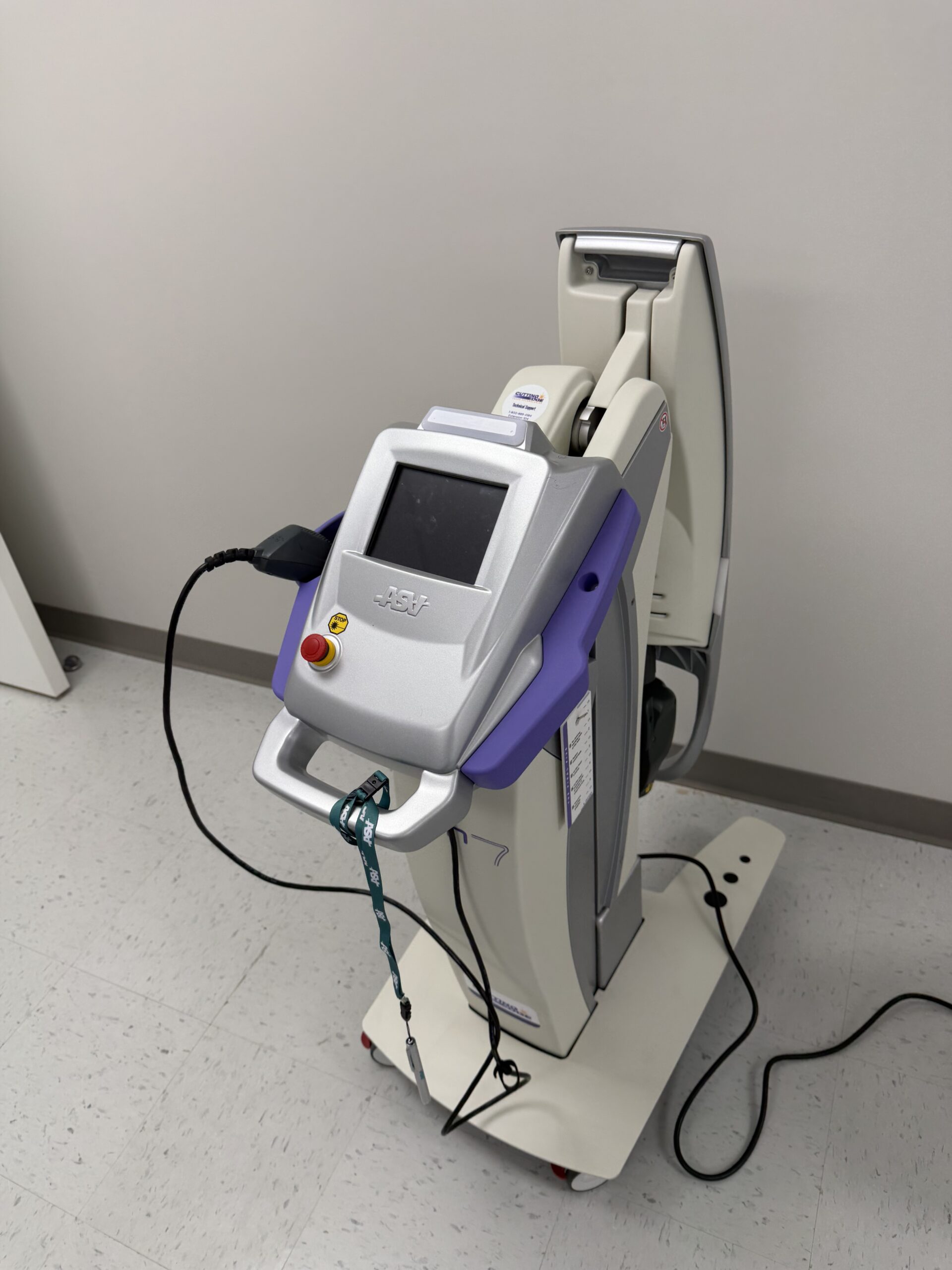
Among the various PBMT delivery systems available, Multi-Wave Locked System (MLS) laser technology represents a significant advancement in both safety and efficacy. The MLS system delivers two synchronized wavelengths simultaneously:
- One wavelength is delivered in a continuous wave format
- The second wavelength is delivered in a pulsed wave format
- These two waves are synchronized, cycling on and off up to 1,500 times per second
This synchronized pulsing is critical because it allows the tissue to absorb photons without accumulating thermal energy, effectively eliminating the risk of heat-related tissue damage. Clinicians can apply the MLS laser to a treatment area and step away to attend to another patient without the constant repositioning required by older, continuous-wave systems. The result is an outstanding safety profile, deep tissue penetration, and consistent therapeutic effect.
The MLS registry has documented outcomes in approximately 6,500 patients, with data demonstrating sustained pain reduction for up to 12 months when MLS laser therapy is used in combination with orthobiologic interventions (Hamblin, 2018).
The Synergistic Relationship Between PBMT and Orthobiologics
Why Combining These Therapies Makes Physiological Sense
Orthobiologics, including platelet-rich plasma (PRP), contain concentrated growth factors, anti-inflammatory proteins, and cellular signaling molecules designed to initiate and amplify the body’s own healing response. When injected into a target tissue, they deliver a powerful biochemical message to local cells, instructing them to begin repair processes.
However, the effectiveness of that message depends entirely on the receiving cells’ capacity to respond. If the cellular environment is metabolically depleted, mitochondrially dysfunctional, or stuck in a chronic inflammatory state, the biochemical signals from PRP may not elicit their full potential response.
This is where PBMT becomes a force multiplier. By activating mitochondria, increasing ATP production, modulating cytokines toward an anti-inflammatory profile, and priming fibroblasts for action, PBMT prepares the cellular environment to receive and fully respond to the orthobiologic message. The combination provides both fuel and instruction, dramatically increasing the probability of a meaningful healing response.
Evidence from Veterinary Research
One particularly compelling study examined the use of MLS laser therapy combined with intra-articular PRP in a canine population with knee osteoarthritis. Each dog served as its own control, receiving PBMT alone, PRP alone, and the combination of both in separate treatment periods with washout intervals between them. The combination of PBMT and PRP produced clearly superior outcomes compared to either modality alone.
Veterinary research is especially valuable in this context because dogs do not experience secondary gain. There are no litigation incentives, no psychological overlay from family expectations, and no placebo effect to account for. When a dog walks in limping and walks out without a limp after treatment, the therapeutic effect is unambiguous. Validated patient-reported outcome measures in veterinary medicine, tracking functional activities such as climbing stairs, getting into vehicles, and general mobility, provide an objective framework for interpreting these results (Chung et al., 2012).
PBMT in Clinical Practice: Applications Across the Musculoskeletal Spectrum
In a busy orthopedic and sports medicine practice, PBMT finds application across a remarkably broad range of clinical scenarios:
- Acute injuries in athletes: Immediate post-injury application of PBMT significantly accelerates recovery timelines, reduces inflammation, and facilitates faster return to play
- Post-operative recovery: Surgical incisions treated with PBMT demonstrate improved wound healing, reduced ecchymosis and edema, and higher patient satisfaction scores
- Chronic inflammatory conditions: Conditions such as Achilles tendinopathy, where the tendon becomes thickened and bulbous due to a stalled chronic inflammatory state, respond particularly well to PBMT combined with orthobiologics, as the combination restores the signaling environment required for genuine repair
- Neurological and neuropathic conditions: Emerging research supports PBMT use in conditions such as depression, Parkinson’s disease, and other neurological disorders, with programs at institutions including Massachusetts General Hospital investigating photobiomodulation for brain applications
The underlying principle across all of these applications is the same: we are not treating a condition; we are treating the cells where pathology lives, changing the cellular environment to make healing physiologically possible.
Landmark Research: Demonstrating Tenocyte Proliferation Under Laser
A particularly significant and exciting development in PBMT research is a study conducted at the Mass General Brigham Enable BioSkills Lab that examines the direct effect of an Nd:YAG laser on human tenocytes (tendon cells) in a laboratory setting. Human tenocytes were harvested and exposed to PBMT using the Nd: YAG laser. The study demonstrated dose-dependent tenocyte proliferation, with PBMT alone producing a 20% increase in tenocyte cell proliferation.
This is a landmark finding because it provides direct, cellular-level evidence that PBMT can drive tissue-specific cell growth in human connective tissue. Follow-up studies using qPCR to document gene expression and ELISA to quantify protein levels are currently underway and are expected to further define the molecular mechanisms responsible for this proliferative effect. This research trajectory represents the kind of rigorous, mechanistic science that will ultimately bring PBMT fully into mainstream orthopedic medicine (Hamblin, 2018).
Integrative Chiropractic Care and PBMT at Injury Medical Clinic PA
From my perspective as a chiropractor and functional medicine practitioner at Injury Medical Clinic PA, integrating PBMT into our clinical protocols is a natural and logical extension of our core philosophy. Chiropractic care, at its foundation, is concerned with restoring proper biomechanical function, reducing neurological interference, and supporting the body’s innate capacity to heal. PBMT operates at the cellular level to create exactly the biological conditions that make those chiropractic goals achievable.
When a patient presents with a chronic shoulder injury, for example, chiropractic manipulation and mobilization can address the joint mechanics and neurological patterns that contribute to dysfunction. PBMT simultaneously addresses the cellular and inflammatory environment within the damaged tissue, increasing ATP availability, modulating cytokines, promoting angiogenesis, and activating fibroblasts. When orthobiologic interventions such as PRP are also indicated, under the medical oversight of Dr. Cardenas, the three modalities work in concert to address the mechanical, cellular, and biochemical dimensions of the problem simultaneously.
This is the model of care we practice at our clinic, and it is the model that the evidence increasingly supports (Geisler, 2020).
Validation by Major Medical Organizations
The clinical legitimacy of PBMT is no longer a matter of fringe debate. The following represent significant milestones in its mainstream acceptance:
- The American Academy of Orthopaedic Surgeons has included PBMT in clinical guidelines for osteoarthritis, noting that while more research is needed to expand specific parameters, the evidence supports its use and patients can expect meaningful symptomatic benefit
- The Centers for Disease Control and Prevention (CDC), in its revised opioid prescribing guidelines, references laser photobiomodulation therapy approximately forty times, specifically endorsing it as a recommended approach for acute, subacute, and chronic pain management
- Over 7,000 published studies in the peer-reviewed literature now document PBMT’s effects across orthopedics, oncology, ophthalmology, neurology, and other specialties
References
- Chung, H., Dai, T., Sharma, S. K., Huang, Y. Y., Carroll, J. D., & Hamblin, M. R. (2012). The nuts and bolts of low-level laser (light) therapy. Annals of Biomedical Engineering, 40(2), 516-533.
- Geisler, P. R. (2020). Photobiomodulation therapy in the rehabilitation of musculoskeletal injuries in athletes: A critically appraised topic. Journal of Sport Rehabilitation, 29(8), 1184-1188.
- Hamblin, M. R. (2018). Mechanisms and applications of the anti-inflammatory effects of photobiomodulation. AIMS Biophysics, 4(3), 337-361.
- Personal Injury Doctor Group. (2025). Clinical observations and integrative care: Dr. Alexander Jimenez, DC. https://personalinjurydoctorgroup.com/
- Jimenez, A. (2025). Professional profile. LinkedIn. https://www.linkedin.com/in/dralexjimenez/
Comments are closed.