
Platelet-Rich Plasma Therapy for Neuropathy Relief
Platelet-Rich Plasma Therapy for Neuropathy: Natural Nerve Repair for Personal Injury Patients at Personal Injury Doctor Group
Neuropathy can turn daily life upside down after a car crash, work accident, or sports injury. Damaged nerves outside the brain and spinal cord send wrong signals. People feel burning pain, tingling, numbness, or weakness, often in the hands, feet, or legs. Many personal injury cases in El Paso involve these nerve problems from trauma, like whiplash or slipped discs. Standard pain pills only mask the issue. Platelet-rich plasma (PRP) therapy offers a safe, natural fix. It uses the patient’s own concentrated platelets to deliver growth factors straight to injured nerves. This process speeds nerve healing, cuts inflammation, and eases pain. It also rebuilds tissues and improves blood flow so nerves can work again. At Personal Injury Doctor Group in El Paso, patients see real relief from conditions like peripheral and diabetic neuropathy tied to injuries. Many notice better symptoms in just a few months.

What Is Neuropathy and Why Does It Strike After Injuries?
Neuropathy means nerve damage. Peripheral nerves carry messages between the brain, spinal cord, and body. Trauma from auto accidents, falls, or heavy lifting can stretch, compress, or tear these nerves. High blood sugar from stress after an injury can worsen it, too. Symptoms hit hard: sharp, burning pain; numbness that makes walking risky; or weakness that stops you from working. In personal injury cases, this often links to sciatica, herniated discs, or soft tissue damage. Traditional care focuses on symptoms with drugs. PRP therapy takes a more effective approach by helping the body heal itself. It targets the exact damage and supports lasting recovery for El Paso patients dealing with accident-related nerve pain.
What Is Platelet-Rich Plasma (PRP) Therapy?
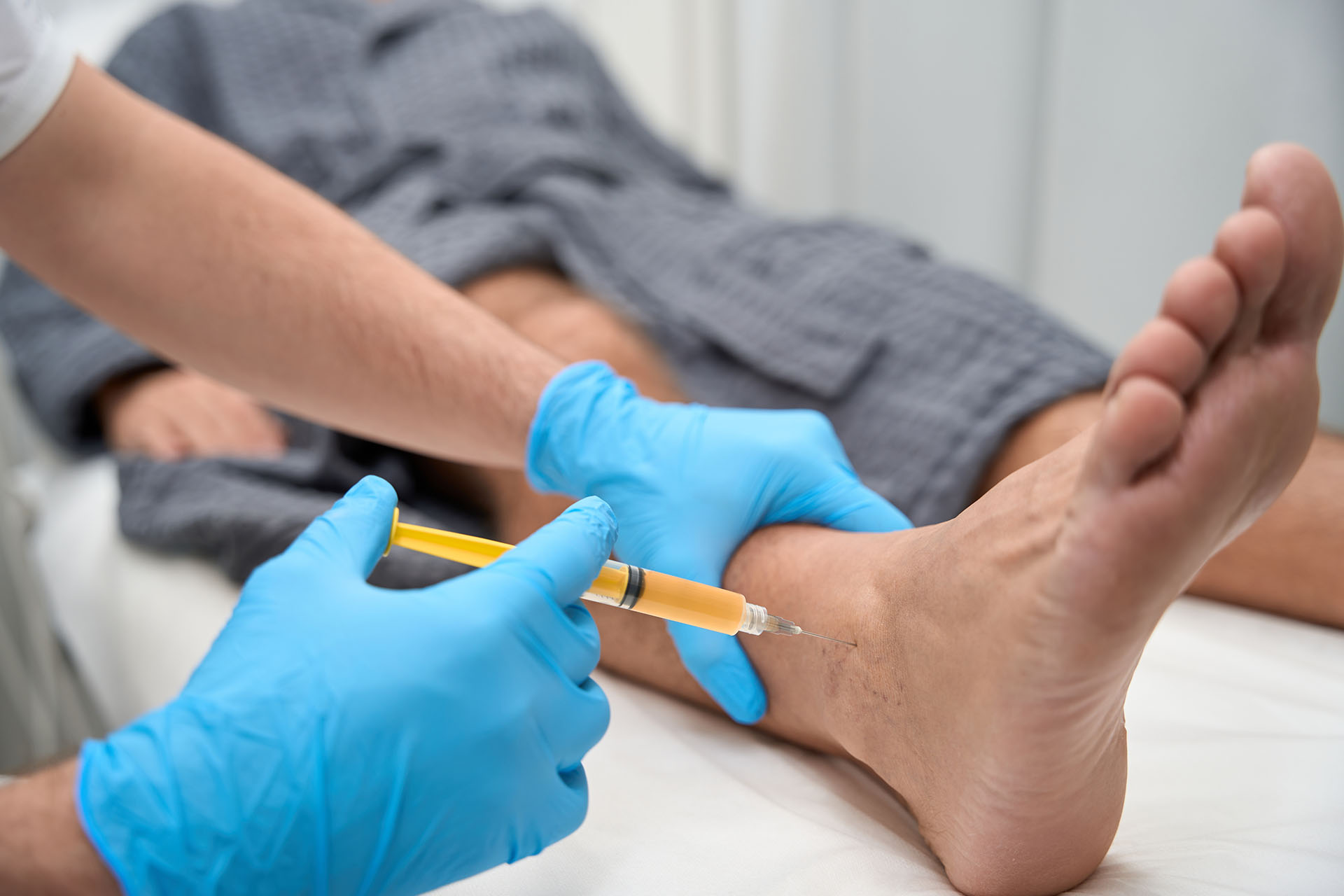
PRP therapy is straightforward and uses only your blood. A small sample comes from your arm. It spins fast in a centrifuge machine to concentrate the platelets. These platelets pack growth factors and healing proteins. Doctors then inject this rich plasma right into the damaged nerve areas. Since it comes from you, your body welcomes it with almost zero chance of rejection or infection. The office visit lasts about 30 minutes, and most people return to normal activities the same day. At Personal Injury Doctor Group, imaging guides every step for precision in personal injury cases.
How PRP Treatment Helps Neuropathy After Injuries
Injecting concentrated growth factors directly into damaged nerves is how PRP works for neuropathy. Platelets release proteins such as PDGF, VEGF, and NGF. These messengers kick-start tissue regeneration, lower swelling, and calm pain signals. Better blood flow brings oxygen and nutrients, so nerves repair and function returns. In peripheral or diabetic neuropathy linked to trauma, PRP rebuilds the myelin sheath around nerves and quiets overactive pain paths. Studies show it improves sensory and motor recovery while easing neuropathic pain. Personal injury patients at Personal Injury Doctor Group often report less burning and tingling after treatments.
Many view PRP as a safe alternative to long-term meds for chronic nerve pain. Relief builds over weeks and strengthens in months. One review states that PRP markedly enhances nerve regeneration, improves recovery of sensory and motor functions, and alleviates neuropathic pain.
Key Benefits of PRP for Nerve Pain in Personal Injury Cases
- Regenerates nerve tissues by sending growth factors exactly where the injury occurred
- Reduces burning or shooting pain common after car accidents
- Restores normal feeling and strength in hands, feet, or legs
- Lowers inflammation that lingers from trauma
- Boosts blood flow to support ongoing nerve repair
- Heals tissues naturally without surgery or heavy drugs
- Cuts reliance on pain pills for long-term injury recovery
These perks fit perfectly for El Paso patients recovering from work or auto injuries.
The Integrative Approach at Personal Injury Doctor Group
Personal Injury Doctor Group uses a full team to make PRP even stronger. Board-certified chiropractors, APRNs, FNPs, CFMPs, and IFMCPs work together under Dr. Alex Jimenez. They blend imaging-guided PRP injections with metabolic nutrition and functional medicine. The team checks the whole picture—not just the nerves. They look at diet, inflammation, blood sugar, and lifestyle factors that slow healing after an injury. Nutrition plans rich in nerve-friendly foods and supplements help from the inside. PRP targets local nerve damage, while the bigger plan addresses root causes like poor metabolism or stress-related gut issues. This approach creates a “root-cause” method focused on tissue healing and overall health for lasting results instead of short-term symptom relief.
Clinical Observations from Dr. Alexander Jimenez at Personal Injury Doctor Group
Dr. Alexander Jimenez, DC, APRN, FNP-BC, CFMP, IFMCP, leads care at Personal Injury Doctor Group in El Paso, Texas. With dual training in chiropractic and family nurse practitioner roles, plus functional medicine certifications, he treats thousands of personal injury patients. In his clinics across multiple El Paso locations, Dr. Jimenez sees how PRP changes lives for those with post-accident neuropathy. He notes that combining PRP with chiropractic adjustments, functional nutrition, and rehab leads to faster pain relief and better mobility. Patients avoid surgery and return to work or daily life sooner. His team uses advanced imaging for precise injections and creates custom plans that address both the injury site and whole-body health. Dr. Jimenez stresses that this integrative style reduces relapse and delivers true healing for nerve pain tied to trauma.
What the PRP Procedure Looks Like at the Clinic
The process begins with a quick blood draw at the El Paso clinic. The sample spins in the centrifuge for about 15 minutes. Using ultrasound or digital imaging, the provider finds the exact damaged nerves. Concentrated plasma goes in with minimal discomfort—just mild pressure. The area may feel sore for a day or two, as it does after exercise. Side effects stay low because it uses your blood. Most patients need two or three sessions spaced weeks apart. People walk out and drive home the same day. At Personal Injury Doctor Group, the procedure fits smoothly into broader injury recovery plans.
Safety as a Natural Option for Injury Recovery
Patients choose PRP because it is safe and organic. There is no risk of infection or reaction, since it comes from your platelets. Unlike surgery or ongoing drugs, it avoids big downsides. Clinics report only mild soreness at the shot site. No hospital stay or long downtime happens. Reviews confirm PRP brings no serious issues and works well as a non-invasive choice for neuropathic pain in personal injury cases.
Combining PRP with Root-Cause Care for Long-Term Results
The best outcomes occur when PRP is part of the full plan at Personal Injury Doctor Group. Functional medicine seeks to understand why the nerves suffered damage after the injury. Metabolic nutrition controls inflammation through diet changes. Chiropractic care eases nerve pressure caused by spinal misalignment. The team of APRNs, FNPs, CFMPs, and IFMCPs builds a personal protocol. PRP repairs the local nerve damage while other steps improve overall health. Many El Paso patients say they gain energy and lose pain after months. Instead of chasing symptoms forever, they follow a clear path to recovery from personal injuries.
Real Hope for Personal Injury Patients with Neuropathy
PRP therapy brings fresh hope for neuropathy. It delivers growth factors from your own concentrated platelets directly to the damaged nerves. This helps tissues mend, drops inflammation, and restores normal nerve function. Conditions like peripheral and diabetic neuropathy after accidents respond well because PRP raises blood flow and aids regeneration. Many see it as a safe alternative that eases chronic nerve pain in just months. When Personal Injury Doctor Group pairs it with their full team, imaging-guided shots, and functional medicine, results shine. Dr. Alexander Jimenez and his experts show how this root-cause focus helps personal injury patients heal completely.
If nerve pain from an injury holds you back in El Paso, reach out to the team at Personal Injury Doctor Group. It could be the step to feeling strong again—without depending only on pills.
References
Jimenez, A. (n.d.). Injury specialists. Personal Injury Doctor Group.
Pain and Wellness Institute. (n.d.). Can platelet-rich plasma be used to treat neuropathy?
Wang, S., et al. (2024). Platelet-rich plasma (PRP) in nerve repair. Regenerative Therapy.
Comments are closed.