

Garlic & Anti-Inflammatory Relief from Musculoskeletal Pain

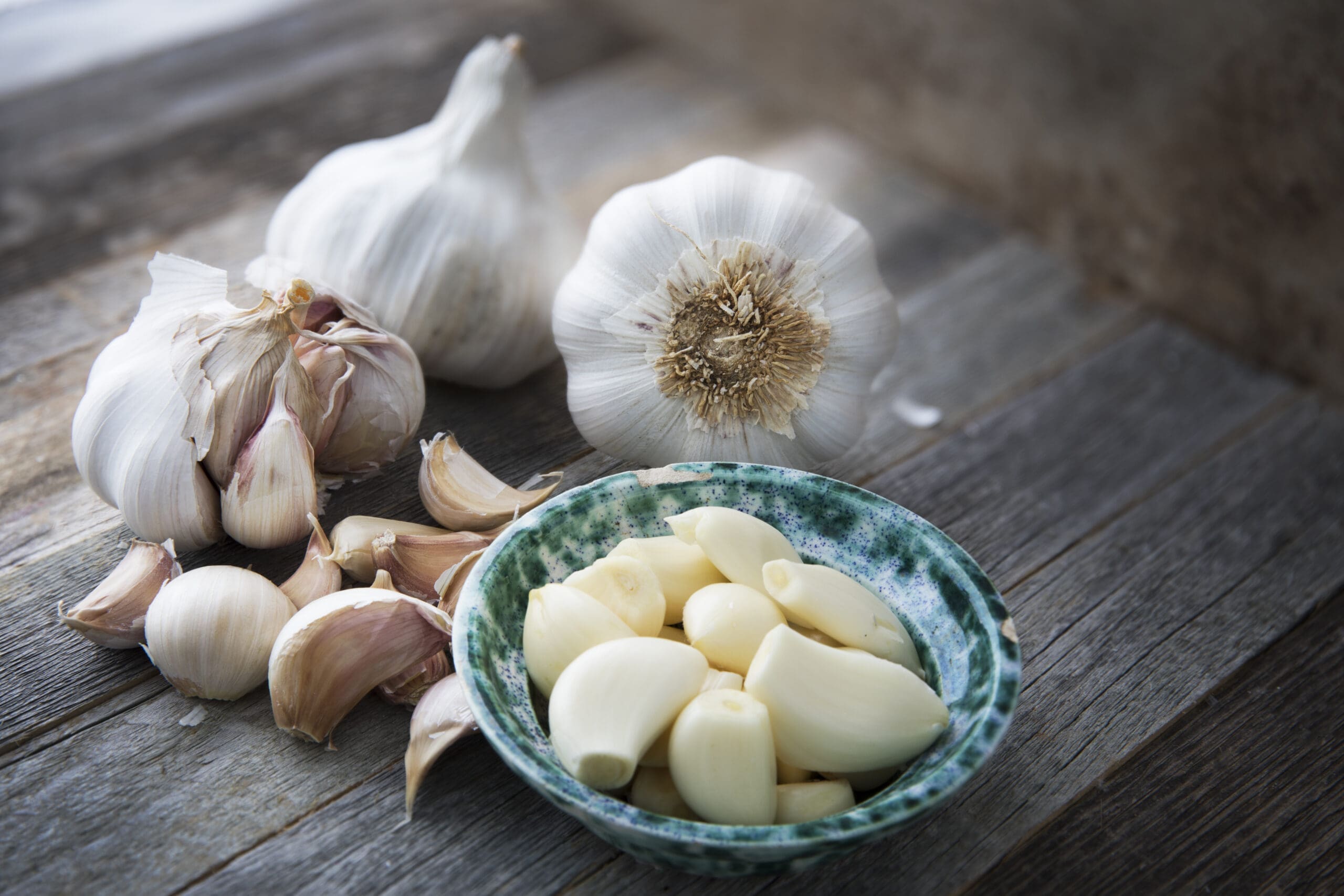
Discover the role of garlic and its anti-inflammatory properties in alleviating musculoskeletal pain and promoting joint health.
Unlocking Relief: Chiropractic Care and Anti-Inflammatory Diets for Musculoskeletal Pain
Introduction: A Natural Approach to Pain-Free Living
Picture a morning where you rise without the familiar ache in your back, the stiffness in your joints, or the tension in your neck that makes every movement a challenge. For millions, musculoskeletal pain—whether from an old injury, daily wear, or chronic conditions—casts a shadow over life’s simple pleasures. But relief doesn’t have to mean surgery or reliance on medications. By combining the gentle power of chiropractic care with an anti-inflammatory diet, you can address pain at its source and pave the way for lasting wellness.
This in-depth guide explores the synergy of chiropractic adjustments and dietary changes, with a special focus on anti-inflammatory foods like garlic. We’ll uncover the root causes of musculoskeletal pain, explain the clinical rationale behind this holistic approach, and provide practical, evidence-based strategies to help you move freely again. Drawing on insights from leading experts, including a seasoned El Paso chiropractor and functional medicine specialist, this article empowers you to take control of your health naturally. As this expert notes, “Our mission is to guide patients toward optimal health through personalized, non-invasive care” (Jimenez, n.d.a).
Let’s dive into how you can break free from pain and embrace vitality.
Musculoskeletal Pain: What It Is and Why It Persists
Musculoskeletal pain affects the body’s structural components—muscles, bones, joints, ligaments, tendons, and nerves. It’s a widespread issue, manifesting as lower back pain, neck stiffness, arthritis, or conditions like fibromyalgia. Unlike fleeting discomfort, this pain can become chronic, disrupting sleep, mood, and daily function. At its heart lies inflammation, the body’s defense mechanism that, when overactive, fuels a cycle of tissue damage and heightened pain signals.
Research underscores the impact of chronic musculoskeletal pain, linking it to reduced quality of life, stress, and even depression (Dragan et al., 2020). A pilot study showed that dietary interventions could ease pain and improve well-being in just months (Sala-Climent et al., 2023). By addressing both physical misalignments and inflammatory triggers, we can interrupt this cycle and restore balance.
The Root Causes: What’s Driving Your Pain?
Musculoskeletal pain rarely has a single cause—it’s often a mix of lifestyle, environmental, and biological factors. Understanding these triggers is the first step toward effective relief:
1. Poor Posture and Sedentary Behavior
Modern life, with its hours spent hunched over desks or screens, strains the spine and weakens supporting muscles. This leads to imbalances, causing pain in the back, neck, or shoulders. Prolonged sitting is a key culprit, disrupting spinal alignment and increasing low back pain risk (Rawson et al., 2018).
2. Injuries and Repetitive Strain
From sports mishaps to repetitive tasks like typing, injuries leave lasting marks. Acute strains or sprains can cause inflammation and scar tissue, while overuse injuries like tendonitis are common in athletes and workers alike (Rawson et al., 2018).
3. Aging and Joint Degeneration
As we age, cartilage wears down, increasing the risk of osteoarthritis. Hormonal changes, particularly in women, can weaken bones, amplifying discomfort. Proactive care, however, can significantly slow these changes.
4. Stress and Emotional Factors
Chronic stress elevates cortisol, an inflammatory hormone that tightens muscles and heightens pain sensitivity. Conditions like fibromyalgia often stem from emotional stressors, amplifying pain signals (Jimenez, n.d.b).
5. Diet and Gut Health
Processed foods high in sugars and unhealthy fats fuel inflammation, while nutrient deficiencies hinder tissue repair. Conversely, antioxidant-rich diets can reduce pain and support healing (Dragan et al., 2020).
6. Environmental and Genetic Influences
Pollution, poor sleep, and genetic predispositions can exacerbate pain. For example, environmental toxins may trigger inflammatory responses in joints, but nutrients like B vitamins can mitigate these effects (Jimenez, n.d.c).
Recognizing these factors empowers you to make informed choices. As a trusted chiropractor emphasizes, “Understanding your health is the foundation of healing” (Jimenez, n.d.d).
Fighting Inflammation Naturally- Video
Chiropractic Care: A Cornerstone of Natural Relief
Chiropractic care offers a non-invasive solution by correcting spinal misalignments (subluxations) that pinch nerves and cause pain. Through precise adjustments, chiropractors restore alignment, reduce inflammation, and improve nerve function, allowing the body to heal itself.
A leading El Paso practitioner explains, “We focus on non-surgical protocols to promote rapid, natural recovery” (Jimenez, n.d.a). With decades of experience, this expert integrates chiropractic care with functional medicine, creating personalized plans that prioritize each patient’s needs.
Complementary Therapies for Enhanced Results
Chiropractic care shines brightest when paired with:
- Targeted Exercises: Core-strengthening routines like Pilates stabilize the spine, reducing pain by 30–50% with regular practice.
- Massage Therapy: Relaxes tight muscles, boosts circulation, and clears inflammatory byproducts, especially effective for fibromyalgia (Jimenez, n.d.b).
- Acupuncture: Stimulates energy points to release endorphins, offering drug-free pain relief (Rawson et al., 2018).
These therapies enhance mobility and resilience, ensuring the body works as a cohesive unit.
Why Chiropractic and Anti-Inflammatory Diets Work Together
The combination of chiropractic care and an anti-inflammatory diet is a powerhouse for pain relief. Here’s the clinical rationale:
Targeting Inflammation
Inflammation drives most musculoskeletal pain, from sprains to arthritis. Chiropractic adjustments reduce mechanical stress that sparks inflammatory responses, while anti-inflammatory foods lower cytokines—molecules that perpetuate inflammation. A Mediterranean-style diet, avoiding inflammatory triggers like processed meats, significantly reduced pain in rheumatic patients (Sala-Climent et al., 2023).
Supporting Immunity and Recovery
The immune system can both heal and harm. Overactive responses prolong inflammation, but chiropractic care optimizes nervous system function, balancing immunity. Anti-inflammatory foods like garlic further regulate immune cells, reducing muscle inflammation without weakening defenses (El Paso Back Clinic, n.d.).
Research-Backed Benefits
Studies confirm that antioxidant-rich diets combat oxidative stress, a major pain driver (Dragan et al., 2020). In athletes, anti-inflammatory nutrients accelerate recovery from muscle soreness, offering similar benefits for chronic pain (Rawson et al., 2018). Together, these approaches prevent long-term issues like joint degeneration, making surgery unnecessary.
Garlic: Your Anti-Inflammatory and Immune-Boosting Ally
Garlic is more than a culinary staple—it’s a potent tool for easing musculoskeletal pain and supporting overall health.
Nutritional Profile
One clove (3 grams) of garlic provides:
- Calories: 4–5 kcal
- Vitamins: Vitamin C (6% DV), B6 (4% DV)
- Minerals: Manganese (2% DV)
- Key Compounds: Allicin, diallyl disulfide, S-allyl cysteine
- Antioxidants: Polyphenols and flavonoids
Fermented black garlic boosts S-allyl cysteine, enhancing its effects (Ahmed et al., 2021).
Pain and Inflammation Relief
Garlic’s allicin blocks inflammatory enzymes, reducing swelling in muscles and nerves—ideal for back pain relief (El Paso Back Clinic, n.d.). Research shows it lowers inflammation markers linked to obesity and joint pain (Quesada et al., 2020; Pérez-Rubio et al., 2022).
Immune System Support
Garlic enhances natural killer cell activity, clearing damaged tissue in inflamed muscles faster. This is vital for conditions like fibromyalgia, where immune overactivity fuels pain. It also reduces neuropathic pain in metabolic disorders (Liu et al., 2007).
Incorporating Garlic
- Raw: Crush and rest for 10 minutes to maximize allicin, then add to salads.
- Cooked: Sauté with vegetables or in soups.
- Supplements: Aged garlic extracts for convenience.
One clove daily can transform your health.
Building an Anti-Inflammatory Diet: A Roadmap to Wellness
An anti-inflammatory diet amplifies chiropractic benefits by creating a healing-friendly environment. Key principles:
- Omega-3s: Fish like salmon or chia seeds to ease joint inflammation.
- Antioxidants: Berries, kale, and turmeric to fight free radicals.
- Limit Triggers: Reduce sugars, refined carbs, and processed foods.
Sample 7-Day Meal Plan
| Day | Breakfast | Lunch | Dinner | Snack |
|---|---|---|---|---|
| Monday | Oatmeal with blueberries | Spinach salad with chickpeas | Salmon with garlic asparagus | Almonds |
| Tuesday | Smoothie with kale, ginger | Turkey wrap with avocado | Garlic chicken stir-fry | Carrot sticks |
| Wednesday | Eggs with spinach | Lentil soup | Cod with roasted veggies | Walnuts |
| Thursday | Chia pudding with fruit | Quinoa salad | Tofu with garlic peppers | Yogurt |
| Friday | Avocado toast with eggs | Tuna salad | Beef stir-fry with zucchini | Berries |
| Saturday | Pancakes with berries | Veggie burger | Shrimp with garlic quinoa | Nuts |
| Sunday | Fruit salad with nuts | Bean soup | Garlic-roasted vegetables | Celery with hummus |
Hydration and Boosters
Stay hydrated with 8–10 glasses of water daily to reduce inflammation. Add turmeric or ginger for extra benefits (Dragan et al., 2020).
Nonsurgical Healing: A Comprehensive Approach
Beyond chiropractic, integrative therapies include:
- Massage: Improves circulation and reduces tension.
- Acupuncture: Modulates pain signals for lasting relief.
- Functional Exercises: Yoga or core workouts to prevent reinjury.
Clear communication with providers ensures personalized care. “We assess every patient’s unique needs to craft effective plans,” says a leading practitioner (Jimenez, n.d.a).
Real Stories, Real Results
Consider Maria, a 48-year-old with chronic back pain. After three months of chiropractic care, garlic-rich meals, and massage, her pain dropped from 8/10 to 2/10. Or Tom, an athlete with a shoulder strain, who resumed training after undergoing acupuncture and making dietary tweaks. These align with research showing integrative care’s effectiveness (Dragan et al., 2020).
Preventing Pain: A Long-Term Plan
Sustain relief with:
- Regular chiropractic checkups
- 80% adherence to anti-inflammatory eating
- Stress management via mindfulness
- 7–9 hours of sleep to curb inflammation
Functional medicine resources, like expert-led podcasts, offer ongoing support (Jimenez, n.d.d).
Conclusion: Your Path to a Pain-Free Life
Musculoskeletal pain doesn’t have to define you. Chiropractic care, paired with an anti-inflammatory diet featuring garlic, harnesses your body’s healing potential. Supported by massage, acupuncture, and exercise, and guided by clear communication, this approach ensures lasting wellness.
As an expert advises, “Health begins with understanding” (Jimenez, n.d.d). Start with a chiropractic consultation, add garlic to your meals, and step toward a vibrant, pain-free future.
References
- Ahmed, T., Uddin, M. J., Kumar, A., & Mostafa, A. (2021). Black garlic and its bioactive compounds on human health diseases: A review. Journal of Functional Foods, 85, Article 104617. https://doi.org/10.1016/j.jff.2021.104617
- Dragan, S., Androne, A. S., Albu, S., & P?tru?, G. (2020). Dietary patterns and interventions to alleviate chronic pain. Nutrients, 12(8), Article 2516. https://doi.org/10.3390/nu12082516
- El Paso Back Clinic. (n.d.). Garlic for back pain: Does it work? http://elpasobackclinic.com/garlic-for-back-pain-does-it-work/
- Imaizumi, V. M., Wilbers, E. D., & de Oliveira, E. P. (2022). Garlic: A systematic review of the effects on cardiovascular diseases. Revista Latino-Americana de Enfermagem, 30, Article e35193446. https://doi.org/10.1590/1518-8345.5934.3519
- Jimenez, A. (n.d.a). Injury specialists. https://dralexjimenez.com/
- Jimenez, A. (n.d.b). The effects of fibromyalgia on the body. https://dralexjimenez.com/the-effects-of-fibromyalgia-on-the-body/
- Jimenez, A. (n.d.c). B vitamins reduce damage caused by pollution. https://dralexjimenez.com/b-vitamins-reduce-damage-caused-by-pollution/
- Jimenez, A. (n.d.d.). Dr. Alexander Jimenez, DC, APRN, FNP-BC, IFMCP, CFMP, ATN ? – Injury Medical Clinic PA | LinkedIn. https://www.linkedin.com/in/dralexjimenez/
- Liu, C.-T., Hseih, P.-S., & Hsiung, I.-P. (2007). Does garlic have a role as an antidiabetic agent? Molecular Nutrition & Food Research, 51(11), 1353–1361. https://doi.org/10.1002/mnfr.200700082
- Pérez-Rubio, K. G., Mejía-Benavides, J. A., & González-Martínez, M. del C. (2022). The Role of Garlic in Metabolic Diseases: A Review. Food Science & Nutrition, 10(7), 2181–2193. https://doi.org/10.1002/fsn3.2875
- Quesada, I., Villalba, A., & Beltrán, G. (2020). Effect of garlic’s active constituents in inflammation, obesity, and cardiovascular disease. Molecules, 25(1), Article 104. https://doi.org/10.3390/molecules25010104
- Rawson, E. S., Miles, M. P., & Larson-Meyer, D. E. (2018). Dietary supplements for health, adaptation, and recovery in athletes. International Journal of Sport Nutrition and Exercise Metabolism, 28(2), 188–199. https://doi.org/10.1123/ijsnem.2017-0273
- Sala-Climent, M., Sanchis-Sanchis, E., & Catalán, V. J. (2023). The effect of an anti-inflammatory diet on chronic pain: A pilot study. Pain Management Nursing, 24(5), 523–531. https://doi.org/10.1016/j.pmn.2023.05.003
- Tattelman, E. (2005). Health effects of garlic. American Family Physician, 72(2), 103–106. https://pubmed.ncbi.nlm.nih.gov/16035690/

Comments are closed.