
PRP Therapy: A Comprehensive Guide in Sports Medicine
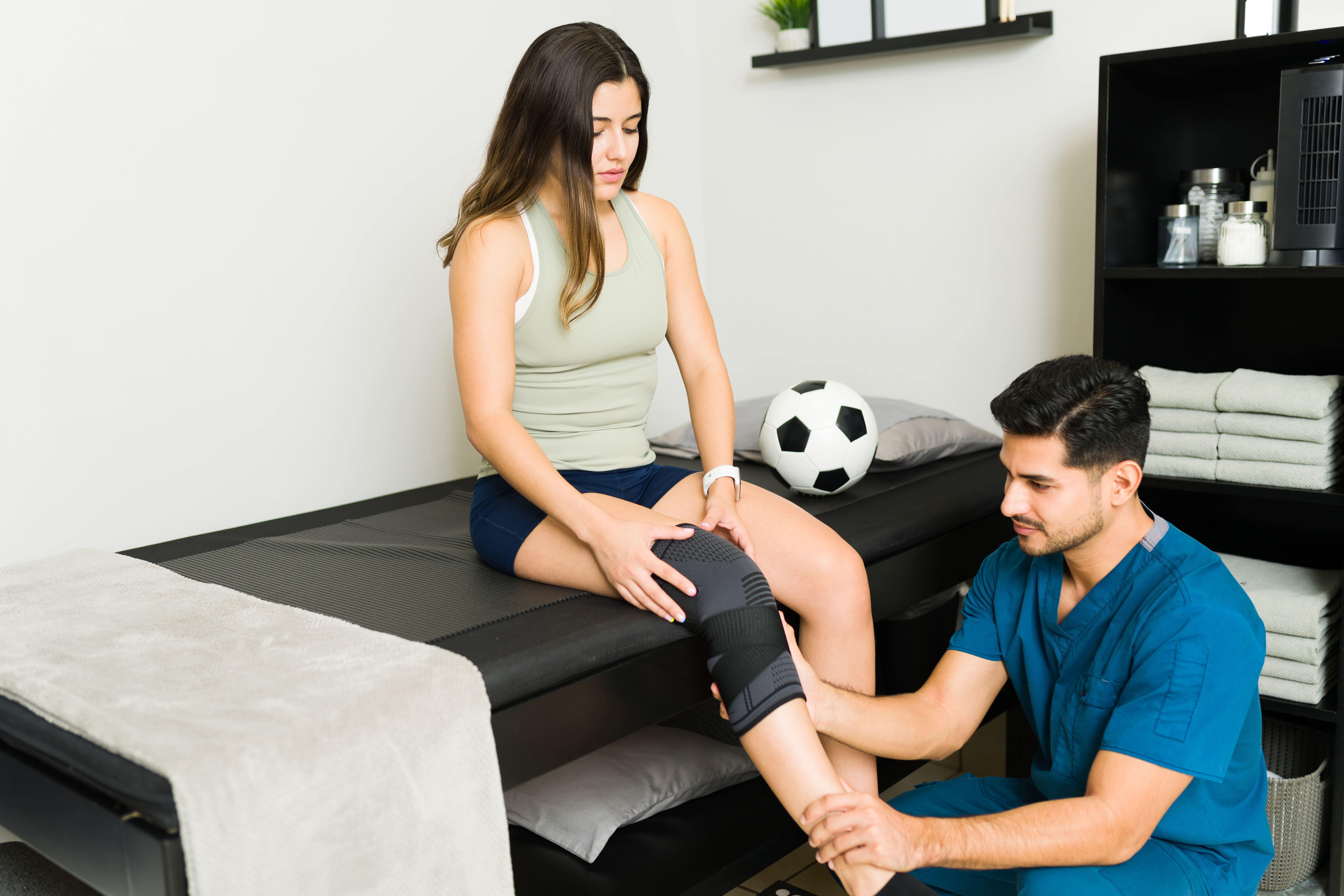
Learn how PRP therapy in sports medicine works to rejuvenate tissues and promote healing in sports injuries.
Abstract
In this educational overview, I explore a cutting-edge advancement in regenerative medicine: the combination of Platelet-Rich Plasma (PRP) with Protein Concentrate (PC). Drawing on my clinical experience and a review of the latest research, I will explain what protein concentrate is and detail its potent anti-inflammatory and tissue-stimulating components, including Alpha-2-Macroglobulin (A2M) and Interleukin-1 Receptor Antagonist (IL-1Ra). This post will take you on a journey through the science, explaining the physiological mechanisms that make this combination therapy a superior choice for a wide range of musculoskeletal conditions. We will discuss its application in sports medicine, its role in treating osteoarthritis, and how it provides longer-lasting relief than PRP alone. I will also delve into the practical aspects of integrating this therapy into a clinical practice, covering patient selection, treatment protocols for different joints, and the critical importance of data collection to validate outcomes. Finally, I will highlight how this evidence-informed approach, which includes integrative chiropractic care, elevates patient care, justifies premium service offerings, and sets a new standard for achieving optimal, long-term results.
As a practitioner at the forefront of functional and regenerative medicine, I am constantly seeking the most effective, evidence-based therapies to help my patients achieve not just relief but true healing and long-term wellness. In our clinic, we see everyone from professional athletes to weekend warriors and individuals simply wanting to walk their dog without pain. The common thread is the desire for better, more durable outcomes. Today, I want to share insights into a powerful combination therapy that is setting a new standard in musculoskeletal care: PRP enhanced with Protein Concentrate.
Understanding Protein Concentrate: The Power of Your Own Plasma
Many of you may be familiar with Platelet-Rich Plasma (PRP), a therapy where we concentrate platelets from your own blood to harness their healing growth factors. But what happens to the remaining liquid, the platelet-poor plasma (PPP)? Traditionally, it was often discarded. However, we now understand that this fluid is a rich reservoir of beneficial proteins.
Protein Concentrate (PC) is produced by processing platelet-poor plasma through a specialized filtration system. This process isolates and concentrates specific proteins, turning what was once a byproduct into a potent therapeutic agent.
Key Components and Their Mechanisms
So, what makes this protein concentrate so valuable? It’s all about the specific molecules we can harness:
- Alpha-2-Macroglobulin (A2M): This is a very large protein, around 720 kilodaltons, that acts as a powerful protector within our joints. When injected into a joint space, A2M functions as a “trap”. It irreversibly binds to and neutralizes destructive enzymes called proteases, as well as other catabolic (breakdown) molecules that degrade cartilage and fuel inflammation. By locking down these harmful enzymes, A2M provides a potent anti-catabolic effect, essentially halting the degenerative process at a molecular level.
- Interleukin-1 Receptor Antagonist (IL-1Ra): Interleukin-1 (IL-1) is a major pro-inflammatory cytokine. It’s a key driver of the pain, swelling, and cartilage destruction seen in conditions like osteoarthritis. IL-1Ra is the body’s natural “off-switch” for this inflammation. By concentrating IL-1Ra and injecting it into the joint, we can effectively block the IL-1 receptors on cells. When IL-1 can’t bind to its receptor, it cannot trigger the inflammatory cascade. This leads to rapid and significant symptom relief for the patient.
- Additional Growth Factors: PC also contains other crucial proteins that support tissue regeneration:
-
- Vascular Endothelial Growth Factor (VEGF): Promotes the formation of new blood vessels, which is essential for delivering oxygen and nutrients to healing tissues.
- Epidermal Growth Factor (EGF): Stimulates the body’s own adult mesenchymal stem cells, encouraging them to participate in the repair process.
- Platelet-Derived Growth Factor (PDGF-BB): Another potent stimulator of mesenchymal stem cells, further amplifying the body’s regenerative capacity.
By combining the anabolic (building) power of PRP’s growth factors with the anti-catabolic (protective) power of PC’s proteins, we create a synergistic therapy that addresses both sides of the healing equation.
A Differentiator in a Crowded Market: The Value of a Superior Outcome
In today’s healthcare landscape, PRP has become widely available. However, not all treatments are created equal. Offering a combination of PRP plus Protein Concentrate is a significant clinical differentiator. It’s not just about offering another service; it’s about providing a more comprehensive, effective, and evidence-informed solution.
This approach allows us to move beyond a simple “good” option (PRP alone) to a “best” option. Patients who are investing their hard-earned money in their health are not looking for the cheapest fix; they are looking for the most effective and durable solution. When we can demonstrate that a premium therapy provides faster relief, greater functional improvement, and longer-lasting results, we build trust and deliver superior value.
The Economic and Clinical Case
Let’s consider the economics. While these are illustrative figures, they make a clear point:
- PRP Injection: A standard fee might be around $1,500, with a cost of goods of approximately $250, yielding a margin of $1,250.
- PRP + PC Injection: We can add a premium to this service, perhaps charging $2,500. The additional cost for the protein concentrate filter is relatively low, around $150. This brings the total margin to approximately $2,100.
The incremental margin is significant, but more importantly, it is justified by a superior clinical outcome. We are stacking the deck in the patient’s favor. When we combine this advanced biologic therapy with a comprehensive rehabilitative program—including integrative chiropractic care, laser therapy, or shockwave therapy—we create a system designed for the best outcomes. This holistic approach is what truly distinguishes an exceptional practice.
The Evidence: Long-Term Durability and Efficacy
The clinical evidence supporting the use of protein concentrate is compelling. One of the most significant studies in this area comes from Dr. Mikel Sánchez and his colleagues, who investigated the effects of a “plasma rich in growth factors” preparation (conceptually similar to our PRP + PC approach) on patients with knee osteoarthritis (Sánchez et al., 2012).
In a landmark paper, they treated 82 knees with moderate-to-severe osteoarthritis (Grades 2, 3, and 4). These were not cherry-picked, easy cases. The results were remarkable:
- Patients showed statistically significant improvements in pain and function at three months.
- Crucially, these positive results were sustained for up to five years and, in some cases, even longer.
This is a game-changer. We know that PRP alone typically provides symptom management for about 12 to 18 months. The addition of the anti-catabolic protein concentrate appears to dramatically extend treatment durability, offering a value proposition that patients are actively seeking. Even patients with Grade 4 (bone-on-bone) osteoarthritis, who are often told surgery is their only option, saw benefits. This demonstrates the powerful symptom-modulating effect of this therapy.
While not every study has replicated these exact findings, the weight of the evidence and the strong biological rationale support this combined approach. It is our responsibility as clinicians to have a balanced discussion with our patients, presenting both the supporting and conflicting data. This transparency builds credibility and enhances the therapeutic alliance.
Clinical Application and Treatment Protocols
Proper patient selection and a well-designed protocol are essential for success. Here’s how I approach it in my practice.
Patient Selection and Preparation
The ideal candidates are often those with Grade 2 or 3 knee osteoarthritis. For these patients, I recommend a combination of PRP and PC delivered on the same day. Before the injection, it is absolutely critical to aspirate any joint effusion. Injecting into a joint filled with inflammatory “sludge” will only dilute the therapeutic effect and hinder the outcome. We need to create the cleanest possible environment for the biologics to work.
Understanding Joint Volume
It’s also important to be mindful of joint volume. Patients often worry about the amount of fluid being injected.
- Knees: The knee is a large-volume joint. Research has shown its capacity can be surprisingly large. Injecting a total of 10cc is perfectly safe and often necessary for adequate distribution.
- Shoulders: Also a relatively large-volume joint that can accommodate a good amount of fluid.
- Hips, Ankles, Wrists: These are low-volume joints. We must be more precise with our injection volume to avoid causing excessive pressure and discomfort.
Tailoring the Ratio for Different Conditions
- Knees and Shoulders (Osteoarthritis): I typically use a 1-to-1 ratio of PRP to PC by volume. This provides a balanced anabolic and anti-catabolic effect.
- Hips (Osteoarthritis): Because the hip is a low-volume joint, I adjust the ratio to 75% PRP and 25% PC. This prioritizes regenerative growth factors while still providing the crucial anti-inflammatory benefits of A2M and IL-1Ra.
- Chronic Tendinopathy (e.g., Tennis Elbow, Achilles Tendinopathy): For these conditions, the strategy is slightly different. I perform an intratendinous injection of PRP (placing the growth factors directly into the damaged tendon) combined with a peritendinous injection of PC (bathing the surrounding area with the anti-inflammatory proteins). This helps control the painful inflammatory response that can occur after needling a tendon.
- Adhesive Capsulitis (Frozen Shoulder): This is a fantastic application. The protocol involves a hydrodilation of the joint capsule with a saline/anesthetic mixture to mechanically stretch the tightened tissues, followed by an injection of protein concentrate into the joint space. The PC works to block inflammatory cytokines that drive fibrosis, providing rapid pain relief and improved range of motion. Of course, this must be followed by physical therapy and chiropractic adjustments to restore full function.
Sports Injury Rehabilitation- Video
The Essential Role of Integrative Chiropractic Care and Rehabilitation
I cannot overstate this: the injection is only one part of the healing process. Sending a patient on their way after an injection without a structured rehabilitation plan is a disservice.
In my practice, integrative chiropractic care is a cornerstone of our protocols. Following a regenerative injection, it’s crucial to ensure that the treated joint and the entire kinetic chain function with proper biomechanics. Chiropractic adjustments can:
- Restore proper joint alignment and mobility.
- Reduce compensatory stress on other parts of the body.
- Improve neuromuscular function and control.
This ensures that as the tissues heal, they do so in a mechanically sound environment, preventing re-injury and promoting optimal long-term function. A comprehensive rehabilitation program, including targeted exercises and modalities like laser or shockwave therapy, is non-negotiable for achieving the best possible outcome.
The Power of Data: Proving Your Outcomes
If you don’t collect data on your patients, you are simply guessing. How do you know how effective your treatments are? How can you confidently tell a new patient what to expect?
In our clinic, we are meticulous about data collection. We track patient-reported outcome measures before treatment and at regular follow-up intervals. This allows us to see clear, objective evidence of our success. For example, our data show that patients receiving PRP + PC for knee osteoarthritis experience, on average, a greater and more rapid reduction in pain and improvement in function than our PRP-only cohort.
Having your own registry of clinical results is incredibly powerful. During a patient consultation, I can pull up our anonymized data and say, “For patients like you with this condition, we typically see an improvement of X points on this functional scale within this timeframe.” This is no longer theoretical; it’s based on real-world results from my own practice. It provides patients with realistic expectations and builds immense confidence in the treatment plan.
Conclusion: Elevating the Standard of Care
The future of regenerative medicine lies in structured, evidence-informed, and synergistic protocols. Offering a commodity, “drive-through” PRP injection isn’t enough anymore.
By pairing the anabolic growth factors of PRP with the anti-catabolic, inflammation-modulating proteins in PC, we create a therapy that is greater than the sum of its parts. This approach provides faster symptom relief and the potential for significantly improved long-term durability.
When you deliver this advanced biologic therapy as part of a comprehensive system—one that includes expert diagnosis, precise application, integrative chiropractic care, and diligent data collection—you are not just offering a procedure. You are delivering a premium, value-based healthcare experience. You are building a reputation for excellence, differentiating your practice, and, most importantly, achieving the best possible outcomes for your patients.
References
Sánchez, M., Guadilla, J., Fiz, N., & Andia, I. (2012). Ultrasound-guided plasma rich in growth factors injections for the treatment of osteoarthritis of the hip. Rheumatology, 51(1), 144–150. https://doi.org/10.1093/rheumatology/ker303
SEO Tags: Protein Concentrate, PRP, Platelet-Rich Plasma, Alpha-2-Macroglobulin, A2M, IL-1Ra, Regenerative Medicine, Osteoarthritis, Knee Pain, Sports Medicine, Chiropractic Care, Dr. Alex Jimenez, Functional Medicine, Tendinopathy, Adhesive Capsulitis, Anti-inflammatory, Evidence-Based Medicine
Comments are closed.