

Biologic Options for Hip Osteoarthritis Insights

Integrative Chiropractic Care and Biologic Options for Hip Osteoarthritis: An Educational Overview by Dr. Alexander Jimenez, DC, APRN, FNP-BC, CFMP, IFMCP, ATN, CCST
Abstract
Hip osteoarthritis is a growing global health burden that impacts pain, mobility, cardiometabolic risk, and overall longevity. This post offers an evidence-based overview of hip osteoarthritis, covering anatomy, clinical patterns, and integrative care, including treatment rationales and guidance on when to consider biologic interventions such as corticosteroid injections and PRP. I highlight how integrative chiropractic care, targeted physical therapy, and neuromuscular rehabilitation form the foundation of long-term success. Drawing on leading research findings, pragmatic clinical protocols, and observations from my practice and collaborative work with athletes and active adults, I outline practical strategies to optimize outcomes. You will learn where pain originates, how to examine and localize hip pathology, why biomechanics and neuromotor control drive lasting improvement, and when to select biologics to reduce pain and support tissue-level recovery. Finally, I review key evidence, safety considerations, and decision-making frameworks to personalize care plans and improve quality of life.
Hip Osteoarthritis: Epidemiology, Impact, and Why It Matters
Hip osteoarthritis (hip OA) is not simply a “wear-and-tear” diagnosis; it represents a progressive structural and inflammatory joint condition whose burden has escalated worldwide. Between 1990 and 2019, global data demonstrate a significant rise in hip OA incidence and disability, with high-income regions such as North America showing particularly high rates. This increase aligns with multiple drivers: population aging, sedentary behaviors, metabolic dysregulation, sport specialization and load patterns, and improved case ascertainment from imaging and clinical reporting (GBD 2019 datasets).
Key points:
- Hip OA incidence rose from approximately 740,000 to 1.6 million cases worldwide between 1990 and 2019, with an increase in incidence per 100,000 population.
- High-income countries exhibit higher rates, likely reflecting complex interactions between lifestyle, occupational demands, sports participation, access to diagnostics, and survivorship effects.
- The disability-adjusted life years (DALYs) attributable to hip OA have steadily increased, underscoring its direct impact on daily function and societal productivity.
- Symptomatic hip and knee osteoarthritis have been associated with reduced physical activity, contributing to elevated age-adjusted mortality, including increased all-cause and cardiovascular disease mortality risk in long-term follow-ups (e.g., 14% higher all-cause and 24% higher cardiovascular mortality reported in cohort analyses) (Veronese et al., 2016).
Why this matters clinically:
- Reduced mobility impairs muscle metabolism, endothelial function, autonomic balance, and glycemic control, compounding cardiometabolic risk.
- Pain-driven activity avoidance diminishes proprioceptive input, upregulates central sensitization, and accelerates sarcopenia, amplifying load on articular cartilage and subchondral bone.
- The hip’s role as a proximal power generator in gait means dysfunction rapidly propagates to the lumbar spine, SI joints, knees, and ankles, creating multi-region pain syndromes if not addressed comprehensively.
Hip Joint Anatomy and Pain Mapping: A Practical Framework
To treat hip OA decisively, we must understand the local anatomy and biomechanical interplay.
Core bony structures:
- Acetabulum: Concave socket with labral rim; accepts the femoral head.
- Femoral head-neck junction: Common site for cam lesions and osteophytes in femoroacetabular impingement (FAI), which can coexist with OA.
- Pelvis and sacroiliac (SI) joint: Load transfer structures that modulate torsion and shear across the hip complex.
- Greater trochanter: Insertion point for the gluteus medius/minimus; a frequent site for tendinopathy and bursitis, often mimicking lateral hip OA pain.
Soft-tissue and neurovascular considerations:
- Labrum: Fibrocartilaginous ring enhancing stability and suction seal; degenerative labral tears are common in OA and FAI.
- Capsule: Rich in mechanoreceptors; capsular tightness elevates intra-articular pressure and pain sensitivity.
- Gluteal complex: Primary frontal-plane stabilizers; deficits increase valgus collapse and medial knee loading.
- Hamstrings, piriformis, iliopsoas, TFL: Contributors to anterior and posterior pain syndromes when imbalanced.
Pain distribution patterns:
- Anterior/groin pain: Often intra-articular; patients may describe a C-shaped distribution, gripping the anterior hip and extending into the inner thigh.
- Lateral hip pain: More commonly trochanteric tendinopathy or bursitis, but hip OA can coexist.
- Posterior/buttock pain: Typically SI joint, piriformis, or proximal hamstring; however, about 10% of hip joint pathologies can present posteriorly. If posterior symptoms persist despite focused care, re-evaluate the hip joint thoroughly.
Physiologic underpinnings:
- Anterior labral degeneration and capsular distension activate nociceptors (Type IV afferents), producing deep groin pain.
- Osteophytes at the femoral head-neck junction alter moment arms and leverage, generating impingement and microtrauma during flexion and rotation.
- Synovial inflammation increases cytokine levels (e.g., IL-1?, TNF-?), thereby accelerating matrix metalloproteinase activity and cartilage breakdown.
- Subchondral bone remodeling and marrow lesions increase pain via intraosseous pressure changes and neural ingrowth.
Clinical Examination: Precision Beyond Palpation
A careful examination localizes pathology and clarifies contributors.
Key tests and ranges:
- Range of motion: Internal rotation ? 30° is typical; loss of internal rotation with pain suggests intra-articular pathology.
- Log roll test: Gentle rotation with the leg relaxed; high specificity for intra-articular abnormalities when pain or crepitus is elicited.
- Straight leg raise: Can provoke anterior hip pain; differentiate from neurodynamic tension signs.
- FABER (flexion, abduction, external rotation): Reproduces anterior hip or SI joint pain; ask patients to localize the pain precisely (groin vs. posterior pelvis).
- FADIR (flexion, adduction, internal rotation): Highly sensitive for FAI and intra-articular pathology; positive test with groin pain alerts us to labral/capsular involvement.
- Gait analysis: Observe Trendelenburg sign, stride length, pelvis rotation, foot progression angle; deviations reflect gluteal weakness and compensatory mechanics.
Narrative clinical reasoning:
- Anterior hip pain with limited internal rotation and a positive FADIR test strongly suggests intra-articular involvement.
- FABER-provoked posterior pain points toward SI pathology; however, if FADIR is also positive, dual pathology is likely.
- Persistent posterior symptoms unresponsive to SI protocols should prompt imaging of the hip to rule out subtle osteophytes, cam/pincer lesions, or marrow edema.
Foundational Care: Why Physical Therapy and Integrative Chiropractic Matter Most
When managing hip OA, the heart of durable improvement is neuromuscular restoration. Pain reduction without mechanical correction is a short-lived strategy. Integrative chiropractic care uniquely complements physical therapy by optimizing central and peripheral biomechanics and reinforcing proprioceptive pathways.
What we target and why:
- Gluteus medius/minimus strengthening: Restores frontal-plane pelvic control, reducing medial knee stress and hip joint shear. Strong abductors correct pelvic drop, decreasing labral load and capsular strain.
- Deep external rotator activation (piriformis, quadratus femoris, obturator group): Stabilizes the femoral head in the acetabulum during rotational arcs, minimizing impingement risk.
- Core and lumbopelvic stabilization: Enhances intra-abdominal pressure, offloads the spine and SI joints, and improves energy transfer through the kinetic chain.
- Posterior chain reconditioning (gluteus maximus and hamstrings): Restores hip extension power, essential for normal gait and reduced anterior hip compression.
- Hip capsule mobility: Graded joint mobilizations and soft-tissue techniques reduce capsular tightness, normalizing synovial fluid distribution and pain thresholds.
- Neuromotor retraining: Closed-chain drills (step-downs, lateral walks, controlled rotations) re-establish sensorimotor integration and prevent relapse.
How integrative chiropractic fits:
- High-velocity, low-amplitude (HVLA) adjustments for SI and lumbar segments: Improve segmental mobility, reduce nociceptive drive, and recalibrate motor patterns.
- Instrument-assisted soft tissue mobilization (IASTM) and myofascial release: Address adhesions in TFL, iliopsoas, and adductors that constrain hip motion and contribute to anterior pain.
- Directional preference and McKenzie-inspired progressions: For patients with concomitant lumbar disc pathology, these reduce radicular contribution to hip-region pain, clarifying diagnostic signals.
- Functional movement screens: Identify faulty valgus collapse, pelvic tilt, and foot mechanics; tailored corrections reduce cumulative hip load.
In my clinical observations, patients who receive integrated chiropractic co-management alongside targeted physical therapy demonstrate faster pain resolution, improved gait quality, and more durable functional independence, particularly when anterior pain arises from combined labral/capsular changes and lateral gluteal insufficiency. I regularly share case updates and outcome insights across my platforms, including evidence-informed posts on Personal Injury Doctor Group and LinkedIn, reflecting the practical impact of combining manual therapy, motor control drills, and structured loading progressions (Jimenez, 2024a; Jimenez, 2024b).
Injection Therapies: Evidence, Mechanisms, and Practical Use
Corticosteroid injections and PRP are frequently considered for hip joint pain. Choosing between them requires understanding their mechanisms, time courses, and clinical goals.
Corticosteroid injections:
- Evidence summary: Systematic reviews of randomized trials indicate corticosteroids are superior to saline/placebo for pain relief at about 3 months, with benefits typically diminishing by 6 months (Bannuru et al., 2015; McCabe et al., 2022).
- Mechanism: Corticosteroids downregulate NF-?B signaling, suppress IL-1? and TNF-?, and reduce synovitis, thereby decreasing nociceptor activation and capsular pressure.
- Why we use them:
- Short-term relief to enable rehabilitation when pain obstructs participation.
- Diagnostic utility: an intra-articular injection that temporarily abolishes pain supports an intra-articular source, refining surgical vs conservative decisions.
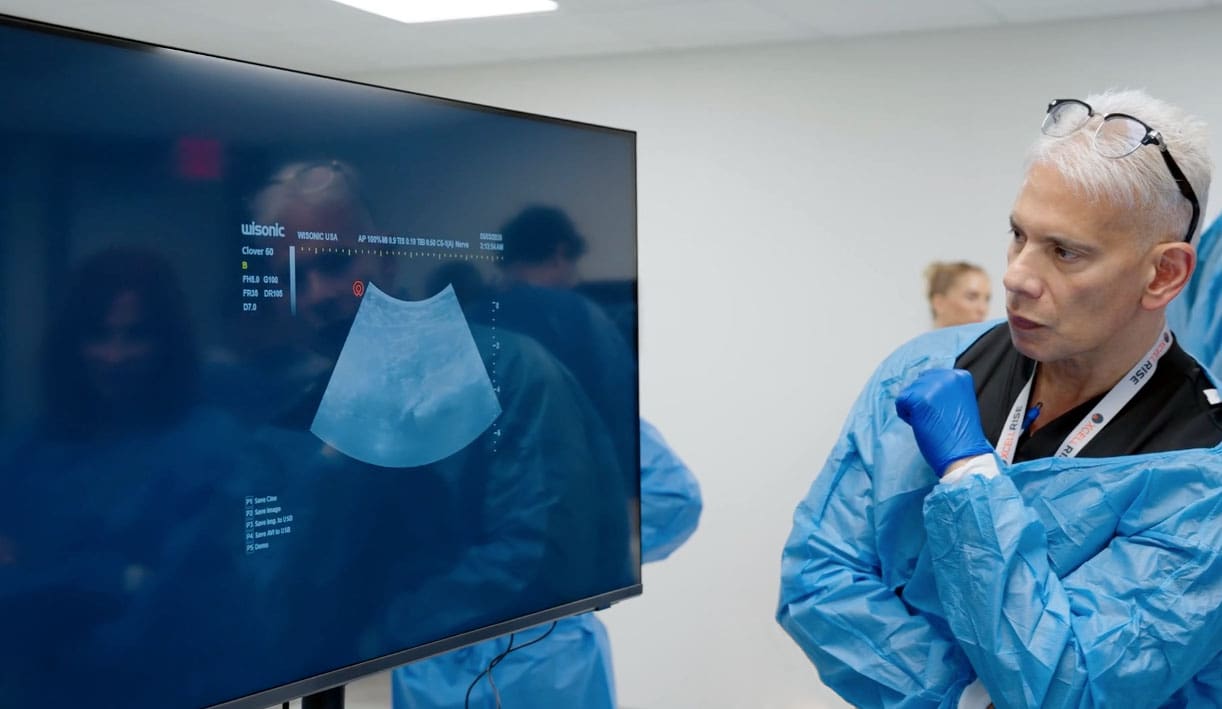
- Technique considerations: Ultrasound or fluoroscopic guidance improves accuracy and reduces complications. Volume is typically modest to avoid distension pain and systemic spillover.
Platelet-rich plasma (PRP):
- Evidence summary: Multiple randomized trials and meta-analyses suggest PRP reduces pain across several time points, with low-to-moderate quality evidence; PRP tends to show greater pain reduction at 6 months compared with corticosteroids (Khoshbin et al., 2013; Laudy et al., 2015; Doria et al., 2017; Filardo et al., 2018).
- Protocol variability: Studies differ in platelet concentration, leukocyte content (LP-PRP vs. LR-PRP), injection frequency, and volume. Some analyses report that single-injection PRP outperforms series, and that lower volumes outperform higher volumes.
- Mechanism: PRP delivers growth factors (PDGF, TGF-?, VEGF, IGF-1) and bioactive peptides that modulate inflammation, support anabolic signaling in chondrocytes, and potentially reduce the activity of catabolic enzymes (MMPs). Leukocyte-poor PRP may limit excessive inflammatory flare.
- Why we use it:
- Intermediate-term pain reduction to facilitate sustained rehab.
- Potential support for cartilage matrix homeostasis and subchondral bone microenvironment.
- Practical tip: Favor lower-volume injections to minimize distension pain; many clinicians find 3–6 mL comfortable. Consolidation of plasma concentrates can tailor growth factor delivery without over-distending the joint.
Comparative insights:
- Corticosteroids: Faster onset, shorter duration; best for acute pain barriers, diagnostic clarity, and patients needing immediate functional relief.
- PRP: Slower onset, longer duration; aligns with a regenerative and rehabilitation-centric plan, with improvements often evident by 6–8 weeks and consolidating at 6 months.
Case Narrative: Athletic Hip Pain Unmasked
In high-performance settings, back pain and hip pain often intersect. I have managed a 22-year-old collegiate linebacker whose persistent “low back pain” led to multiple epidurals, facet blocks, and sciatic injections. Despite advanced imaging confirming an L5–S1 disc herniation, his examination revealed:
- Hip internal rotation limited to approximately 15°.
- Positive FABER, reproducing pain near the anterior hip/groin.
- Normal spine examination aside from previously documented disc changes.
Targeted hip imaging (AP and frog-leg views) identified femoral head-neck contour irregularities consistent with cam-type changes. The diagnostic intra-articular hip injection abolished his pain entirely, indicating that the hip—not the spine—was the pain generator. We initiated:
- Focused physical therapy: Gluteal strengthening, rotational control, hip capsule mobility.
- Integrative chiropractic care: SI/lumbar adjustments, soft-tissue release for iliopsoas/adductors, gait retraining.
- A planned PRP injection in the off-season.
Outcome: He completed three subsequent seasons without time lost for hip or lumbar issues. The lesson: when posterior or lateral pain persists despite SI or hamstring-focused plans, consider the hip joint as the hidden driver. Correct diagnosis plus integrated care transforms trajectories.
Physiologic Rationale: Why Techniques Work
To help you understand the “why,” here’s the mechanistic bridge between intervention and outcome:
- HVLA adjustments to the lumbar/SI regions reduce segmental hypomobility and nociceptive input, shifting central pain processing and normalizing motor unit recruitment in the gluteal chains. Improved lumbar-pelvic rhythm offloads anterior hip compressive forces.
- Gluteal strengthening restores frontal-plane control, preventing pelvic drop and reducing tensile stress on the labrum and capsule. Mechanically, better abductor torque reduces varus/valgus oscillations that would otherwise amplify joint microtrauma.
- Capsular mobilization and manual therapy increase capsular compliance, lowering intra-articular pressure. This improves synovial fluid convection, cartilage nutrition, and reduces mechanoreceptor hyperexcitability.
- PRP provides a transient, localized milieu of growth factors that promote matrix synthesis, temper catabolic signaling, and potentially stabilize the subchondral environment, thereby helping mechanical training “stick.”
- Corticosteroids tamp down synovitis, providing a “window” to engage in movement retraining without battling acute inflammatory spikes.
- Neuromotor training builds durable movement maps in the CNS that keep the femoral head centered in the acetabulum under load, protecting against impingement arcs during daily activities and sport.
Building a Personalized Care Plan: Stepwise Strategy
I organize hip OA treatment around stages, integrating chiropractic care and medical options for maximum effect.
Stage 1: Clarify diagnosis
- History and pain mapping (C-shaped anterior distribution suggests intra-articular).
- Examination with FADIR, FABER, log roll, ROM profiling.
- Imaging when indicated (X-ray for joint space and osteophytes; MRI for labrum, marrow lesions).
- If posterior pain persists despite SI-focused care, re-image the hip.
Stage 2: Reduce pain enough to train
- Consider a short-term corticosteroid injection if pain is a barrier to movement retraining or if diagnostic clarity is needed.
- Begin manual therapy (capsular mobilization and soft-tissue work) and integrative chiropractic (lumbar/SI adjustments) to normalize mechanics.
Stage 3: Rebuild mechanics and control
- Progressive gluteal and deep rotator strengthening.
- Core stabilization emphasizing breathing mechanics and intra-abdominal pressure.
- Closed-chain drills for sensorimotor integration (step-downs, lateral band walks, controlled pivots).
- Gait retraining and footwear/orthotic assessment when necessary.
Stage 4: Regenerate and stabilize
- For persistent intra-articular pain or biomechanical vulnerability: PRP with guided injection, favoring lower volumes.
- Continue neuromuscular progression and load management (e.g., tempo work, eccentric control, sport-specific drills).
Stage 5: Sustain and prevent
- Lifestyle interventions: weight management, anti-inflammatory nutrition patterns, sleep optimization.
- Periodic chiropractic tune-ups to maintain segmental mobility and proprioception.
- Reassessment of movement quality and workload caps in occupational or athletic contexts.
Safety, Dosing, and Practical Considerations for Biologics
- Corticosteroids: Limit frequency to reduce the risk of cartilage toxicity; weigh benefits against potential systemic effects (transient hyperglycemia, local flare).
- PRP: Favor leukocyte-poor preparations for intra-articular use to minimize inflammatory flare; target 3–6 mL based on joint tolerance. Single injections often suffice; repeat only if functional goals are unmet after a full rehab cycle.
- Guidance: Ultrasound or fluoroscopy ensures accurate intra-articular placement.
- Post-injection protocols:
- Corticosteroid: Gradually ramp activity within pain tolerance; avoid heavy loading for several days.
- PRP: Expect delayed onset of benefit; prioritize controlled motion, avoid NSAIDs around the procedure to preserve platelet signaling.
Integrative Chiropractic Care in Context: My Clinical Observations
Across my clinical platforms, I document the value of combining chiropractic adjustments, soft-tissue release, and progressive strength with interventional options when appropriate. Patients with anterior hip pain who undergo capsule mobilization, gluteal activation, lumbar/SI adjustments, and targeted gait retraining show consistent improvements in pain and function. Adding PRP in select cases—especially those with labral degeneration or marrow edema—has been associated with more sustained relief at 6 months and beyond, allowing them to achieve and maintain stronger neuromotor patterns. These observations align with the published data but also emphasize that biologics are most effective when paired with impeccable mechanics and disciplined rehabilitation (Jimenez, 2024a; Jimenez, 2024b).
Putting It All Together: Practical Takeaways
- Hip osteoarthritis is an expanding global burden with meaningful impacts on pain, mobility, and mortality risks.
- Pain often localizes to the anterior/groin with a C-shaped pattern; however, up to 10% of intra-articular hip pathology can present posteriorly—do not overlook the hip in persistent buttock pain.
- The foundation of treatment is biomechanics + neuromotor control: strengthen abductors/rotators, mobilize the capsule, normalize lumbar/SI mechanics, and retrain gait.
- Corticosteroids: Short-term relief and diagnostic clarity; useful to open a window for rehab.
- PRP: Better mid-term pain relief; supports tissue-level recovery and complements a rehab-first approach.
- Integrative chiropractic care enhances outcomes by restoring segmental mobility, reducing nociceptive input, and improving proprioception—making functional changes more durable.
- Personalized plans with staged interventions optimize success and reduce long-term disability.
References
- Global Burden of Disease Study 2019: Osteoarthritis Findings (GBD 2019 Collaborators). (2019). Global, regional, and national burden of osteoarthritis. The Lancet.
- Intra-articular corticosteroids for osteoarthritis: A systematic review and meta-analysis Bannuru, R. R., et al. (2015). JAMA Internal Medicine.
- Platelet-rich plasma for hip joint osteoarthritis: Evidence synthesis Laudy, A. B., et al. (2015). British Journal of Sports Medicine.
- PRP in osteoarthritis: Mechanisms and clinical outcomes Filardo, G., et al. (2018). Seminars in Arthritis and Rheumatism.
- Comparative effectiveness of intra-articular injections for hip OA Doria, C., et al. (2017). Rheumatology.
- Osteoarthritis and increased mortality: A longitudinal cohort perspective Veronese, N., et al. (2016). European Journal of Epidemiology.
- Personal Injury Doctor Group: Clinical observations and outcomes in integrative musculoskeletal care Jimenez, A. (2024a).
- Dr. Alexander Jimenez LinkedIn: Musculoskeletal insights and case narratives Jimenez, A. (2024b).

Comments are closed.