
Head and Neck Injury Nutrition for Faster Healing Explained
Head and Neck Injury Nutrition for Faster Healing
El Paso’s Premier Medically Integrated Personal Injury Care | Personal Injury Doctor Group
Abstract
A car crash, sports collision, or work injury can do more than strain the neck. It can interrupt the three-way loop among the gut, the brain, and the spine. When that loop breaks, inflammation rises, digestion changes, headaches linger, and recovery slows. This article explains the gut-brain-spine connection in plain language. It then covers protein-forward meals, supplement advice, lifestyle changes, integrative chiropractic care, and regenerative therapies that support neuro-recovery after concussion, whiplash, and delayed post-accident symptoms. You will also see how Injury Medical Clinic PA in El Paso documents injury, treats root causes, and coordinates chiropractic care with medical direction.
Why Personal Injury Care Must Look Beyond the Neck
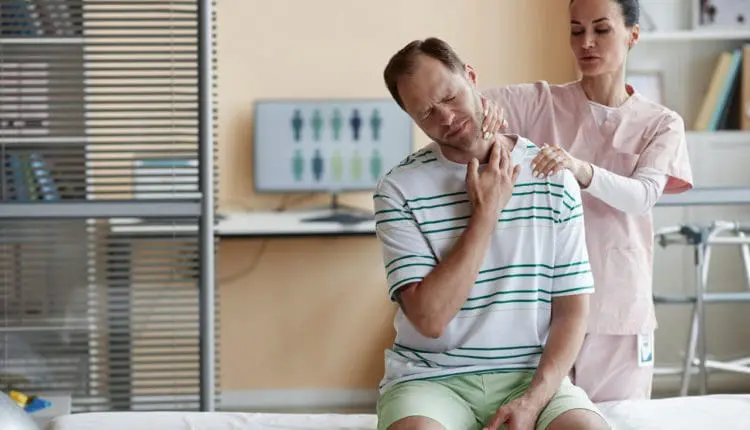
After an auto accident, many people hear “your X-rays look fine” and are told to wait. Days later, nausea, brain fog, poor sleep, and gut upset show up. Those delayed symptoms are common in personal injury. They are not always “just stress.”
In integrated chiropractic treatment and functional medicine, the gut-brain-spine connection is a three-way communication network. A disruption in one region can cause a cascade of dysfunction in the others. A head or neck injury, such as a concussion or whiplash, disrupts the entire loop. Functional nutrition promotes healing by methodically lowering systemic inflammation, repairing the intestinal barrier, and providing nutrients for neurological and structural repair.
Gut and Brain
The gut and brain talk through nerves, immune signals, hormones, and the microbes that live in the digestive tract. The main nerve highway is the vagus nerve. It runs from the brainstem, through the neck, and down to the organs of digestion. The gut also has its own large nerve network. Gut microbes help make chemical messengers that affect mood, sleep, and pain.
The spine physically supports this conversation. Nerves leaving the neck and mid-back carry rest-and-digest signals and fight-or-flight signals to the gut. When cervical joints move well after a crash, those signals travel more clearly. When joints lock from whiplash, the message gets noisy. That is why a rear-end collision can show up as bloating, appetite loss, or irregular bowels, not only as neck pain.
Dr. Alexander Jimenez, DC, APRN, FNP-BC, CCST, CFMP, IFMCP, ATN, has described this as a loop rather than a one-way path. Clinical observation in his El Paso personal-injury practice is consistent with that view: leaky-gut inflammation can signal the brain, and trauma stress can worsen gut-barrier function. Crash patients rarely arrive with “only a neck.” They arrive with a cluster that must be examined, documented, and treated as one system.
How a Crash Breaks the Gut-Brain-Spine Loop
A concussion or mild traumatic brain injury can increase gut permeability, shift gut bacteria, and raise whole-body inflammation. Those changes may add to brain fog, headaches, low mood, and poor sleep. That matters in accident care because symptoms can evolve over hours or days, not only at the scene.
Whiplash adds a mechanical problem. A fast stretch of neck ligaments, joints, and muscles can irritate pathways that travel with the vagus nerve and the sympathetic chain. Many El Paso auto-injury patients then report stiffness, dizziness, gut upset, light sensitivity, and a nervous system that will not settle.
The injured brain also uses more energy while it repairs membranes and restores chemical balance. If appetite drops after the crash, protein is low, or the gut cannot absorb nutrients well, healing stalls. Waiting to “see if it goes away” can give inflammation time to set in.
Protein-Forward Nutrition After Head and Neck Injury
Protein is the building material for tissue, enzymes, and many brain chemicals. After a head or neck injury, calorie and protein needs often rise. Research on early mild traumatic brain injury has linked meeting calorie and protein needs with better recovery markers.
A practical rule for accident recovery is simple: include a protein source at every meal and snack. Do not save all protein for dinner.
Helpful protein-forward choices include:
- Eggs, which also provide choline for nerve-signal chemicals
- Fatty fish such as salmon, sardines, and mackerel
- Poultry or lean red meat in modest portions
- Greek yogurt or cottage cheese if dairy is tolerated
- Beans, lentils, and chickpeas
- Nuts and seeds, especially walnuts and pumpkin seeds
Pair protein with colorful plants. Berries, leafy greens, peppers, and herbs bring antioxidants that help the body handle oxidative stress after impact. Add turmeric and ginger to meals for extra anti-inflammatory support.
Foods that often slow recovery include ultra-processed snacks, sugary drinks, and large amounts of refined starches. These can fuel inflammation and worsen blood-sugar swings. Many injured patients feel this as fatigue, irritability, and more severe headaches.
A simple plate pattern works well:
- Half the plate: vegetables and some fruit
- One quarter: quality protein
- One quarter: slow carbs such as oats, quinoa, potatoes, or beans
- A source of healthy fat: olive oil, avocado, or fatty fish
Do not crash-diet during legal or clinical recovery. The injured nervous system needs steady fuel. From a nurse-practitioner and functional-medicine view, this is metabolic care: give the body enough amino acids and energy so repair can happen while the case and the tissues are both being managed.
Supplement Advice for Neuro-Recovery
Food comes first. Supplements can help when labs, symptoms, or diet show a need. They should be chosen with a licensed clinician, especially after a brain or neck injury, and especially if you take blood thinners or have kidney, bleeding, or absorption issues.
Nutrients often discussed in concussion and neuro-recovery care include:
- Omega-3 fats (DHA and EPA). These support cell membranes and help balance inflammation. The best food sources are fatty fish. Algal oil is an option for people who do not eat fish.
- Magnesium. It supports nerve signaling, muscle relaxation, sleep, and headache control. Greens, seeds, nuts, and legumes are food sources.
- Vitamin D. Low levels are common and may affect immune tone, mood, and recovery. Testing guides dosing.
- Antioxidant patterns. Vitamin C, polyphenols from berries and cocoa, and curcumin from turmeric help the body handle oxidative stress.
- Creatine. Some research looks at creatine for brain energy after injury. It is not for everyone and should be reviewed by a professional.
- Gut-supportive tools. Fiber-rich plants, fermented foods if tolerated, and clinician-guided probiotics or other gut-repair nutrients may help restore the barrier and calm immune signaling.
A systematic review of nutritional care in early mild traumatic brain injury found that meeting calorie and protein needs, plus targeted supports such as omega-3s, vitamin D, and magnesium, was associated with better recovery markers in studied patients. That doesn’t mean everyone needs every product. It means nutrition is part of personal-injury recovery, not an extra.
Lifestyle Adjustments That Support Healing After an Accident
Nutrition works best when daily habits support the same goals: less inflammation, better vagal tone, and enough time to repair.
Useful habits include:
- Hydration. Spinal discs and the gut both need water. Pale-yellow urine is a simple check.
- Sleep protection. The brain clears waste and rebuilds during sleep. Keep a dark, regular schedule as much as symptoms allow.
- Vagus-friendly breathing. Slow nasal breathing and longer exhales can nudge the body out of fight-or-flight after a crash.
- Gentle movement after clearance. Short walks and guided mobility beat long bed rest once a clinician says it is safe.
- Stress-load reduction. Extra screens, arguments, and early return to heavy work or training can keep the sympathetic system switched on.
- Alcohol limits. Alcohol adds inflammation and disrupts sleep and gut-barrier function.
These steps look simple. After a neck or head injury, they are often the difference between a nervous system that can repair and one that stays reactive. Lifestyle is not “soft care.” It is part of documented, measurable recovery.
How Integrative Chiropractic Care Fits Personal Injury Treatment
Integrative chiropractic care does not treat the gut by adjusting the abdomen as if it were a joint. It restores motion and neurological signaling through the spine, especially the neck, so the vagus nerve and spinal pathways can do their jobs.
Restricted cervical joints, muscle guarding, and forward-head posture after whiplash can keep the body in a braced, high-alert pattern. Care that improves joint motion and reduces mechanical irritation can support clearer brain-gut messaging. It also creates a clear clinical record of restricted motion, soft-tissue findings, and functional change over time.
In a personal-injury framework, chiropractic care is one measured pillar:
- Cervical and thoracic adjustments to improve motion and nerve signaling
- Soft-tissue work to ease guarded neck and upper-back muscles
- Posture and breathing drills that reduce forward-head strain
- Rehab that rebuilds deep neck stability so tissues are not re-injured
- Coordination with nutrition and medical care so structure and metabolism heal together
- Ongoing findings that help explain delayed symptoms after a collision
When the spine moves better, patients often tolerate food, sleep, and exercise more easily. That is the practical test of the triangle: less pain, clearer thinking, and a calmer gut, not just a better X-ray angle.
Dr. Jimenez’s clinical work links spinal care with functional nutrition because mechanics and metabolism travel together after an accident. A neck that cannot move well keeps the nervous system loud. A gut that stays inflamed keeps the neck loud. Treating only one side of that loop is incomplete injury care.
Regenerative Therapies That Speed Recovery After Trauma
Advanced regenerative and interventional therapies can significantly expedite recovery when combined with a functional medicine and chiropractic framework. They address head and neck traumas—such as whiplash and post-concussion syndrome—at both ends of the gut-brain-spine loop. They biologically support damaged physical structures while the nutrition plan works to lower systemic inflammation.
Common tools used in medically integrated injury care include:
- Platelet-rich plasma (PRP). A concentrated portion of the patient’s own blood may be injected into injured neck ligaments, muscles, or joints. Growth factors can support collagen repair and quieter inflammation. PRP has been used in whiplash protocols to help mobility return so rehab can progress.
- Platelet products and related injections. Case-series work on cervical pain using platelet products and prolotherapy has reported meaningful drops in pain and function scores when the whole functional spinal unit is addressed, not only one spot.
- Microfragmented adipose tissue (MFAT) and related orthobiologics. These may be considered for more complex soft-tissue or joint problems after auto injury when appropriate and within scope.
- Laser and shockwave therapies. These are often layered with PRP or chiropractic care to increase local circulation and comfort.
- IV nutrient therapy. When gut absorption is poor, or intake is low after trauma, IV vitamins, minerals, amino acids, and fluids can support cellular repair while the oral diet is rebuilt.
These therapies work best inside a plan, not as stand-alone shots. Regenerative injections can signal repair in tissues with poor blood flow. Chiropractic care and rehab restore motion and load sharing. Nutrition lowers the inflammatory background that would otherwise keep tissues angry. That is how the loop is treated from both ends: structure and chemistry.
A Medically Integrated Personal Injury Team in El Paso
Injury recovery is safer when chiropractic skill and medical oversight work together. At Injury Medical Clinic PA in El Paso, Texas, Dr. Alex Jimenez, DC, provides chiropractic, functional medicine, personal injury, and rehabilitative care. Dr. Maria Guadalupe Cardenas, MD, board-certified in internal medicine (NPI #1164426749, Texas MD License #J2933), has over 40 years of experience as an internist and works with Dr. Jimenez as the medical director and collaborative physician.
This multidisciplinary setup is common in integrative or injury care clinics, where an MD provides medical direction alongside a chiropractor. The team integrates:
- Chiropractic care for spinal motion, nerve signaling, and soft-tissue function
- Medical oversight in internal medicine for safety, labs, and collaborative decisions
- Functional medicine for lifestyle, metabolic health, and root-cause resolution
- Personal injury evaluation, accident history, and recovery documentation
- Rehabilitation to rebuild strength, balance, and daily function
- Related services such as regenerative procedures and nutrient support when appropriate
Root-cause care means asking why headaches, nausea, neck stiffness, and poor sleep arrive together after a crash. It also means not forcing a single tool—an adjustment, a supplement, or an injection—to work the whole system.
A Clear Path After an Accident
A practical personal-injury plan after head or neck trauma often looks like this:
- Get a proper exam soon after the accident. Rule out red flags. Document the injury, even if symptoms feel “mild.”
- Protect sleep, hydration, and protein intake in the first days.
- Use an anti-inflammatory, protein-forward plate and limit ultra-processed foods.
- Restore cervical motion and vagal tone with guided chiropractic and rehab.
- Add targeted nutrients only when they match labs, diet, and medical history.
- Consider regenerative options when ligaments, facets, or delayed healing are holding recovery back.
- Recheck function: neck motion, headache load, gut comfort, energy, work capacity, and thinking clarity.
Healing isn’t just “wait until the neck stops hurting.” It is restoring the conversation among gut, brain, and spine so the body can finish the job it started after the injury.
If symptoms are severe, worsening, or include vomiting, confusion, weakness, or new neurological changes, seek urgent medical care first. Nutrition and integrative therapies support recovery. They do not replace emergency evaluation.
Please don’t hesitate to call us if questions arise when you need to seek care. Call the office or Dr. J. Office: 915-850-0900. Cell: 915-540-844. East Side clinic: 915-412-6677.
Dr. Alex Jimenez, DC, APRN, FNP-BC, CFMP, IFMCP, ATN, CCST
Injury Medical Clinic PA | Personal Injury Doctor Group
El Paso, Texas
References
Active Chiropractic Meridian. (n.d.). The gut-brain-spine triangle that changes how you think about digestive health.
Bottiglieri, T. S. (n.d.). How nutrition supports concussion recovery.
Cleveland Clinic. (2023). The gut-brain connection.
El Paso Back Clinic. (n.d.). Regenerative therapies and chiropractic benefits revealed.
Flint Rehab. (n.d.). Best foods for brain injury recovery.
Healthing. (n.d.). The gut-brain axis in concussion: Eat to calm inflammation and reduce symptoms.
Integrative Spine & Sports. (n.d.). PRP for whiplash: Accelerating recovery and restoring mobility.
Jimenez, A. (n.d.). The gut-brain connection. Dr. Alex Jimenez.
Jimenez, A. (n.d.). Dr. Alexander Jimenez professional profile. LinkedIn.
Jimenez, A. (2026, June). Regenerative and integrative care for sciatica: PRP, PFP, mFAT, epidurals, and chiropractic support. El Paso Chiropractor Blog.
Madonia, E. (2025, October 21). Gut-brain-spine connection.
Neuronic. (n.d.). 5 nutrients for concussion support explained.
Ryan, L., et al. (2022). Nutritional interventions to support acute mTBI recovery. Frontiers in Nutrition, 9, 977728.
RxWellness. (n.d.). Can regenerative medicine and chiropractic care heal long-term neck injuries?.
West Point Family Chiropractic. (n.d.). How to improve gut-brain connection with chiropractic adjustments.
Williams, C., et al. (2021). Regenerative injection treatments utilizing platelet products and prolotherapy for cervical spine pain: A functional spinal unit approach. Cureus, 13(10), e18608.
Comments are closed.