

Understanding Neuropathy in El Paso TX Care Options
Understanding Neuropathy in El Paso, TX: Symptoms, Causes, and Local Treatment Options
Neuropathy is a health issue that affects many people in El Paso, TX. It occurs when nerves are damaged, leading to symptoms such as pain or numbness. In this area, a significant cause of neuropathy is diabetes, due to the high number of people living with the condition. Understanding how neuropathy works and what treatments are available can help improve daily life. Local options, such as chiropractic care and care from nurse practitioners, focus on natural ways to ease symptoms without relying on drugs. This article covers common questions about neuropathy, its effects, and ways to manage it in El Paso.
What Is Neuropathy?
Neuropathy refers to damage to nerves outside the brain and spinal cord. These nerves help with feeling things, moving muscles, and controlling body functions like digestion. When they get hurt, signals get mixed up or lost. About 20 to 30 million Americans have this condition, and in El Paso, diabetes plays a key role since it harms nerves over time (iVascular Center, n.d.). Neuropathy can affect a single nerve or many, and it often starts in the feet or hands.
There are different types:
- Peripheral neuropathy: Affects arms, legs, hands, and feet.
- Autonomic neuropathy: Affects nerves that control functions like heart rate and sweating.
- Focal neuropathy: Targets one area, like the face.
- Proximal neuropathy: Involves the hips or thighs.
In El Paso, doctors see a lot of diabetic neuropathy because high blood sugar slowly breaks down nerves (Frontier Neurology, n.d.). Early care is important to stop it from getting worse.
Common Symptoms of Neuropathy
People with neuropathy often feel strange things in their bodies. Symptoms can start small but grow over time. In El Paso clinics, patients frequently report experiencing the following symptoms:
- Numbness or tingling in hands or feet, like pins and needles.
- Burning, stabbing, or sharp pain that feels like electricity.
- Muscle weakness, making it hard to walk or hold things.
- Extra sensitivity to touch, where even light things hurt.
- Balance problems, leading to falls.
- Changes in the skin, such as dryness or high arches in the feet.
- Trouble with coordination or feeling like wearing socks when not wearing them.
- In severe cases, issues with bladder control or sweating.
These signs can make everyday tasks tough, like driving or cooking. For diabetics in El Paso, foot symptoms are common and raise the risk of sores or infections (West Texas Pain Institute, n.d.). If you notice these, see a doctor soon.
What Causes Neuropathy?
Many things can damage nerves. In El Paso, diabetes is the top cause, affecting up to half of the people with the disease. High blood sugar hurts nerve fibers, especially in the legs and feet (Nonsurgical Spine Center, n.d.). Other reasons include:
- Infections like shingles or Lyme disease.
- Vitamin shortages, especially B vitamins.
- Too much alcohol, which poisons nerves.
- Injuries from accidents or repetitive motions.
- Autoimmune diseases occur when the body attacks its nerves.
- Chemotherapy for cancer.
- Kidney or thyroid problems.
- Unknown causes in some cases.
Lifestyle plays a part too. Smoking cuts blood flow to nerves, and a poor diet leads to shortages that make things worse (Modern Pain Houston, n.d.). In El Paso, where diabetes rates are high, controlling blood sugar is key to preventing neuropathy.
How Is Neuropathy Diagnosed?
Doctors in El Paso use tests to find neuropathy. It starts with talking about symptoms and health history. Then a physical check assesses reflexes, strength, and sensation. Common tests include:
- Blood work to check sugar levels or vitamins.
- Nerve conduction studies to see how quickly signals travel.
- Electromyography (EMG) to test muscle electrical activity.
- Skin or nerve biopsies in some cases.
- Imaging like MRI to spot compression.
Local spots like Frontier Neurology do these tests to plan care (Frontier Neurology, n.d.). Early diagnosis helps manage it better.
Treatment Options Beyond Medication in El Paso
Many people want options without just pills. In El Paso, treatments focus on fixing function and easing pain naturally. These include physical therapy, devices, and therapies.
Physical therapy helps a lot. It builds strength, improves balance, and boosts blood flow to nerves. At P3 Physical Therapy in El Paso, they use exercises, dry needling, and manual work to heal nerves and cut pain (P3 Physical Therapy, n.d.).
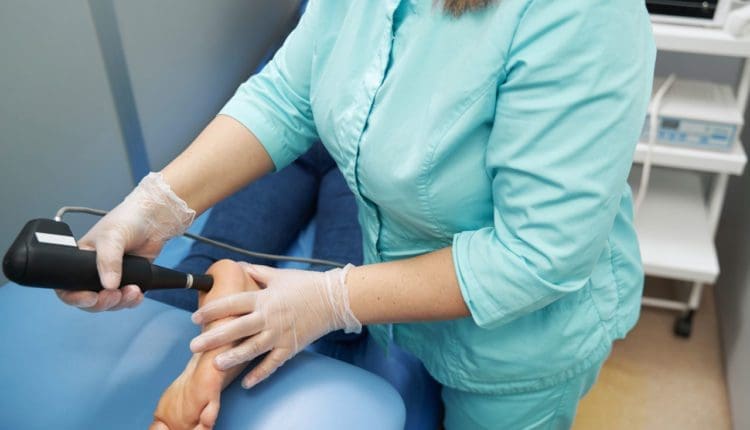
Laser therapy is another choice. It uses light to fix nerve cells and reduce pain. El Paso Feet offers this for diabetic neuropathy, helping with tingling and numbness (El Paso Feet, n.d.).
For chronic pain, peripheral nerve stimulation (PNS) implants a device to block pain signals. Donya Pain & Wellness Center in El Paso offers this minimally invasive approach for long-lasting relief (Donya Pain & Wellness Center, n.d.).
Support groups help too. While no local El Paso groups are listed, virtual ones from the Foundation for Peripheral Neuropathy offer talks and tips (Foundation for Peripheral Neuropathy, n.d.).
Integrative Chiropractic Therapy and Nurse Practitioners for Neuropathy
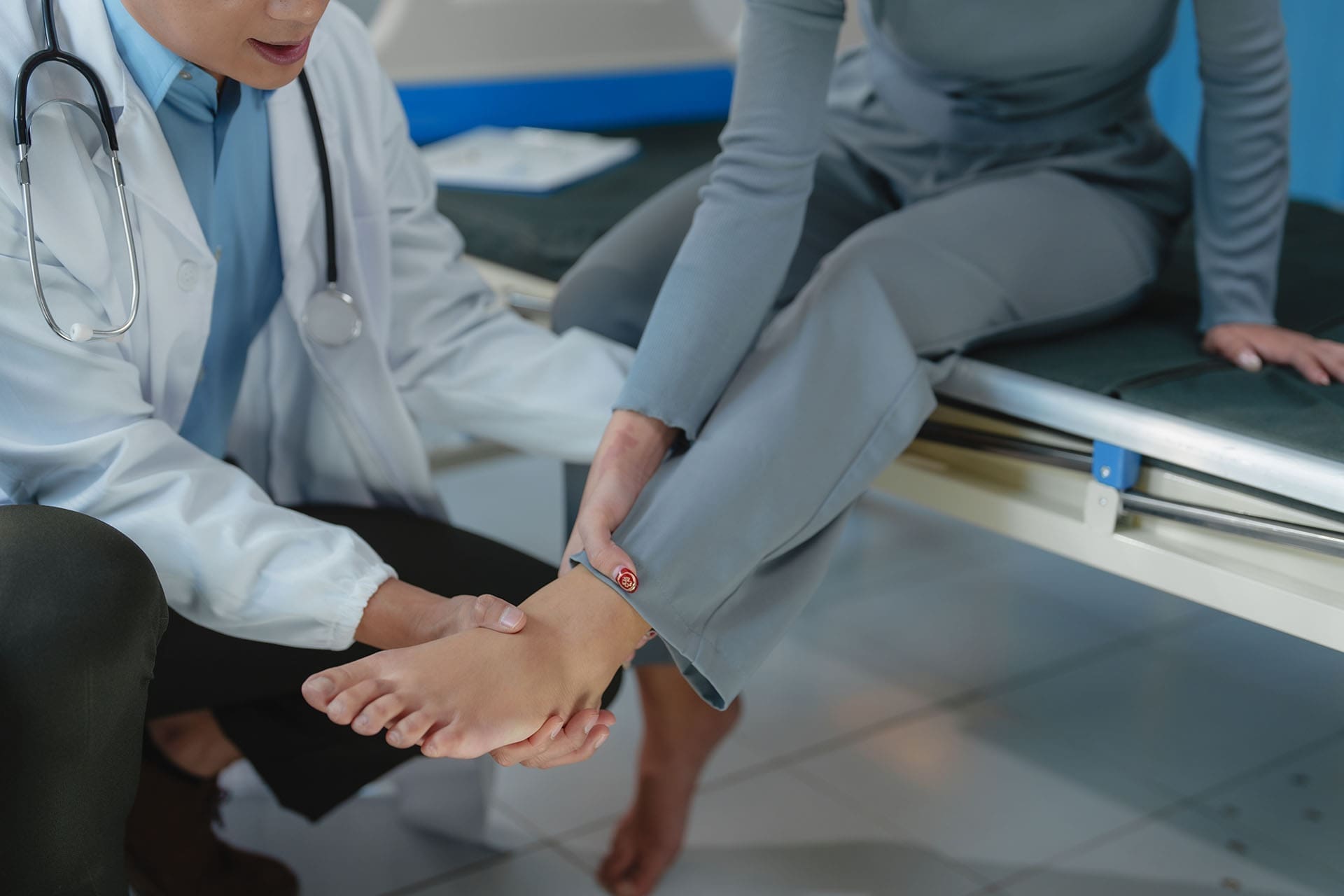
Chiropractic care is popular in El Paso for neuropathy. It aligns the spine to ease nerve pressure, improve signals, and reduce pain. Nurse practitioners (NPs) add medical know-how for full care.
Chiropractors use adjustments to free pinched nerves. This helps mobility and nerve function without surgery. Studies show it reduces inflammation and boosts healing (Elite Family Charleston, n.d.). In El Paso, places like El Paso Back Clinic mix this with exercises and nutrition.
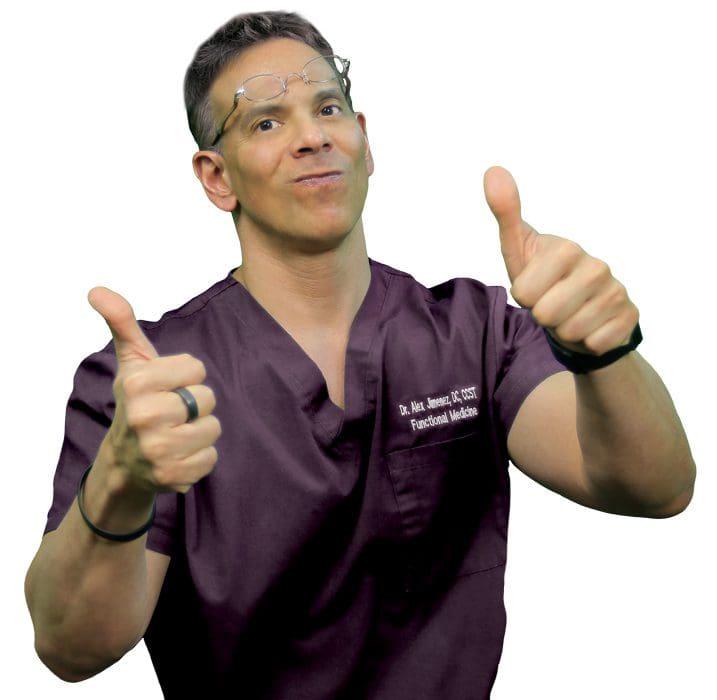
Dr. Alexander Jimenez, DC, APRN, FNP-BC, stands out in El Paso. For over 30 years, he has used chiropractic and functional medicine for neuropathy. He sees symptoms like numbness, pain, and weakness, often from diabetes or injuries. His approach includes adjustments, acupuncture, and diet changes to correct root causes (Jimenez, n.d.). As an NP, he checks overall health, including blood sugar levels, to achieve better outcomes.
This holistic way boosts life quality. Chiropractic cuts pain by half in weeks for some, per clinical notes (Jimenez, n.d.). NPs guide on lifestyle, like quitting smoking, to avoid triggers (Pain and Wellness Institute, n.d.).
Preventing Complications from Neuropathy
Neuropathy can lead to falls, infections, or muscle loss if ignored. In El Paso, with high diabetes rates, foot checks are vital to avoid ulcers (Dr. Dennis Harris, n.d.). Tips include:
- Check feet daily for cuts.
- Wear good shoes.
- Keep blood sugar steady.
- Exercise lightly, like walking.
- Eat foods with B vitamins.
Screening is key for at-risk individuals, such as people with diabetes (Medicos Family Clinic, n.d.).
Frequently Asked Questions About Neuropathy in El Paso, TX
Here are answers to common questions:
- What are the first signs of neuropathy? Tingling or numbness in feet or hands, often starting small (Anesthesia & Pain Care Services, n.d.).
- Is neuropathy from diabetes common in El Paso? Yes, due to high diabetes rates. It affects the feet most (El Paso Pain Center, n.d.).
- Can chiropractic help neuropathy? Yes, by fixing spine issues and easing nerve pressure (Leicester Spine and Wellness, n.d.).
- What local treatments are there? Options like laser at El Paso Feet or PNS at Donya (El Paso Feet, n.d.; Donya Pain & Wellness Center, n.d.).
- How do I find support? Join virtual groups for tips (Foundation for Peripheral Neuropathy, n.d.).
- Is it reversible? Sometimes, if caught early, it can be fixed by addressing underlying causes such as vitamin deficiencies (West Texas Pain Institute, n.d.).
- What role do NPs play? They manage overall care, including diabetes management, alongside chiropractors (Jimenez, n.d.).
Neuropathy affects life, but El Paso has good options. From chiropractic to therapy, focus on natural ways for better function. Talk to pros like Dr. Jimenez for personalized help.
References
<Anesthesia & Pain Care Services>. (n.d.). Neuropathy. https://anesc.net/neuropathy/
<Jimenez, A>. (n.d.). Injury specialists. https://dralexjimenez.com/
Comments are closed.