
Rehabilitative Sports Activities for TBI Recovery
Rehabilitative Sports Activities for Traumatic Brain Injury: Benefits and Integrated Support
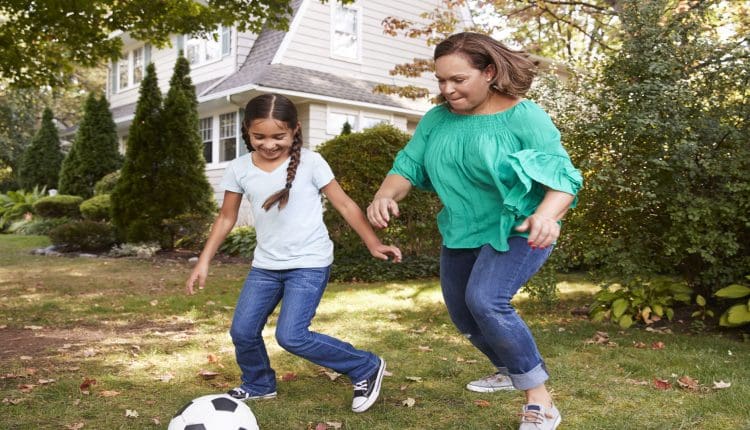
Traumatic brain injury, or TBI, happens when a sudden blow or jolt to the head damages the brain. This can come from falls, car accidents, sports injuries, or other events. People with TBI often face challenges like problems with balance, coordination, memory, and even mood changes. Recovery takes time and involves many steps, but one helpful part is rehabilitative sports activities. These are specialized exercises and sports tailored to the person’s needs. They help improve physical strength, mental health, and daily skills. Along with these activities, integrative chiropractic care and nurse practitioners play key roles in supporting patients. Chiropractors focus on aligning the body to reduce pain and improve movement, while nurse practitioners help manage overall health, medications, and care plans. Together, they ensure activities are safe and effective (BrainLine, n.d.a.; Jimenez, n.d.).
In this article, we explore suitable sports and activities for TBI patients, their benefits, and the role of professionals such as chiropractors and nurse practitioners. This approach not only aids physical recovery but also boosts confidence and social connections.
Understanding Traumatic Brain Injury and the Need for Rehabilitation
TBI affects millions each year, ranging from mild concussions to severe cases that change life forever. Symptoms can include headaches, dizziness, confusion, and trouble with movement. Rehabilitation helps rebuild skills lost due to the injury. Sports and activities are a fun way to do this, as they encourage movement without feeling like boring therapy. Research shows that staying active promotes brain healing by increasing blood flow and creating new neural pathways, a process called neuroplasticity (Flint Rehab, n.d.; Assured Assisted Living, n.d.).
Doctors recommend starting slow, with rest first, then building up to light activities. A step-by-step plan, like the return-to-play protocol for athletes, ensures safety. This includes stages from no activity to full participation, with ongoing monitoring for symptoms such as headaches or dizziness (Cantu & Hyman, 2012).
Adaptive Sports Suitable for TBI Patients
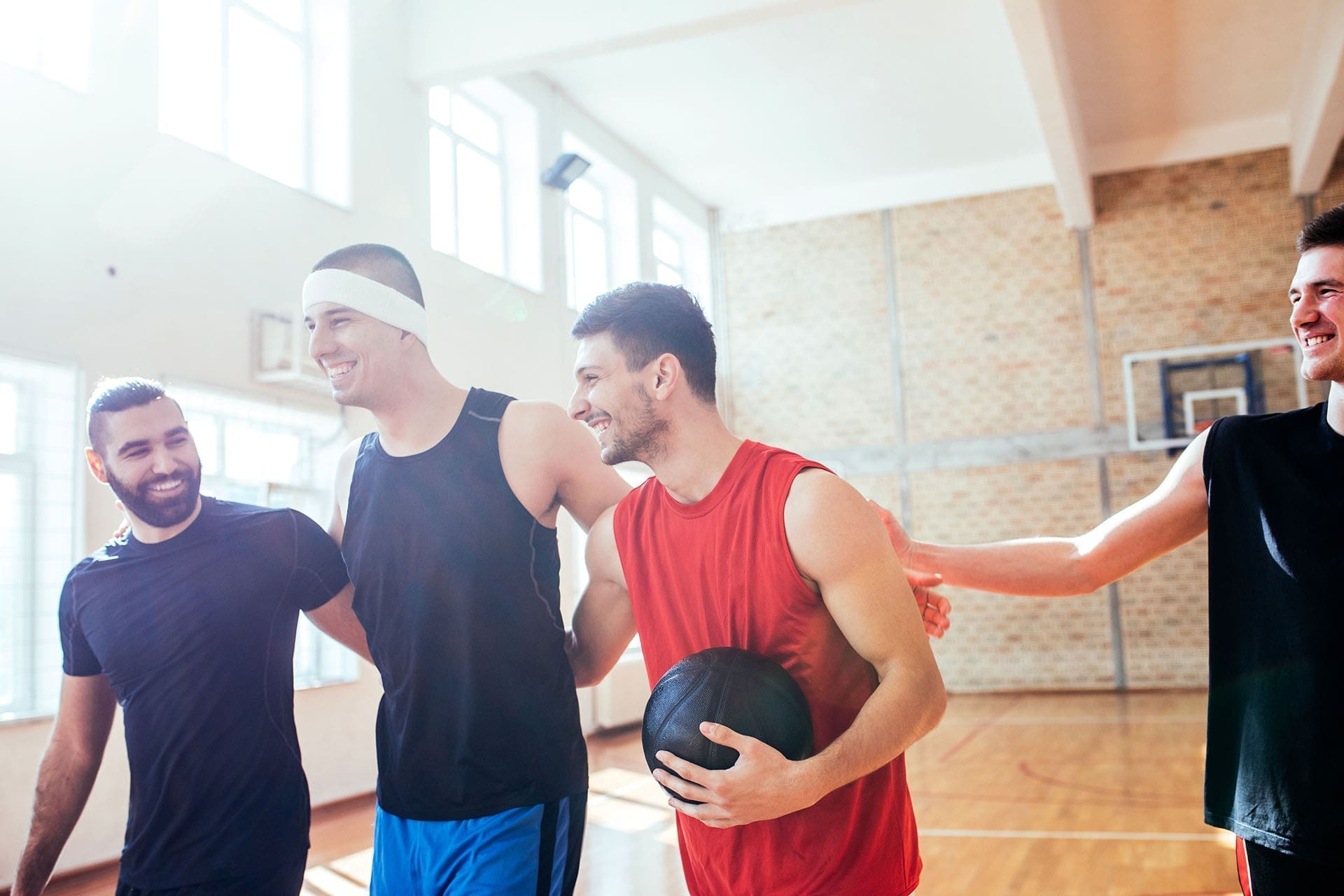
People who have had a traumatic brain injury (TBI) can participate in a wide range of rehabilitation activities, such as adaptive basketball, cycling, swimming, and canoeing. Doing things like tai chi, hiking, and adapted water sports can also help improve balance, coordination, and overall physical and mental health. Depending on the person’s ability, they may need special equipment or changes to their current equipment. People with traumatic brain injuries (TBI) can play adaptive sports as part of their rehabilitation. These sports include basketball, cycling, and canoeing.
Adaptive sports change regular games to make them accessible. For example, wheelchair basketball uses special chairs, and rules might allow more time for shots. From the resources, here are some key activities:
- Basketball and Wheelchair Sports: Start with gentle ball tossing, then move to full games. This builds hand-eye coordination and teamwork (BrainLine, n.d.b).
- Cycling: Use recumbent bikes for stability. It promotes independence and boosts heart health without high impact (BrainLine, n.d.a).
- Swimming and Water Sports: Buoyancy in water reduces stress on joints. Activities like water aerobics strengthen muscles and improve endurance (Brain Injury Center, n.d.a; Flint Rehab, n.d.).
- Kayaking and Canoeing: Helps with balance over time. Special seats or paddles make it safer (BrainLine, n.d.b).
- Tai Chi and Yoga: Slow movements enhance focus and calm the mind. Chair yoga is great for those with limited mobility (Brain Injury Center, n.d.a; Krysalis Consultancy, n.d.).
- Hiking and Nature Walks: Light trails build stamina and connect with nature, reducing stress (Talented Ladies Club, n.d.; Encompass Health, n.d.).
- Equestrian Activities, such as Hippotherapy: Riding horses improves posture and coordination through the horse’s movements (Groth, 2021).
- Martial Arts and Dance: Adapted versions improve rhythm and social skills (BrainLine, n.d.a; Flint Rehab, n.d.).
These activities often use tools like resistance bands or gamified devices for fun. For instance, interactive video games like Wii Fit challenge balance and cognition (Brain Injury Center, n.d.a).
Benefits of Rehabilitative Sports for TBI Recovery
Joining these activities does more than just exercise the body. They help the brain heal, too. Benefits include:
- Physical Improvements: Better balance, strength, and coordination. Water sports, for example, build muscles without strain (Illinois Government, n.d.; Flint Rehab, n.d.).
- Mental Health Boost: Releases endorphins for happier moods. Group sports reduce loneliness and build confidence (BrainLine, n.d.b; Assured Assisted Living, n.d.).
- Cognitive Gains: Activities like puzzles and games sharpen memory and problem-solving skills. Sports require focus, which can help with attention issues (Krysalis Consultancy, n.d.; My Balance Matters, n.d.).
- Social Connections: Team sports foster friendships and a sense of belonging, key to emotional recovery (Encompass Health, n.d.; BrainLine, n.d.a).
- Long-Term Health: Regular activity helps prevent other problems, such as weight gain or depression. Studies show that horse therapy improves gait and mobility (Groth, 2021).
One study on return-to-play after TBI found that gradual exercise reduces the risk of reinjury and restores function (Cantu & Hyman, 2012). Patients report feeling more hopeful and active than before their injury (BrainLine, n.d.b).
The Role of Integrative Chiropractic Care in TBI Support
Integrative chiropractic care and nurse practitioners can work together to support the patient. The chiropractor focuses on spinal alignment and pain management, while the nurse practitioner helps coordinate care, manage medications, and monitor the patient’s overall health to ensure activities are safe and effective.
Chiropractors use hands-on adjustments to correct spinal misalignments that can occur after head injuries. This improves blood flow to the brain and reduces pain (Essential Chiro Care, n.d.; Atlas Wellness, n.d.). For TBI, they include:
- Spinal Adjustments: Relieve nerve pressure and headaches (My Balance Matters, n.d.; Integrative Chiropractic, n.d.).
- Vestibular Exercises: Retrain balance, like gaze stabilization (Atlas Wellness, n.d.; Injury 2 Wellness, n.d.).
- Soft Tissue Therapy: Massage to ease muscle tension (My Balance Matters, n.d.).
- Postural Training: Corrects stance to prevent further issues (Injury 2 Wellness, n.d.).
Benefits include faster healing, less inflammation, and better mobility. When combined with sports, chiropractic care makes activities easier and safer (Essential Chiro Care, n.d.).
Contributions of Nurse Practitioners in TBI Rehabilitation
Nurse practitioners (NPs) are advanced nurses who can diagnose, prescribe, and manage care. In TBI, they oversee health, adjust pain or mood meds, and coordinate with other experts (Jimenez, n.d.; LinkedIn, n.d.).
Dr. Alexander Jimenez, DC, APRN, FNP-BC, shares clinical observations from his practice. He notes that TBI can disrupt gut health and cause symptoms like neuropathy or chronic pain. NPs like him use nutrition—such as omega-3 fatty acids—to reduce inflammation and support brain recovery. He emphasizes holistic plans with sleep, diet, and gentle movement to improve cognition and prevent complications (Jimenez, n.d.; LinkedIn, n.d.).
NPs monitor progress during activities to ensure no overexertion. They educate families on signs of issues, making recovery smoother (Illinois Government, n.d.).
How Chiropractic Care and Nurse Practitioners Work Together
Integrated care means teams collaborate. Chiropractors handle body alignment, while NPs manage meds and overall wellness. For example, a patient doing adaptive cycling might get spine checks from a chiropractor and health monitoring from an NP (Injury 2 Wellness, n.d.; My Balance Matters, n.d.).
Dr. Jimenez’s clinic shows this: His team includes NPs, nutritionists, and therapists for full support. This reduces hospital stays and boosts outcomes (LinkedIn, n.d.). Benefits include personalized plans, fewer re-injuries, and holistic healing (Integrative Chiropractic, n.d.).
Case Examples and Real-Life Insights
According to Dr. Jimenez’s observations, a martial arts athlete with TBI recovered with adjustments and nutrition, regaining mobility (Jimenez, n.d.). Another case: Horse therapy helped a teen with behavioral issues improve confidence (Groth, 2021).
In group settings, outings like bowling build skills under supervision (Encompass Health, n.d.). These stories show how activities plus care lead to independence.
Challenges and Safety Tips
Not all activities suit everyone. Start with doctor approval. Use adaptive gear and watch for fatigue. Gradual progression prevents setbacks (Cantu & Hyman, 2012).
Future Directions in TBI Rehabilitation
New tech like VR games offers safe practice (Brain Injury Center, n.d.a). Research calls for more integrated teams, including chiropractors and NPs, to achieve better results (My Balance Matters, n.d.).
In conclusion, rehabilitative sports such as swimming or tai chi, supported by chiropractic alignment and NP oversight, offer a path to recovery for TBI patients. This team approach enhances physical, mental, and emotional health, leading to fuller lives.
References
- Assured Assisted Living. (n.d.). Physical rehabilitation activities that aid brain injury recovery. https://www.assuredassistedliving.com/physical-rehabilitation-activities-aid-brain-injury-recovery
- Atlas Wellness. (n.d.). Natural recovery from concussion and TBI. https://atlaswellness.com/natural-recovery-from-concussion-and-tbi/
- Brain Injury Center. (n.d.a). Fun fitness for brain injury survivors: Making movement enjoyable. https://www.braininjurycenter.org/blog/?article=223
- BrainLine. (n.d.a). Adaptive sports. https://www.brainline.org/treatment-hub-treating-brain-injury-and-ptsd/adaptive-sports
- BrainLine. (n.d.b). The healing power of adaptive sports for people with TBI, PTSD, spinal cord injury, and other challenges. https://www.brainline.org/article/healing-power-adaptive-sports-people-tbi-ptsd-spinal-cord-injury-and-other-challenges
- Cantu, R. C., & Hyman, M. (2012). Traumatic brain injury in sports: A review. https://pmc.ncbi.nlm.nih.gov/articles/PMC3400421/
- Encompass Health. (n.d.). Community outings for individuals with brain injuries. https://www.encompasshealth.com/health-resources/articles/community-outings-for-individuals-with-brain-injuries
- Essential Chiro Care. (n.d.). Regaining your function, reducing pain, and more – The benefits of physical therapy for a TBI. https://www.essentialchirocare.com/regaining-your-function-reducing-pain-and-more-the-benefits-of-physical-therapy-for-a-tbi
- Flint Rehab. (n.d.). 15 Fun, therapeutic activities for brain injury patients that help boost recovery. https://www.flintrehab.com/activities-for-brain-injury-patients/
- Groth, S. (2021). Horses as healers. https://refubium.fu-berlin.de/bitstream/handle/fub188/31010/Horses%20as%20Healers%2C%20Svenja%20Groth%20-%20Refubium.pdf?sequence=1&isAllowed=y
- Illinois Government. (n.d.). Traumatic brain injury recovery. https://cms.illinois.gov/benefits/stateemployee/bewell/getmoving/traumatic-brain-injury-recovery.html
- Injury 2 Wellness. (n.d.). Optimizing recovery: Chiropractic exercises for injury rehabilitation. https://injury2wellness.com/optimizing-recovery-chiropractic-exercises-for-injury-rehabilitation/
- Integrative Chiropractic. (n.d.). The power of rehabilitation in chiropractic care: Enhancing recovery and preventing re-injury. https://integrativechiropractic.net/blog/the-power-of-rehabilitation-in-chiropractic-care-enhancing-recovery-and-preventing-re-injury/
- Jimenez, A. (n.d.). El Paso, TX Doctor of Chiropractic. https://dralexjimenez.com/
- Krysalis Consultancy. (n.d.). Over 200 home activities for brain injury survivors. https://www.krysalisconsultancy.co.uk/resources/item/over-200-home-activities-for-brain-injury-survivors
- LinkedIn. (n.d.). Dr. Alexander Jimenez DC, APRN, FNP-BC, IFMCP, CFMP, ATN. https://www.linkedin.com/in/dralexjimenez/
- My Balance Matters. (n.d.). Chiropractic care for concussions: A holistic approach to recovery and rehabilitation. https://www.mybalancematters.com.au/articles/chiropractic-care-for-concussions-a-holistic-approach-to-recovery-and-rehabilitation
- Talented Ladies Club. (n.d.). Adaptive sports and recreation for people with paralysis: How to stay active. https://www.talentedladiesclub.com/articles/adaptive-sports-and-recreation-for-people-with-paralysis-how-to-stay-active/
Comments are closed.