
Sudden Movement Injuries and Chiropractic Treatment Options

Sudden Movement Injuries vs. Involuntary Movements: An Injury Guide to Diagnosis, Care, and Integrative Chiropractic Recovery
Overview
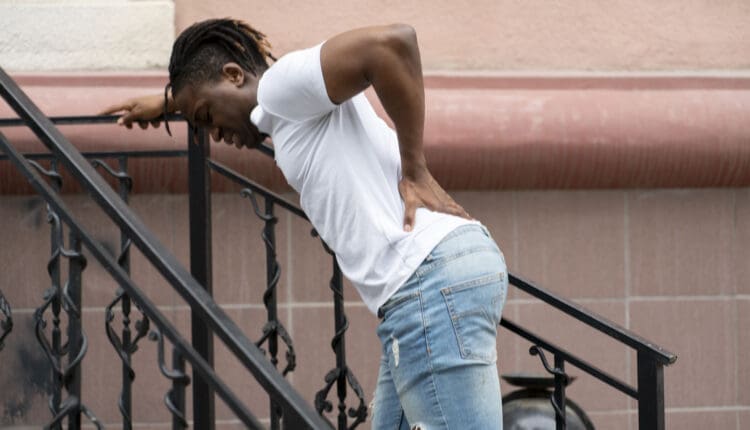
“Sudden movement injuries” are acute soft-tissue injuries that happen in a moment—like a sudden twist, a quick pull, a fall, or an impact. Common examples include sprains (ligaments), strains (muscles or tendons), and contusions (bruises). These injuries come from a single, forceful event (Johns Hopkins Medicine, n.d.; Cleveland Clinic, 2025a).
The same phrase, “sudden movements,” can also describe involuntary movement conditions—such as tremor, myoclonus (jerks), dystonia, or tics—that are usually neurologic or medication-related, not the result of a one-time external force (MedlinePlus, 2024; Verywell Health, n.d.; International Parkinson and Movement Disorder Society [MDS], n.d.).
This guide explains the difference, outlines immediate actions after an accident, and demonstrates how integrative chiropractic care—including documentation—supports safe recovery and clear communication in personal injury cases (Cleveland Clinic, 2025b; Cleveland Clinic, 2021; Jimenez, n.d.-a, n.d.-b).
What Counts as a Sudden Movement Injury?
Key idea: It is one event that pushes tissues past their limit.
-
Sprain: stretching or tearing of ligaments, the stabilizing bands around joints (Johns Hopkins Medicine, n.d.).
-
Strain: tearing of muscle or tendon fibers from a sudden pull or overload (Cleveland Clinic, 2021).
-
Contusion: a bruise from a direct blow (Cleveland Clinic, 2025a).
Typical mechanisms include an ankle roll on uneven ground, a hard plant-and-cut move in sports, a heavy lift with a twist at work, a slip-and-fall, or a rear-end crash that whips the neck (whiplash) (Cleveland Clinic, n.d.-b; Cleveland Clinic, 2024b).
Risk factors include prior sprains, rapid jumps in training or workload, fatigue, poor technique, and worn-out shoes or protective gear (UPMC, n.d.; UPMC, 2022). Addressing these risks helps prevent re-injury, which matters for both health and claim outcomes.
What Are Involuntary Movement Conditions?
Key idea: Movements happen without you trying to move.
-
Tremor: rhythmic shaking.
-
Myoclonus: quick, jerky twitches.
-
Dystonia: sustained or twisting contractions.
-
Tics: repeated movements or sounds.
-
Tardive dyskinesia: repetitive movements often linked to long-term use of certain medications (Verywell Health, 2024).
Causes include neurological disease, medication side effects, genetics, metabolic problems, and brain injury (MedlinePlus, 2024; EdwardKle, 2023). In children, ataxia (unsteady coordination) may appear suddenly with stroke, infection, or inflammation, or may come and go with genetic or migraine-related patterns (Boston Children’s Hospital, n.d.).
These conditions are not sprains or strains. They may still cause pain or fatigue in muscles and joints because the body works harder to stabilize posture. Care usually includes neurology, medication review, and supportive rehabilitation. Chiropractic can help with posture, ergonomics, and musculoskeletal comfort, but it does not claim to cure a primary neurological movement disorder (MedlinePlus, 2024; MDS, n.d.).
How Clinicians Tell the Difference
Onset story
-
Acute injury: a clear moment (“I slipped,” “I twisted,” “We were hit from behind”) (Cleveland Clinic, n.d.-b; UPMC, n.d.).
-
Involuntary movements: no single external event; movements may appear at rest or with action and may be triggered by stress, light, sound, or certain medications (MedlinePlus, 2024; MDS, n.d.; Verywell Health, n.d.).
Exam and testing
-
Acute injury: tenderness, swelling, bruising, joint stability, and range of motion. Imaging rules out a fracture, and if needed, an MRI shows soft-tissue detail (Cleveland Clinic, 2025a).
-
Involuntary movement: neurological exam, medication review, and targeted tests or imaging when red flags are present (MedlinePlus, 2024; UF Health, n.d.).
Red flags
Seek urgent care for a head injury with confusion, severe headache, repeated vomiting, seizure, or weakness (Cleveland Clinic, 2024a). For neck trauma after an MVA with new numbness, weakness, or severe stiffness, get evaluated promptly (Cleveland Clinic, n.d.-b).
Immediate Steps After an Accident (Sprain/Strain/Contusion)
The RICE method (first 24–48 hours): Rest, Ice, Compression, and Elevation, reduces pain and swelling (Cleveland Clinic, 2025b).
-
Rest: Avoid painful loading early on.
-
Ice: 10–20 minutes per session with a barrier.
-
Compression: snug wrap or sleeve.
-
Elevation: above heart level when possible.
After the first 1–2 days, gradual movement helps fibers heal in the right direction. Your clinician will guide gentle range-of-motion, followed by light activation, and then progressive loading (Cleveland Clinic, 2024b; Cleveland Clinic, 2021).
Chiropractic Integrative Care in Personal Injury
Chiropractic integrative care focuses on reducing pain and inflammation, restoring joint motion and mobility, and supporting the body’s healing through graded rehabilitation. In a personal-injury setting, care also includes clear documentation for insurers and legal teams.
Core elements
-
Adjustments and joint mobilization: help restore motion in restricted segments and reduce muscle guarding.
-
Soft-tissue techniques: support circulation, reduce tone, and ease pain around injured areas.
-
Movement retraining: a stepwise plan from protected motion to strength, balance, agility, and task-specific drills.
-
Supportive devices: short-term bracing or taping when needed (Cleveland Clinic, 2024b).
-
Home plan: early RICE, then brief daily exercises to guide healing tissues (Cleveland Clinic, 2025b).
Involuntary movement conditions
For neurologic movement disorders, the integrative team coordinates with neurology and the prescribing clinician to evaluate medications and safety. Chiropractic supports comfort, alignment, and ergonomics; it does not replace medical care for the underlying neurological cause (MedlinePlus, 2024; MDS, n.d.; Verywell Health, 2024).
Dual-Scope Care and Documentation (Dr. Alexander Jimenez, El Paso)
In El Paso, Dr. Alexander Jimenez, DC, APRN, FNP-BC, provides dual-scope care. Patients benefit from chiropractic biomechanical assessment and hands-on treatment along with medical evaluation, care coordination, and, when appropriate, advanced imaging. This approach links symptoms, movement quality, and objective findings in a way that serves patients, adjusters, and attorneys (Jimenez, n.d.-a; Jimenez, n.d.-b; Jimenez, n.d.-c; LinkedIn profile).
What that looks like in a personal injury case
-
Intake & history: mechanism (MVA, work, sports, slip-and-fall), prior injuries, red flags, and functional limits (driving, lifting, concentration).
-
Exams: orthopedic and neurologic screens, joint motion testing, segmental restrictions, and soft-tissue palpation.
-
Imaging when indicated: X-rays for suspected fracture/alignment; MRI for soft-tissue tears, disc pathology, or nerve compression (Cleveland Clinic, 2025a).
-
Rehab plan: staged goals (pain control ? mobility ? strength/control ? return to tasks).
-
Outcome tracking: simple measures like pain scales and disability indices (e.g., neck/back/upper-extremity forms) to show progress.
-
Documentation: SOAP notes, objective findings, imaging summaries, and work/sport restrictions. These records help demonstrate causation, medical necessity, response to care, and plans for next steps—all important for claim resolution (PainCare Florida, n.d.; Jimenez, n.d.-c).
Common Personal-Injury Scenarios
Rear-end collision (whiplash/neck strain)
Neck pain, stiffness, headaches, and limited motion are common. Early care protects movement; rehab restores range, postural control, and driving ergonomics (Cleveland Clinic, n.d.-b). Dual-scope care helps screen for nerve involvement and decide if imaging or specialist referral is needed.
Slip-and-fall (ankle sprain or contusion)
RICE in the first 48 hours, then balance and proprioception training to reduce re-sprain risk. Prior sprain raises future risk, so prevention is part of the plan (UPMC, 2019; UPMC, n.d.).
Work injury (lumbar strain with a twist/lift)
Acute pain and spasm limit motion. Protect early, then build core endurance, hip strength, and lift mechanics. Job-specific drills support safe return to duty, and documentation clarifies restrictions and progress (UPMC, n.d.; Cleveland Clinic, 2024b).
Pediatric Notes
Children can suffer sudden sprains/strains in sports and play. They can also show movement disorders like ataxia or tics. Sudden coordination loss, severe headache, or new neurologic signs need prompt evaluation (Boston Children’s Hospital, n.d.). Care plans are age-appropriate, and communication with parents, schools, and coaches is key.
Return-to-Activity Roadmap (for Acute Injuries)
-
Days 0–2: RICE; protect the area; gentle, pain-free range of motion (Cleveland Clinic, 2025b).
-
Days 2–7: Light stretching and isometrics; swelling control between sessions.
-
Weeks 1–3+: Progressive strength, balance, and graded loading; add task-specific drills.
-
Clearance: Pain-free full range, near-normal strength and control, and ability to perform job/sport tasks without next-day flares. Your clinician may use simple return-to-play or fit-for-duty checks.
When to Seek Care Now
-
Head injury symptoms: confusion, severe headache, repeated vomiting, seizure, or new weakness—go to urgent care/ER (Cleveland Clinic, 2024a).
-
Neck trauma with numbness, weakness, or severe stiffness after a crash (Cleveland Clinic, n.d.-b).
-
New or worsening involuntary movements, especially after a head injury or a new medication (MedlinePlus, 2024; EdwardKle, 2023).
Bottom Line
-
Sudden movement injuries are one-event sprains, strains, or contusions. Early RICE and stepwise rehab help you return to activity (Cleveland Clinic, 2025b; Cleveland Clinic, 2021).
-
Involuntary movement conditions are usually neurological or medication-related; they need medical evaluation and may benefit from supportive musculoskeletal care (MedlinePlus, 2024; MDS, n.d.; Verywell Health, 2024).
-
Integrative chiropractic care—with strong documentation—supports healing, function, and clear communication in personal-injury cases, from the crash scene to full return to work or sport (Jimenez, n.d.-a, n.d.-b, n.d.-c).
References
Boston Children’s Hospital. (n.d.). Movement disorders.
Cleveland Clinic. (2021). Muscle strains: Causes, symptoms, treatment & recovery.
Cleveland Clinic. (2024a, August 21). Head injury: Types, symptoms, causes & treatments.
Cleveland Clinic. (2024b, December 18). Sports injuries: Types, symptoms, causes & treatment.
Cleveland Clinic. (2025a, February 21). Soft tissue injury: What it is, types, causes & treatment.
Cleveland Clinic. (2025b, January 24). RICE method: Rest, ice, compression & elevation.
Cleveland Clinic. (n.d.-b). Whiplash (neck strain): What it is, symptoms & treatment.
EdwardKle. (2023, July 20). Causes, types and treatment of TBI involuntary movements.
International Parkinson and Movement Disorder Society. (n.d.). Myoclonus (Jerky Involuntary Movements): Patient education.
Johns Hopkins Medicine. (n.d.). Soft-tissue injuries.
MedlinePlus. (2024, February 9). Movement disorders.
PainCare Florida. (n.d.). Unintentional/accidental injuries.
UF Health. (n.d.). Movement – uncontrollable.
UPMC. (n.d.). Sprains & strains: Causes, symptoms, and treatments.
UPMC. (2019, November 11). Sprains & strains: Risk factors and complications.
UPMC. (2022, November 23). Do I have a sprain or a strain? Know the difference.
Verywell Health. (n.d.). Involuntary movements: Causes and treatment.
Verywell Health. (2024, June 14). Early signs of tardive dyskinesia.
Clinical perspective — El Paso (dual-scope, integrative, documentation-forward)
Jimenez, A. (n.d.-a). Safe chiropractic care in El Paso: What to expect.
Jimenez, A. (n.d.-b). Chiropractic and integrative care for spinal nerve conditions.
Jimenez, A. (n.d.-c). Chiropractic athlete rehabilitation care for sports injuries.
LinkedIn profile: Jimenez, A. (n.d.). Dr. Alexander Jimenez, DC, APRN, FNP-BC.
Comments are closed.