
El Paso Injury Specialist: Your Path to Full Recovery
Gut Health and Musculoskeletal Recovery in Personal Injury Cases
Introduction: Linking the Gut to Injury Recovery
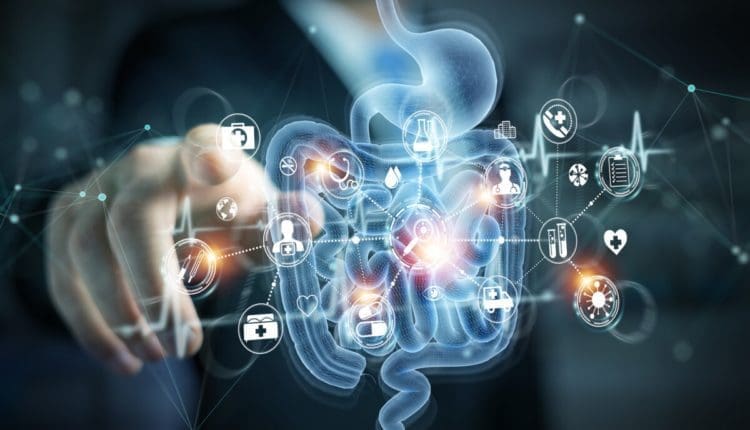
When someone experiences a personal injury—whether from a motor vehicle accident, workplace incident, or sports-related trauma—the focus often falls on visible damage like broken bones, torn muscles, or sprains. However, beneath the surface, the gut microbiome plays a critical role in the healing process. This community of trillions of microorganisms inside the digestive tract affects nutrient absorption, inflammation control, hormone regulation, and even pain perception—all of which determine how quickly and fully an injured person recovers.
At Personal Injury Doctor Group, we highlight the importance of addressing both the structural damage and the internal systems that drive recovery. Dr. Alexander Jimenez, DC, APRN, FNP-BC, is uniquely positioned to manage this connection. His dual training as a chiropractor and nurse practitioner allows him to treat musculoskeletal injuries while evaluating the impact of gut health on recovery outcomes.
How the Gut Microbiome Influences Injury Healing
The gut microbiome supports the musculoskeletal system through three main mechanisms:
- Regulating nutrient absorption to provide building blocks for muscle and bone repair
- Modulating inflammation to prevent chronic pain and swelling
- Balancing hormones that control tissue regeneration and bone density
In personal injury cases, where timely and complete recovery is critical, gut health becomes more than a wellness trend—it becomes a key factor in rehabilitation success.
(Harvard Medical School, 2024)
Nutrient Absorption and Injury Recovery
Essential minerals like calcium, magnesium, and phosphorus, along with vitamins D and K, are vital for repairing bones and connective tissue. A healthy gut microbiome ensures these nutrients are properly absorbed and delivered to injured areas. Short-chain fatty acids (SCFAs) produced by beneficial bacteria also strengthen the intestinal barrier, preventing harmful inflammation from interfering with recovery.
Dr. Jimenez integrates nutrition assessments into his injury treatment protocols, ensuring patients obtain the maximum benefit from the foods and supplements they consume—an approach especially important for those recovering from fractures, ligament tears, or spinal injuries.
(Calcium: a pivotal mineral for bone growth, 2024)
Inflammation Control in Personal Injury Rehabilitation
Inflammation is the body’s first step in healing after trauma, but when it lingers, it delays recovery and increases pain. The gut microbiome directly influences inflammatory pathways, with balanced bacteria helping regulate immune responses and reduce swelling.
For personal injury patients, this is crucial: less swelling means faster mobility restoration, reduced discomfort, and better therapy outcomes. Dr. Jimenez often prescribes gut-friendly dietary changes alongside chiropractic adjustments and soft tissue therapies to improve inflammation control.
Hormonal Balance and Tissue Repair
Hormones such as insulin-like growth factor 1 (IGF-1), testosterone, and estrogen play major roles in muscle and bone repair. The gut microbiome helps regulate these hormones, while dysbiosis—an imbalance in gut bacteria—can slow regeneration and weaken tissues.
By assessing both structural and hormonal health, Dr. Jimenez ensures his personal injury patients receive care that supports the entire healing system rather than focusing solely on the injury site.
The Gut-Brain-Muscle Axis in Pain Perception
The gut communicates with the brain via the gut-brain axis, influencing how pain signals are processed. This means gut health can affect how intensely a personal injury patient feels pain and how well they respond to rehabilitation exercises.
Dr. Jimenez’s integrated approach—combining chiropractic care to restore nerve function with gut health strategies—helps patients reduce pain perception while increasing mobility.
Dysbiosis: A Hidden Obstacle in Personal Injury Cases
In many injury cases, recovery stalls not because of inadequate therapy but because of internal barriers like dysbiosis. This condition can:
- Prolong inflammation
- Reduce nutrient absorption
- Disrupt hormone balance
- Delay tissue repair
For personal injury claims, where documented progress is vital, identifying and correcting dysbiosis can make the difference between ongoing disability and a successful return to function.
Dr. Alexander Jimenez’s Dual-Scope Advantage
In the personal injury field, Dr. Jimenez’s combination of chiropractic expertise and nurse practitioner training offers unique advantages:
- Advanced diagnostics to fully document injury severity for legal and insurance purposes
- Chiropractic care to restore musculoskeletal alignment and function
- Functional medicine to address internal healing factors like gut health
- Medical-legal expertise to provide thorough, defensible documentation in court or settlement negotiations
This dual approach ensures patients not only get the treatment they need but also the documentation their case demands.
Integrative Recovery Strategies
For personal injury patients, Dr. Jimenez combines:
- Chiropractic adjustments to improve alignment and nerve communication
- Massage therapy to reduce tension and improve circulation
- Acupuncture to regulate inflammation and pain
- Nutritional guidance to optimize the gut microbiome for faster recovery
This integrative approach helps injured individuals regain strength, mobility, and independence while providing measurable improvements for legal case tracking.
Conclusion: The Gut as a Legal and Medical Asset
In personal injury cases, recovery is more than just physical—it’s also about documenting progress for legal and insurance needs. The gut microbiome’s role in nutrient absorption, inflammation control, hormone regulation, and pain modulation makes it a powerful ally in rehabilitation.
By combining chiropractic care, functional medicine, and legal-medical documentation, Dr. Alexander Jimenez ensures his patients not only heal but also have the supporting evidence to strengthen their claims.
References
- Harvard Medical School. (2024, January 4). How gut microbes help mend damaged muscles. Harvard Medical School News.
- National Center for Biotechnology Information. (2021). Insulin-Like Growth Factor 1 and muscle growth. PMC.
- National Center for Biotechnology Information. (2024). Calcium: a pivotal mineral for bone growth. PMC.
- Digbi Health. (2024). The gut’s role in chronic pain management.
- IGI-Global. (2024). Certain bacteria in the gut can synthesize key metabolites.
- International Academy of Orthopedic Medicine – US. (2024). An unexpected connection between gut microbiome and musculoskeletal pain.
- National Center for Biotechnology Information. (2024). Dysbiosis and musculoskeletal health. PMC.
- El Paso Injury Medical & Chiropractic Clinic. (2025). Dr. Alexander Jimenez – Clinical observations and integrative approach.
Comments are closed.