

Chiropractic Rehabilitation Insights for Adductor Tendinopathy

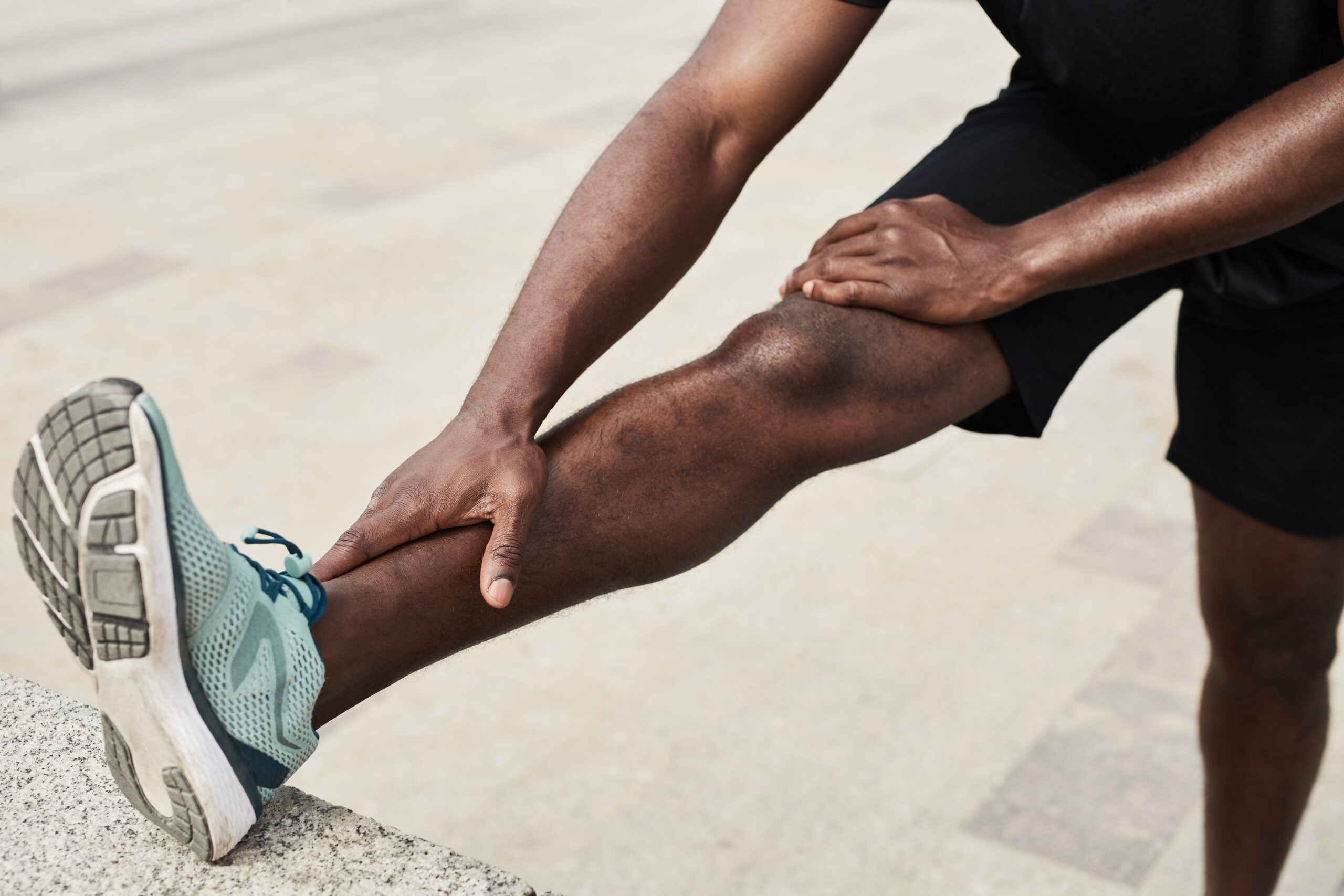
Transform your recovery journey with chiropractic rehabilitation for adductor tendinopathy to regain strength and flexibility.
Abstract
In this educational post, I, Dr. Alex Jimenez, DC, APRN, FNP-BC, CFMP, IFMCP, ATN, CCST, walk you through a real-world, step-by-step evaluation and integrative treatment plan for a 35-year-old patient with an eight-year history of intermittent medial thigh pain radiating to the knee, with focal tenderness at the proximal adductor tendon near the pubic bone. I present the latest evidence on adductor tendinopathy, differential diagnosis, diagnostic pathways, and a comprehensive, function-first approach that blends chiropractic care, functional rehabilitation, medical oversight, and interventional options. Working alongside our Medical Director and Collaborative Physician, Dr. Maria Guadalupe Cardenas, MD (Board Certified in Internal Medicine; NPI #1164426749; Texas MD License #J2933), we outline how our multidisciplinary team at Injury Medical Clinic PA (Mission Plaza Injury Medical Clinic) in El Paso, Texas evaluates and treats such cases using modern, evidence-based methods. We examine the role of ultrasound-guided peri-tendinous injections, graded loading, neuromuscular control, pelvic stabilization, fascia-focused methods, metabolic supports, and return-to-activity programming, integrating clinical observations from my practice and aligning them with leading research. You will learn how I think clinically, why I select each technique, how physiology guides our decisions, and where integrative chiropractic care fits within a safe, scalable, patient-centered plan.
About Our Integrative Team and Clinical Model
- I am Dr. Alex Jimenez, DC, APRN, FNP-BC, CFMP, IFMCP, ATN, CCST. My practice focuses on integrative musculoskeletal care, functional medicine, and injury rehabilitation informed by evidence-based protocols and patient-centered goals. Much of my clinical commentary is based on extensive practice observations and ongoing professional development in sports, injury, and metabolic medicine (Jimenez, n.d.-a; Jimenez, n.d.-b).
- Our Medical Director and Collaborative Physician is Dr. Maria Guadalupe Cardenas, MD (Board Certified in Internal Medicine; NPI #1164426749; Texas MD License #J2933), who brings over 40 years of experience as an internist. Dr. Cardenas provides medical oversight for diagnostic clarity, medication/injection safety, inter-specialty coordination, and management of comorbidities that impact tissue healing and pain modulation.
- We operate as Injury Medical Clinic PA (Mission Plaza Injury Medical Clinic) in El Paso, Texas—a multidisciplinary setting common in integrative and injury care clinics. Our model supports chiropractic care under coordinated medical direction, bridging rehabilitation, functional medicine, interventional options, and personal injury documentation.
- In our team-based flow:
- I lead the musculoskeletal function assessment, spine and pelvic biomechanics analysis, soft-tissue evaluation, and progressive loading strategies.
- Cardenas oversees medical diagnostics, risk stratification, pharmacologic safety, metabolic optimization, and indications for injection- or image-guided procedures.
- Together, we integrate care plans that combine manual therapy, corrective exercise, fascia-informed approaches, functional medicine supports, and, where appropriate, minimally invasive options to accelerate recovery and reduce relapse risk.
Case Narrative: A Patient’s Journey With Chronic Medial Thigh Pain
Patient profile and history
A 35-year-old male presents with an eight-year history of chronic, intermittent aching pain along the medial right thigh, radiating to the knee. No discrete trauma is recalled. He notes focal tenderness near the groin, especially over the adductor tendon at its pubic insertion. The pain waxes and wanes with activity, occasionally flaring with sprinting, change-of-direction movements, or resisted adduction.
Key examination findings
- Palpation demonstrates tenderness over the proximal adductor complex: the gracilis, adductor brevis, adductor longus, adductor magnus, and pectineus near the pubic origin.
- Pain is provoked with direct pressure over the tendon and is intensified as we approach the pubic bone, consistent with proximal adductor tendinopathy.
- Resisted hip adduction and passive adductor stretch reproduce symptoms.
- Pelvic alignment and functional tests suggest mild pelvic asymmetry and decreased lumbopelvic control.
- No obvious neurologic deficit or vascular compromise is appreciated.
Immediate procedural context
Given the chronicity, focal tenderness, and functional limitations, we consider a targeted, ultrasound-guided peri-tendinous injection to modulate nociception and reduce local pain, paired with a structured loading program and pelvic stabilization. The procedural steps include:
- Skin preparation with alcohol and povidone-iodine (Betadine) for asepsis.
- Use a vapor coolant spray (e.g., Pain Ease) to reduce superficial needle discomfort.
- Carefully aspirate before injection to confirm no vascular entry.
- Peri-tendinous deposition of the solution along the adductor tendon with graded distribution to bathe the proximal insertion.
The injection is a supportive adjunct, not a standalone cure. The therapeutic driver remains progressive, criteria-based rehabilitation with biomechanical correction.
Understanding Adductor Tendinopathy: Physiology, Pain, and Performance
What is adductor tendinopathy?
Adductor tendinopathy is a clinical syndrome involving the adductor tendon and its enthesis (tendon-bone interface) characterized by pain, load intolerance, and impaired performance. Chronic forms show features of tendon matrix disorganization, neovascularization, altered tenocyte activity, and changes in collagen cross-linking, with variable neurogenic contributions to pain.
Why it hurts: the pathobiology in plain language
- Mechanical overload and microtrauma: Repetitive tensile and compressive loads at the pubic bone enthesis cause microdamage exceeding the tendon’s repair capacity. Over time, collagen fibers lose uniform alignment, and the tendon becomes less efficient at transmitting force.
- Cellular response: Tenocytes upregulate a repair response, but in chronic states this can become dysregulated, leading to increased proteoglycans and water content in the tendon, decreased stiffness, and pain during loading.
- Neurovascular ingrowth: New small blood vessels and accompanying nerve fibers can grow into the tendon matrix. These nociceptive fibers can amplify pain, especially with stretch or contraction.
- Biotensegrity and regional interdependence: The adductors do not function in isolation. Pelvic ring mechanics, abdominal wall function, hip rotators, and contralateral gluteal control all influence adductor loading. Dysfunction in any link can increase strain at the pubic insertion.
Common drivers and contributors
- Sudden spikes in training load, especially in sports requiring cutting, deceleration, or kicking.
- Pelvic and hip mobility asymmetries, or posterior chain stiffness.
- Weakness or delayed activation of the deep core, lower abdominal, and gluteal stabilizers.
- Poor lumbopelvic proprioception and coordination.
- Suboptimal recovery, sleep restriction, or nutrition deficits affecting collagen turnover.
- Prior groin injuries, lumbar facet irritation, or sacroiliac dysfunction altering load distribution.
Differential Diagnosis: Ruling In the Adductor Tendon and Ruling Out the Mimics
Before committing to a treatment plan, we consider overlapping or masquerading conditions:
- Athletic pubalgia (core muscle injury): Pain at the pubic aponeurosis, rectus abdominis-adductor interface. Often coexists with adductor tendinopathy.
- Osteitis pubis: Inflammatory changes and pain at the pubic symphysis, exacerbated by shearing forces.
- Femoroacetabular impingement (FAI) or labral pathology: Hip joint pain with flexion, internal rotation; positive impingement tests; may refer to the groin.
- Inguinal hernia or sports hernia: Palpable defect, cough impulse, or Valsalva-provoked symptoms.
- Obturator nerve entrapment: Medial thigh pain with possible sensory changes; symptom behavior differs from tendon load pain.
- Referred pain from lumbar spine or SI joint: Neuromechanical patterns and dermatome clues can distinguish these.
- Stress fracture (pubic ramus or femoral neck): High suspicion is warranted in runners with night pain or bony tenderness.
- Adductor strain (acute) vs chronic tendinopathy: Time course, swelling, and bruising differentiate.
Medical oversight by Dr. Cardenas ensures we do not miss red flags (fever, unexplained weight loss, neurologic deficits, systemic inflammatory disease) or critical mimics (e.g., stress fracture). When indicated, we obtain imaging such as ultrasound or MRI to clarify diagnosis and guide interventions.
Diagnostic Pathways and Imaging
- Ultrasound: Useful for visualizing tendon thickening, hypoechogenicity, neovascularity with Doppler, and guiding precise peri-tendinous injections.
- MRI: Offers comprehensive assessment of tendon signal changes, pubic symphysis edema, bone stress, and concomitant core muscle injuries.
- Functional assessment: Single-leg stance, lateral lunge, Copenhagen adduction test variations, hop tests, and force-platform measures (when available) help quantify deficits and track progress.
Dr. Cardenas evaluates imaging indications, ensures appropriate referrals, and confirms the safety and necessity of procedures, particularly in complex or refractory cases.
Why Consider a Peri-Tendinous Injection?
In chronic adductor tendinopathy, a carefully selected injection can:
- Decrease nociceptive signaling in the peri-tendinous tissue, allowing earlier tolerance of loading.
- Modulate local neurogenic inflammation and reduce guarding.
- Improve the ability to perform targeted rehabilitation exercises without exacerbating pain.
Key points:
- The injection is anatomically targeted along the painful tendon, near its insertion into the pubic bone.
- We aspirate before injection to avoid intravascular delivery and keep the procedure safe.
- Skin preparation (alcohol, betadine) reduces infection risk.
- A vapor coolant spray can minimize surface-level discomfort.
Importantly, injections do not “fix” tendon structure on their own. The durable solution is progressive mechanical loading, biomechanics correction, and comprehensive rehabilitation—where integrative chiropractic care is essential.
Integrative Chiropractic Care: Where It Fits and Why It Matters
As a chiropractor with advanced training in functional and integrative medicine, I approach the adductor problem as a lumbopelvic kinetic chain issue, not merely a tendon issue. Chiropractic care complements the plan by:
- Restoring pelvic and sacroiliac mechanics: Subtle SI joint restrictions can increase shear at the pubic symphysis. Gentle, evidence-aligned manipulation or mobilization can restore motion and reduce aberrant loads.
- Improving lumbar segmental function: Optimizing lumbar mobility and reducing facet irritation can normalize muscle recruitment patterns.
- Addressing thoracolumbar fascia continuity: Manual techniques that reduce myofascial tension along the posterior chain and lateral lines can decrease compensatory overuse of the adductors.
- Facilitating neuromuscular re-education: Combining manipulation with specific activation drills (e.g., gluteus medius, deep abdominal wall) demonstrates superior retention of improved patterns.
In my clinical experience, when chiropractic adjustments are paired with targeted stabilization and graded adductor loading, patients recover faster and relapse less often (Jimenez, n.d.-a; Jimenez, n.d.-b).
Functional Rehabilitation Framework: From Calm to Strong to Fast
Our rehab pathway follows clear phases, with advancement based on criteria, not calendar time.
Phase 1: Calm the system
Goals:
- Reduce pain to enable quality movement.
- Introduce isometrics for tendon analgesia.
- Begin pelvic control and breath mechanics.
Components:
- Isometric adduction holds: Pain-guided loading (e.g., long-lever and short-lever Copenhagen isometrics) shown to produce hypoalgesia in tendinopathy contexts while maintaining tendon load tolerance.
- Diaphragmatic breathing and 360-degree brace: Enhances intra-abdominal pressure and lumbopelvic stability.
- Gentle soft-tissue work: Myofascial techniques on adductors, hip flexors, TFL, and obturator internus/externus to reduce protective spasm.
- Chiropractic mobilization: Correct SI joint and lumbar segmental restrictions; low-velocity techniques as needed.
- Activity modification: Avoid high-speed cutting, maximal change-of-direction drills, or deep adductor stretching that increases enthesis strain.
Criteria to advance:
- Pain reduction during daily activities.
- Improved tolerance to isometric loading without flare.
- Better pelvic alignment and lumbopelvic proprioception on clinical tests.
Phase 2: Rebuild capacity
Goals:
- Increase the tendon’s tensile load capacity.
- Improve adductor strength, endurance, and coordination within the kinetic chain.
Components:
- Isotonics: Side-lying hip adduction, standing cable adductions, sliding lateral lunges emphasizing controlled adduction, and Tempo-based concentrics/eccentrics.
- Copenhagen progressions: Short-lever to long-lever, eccentric-biased dosing when pain is 3/10 during and after sessions.
- Gluteal strengthening: Hip abduction and extension patterns to balance frontal-plane forces on the pelvis.
- Core integration: Pallof presses, anti-rotation lifts, dead-bug progressions to stabilize the pelvis under load.
- Chiropractic care: Maintain joint mechanics; reinforce improved movement with adjustments timed after strength work to consolidate motor patterns.
- Manual therapy: Address residual soft-tissue densification, especially at the adductor longus and the adductor-rectus aponeurotic region.
Criteria to advance:
- Symptom control under moderate dynamic loads.
- Strength symmetry approaching the contralateral limb on adduction dynamometry or field tests.
- Quality movement in lateral lunge and change-of-direction shadow drills.
Phase 3: Return to performance
Goals:
- Restore high-speed function, cutting ability, and resilience.
- Refine deceleration mechanics and pelvic control in sport-specific contexts.
Components:
- Plyometrics: Lateral bounds, skaters, and deceleration drills emphasizing knee-over-foot alignment, trunk control, and pelvis neutrality.
- Agility and COD: Graded intensities; integrate acceleration and deceleration with controlled adduction.
- Energy system work: Interval conditioning to prepare for sport demands without overloading the adductor.
- Maintenance care: Periodic chiropractic and soft-tissue sessions to sustain pelvic symmetry and tissue pliability.
- Load management: Monitor training spikes, introduce deload weeks, and track subjective measures (sleep, soreness, readiness).
Criteria for return to play:
- Pain-free Copenhagen long-lever holds and high-load adduction tests.
- Symmetric or near-symmetric adduction-abduction strength ratios.
- Sport-specific tolerance without delayed next-day flare.
Procedural Detail: Peri-Tendinous Injection Steps and Rationale
- Site identification: Pinpoint maximal tenderness at the proximal adductor tendon near the pubic bone. Ultrasound guidance improves accuracy and safety.
- Aseptic technique: Clean with alcohol, then betadine to reduce infection risk.
- Topical analgesia: Use a vapor coolant spray (in mist form) to limit unintended skin runoff and numb the superficial layer.
- Needle approach: Advance to the tendon’s periphery. Aspirate to ensure the needle is not within a vessel.
- Fractional dosing: Deliver in small aliquots along the tendon to “bathe” the insertion and adjacent fibers.
- Aftercare: Apply a compressive bandage as needed; counsel activity for the next 24-48 hours and begin or continue the rehab protocol with appropriate modifications.
Dr. Cardenas co-manages safety by reviewing medications, bleeding risk, infection precautions, and comorbidity considerations. This team workflow supports both efficacy and safety.
Pain Science Integration: Why Patients Feel Better With the Right Load
- Isometrics can trigger analgesia via spinal and supraspinal mechanisms, decreasing pain perception and enabling quality movement practice.
- Graded exposure rebuilds tolerance by modulating central sensitization and teaching the nervous system that loading is safe.
- Manual therapy and adjustments reduce nociceptive input from restricted joints and sensitized tissues, allowing more normalized motor output.
- Education reframes pain as a modifiable signal, not damage alone—reducing fear and improving adherence.
Biomechanics of the Pelvic Ring and Pubic Symphysis
The pelvis functions as an integrated ring:
- The sacroiliac joints and pubic symphysis distribute loads between trunk and legs.
- Loss of gluteal control or delayed lower abdominal activation increases shear at the pubic symphysis, stressing the adductor enthesis.
- Excessive anterior pelvic tilt increases passive tension of adductors and hip flexors.
- Chiropractic strategies optimize joint play and segmental motion to reduce maladaptive load paths, while rehab strategies reinforce muscular slings that support the ring.
Key muscular slings:
- Anterior oblique sling: external oblique, contralateral internal oblique, and adductors via the pubic aponeurosis.
- Posterior oblique sling: Latissimus dorsi, thoracolumbar fascia, contralateral gluteus maximus.
- Lateral stabilization: Gluteus medius/minimus and adductors co-manage frontal plane forces.
Fascia and the Adductor-Rectus Aponeurosis
The adductor longus shares an aponeurotic connection with the rectus abdominis at the pubis. Micro-failure at this interface can present as groin pain that mimics or coexists with adductor tendinopathy. Fascia-aware methods:
- Targeted manual therapy to modulate densification and restore gliding.
- Eccentric loading to align collagen and improve aponeurotic stiffness.
- Core-to-groin coordination drills to restore load sharing across the anterior sling.
Functional Medicine Supports for Tendon Health
Under Dr. Cardenas’ medical oversight, we consider metabolic influences on tendon recovery:
- Protein sufficiency and collagen-specific amino acids (glycine, proline, hydroxyproline) to support collagen turnover.
- Vitamin C with collagen pre-exercise to enhance collagen synthesis signaling.
- Omega-3 fatty acids to modulate low-grade inflammation without blunting adaptive repair.
- Vitamin D optimization for musculoskeletal health.
- Glycemic control: Hyperglycemia can impair collagen cross-linking and tendon quality.
- Sleep and circadian health: Adequate sleep supports growth hormone and tissue repair cycles.
- We assess iron status, thyroid function, and other systemic factors when healing lags.
We tailor supplementation and nutrition within a whole-diet framework, prioritizing high-quality proteins, colorful phytonutrients, and anti-inflammatory dietary patterns.
Patient Education: Setting Expectations and Building Confidence
- Chronic tendinopathy improves with consistent, progressive loading; injections help with short-term symptom relief.
- Soreness of 3/10 that resolves within 24 hours is typically acceptable; sharp, escalating pain is not.
- Recovery is non-linear; occasional plateaus are normal.
- Maintenance exercises and load management reduce recurrence.
- Integrative care—chiropractic, rehab, functional medicine, and medical oversight—addresses the full picture.
Personal Injury and Occupational Considerations
In personal injury contexts, we:
- Clearly document the mechanism of injury, functional limitations, and treatment response.
- Coordinate workplace modifications and graded return-to-duty timelines.
- Communicate with legal and insurance stakeholders when needed, maintaining medical accuracy and patient advocacy.
Beyond Adjustments: Chiropractic and Integrative Healthcare- Video
Safety, Risk Management, and Red Flags
We screen for:
- Fever, night sweats, unexplained weight loss.
- Severe night pain, bony tenderness suggestive of stress injury.
- Progressive neurologic deficits.
- Inguinal hernia signs.
- Systemic inflammatory disease features.
Dr. Cardenas directs any additional testing or specialty referrals based on these findings.
Monitoring Progress: Metrics That Matter
- Pain during and after loading tasks.
- Adductor strength via dynamometry or structured field tests.
- Symmetry in Copenhagen tests and lateral movement patterns.
- Patient-reported outcomes: function, sleep, confidence.
- Imaging follow-up when clinically indicated, not routinely.
The Role of Loading Parameters: Dose Makes the Medicine
- Early stage: 30-45 second isometrics, 4-5 sets, 1-2 times daily, pain-guided.
- Mid stage: 3-4 sets of 6-12 reps, tempo-controlled isotonics; eccentric bias introduced gradually.
- Late stage: Power and plyometric dosing 2-3 times weekly with recovery days; intensity escalated by criteria.
Integrating Technology: Ultrasound, Force Plates, and EMG-Assisted Training
- Ultrasound guides precise injection placement and monitors tendon structure.
- Force plates quantify asymmetry and rate-of-force development in return-to-play decisions.
- EMG-informed biofeedback can improve adductor-gluteal coordination during complex movements.
Clinical Observations From My Practice
- Patients who receive combined chiropractic care, targeted isometric analgesia, and early pelvic stabilization advance faster through rehabilitation milestones than those receiving single-modality care.
- Addressing thoracolumbar fascia tension reduces compensations that overload the adductors.
- Optimizing nutrition and sleep correlates with fewer flare-ups and greater strength gains.
- In long-standing cases, carefully timed peri-tendinous injections facilitate the transition from pain-limited isometrics to productive eccentric loading.
References to my clinical work and perspective are available on my professional platforms (Jimenez, n.d.-a; Jimenez, n.d.-b).
Collaborative Practice: How Dr. Cardenas and I Coordinate Care. Review the case
- to confirm the differential diagnosis and discuss risk factors.
- Decide whether imaging or an image-guided injection is appropriate.
- Establish a stepwise rehab plan with medical safety checks.
- Monitor comorbidities and medication interactions that influence pain and healing.
- Maintain open communication with the patient and, when applicable, with other specialists.
This collaboration reflects a modern, multidisciplinary model that strengthens both diagnostic accuracy and therapeutic execution.
Patient Roadmap: What to Expect Week by Week
- Weeks 1-2: Pain-calming strategies, isometrics, breathing, light manual therapy, and gentle chiropractic mobilizations. Education and activity modification.
- Weeks 3-6: Progressive isotonics, Copenhagen progressions, core integration, gluteal strength, sustained chiropractic support.
- Weeks 7-10: Introduce plyometrics and agility, refine deceleration, sport-specific tasks, ongoing recovery modulation.
- Weeks 10+: Return-to-sport criteria testing, load management planning, maintenance strategies.
Actual timelines vary by symptom severity, tissue tolerance, and prior conditioning. Criteria, not dates, decide the pace.
Practical Self-Care and Prevention
- Warm up with dynamic movements that emphasize the hips and pelvis.
- Maintain year-round adductor and gluteal strength.
- Periodically recheck pelvic mechanics and mobility.
- Avoid rapid spikes in training load; progress volumes and intensities systematically.
- Maintain hydration, protein intake, and post-training recovery nutrition.
Conclusion: A Whole-Person, Whole-System Approach
This case illustrates how chronic adductor tendinopathy responds best to a comprehensive strategy that aligns anatomy, physiology, biomechanics, and behavioral science. The peri-tendinous injection is an evidence-aligned tool to reduce pain; integrative chiropractic care restores joint and fascial mechanics; progressive rehabilitation rebuilds tendon capacity; and functional medicine supports the biology of repair. With Dr. Maria Guadalupe Cardenas’ medical oversight and our team-based approach at Injury Medical Clinic PA, we deliver precise, safe, scalable care that helps patients move from persistent groin pain back to confident movement.
If you or someone you know is struggling with chronic medial thigh or groin pain, our team in El Paso stands ready to evaluate, explain, and guide a personalized, evidence-informed recovery plan.
References
- Jimenez, A. (n.d.-a). Injury Medical & Chiropractic Clinic: Clinical insights and case discussions. Personal Injury Doctor Group. https://personalinjurydoctorgroup.com/
- Jimenez, A. (n.d.-b). Dr. Alex Jimenez, DC — Professional profile and clinical updates. LinkedIn. https://www.linkedin.com/in/dralexjimenez/
Note: This educational post reflects current best practices and our team’s integrated clinical approach. It is not a substitute for individualized medical advice; please consult your licensed clinician for personalized assessment and care.
SEO tags: adductor tendinopathy, groin pain, adductor longus, pelvic stability, chiropractic care El Paso, integrative sports medicine, peri-tendinous injection, ultrasound-guided injection, Copenhagen exercise, functional rehabilitation, pubic symphysis pain, athletic pubalgia, osteitis pubis, fascia and groin pain, SI joint dysfunction, low back and groin connection, tendon loading program, collagen support, return to sport, personal injury clinic El Paso, Dr. Alex Jimenez DC, Dr. Maria Cardenas MD

Comments are closed.