
Try ‘Fun-First’ Fitness That Sticks for Health

Missed Your New Year’s Resolution? Try “Fun-First” Fitness That Actually Sticks
If your New Year’s resolution to “work out more” already fell apart, you’re not alone. Most people don’t quit because they’re lazy. They quit because the plan was too strict, too boring, too painful, or too time-heavy.
A better approach is fun-first movement: pick activities you enjoy and can access easily, then start with tiny, consistent sessions (like 10–15 minutes). Over time, small wins build momentum and confidence. Even short bouts of movement count—and they are often the best way to restart without feeling overwhelmed.
This article breaks down enjoyable ways to stay active (without forcing yourself into a gym routine), how to build consistency, and how integrative chiropractors and nurse practitioners (NPs) can help you return to full function when pain, stiffness, old injuries, or health limits get in the way.
Why “Traditional Workouts” Fail for Many People
A lot of exercise plans fail because they depend on a perfect week: perfect energy, perfect schedule, and perfect motivation. Real life rarely works like that.
Here are common reasons people quit:
-
All-or-nothing thinking: “If I can’t do 45 minutes, it’s not worth it.”
-
Boredom: The plan feels like punishment, not progress.
-
Pain or fear of pain: Back, neck, knee, hip, or shoulder issues make workouts feel risky.
-
Too much too soon: Starting at “hard mode” causes burnout or soreness that kills momentum.
-
No social support: Doing it alone makes quitting easier.
The fix is not “more willpower.” The fix is a better system—one built around enjoyable movement, low pressure, and gradual progress.
The “Fun-First” Rule: If You Enjoy It, You’ll Repeat It
When an activity feels fun, your brain stops labeling it as a chore. That makes it easier to repeat, and repetition is what drives results.
Examples of fun-first movement include:
-
Hiking or nature walks
-
Dancing (at home or in classes)
-
Swimming or water exercise
-
Cycling (outdoors or stationary)
-
Rock climbing (indoor gyms often have beginner routes)
-
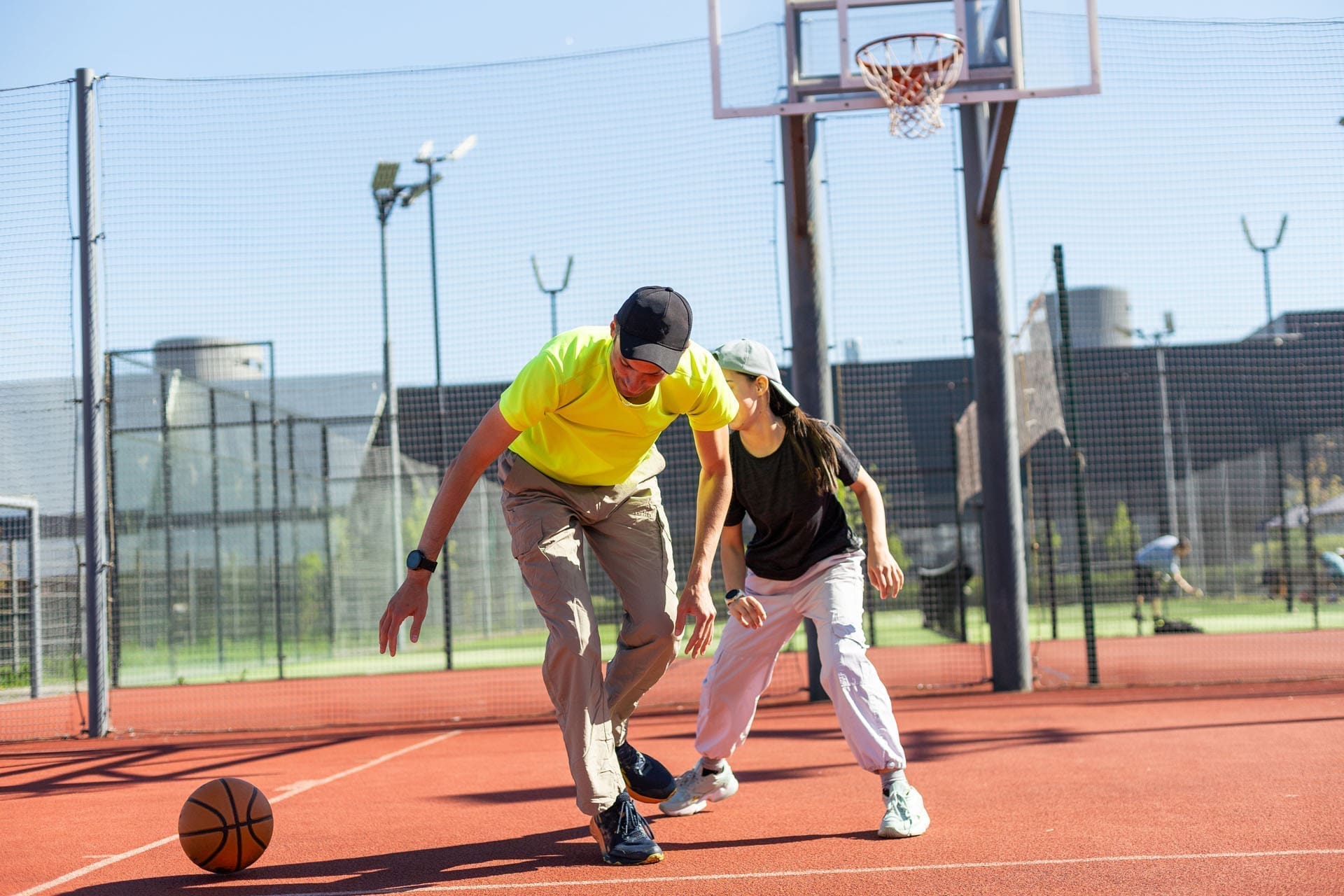
Recreational sports like pickleball, tennis, basketball, soccer, or softball
-
Martial arts or self-defense classes
-
Yoga or Tai Chi for low-impact strength, balance, and stress relief
Important idea: You don’t need to “love exercise.” You only need to find movement you don’t hate—and that you’re willing to do again.
Start Small: The 10–15 Minute Strategy
If you’re restarting after quitting, the goal is not intensity. The goal is consistency.
Try one of these simple starter plans:
-
10 minutes a day, 5 days a week
-
15 minutes, 3–4 days a week
-
Two “mini-sessions” of 7 minutes (morning + evening)
Why this works:
-
It lowers resistance (“I can do 10 minutes.”)
-
It reduces soreness and injury risk
-
It builds a habit loop—showing up becomes normal
Quick “Minimum Dose” Options (Pick One)
-
Walk outside or inside (hallways, store laps, treadmill)
-
Dance to 2–3 songs
-
Cycle at an easy pace
-
Do a short beginner yoga flow
-
Swim easy laps or do water walking
-
Practice Tai Chi basics
-
Do a simple bodyweight circuit
Enjoyable Activities That Don’t Feel Like “Working Out”
Hiking and Walking (The Gateway Habit)
Hiking and walking are simple, scalable, and can be social. Trails and routes can match your level, and nature makes it feel less like exercise and more like a reset.
Make it easier to stick with:
-
Pick a route you genuinely enjoy
-
Keep your pace comfortable
-
Track “days walked,” not miles
-
Add a friend, dog, or playlist
Dancing (High Fun, High Payoff)
Dancing can elevate your heart rate without feeling like a workout. It also helps coordination and mood.
Easy ways to start:
-
10 minutes in your living room
-
A beginner class (line dance, salsa, hip-hop basics)
-
A “dance break” during your day
Swimming and Water Exercise (Joint-Friendly Cardio)
Water supports your body weight and reduces stress on joints. That makes swimming and water exercise great if you have back pain, knee pain, or you’re rebuilding after time off.
Try:
-
Water walking
-
Easy laps
-
Water aerobics-style movements
-
Gentle kicking with a kickboard
Cycling (Low-Impact, Easy to Scale)
Cycling builds leg strength and heart health with lower joint impact than many running programs.
Options:
-
Outdoor rides
-
Stationary bike
-
Short “easy spins” on busy days
Rock Climbing (Strength + Problem-Solving)
Climbing is ideal for people who get bored easily. It feels like solving a puzzle with your body. Many gyms have beginner routes and staff support.
Start small:
-
Try a beginner class
-
Focus on technique, not intensity
Social Fitness: Sports and Group Activities That Keep You Showing Up
If you like people (even a little), social movement can be the easiest way to stay consistent.
Why group activity helps
Group-based programs often have better adherence than exercising alone because social connection increases accountability and enjoyment.
Great “social fitness” picks
-
Pickleball
-
Tennis
-
Recreational leagues (basketball, soccer, softball)
-
Group hiking clubs
-
Dance classes
-
Martial arts classes
-
Group fitness classes (if you like structure)
Pickleball note (quick and practical)
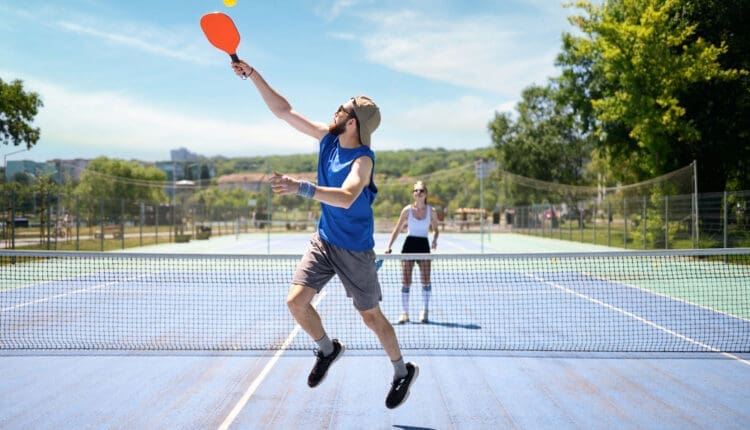
Pickleball is popular because it’s fun, social, and can count as a moderate-intensity activity for many adults. If you’re new, warm up first and consider eye protection—especially if you’re playing often.
Mind-Body Options: Yoga and Tai Chi for Low-Impact Fitness + Stress Relief
If your body feels stiff, stressed, or “beat up,” mind-body movement can be a smart reset.
Yoga
Research suggests that yoga may provide benefits for some pain conditions (including low back pain) and can also support mobility and stress reduction when practiced safely and consistently.
Tai Chi
Tai Chi is a gentle, controlled movement that can improve balance and stability, and some evidence suggests it may also help with stress and mood. It’s a solid choice if you want movement that feels calm, understood, and repeatable.
Best way to start:
-
10 minutes, 3–5 days per week
-
Choose beginner videos or classes
-
Focus on form, breathing, and consistency—not perfection
“Exercise Snacks”: Ways to Move Without Scheduling a Workout
Sometimes the best plan is to stop calling it a workout and start calling it life movement.
Try these “exercise snacks”:
-
Take stairs for 2–3 minutes
-
Do a 5-minute walk after meals
-
Do 10 bodyweight squats while coffee brews
-
Stretch hips and upper back for 4 minutes
-
Park farther away and walk
-
Do a short dance break between tasks
These small breaks help you break up long periods of sitting, which many guidelines recommend.
The Health Target (Simple Version)
You don’t have to hit this perfectly, but it helps to know what “enough” looks like.
Many adult guidelines recommend:
-
At least 150 minutes/week of moderate activity (or 75 minutes/week vigorous activity), and
-
Strength activities 2+ days/week (major muscle groups)
If that feels far away, start with consistency first, then build time.
Safety: When to Slow Down and Get Support
Before you ramp up activity, consider medical guidance if you:
-
Have chest pain, fainting, or uncontrolled shortness of breath
-
Have major dizziness or new neurological symptoms
-
Have recent surgery, fracture, or uncontrolled blood pressure
-
Are returning after a long inactive period with multiple health conditions
Also, pain is not always “bad,” but it should guide your plan:
-
Good discomfort: mild muscle fatigue, mild soreness that improves in 24–48 hours
-
Warning pain: sharp pain, radiating pain, numbness/tingling, joint swelling, pain that worsens with each session
How Integrative Chiropractors and Nurse Practitioners Help You Get Back to Full Function
Many people quit exercising because something hurts. This is where an integrative team can help.
Identify what’s actually limiting you
In clinical practice, a common pattern is that people think they “lack motivation,” but the real issue is a movement limitation:
-
poor hip mobility
-
weak core stability
-
irritated joints
-
old injuries
-
nerve tension
-
poor recovery and sleep
An integrative approach looks at the whole picture—movement, lifestyle, health history, stress load, and recovery habits.
Chiropractors: help restore motion, reduce mechanical stress, and support rehab
For many musculoskeletal conditions (especially back-related discomfort), guidelines include non-drug, noninvasive options such as spinal manipulation, along with movement-based care like yoga and Tai Chi.
A practical, modern chiropractic plan often includes:
-
joint and soft tissue work
-
mobility progressions
-
posture and movement coaching
-
home exercise support (simple, repeatable routines)
Nurse practitioners: address health factors that affect energy, recovery, and safety
NP support matters when you need:
-
a safe return-to-activity plan
-
medication review (some meds affect heart rate, balance, or hydration)
-
support for sleep, stress, nutrition, and fatigue
-
monitoring of chronic conditions that impact exercise tolerance
The “bridge plan”: from pain ? function ? fitness
Dr. Alexander Jimenez’s clinical model emphasizes building care plans that support access and follow-through—using structured integrative care and, when appropriate, telemedicine tools to help patients stay consistent while tracking progress and symptoms.
A Simple 4-Week “Restart Plan” (No Gym Required)
Week 1: Show up (10 minutes)
-
Pick 1 fun activity
-
Do it 3–5 times
-
Keep intensity easy
Week 2: Add a little time
-
Increase to 12–15 minutes
-
Add 1 day of light strength (bodyweight)
Week 3: Add variety
-
Keep your fun activity
-
Add 1 mind-body session (yoga or Tai Chi)
-
Add 1 social session (friend walk, pickleball, class)
Week 4: Build toward the weekly target
-
Aim for 90–120 total minutes/week
-
Keep it enjoyable
-
Focus on consistency, not perfection
References
-
American College of Physicians issues guideline for treating nonradicular low back pain (2017). American College of Physicians.
-
Complementary, Alternative, or Integrative Health: What’s In a Name? (n.d.). National Center for Complementary and Integrative Health.
-
Exercise for the Apparently Healthy, Inactive Person (n.d.). Exercise is Medicine®.
-
Exercises for people who hate to work out (2025, September 9). Blue Cross NC.
-
Fun Activities You Can Try to Stay Active and Healthy (2024, November 15). MultiCare Clinic.
-
Group exercise membership is associated with forms of social support and community (2021). Frontiers in Sports and Active Living.
-
Physical activity guidelines for adults aged 19 to 64 (n.d.). NHS.
-
Physical Activity: Types (2022, March 24). National Heart, Lung, and Blood Institute.
-
Tai Chi: What You Need To Know (n.d.). National Center for Complementary and Integrative Health.
-
Tips: What You Should Know About Tai Chi for Health (n.d.). National Center for Complementary and Integrative Health.
-
Yoga: Effectiveness and Safety (n.d.). National Center for Complementary and Integrative Health.
-
Psychological Effects of Yoga and Physical Therapy on Low Back Pain and Disability (2022, May 17). National Center for Complementary and Integrative Health.
-
5 Health Benefits of Pickleball (2025, August 13). AARP.
-
Pickleball Helps Older Adults Stay Physically Active (2023, April 26). NC State News.
-
Workouts for When You Don’t Want to Work Out (2025, August 26). Piedmont Wellness Center.
-
El Paso, TX Doctor Of Chiropractic (n.d.). Dr. Alexander Jimenez.
-
Integrative Chiropractic + NP Care for Lasting Wellness (2026, January 7). Dr. Alexander Jimenez.
Comments are closed.