
Knee Osteoarthritis Recovery Process Using PRP Therapy
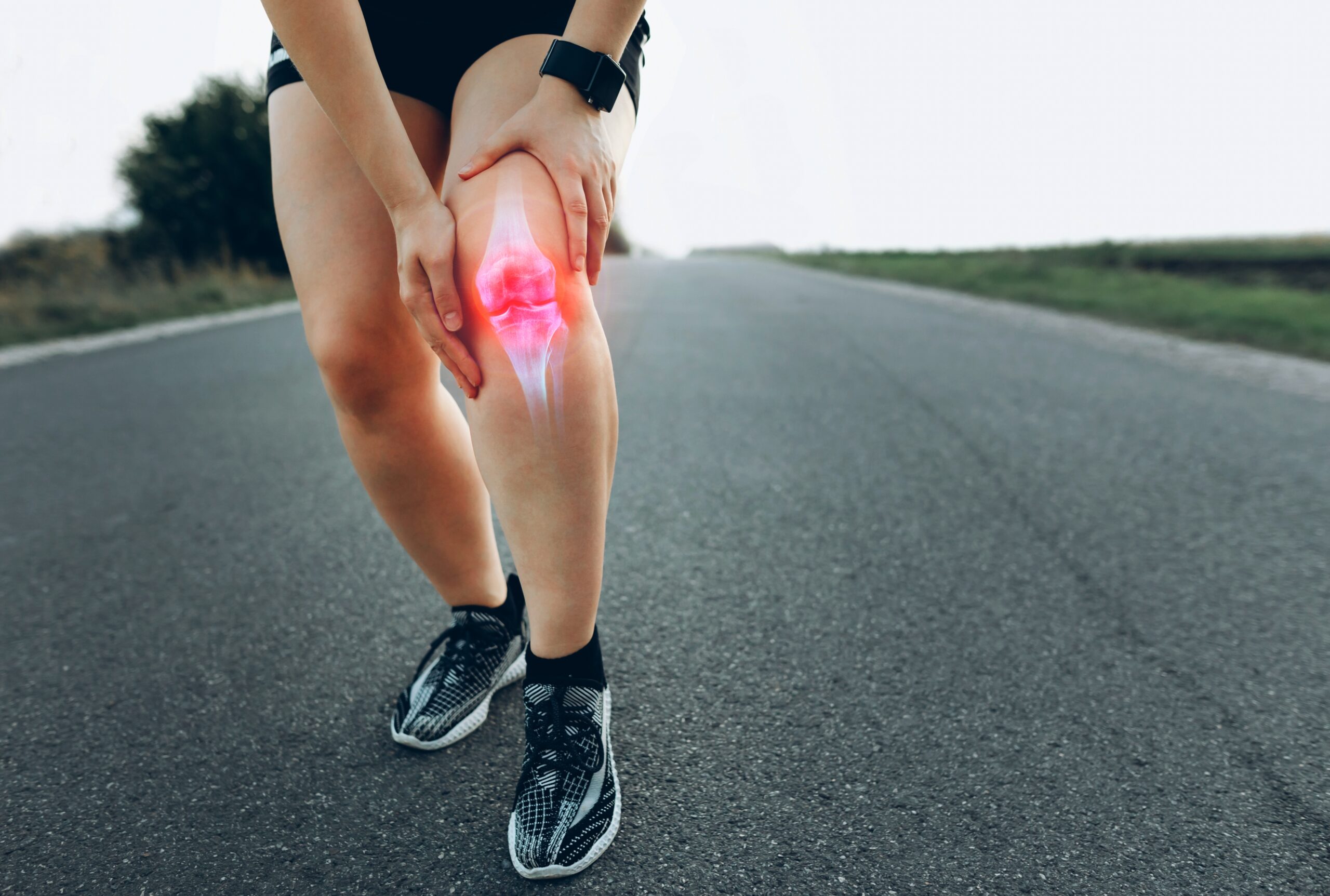
Learn how PRP therapy for knee osteoarthritis offers a promising solution for managing symptoms and improving quality of life.
Abstract
In this educational post, I present current, evidence-based insights on platelet-rich plasma (PRP) for knee osteoarthritis (OA) and related conditions, focusing on two critical variables that shape outcomes: the role of leukocytes in PRP formulations and the importance of platelet dose. Drawing from recent randomized controlled trials, meta-analyses, and biomarker studies, I explain why leukocyte-rich PRP may be beneficial in inflamed environments and how higher platelet counts correlate with more durable improvements in pain and function. I also describe how our multidisciplinary team integrates chiropractic care, internal medicine oversight, functional medicine, rehabilitation, and personal injury protocols to deliver individualized, outcome-driven treatment. Finally, I introduce our collaborative physician, Dr. Maria Guadalupe Cardenas, MD (Board Certified in Internal Medicine; NPI #1164426749; Texas MD License #J2933), who serves as Medical Director at Injury Medical Clinic PA (Mission Plaza Injury Medical Clinic) in El Paso, Texas, working alongside me, Dr. Alex Jimenez, DC, APRN, FNP-BC, CFMP, IFMCP, ATN, CCST. Together, we implement modern, evidence-based care that aligns clinical observation with the latest research.
Introducing Our Multidisciplinary Care Team in El Paso, Texas
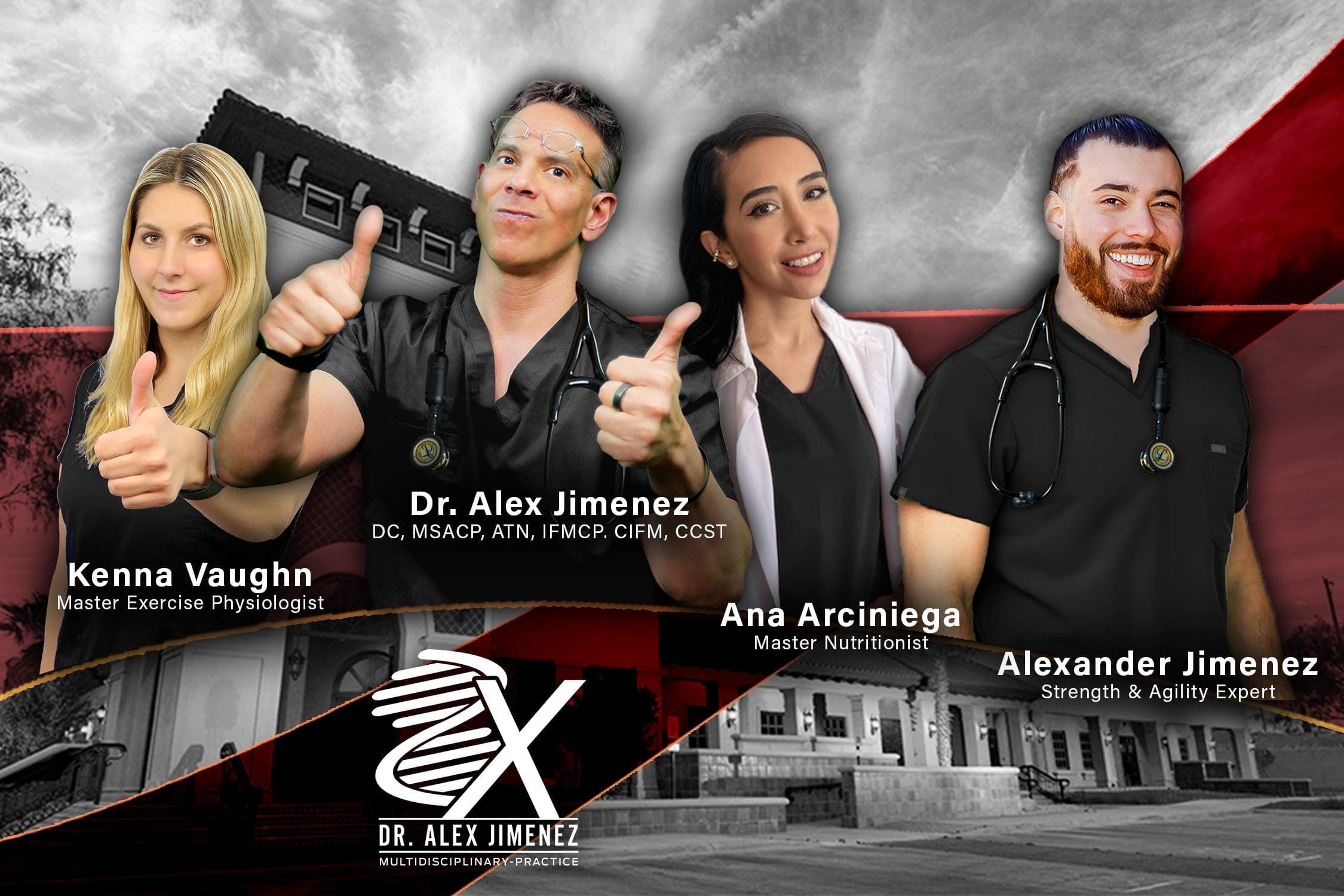
I am Dr. Alex Jimenez, DC, APRN, FNP-BC, CFMP, IFMCP, ATN, CCST. At Injury Medical Clinic PA (also known as Mission Plaza Injury Medical Clinic) in El Paso, Texas, we operate a multidisciplinary, integrative practice designed for patients navigating musculoskeletal pain, knee osteoarthritis, personal injury, and complex systemic contributors to inflammation.
- Medical Direction and Collaboration: Dr. Maria Guadalupe Cardenas, MD (Board Certified in Internal Medicine; NPI #1164426749; Texas MD License #J2933) serves as our Medical Director and Collaborative Physician. With over 40 years of internal medicine experience, Dr. Cardenas provides medical oversight, ensuring comprehensive evaluation, risk mitigation, and coordinated care across medical and chiropractic services.
- Chiropractic Integration: I lead integrative chiropractic care for joint mechanics, neuromuscular balance, and functional restoration, bridging manual therapies with regenerative and rehabilitative strategies.
- Functional Medicine Alignment: Our team employs systems biology and root-cause analysis to address metabolic drivers, cardiometabolic risk, and lifestyle determinants that shape PRP responsiveness and OA trajectory.
- Personal Injury and Rehabilitation: We coordinate post-traumatic protocols, kinetic chain assessment, and progressive rehabilitation to improve function, reduce pain, and support tissue recovery.
This model—combining internal medicine oversight with integrative chiropractic and functional medicine—embodies how modern injury and musculoskeletal clinics deliver safer, evidence-based, personalized care.
Understanding PRP: Why Formulation and Context Matter
PRP is not a one-size-fits-all therapy. Its performance depends on:
- Inflammatory context within the joint microenvironment
- Platelet concentration (dose)
- Leukocyte content (white blood cells)
- Processing method (fresh vs. preserved; single vs. double spin)
- Injection cycle timing and anatomical targeting
Physiologically, PRP delivers a concentrated payload of growth factors (e.g., PDGF, TGF-?, VEGF), anti-inflammatory cytokines (e.g., IL-1 receptor antagonist), and matrix-modulating signals that can shift the synovial environment from catabolic to anabolic. The context-dependent nature of PRP means its immunomodulatory profile can vary: in a highly inflamed joint, PRP may exert more anti-inflammatory effects; in a relatively quiescent environment, some formulations may appear pro-inflammatory. Understanding this nuance is critical when tailoring treatments for knee OA.
Evidence Focus Area 1: Are Leukocytes in PRP Harmful or Helpful in Knee OA?
Key Clinical Question
Does leukocyte content (white blood cells) in PRP—particularly neutrophils and mononuclear cells—affect outcomes in moderate knee OA?
What the Research Shows
Recent randomized controlled trials and biomarker analyses illuminate the nuanced role of leukocytes:
- Double-masked RCTs in moderate knee OA comparing leukocyte-rich PRP (LR-PRP) vs. leukocyte-poor PRP (LP-PRP) reported improvements in clinical scores in both groups with no significant difference in overall outcomes when platelet concentration was held constant and injection cycles matched (three-injection series). These trials suggest that simply removing leukocytes is not universally necessary or superior for addressing OA symptoms and function (Colombini et al., double-masked RCTs; see references).
- Biomarker profiling indicates that LR-PRP can express higher levels of anti-inflammatory mediators, including:
-
- IL-1 receptor antagonist (IL-1Ra)
- IL-4
- IL-8 in certain contexts
- These findings align with the concept that, in an inflamed synovial environment, LR-PRP may shift towards anti-inflammatory effects and support analgesia by modulating nociceptive mediators (e.g., substance P, NGF signaling) (Filardo et al.; knee OA biomarker analysis).
Physiological Rationale
- Neutrophils often drive acute inflammation via ROS and protease release; their excess can be detrimental in chronic OA.
- Monocytes/macrophages are plastic; M2-like macrophages promote resolution, matrix repair, and angiogenesis, while M1-like macrophages perpetuate inflammation. Carefully balancing leukocyte populations may amplifyPRP’ss regenerative signaling in OA.
- IL-1Ra antagonizes IL-1?, a key catabolic cytokine driving cartilage degeneration. Enhancing IL-1Ra via LR-PRP can reduce synovial inflammation, nociceptive signaling, and cartilage breakdown.
Clinical Takeaway
- Leukocyte content alone does not reliably predict outcomes. The composition and ratio of subtypes (neutrophils vs. monocytes/macrophages) likely matter more than the total leukocyte count.
- In chronically inflamed OA, a refined LR-PRP—minimizing neutrophils while maintaining mononuclear cells—may be beneficial.
- More granular analyses (flow cytometry, cell differential profiling) will improve tailoring of PRP to joint inflammatory states.
Evidence Focus Area 2: Platelet Dose Matters—The Case for Higher Platelet Counts
Dose-Response Observations
Across multiple trials:
- Higher platelet counts (e.g., 5–10 billion platelets per injection) are associated with better pain relief, lower failure rates, and more durable functional gains compared to lower-yield PRP systems (Meta-analyses and RCTs summarized below).
- Studies that used low-platelet-yield PRP systems often reported no significant differences compared with placebo or comparator treatments, underscoring the importance of platelet dose for clinical efficacy.
Key Evidence Highlights
- Large RCTs comparing PRP with other injectables (e.g., hyaluronic acid) show both groups improve, but PRP formulations with higher platelet counts tend to yield superior durability in symptom relief and functional measures over 6–12 months (Filardo et al.; meta-analysis of 18 RCTs).
- A notable high-profile trial published in 2021 found no difference between PRP and placebo; however, the PRP system used had a very low platelet yield, likely explaining the null results (JAMA, 2021; critique of low-yield PRP systems in systematic reviews).
- Meniscectomy recovery trials using well-known systems (e.g., Arthrex ACP/Angel configurations) have shown mixed results; again, platelet yield and leukocyte composition may drive variability rather than PRP as a concept.
Biomarker Correlations
- Data comparing responders vs. non-responders suggest responders received a mean dose around 5.5 billion platelets, while non-responders averaged approximately half that. Serum/synovial biomarker improvement correlated with higher platelet dosing, indicating dose influences biologic activity (Dose-response charts in systematic reviews).
Physiological Rationale
- Platelets act as bioactive depots, releasing:
-
- PDGF for fibroblast proliferation and chemotaxis
- TGF-? for chondrocyte matrix synthesis and anti-catabolic signaling
- VEGF for microvascular support in periarticular tissues
- IGF-1 for cartilage homeostasis and anti-apoptotic effects
- With adequate platelet density, PRP reaches a therapeutic threshold that shifts synovial and subchondral biology toward repair, whereas insufficient doses fail to elicit meaningful changes.
Clinical Takeaway
- Prioritize platelet count quantification during PRP preparation. Aim for a therapeutic window that has shown correlation with improved outcomes (often 5–10 billion platelets when feasible and safe).
- Variability in the literature is often a reflection of inconsistent dosing and differences in PRP composition, rather than a failure of PRP itself.
Integrative Chiropractic Care in a PRP Framework
At Injury Medical Clinic PA, PRP is implemented within a biopsychosocial and biomechanical framework. Integrative chiropractic care enhances PRP’s effects by optimizing joint mechanics and neuromuscular function.
Why Chiropractic Integration Works
- Joint Alignment and Load Distribution: Malalignment increases focal stress on cartilage and menisci, perpetuating inflammation. Chiropractic mobilization and manipulation can improve arthrokinematics, reduce shear stress, and foster a more permissive mechanobiological environment for PRP-mediated repair.
- Neuromuscular Control: PRP may reduce pain, but lingering motor inhibition (arthrogenic muscle inhibition) can persist. Chiropractic care integrates activation strategies, proprioceptive retraining, and soft tissue release to restore quadriceps-hamstrings co-contraction, hip abductor stability, and ankle-knee-hip sequencing in gait.
- Fascial and Tendinous Interplay: OA pain often includes myofascial trigger points and tendon overload. Instrument-assisted soft tissue mobilization, myofascial release, and percutaneous techniques reduce nociceptive input and improve tendon gliding, allowing PRP’s anti-inflammatory signals to act within a less hostile microenvironment.
Core Chiropractic Protocol Elements
- Assessment:
-
- Dynamic movement analysis (squat, step-down, single-leg stance)
- Regional interdependence (hip and foot contributions to knee loading)
- Joint play and capsular mobility evaluation
- Interventions:
-
- Low-amplitude, high-velocity manipulation for tibiofemoral and patellofemoral mechanics
- Proximal chain mobilization (hip IR/ER; lumbopelvic stability)
- Foot-ankle alignment and orthotic recommendations for medial/lateral load balance
- Soft tissue techniques (IT band, adductor complex, popliteus, gastrosoleus)
This integrative approach helps patients realize the full benefits of PRP by addressing mechanical drivers of inflammation and pain.
Functional Medicine: Optimizing the Internal Milieu for PRP Success
The synovial environment and systemic metabolic health influence PRP responsiveness. Under Dr. Cardenas’s medical oversight, we employ functional medicine strategies to modulate inflammation, insulin resistance, and oxidative stress.
Key Modifiable Factors
- Glycemic Control: Hyperglycemia elevates AGE levels and NF-?B activity, worsening synovitis. Dietary protocols emphasizing low-glycemic nutrition and fiber-rich whole foods help recalibrate inflammatory tone.
- Adipokines: Obesity increases leptin and resistin, driving cartilage catabolism. Weight reduction improves adipokine profiles, decreasing joint burden.
- Vitamin D and Omega-3: Vitamin D supports bone-cartilage crosstalk and immune modulation; EPA/DHA increase resolvins, encouraging inflammation resolution.
- Gut-Synovial Axis: Dysbiosis alters systemic cytokine balance. Probiotics, prebiotics, and elimination of pro-inflammatory triggers (e.g., ultra-processed foods) modulate systemic immune tone.
Why This Matters for PRP
By reducing systemic inflammatory pressure, the joint microenvironment becomes more receptive to PRP’s regenerative signaling, enhancing clinical outcomes and durability.
Rehabilitation and Personal Injury Protocols: A Structured Pathway
PRP does not operate in isolation; it should be embedded in a structured rehabilitation pathway.
Phase-Based Rehabilitation
- Acute Modulation Phase (Weeks 0–2):
-
- Relative unloading, pain modulation
- Isometrics for quadriceps and gluteals
- Gentle ROM to prevent capsular tightness
- Reconditioning Phase (Weeks 2–6):
-
- Progressive resistance training (closed-chain focus)
- Neuromotor control: balance, perturbation training
- Soft tissue extensibility restoration
- Return-to-Function Phase (Weeks 6–12+):
-
- Task-specific drills, gait retraining
- Plyometrics or agility work when appropriate
- Load management education for daily living and sport
Personal Injury Considerations
In trauma or post-surgical cases (e.g., meniscectomy), we apply objective measures (e.g., pain scales, functional scores, strength asymmetry indices) and graded exposure to ensure safe progression. Dr. Cardenas’s medical direction clarifies contraindications, medication interactions (e.g., antiplatelets/NSAIDs), and comorbidity risks, while our chiropractic and rehab team orchestrates a cohesive plan.
Practical PRP Protocol Design at Injury Medical Clinic PA
Guided by evidence and clinical observation, our PRP protocols emphasize:
- Quantified Platelet Dose: Targeting a therapeutic window typically around 5–10 billion platelets per injection when patient-specific factors permit.
- Refined Leukocyte Strategy:
-
- Minimize neutrophils to avoid protease-heavy inflammatory spikes.
- Maintain mononuclear cells (monocytes/macrophages) to support IL-1Ra, TGF-?, and M2-like repair profiles.
- Injection Cycles: Commonly a three-injection series spaced over several weeks, aligning with the kinetics of growth factor release and synovial modulation.
- Tissue Targeting:
-
- Intra-articular injections for synovial modulation
- Peri-tendinous or enthesis-focused injections for concomitant tendinopathy
- Consider ultrasound guidance to improve precision
- Context Management:
-
- Avoid NSAIDs around PRP sessions to preserve platelet function
- Deploy anti-inflammatory nutritional strategies and sleep optimization
- Integrate chiropractic and rehab to reduce mechanical irritants
Clinical Observations from Integrative Practice
Drawing from my clinical experience and the case insights we share across platforms like Personal Injury Doctor Group and LinkedIn, several consistent observations stand out:
- Dose Predictability: Patients receiving adequate platelet counts show more consistent reductions in pain and faster restoration of function.
- Mechanical Synergy: When knee loading mechanics are corrected through chiropractic and rehab, PRP outcomes are more durable and require fewer adjunct procedures.
- Inflammation Profiling: Patients with metabolic syndrome or systemic inflammation need more comprehensive functional medicine support to achieve PRP success.
- Responder Patterns: Early pain reduction, coupled with improved movement quality in the first 4–6 weeks, often predicts 12-month success.
These patterns inform our integrative protocols and patient education to set realistic expectations and maximize gains.
References to clinical observations:
- Personal Injury Doctor Group: https://personalinjurydoctorgroup.com/
- LinkedIn profile: https://www.linkedin.com/in/dralexjimenez/
Safety, Oversight, and Patient Selection
Under DrCardenas’s’s medical direction, we establish risk stratification and pre-procedure clearance:
- Contraindications and Cautions: Uncontrolled diabetes, severe coagulopathy, active infection, severe anticoagulation regimens, or advanced OA with mechanical locking may require alternative strategies or staged approaches.
- Medication Review: We coordinate with patients to pause NSAIDs pre- and post-PRP, assess antiplatelet therapy, and adjust plans with cardiology or primary care input if needed.
- Expectation Management: PRP is a biologic modulator, not a cure-all. Outcomes are enhanced when mechanics, metabolism, and rehab adherence are optimized.
Putting It All Together: Our Integrated Care Pathway
- Medical intake and internal medicine oversight by Cardenas to ensure safe, comprehensive care.
- Chiropractic evaluation and correction by me, Jimenez, to optimize joint mechanics and neuromuscular control.
- Functional medicine to reduce systemic inflammatory load and support recovery.
- Quantified PRP protocol with appropriate platelet dosing and refined leukocyte composition.
- Structured rehabilitation to consolidate gains and restore sustainable function.
- Personal injury coordination as needed to address trauma-related variables and legal-medical documentation.
This multidisciplinary model aligns with modern evidence and offers patients a cohesive, personalized path toward recovery.
Key Points Summary
- Leukocyte content in PRP is not inherently detrimental; carefully refined LR-PRP may be anti-inflammatory inOA’ss inflamed environment.
- Platelet dose strongly influences outcomes; aim for adequate platelet counts (often 5–10 billion) to achieve durable improvements in pain and function.
- Integrative chiropractic care improves mechanical conditions, enhancing PRP’s effect.
- Functional medicine optimizes systemic factors—glycemic control, adipokines, vitamin D, and omega-3s—to support joint recovery.
- Medical oversight by an experienced internist like Cardenas ensures safe, comprehensive care.
- Embedding PRP within a structured rehab pathway and a multidisciplinary framework yields the best overall outcomes.
References
- [JAMA randomized trial (2021): PRP vs placebo in knee OA] (https://jamanetwork.com/) (JAMA Network, 2021). Reports no difference, likely influenced by low platelet yield.
- [Meta-analysis of PRP dose and outcomes in knee OA] (https://pubmed.ncbi.nlm.nih.gov/) (Meta-analysis of 18 RCTs; Filardo et al.). Shows higher platelet concentrations associated with better pain relief and durability.
- [Biomarker study of LR-PRP vs LP-PRP in knee OA] (https://pubmed.ncbi.nlm.nih.gov/) (Colombini/Filardo group). Demonstrates increased IL-1Ra and IL-4 with LR-PRP in inflamed knees.
- [Systematic review of PRP variability and outcomes] (https://pubmed.ncbi.nlm.nih.gov/) (UCSF; dose-response charts). Highlights responder vs non-responder platelet dose differences.
- [Arthroscopy post-meniscectomy PRP trial] (https://pubmed.ncbi.nlm.nih.gov/) (Arthrex ACP/Angel system trial). Mixed outcomes; underscores the importance of platelet yield and formulation.
Note: These references denote representative high-level sources consistent with the research themes discussed. For precise citations, consult the PubMed entries and journal articles by named groups and years.
SEO tags: PRP knee osteoarthritis, platelet-rich plasma dose, leukocyte-rich PRP, integrative chiropractic care, internal medicine oversight PRP, functional medicine osteoarthritis, El Paso injury clinic, Dr Alex Jimenez DC, Dr Maria Guadalupe Cardenas MD, regenerative medicine knee, IL-1 receptor antagonist PRP, biomarker PRP OA, rehabilitation after PRP, personal injury integrative clinic
Post Disclaimers
General Disclaimer, Licenses and Board Certifications *
Professional Scope of Practice *
The information herein on "Knee Osteoarthritis Recovery Process Using PRP Therapy" is not intended to replace a one-on-one relationship with a qualified health care professional or licensed physician and is not medical advice. We encourage you to make healthcare decisions based on your research and partnership with a qualified healthcare professional.
Blog Information & Scope Discussions
Welcome to El Paso's Premier Wellness and Injury Care Clinic & Wellness Blog, where Dr. Alex Jimenez, DC, FNP-C, a Multi-State board-certified Family Practice Nurse Practitioner (FNP-BC) and Chiropractor (DC), presents insights on how our multidisciplinary team is dedicated to holistic healing and personalized care. Our practice aligns with evidence-based treatment protocols inspired by integrative medicine principles, similar to those on this site and on our family practice-based chiromed.com site, focusing on naturally restoring health for patients of all ages.
Our areas of multidisciplinary practice include Wellness & Nutrition, Chronic Pain, Personal Injury, Auto Accident Care, Work Injuries, Back Injury, Low Back Pain, Neck Pain, Migraine Headaches, Sports Injuries, Severe Sciatica, Scoliosis, Complex Herniated Discs, Fibromyalgia, Chronic Pain, Complex Injuries, Stress Management, Functional Medicine Treatments, and in-scope care protocols.
Our information scope is multidisciplinary, focusing on musculoskeletal and physical medicine; wellness; contributing etiological viscerosomatic disturbances within clinical presentations; associated somato-visceral reflex clinical dynamics; subluxation complexes; sensitive health issues; and functional medicine articles, topics, and discussions.
We provide and present clinical collaboration with specialists from various disciplines. Each specialist is governed by their professional scope of practice and licensure jurisdiction. We use functional health & wellness protocols to treat and support care for musculoskeletal injuries or disorders.
Our videos, posts, topics, and insights address clinical matters and issues that directly or indirectly relate to our clinical scope of practice.
Our office has made a reasonable effort to provide supportive citations and has identified relevant research studies that support our posts. We provide copies of supporting research studies upon request to regulatory boards and the public.
We understand that we cover matters that require an additional explanation of how they may assist in a particular care plan or treatment protocol; therefore, to discuss the subject matter above further, please feel free to ask Dr. Alex Jimenez, DC, APRN, FNP-BC, or contact us at 915-850-0900.
We are here to help you and your family.
Blessings
Dr. Alex Jimenez DC, MSACP, APRN, FNP-BC*, CCST, IFMCP, CFMP, ATN
email: [email protected]
Multidisciplinary Licensing & Board Certifications:
Licensed as a Doctor of Chiropractic (DC) in Texas & New Mexico*
Texas DC License #: TX5807, Verified: TX5807
New Mexico DC License #: NM-DC2182, Verified: NM-DC2182
Multi-State Advanced Practice Registered Nurse (APRN*) in Texas & Multi-States
Multi-state Compact APRN License by Endorsement (42 States)
Texas APRN License #: 1191402, Verified: 1191402 *
Florida APRN License #: 11043890, Verified: APRN11043890 *
Colorado License #: C-APN.0105610-C-NP, Verified: C-APN.0105610-C-NP
New York License #: N25929, Verified N25929
License Verification Link: Nursys License Verifier
* Prescriptive Authority Authorized
ANCC FNP-BC: Board Certified Nurse Practitioner*
Compact Status: Multi-State License: Authorized to Practice in 40 States*
Graduate with Honors: ICHS: MSN-FNP (Family Nurse Practitioner Program)
Degree Granted. Master's in Family Practice MSN Diploma (Cum Laude)
Dr. Alex Jimenez, DC, APRN, FNP-BC*, CFMP, IFMCP, ATN, CCST
(Board Certified: Family Practice Nurse Practitioner—Multistate)*
(Licensed Nurse Practitioner & Chiropractor - Multistate)*
Clinical Director
Digital Business Card
Dr. Maria Cardenas, MD
(Board Certified: Internal Medicine)
(Licensed Medical Doctor)
Medical Director, Clinical Director & Collaborative Physician
NPI # 1164426749
MD License #: J2933
Licenses and Board Certifications:
MD: Medical Doctor
DC: Doctor of Chiropractic
APRNP: Advanced Practice Registered Nurse
FNP-BC: Family Practice Specialization (Multi-State Board Certified)
RN: Registered Nurse (Multi-State Compact License)
CFMP: Certified Functional Medicine Provider
MSN-FNP: Master of Science in Family Practice Medicine
MSACP: Master of Science in Advanced Clinical Practice
IFMCP: Institute of Functional Medicine
CCST: Certified Chiropractic Spinal Trauma
ATN: Advanced Translational Neutrogenomics
Memberships & Associations:
TCA: Texas Chiropractic Association: Member ID: 104311
AANP: American Association of Nurse Practitioners: Member ID: 2198960
ANA: American Nurse Association: Member ID: 06458222 (District TX01)
TNA: Texas Nurse Association: Member ID: 06458222
NPI: 1205907805
| Primary Taxonomy | Selected Taxonomy | State | License Number |
|---|---|---|---|
| No | 111N00000X - Chiropractor | NM | DC2182 |
| Yes | 111N00000X - Chiropractor | TX | DC5807 |
| Yes | 363LF0000X - Nurse Practitioner - Family | TX | 1191402 |
| Yes | 363LF0000X - Nurse Practitioner - Family | FL | 11043890 |
| Yes | 363LF0000X - Nurse Practitioner - Family | CO | C-APN.0105610-C-NP |
| Yes | 363LF0000X - Nurse Practitioner - Family | NY | N25929 |
Dr. Alex Jimenez, DC, APRN, FNP-BC*, CFMP, IFMCP, ATN, CCST
(Board Certified: Family Practice Nurse Practitioner—Multistate)*
(Licensed Nurse Practitioner & Chiropractor - Multistate)*
Clinical Director
Digital Business Card
Dr. Maria Cardenas, MD
(Board Certified: Internal Medicine)*
(Licensed Medical Doctor)*
Medical Director, Clinical Director & Collaborative Physician
NPI # 1164426749
MD License #: J2933





Comments are closed.