
PRP for Auto Accident and Personal Injury Recovery Benefits
PRP for Auto Accident and Personal Injury Recovery
Abstract
In this educational post, I will explore the increasingly popular field of platelet-rich plasma (PRP) therapy. We will navigate the complex regulatory landscape, specifically addressing the common patient question regarding FDA approval, and clarify why PRP, as an autologous biologic procedure, doesn’t fit the traditional drug approval model. I’ll share insights from leading researchers on practical strategies to potentially enhance platelet quality and concentration before treatment, including the roles of diet, exercise, and the avoidance of certain medications, such as NSAIDs. Furthermore, we will explore the critical importance of proper dosing and patient selection to maximize therapeutic outcomes. This post aims to provide a comprehensive, evidence-based journey into PRP, integrating my clinical observations and explaining how these innovative therapies fit within a holistic, integrative chiropractic care model to support the body’s natural healing processes.
Understanding the FDA’s Role in PRP Therapy
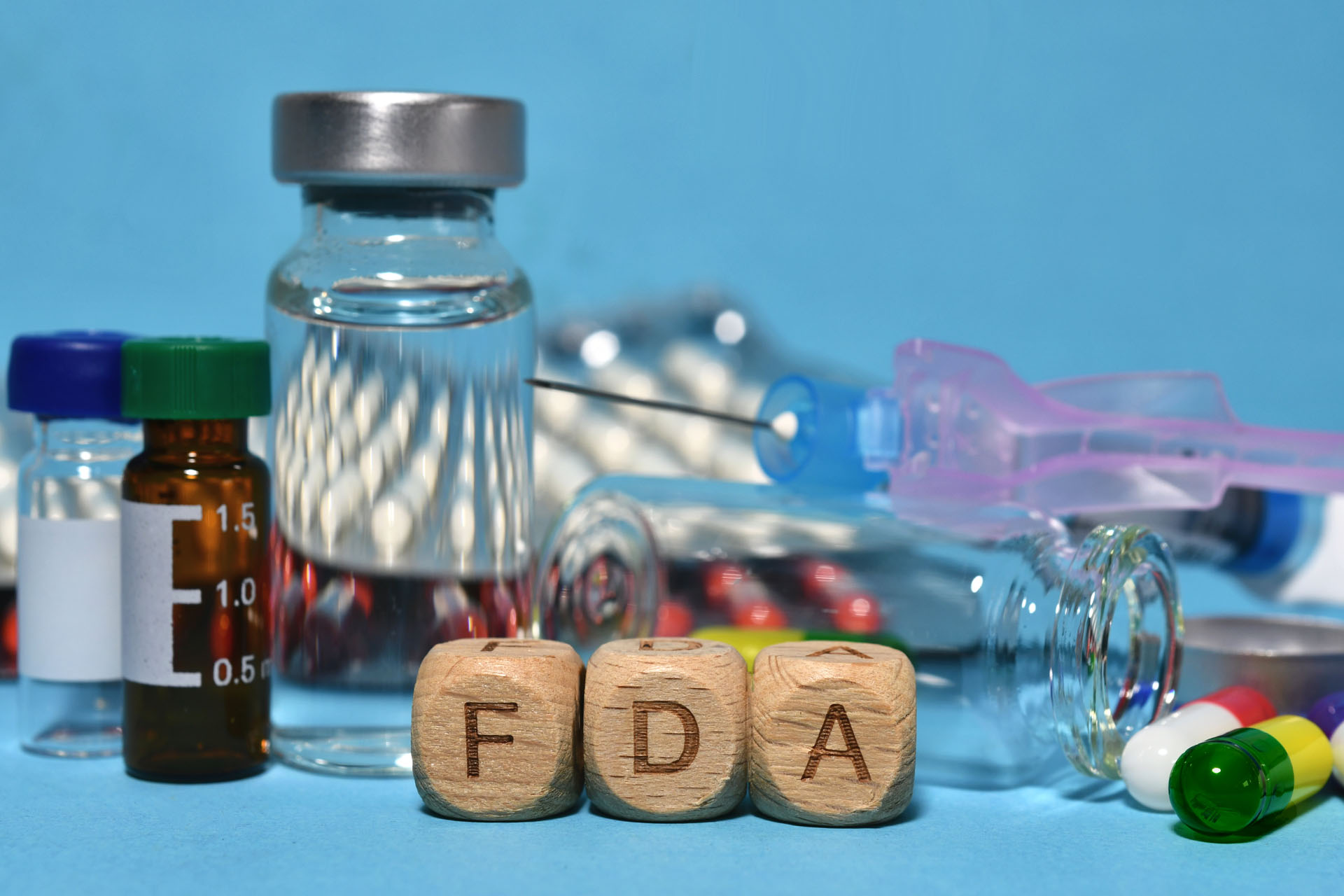
As a clinician dedicated to integrative and functional medicine, I frequently encounter questions from patients curious about innovative treatments such as platelet-rich plasma (PRP) therapy. One of the most common and important questions revolves around its regulatory status: “Is PRP FDA approved?” This is an excellent question, and the answer is more nuanced than a simple yes or no. It requires us to understand the distinction the U.S. Food and Drug Administration (FDA) makes between drugs, medical devices, and medical procedures.
PRP is not a drug that is manufactured in a lab and sold in a pharmacy. Instead, it is an autologous biologic, meaning it is derived from your body. The procedure involves a simple blood draw, after which your blood is processed in a specialized centrifuge to separate and concentrate the platelets and growth factors. This resulting PRP concentrate is then reinjected into the injured area to stimulate and accelerate your body’s natural healing cascade.
Because PRP is a procedure that uses a patient’s own biological material, it doesn’t fall under the FDA’s drug approval purview. The FDA’s rigorous and costly drug approval process—which can often exceed twenty million dollars and require extensive clinical trials—is designed to evaluate the safety and efficacy of new pharmaceutical compounds. PRP isn’t a compound; it’s a concentration of your own cells.
The FDA regulates the medical devices used to prepare PRP. This is where the term “FDA-cleared” becomes relevant.
- FDA Clearance: The centrifuges and specialized kits used to process your blood must meet specific safety and performance standards. These devices typically go through the FDA’s 510(k) clearance pathway. This means the manufacturer has demonstrated to the FDA that their device is “substantially equivalent” to another legally marketed device. In my practice, we ensure that all equipment used for PRP preparation is FDA-cleared to guarantee the safety and quality of the procedure.
- FDA Approval: This term is reserved for drugs and high-risk medical devices that have undergone extensive clinical trials to prove they can safely and effectively treat a specific condition (e.g., knee osteoarthritis). For a biologic like PRP to gain an official “FDA approval” for a specific indication, it would need to go through this exhaustive process.
Given that the “product” is unique to each patient and cannot be patented or mass-produced, the financial and logistical hurdles for achieving formal FDA approval for every possible application of PRP are immense. As leading researchers in the field have noted, you could have all the money and all the positive studies in the world, but PRP still wouldn’t fit the traditional drug submission process. It’s simply not a drug.
So, when patients ask me about this, I explain that while the procedure itself is not “FDA approved” in the way a medication is, it is considered a part of the practice of medicine. I show them the wealth of high-quality scientific studies published in peer-reviewed journals that demonstrate the efficacy of PRP for various musculoskeletal conditions. This is where evidence-based practice becomes our guide. We rely on the growing body of scientific literature, not a drug approval pathway that doesn’t apply.
Optimizing Platelet Quality for Enhanced Healing
Once we move past the regulatory discussion, the next logical question is: “How can we make my PRP more effective?” This is where the principles of functional and integrative medicine truly shine. The quality of your PRP is a direct reflection of your systemic health. While we are still uncovering all the variables, leading researchers have identified several key factors that can influence platelet concentration and function. I refer to these as the “big potatoes” and “small potatoes”—the major factors that make a significant difference versus the minor ones that offer incremental benefits.
The “big potatoes” are ensuring we have the right diagnosis, use the right PRP formulation, and deliver the right dose to the target tissue. These are the absolute cornerstones of a successful outcome. However, we can also influence the raw material—your blood—through lifestyle interventions.
The Impact of Exercise
One of the most promising strategies for boosting platelet count is short-term, high-intensity exercise. Research has consistently shown that engaging in vigorous physical activity shortly before a blood draw can temporarily increase circulating platelet concentration.
- Physiological Mechanism: During high-intensity exercise, the spleen, which acts as a reservoir for platelets, contracts. This contraction, along with the release of catecholamines such as epinephrine, mobilizes a large number of platelets into the bloodstream. This physiological response can lead to a richer platelet concentrate from your blood draw.
- Clinical Application: In my practice, and as supported by studies from leading institutions like the Andrews Institute, we often have patients engage in about 15-20 minutes of exercise right before their PRP procedure. This could involve riding a stationary bike, doing jumping jacks, or another form of high-intensity interval training (HIIT). While we are still quantifying the exact percentage of improvement this yields, the evidence strongly suggests it is a simple, positive intervention to enhance treatment potential.
The Role of Anti-Inflammatory Nutrition
Your diet plays a profound role in systemic inflammation and overall cellular health, which in turn affects the quality of your platelets. An anti-inflammatory diet rich in whole foods can help create an optimal biological environment for healing.
- Key Dietary Components:
- Polyphenols: Found in colorful fruits, vegetables, green tea, and dark chocolate, these compounds have powerful antioxidant and anti-inflammatory effects.
- Omega-3 Fatty Acids: Abundant in fatty fish (like salmon and sardines), flaxseeds, and walnuts, these fats are crucial for resolving inflammation.
- Limiting Pro-Inflammatory Foods: Reducing intake of processed foods, refined sugars, and unhealthy fats can lower baseline inflammation, allowing your platelets to function more effectively.
By adopting these dietary habits in the weeks leading up to a PRP procedure, you can support your body’s cellular machinery and potentially improve the growth factor content and signaling capacity of your platelets.
A Critical Look at NSAIDs
The use of Non-Steroidal Anti-Inflammatory Drugs (NSAIDs), such as ibuprofen (Advil) and naproxen (Aleve), is a topic of considerable debate in the context of PRP therapy. These medications work by blocking COX enzymes, which in turn inhibit the production of prostaglandins—compounds that play a role in inflammation and pain. However, this same mechanism also interferes with platelet function.
- The Negative Impact: Platelets need to aggregate (clump together) and degranulate (release their growth factors) at the site of injury to initiate healing. NSAIDs have been shown in laboratory studies to impair these critical functions. If platelets cannot aggregate and release their growth factor payload, the very purpose of the PRP injection is compromised.
- Clinical Recommendation: Although the research is mixed and we’re still determining the exact weight of this effect, the prevailing clinical wisdom is to err on the side of caution. Most practitioners in the field, myself included, recommend that patients discontinue the use of NSAIDs for 10 to 14 days before and after their PRP procedure. The risk of compromising the treatment’s efficacy is simply not worth the short-term pain relief these medications might offer. The consensus is that NSAIDs are a clear negative factor.
The Integrative Chiropractic Approach to PRP Therapy
In my clinical experience, the most profound and lasting results occur when PRP is not viewed as a standalone “magic bullet” but as a powerful component within a comprehensive, integrative treatment plan. This is where chiropractic care and functional medicine principles provide an essential framework for success.
Our approach is to treat the whole person, not just the site of injury. Healing is a complex biological process that depends on proper biomechanics, neurological function, and metabolic health.
- Restoring Biomechanical Integrity: Before injecting PRP, it is critical to address any underlying biomechanical dysfunctions. If a patient has knee osteoarthritis but also has poor pelvic alignment, leg-length discrepancy, or faulty foot mechanics, simply injecting the knee will not produce a lasting result. The abnormal forces that caused the joint to break down in the first place will still be present. Through chiropractic adjustments, postural correction, and rehabilitative exercises, we first optimize the body’s structural alignment. This ensures that once the PRP begins to regenerate tissue, the new tissue is not subjected to the same excessive stresses.
- Enhancing Neuromuscular Control: Pain and injury disrupt the communication between the brain and the body. This can lead to muscle inhibition, altered movement patterns, and a cycle of chronic dysfunction. Chiropractic care helps restore proper proprioception—the body’s sense of its position in space—and improves neuromuscular control. By ensuring the nervous system is functioning optimally, we create an environment where the healing stimulated by PRP can be integrated into strong, stable movement patterns.
- Supporting Systemic Health: As discussed earlier, the quality of your PRP directly reflects your overall health. As a certified functional medicine practitioner, I work with patients to optimize their health from the inside out. This may involve personalized nutritional protocols, stress management techniques, and targeted supplementation to reduce inflammation, support detoxification, and ensure all the cellular building blocks for tissue repair are readily available.
By combining the targeted regenerative power of PRP with the holistic, foundational support of integrative chiropractic and functional medicine, we can go beyond temporary pain relief. We aim to correct the root cause of the problem, empower the body’s innate healing intelligence, and restore long-term function and vitality. This multi-faceted approach ensures that we are not just patching a problem but truly rebuilding a foundation for lasting health.
References
- Dhillon, R. S., Schwarz, E. M., & Maloney, M. D. (2012). Platelet-rich plasma therapy – future or trend? Arthritis Research & Therapy, 14(4), 219. https://doi.org/10.1186/ar3914
- Mautner, K., Malanga, G. A., Smith, J., Shiple, B., Ibrahim, V., Sampson, S., & Bowen, J. E. (2015). A call for a standard classification system for platelet-rich plasma preparation and composition. PM&R, 7(S4), S524–S529. https://doi.org/10.1016/j.pmrj.2015.02.005
- Smyth, N. A., & Murawski, C. D. (2014). Platelet-rich plasma in the pathologic processes of cartilage. Operative Techniques in Sports Medicine, 22(1), 28-34. https://doi.org/10.1053/j.otsm.2013.10.003
Comments are closed.