
Integrative PRP for Injury Recovery and Pain Management

Integrative PRP for Injury Recovery and Pain Relief
Abstract: In this educational post, I guide you through how platelet-rich plasma (PRP) works at the cellular level, why platelet granules and platelet “age” matter, and how dosing and processing influence outcomes. I highlight key growth factors, including PDGF, TGF-beta, VEGF, and FGF, and explain their coordinated roles in angiogenesis, collagen synthesis, immune modulation, and tissue repair. I also discuss how leukocytes and chemokines shape the resolution of inflammation and why monocyte/macrophage polarization can make or break results. Finally, I show where integrative chiropractic care fits—combining precise PRP protocols with biomechanical correction, neuromuscular rehabilitation, nutrition, and load management—to translate molecular benefits into consistent clinical recovery. Throughout, I share clinical observations from my practice and present the latest evidence-based insights from leading researchers using modern methods.
Understanding Platelet-Rich Plasma Through a Functional, Integrative Lens
I am Dr. Alexander Jimenez, DC, APRN, FNP-BC, CFMP, IFMCP, ATN, CCST. In my clinical work with musculoskeletal pain, injury recovery, and performance optimization, I’ve found that the power of platelet-rich plasma is best unlocked when we understand platelet biology and pair PRP with integrative chiropractic care. PRP is not simply “platelets in a syringe.” It is a highly heterogeneous mixture of bioactive components that evolves depending on how we prepare it, the patient’s biology, and the tissues we target.
The most useful way to think about PRP is as a short, intelligent biologic dose—a precisely delivered molecular conversation. We inject a concentrated population of platelets; those platelets sense the local matrix, activate, and orchestrate a cascade: recruiting cells, modulating inflammation, building new blood vessels, and remodeling collagen. Clinically, PRP is most effective when the biochemical signal is matched to a biomechanically favorable environment. That is where integrative chiropractic care becomes an essential partner.
The Platelet Is a Bioactive Organ: Why Granules Matter
When I counsel patients and clinicians, I emphasize that platelets are not passive clotting fragments. They are active, signal-rich organelles packed with specialized granules that release distinct payloads when activated. Three granule types are especially important:
- Alpha granules: the core therapeutic reservoirs. They contain hundreds of proteins—growth factors (PDGF, TGF-beta, VEGF, and FGF), adhesion molecules (fibronectin and vitronectin), and regenerative mediators. In younger or “reticulated” platelets, alpha granules are more abundant and densely loaded.
- Dense granules: These carry small molecules (ADP, ATP, serotonin, calcium) that amplify platelet aggregation, modulate vascular tone, and shape immune signaling. Dense granule release primes the microenvironment for coordinated repair.
- Lysosomes: These house enzymes that help break down damaged tissue, clear debris, and exhibit antimicrobial activity—an underappreciated benefit in inflamed or microbially burdened tissues.
Why the emphasis on granules? Because clinical outcomes depend on the quality and quantity of what is released. When PRP contacts collagen or thrombin in a target tissue, platelet activation triggers degranulation—alpha granules release growth factors, dense granules deliver paracrine amplifiers, and lysosomes initiate local cleanup. The downstream effects—angiogenesis, matrix synthesis, immune rebalancing—depend on which granules are present and how they are released.
Reticulated Platelets: The “Younger” Cells With More Biologic Payload
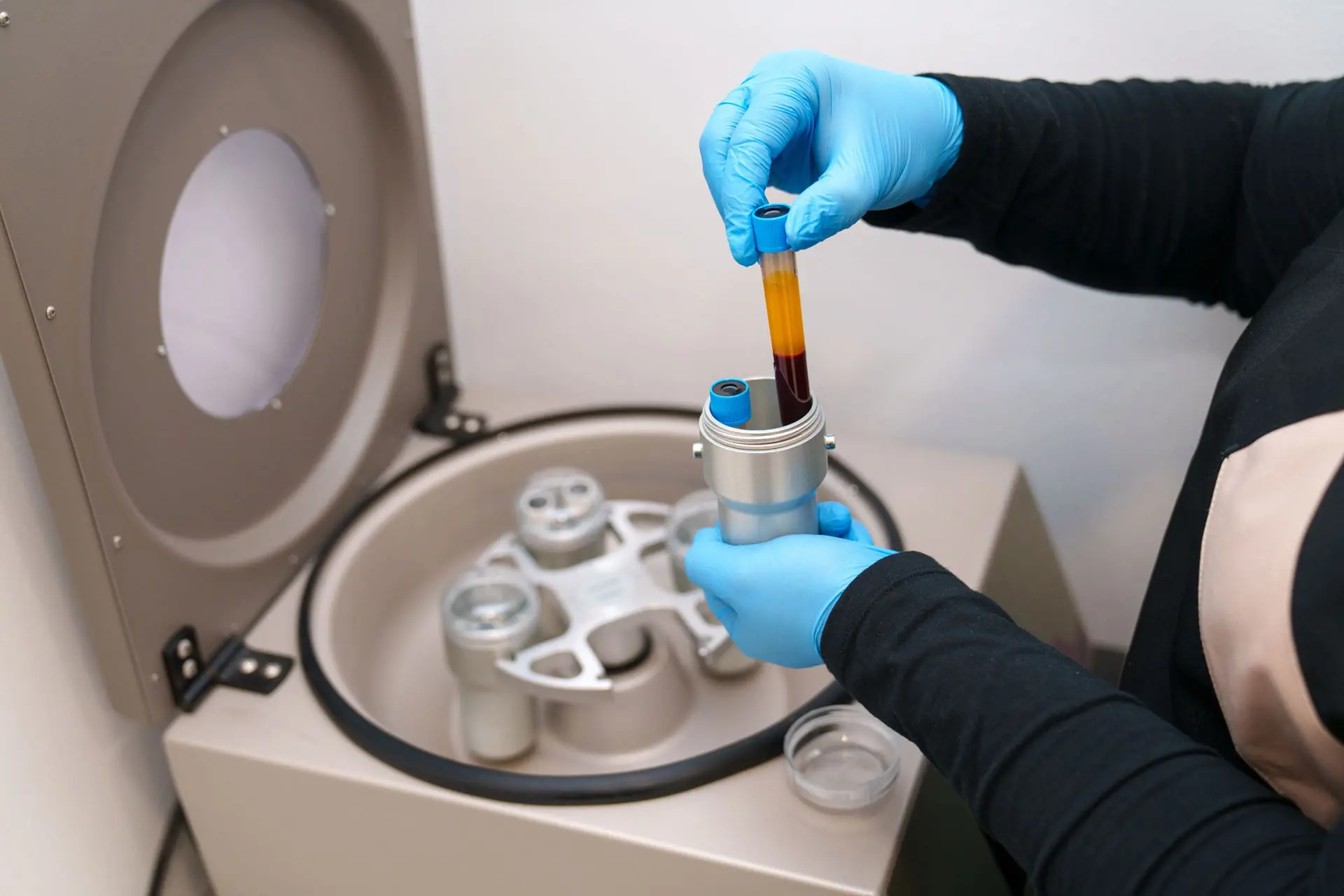
Not all platelets are the same. Reticulated platelets are younger, more metabolically active, and often richer in alpha granules. They arise from recent megakaryocyte activity and are more common within 24–72 hours following marrow release. In practical PRP processing, these denser, younger platelets can settle differently during single-spin or double-spin protocols and can be enriched with careful technique.
Why does this matter clinically?
- Younger platelets tend to carry more growth factors per cell.
- They respond vigorously to activation cues (e.g., collagen and thrombin).
- Enrichment of reticulated platelets increases the per-mL payload of regenerative signals.
As a result, protocols that preserve platelet integrity and selectively capture denser fractions can materially increase the biologic effect of a given dose. In my practice, we adjust spin times, centrifugal force, and separation windows to enhance these fractions when the clinical goal is robust tissue remodeling.
PRP Is a Concert: Coordinated Growth Factors Drive Repair
Platelets host a complex orchestra of proteins. Four key growth factors define much of the regenerative effect:
- Platelet-Derived Growth Factor (PDGF): Think of PDGF as the beacon. It recruits mesenchymal stem cells (MSCs), fibroblasts, and smooth muscle cells, stimulates chemotaxis, and encourages proliferation. The PDGF-BB isoform is particularly potent at driving cell migration and matrix synthesis, laying the groundwork for repair.
- Transforming Growth Factor Beta (TGF-beta): TGF-beta is the collagen architect. It enhances type I collagen synthesis, influences myofibroblast differentiation, and modulates immune responses. In appropriate doses, TGF-beta drives tendon and ligament remodeling; however, it must be balanced to avoid excessive fibrosis.
- Vascular Endothelial Growth Factor (VEGF): VEGF is the angiogenesis engine. It promotes endothelial proliferation, capillary sprouting, and neovascularization, thereby restoring oxygen delivery, removing metabolites, and supporting sustained healing.
- Fibroblast Growth Factor (FGF): FGF is a mitogenic factor that acts on MSCs, fibroblasts, osteoblasts, and endothelial cells. It synergizes with VEGF to expand microvasculature and with PDGF/TGF-beta to enhance matrix construction and organization.
The story isn’t just about single molecules. These factors coordinate: PDGF primes cellular influx, TGF-beta shapes collagen deposition, VEGF builds the blood supply, and FGF amplifies cell division. In tendon healing, for example, PDGF recruits tenocytes and MSCs, TGF-beta guides collagen I reconstitution, VEGF revascularizes hypoxic tendon segments, and FGF speeds cellular expansion and matrix turnover. When we see durable improvements in load tolerance and pain reduction, this quartet is usually present and coherently delivered.
Dosing and Processing: Why Concentration and Purity Determine Outcomes
One reason PRP outcomes vary is dosing—not just volume, but the number of platelets per mL and the relative presence of leukocytes and red cells. For angiogenesis, evidence suggests a target of 1.5 billion platelets per mL can produce substantial endothelial effects. However, the optimal concentration for tendons, ligaments, cartilage, or muscle can vary depending on the target tissue’s metabolism and inflammatory state.
Key processing considerations:
- Single vs. Double Spin: Double-spin methods often yield higher platelet counts with more selective leukocyte control. Single-spin can be gentler, preserving platelet membranes and minimizing activation during processing.
- Leukocyte Content: Leukocyte-rich PRP (LR-PRP) can enhance early inflammatory signaling, which is useful in acute injuries; leukocyte-poor PRP (LP-PRP) is often preferred for chronic tendinopathy or intra-articular injections to limit catabolic cytokine exposure. Matching leukocyte content to the phase of healing improves consistency.
- Red Cell Minimization: Red blood cells can introduce hemoglobin and iron, which may aggravate oxidative stress and nociception. Reducing RBC contamination can lower post-injection irritation.
- Activation Strategy: Relying on the native collagen/thrombin milieu is often sufficient to ensure staged, local degranulation. Exogenous activation can be considered when matrix cues are limited, but we weigh the risk of rapid burst release versus sustained delivery.
In clinical protocols, our aim is to create a tissue-specific PRP: concentration, leukocyte profile, and activation method tuned to the target site and the patient’s inflammatory phenotype.
Immunologic Modulation: From Inflammation Initiation to Resolution
PRP is frequently described as anti-inflammatory, but that is only part of the story. Platelet signals can first initiate or amplify controlled inflammation—recruiting neutrophils and monocytes—to clear damage. Then, through platelet–leukocyte interactions and chemokine signaling, the milieu transitions toward resolution.
Important features of this immune choreography:
- Platelet–Leukocyte Crosstalk: Platelets bind leukocytes, exchange signals, and shift cytokine profiles. This can trigger leukocytes to release anti-inflammatory mediators after the initial cleanup phase.
- Monocyte/Macrophage Polarization: Monocytes differentiate into macrophages that exhibit phenotypes spanning an M1–M2 spectrum. M1 cells are pro-inflammatory, clearing pathogens and debris; M2 cells are pro-resolving, promoting angiogenesis and matrix repair. PRP influences this switch through PDGF, TGF-beta, and chemokines.
- Chemokines: Platelets release chemokines that guide cell trafficking, support survival, reduce monocyte apoptosis, and promote macrophage differentiation toward reparative states. This preserves the cellular workforce needed for sustained tissue remodeling.
Why this matters clinically: In chronic tendinopathy or osteoarthritis, the tissue is often stuck in a low-grade inflammatory loop. PRP can reprogram the microenvironment—initiating a short, efficient inflammatory phase, then steering macrophages toward resolution and reconstruction. When we pair this with biomechanical correction to reduce pathological loading, we see pain drop and tissue quality improve.
Angiogenesis and Metabolic Recovery: Revascularizing Hypoxic Tissues
Hypoxia is a core driver of tendon degeneration and joint cartilage stress. Without an adequate microvascular network, tissues starve for oxygen, accumulate metabolites, and become sensitized to load. VEGF, FGF, and coordinated PDGF/TGF-beta signaling re-establishes perfusion:
- VEGF stimulates endothelial cells to proliferate and sprout new capillaries.
- FGF amplifies endothelial expansion and stabilizes nascent vessels.
- PDGF supports pericyte recruitment and vessel maturation.
- TGF-beta modulates the extracellular matrix, providing scaffolding and mechanical support.
Clinically, improved microcirculation translates into reduced hypoxic stress, better waste clearance, and improved mitochondrial function in local cells. In my practice, patients with chronic Achilles or patellar tendinopathy often report a transition from “cement-like stiffness” to pliable, load-capable tissue within weeks after a properly dosed PRP course—especially when we couple it with eccentric loading and fascial mobilization to optimize tendon gliding and capillary perfusion.
Collagen Remodeling: Ordered Structure for Load-Bearing Resilience
Tendons and ligaments require type I collagen in well-aligned fibrils to transmit force efficiently. TGF-beta and PDGF promote fibroblast/tenocyte proliferation and collagen synthesis; matrix proteins from alpha granules provide adhesion and organization (e.g., fibronectin). The result is not just more collagen—it is better collagen, aligned to resist strain.
Why techniques matter:
- If the tissue is still misloaded—due to joint restriction, muscle imbalance, or altered gait—the new collagen will orient to abnormal vectors, risking reinjury.
- Integrative chiropractic care ensures joint arthrokinematics are corrected, muscle recruitment patterns are normalized, and fascial planes glide. This guides collagen deposition into functional alignment.
From a clinical standpoint, we schedule PRP injections to precede a structured period of mechanically intelligent loading. Patients progress from a protected range of motion to progressive eccentric exercises, then to plyometrics or sport-specific drills. This timeline harnesses the biological window of collagen synthesis and crosslinking.
Antimicrobial and Debris Clearance: Setting the Stage for Clean Healing
Lysosomal enzymes contribute to debridement—softening and removing the damaged matrix. Dense granule signals can enhance local antimicrobial defense and support immune surveillance. In post-surgical settings or in chronic bursitis, this can reduce the microbial biofilm burden and allow neo-tissue to anchor effectively.
I have observed that patients with chronic hamstring tendinopathy and associated ischial bursitis respond well to LR-PRP early on to accelerate cleanup, followed by LP-PRP as we enter the remodeling phase. Combining this with targeted soft-tissue work (e.g., instrument-assisted fascial release) and neural mobilization clears nociceptive inputs and allows the lysosomal-driven reset to proceed.
Integrative Chiropractic Care: Translating Molecular Signals into Functional Gains
PRP’s molecular power must be paired with mechanical intelligence. My integrative approach includes:
- Biomechanical assessment and joint alignment: Restoring segmental motion in the spine, pelvis, and extremities reduces aberrant load and shear forces on target tissues.
- Neuromuscular re-education: We retrain motor patterns to ensure newly repaired tissue is engaged in physiologic ways. This reduces compensatory overload.
- Fascial and soft-tissue mobilization: Improving glide and reducing densification opens perfusion pathways that PRP helps build, lowering nociceptive drive.
- Load and dosimetry planning: Graduated strength and eccentric loading align with the PRP-driven collagen window, preventing under- or over-stimulation.
- Nutritional and metabolic support: Adequate protein, vitamin C for collagen hydroxylation, omega-3s for inflammation resolution, and sleep optimization support the biologic program initiated by PRP.
- Pain neuroscience and graded exposure: Educating patients reduces catastrophizing and enables steady progression without fear-driven guarding.
In my clinical observations, patients who combine PRP with this integrative chiropractic framework reach milestones faster and with fewer setbacks. This is especially true in kinetic-chain problems, such as patellofemoral pain driven by hip internal rotation deficits or rotator cuff tendinopathy compounded by thoracic hypomobility. Correcting the chain lets the biologic dose of PRP manifest as functional strength rather than transient symptom relief.
Practical PRP Protocol Design: Matching Biology to Clinical Goals
A well-designed PRP plan considers target tissue, chronicity, and patient phenotype.
Key protocol principles:
- Define the therapeutic intent: Is the goal rapid debridement, collagen rebuilding, augmentation of angiogenesis, or resolution of inflammation? Choose LR-PRP vs. LP-PRP accordingly.
- Aim for tissue-appropriate concentration: For angiogenesis-focused goals, approach the ~1.5 billion platelets/mL range. For chronic tendinopathy, a moderate concentration often provides robust signals without excessive viscosity or pain responses.
- Use gentle processing to protect platelets: Limit premature activation and shear stress to preserve alpha granule payloads.
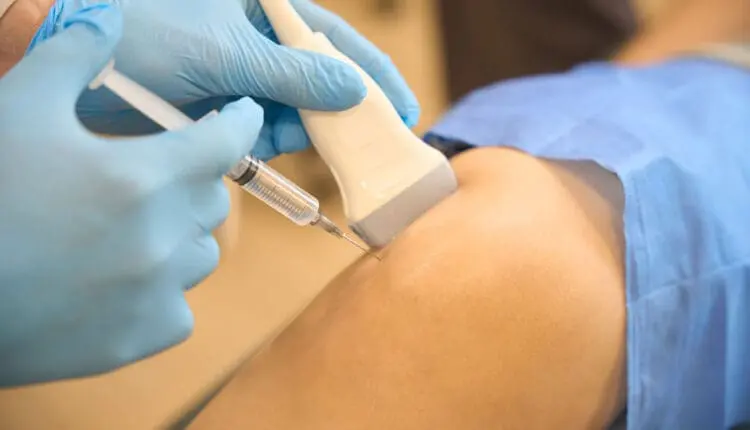
- Tailor injection technique: Ultrasound guidance, peppering vs. focal deposition, and peritendinous vs. intratendinous placements matter for distributing signals across the lesion’s architecture.
- Plan the rehabilitation timeline: Align eccentric loading and mobility work with expected peaks in growth factor activity and collagen synthesis (typically days to weeks post-injection).
- Monitor outcomes and safety: Use pain scales, load tolerance metrics, tendon ultrasound, and functional tests. Adjust the dose or leukocyte content if inflammatory flares persist.
When these elements are integrated, PRP evolves from a single injection into a programmed biologic intervention that synchronizes with a biomechanical recovery plan.
Why These Techniques Work: The Physiologic Logic
Every technique we use has a physiologic rationale:
- Adjusting the spine and extremities reduces aberrant mechanical stress, lowering pro-inflammatory cytokine production from overloaded tendons and joints. This makes PRP’s anti-inflammatory resolution signals more effective.
- Eccentric loading triggers tenocyte mechanotransduction, guiding collagen alignment and accelerating cross-link maturation that PRP has initiated via TGF-beta and PDGF.
- Fascial release decreases interstitial pressure, thereby improving perfusion and facilitating VEGF-driven capillary sprouting into previously hypoperfused zones.
- Nutritional support ensures substrate availability for collagen synthesis and antioxidant defense, so PRP’s enzymatic and growth factor cascades do not stall.
- Pain neuroscience reduces central sensitization, allowing peripheral tissue improvements to translate into perceived pain relief and functional confidence.
This integrated physiology explains why a platelet-centered plan must be matched to an environment where signals can be received, processed, and embodied as movement.
Clinical Observations: Consistency Through Integration
Across thousands of visits, I’ve seen patterns:
- Patients with chronic lateral epicondylitis respond best to LP-PRP when coupled with proximal scapular stabilization and radial nerve mobilization. The PRP remodels the tendon; the integrative care fixes the load path.
- Patellar tendinopathy often needs a staged approach: LR-PRP for initial cleanup in high-entropy lesions, followed by LP-PRP for collagen reconstitution, then progressive eccentrics and closed-chain strengthening to solidify gains.
- Rotator cuff tendinopathy with subacromial impingement improves when PRP is paired with thoracic extension mobilization and scapulothoracic coordination drills, because improved kinematics prevent re-irritation of the supraspinatus tendon.
- Chronic Achilles cases thrive when gastro-soleus flexibility, ankle dorsiflexion, and foot intrinsic strength are restored; PRP angiogenesis plus improved plantar chain mechanics reduces recurrence.
Putting It All Together: A Stepwise PRP-Integrated Care Path
For a patient with chronic tendinopathy (e.g., Achilles):
- Assessment
- Biomechanical exam, ultrasound imaging, strength, and load tolerance tests.
- Inflammatory phenotype evaluation and activity demands.
- PRP Preparation
- Choose LP-PRP for chronic pain with low-grade inflammation.
- Target a robust platelet concentration; minimize RBCs; preserve reticulated platelets.
- Injection Strategy
- Ultrasound-guided, distributed microdeposits across degenerative zones.
- Rely on local collagen activation; avoid premature exogenous activation unless needed.
- Early Phase (Days 1–7)
- Protect from overload; introduce gentle mobility; begin fascial gliding work.
- Nutritional support with protein, vitamin C, and omega-3s.
- Remodeling Phase (Weeks 2–6)
- Progressive eccentric loading aligned with collagen synthesis peaks.
- Neuromuscular re-education to normalize gait and calf recruitment.
- Performance Phase (Weeks 6–12)
- Plyometrics, sport-specific drills, and graded return to activity.
- Ongoing joint alignment and soft-tissue maintenance to preserve gains.
- Outcomes Tracking
- Pain scales, functional tests, and re-ultrasound if indicated.
- Adjust PRP or loading if plateaus or flares occur.
This pathway leverages PRP’s molecular effects while ensuring the mechanical environment directs healing toward resilient function.
Latest Evidence and Modern Methods: What Research Shows
Leading researchers using modern, evidence-based methods have clarified several points:
- PRP is compositionally variable; standardized reporting of platelet count, leukocyte content, and activation methods improves study comparability and clinical translation (nutrition, load, and biomechanics amplify responses).
- Angiogenesis thresholds matter—approaching ~1.5 billion platelets/mL can boost VEGF-mediated sprouting, especially in hypoxic tendons.
- Monocyte/macrophage polarization is a central mechanism—protocols that favor M2 transitions correlate with better pain and function.
- Younger or reticulated platelets may deliver higher payloads of alpha granules, supporting the rationale for processing techniques that preserve and enrich these fractions.
In practice, we align with these findings by deliberately designing PRP composition and synchronizing it with integrative chiropractic rehabilitation.
Safety, Expectations, and Patient Education
Patients should understand:
- PRP is a biologic catalyst, not a standalone cure. It requires a biomechanical and behavioral partnership.
- Post-injection soreness is common as the inflammatory phase transitions; it typically subsides as resolution signals rise.
- A series or staged approach may outperform one-off injections, especially in chronic lesions with disorganized collagen.
- Outcomes are optimized when nutrition, sleep, stress management, and graded activity align with the biologic timeline.
Education fosters adherence and empowers patients to participate actively in their recovery.
Conclusion: Precision Platelet Biology Meets Integrative Chiropractic Care
Platelet-rich plasma is a sophisticated biologic dose that initiates and coordinates tissue repair through alpha granule growth factors, dense granule modulators, and lysosomal remodeling. Its success depends on dosing, platelet quality, leukocyte tuning, and a carefully managed mechanical environment. Integrative chiropractic care is the bridge—correcting joint mechanics, guiding neuromuscular patterns, and programming load so PRP’s molecular signals translate into strong, functional collagen and resilient movement.
When we respect platelet biology and integrate it with whole-person care, the results are consistently excellent: reduced pain, improved load tolerance, and durable return to activity.
References
- Platelet-rich plasma: Composition, mechanisms, and clinical applications (example comprehensive review).
In-text citation: (Platelet-rich plasma: Composition, mechanisms, and clinical applications, 2020).
In-text citation: (Roles of PDGF, TGF-beta, VEGF, and FGF in soft tissue regeneration, 2018).
In-text citation: (Leukocyte-rich vs. leukocyte-poor PRP, 2019).
In-text citation: (Reticulated platelets and alpha granule payload, 2010).
In-text citation: (Angiogenesis thresholds in PRP, 2016).
Comments are closed.