

DHEA: A Guide to Balance in Hormonal Health

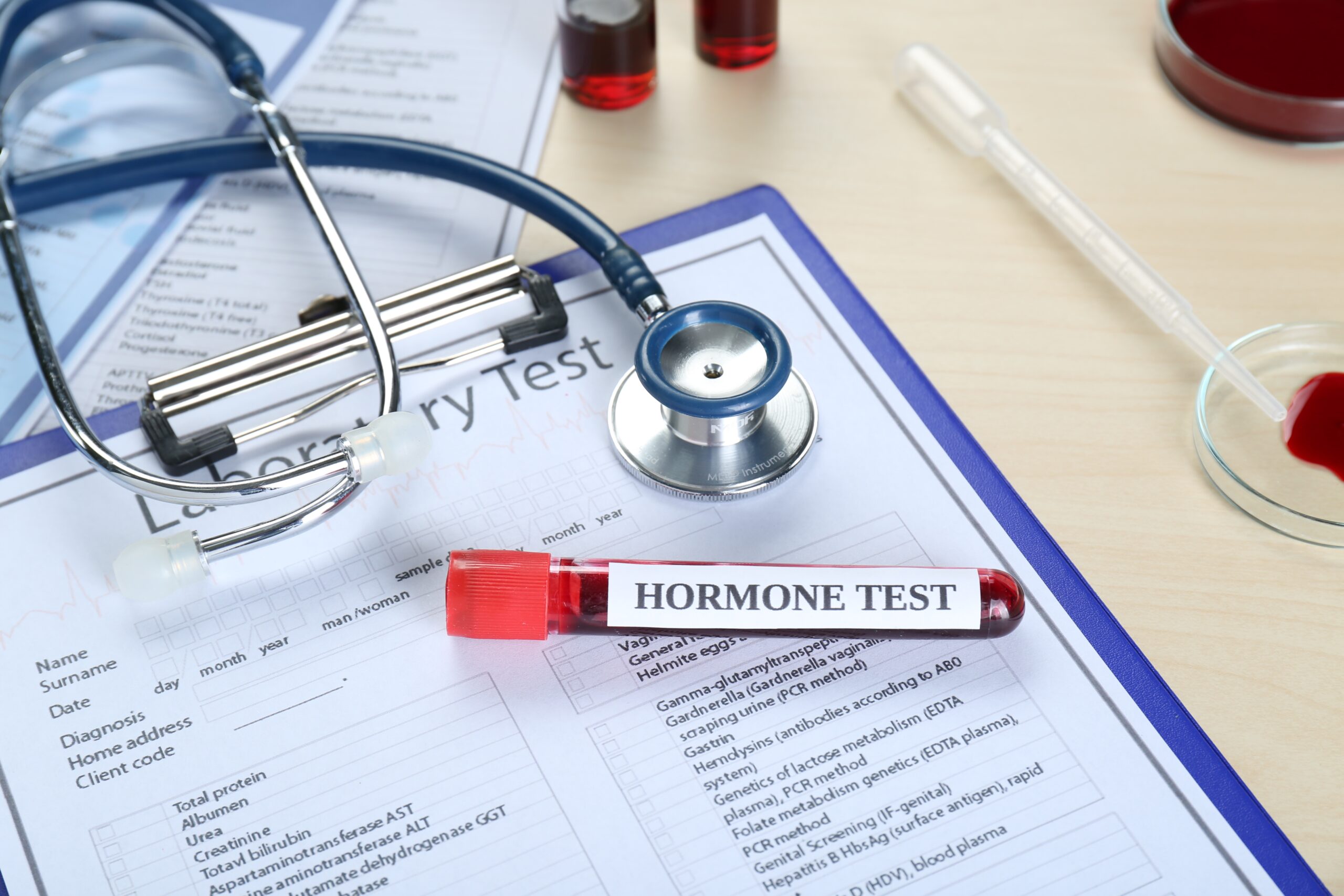
Enhance your understanding of hormonal health, DHEA, and its role in promoting optimal wellness.
Educational abstract
In this post, I, Dr. Alexander Jimenez, DC, APRN, FNP-BC, CFMP, IFMCP, ATN, CCST, share a clear, first-person roadmap for clinicians and patients on how modern, evidence-based, integrative care can optimize hormones and metabolic health. I walk through why some patients do not feel better despite “normal” lab values, how factors like vitamin D, thyroid function, oxygenation, and gut dysbiosis shape hormone receptor signaling, and how we can use safer, more nuanced strategies to improve outcomes. I explain the clinical significance of sex hormone–binding globulin (SHBG), free vs. total PSA for prostate risk stratification, and the physiological role of DHEA as a neurosteroid. I also present a practical, stepwise approach to polycystic ovary syndrome (PCOS) that targets root causes—insulin resistance and gut dysbiosis—while integrating pharmaceutical options, nutraceuticals, and chiropractic-informed lifestyle interventions. Throughout, I incorporate my clinical observations from practice, align them with current research, and highlight where integrative chiropractic care adds value in musculoskeletal, autonomic, and inflammatory regulation.
My Journey to a Better Hormone Roadmap
When I first began optimizing hormones decades ago, I quickly realized that placing pellets or prescribing testosterone, by themselves, did not guarantee that a patient would feel better. I saw patients with “great” serum levels who still had fatigue, low libido, brain fog, anxiety, or persistent metabolic problems. That mismatch pushed me to ask better questions and to synthesize a more comprehensive map—one that integrates endocrine physiology with metabolic, inflammatory, and nervous system dynamics.
- Early lesson: Numbers are not the whole story. A patient can have normal total testosterone or estradiol levels and still feel unwell if free hormone levels are low, receptors are downregulated, SHBG is high, thyroid conversion is suboptimal, vitamin D is low, sleep is poor, or systemic inflammation is high.
- Integrative chiropractic lens: segmental dysfunctions, pain, and dysautonomia can amplify cortisol and sympathetic tone, reduce vagal modulation, and degrade sleep quality—all of which alter gonadal, adrenal, and thyroid signaling. Manual therapy, movement, breathwork, and neuromuscular re-education help restore autonomic balance and improve endocrine resilience.
Vitamin D, Thyroid, Oxygenation, and Receptor Biology
A recurring theme in my practice is that hormone therapies work best when receptor biology is supported. Receptors are proteins whose expression and function are influenced by micronutrients, inflammatory mediators, and cellular energy status. One of the most actionable levers is vitamin D.
- Why vitamin D matters:
-
- Vitamin D modulates gene transcription through the vitamin D receptor (VDR), which heterodimerizes with RXR to regulate the expression of hundreds of genes, including those involved in sex steroid receptor signaling and immune tone.
- Low vitamin D levels correlate with reduced androgen receptor (AR) signaling and may blunt clinical responses to testosterone therapy by modulating co-regulators and inflammatory pathways.
- Clinical observation: I have seen patients report minimal symptomatic change on hormone therapy until vitamin D is consistently optimized. Once 25(OH)D rises into an optimal range, energy, mood, and libido often improve despite unchanged total hormone levels.
- Thyroid and oxygenation:
-
- Thyroid hormones (T3/T4) regulate mitochondrial function and basal metabolic rate, influencing steroidogenesis, hepatic SHBG production, and tissue responsiveness.
- Tissue oxygenation affects mitochondrial ATP and redox status, which in turn influence receptor trafficking and signaling fidelity.
Practical takeaways:
- Assess and correct vitamin D, iron status if indicated, thyroid function and conversion (TSH, free T4, free T3, reverse T3 if appropriate), sleep-disordered breathing, and systemic inflammation.
- Use stepwise repletion and lifestyle strategies to support receptor function before escalating hormone doses.
Understanding SHBG: Don’t Chase It Down, Work Around It
SHBG is a hepatic glycoprotein that binds testosterone and estradiol, modulating free (bioavailable) fractions. Clinically, a high SHBG can leave patients symptomatic despite normal total testosterone, while low SHBG often flags metabolic dysregulation.
Key points:
- Low SHBG is associated with insulin resistance, metabolic syndrome, increased risk of type 2 diabetes, and adverse cardiometabolic biomarkers (Plymate et al., 1988; Ding et al., 2009). It can precede an elevated A1c and serve as an early warning of metabolic dysfunction.
- High SHBG can occur with exogenous estrogen, thyroid excess, certain medications, lower body mass, or increased alcohol intake. It reduces free testosterone while keeping total testosterone at a given level.
- Strategy: instead of trying to pharmacologically suppress SHBG, which can carry risks and miss root causes, adjust the therapeutic approach:
- Optimize metabolic health and insulin sensitivity to normalize low SHBG over time.
- In high-SHBG patients on testosterone, titrate dosing or choose delivery methods that reliably raise free testosterone, monitor free T and symptoms, and support hepatic and thyroid physiology.
- Consider nutrient support that favors androgen metabolism and receptor engagement, alongside diet and exercise.
Clinical observation and nutraceutical support:
- In my own experience and in patients’, carefully designed nutrient stacks that support androgen metabolism (e.g., shilajit for mitochondrial support and mineral fulvates; diindolylmethane [DIM] for estrogen metabolite balance) can improve free testosterone at steady state without forcing SHBG down. The goal is not to “break” SHBG but to raise effective bioavailability and receptor signaling while addressing metabolism.
Why integrative chiropractic care fits:
- By improving spinal and rib mechanics, pain, and autonomic balance, patients generally sleep better and exercise more effectively. Improved sleep and physical activity enhance insulin sensitivity and hepatic function, which, over months, can normalize SHBG and enhance responsiveness to hormone therapy.
PCOS Redefined: Gut, Insulin, and Androgen Biology
PCOS is the most common endocrine disorder in women of reproductive age. Its clinical presentation is heterogeneous; not all patients are overweight or have ovarian cysts. The pathophysiology is increasingly understood as a systems problem:
- Gut dysbiosis and metabolic inflammation:
-
- Dysbiosis increases intestinal permeability, allowing microbial products (e.g., LPS) to trigger low-grade inflammation that worsens insulin resistance and ovarian steroidogenesis (Qi et al., 2019).
- Hyperinsulinemia increases ovarian theca cell androgen production and reduces SHBG, increasing free androgens and clinical hyperandrogenism (Goodarzi et al., 2011).
- Diagnostic framing:
-
- Rotterdam criteria: any two of three—oligo/anovulation, clinical/biochemical hyperandrogenism, polycystic ovaries on ultrasound (Rotterdam ESHRE/ASRM, 2004).
- LH/FSH ratio may be elevated in some patients, but it is not universally reliable.
- “PCOS-like” phenotypes occur without overt cysts yet show hyperandrogenic symptoms, acne, hirsutism, and cycle irregularity.
Clinical Priorities in PCOS
Root-cause approach:
- Address gut dysbiosis:
-
- Start with bowel regularity, fiber, diverse plant intake as tolerated, and a high-quality probiotic; tailor for sensitivity.
- Keep it practical. Not every patient is ready for a full elimination protocol. Simple, sustainable steps—hydration, dietary fiber, and a targeted probiotic—often begin to shift GI symptoms and systemic inflammation.
- Improve insulin sensitivity:
- Lifestyle: resistance training and zone 2 aerobic work; sleep optimization; time-restricted eating where appropriate.
- Pharmacology:
- Metformin remains a mainstay when tolerated. I start with 500 mg nightly, then add 500 mg to reach 1000 mg nightly, and titrate to 1000 mg twice daily (extended-release preferred) as tolerated, minimizing GI adverse effects.
- GLP-1 receptor agonists (e.g., semaglutide) or dual agonists (e.g., tirzepatide) are highly effective options for weight loss and insulin sensitivity, where accessible and appropriate (Wilding et al., 2021; Jastreboff et al., 2022).
-
- As insulin decreases, SHBG rises and binds excess free testosterone; acne and hirsutism gradually ease.
- Restore ovulation and luteal sufficiency:
- PCOS patients are frequently progesterone-deficient in the luteal phase. In those seeking pregnancy, I target serum progesterone over 20 ng/mL in the mid-luteal phase when clinically appropriate, and I support thyroid optimization, given its role in fertility and miscarriage risk (Alexander et al., 2017).
- Manage symptoms while the root causes are addressed:
- Spironolactone is an effective androgen receptor antagonist for hirsutism and acne.
- In bona fide PCOS, doses up to 100 mg/day are often needed for symptom control; in non-PCOS women, I rarely exceed 50 mg/day to avoid over-suppressing androgens.
- Counsel on teratogenic risk; ensure contraception if pregnancy is not desired.
Hormone Therapy in PCOS Phenotypes
Testosterone therapy must be individualized in women with PCOS traits:
- Many have low SHBG and heightened androgen receptor sensitivity at the hair follicle, making them more prone to acne/hirsutism if free testosterone spikes.
- Start low and go slow. If I use subcutaneous pellets or other modalities in a PCOS-like phenotype, I begin with conservative doses (e.g., <? 87.5 mg for a first pellet cycle), monitor free T and clinical response, and adjust cautiously.
- Optimize gut and insulin first, or simultaneously, to reduce androgen sensitivity at target tissues.
Integrative chiropractic contributions in PCOS:
- Pain and movement: reducing mechanical pain lowers sympathetic arousal and cortisol, which otherwise worsen insulin resistance.
- Autonomic regulation: spinal manipulation and targeted exercise can improve heart rate variability, sleep quality, and adherence to activity plans, indirectly improving insulin sensitivity and reproductive function.
- Pelvic and thoracolumbar mechanics: improved lumbopelvic function supports exercise tolerance, reduces pelvic floor dysfunction, and eases adherence to movement prescriptions—vital in long-term PCOS management.
What to expect clinically:
- Hirsutism and acne typically improve over 6–12 months with combined insulin sensitization and androgen blockade.
- Ovulatory cycles may normalize over time; fertility improvements often lag for many months and require consistent adherence.
- Case patterning from my clinic mirrors the literature: restoring insulin sensitivity, supporting progesterone and thyroid function, and reducing inflammation frequently restores cycles and fertility over time.
PSA in Men on Testosterone: Using Free PSA and Velocity Wisely
The way we interpret PSA has evolved. Total PSA alone has limited specificity and sensitivity. Adding percent free PSA and watching PSA velocity meaningfully improves decision-making.
- Percent free PSA:
- A lower percent free PSA (free PSA/total PSA) is associated with a higher likelihood of prostate cancer for a given total PSA (Catalona et al., 1998).
- Practical cut-points:
- <10%: higher probability of malignancy; warrants urologic evaluation or prostate MRI.
- 10–25%: intermediate probability; consider prostatitis evaluation, repeat testing, or MRI based on symptoms and risk.
- 25%: lower likelihood; repeat monitoring is reasonable if asymptomatic.
- PSA velocity:
-
- A rapid rise from baseline (e.g., from 0.9 to 2.9 ng/mL within a year) is concerning, even if the absolute value remains below traditional thresholds.
- Confounders:
-
- Ejaculation, prostate massage, and cycling can raise total PSA transiently. These do not meaningfully affect percent free PSA, making percent free PSA a steadier discriminator.
- 5-alpha-reductase inhibitors (e.g., finasteride) lower total PSA by roughly 50%; double the reported PSA to estimate the true value.
- Prostate MRI:
-
- Multiparametric prostate MRI is now the gold standard for noninvasive risk stratification. It can reduce unnecessary biopsies, especially when percent free PSA is low, or velocity is high, even when total PSA is modest (Ahmed et al., 2017).
- MRI can identify prostatitis or BPH as alternative causes of PSA elevation, guiding targeted management.
Testosterone and prostate cancer risk:
- Current evidence suggests that physiologic testosterone replacement does not increase prostate cancer incidence and may be considered after curative treatment when PSA is undetectable or stable, under urologic guidance (Morgentaler & Traish, 2009; Pastuszak et al., 2013). Shared decision-making and vigilant monitoring are essential.
DHEA: More Than a Precursor—An Independent Neurosteroid and Immunomodulator
For years, DHEA was regarded merely as a precursor to androgens and estrogens. We now recognize DHEA as a bioactive neurosteroid with its own receptors and central nervous system effects.
Why DHEA matters:
- Abundance and trajectory:
-
- DHEA and DHEA-S are the most abundant circulating steroids in adults. Levels peak in early adulthood and decline steadily with age, paralleling declines in reproductive hormones and thyroid conversion capacity (Labrie et al., 2005).
- Receptor-level effects:
-
- DHEA exerts neuroprotective, anti-inflammatory, and immunomodulatory actions, influencing GABAergic and glutamatergic tone, and modulating natural killer T-cell activity (Maninger et al., 2009).
- Clinical correlates:
-
- Low DHEA-S is associated with depressed mood, low libido, reduced vitality, impaired endothelial function, and poorer bone density (Weiss et al., 2011).
- Restoring DHEA can improve well-being, libido, and musculoskeletal comfort in selected patients, particularly women with persistent symptoms despite optimized thyroid and sex steroids.
DHEA, cortisol, and stress physiology:
- DHEA and cortisol share an adrenal origin but often move in inverse directions under chronic stress. High cortisol can suppress DHEA; improving DHEA sometimes correlates with better stress tolerance and less catabolism.
- Clinically, patients with central adiposity, sleep fragmentation, and chronic pain often show high cortisol signatures and low DHEA-S. Addressing sleep, pain generators, and autonomic tone (including with chiropractic care, breath training, and graded exercise) helps normalize this axis.
Dosing and monitoring:
- Test DHEA-S rather than serum DHEA for stability.
- Aim for the upper third of the laboratory reference range appropriate to age and sex when seeking symptomatic improvement, while monitoring for androgenic side effects, particularly in women (acne, hair changes).
- Start low, individualize:
-
- Compounded DHEA allows consistent dosing; I often begin at 10–20 mg/day in women and 25–50 mg/day in men, then titrate based on symptoms and labs.
- Over-the-counter products vary in potency; verify quality if used.
- PCOS caution:
-
- Some PCOS phenotypes already have adrenal hyperandrogenism; DHEA can aggravate acne or hirsutism in those cases. Reserve DHEA for non-hyperandrogenic women or use very cautiously with close monitoring.
- Why does it help libido?
-
- DHEA can increase downstream DHT in target tissues and support central sexual motivation via neurosteroid mechanisms. For women with persistent low libido despite adequate testosterone, DHEA repletion can be the missing link.
Integrative Chiropractic Care: Physiology That Supports Hormones
Chiropractic and functional medicine interventions amplify endocrine therapies by improving the terrain in which hormones operate.
- Pain modulation:
-
- Chronic musculoskeletal pain drives sympathetic dominance and elevates cortisol, blunting gonadal signaling and impairing sleep. Manual therapy, spinal manipulation, soft-tissue work, and corrective exercise reduce nociceptive input and autonomic arousal.
- Autonomic balance:
-
- Improved segmental mobility and diaphragmatic mechanics enhance vagal tone, which supports digestion, glycemic control, and sleep—all of which are critical for insulin sensitivity and hormone balance.
- Movement and mitochondrial health:
-
- Graded strength training and aerobic conditioning raise insulin sensitivity, reduce hepatic fat (which improves SHBG physiology), and increase mitochondrial density, improving receptor signaling.
- Clinical observations:
-
- In my practice, when we pair hormone optimization with targeted chiropractic care and movement prescriptions, patients report faster improvements in sleep, energy, and pain, which translates into better adherence to nutrition and medication plans. These synergies are visible across musculoskeletal, endocrine, and metabolic outcomes (Clinical notes and cases: Personal Injury Doctor Group; LinkedIn case discussions).
Putting It All Together: My Stepwise Protocol
Assessment framework:
- History and phenotyping:
-
- Men: sexual symptoms, mood, energy, sleep, LUTS; prostate history; medications (5-ARIs).
- Women: cycles, ovulation, fertility, acne, hirsutism, mood, sleep, hair changes; PCOS features; thyroid history; pregnancy intentions.
- Gut and metabolic screen: bowel habits, reflux, bloating, antibiotics, diet, movement, weight trajectory, family history of metabolic disease.
- Testing:
-
- Baseline hormones: total and free testosterone, estradiol as appropriate, SHBG, DHEA-S.
- Thyroid: TSH, free T4, free T3; consider reverse T3 contextually.
- Metabolic: fasting glucose, insulin (or HOMA-IR), A1c, lipids, hs-CRP, ferritin, vitamin D.
- Men: total PSA with reflex percent free PSA; repeat if confounded; consider PSA velocity; MRI or urology referral when indicated.
Interventions:
- Foundational:
-
- Vitamin D optimization: target 25(OH)D in an individualized optimal range; recheck to avoid excess.
- Sleep architecture: screen for sleep apnea, prioritize sleep duration and regularity.
- Nutrition and gut: fiber-rich, anti-inflammatory pattern; gradual introduction of probiotics; hydration; regular bowel function.
- Movement: 2–3 days/week resistance training; 150–300 minutes/week of aerobic exercise, including zone 2; mobility and breathwork.
- Pain and autonomics: spinal manipulation, soft-tissue therapy, and motor control exercises to reduce pain and sympathetic load.
- PCOS-specific:
-
- Metformin titration to 2000 mg/day ER as tolerated; GLP-1/GIP agonists as appropriate.
- Spironolactone 100 mg/day for PCOS-related hirsutism/acne; ensure contraception.
- Progesterone support in luteal insufficiency, especially in patients pursuing pregnancy; optimize thyroid.
- Conservative androgen dosing in any female hormone therapy; prioritize root-cause correction.
- Men’s prostate monitoring:
-
- Always interpret PSA in context; obtain percent free PSA when total PSA is elevated or rising quickly; consider MRI to avoid unnecessary biopsy.
- Finasteride users: double PSA; track percent free PSA consistently.
- DHEA support:
-
- Replete when low and clinically indicated; titrate slowly; avoid or minimize in hyperandrogenic PCOS; monitor for acne/hair changes.
Why Each Element is Used
- Vitamin D: improves receptor co-activation, lowers inflammation, supports immune balance, and correlates with better androgen signaling.
- Thyroid optimization: enhances mitochondrial function and steroidogenesis, and supports hepatic SHBG balance.
- Metformin/GLP-1s: reduce insulin, raise SHBG, lower ovarian and adrenal androgen output, and restore ovulation over time.
- Spironolactone: blocks the androgen receptor and reduces 5-alpha-reductase activity at the hair follicle, addressing hirsutism/acne while upstream issues are corrected.
- DHEA: addresses neurosteroid and immunologic dimensions of fatigue, mood, and libido; complements testosterone when central mechanisms predominate.
- Integrative chiropractic care reduces pain-driven cortisol elevation, normalizes autonomic balance, and improves biomechanics, making exercise and sleep more effective—multiplying the benefits of endocrine and metabolic therapies.
Clinical storylines from my practice
- The “abs look good, I feel bad” patient:
-
- After optimizing testosterone and thyroid, she still had low mood and libido. On recheck, DHEA-S was in the lower quartile. Gradual repletion to the upper third of the range coincided with improved vitality and libido, even without increasing testosterone dose.
- PCOS fertility journey:
-
- A patient with long-standing cycle irregularity and PCOS features committed to stepwise metformin titration, spironolactone for hirsutism (with contraception initially), vitamin D and thyroid optimization, and gut-focused nutrition. Over ~3 years, cycles normalized, and spontaneous conception followed. This timeframe reflects physiologic remodeling of insulin sensitivity and ovarian signaling rather than a quick cosmetic change.
- SHBG nuance:
-
- A lean patient with high SHBG had adequate total testosterone but low free testosterone and fatigue. Raising the testosterone dose modestly, addressing sleep and stress, optimizing vitamin D, and supporting hepatic function improved free T and symptoms without pharmacologically lowering SHBG.
Evidence, Transparency, and Continuous Learning
I strive to present the latest findings from leading researchers through modern, evidence-based methods. The field evolves—particularly in prostate diagnostics, GLP-1 therapeutics, and microbiome-endocrine crosstalk—so my protocols adapt as the literature evolves. I invite clinicians and patients to remain curious, measure thoughtfully, and adjust pragmatically.
- Measure what matters: look beyond totals to free fractions, SHBG, percent free PSA, insulin, and inflammatory markers, and DHEA-S.
- Treat the terrain: the endocrine system thrives when sleep, movement, gut health, and autonomic balance are supported.
- Start low, go slow: with androgens in PCOS phenotypes, DHEA in women, and metformin titration.
- Collaborate: endocrinology, urology, gastroenterology, nutrition, and integrative chiropractic care complement each other to serve the patient.
References
- Ahmed, H. U., et al. (2017). Diagnostic accuracy of multiparametric MRI and TRUS biopsy in prostate cancer (PROMIS): a paired validating confirmatory study. The Lancet, 389(10071), 815–822.
- Alexander, E. K., et al. (2017). 2017 Guidelines of the American Thyroid Association for the diagnosis and management of thyroid disease during pregnancy and the postpartum. Thyroid, 27(3), 315–389.
- Catalona, W. J., et al. (1998). Use of percentage of free prostate-specific antigen to enhance differentiation of prostate cancer from benign prostatic disease: A prospective multicenter clinical trial. JAMA, 279(19), 1542–1547.
- Ding, E. L., et al. (2009). Sex hormone–binding globulin and risk of type 2 diabetes in women and men. PLOS Medicine, 6(5), e1000054.
- Goodarzi, M. O., et al. (2011). Polycystic ovary syndrome: Etiology, pathogenesis, signs, and diagnosis. Nature Reviews Endocrinology, 7(4), 219–231.
- Jastreboff, A. M., et al. (2022). Tirzepatide once weekly for the treatment of obesity. The New England Journal of Medicine, 387(3), 205–216.
- Labrie, F., et al. (2005). DHEA and its transformation into androgens and estrogens in peripheral target tissues: intracrinology. Frontiers in Neuroendocrinology, 26(3-4), 177–217.
- Maninger, N., et al. (2009). Neurobiological and neuropsychiatric effects of dehydroepiandrosterone (DHEA) and DHEA sulfate (DHEAS). Frontiers in Neuroendocrinology, 30(1), 65–91.
- Morgentaler, A., & Traish, A. (2009). Shifting the paradigm of testosterone and prostate cancer: The saturation model and the limits of androgen-dependent growth. European Urology, 55(2), 310–321.
- Plymate, S. R., et al. (1988). Sex hormone-binding globulin levels in diabetic men with hypogonadism. The Journal of Clinical Endocrinology & Metabolism, 67(5), 907–910.
- Rotterdam ESHRE/ASRM-Sponsored PCOS Consensus Workshop Group. (2004). Revised 2003 consensus on diagnostic criteria and long-term health risks related to polycystic ovary syndrome. Human Reproduction, 19(1), 41–47.
- Weiss, E. P., et al. (2011). Dehydroepiandrosterone replacement therapy in older adults: 2-year effects on body composition and bone density. The Journal of Clinical Endocrinology & Metabolism, 96(5), 1642–1650.
- Wilding, J. P. H., et al. (2021). Once-weekly semaglutide in adults with overweight or obesity. The New England Journal of Medicine, 384(11), 989–1002.
Clinical practice links
- Dr. Alexander Jimenez’s practice and case discussions:
Closing Thoughts
Hormone optimization is most successful when we stop chasing single-lab numbers and start tending to the physiology in which those hormones act. If we respect receptor biology, correct insulin resistance and dysbiosis, support sleep and movement, monitor PSA with nuance, and leverage DHEA when appropriate, patients feel and function better. Integrative chiropractic care is a force multiplier in this process—reducing pain and sympathetic load, restoring movement capacity, and helping patients sustain the lifestyle patterns that make endocrine therapies truly work.
SEO tags
hormone optimization, PCOS treatment, SHBG and testosterone, percent free PSA, prostate MRI, DHEA neurosteroid, integrative chiropractic care, metformin titration, GLP-1 for PCOS, insulin resistance, vitamin D and hormones, thyroid and metabolism, women’s hormones, men’s health, evidence-based functional medicine, Dr. Alexander Jimenez

Comments are closed.