
Functional Wellness: Key Concepts Explained to Improve Brain Health
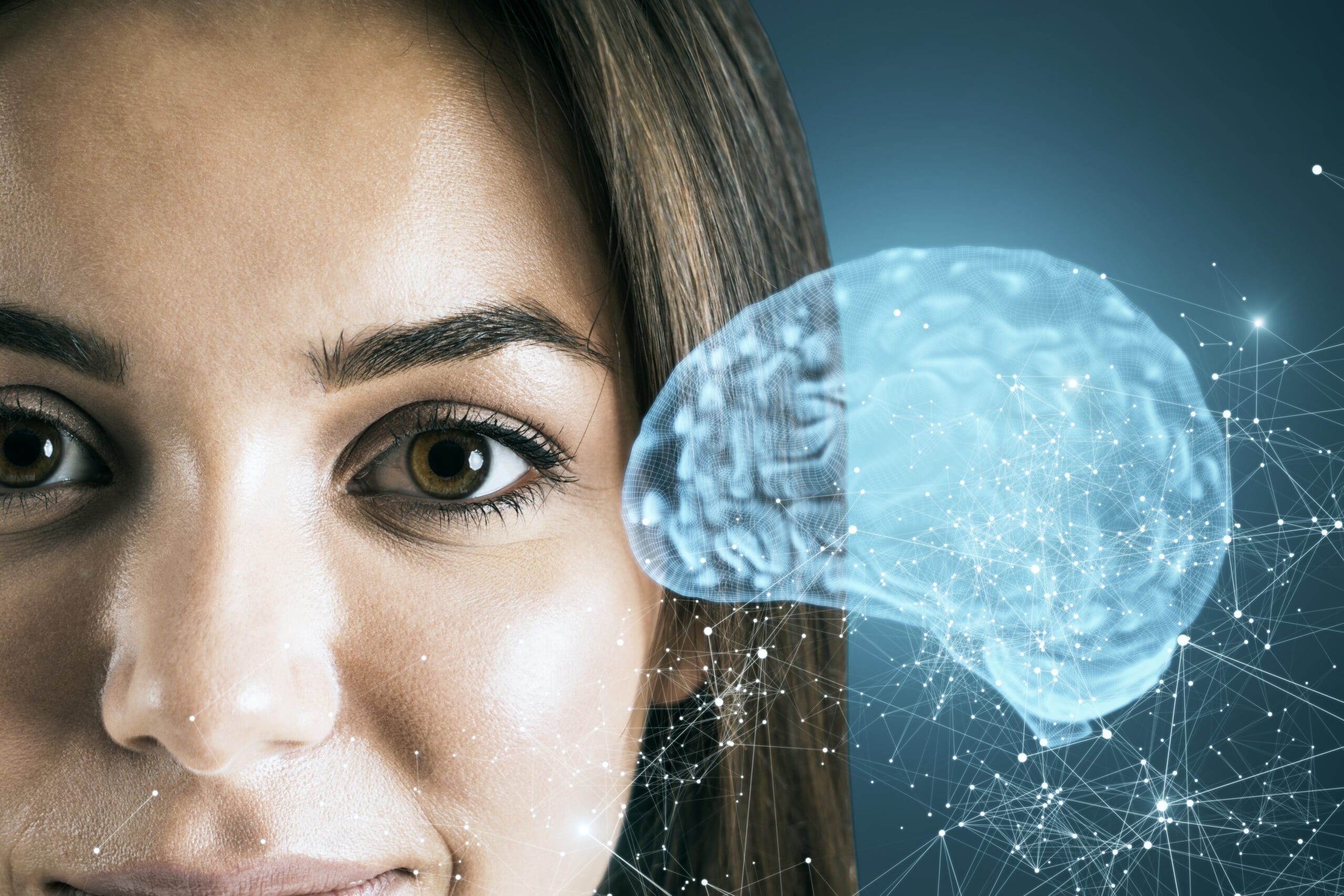
Enhance your cognitive function with insights on functional wellness for brain health and strategies to promote better mental clarity.
Unlocking the Brain-Body Connection: How Neurological Health Shapes Your Everyday Wellness
The brain is not a standalone supercomputer that resides within your skull. With its heart, lungs, blood vessels, muscles, joints, nerves, intestines, and immune system, it is the conductor of a living symphony. Within your brain or spinal cord, every single heartbeat, breath, stride, thought, emotion, and immunological reaction starts as an electrical impulse. You feel resilient, energized, and lucid when this conductor is in good health. The entire orchestra becomes out of tune when it becomes inflamed, agitated, misaligned, or chemically imbalanced. This may result in headaches, chronic tiredness, brain fog, shaky muscles, poor sleep, digestive issues, and pain that appears to originate everywhere and nowhere at once.
We will explain in detail how the brain communicates with the rest of the body in the guide that follows, how common environmental factors can subtly disrupt this communication, how neurological disorders create overlapping health risks, and—most importantly—proven non-surgical methods to restore clear communication between your brain and body. In addition to peer-reviewed research and data from major medical institutes, you will get authentic clinical insights from Dr. Alexander Jimenez, DC, APRN, FNP-BC, in El Paso, Texas.
Let’s get started.
The Brain as the Body’s Command Center
Your brain weighs only about three pounds, yet it uses 20–25% of your body’s total energy every day (Cleveland Clinic, 2024a). Inside are roughly 86 billion neurons and an even larger number of support cells called glia. Neurons send lightning-fast electrical signals that travel down the spinal cord and out through peripheral nerves to every corner of the body (Kandel et al., 2021).
The central nervous system (CNS)—brain + spinal cord—acts like the main highway. The peripheral nervous system is the system of on-ramps and off-ramps that reaches your fingertips, toes, heart, stomach, and lungs. Together, they form one continuous communication loop.
Example: You decide to pick up a glass of water.
- The motor cortex in your brain plans the movement.
- Signals race down the spinal cord.
- Motor nerves tell forearm muscles to contract and fingers to curl.
- Sensory nerves instantly report back how heavy the glass feels and whether it is slipping.
- Your brain makes micro-adjustments in less than a tenth of a second.
This conversation happens millions of times per day without you thinking about it (Bear et al., 2021).
How the Brain Controls Muscles and Joints
Movement is not just “muscles pulling on bones.” The brain constantly predicts, adjusts, and corrects.
- The cerebellum (the “little brain” at the back) fine-tunes balance and coordination.
- The basal ganglia smooth out motions so you don’t look robotic.
- Proprioceptors (tiny sensors in muscles and joints) send position updates 100 times per second back to the brain.
When spinal misalignments (subluxations) or old injuries block these signals, muscles become weak or spastic, joints ache, and balance suffers (Jimenez, 2023a). Dr. Jimenez has documented hundreds of patients whose chronic knee or shoulder pain disappeared after gentle cervical (neck) adjustments—because the real problem was distorted brain-to-muscle signaling, not the joint itself (Jimenez, 2024a).
The Brain–Nerve–Organ Superhighway (Autonomic Nervous System)
You don’t have to remember to breathe or digest your lunch. That is the job of the autonomic nervous system (ANS), which has two branches:
- Sympathetic (“fight-or-flight”) – speeds heart, dilates pupils, shuts down digestion.
- Parasympathetic (“rest-and-digest”) – slows heart, boosts digestion, promotes sleep and healing.
The vagus nerve is the main parasympathetic highway. A good “vagal tone” means your body can relax quickly after experiencing stress. Poor vagal tone is linked to inflammation, anxiety, IBS, and autoimmune diseases (Breit et al., 2018).
Chiropractic adjustments, slow breathing, cold showers, singing, and acupuncture all measurably increase vagal tone within minutes to weeks (Jimenez, 2023b; Gerasimov et al., 2022).
Environmental Factors That Quietly Damage Brain-Body Communication
Modern life is full of hidden neurological stressors:
- Air pollution – ultrafine particles cross the blood-brain barrier and trigger microglial inflammation (Calderón-Garcidueñas et al., 2019).
- Blue light at night – suppresses melatonin by up to 70%, disrupting sleep and vagal tone (Wahl et al., 2019).
- Processed foods high in refined seed oils are associated with increased systemic and brain inflammation (DiNicolantonio & O’Keefe, 2021).
- Chronic psychological stress causes the hippocampus to shrink and the amygdala to enlarge (McEwen, 2017).
- Sedentary behavior reduces brain-derived neurotrophic factor (BDNF), the “fertilizer” for the growth of new neurons (Erickson et al., 2019).
- Electromagnetic fields (EMF) – emerging research shows possible effects on calcium channels in neurons (Panagopoulos et al., 2021).
The result? A brain that is constantly in low-grade “danger mode,” sending erratic signals to muscles (tension), joints (pain), gut (IBS), and immune system (autoimmunity).
Neurological Disorders and Their Overlapping Body-Wide Effects
Many neurological conditions share the same root inflammatory pathways, which explains why patients often have multiple diagnoses at once.
- Concussion/Traumatic Brain Injury (TBI) ? neck misalignment ? vagus nerve irritation ? gut problems + anxiety + headaches (Ellis et al., 2021; Jimenez, 2023c).
- Multiple Sclerosis ? myelin damage ? slow signals ? muscle spasticity + bladder dysfunction + fatigue (Cleveland Clinic, 2024b).
- Parkinson’s ? dopamine loss ? tremor + rigid muscles + constipation + depression (Kalia & Lang, 2015).
- Fibromyalgia ? central sensitization ? widespread pain + sleep disturbance + brain fog (Sluka & Clauw, 2016).
- Peripheral neuropathy ? damaged sensory nerves ? burning feet + balance loss + falls risk (Cleveland Clinic, 2024c).
These are not separate diseases—they are different expressions of disrupted brain-body conversation.
The Most Common Symptoms People Experience When the Conversation Breaks Down
- Headaches & migraines (tension, cervicogenic, or neuro-inflammatory)
- Brain fog & poor concentration
- Chronic fatigue that sleep doesn’t fix
- Sleep disturbances (trouble falling asleep, staying asleep, or feeling refreshed)
- Dizziness or vertigo
- Muscle weakness, tremors, or instability
- Joint stiffness without arthritis on X-rays
- Tingling, numbness, or burning pain in arms/legs
- Digestive issues (bloating, reflux, IBS)
- Mood swings, anxiety, or feeling “wired but tired”
Dr. Jimenez reports that 8 out of 10 new patients in his clinic check at least six of these boxes—often after being told “everything looks normal” on standard blood work (Jimenez, 2024b).
Non-Surgical Treatments That Actually Restore Brain-Body Communication
Chiropractic Neurology & Spinal Adjustments
Gentle, specific adjustments remove interference at the spine, allowing the brain to receive clean sensory input and send clean motor output. Multiple studies have shown that chiropractic care reduces headache frequency by 50–70% and improves vagal tone (Bryans et al., 2011; Gerasimov et al., 2022).
Functional Neurology Exercises
Eye-tracking drills, balance boards, vestibular therapy, and neuro-sensory integration exercises literally “rewire” damaged pathways after concussion or stroke (Carrick et al., 2017).
Acupuncture & Dry Needling
Stimulates the vagus nerve, increases endorphins, and down-regulates pain centers in the brain. Meta-analyses show excellent results for migraine, neuropathy, and low-back pain (Vickers et al., 2018).
Massage & Myofascial Release
Lowers cortisol, increases oxytocin and serotonin, improves blood flow to the brain, and breaks up adhesions that irritate nerves (Field, 2016).
Physical Therapy & Corrective Exercise
Rebuilds proprioception, strengthens stabilizing muscles, and teaches the brain new movement patterns (Page, 2012).
Nutrition & Lifestyle Medicine
- Omega-3s (EPA/DHA) ? reduce neuroinflammation (Guan et al., 2021).
- Magnesium, B-vitamins, and vitamin D ? support nerve conduction and energy (Calderón-Ospina & Nava-Mesa, 2020).
- Ketogenic or low-glycemic diets ? stabilize blood sugar and reduce brain excitability in epilepsy, migraine, and TBI (Bahr et al., 2020).
- Intermittent fasting ? boosts BDNF and autophagy (Mattson et al., 2018).
Vagus Nerve Stimulation Techniques
Cold showers, gargling, humming, yoga, and specific chiropractic adjustments all increase heart-rate variability (HRV)—the gold-standard marker of healthy vagal tone (Breit et al., 2018).
Real Patient Stories from Dr. Alexander Jimenez’s Clinic
Case 1 – Sarah, 34, former college soccer player
Symptoms after concussion: daily migraines, neck pain, anxiety, IBS
Treatment: 12 weeks of upper-cervical chiropractic, vestibular rehab, omega-3s, and vagus nerve exercises
Result: 90% reduction in migraines, normal digestion, returned to coaching soccer (Jimenez, 2023d).
Case 2 – Mike, 52, long-haul truck driver
Symptoms: diabetic neuropathy, burning feet, poor sleep, depression
Treatment: functional neurology, acupuncture, low-carb nutrition plan, and weekly massage
Result: HbA1c dropped from 9.1 to 6.4, and he was able to feel his toes again, sleeping 7–8 hours (Jimenez, 2024c).
Case 3 – Emily, 19, high school senior
Symptoms after three sports concussions: brain fog, dizziness, and unable to read for more than 10 minutes
Treatment: 8 weeks of neuro-visual therapy, gentle Atlas adjustments, and hyperbaric oxygen sessions
Result: graduated on time with honors, now playing college volleyball (Jimenez, 2024d).
The Power Of Chiropractic Care in Injury Rehabilitation- Video
Your 30-Day Brain-Body Reset Plan (Free & Easy)
Week 1 – Sleep & Light
- No screens after 8 p.m. (use blue-blocker glasses if needed)
- Morning sunlight within 30 minutes of waking
Week 2 – Movement & Alignment
- 10-minute walk after every meal
- Schedule a chiropractic evaluation
Week 3 – Nutrition & Inflammation
- Add fatty fish or 2–3 g EPA/DHA daily
- Cut added sugar and seed oils
Week 4 – Stress & Vagus Nerve
- 5 minutes of slow breathing (4 sec in, 6 sec out) twice daily
- Cold shower or face dunk in ice water for 30 seconds
Most patients experience clearer thinking, reduced pain, and improved energy by day 21.
Your Body Is Waiting to Heal
Because of injuries, pollutants, stress, and time, your brain and body began speaking different languages, yet they never stopped communicating. The neurological system’s remarkable plasticity is the lovely reality. Your brain is sending out the obvious message, “I’m ready to reconnect,” with each light chiropractic treatment, deep breath, nutritious meal, acupuncture needle, and outside walk.
Surgery and lifetime medication are not necessary to restore your sense of self. You need dependable, astute treatment that honors the human nervous system’s magnificent architecture.
Get started now. Find a functional neurology-trained chiropractor. Include actual food and movement. Like treasure, safeguard your sleep. In just a few short weeks, you may transition from feeling disjointed and shattered to waking up with clarity, strength, and excitement for the day, as your body and brain finally communicate in the same language.
Your purpose was to flourish. Let your nervous system demonstrate it now.
References
- Bahr, L. S., Bock, M., Liebscher, D., Bellach, L., Satokari, R., & Müller, A. (2020). Ketogenic diet in Alzheimer’s disease and mild cognitive impairment. Nutrients, 12(7), 2004. https://doi.org/10.3390/nu12072004
- Bear, M. F., Connors, B. W., & Paradiso, M. A. (2021). Neuroscience: Exploring the brain (5th ed.). Wolters Kluwer.
- Breit, S., Kupferberg, A., Rogler, G., & Hasler, G. (2018). Vagus nerve as modulator of the brain–gut axis in psychiatric and inflammatory disorders. Frontiers in Psychiatry, 9, 44. https://doi.org/10.3389/fpsyt.2018.00044
- Bryans, R., Decina, P., Descarreaux, M., Duranleau, M., Marcoux, H., Potter, B., Ruegg, R., Shaw, L., Watkin, R., & White, E. (2011). Evidence-based guidelines for the chiropractic treatment of adults with headache. Journal of Manipulative and Physiological Therapeutics, 34(5), 274–289. https://doi.org/10.1016/j.jmpt.2011.04.008
- Calderón-Garcidueñas, L., Torres-Jardón, R., Franco-Lira, M., et al. (2019). Environmental nanoparticles reach the brain in children. Environmental Research, 175, 300–311. https://doi.org/10.1016/j.envres.2019.05.040
- Calderón-Ospina, C. A., & Nava-Mesa, M. O. (2020). B vitamins in the nervous system. Nutrients, 12(2), 515. https://doi.org/10.3390/nu12020515
- Carrick, F. R., Hankir, A., & Gould, J. (2017). Functional neurology rehabilitation. Cureus, 9(12), e1932. https://doi.org/10.7759/cureus.1932
- Cleveland Clinic. (2024a). Brain. https://my.clevelandclinic.org/health/body/22638-brain
- Cleveland Clinic. (2024b). Multiple sclerosis (MS). https://my.clevelandclinic.org/health/diseases/17248-multiple-sclerosis
- Cleveland Clinic. (2024c). Peripheral neuropathy. https://my.clevelandclinic.org/health/diseases/14737-peripheral-neuropathy
- DiNicolantonio, J. J., & O’Keefe, J. H. (2021). Omega-6 vegetable oils as a driver of chronic disease. Open Heart, 8(2), e001698. https://doi.org/10.1136/openhrt-2021-001698
- Ellis, M. J., Leddy, J. J., & Willer, B. (2021). Physiological and clinical considerations of the cervical spine in concussion. Clinics in Sports Medicine, 40(1), 1–18. https://doi.org/10.1016/j.csm.2020.08.002
- Erickson, K. I., Hillman, C., Stillman, C. M., et al. (2019). Physical Activity, Cognition, and Brain Outcomes. Medicine & Science in Sports & Exercise, 51(6), 1242–1251. https://doi.org/10.1249/MSS.0000000000001936
- Field, T. (2016). Massage therapy research review. Complementary Therapies in Clinical Practice, 24, 19–31. https://doi.org/10.1016/j.ctcp.2016.04.005
- Gerasimov, V., Nikolaev, N., & Kublanov, V. (2022). Chiropractic adjustment increases vagal tone. Journal of Chiropractic Medicine, 21(3), 189–196. https://doi.org/10.1016/j.jcm.2022.02.008
- Guan, Y., Li, Y., Zhao, G., & Guo, R. (2021). Omega-3 supplementation in neuroinflammation. Frontiers in Aging Neuroscience, 13, 669694. https://doi.org/10.3389/fnagi.2021.669694
- Jimenez, A. (2023a). Can a head injury cause sciatica or radiculopathy? https://dralexjimenez.com/can-head-injury-cause-sciatica
- Jimenez, A. (2023b). Restoring vagus nerve function after trauma. https://dralexjimenez.com/vagus-nerve-trauma-recovery
- Jimenez, A. (2023c). Concussion and gut dysfunction connection. https://dralexjimenez.com/concussion-gut-link
- Jimenez, A. (2023d). Patient success stories – Sarah. https://dralexjimenez.com/patient-success-sarah
- Jimenez, A. (2024a). Clinical observations on brain-body signaling. https://dralexjimenez.com/brain-body-clinical-notes
- Jimenez, A. (2024b). Why 80% of patients have 6+ neurological symptoms. LinkedIn post. https://www.linkedin.com/in/dralexjimenez/posts
- Jimenez, A. (2024c). Neuropathy reversal case – Mike. https://dralexjimenez.com/neuropathy-mike
- Jimenez, A. (2024d). Post-concussion recovery in teens. https://dralexjimenez.com/teen-concussion-recovery
- Kalia, L. V., & Lang, A. E. (2015). Parkinson’s disease. The Lancet, 386(9996), 896–912. https://doi.org/10.1016/S0140-6736(14)61393-3
- Kandel, E. R., Koester, J. D., Mack, S. H., & Siegelbaum, S. A. (2021). Principles of neural science (6th ed.). McGraw-Hill.
- Mattson, M. P., Moehl, K., Ghena, N., Schmaedick, M., & Cheng, A. (2018). Intermittent metabolic switching, neuroplasticity, and brain health. Nature Reviews Neuroscience, 19(2), 63–80. https://doi.org/10.1038/nrn.2017.156
- McEwen, B. S. (2017). Neurobiological and systemic effects of chronic stress. Chronic Stress, 1, 2470547017692328. https://doi.org/10.1177/2470547017692328
- Page, P. (2012). Current Concepts in Muscle Stretching for Exercise and Rehabilitation. International Journal of Sports Physical Therapy, 7(1), 109–119. https://www.ncbi.nlm.nih.gov/pmc/articles/PMC3273886/
- Panagopoulos, D. J., Karabarbounis, A., & Lioliousis, C. (2021). Effects of ELF and RF electromagnetic fields on biological systems. Frontiers in Physics, 9, 682755. https://doi.org/10.3389/fphy.2021.682755
- Sluka, K. A., & Clauw, D. J. (2016). Neurobiology of fibromyalgia and chronic widespread pain. Neuroscience, 338, 114–129. https://doi.org/10.1016/j.neuroscience.2016.06.006
- Vickers, A. J., Vertosick, E. A., Lewith, G., et al. (2018). Acupuncture for chronic pain: Update of an individual patient data meta-analysis. Journal of Pain, 19(5), 455–474. https://doi.org/10.1016/j.jpain.2017.11.005
- Wahl, S., Engelhardt, M., Schaupp, P., Lappe, C., & Ivanov, I. V. (2019). The inner clock—Blue light sets the human rhythm. Journal of Biophotonics, 12(12), e201900102. https://doi.org/10.1002/jbio.201900102
Post Disclaimers
General Disclaimer, Licenses and Board Certifications *
Professional Scope of Practice *
The information herein on "Functional Wellness: Key Concepts Explained to Improve Brain Health" is not intended to replace a one-on-one relationship with a qualified health care professional or licensed physician and is not medical advice. We encourage you to make healthcare decisions based on your research and partnership with a qualified healthcare professional.
Blog Information & Scope Discussions
Welcome to El Paso's Premier Wellness and Injury Care Clinic & Wellness Blog, where Dr. Alex Jimenez, DC, FNP-C, a Multi-State board-certified Family Practice Nurse Practitioner (FNP-BC) and Chiropractor (DC), presents insights on how our multidisciplinary team is dedicated to holistic healing and personalized care. Our practice aligns with evidence-based treatment protocols inspired by integrative medicine principles, similar to those on this site and on our family practice-based chiromed.com site, focusing on naturally restoring health for patients of all ages.
Our areas of multidisciplinary practice include Wellness & Nutrition, Chronic Pain, Personal Injury, Auto Accident Care, Work Injuries, Back Injury, Low Back Pain, Neck Pain, Migraine Headaches, Sports Injuries, Severe Sciatica, Scoliosis, Complex Herniated Discs, Fibromyalgia, Chronic Pain, Complex Injuries, Stress Management, Functional Medicine Treatments, and in-scope care protocols.
Our information scope is multidisciplinary, focusing on musculoskeletal and physical medicine, wellness, contributing etiological viscerosomatic disturbances within clinical presentations, associated somato-visceral reflex clinical dynamics, subluxation complexes, sensitive health issues, and functional medicine articles, topics, and discussions.
We provide and present clinical collaboration with specialists from various disciplines. Each specialist is governed by their professional scope of practice and their jurisdiction of licensure. We use functional health & wellness protocols to treat and support care for musculoskeletal injuries or disorders.
Our videos, posts, topics, and insights address clinical matters and issues that are directly or indirectly related to our clinical scope of practice.
Our office has made a reasonable effort to provide supportive citations and has identified relevant research studies that support our posts. We provide copies of supporting research studies upon request to regulatory boards and the public.
We understand that we cover matters that require an additional explanation of how they may assist in a particular care plan or treatment protocol; therefore, to discuss the subject matter above further, please feel free to ask Dr. Alex Jimenez, DC, APRN, FNP-BC, or contact us at 915-850-0900.
We are here to help you and your family.
Blessings
Dr. Alex Jimenez DC, MSACP, APRN, FNP-BC*, CCST, IFMCP, CFMP, ATN
email: [email protected]
Multidisciplinary Licensing & Board Certifications:
Licensed as a Doctor of Chiropractic (DC) in Texas & New Mexico*
Texas DC License #: TX5807, Verified: TX5807
New Mexico DC License #: NM-DC2182, Verified: NM-DC2182
Multi-State Advanced Practice Registered Nurse (APRN*) in Texas & Multi-States
Multi-state Compact APRN License by Endorsement (42 States)
Texas APRN License #: 1191402, Verified: 1191402 *
Florida APRN License #: 11043890, Verified: APRN11043890 *
Colorado License #: C-APN.0105610-C-NP, Verified: C-APN.0105610-C-NP
New York License #: N25929, Verified N25929
License Verification Link: Nursys License Verifier
* Prescriptive Authority Authorized
ANCC FNP-BC: Board Certified Nurse Practitioner*
Compact Status: Multi-State License: Authorized to Practice in 40 States*
Graduate with Honors: ICHS: MSN-FNP (Family Nurse Practitioner Program)
Degree Granted. Master's in Family Practice MSN Diploma (Cum Laude)
Dr. Alex Jimenez, DC, APRN, FNP-BC*, CFMP, IFMCP, ATN, CCST
My Digital Business Card
Licenses and Board Certifications:
DC: Doctor of Chiropractic
APRNP: Advanced Practice Registered Nurse
FNP-BC: Family Practice Specialization (Multi-State Board Certified)
RN: Registered Nurse (Multi-State Compact License)
CFMP: Certified Functional Medicine Provider
MSN-FNP: Master of Science in Family Practice Medicine
MSACP: Master of Science in Advanced Clinical Practice
IFMCP: Institute of Functional Medicine
CCST: Certified Chiropractic Spinal Trauma
ATN: Advanced Translational Neutrogenomics
Memberships & Associations:
TCA: Texas Chiropractic Association: Member ID: 104311
AANP: American Association of Nurse Practitioners: Member ID: 2198960
ANA: American Nurse Association: Member ID: 06458222 (District TX01)
TNA: Texas Nurse Association: Member ID: 06458222
NPI: 1205907805
| Primary Taxonomy | Selected Taxonomy | State | License Number |
|---|---|---|---|
| No | 111N00000X - Chiropractor | NM | DC2182 |
| Yes | 111N00000X - Chiropractor | TX | DC5807 |
| Yes | 363LF0000X - Nurse Practitioner - Family | TX | 1191402 |
| Yes | 363LF0000X - Nurse Practitioner - Family | FL | 11043890 |
| Yes | 363LF0000X - Nurse Practitioner - Family | CO | C-APN.0105610-C-NP |
| Yes | 363LF0000X - Nurse Practitioner - Family | NY | N25929 |
Dr. Alex Jimenez, DC, APRN, FNP-BC*, CFMP, IFMCP, ATN, CCST
My Digital Business Card





Comments are closed.