
Arm and Shoulder Injuries After a Car Accident Treatment
Arm and Shoulder Injuries After a Car Accident: How Integrative Care Supports Healing
Car accidents often jolt the body in powerful ways that lead to painful arm and shoulder problems. These injuries can make simple tasks like reaching for a cup, driving, or even sleeping comfortably feel difficult. Understanding how these injuries happen, what they involve, and how a complete approach to care works can help people find real relief and get back to normal life.
This article walks through the common causes, types of damage, and warning signs and explains why combining several therapies often yields the best results. It also shares how experienced providers work together to support recovery.
How Car Accidents Cause Arm and Shoulder Injuries
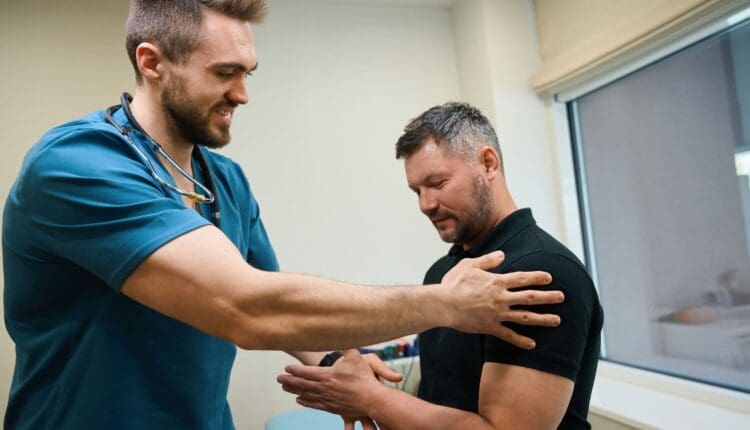
Motor vehicle accidents create sudden forces that stress the shoulder and arm. The shoulder is a ball-and-socket joint with a wide range of motion, which makes it vulnerable during crashes.
Common ways injuries occur include:
- Direct impact — The arm or shoulder hits the steering wheel, dashboard, door, or airbag.
- Seatbelt forces — The belt holds the body back while the upper body keeps moving, creating strong pulling or pinching on the shoulder.
- Bracing for impact — People often push their arms forward or out to the side right before a crash, which can stretch or tear tissues.
- Rapid jerking motions — The whole body is thrown forward and back or side to side, especially in rear-end or T-bone collisions. This can pull the arm away from the shoulder socket or strain supporting muscles and ligaments.
These forces can damage bones, muscles, tendons, ligaments, and even nerves. Even low-speed crashes can cause problems because the shoulder is so mobile and complex.
Common Types of Arm and Shoulder Injuries from MVAs
Several injuries appear often after car accidents. Each one affects movement and comfort in different ways.
- Rotator cuff tears: The rotator cuff is a group of four muscles and their tendons that hold the upper arm bone securely in the shoulder socket and allow lifting and rotating motions. A tear can be partial or complete. Trauma from a crash can rip these tendons, leading to weakness and pain that often worsens at night or when reaching overhead.
- Fractures of the collarbone (clavicle) or upper arm bone (humerus): Direct blows or the force of the body hitting restraints can break these bones. Swelling, bruising, and sharp pain with any movement are typical.
- Shoulder dislocations: The upper arm bone pops out of the socket. This usually happens due to sudden pulling or impact forces. It causes intense pain, and the arm may look or feel out of place.
- Sprains and strains: Ligaments (which connect bones) can stretch or tear, and muscles or tendons can become strained. These soft-tissue injuries often result from the shoulder being forced beyond its normal range during the crash.
- Soft-tissue trauma and bruising: Contusions, muscle damage, and swelling commonly occur from impact. In some cases, nerves in the neck or shoulder area can also become irritated or compressed, causing pain, tingling, or numbness that travels down the arm.
These injuries can happen alone or together. What starts as mild soreness can turn into ongoing stiffness or weakness if not addressed properly.
Signs and Symptoms People Often Notice
After a car accident, watch for these common warning signs in the arm and shoulder:
- Pain that may be sharp with movement or a dull ache at rest, especially at night
- Swelling, bruising, or warmth around the shoulder or upper arm
- Limited range of motion — trouble lifting the arm, reaching across the body, or rotating it
- Weakness when trying to carry objects or push/pull
- Clicking, popping, or grinding sensations in the joint
- Tingling, numbness, or a “pins and needles” feeling down the arm (possible nerve involvement)
- Stiffness that makes daily activities like dressing or driving uncomfortable
Symptoms can appear right away or develop over hours or days as inflammation builds. Some people feel fine at first because adrenaline masks the pain, only to notice problems later.
Why Proper Care Matters After an Accident
Leaving arm or shoulder injuries untreated can lead to longer recovery times, chronic pain, or secondary problems like frozen shoulder (where the joint becomes very stiff). Early attention helps reduce inflammation, protect the injured tissues, and support the body’s natural repair processes. Many people recover well when they receive care that addresses both the immediate damage and the overall healing environment.
Integrative Care: Combining Chiropractic with Advanced Therapies
A comprehensive approach brings together several treatments that work as a team. Chiropractic care focuses on restoring alignment and nerve function, while regenerative and physical therapies target tissue repair, pain relief, and strength building from multiple angles.
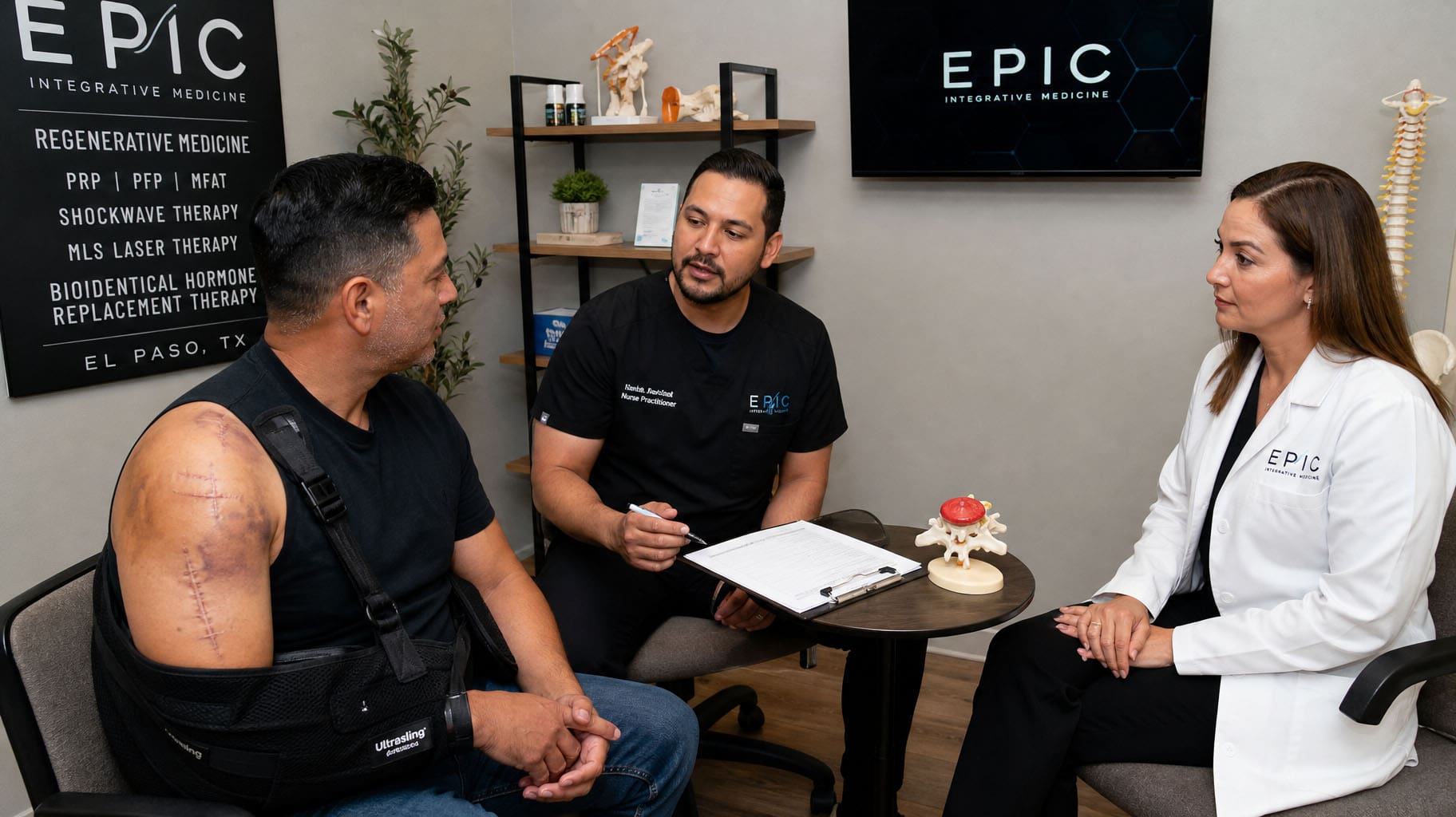
At practices like Injury Medical Clinic PA in El Paso, Texas, Dr. Alexander Jimenez, DC, APRN, FNP-BC, CFMP, IFMCP, ATN, CCST, provides chiropractic adjustments, functional assessments, and rehabilitation. He works closely with Dr. Maria Guadalupe Cardenas, MD (Board Certified in Internal Medicine, NPI #1164426749, Texas MD License #J2933), who has over 40 years of experience as an internist and serves as Medical Director and Collaborative Physician. This multidisciplinary setup allows medical oversight alongside chiropractic and regenerative services — a common model in integrative injury care clinics. Dr. Cardenas helps coordinate the overall health factors that influence healing, while Dr. Jimenez addresses musculoskeletal and nerve issues through detailed evaluations and personalized plans.
Clinical Observations
Dr. Jimenez’s work shows that many patients with motor vehicle accident injuries benefit from early intervention combining hands-on care, regenerative options, and supportive therapies. His dual training as a chiropractor and nurse practitioner allows him to address both structural damage and broader factors, such as inflammation, mobility, and daily function. Patients often see improvements in pain, range of motion, and ability to return to normal activities when care addresses the injury from several directions at once.
Here are key therapies often used together:
- Chiropractic adjustments — Gentle, specific movements help realign the spine and shoulder area, reduce nerve pressure, and improve joint mobility so the body can heal more efficiently.
- Regenerative injections such as PRP (platelet-rich plasma), PFP (platelet-poor plasma), and MFAT (micro-fragmented adipose tissue) — These use the body’s own healing components (from blood or fat tissue) to deliver growth factors and supportive cells directly to damaged tendons, ligaments, and muscles, encouraging repair and lowering inflammation.
- Shockwave therapy — Acoustic waves stimulate blood flow, break up scar tissue, and activate the body’s repair cells in injured soft tissues.
- MLS laser therapy — Specific light wavelengths penetrate tissues to reduce pain and swelling while speeding up cellular healing, making it especially helpful for sprains, strains, and tendon issues after accidents.
- Spinal decompression — Gentle, controlled stretching of the spine can relieve pressure on discs and nerves that may refer pain into the shoulder and arm.
- Epidural spinal injections — When inflammation around spinal nerves contributes to arm or shoulder pain, these can calm the irritated areas.
- IV infusion therapies — Intravenous nutrients and hydration support the body’s internal healing processes, energy levels, and tissue repair from the inside.
- Graston techniques — Special instruments glide over muscles and fascia to break down scar tissue and improve movement in tight or injured areas.
- Cupping — Creates gentle suction to increase blood flow, ease muscle tension, and support soft-tissue recovery.
These treatments complement each other. Chiropractic and decompression improve alignment and nerve signaling. Regenerative options and shockwave or laser therapy target tissue repair at the cellular level. IV support and soft-tissue work (Graston, cupping) help the body handle inflammation and rebuild strength. Together they aim to manage pain, stimulate natural healing, and restore function without relying solely on medication or surgery.
Moving Forward After an Injury
People who have been in a car accident and notice arm or shoulder pain often do best when they seek a thorough evaluation soon. A provider can perform hands-on exams, order imaging if needed, and create a plan tailored to the specific injuries. Following through with the recommended combination of therapies, along with simple home care like gentle movement and rest, supports steady progress.
Recovery looks different for everyone, but many regain improved movement and comfort when the focus stays on both the damaged tissues and the body’s overall ability to heal. Addressing issues early can help prevent long-term stiffness or recurring pain.
If shoulder or arm discomfort is limiting your daily life after a motor vehicle accident, consider reaching out to a clinic experienced in integrative accident care. A team approach that includes chiropractic expertise and medical collaboration can offer a clear path toward feeling better and moving freely again.
References
Alexander Orthopaedics. (n.d.). 5 common shoulder injuries from a car accident.
Bupa. (n.d.). Rotator cuff injury.
El Paso Back Clinic. (n.d.). Chiropractic and regenerative care after car accidents guide.
El Paso Back Clinic. (n.d.). Integrated chiropractic accident treatment for recovery.
Gill, Welsh, and Chamberlain, P.A. (2022, July 29). Common shoulder injuries caused by car accidents.
Island Breeze Chiropractic. (n.d.). Shoulder injuries from auto accidents.
Comments are closed.