
Targeted Hormone Optimization Explained by Experts


Targeted Hormone Optimization for Wellness Support
Abstract
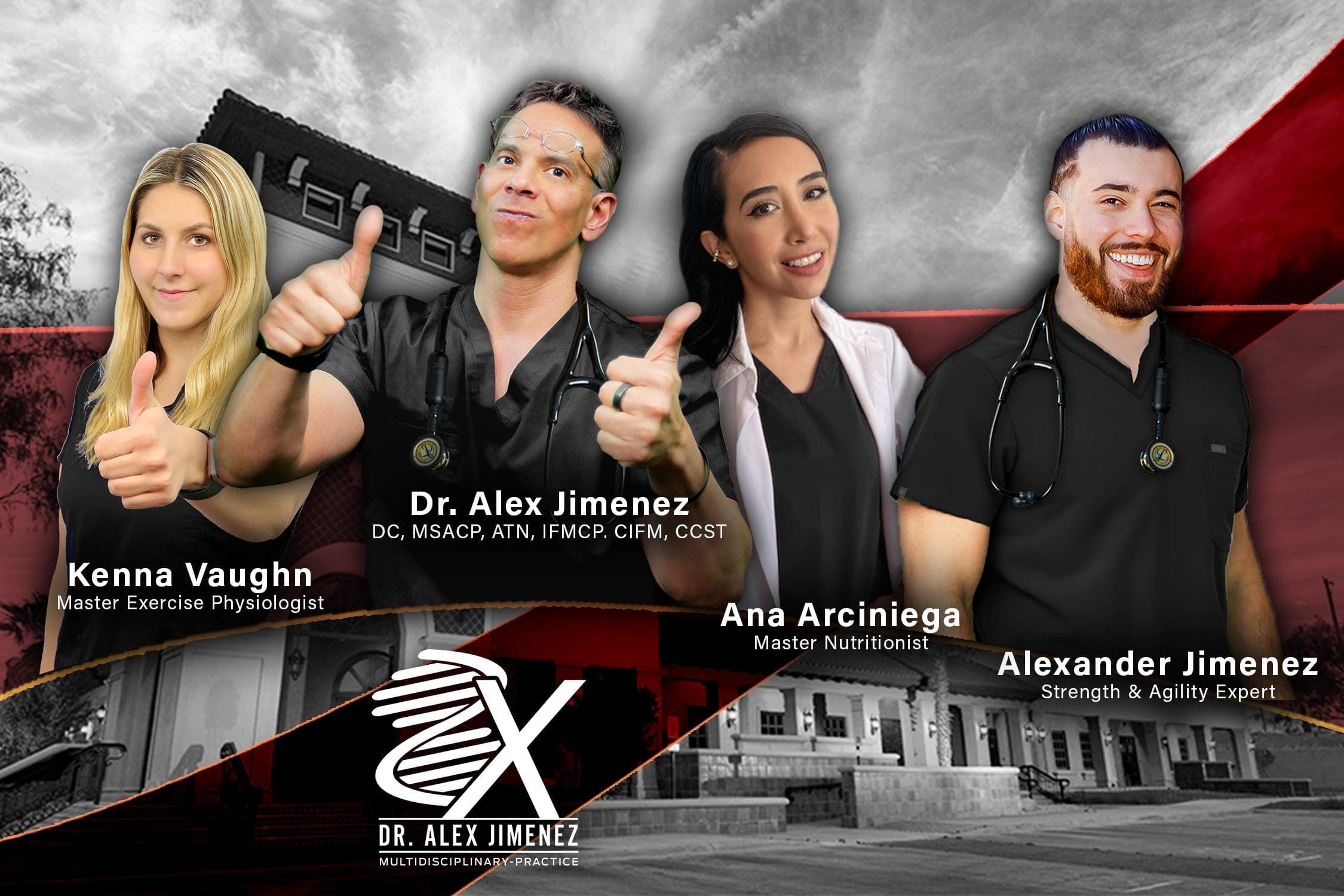
Hello, I’m Dr. Alexander Jimenez, and I am honored to welcome you to this educational discussion. As a healthcare professional with a multifaceted background spanning chiropractic (DC), advanced practice nursing (APRN, FNP-BC), and functional medicine (CFMP, IFMCP), my goal is to bridge disciplines to provide a holistic and evidence-based path to wellness. Today, we’ll explore the intricate world of hormone optimization and metabolic health, drawing on the latest findings from leading researchers in the field. This post will guide you through our detailed patient journey, from initial symptom assessment and comprehensive lab analysis to personalized treatment planning using advanced dosing algorithms and procedural techniques for subcutaneous pellet therapy. We will examine detailed case studies, explore the physiological reasoning behind specific therapeutic choices for both female and male patients, and discuss the importance of patient education and informed consent. Furthermore, we will explore how integrative chiropractic care plays a crucial role in supporting the body’s foundational structure and nervous system function, enhancing the effectiveness of these treatments and promoting true, lasting health. This journey is about empowering you with knowledge, so let’s begin.

The Patient Journey: From Precision Data to Personalized Treatment
In my years of clinical practice, I have witnessed a profound evolution in how we approach hormone replacement therapy. Gone are the days of one-size-fits-all protocols. Today, we stand on the shoulders of leading researchers, armed with powerful tools that allow for an unprecedented level of personalization. The cornerstone of our approach is a thorough, patient-centric process designed to be as efficient as it is comprehensive.
One of the first, and critical, logistical aspects we address is the timing of lab work.
- Pre-Treatment Labs: These provide the essential baseline, our starting point for understanding your unique physiology.
- Post-Treatment Labs: To accurately assess the body’s response to therapy, especially after an initial hormone pellet insertion, we schedule the first follow-up appointment for four to five weeks later. We have patients get their labs drawn just before this visit. This precise timing is crucial because it gives us a clear snapshot of how your body is absorbing and utilizing the hormones, allowing for much more accurate adjustments than waiting several months.
We treat this process with the same level of seriousness as an outpatient medical procedure. To improve patient compliance and reduce anxiety, we’ve implemented a modern solution: QR codes. On a simple card, a patient can scan the code and access a video campaign that walks them through all their post-treatment instructions. This digital tool provides clear, repeatable reminders and reinforces the importance of the protocol, significantly increasing patient compliance, which is paramount to achieving the best possible outcomes.
Analyzing Patient Symptoms: The Hormone Checklist
Before we even look at lab results, we need to understand the patient’s subjective experience. We use a detailed Symptom Checklist for all individuals. This isn’t just a formality; it’s a powerful clinical tool. Patients mark their symptoms, and while we could score them numerically, I find their true value lies in a side-by-side comparison. We have the patient fill one out at their initial visit and another after they have been on therapy for a while.
The “before” and “after” checklists provide powerful, tangible proof of progress in the patient’s own words. This validates the care and offers objective evidence of improvement, documenting the patient’s condition and their response to treatment under our care.
Case Study 1: A Post-Menopausal Female
Let’s look at a typical case. “Jane” is a 59-year-old female, ten years post-menopause. Her symptom checklist tells a story of moderate to severe symptoms: mental exhaustion, low libido, weight gain, and bladder issues.
Her intake form also reveals other crucial clues. She reports daily issues with gas, bloating, and constipation. This is a significant red flag. Digestive distress is not just a minor annoyance; it may indicate gut dysbiosis, malabsorption, and inflammation, all of which can profoundly affect thyroid function, nutrient absorption, and overall hormonal balance. This immediately signals to me that we need to investigate her gut health alongside her hormones.
Decoding the Labs: A Comprehensive Panel Analysis
Now, let’s connect Jane’s symptoms to her biochemistry by looking at her comprehensive lab panel.
- Inflammatory Markers & General Health: Her C-Reactive Protein (CRP), a marker of inflammation, is within normal limits. Her ferritin, reflecting iron stores, is excellent at 103. If ferritin creeps above 150, I start to suspect underlying inflammatory processes or fatty liver, which can impair thyroid hormone conversion.
- Vitamin Levels:
- B12: Her level is under 500 pg/mL. In my functional medicine practice, I aim for a B12 level over 800 pg/mL for optimal neurological function. Her low level, despite taking a multivitamin, reinforces my suspicion of a gut-based absorption issue.
- Vitamin D: Her level is 68 ng/mL, which is good (optimal range is 60-80 ng/mL). Surprisingly, she’s only taking 2,000 IU daily. I would recommend increasing her dose to 5,000 IU daily and adding Vitamin K2. Vitamin D helps the body absorb calcium from the diet, but K2 is the “traffic cop” that directs calcium into the bones, preventing it from being deposited in arteries.
- Thyroid Panel: This is where we see a major part of her problem.
- TSH (Thyroid-Stimulating Hormone): Her TSH is 2.8 mIU/L. While many conventional labs consider this “normal,” the functional and optimal range tops out at 2.0. A TSH above 2.0 suggests the brain is working too hard to stimulate a sluggish thyroid.
- Free T3: This is the active thyroid hormone. Her level is at the very bottom of the reference range, a classic sign of poor T4-to-T3 conversion.
- TPO Antibodies: Her thyroid peroxidase antibodies are elevated. This is the smoking gun. It tells me her thyroid issue is Hashimoto’s thyroiditis, an autoimmune condition where the immune system is attacking the thyroid gland. This is likely linked to her gut issues, a connection that is well established in research (Koehler et al., 2023).
- Hormone Panel:
- FSH (Follicle-Stimulating Hormone): Her FSH is very high, which is expected in a post-menopausal woman as the brain tries to stimulate non-responsive ovaries.
- Estradiol and Testosterone: As expected, both are very low.
- DHEA: Her DHEA level is in the double digits, which is extremely low and associated with adrenal fatigue.
Case Study 2: A 59-Year-Old Male with Metabolic Dysfunction
Now let’s turn to “John,” Jane’s 59-year-old husband. He presents with common male complaints: fatigue, joint pain, low motivation, and a depressed mood.
Unpacking John’s Lab Results
John’s labs reveal a clear picture of emerging metabolic disease.
- Metabolic Markers:
- Hemoglobin A1C: His A1C is 5.8%, placing him squarely in the pre-diabetic range.
- Liver Enzymes (ALT/AST): His liver enzymes are on the higher end of the “normal” range. Decades ago, the upper limit was around 20 U/L. The range has broadened as the population has become heavier. His elevated levels strongly suggest he has fatty liver, which contributes to systemic inflammation and poor hormone metabolism.
- Hormone Panel:
- Total Testosterone: 300 ng/dL. This is “low normal,” but doesn’t tell the whole story.
- Free Testosterone: This is the biologically active testosterone. His level is a dismal 7.0 pg/mL. He has plenty of testosterone, but it’s bound up and unusable.
- Sex Hormone-Binding Globulin (SHBG): His SHBG is very low. In men, low SHBG is a classic marker of metabolic dysfunction and insulin resistance. It’s a strong predictor of developing type 2 diabetes and cardiovascular disease (Ding et al., 2009).
The Power of Precision: Using Advanced Algorithms for Personalized Dosing
Based on this wealth of data, we can construct a highly personalized treatment plan. The cornerstone of our modern approach is an advanced software platform that functions as a sophisticated clinical decision support system. We input demographics, symptom scores, and comprehensive lab values.
The algorithm is designed to recognize patterns and relationships that might be missed by a cursory glance. For instance, it correlates SHBG levels with free hormone availability, helping us understand not just how much hormone is present, but how much is biologically active. The logic behind this is rooted in physiological safety. A woman who entered menopause 25 years ago has been without significant estrogen for a long time. Her body’s receptors have downregulated. To introduce a high dose of hormones abruptly would be a shock to her system. Therefore, the algorithm will invariably recommend a much more conservative starting dose for her compared to a woman who has just transitioned through menopause.
Once all the data is entered, the system generates a detailed report that includes the precise recommended dose, clinical considerations, supplement suggestions, and a clear treatment plan.
The Critical Role of Informed Consent and Patient Education
In medicine, particularly when utilizing off-label therapies like hormone pellets, a robust informed consent process is not just a legal formality—it’s an ethical obligation. We have developed a consent form written as an educational white paper, empowering the patient with knowledge.
We deliberately address the tough questions head-on, such as, “Are hormone pellets FDA-approved?” We explain that the procedure is not individually FDA-approved, but the ingredients are, and the compounding pharmacies that produce them are highly regulated. A key section also explains that our goal is optimization, which may mean targeting levels in the upper quartile of the normal range, or even slightly above, to achieve symptom resolution. This transparency is vital.
The Art of Pellet Insertion: Maximizing Surface Area for Better Results
One of the most significant evolutions in hormone pellet therapy has been our understanding of insertion technique. The goal is to place the pellets in the deeper adipose (fatty) tissue, not superficially.
A breakthrough in my practice was adopting the “fanning” technique. Instead of clumping the pellets into one small pocket, the goal is to increase the surface area by laying them in a row, like individual ties on a railroad track. The results were astonishing. In every single patient we applied this technique to, their hormone levels doubled, even with a lower dose in some cases. This demonstrated a powerful physiological principle: greater surface area equals better absorption. The new trophoblasts in pellets, when spread out, allow for more efficient and consistent diffusion of hormones into the bloodstream.
Procedural Pearls: The Modern Technique Step-by-Step
The modern procedure prioritizes safety, comfort, and efficacy.
- Sterile Field and Anesthesia: We establish a sterile field and use a local anesthetic to numb the entire track where the pellets will be placed in the deep fatty layer of the upper gluteal area.
- The Incision and Trocar: A very small incision is made parallel to the belt line to minimize scarring. We use a modern trocar with a conical tip—not sharp, not blunt. This design gently separates tissue fibers rather than cutting them, significantly reducing trauma and pain.
- Creating the Tracks and Inserting the Pellets: The trocar is inserted at about a 60-degree angle. I gently advance it to create a track in the deep adipose tissue. After depositing the first pellet, I slightly retract and redirect the cannula to create an adjacent, parallel track. This is repeated for all the pellets, fanning them out in a neat row.
- Closing and Dressing: The tiny incision is closed with sterile adhesive strips, often combined with a liquid skin adhesive. A pressure dressing is applied over a gauze pad to prevent hematoma formation and minimize bruising.
Critical Post-Procedure Instructions for Patients
Clear instructions are essential for a smooth recovery and to prevent complications.
- Bandage Care: The inner sterile strips should be left on for at least 5 to 7 days and kept dry. The outer pressure dressing can be removed after 24 to 48 hours.
- Water Exposure: Patients must avoid hot tubs, swimming pools, and baths for at least five days to prevent infection.
- Activity Restrictions: For the first week, patients should avoid high-impact exercises, strenuous lower-body or core exercises, and any activity that induces profuse sweating. These precautions prevent strain on the tissue surrounding the pellets and ensure optimal healing.
The Integral Role of a Prescriptive Supplement Protocol
Optimizing hormones is not just about adding them back. It’s about ensuring the body can use them efficiently and metabolize them safely. This is where a targeted, prescriptive supplement protocol becomes essential.
For example, for almost any patient on estrogen therapy, a supplement containing DIM (Diindolylmethane) is non-negotiable. DIM promotes healthy estrogen metabolism, guiding it down protective pathways and mitigating potential risks. Another cornerstone is Vitamin D3. We often see patients with astonishingly low levels. We might start them on a loading dose of 10,000 IU of Vitamin D3 per day, always paired with Vitamin K2 (as MK-7).
The Crucial Role of Integrative Chiropractic Care
This is where my dual background as a chiropractor and a family nurse practitioner becomes synergistic. The health of the nervous system is foundational to the health of the entire body. The brain communicates with every organ and gland, including the thyroid and adrenals, via the spinal cord and peripheral nerves.
- Spinal Misalignments (Subluxations): Structural shifts in the spine can interfere with this vital nerve communication. For a patient like Jane with thyroid issues, ensuring the nerve supply to the thyroid gland from the cervical spine is free from interference can support the gland’s intrinsic function. As I’ve observed in my clinics, patients receiving chiropractic care often respond more effectively to hormonal and nutritional protocols.
- Reducing Systemic Stress: Chiropractic adjustments can influence the autonomic nervous system, helping to shift the body from a “fight-or-flight” (sympathetic) state to a “rest-and-digest” (parasympathetic) state. This is crucial for patients with adrenal fatigue, as it helps lower cortisol and reduce the overall inflammatory burden (Edwards & Hucklebridge, 2003).
- Improving Biomechanics and Reducing Pain: For a patient like John, who has gait abnormalities and joint pain, chiropractic care is essential. By correcting his biomechanics, we not only alleviate his pain but also enable him to exercise more effectively, a cornerstone of his metabolic recovery. Pain itself is a physiological stressor that can impede healing.
By integrating spinal health into our hormone optimization protocols, we are not just treating symptoms; we are enhancing the body’s innate intelligence and creating an internal environment where healing and balance can flourish. A well-aligned structure with a properly functioning nervous system is better equipped to utilize hormones, manage inflammation, and maintain homeostasis (Lantz, 1995). This is the essence of true integrative medicine, a testament to the power of seeing the body as an interconnected whole, where structure, chemistry, and neurology work in concert to create vibrant health.
References
- Ding, E. L., Song, Y., Malik, V. S., & Liu, S. (2009). Sex hormone-binding globulin and risk of type 2 diabetes in women and men. The New England Journal of Medicine, 361(12), 1152–1163.
- Edwards, S., & Hucklebridge, F. (2003). The psychoneuroimmunology of stress. In J. R. Z. C. D. Ryff (Ed.), How healthy are we?: A national study of well-being at midlife (pp. 343-375). University of Chicago Press.
- Koehler, V. F., Goulart, T. A. M., de Faria, G. M., & da Mota, J. F. (2023). The relationship between Hashimoto’s thyroiditis and gut microbiota: A systematic review. International Journal of Endocrinology, 2023, 7695383.
- Lantz, C. A. (1995). The vertebral subluxation complex. The International Review of Chiropractic, 41(1), 37–61.
- Seaman, D. R. (2013). The diet-induced proinflammatory state: A cause of chronic pain and other degenerative diseases?. Journal of Manipulative and Physiological Therapeutics, 29(3), 230-238.
Comments are closed.