

Androgen Hormone Optimization Benefits for Chronic Diseases

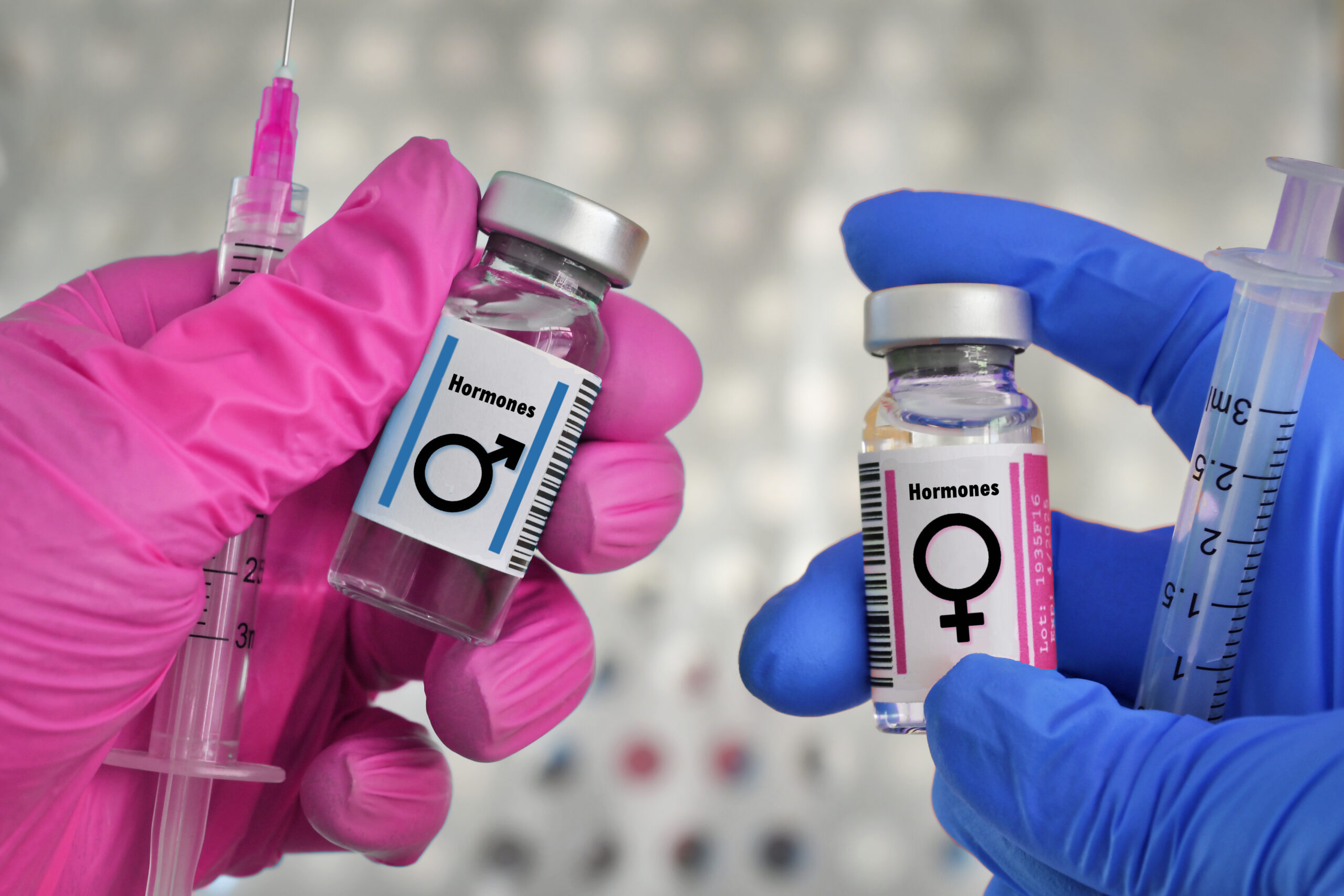
Explore androgen hormone optimization for chronic diseases and its impact on health and wellness in this insightful article.
Abstract
As a practitioner dedicated to functional and integrative medicine, I am committed to sharing the most current, evidence-based research from leading experts. This educational post delves into the complex and often misunderstood world of hormones, particularly testosterone, and its profound impact on both male and female health. We will dismantle outdated myths surrounding hormone therapy, especially those concerning cardiovascular disease, prostate cancer, and breast cancer. We will explore the physiological necessity of testosterone’s conversion to dihydrotestosterone (DHT) and estradiol, and I will introduce a sophisticated, receptor-based model of hormone action that explains how hormones regulate apoptosis (programmed cell death) through the Bcl-2 protein. I will elaborate on the significant protective benefits of optimized testosterone levels against cardiovascular disease, colorectal cancer, mood disorders, sexual dysfunction, insulin resistance, bone density loss, and neurodegenerative diseases like Alzheimer’s. A key focus will be on the critical distinction between “normal” and “optimal” hormone levels, challenging the conventional reliance on standard laboratory reference ranges. We will also discuss the “prostate saturation model” and the clinical puzzle of Female Androgen Deficiency Syndrome (FADS), presenting compelling data that redefines our approach to hormone replacement, aiming not just for adequacy but for optimal function, disease prevention, and a higher quality of life.
As a healthcare professional with a deep foundation in functional medicine, my goal is to bridge the gap between cutting-edge research and clinical practice. What I want to share with you today is a synthesis of findings from some of the most dedicated researchers in endocrinology, urology, and gynecology, presented through the lens of modern, evidence-based methods. This isn’t just about reciting facts; it’s about understanding the intricate “why” behind our body’s hormonal symphony and how we can apply this knowledge to achieve true, long-lasting health. One of the greatest barriers to progress in medicine is the combination of ignorance and arrogance. The “expert” who believes they know everything cannot be taught. In my clinical practice, I have found that the most dangerous practitioner is the one who stops listening and stops learning. The only expertise I strive for —and the one I encourage all my colleagues to cultivate —is the expertise of listening—truly listening—to our patients. When we do that, the path to healing becomes much clearer.
The Misunderstood Androgen Testosterone’s Universal Role
A fundamental concept that often surprises people is how similar the receptors for estradiol and testosterone are. From a functional standpoint, the symptoms of deficiency and the positive responses to treatment are virtually identical in both men and women. The end receptor for these powerful hormones is located on the X chromosome, meaning it is present and crucial for both sexes.
It is a physiological fact that both men and women produce and require testosterone for optimal health. Men, of course, produce significantly more, but their roles are universally vital. Let’s examine how testosterone exerts its effects within the body.
- Direct Receptor Binding: Testosterone can bind directly to the androgen receptor, initiating a cellular response.
- Conversion to Estradiol: Through the enzyme aromatase, testosterone is converted into estradiol. This is not a mistake or a malfunction; it is a critical physiological process. Men must make estradiol for functions ranging from bone health to cognitive function.
- Conversion to DHT: Through the enzyme 5-alpha reductase, testosterone is converted into dihydrotestosterone (DHT).
This last point regarding DHT is particularly important because DHT has been unfairly vilified for decades. When you examine its affinity for the androgen receptor, you find that DHT is five times more potent than testosterone itself. Physiologically, testosterone amplifies its own effect by converting to this more powerful form. This is a brilliant biological design.
The Dangers of Disrupting Natural DHT Conversion
In my clinical practice, I see the fallout from this misunderstanding far too often. I might have a 35-year-old man come into my office, emotionally distraught and physically compromised. He may have noticed some hair thinning and, after a quick online consultation, received a prescription for a 5-alpha reductase inhibitor like finasteride.
Now, this man sits before me with no libido, erectile dysfunction, and overwhelming emotional distress—crying, as he describes it, “like a baby.” Why? Because his physiology was disregarded. If a man has a baseline testosterone level of, say, 400 ng/dL, he is heavily relying on the amplified effect of DHT for his androgenic functions. By prescribing a drug that eliminates DHT, his effective androgen activity plummets, leading to these devastating symptoms. We must respect the physiology. The conversion of testosterone to DHT is not a flaw to be corrected; it is a necessary process for health and well-being. Blocking this natural conversion often leads to unintended and detrimental consequences.
Debunking a Century-Old Myth: Testosterone and Prostate Cancer
One of the most persistent and damaging myths in medicine is the idea that testosterone” fuels” prostate cancer. This misconception led to testosterone’s reclassification as a Schedule III controlled substance in the 1980s, born from a moral panic over “steroids in baseball” that conflated synthetic anabolic steroids with bioidentical testosterone prescribed for medical deficiency. This created significant barriers to prescribing and discouraged physicians from learning about its proper use, leaving countless patients to suffer from untreated deficiencies.
This brings us to the foundational myth about prostate cancer. For years, medical students were taught that giving testosterone to a man with prostate cancer was like “pouring gasoline on a fire.” The world’s most published author on testosterone replacement, Dr. Abraham Morgentaler, the former chairman of Harvard Urology, dedicated much of his career to dismantling this myth (Morgentaler, 2016). He found that this entire medical dogma originated from a “study” of just two patients from the 1940s. These two men had end-stage, metastatic prostate cancer, and after being given testosterone, one of them passed away. From this single, uncontrolled case report, a medical “truth” was born that has instilled fear in doctors and patients for nearly a century.
Dr. Morgentaler and others went on to systematically prove the opposite. Their research demonstrated that men diagnosed with prostate cancer while having low testosterone actually had more aggressive, higher-grade tumors (Morgentaler, 2011). This completely inverted the old paradigm. Thanks to this body of work, clinical guidelines have evolved dramatically, and we now understand that a powerful statement from recent research captures this shift perfectly: “prostate cancer should no longer be considered a risk of testosterone therapy.”
Understanding the Prostate Saturation Model
So, if testosterone doesn’t cause prostate cancer, what about its effect on benign prostatic hyperplasia (BPH) or a rising PSA (prostate-specific antigen)? This is where Dr. Morgentaler’s Prostate Saturation Model is essential for every clinician to understand (Morgentaler & Traish, 2009).
The model explains that the androgen receptors in the prostate gland become fully saturated at a relatively low serum testosterone level—around 240 ng/dL. Most men seeking treatment for low testosterone already have levels at or above this threshold. Their prostate receptors are already “full.” Therefore, when I start a patient on testosterone therapy and raise his level from, for example, 350 ng/dL to 850 ng/dL, his prostate sees no significant increase in androgenic stimulation. There are no more receptors available to bind the excess hormone.
This has profound clinical implications:
- If a patient’s BPH symptoms (like nocturia) worsen after starting testosterone, it is not due to the testosterone itself. Another cause must be investigated.
- If a patient’s PSA level rises significantly after starting testosterone, it cannot be blamed on the hormone. This is a red flag that may indicate an underlying malignancy, and a full urological workup is required.
The saturation model empowers us to manage patients safely and effectively, without mistakenly attributing unrelated prostate changes to the therapy.
A New Paradigm: The Receptor Model of Hormone Action and Cancer
To truly grasp the modern understanding of hormones and cancer, we must move beyond simplistic” good hormone, bad hormone” thinking. A sophisticated receptor model provides a unified framework for understanding the seemingly contradictory findings across decades of hormone research, with a particular focus on Alzheimer’s disease, prostate cancer, and breast cancer.
The Gatekeeper of Cell Life and Death: Bcl-2 Protein
This model revolves around a crucial protein called Bcl-2 (B-cell lymphoma 2). Bcl-2 is the master regulator of apoptosis, or programmed cell death. Apoptosis is the body’s essential quality control system, safely removing old, damaged, or potentially cancerous cells. Aging and cancer are, in many ways, failures of this system.
- High Bcl-2 levels inhibit apoptosis. This allows damaged or mutated cells to survive and proliferate, increasing the risk of cancer.
- Low Bcl-2 levels promote apoptosis. This ensures that old and dysfunctional cells are efficiently cleared out, maintaining tissue health and preventing malignancy.
Understanding how different hormones influence Bcl-2 levels through their specific receptors is the key to understanding their role in cancer risk.
Decoding the Hormonal Signals for Cancer Risk
- Androgens (Testosterone): When testosterone binds to its membrane androgen receptor, it lowers Bcl-2 protein levels. This promotes apoptosis and is therefore anti-cancerous.
- Estrogens (Estradiol, Estrone, Estriol): The effect of estrogen is nuanced.
- Estradiol (E2): This is our primary estrogen. It binds fairly evenly to both estrogen receptor alpha (ER?) and estrogen receptor beta (ER?), resulting in a largely neutral effect on Bcl-2.
- Estrone (E1): This estrogen, produced in higher amounts in fat tissue, preferentially binds to ER?. Activation of ER? increases Bcl-2 levels, inhibiting apoptosis and promoting cell survival. This is the physiological mechanism explaining why obesity is a major risk factor for estrogen-sensitive cancers.
- Estriol (E3): This weaker estrogen is highly protective. It preferentially binds to ER?, thereby lowering Bcl-2 levels, promoting apoptosis, and reducing cancer risk.
- Progesterone: Bioidentical progesterone, acting through its receptors, generally lowers Bcl-2 levels, thereby exerting a protective effect. In contrast, many synthetic progestins can block androgen receptors, preventing testosterone’s protective, apoptosis-promoting effects and potentially increasing cancer risk.
This model even explains how conventional cancer drugs work. Tamoxifen, for instance, blocks ER?, which prevents the rise in Bcl-2 and thereby lowers breast cancer risk.
Clinical Evidence: Testosterone as a Protective Agent Against Breast Cancer
The idea that testosterone is protective against breast cancer may sound radical, but the evidence is robust. I often point colleagues and patients to the pioneering work of Dr. Rebecca Glaser, a breast surgeon who now dedicates her practice to treating women with testosterone.
The very first use of testosterone in women, back in the 1960s, was to treat metastatic breast cancer. A study from that era showed a response rate of 59% in women with end-stage disease who were given high-dose testosterone (Davis, 1964).
Perhaps the most compelling modern evidence comes from Dr. Glaser’s 10-year prospective cohort study. The study followed over 1,200 women receiving long-term testosterone therapy (Glaser & Dimitrakakis, 2013). The researchers used SEER (Surveillance, Epidemiology, and End Results) data to predict the expected number of cancer cases.
The results were profound:
- The study cohort experienced a 39% reduction in the incidence of invasive breast cancer and DCIS compared to the expected rate. This is not a null effect; it is a powerful, statistically significant protective effect.
Beyond the Brain Testosterone’s Neuroprotective Effects
The conversation about testosterone’s benefits extends powerfully to the brain. Journals like Neurology are publishing studies that directly correlate androgen deprivation therapy (ADT)—a treatment for advanced prostate cancer that chemically castrates a man—with an increased risk of Alzheimer’s disease (Nead et al., 2017).
Conversely, maintaining healthy testosterone levels is profoundly neuroprotective. A landmark study involving over 150,000 men found a clear and direct link between low testosterone and dementia risk (Lv et al., 2016).
- Men with total testosterone levels in the lowest quartile had a 43% higher risk of all-cause dementia.
- Men in that same low quartile had an 80% higher risk of Alzheimer’s dementia compared to men in the highest quartile.
This tells us that low testosterone should be considered a substantial and modifiable risk factor for Alzheimer’s disease. When a patient presents with cognitive complaints, one of the first things we should assess is their hormonal status.
Optimizing Bone Health: A Hormonal Approach to Osteoporosis
In my practice, improving bone mineral density (BMD) is one of the most consistent and rewarding outcomes of hormone optimization. The protocol is straightforward: foundational support with Vitamin D3 and K2, followed by hormone optimization.
- I can state with confidence that in my years of practice, I have never had a patient on a consistent hormone and vitamin protocol who still had osteoporosis after three years.
- Patients who start with osteoporosis invariably improve to osteopenia.
- Patients who start with osteopenia invariably improve to normal bone density.
Conventional treatments like bisphosphonates (e.g., Fosamax) work by poisoning osteoclasts, the cells that break down old bone. This increases density on a scan but results in poor-quality, brittle bone with abysmal fracture data. Hormones work more intelligently. Testosterone, estrogen, and progesterone stimulate a healthy, dynamic remodeling process involving osteoblasts (bone-building cells), osteoclasts, and osteocytes (bone-maintaining cells). It’s the difference between patching a pothole and repaving the entire road. A compelling study in the American Journal of Obstetrics and Gynecology reported an average 8.3% increase in bone density per year among women using testosterone pellets in addition to estrogen, far exceeding results from other delivery methods (Davis et al., 2002).
Testosterone and Heart Health: Debunking the Myths
One of the most damaging myths is that testosterone is dangerous for the heart. The overwhelming majority of credible scientific literature shows that testosterone has either a positive or neutral effect on the cardiovascular system. In fact, numerous studies show that low testosterone is a predictive marker for individuals at high risk of cardiovascular disease.
- One study of men undergoing coronary angiography found that those with the lowest testosterone levels had the most severe coronary artery disease scores.
- Higher testosterone levels are associated with better flow-mediated dilation, a key indicator of endothelial function and arterial elasticity. Testosterone helps maintain the youthful elasticity of our arteries.
- Androgens also have anti-thrombotic (anti-clotting) and anti-inflammatory properties, both crucial for preventing heart attacks and strokes.
The fear stems from a notoriously flawed study that was statistically manipulated to suggest an increased risk. This led to a black box warning that took nearly a decade of advocacy by experts like Dr. Morgentaler to be removed in 2025. The evidence is clear: low testosterone is an independent predictor of not just the incidence, but the severity, of coronary artery disease.
Hormones and Metabolic Health: Reversing Insulin Resistance
In my primary care practice, I see the devastating effects of metabolic syndrome and type 2 diabetes daily. One of our most powerful, yet underutilized, tools is hormone optimization. Testosterone is one of the most potent insulin sensitizers we have.
I learned this lesson profoundly about a decade ago. A gentleman came to me with a testosterone level of 300 ng/dL and a hemoglobin A1c of 8.5%, indicating uncontrolled type 2 diabetes. I placed him on a comprehensive protocol including testosterone, thyroid medication, and a prescription for metformin. He returned six months later, having lost 35 pounds and looking remarkably healthier. When I asked about the metformin, he confessed he had never filled the prescription. His dramatic transformation was achieved with testosterone and thyroid optimization alone.
The research overwhelmingly supports this.
- A major study demonstrated that treating diabetic men with testosterone can cut their all-cause mortality risk in half.
- All the hormones we use in BHRT—estradiol, testosterone, progesterone, thyroid hormone, and Vitamin D3—are powerfully anti-inflammatory. Since chronic inflammation is a key driver of insulin resistance, this hormonal synergy helps restore metabolic balance.
Optimal vs. Normal Redefining Our Laboratory Goals
This brings us to a critical concept in functional medicine: the difference between “normal” and “optimal.” A lab’s “reference range” is simply a statistical bell curve of an often-unhealthy, age-adjusted population. It tells you nothing about what is healthy.
The question I ask my patients is: “Do you want the hormone levels of an average 70-year-old, or do you want the levels you had in your prime?” Being in the 10th percentile of the “normal” range confers an 80% higher risk of dementia than being in the 90th percentile. Why would we accept a level that carries such a high risk as “acceptable”?
We must stop using the word “normal.” There is only optimal and sub-optimal. My clinical goal is to bring my patients into the 75th to 95th percentile of the youthful adult reference range. This is the level associated with the lowest risk of chronic disease and the highest quality of life.
The Clinical Puzzle of Female Androgen Deficiency Syndrome FADS
One of the most common scenarios I encounter is a female patient who, despite being told her labs are “normal,” feels fundamentally unwell. This condition has a name: Female Androgen Deficiency Syndrome (FADS), with an ICD-10 code of E34.8. A classic triad of symptoms clinically defines it:
- Mood Disturbances: Anxiety, irritability, or depressive symptoms.
- Unexplained Fatigue: A deep, persistent exhaustion not relieved by rest.
- Sexual Dysfunction: Low libido, reduced arousal, or anorgasmia.
Let’s dissect a typical case. A postmenopausal woman has a total testosterone of 30 ng/dL (“normal”) and a Sex Hormone-Binding Globulin (SHBG) of 80 nmol/L (“normal”). SHBG is a protein that binds to testosterone, rendering it biologically inactive. While her testosterone production may have dropped by 50% since her youth, her SHBG has skyrocketed by 400%. The amount of free, unbound testosterone her cells can actually use is drastically diminished, which is why she is profoundly symptomatic.
To achieve a therapeutic effect, I must prescribe a dose of testosterone sufficient to overcome the high binding affinity of her SHBG. This might mean raising her total testosterone to 200 ng/dL. A conventional endocrinologist might label this “super-physiologic,” but this is a misinterpretation. We are restoring cellular physiology, giving her cells the same amount of free, active testosterone they saw when she was in her prime. We are treating the patient, not the lab number.
A Global Consensus on Testosterone Deficiency
In 2016, Dr. Abraham Morgentaler convened a global panel of specialists to establish a definitive consensus on testosterone therapy (Morgentaler et al., 2016). Their key resolutions, which are just as relevant to women, include:
- Testosterone deficiency is a significant medical condition affecting sexuality, health, and quality of life.
- No testosterone concentration threshold reliably predicts which patients will respond to therapy. We must treat the patient and their symptoms.
- There is no scientific basis for age-specific restrictions against testosterone therapy.
- The evidence does not support an increased risk of cardiovascular events with testosterone therapy.
- The evidence does not support an increased risk of prostate cancer with testosterone therapy.
These resolutions represent a monumental shift in the medical understanding of testosterone. They validate the approach of individualized, symptom-based treatment and dismantle the outdated, fear-based arguments against hormone replacement. By listening to my patients, understanding their unique physiology, and applying the latest scientific research, we can move beyond the limitations of “normal” and help them achieve true, vibrant health that lasts a lifetime.
References
- Brownstein, D. (2012). The Statin Disaster. Medical Alternatives Press.
- Davis, H. H. (1964). The treatment of metastatic breast cancer with testosterone propionate. Western Journal of Surgery, Obstetrics & Gynecology, 72, 151–155.
- Davis, S. R., Dinh, H., & Goldstat, R. (2005). The effects of estrogen and testosterone on cognition in women. Climacteric, 8(sup3), 11-19.
- Davis, S. R., Robinson, P. J., & Goldstat, R. (2002). The effect of testosterone supplementation on postmenopausal mineral density, well-being, and sexuality. American Journal of Obstetrics and Gynecology, 187(2), 361-367.
- Glaser, R., & Dimitrakakis, C. (2013). Testosterone implant therapy in women: a 10-year prospective cohort study. Maturitas, 76(4), 322–329.
- Lv, W., Du, N., Liu, Y., Fan, X., Wang, Y., Jia, X., & Hou, X. (2016). Low testosterone level and risk of dementia in men: a systematic review and meta-analysis. Molecular Neurobiology, 53(4), 2679-2684.
- Morgentaler, A. (2011). Testosterone and prostate cancer: an historical perspective on a modern myth. European Urology, 50(5), 935-939.
- Morgentaler, A. (2016). The great testosterone hoax. The Journal of Sexual Medicine, 13(2), 163-164.
- Morgentaler, A., & Traish, A. M. (2009). Shifting the paradigm of testosterone and prostate cancer: the saturation model and the limits of androgen-dependent growth. European Urology, 55(2), 310-320.
- Morgentaler, A., Zitzmann, M., Traish, A. M., Fox, A. W., Jones, T. H., Maggi, M., … & Khera, M. (2016). Fundamental concepts regarding testosterone deficiency and treatment: International expert consensus resolutions. Mayo Clinic Proceedings, 91(7), 881-896.
- Nead, K. T., Gds, K., & DD’Silva, A. (2017). Androgen deprivation therapy and future neurocognitive dysfunction. Journal of Clinical Oncology, 35(1), 53-53.
- Parker, W. H., Feskanich, D., Broder, M. S., Chang, E., Shoupe, D., Farquhar, C. M., Berek, J. S., & Manson, J. E. (2009). Long-term mortality associated with oophorectomy versus ovarian conservation in the Nurses’ Health Study. Obstetrics and Gynecology, 113(5), 1037–1047.
- Tennant, F. (2013). The intimate relationship between pain and hormones. Pain Physician, 16(2S), E111–E127.
- Traish, A. M. (2014). Testosterone and cardiovascular disease: an old idea with modern clinical implications. Atherosclerosis, 236(2), 434-443.
Disclaimer: This post is for educational purposes only and is not intended as medical advice. Please consult a qualified healthcare professional for any health concerns or before making any decisions about your health or treatment.
SEO Tags: Testosterone, Hormone Replacement Therapy, Optimal Health, Dr. Alex Jimenez, Functional Medicine, Prostate Cancer, Breast Cancer, DHT, Dihydrotestosterone, Estradiol, Androgen Deficiency, Female Androgen Deficiency Syndrome, FADS, Alzheimer’s Disease, Dementia Risk, Prostate Saturation Model, Cardiovascular Health, Mood Disorders, Libido, BPH, Insulin Resistance, Anti-Aging, Evidence-Based Medicine, Abraham Morgentaler, Rebecca Glaser, Normal vs Optimal, Hormone Optimization, Bone Density, Osteoporosis, Bcl-2 protein, Apoptosis, SHBG, Sex Hormone-Binding Globulin, Menopause Treatment
Post Disclaimers
General Disclaimer, Licenses and Board Certifications *
Professional Scope of Practice *
The information herein on "Androgen Hormone Optimization Benefits for Chronic Diseases" is not intended to replace a one-on-one relationship with a qualified health care professional or licensed physician and is not medical advice. We encourage you to make healthcare decisions based on your research and partnership with a qualified healthcare professional.
Blog Information & Scope Discussions
Welcome to El Paso's Premier Wellness and Injury Care Clinic & Wellness Blog, where Dr. Alex Jimenez, DC, FNP-C, a Multi-State board-certified Family Practice Nurse Practitioner (FNP-BC) and Chiropractor (DC), presents insights on how our multidisciplinary team is dedicated to holistic healing and personalized care. Our practice aligns with evidence-based treatment protocols inspired by integrative medicine principles, similar to those on this site and on our family practice-based chiromed.com site, focusing on naturally restoring health for patients of all ages.
Our areas of multidisciplinary practice include Wellness & Nutrition, Chronic Pain, Personal Injury, Auto Accident Care, Work Injuries, Back Injury, Low Back Pain, Neck Pain, Migraine Headaches, Sports Injuries, Severe Sciatica, Scoliosis, Complex Herniated Discs, Fibromyalgia, Chronic Pain, Complex Injuries, Stress Management, Functional Medicine Treatments, and in-scope care protocols.
Our information scope is multidisciplinary, focusing on musculoskeletal and physical medicine, wellness, contributing etiological viscerosomatic disturbances within clinical presentations, associated somato-visceral reflex clinical dynamics, subluxation complexes, sensitive health issues, and functional medicine articles, topics, and discussions.
We provide and present clinical collaboration with specialists from various disciplines. Each specialist is governed by their professional scope of practice and their jurisdiction of licensure. We use functional health & wellness protocols to treat and support care for musculoskeletal injuries or disorders.
Our videos, posts, topics, and insights address clinical matters and issues that are directly or indirectly related to our clinical scope of practice.
Our office has made a reasonable effort to provide supportive citations and has identified relevant research studies that support our posts. We provide copies of supporting research studies upon request to regulatory boards and the public.
We understand that we cover matters that require an additional explanation of how they may assist in a particular care plan or treatment protocol; therefore, to discuss the subject matter above further, please feel free to ask Dr. Alex Jimenez, DC, APRN, FNP-BC, or contact us at 915-850-0900.
We are here to help you and your family.
Blessings
Dr. Alex Jimenez DC, MSACP, APRN, FNP-BC*, CCST, IFMCP, CFMP, ATN
email: [email protected]
Multidisciplinary Licensing & Board Certifications:
Licensed as a Doctor of Chiropractic (DC) in Texas & New Mexico*
Texas DC License #: TX5807, Verified: TX5807
New Mexico DC License #: NM-DC2182, Verified: NM-DC2182
Multi-State Advanced Practice Registered Nurse (APRN*) in Texas & Multi-States
Multi-state Compact APRN License by Endorsement (42 States)
Texas APRN License #: 1191402, Verified: 1191402 *
Florida APRN License #: 11043890, Verified: APRN11043890 *
Colorado License #: C-APN.0105610-C-NP, Verified: C-APN.0105610-C-NP
New York License #: N25929, Verified N25929
License Verification Link: Nursys License Verifier
* Prescriptive Authority Authorized
ANCC FNP-BC: Board Certified Nurse Practitioner*
Compact Status: Multi-State License: Authorized to Practice in 40 States*
Graduate with Honors: ICHS: MSN-FNP (Family Nurse Practitioner Program)
Degree Granted. Master's in Family Practice MSN Diploma (Cum Laude)
Dr. Alex Jimenez, DC, APRN, FNP-BC*, CFMP, IFMCP, ATN, CCST
My Digital Business Card
Licenses and Board Certifications:
DC: Doctor of Chiropractic
APRNP: Advanced Practice Registered Nurse
FNP-BC: Family Practice Specialization (Multi-State Board Certified)
RN: Registered Nurse (Multi-State Compact License)
CFMP: Certified Functional Medicine Provider
MSN-FNP: Master of Science in Family Practice Medicine
MSACP: Master of Science in Advanced Clinical Practice
IFMCP: Institute of Functional Medicine
CCST: Certified Chiropractic Spinal Trauma
ATN: Advanced Translational Neutrogenomics
Memberships & Associations:
TCA: Texas Chiropractic Association: Member ID: 104311
AANP: American Association of Nurse Practitioners: Member ID: 2198960
ANA: American Nurse Association: Member ID: 06458222 (District TX01)
TNA: Texas Nurse Association: Member ID: 06458222
NPI: 1205907805
| Primary Taxonomy | Selected Taxonomy | State | License Number |
|---|---|---|---|
| No | 111N00000X - Chiropractor | NM | DC2182 |
| Yes | 111N00000X - Chiropractor | TX | DC5807 |
| Yes | 363LF0000X - Nurse Practitioner - Family | TX | 1191402 |
| Yes | 363LF0000X - Nurse Practitioner - Family | FL | 11043890 |
| Yes | 363LF0000X - Nurse Practitioner - Family | CO | C-APN.0105610-C-NP |
| Yes | 363LF0000X - Nurse Practitioner - Family | NY | N25929 |
Dr. Alex Jimenez, DC, APRN, FNP-BC*, CFMP, IFMCP, ATN, CCST
My Digital Business Card






Comments are closed.