

Holiday Gut Inflammation and Digestive Health Tips

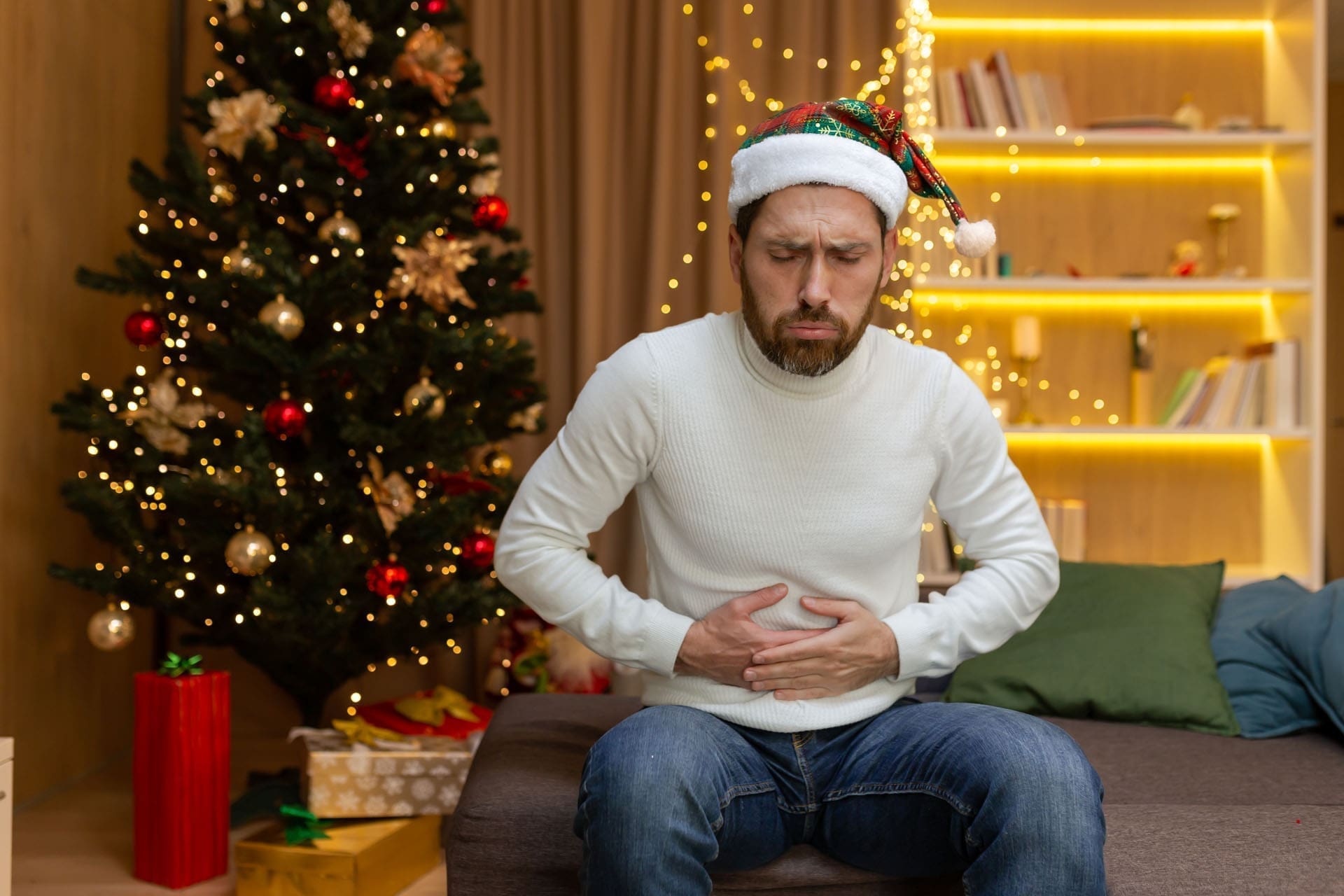
Holiday Gut Health: How to Enjoy the Season Without Bloating, Gas, or Heartburn
Why the Holidays Are So Hard on Your Gut
Holiday time is fun, but it can be tough on your digestive system. Many people notice:
-
Bloating and gas
-
Indigestion and heartburn
-
Constipation or diarrhea
-
Cramps and IBS flare-ups
Why does this happen so often between November and January?
Common holiday triggers include:
-
Large, rich meals that are high in fat, sugar, and salt
-
Alcohol (wine, beer, cocktails, and festive drinks)
-
Fizzy drinks and carbonated beverages
-
Less fiber from fruits, vegetables, and whole grains
-
Stress and poor sleep
-
Changes in routine, such as travel, parties, and late-night eating
Rich, high-fat foods, large portions, and alcohol can slow digestion and increase the risk of heartburn and indigestion. Mayo Clinic News Network+1 Carbonated drinks and swallowed air can add extra gas and bloating. Guts UK
A recent survey from King Edward VII’s Hospital found that:
-
About two-thirds (67%) of adults report gastric issues like reflux, diarrhea, and indigestion
-
35% say their digestive problems get worse at Christmas
-
People blame over-indulgence, stress, winter low mood, and eating different foods than usual King Edward VII’s Hospital
In short, your gut is adjusting to a big change in your eating habits.
What’s Going On Inside Your Digestive System?
Your gut is more than a “food tube.” It includes:
-
Your stomach and intestines
-
A large community of bacteria and other microbes, called the gut microbiome
-
A network of nerves and immune cells that links your gut to your brain
During the holidays, several things can happen:
-
Heavier meals slow digestion
-
High-fat foods empty from the stomach more slowly, which can cause fullness, nausea, and reflux. Mayo Clinic News Network+1
-
-
Gut bacteria are pushed out of balance
-
Quick changes in sugar, fat, and fiber intake can shift the microbiome, leading to more gas, bloating, and irregular bowel movements. News-Medical+1
-
-
More pressure on the stomach
-
Very large meals, tight clothing, and extra body weight can increase pressure in the abdomen and push stomach acid back up, causing heartburn and reflux. Mayo Clinic News Network
-
-
Irritated gut lining and inflammation
-
Alcohol, ultra-processed foods, high sugar intake, and stress can irritate the gut lining and increase inflammation, especially in people with IBS or inflammatory bowel disease. GI Associates & Endoscopy Center+1
-
Dr. Alexander Jimenez, DC, APRN, FNP-BC, notes that the gut microbiome and gut lining are key drivers of systemic inflammation. When gut bacteria are out of balance or foods are poorly digested, tight junctions in the gut can be irritated, allowing irritants to enter the bloodstream and fuel inflammation in other systems. El Paso, TX Doctor Of Chiropractic
Winter, Stress, and the Gut–Brain Connection
The holidays don’t just bring heavy food. They also bring cold weather and stress, both of which affect digestion.
United Digestive explains that winter can slow digestion because of: United Digestive
-
Cold temperatures reduce blood flow to the gut
-
Heavier comfort foods
-
Less physical activity
-
Dehydration
-
Lower vitamin D levels from less sunlight
These changes can lead to:
-
Bloating
-
Constipation
-
Indigestion
-
Acid reflux
On top of this, stress plays a major role. The gut and brain are tightly connected through the gut–brain axis. Harvard Health reports that stress and strong emotions can:
-
Speed up or slow down gut movement
-
Make the gut more sensitive to gas and bloating
-
Increase inflammation
-
Change the gut microbiome Harvard Health
GI Associates notes that holiday stress is linked to:
-
Indigestion
-
Heartburn
-
Bloating, gas, diarrhea, and constipation
-
IBS flare-ups and even worsened GERD in some people GI Associates & Endoscopy Center
So if your stomach acts up when you’re anxious about family events, money, or travel, you’re not imagining it.
When Holiday Gut Symptoms Are a Red Flag
Most holiday tummy troubles are short-term and improve once you return to your habits. But some symptoms need medical attention.
Seek prompt care (urgent or emergency) if you notice:
-
Blood in your stool or black, tar-like stools
-
Persistent vomiting
-
Severe abdominal pain that does not ease
-
Unintentional weight loss
-
Trouble swallowing
-
Fever with gut symptoms
Guts UK advises that if changes in your bowel habits last for more than 2–3 weeks, or if you notice red-flag signs such as weight loss or bleeding, you should see a doctor. Guts UK
Integrative clinicians, including nurse practitioners and chiropractors who work within their scope of practice, can help screen for risk factors and refer to gastroenterologists when needed.
Everyday Habits to Protect Your Gut During the Holidays
You don’t have to give up all your favorite foods. Small, realistic changes can make a big difference.
1. Build a Gut-Friendly Holiday Plate
Try the “mostly plants, some treats” approach:
-
Fill half your plate with:
-
Roasted vegetables
-
Salads (easy on creamy dressings)
-
Fiber-rich sides like beans, lentils, or whole grains
-
-
Use a quarter of the plate for:
-
Lean protein such as turkey, chicken, or fish
-
-
Use the last quarter for:
-
Rich dishes like stuffing, mac and cheese, creamy casseroles, or dessert
-
Mayo Clinic and other experts recommend smaller portions, less fat, and not eating large meals late at night to reduce heartburn and indigestion. Mayo Clinic News Network+1
Helpful tips:
-
Eat slowly and put your fork down between bites
-
Stop at “comfortably full,” not stuffed
-
Don’t skip meals all day and then “save up” for one huge dinner
2. Handle Sweets, Fizzy Drinks, and Alcohol Wisely
Sweet treats and bubbly drinks are part of the fun, but they can test your gut.
Try these strategies:
-
Choose smaller desserts (half a slice of pie instead of a giant wedge)
-
Limit fizzy drinks—they add gas and can worsen bloating and reflux King Edward VII’s Hospital+1
-
Sip still water or herbal tea between alcoholic drinks
-
Avoid lying down soon after drinking or eating
For reflux-prone people, Mayo Clinic experts suggest limiting:
-
Large, late-night meals
-
High-fat foods
-
Chocolate, mint, caffeine, and alcohol
-
Eating within 3 hours of bedtime Mayo Clinic News Network
3. Feed the Good Gut Bugs
Your gut bacteria love consistency, fiber, and whole foods. Healthline and other gut-health resources recommend: Healthline+1
-
Fiber-rich foods, such as:
-
Oats
-
Fruits (especially berries, apples, pears)
-
Vegetables
-
Beans and lentils
-
Nuts and seeds
-
-
Fermented foods, like:
-
Yogurt with live cultures
-
Kefir
-
Sauerkraut or kimchi (if tolerated)
-
-
Plenty of fluids: water, herbal tea, or warm lemon water
If your usual diet becomes very low in fiber over the holidays, constipation and sluggish digestion are more likely. Guts UK+1
4. Move, Breathe, and Sleep
You don’t have to do intense workouts. Simple habits can help your gut move:
-
Walk for 10–20 minutes after meals
-
Stretch or do gentle yoga in the evening
-
Aim for 7–9 hours of sleep per night
Stress management is just as important as food. Mind-body tools like:
-
Deep breathing
-
Mindfulness
-
Meditation
-
Gentle yoga
can reduce the body’s stress response, improve gut symptoms, and support a healthier gut–brain connection. Harvard Health+1
How Integrative Practitioners Help: Chiropractors and Nurse Practitioners
Integrative care brings together body, mind, and lifestyle. Chiropractors and nurse practitioners (NPs) often work as a team to support both gut and whole-body health.
1. Looking for Root Causes, Not Just Symptoms
Dr. Alexander Jimenez, DC, APRN, FNP-BC, focuses on how gut function, inflammation, and the microbiome connect to pain, fatigue, headaches, and other conditions. El Paso, TX Doctor Of Chiropractic+1 In his functional medicine work, he:
-
Reviews diet, stress levels, sleep, and activity
-
Looks at how gut inflammation might drive joint pain, brain fog, or chronic discomfort
-
Uses lab testing (such as microbiome and food sensitivity tests) when appropriate
He notes that not everyone needs the same probiotic or diet. Lab studies can help match probiotic strains and nutrition strategies to the individual’s gut pattern. El Paso, TX Doctor Of Chiropractic
Nurse practitioners in integrative settings can:
-
Take a full medical history and perform an exam
-
Screen for IBS, GERD, IBD, celiac disease, or other conditions
-
Order blood work, stool tests, imaging, or breath tests (such as hydrogen–methane breath testing for SIBO or sugar intolerance) when indicated News-Medical+1
-
Review medications that may worsen gut symptoms and adjust treatments within their scope
2. Supporting the Nervous System and Gut–Brain Axis
Chiropractors focus on the musculoskeletal and nervous systems, which play a major role in how the brain and the gut communicate. Harvard and Mayo sources show that stress and altered autonomic balance (“fight or flight” vs. “rest and digest”) can change gut motility, inflammation, and pain sensitivity. Harvard Health+1
Within their scope of practice, chiropractors may:
-
Use gentle spinal and joint care to reduce pain and muscle tension
-
Support better posture and breathing mechanics (helpful for reflux in some people)
-
Encourage movement strategies that calm the nervous system
Dr. Jimenez’s clinic combines chiropractic, physical rehabilitation, and functional medicine to improve movement, posture, and overall health, while considering how the gut, nervous system, and inflammation interact. El Paso, TX Doctor Of Chiropractic+1
3. Personalized Nutrition, Supplements, and Vitamin D
Together, integrative NPs and chiropractors often guide:
-
Dietary shifts toward more whole, high-fiber foods and fewer ultra-processed, high-sugar items
-
Targeted supplements, such as:
-
Probiotics chosen based on microbiome patterns
-
Vitamin D for those who are deficient, especially in winter when sunlight is low. United Digestive+1
-
Omega-3s or other anti-inflammatory nutrients, when appropriate
-
They also help people set realistic goals, like:
-
Limiting alcohol to a set number of drinks per week
-
Planning for travel days and parties
-
Creating a “gut-calm” routine before bed (light snack, herbal tea, stretching, deep breathing)
A Simple Holiday Gut-Rescue Plan
Here is a step-by-step guide you can use right away.
Before the event or meal:
-
Eat a balanced snack (fruit and nuts or yogurt and berries), so you’re not starving
-
Drink a glass of water
-
Decide in advance:
-
How many alcoholic drinks you have
-
How many desserts you choose
-
During the celebration:
-
Start with veggies and protein on your plate
-
Take small portions of rich dishes you really love
-
Eat slowly and pause to check in with your body
-
Skip or limit fizzy drinks if bloating or reflux is an issue
After the meal:
-
Take a 10–20 minute walk
-
Sip warm water or herbal tea
-
Avoid lying flat right away; give your stomach a few hours to empty
Over the full holiday season:
-
Aim for at least one fiber-rich meal each day
-
Keep a simple stress routine, like 5 minutes of deep breathing or stretching
-
Protect your sleep schedule as much as possible
-
If symptoms keep returning or worsen, schedule a visit with your NP, primary care provider, or integrative clinician
Dr. Jimenez emphasizes that holiday gut issues are often both short-term and fixable. With better awareness, targeted labs when needed, and a thoughtful integrative plan, many people see their post-holiday inflammation, bloating, and sluggishness fade over time. El Paso, TX Doctor Of Chiropractic+2El Paso, TX Doctor Of Chiropractic+2
Bringing It All Together
Holiday tummy troubles are common, but they are not “just part of getting older” or something you always have to live with.
Key takeaways:
-
Rich foods, alcohol, stress, late nights, and winter slowdowns can upset digestion and the gut microbiome, causing bloating, gas, reflux, constipation, and diarrhea. News-Medical+2United Digestive+2
-
The gut–brain connection means stress management and sleep are just as important as what you eat. Harvard Health+1
-
Integrative practitioners—such as chiropractors and nurse practitioners—can help identify triggers, rule out serious conditions, calm the nervous system, and build a long-term plan to support gut health. El Paso, TX Doctor Of Chiropractic+1
With a little planning and the right support, you can enjoy your favorite holiday traditions and keep your gut happier—this season and into the new year.
References
Bedfont® Scientific Ltd. (2025, December 1). How the holidays can impact digestion and gut health. News-Medical. News-Medical
Dossett, M. (2023, July 26). Brain–gut connection explains why integrative treatments can help relieve digestive ailments. Harvard Health Publishing. Harvard Health
GI Associates & Endoscopy Center. (2023, November 23). The effect of holiday stress on the gastrointestinal system. GI Associates & Endoscopy Center
Guts UK. (2024, December). Get to grips with your gut health at Christmas. Guts UK
Healthline. (2023). Essentials to keep your gut happy and healthy through holidays. Healthline
Jimenez, A. (n.d.-a). Understanding the gut. DrAlexJimenez.com. El Paso, TX Doctor Of Chiropractic
Jimenez, A. (n.d.-b). Restoring gut health through integrative care. DrAlexJimenez.com. El Paso, TX Doctor Of Chiropractic
Jimenez, A. (n.d.-c). Dr. Alex Jimenez, DC, APRN, FNP-BC – LinkedIn profile. LinkedIn. LinkedIn
King Edward VII’s Hospital. (2022). Christmas cramps: A third of Brits with digestive problems say symptoms get worse over Christmas. King Edward VII’s Hospital
Mayo Clinic Healthcare. (2021). Guide to digestive health during the festive season. Mayo Clinic Healthcare
Mayo Clinic News Network. (2021, December 13). Mayo Clinic Healthcare expert offers tips for holiday feasting without the heartburn. Mayo Clinic News Network
United Digestive. (n.d.). Why your digestive system needs extra care during the winter months. United Digestive
Bare Chiropractic. (2023). Post-holiday gut health: How inflammation can carry into the new year. Bare Chiropractic
Physicians Weekly. (2024). How the holidays hinder digestive health. www.PhysiciansWeekly.com
Post Disclaimers
General Disclaimer, Licenses and Board Certifications *
Professional Scope of Practice *
The information herein on "Holiday Gut Inflammation and Digestive Health Tips" is not intended to replace a one-on-one relationship with a qualified health care professional or licensed physician and is not medical advice. We encourage you to make healthcare decisions based on your research and partnership with a qualified healthcare professional.
Blog Information & Scope Discussions
Welcome to El Paso's Premier Wellness and Injury Care Clinic & Wellness Blog, where Dr. Alex Jimenez, DC, FNP-C, a Multi-State board-certified Family Practice Nurse Practitioner (FNP-BC) and Chiropractor (DC), presents insights on how our multidisciplinary team is dedicated to holistic healing and personalized care. Our practice aligns with evidence-based treatment protocols inspired by integrative medicine principles, similar to those on this site and on our family practice-based chiromed.com site, focusing on naturally restoring health for patients of all ages.
Our areas of multidisciplinary practice include Wellness & Nutrition, Chronic Pain, Personal Injury, Auto Accident Care, Work Injuries, Back Injury, Low Back Pain, Neck Pain, Migraine Headaches, Sports Injuries, Severe Sciatica, Scoliosis, Complex Herniated Discs, Fibromyalgia, Chronic Pain, Complex Injuries, Stress Management, Functional Medicine Treatments, and in-scope care protocols.
Our information scope is multidisciplinary, focusing on musculoskeletal and physical medicine, wellness, contributing etiological viscerosomatic disturbances within clinical presentations, associated somato-visceral reflex clinical dynamics, subluxation complexes, sensitive health issues, and functional medicine articles, topics, and discussions.
We provide and present clinical collaboration with specialists from various disciplines. Each specialist is governed by their professional scope of practice and their jurisdiction of licensure. We use functional health & wellness protocols to treat and support care for musculoskeletal injuries or disorders.
Our videos, posts, topics, and insights address clinical matters and issues that are directly or indirectly related to our clinical scope of practice.
Our office has made a reasonable effort to provide supportive citations and has identified relevant research studies that support our posts. We provide copies of supporting research studies upon request to regulatory boards and the public.
We understand that we cover matters that require an additional explanation of how they may assist in a particular care plan or treatment protocol; therefore, to discuss the subject matter above further, please feel free to ask Dr. Alex Jimenez, DC, APRN, FNP-BC, or contact us at 915-850-0900.
We are here to help you and your family.
Blessings
Dr. Alex Jimenez DC, MSACP, APRN, FNP-BC*, CCST, IFMCP, CFMP, ATN
email: [email protected]
Multidisciplinary Licensing & Board Certifications:
Licensed as a Doctor of Chiropractic (DC) in Texas & New Mexico*
Texas DC License #: TX5807, Verified: TX5807
New Mexico DC License #: NM-DC2182, Verified: NM-DC2182
Multi-State Advanced Practice Registered Nurse (APRN*) in Texas & Multi-States
Multi-state Compact APRN License by Endorsement (42 States)
Texas APRN License #: 1191402, Verified: 1191402 *
Florida APRN License #: 11043890, Verified: APRN11043890 *
Colorado License #: C-APN.0105610-C-NP, Verified: C-APN.0105610-C-NP
New York License #: N25929, Verified N25929
License Verification Link: Nursys License Verifier
* Prescriptive Authority Authorized
ANCC FNP-BC: Board Certified Nurse Practitioner*
Compact Status: Multi-State License: Authorized to Practice in 40 States*
Graduate with Honors: ICHS: MSN-FNP (Family Nurse Practitioner Program)
Degree Granted. Master's in Family Practice MSN Diploma (Cum Laude)
Dr. Alex Jimenez, DC, APRN, FNP-BC*, CFMP, IFMCP, ATN, CCST
My Digital Business Card
Licenses and Board Certifications:
DC: Doctor of Chiropractic
APRNP: Advanced Practice Registered Nurse
FNP-BC: Family Practice Specialization (Multi-State Board Certified)
RN: Registered Nurse (Multi-State Compact License)
CFMP: Certified Functional Medicine Provider
MSN-FNP: Master of Science in Family Practice Medicine
MSACP: Master of Science in Advanced Clinical Practice
IFMCP: Institute of Functional Medicine
CCST: Certified Chiropractic Spinal Trauma
ATN: Advanced Translational Neutrogenomics
Memberships & Associations:
TCA: Texas Chiropractic Association: Member ID: 104311
AANP: American Association of Nurse Practitioners: Member ID: 2198960
ANA: American Nurse Association: Member ID: 06458222 (District TX01)
TNA: Texas Nurse Association: Member ID: 06458222
NPI: 1205907805
| Primary Taxonomy | Selected Taxonomy | State | License Number |
|---|---|---|---|
| No | 111N00000X - Chiropractor | NM | DC2182 |
| Yes | 111N00000X - Chiropractor | TX | DC5807 |
| Yes | 363LF0000X - Nurse Practitioner - Family | TX | 1191402 |
| Yes | 363LF0000X - Nurse Practitioner - Family | FL | 11043890 |
| Yes | 363LF0000X - Nurse Practitioner - Family | CO | C-APN.0105610-C-NP |
| Yes | 363LF0000X - Nurse Practitioner - Family | NY | N25929 |
Dr. Alex Jimenez, DC, APRN, FNP-BC*, CFMP, IFMCP, ATN, CCST
My Digital Business Card






Comments are closed.