

Weekend Warrior Injury Prevention Strategies Explained

Understanding Weekend Warrior Injuries: Common Musculoskeletal Problems and How to Prevent Them

Weekend warriors are a special group of people. They spend most of the week sitting at desks or doing light tasks. Then, on weekends, they engage in fun activities such as running, hiking, or playing sports. This sudden switch can feel great at first. But it often leads to injuries. These are called musculoskeletal injuries. They affect muscles, bones, tendons, and joints.
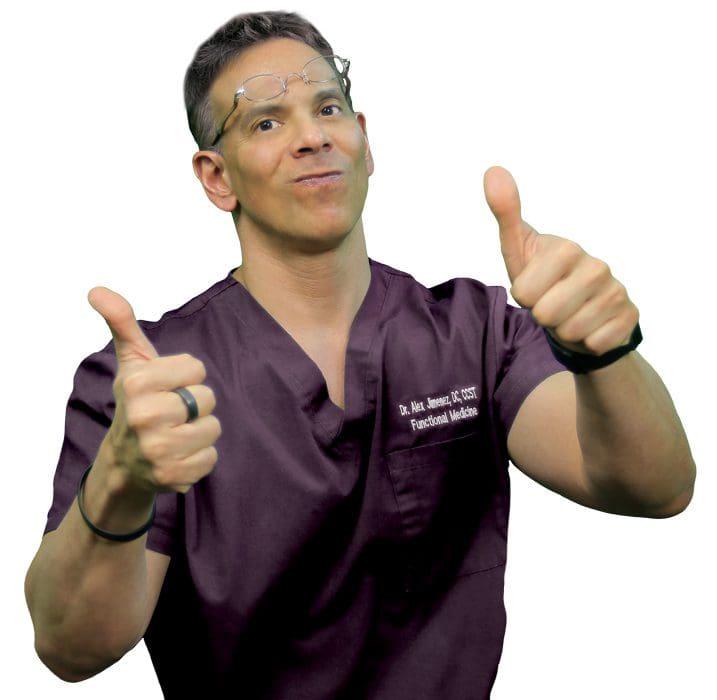
This article examines how these injuries occur in weekend warriors. We will cover common types, explain why they occur, and discuss their impact on daily life. We will also share tips for treatment and prevention. Drawing from expert sources, including insights from Dr. Alexander Jimenez, a chiropractor and nurse practitioner in El Paso, we aim to help you stay active safely. Whether you love weekend basketball or gardening marathons, understanding these risks can keep you in the game.
Musculoskeletal injuries from weekend activities are on the rise. Many people want to “make up for lost time” with intense workouts. But their bodies are not ready. This can lead to pain that lasts for weeks or months. By learning the facts, you can enjoy your hobbies without the hurt.
Who Are Weekend Warriors, and Why Are They at Risk?
Imagine this: Monday through Friday, you are glued to a chair at work. Emails, meetings, and traffic fill your days. Then Saturday hits. You lace up your sneakers for a 10-mile run or grab a racket for tennis. Sounds exciting, right? These folks are weekend warriors. They get little exercise during the week, but they go all out on their days off.
This pattern is common. A study of older adults found that approximately 50% engage in vigorous activities, such as biking or sports, but often in bursts rather than steadily (Segal et al., 2024). For weekend warriors, this means muscles and joints face sudden stress. They are not conditioned for it.
Why the risk? Sedentary weeks make tissues stiff. Without regular movement, blood flow slows. Then, boom—intense action strains everything. Experts like Dr. Courtney Conklin, a sports medicine doctor, note, “People don’t always warm up or pace themselves. That’s a big factor in these types of injuries” (Conklin, n.d.). Poor preparation turns fun into frustration.
Dr. Alexander Jimenez, DC, APRN, FNP-BC, frequently observes this in his El Paso clinic. As a dual-trained chiropractor and nurse practitioner, he treats patients from all walks—office workers turned hikers, desk jockeys playing golf. His observations reveal a clear link: weekday inactivity combined with weekend overload leads to injury. “Many patients arrive with acute pain from unconditioned bodies pushed too hard,” Jimenez shares in his practice updates (Jimenez, n.d.a). He uses detailed assessments to identify root causes, such as weak core muscles resulting from desk life.
These risks hit everyone, but especially adults over 30. Jobs keep them still, while weekends call for action. Without balance, small adjustments can become significant issues.
Common Musculoskeletal Injuries for Weekend Warriors
Weekend warriors face a lineup of injuries. Most involve soft tissues, including muscles, ligaments, and tendons. Bones can crack, too, but strains and sprains lead the pack. Let’s examine these injuries in more detail.
Sprains and Strains: The Dynamic Duo
Sprains happen when ligaments stretch or tear. Ligaments connect bones in joints, like your ankle or knee. Strains hit muscles or tendons. Tendons link muscles to bones. Both conditions share similar symptoms, including sharp pain, swelling, and difficulty moving.
A twisted ankle during a pickup soccer game? That’s a sprain. Pulling a hamstring mid-sprint? Strain. They are the top injuries in emergency rooms for sports fans (Ko, 2023). Sprains and strains outnumber fractures by far. In children and teens, they make up most visits, but adults also experience them, often in weekend bursts.
Symptoms start fast. Pain hits right away. Swelling follows as blood rushes in. Bruising might show up later. You limp or are unable to lift your arm. For weekend warriors, these injuries sideline you from work or play.
Dr. Jimenez often diagnoses these in his clinic. Using dual-scope methods—chiropractic exams plus nurse practitioner checks—he correlates symptoms to causes. “A simple ankle sprain from a trail run can signal deeper imbalances, like poor foot alignment from sedentary shoes,” he explains (Jimenez, n.d.b). His team uses X-rays and functional tests to assess.
Tendinitis: The Overuse Culprit
Tendinitis is inflammation in tendons. It comes from repeating the same move too much. Think tennis elbow from weekend swings or runner’s knee from pavement pounding.
Repetitive motions wear down tendons. They swell and ache. Pain builds during activity and lingers after. Shoulders, elbows, and knees suffer most (Shortlister, n.d.).
For weekend warriors, one long hike can trigger it. Without weekday stretches, tendons rebel. Studies have linked this to sudden high loads on unprepared tissues (Nemani & Louie, 2023).
Jimenez’s patients include gardeners with elbow tendinitis from the weekend wedding. He treats with integrative plans: rest plus anti-inflammatory nutrition. “Tendinitis isn’t just wear—it’s a sign of systemic stress,” he notes (Jimenez, n.d.a).
Shin Splints and Stress Fractures
Shin splints cause pain along the shinbone. They stem from running on hard ground without buildup. Tiny tears in muscle or bone coverings build up.
Stress fractures are worse: actual cracks in bone from overload. Both scream during runs but ease with rest (Reagan Integrated Sports Medicine, 2024).
Weekend joggers hit the pavement cold. No midweek miles mean shins take the hit. Swelling and tenderness follow.
Knee and Achilles Injuries
Knees bear your weight. Sudden twists tear menisci or ligaments. Achilles issues hit from quick starts—jumps or sprints snap the heel tendon (Conklin, n.d.).
Pain shoots sharply. You can’t bend or push off. These keep warriors off trails for months.
Back Pain: The Silent Sneak
Lower back pain, also known as lumbago, tops the list. Poor form in lifts or twists strains discs and muscles (Conklin, n.d.).
Desk hunch plus weekend yard work? Recipe for agony. Stiffness and spasms lock you up.
Jimenez sees back cases daily. From MVAs to sports, he links them via imaging. “Back pain often ties to nerve compression, missed without full scans,” he says (Jimenez, n.d.b).
These injuries share traits: acute onset, inflammation, and downtime. Untreated, they linger.
Causes of Weekend Warrior Injuries
Why do these happen? Three big reasons: overuse, sudden movement, and poor preparation.
Overuse: Too Much, Too Soon
Overuse builds slowly but hits hard. Repetitive stress without recovery inflames tissues. Weekend warriors cram a week’s worth of work into their days off. A study on activity patterns shows that bursts raise the risk of pain, even if total exercise time matches that of steady individuals (Segal et al., 2024).
Gardening or biking marathons are overwhelming without breaks. Tendons and muscles micro-tear, then swell.
Sudden Movement: The Shock Factor
Sudden twists or jumps catch cold bodies off guard. No warm blood flow means brittle tissues. A basketball pivot? Boom—sprain (Ko, 2023).
Inactivity stiffens joints. Explosive action snaps them.
Poor Preparation: Skipping the Basics
No warm-up is a killer. Muscles need 5-10 minutes of light cardio to loosen. Skipping it strains everything (Appleton Chiropractic Center, n.d.).
Gear matters too. Worn shoes or no brace invite trouble. Hydration and sleep fuel recovery—miss them, and risks climb.
Dr. Jimenez stresses preparation in assessments. “Patients ignore warm-ups, leading to strains we could prevent with simple protocols,” he observes (Jimenez, n.d.a). His clinic uses functional medicine to identify and address gaps, such as low vitamin D levels that can weaken bones.
These causes interplay. Sedentary weeks prime the pump; weekends pull the trigger.
How These Injuries Affect Weekend Warriors
Injuries don’t just hurt—they disrupt life. Pain flares with every step or lift. Swelling limits clothes or shoes. You miss games, chores, even hugs.
Short-term: Days off work for rest. Ice packs become buddies. Sleep suffers from aches.
Long-term: Scar tissue stiffens joints. Chronic pain creeps in, like arthritis from old sprains (Aligned Orthopedic Partners, n.d.). Mental toll? Frustration. Warriors feel trapped, losing the joy of activity.
Dr. Jimenez’s cases show this. A weekend hiker with knee strain faces months of rehab. Without care, it becomes tendinitis. “Injuries cascade if untreated— from acute sprain to chronic instability,” he warns (Jimenez, n.d.b). His dual diagnosis was caught early, using imaging to map nerve involvement.
For MVAs or work-related issues, legal woes can add stress. Documentation proves claims, but pain lingers.
Economically, it’s rough. Doctor visits, PT sessions pile up. Lost wages from downtime hurt.
Socially, isolation hits. No team sports means missing bonds. Warriors push through, worsening it.
Recovery varies. Mild strains heal in weeks with RICE—rest, ice, compression, elevation (Reagan Integrated Sports Medicine, 2024). Severe ones need surgery.
But hope exists. With smart care, most bounce back stronger.
Treatments for Weekend Warrior Injuries
Healing starts with the basics, then the pros.
At-Home First Aid
RICE rules: Rest, ice, compression, elevation. Ice reduces swelling—20 minutes on, 20 minutes off. Compression wraps stabilize. Elevate above the heart.
Pain meds like ibuprofen tame inflammation (Ko, 2023).
Gentle stretches follow. No forcing—listen to pain.
Professional Help
See a doc for bad pain. X-rays rule out breaks (Ko, 2023).
PT rebuilds strength. Exercises target weak spots.
Surgery for tears is rare.
Integrative Approaches
Chiropractic shines here. Adjustments realign spines, easing nerve pressure (Get Radiant Life, n.d.).
Massage kneads knots. Acupuncture needles calm inflammation.
Dr. Jimenez blends these. His clinic treats sports strains with adjustments plus exercise. For MVAs, he documents for legal use—detailed reports aid claims.
“Dual-scope lets me diagnose holistically: chiropractic for alignment, nursing for meds if needed,” Jimenez says (Jimenez, n.d.a). Advanced imaging detects hidden issues, such as disc bulges.
For work injuries, he coordinates with insurers. Personal cases receive tailored plans: acupuncture for pain relief and nutrition for healing.
Integrative medicine promotes natural fixes. Targeted exercises build resilience. Massage boosts flow. Acupuncture eases spasms. This prevents repeats, enhancing overall health.
A patient post-MVA? Adjustments reduce whiplash pain. Exercise prevents stiffness. Legal notes ensure fair compensation.
Jimenez’s team uses neuromusculoskeletal imaging—such as MRIs and ultrasounds—to correlate injuries. “We see how a weekend fall ties to old work strain,” he notes (Jimenez, n.d.b).
Success stories abound. Warriors return fitter, thanks to a focus on prevention.
Prevention Strategies: Stay in the Game
Don’t wait for hurt. Prevent it.
Daily Habits
Move midweek. Short walks or stretches help condition the body (Conklin, n.d.).
Aim for 10% weekly increases. Not all or nothing.
Warm-Up Essentials
5-10 minutes of light cardio. Dynamic stretches prep joints (Nemani & Louie, 2023).
Cool down with static holds. Aids recovery.
Gear and Form
Supportive shoes. Learn proper swings or runs—coaches help (Center for Orthopaedic Surgery & Sports Medicine, n.d.).
Strength train cores. Planks beat pulls.
Fuel and Rest
Hydrate. Balanced meals power muscles. Sleep 7-9 hours.
Listen to the body. Soreness? Rest day.
Dr. Jimenez adds: “Integrative plans include acupuncture pre-activity for flexibility” (Jimenez, n.d.a). His clinic offers wellness checks to spot risks early.
A video tip: Therapists urge steady routines over warrior bursts (Buffalo Rehab Group, n.d.).
Follow these, and weekends stay fun.
Insights from Dr. Alexander Jimenez: A Clinician’s View
Dr. Alexander Jimenez brings over 30 years of experience to the table. In El Paso, his clinic heals from all angles—work slips, sports clashes, personal tumbles, MVAs.
Clinical correlations? He links symptoms to sources. A back tweak from hiking? It may stem from poor desk posture and inadequate warm-up. Dual-scope diagnosis—chiro exams meet nursing evals—uncovers this. “We assess structure and function together,” he says (Jimenez, n.d.b).
Treatments vary. Sports strains get adjustments and PT. MVA whiplash? Imaging guides care, plus massage for spasms.
Diagnostic tools shine: X-rays and MRIs reveal nerve pinches. Blood tests flag inflammation.
Legal side: Detailed charts support claims. “We document objectively for justice,” Jimenez notes (Jimenez, n.d.a).
Integrative magic: Chiropractic realigns. Exercise targets weaknesses. Massage flows blood. Acupuncture needles heal naturally. Nutrition fights oxidative stress.
For prevention, he pushes functional plans. “Address causes—sedentary habits—to stop cycles,” he advises.
Patients thrive. A golfer avoids surgery via conditioning. An office worker hikes pain-free.
Jimenez’s LinkedIn shares webinars on rehab. His site details sciatica diets, fibromyalgia fixes. It’s real-world wisdom.
Conclusion: Warrior On, Wisely
Weekend musculoskeletal injuries can be debilitating but heal with the right knowledge. From sprains to back woes, they stem from bursts on still bodies. Effects ripple—pain, downtime, costs.
But treatments work: RICE, pros, and integrative care. Dr. Jimenez’s holistic view ties it together—diagnose deep, treat whole, prevent smart.
Start small: Warm up, move daily, gear up. Your weekends await, injury-free.
Stay active. Stay safe.
References
Aligned Orthopedic Partners. (n.d.). Musculoskeletal injuries: Causes and treatments.
Appleton Chiropractic Center. (n.d.). Sports injuries.
Buffalo Rehab Group. (n.d.). Weekend warrior routine risks [Video]. YouTube.
Center for Orthopaedic Surgery & Sports Medicine. (n.d.). Sports medicine for weekend warriors: Staying active and injury-free.
Conklin, C. (n.d.). Stay in the game: Top 5 tips to avoid common weekend warrior injuries. Riverside Health.
Get Radiant Life. (n.d.). Chiropractic care for weekend warriors.
Jimenez, A. (n.d.a). Injury specialists.
Jimenez, A. (n.d.b). Dr. Alexander Jimenez DC, APRN, FNP-BC, IFMCP, CFMP, ATN ? – Injury Medical Clinic PA [LinkedIn profile]. LinkedIn.
Ko, J. (2023). Sports-related injuries: An emergency medicine doctor’s perspective. Weill Cornell Medicine.
Nemani, V., & Louie, P. (2023). Joint health during summer activities [Video]. YouTube.
Reagan Integrated Sports Medicine. (2024, March 8). Common sports injuries: Identifying and treating musculoskeletal issues.
Segal, N. A., et al. (2024). Do physical activities prevent the occurrence of bothersome pain? PMC.
Shortlister. (n.d.). The most common work-related musculoskeletal disorders.
Post Disclaimers
General Disclaimer, Licenses and Board Certifications *
Professional Scope of Practice *
The information herein on "Weekend Warrior Injury Prevention Strategies Explained" is not intended to replace a one-on-one relationship with a qualified health care professional or licensed physician and is not medical advice. We encourage you to make healthcare decisions based on your research and partnership with a qualified healthcare professional.
Blog Information & Scope Discussions
Welcome to El Paso's Premier Wellness and Injury Care Clinic & Wellness Blog, where Dr. Alex Jimenez, DC, FNP-C, a Multi-State board-certified Family Practice Nurse Practitioner (FNP-BC) and Chiropractor (DC), presents insights on how our multidisciplinary team is dedicated to holistic healing and personalized care. Our practice aligns with evidence-based treatment protocols inspired by integrative medicine principles, similar to those on this site and on our family practice-based chiromed.com site, focusing on naturally restoring health for patients of all ages.
Our areas of multidisciplinary practice include Wellness & Nutrition, Chronic Pain, Personal Injury, Auto Accident Care, Work Injuries, Back Injury, Low Back Pain, Neck Pain, Migraine Headaches, Sports Injuries, Severe Sciatica, Scoliosis, Complex Herniated Discs, Fibromyalgia, Chronic Pain, Complex Injuries, Stress Management, Functional Medicine Treatments, and in-scope care protocols.
Our information scope is multidisciplinary, focusing on musculoskeletal and physical medicine, wellness, contributing etiological viscerosomatic disturbances within clinical presentations, associated somato-visceral reflex clinical dynamics, subluxation complexes, sensitive health issues, and functional medicine articles, topics, and discussions.
We provide and present clinical collaboration with specialists from various disciplines. Each specialist is governed by their professional scope of practice and their jurisdiction of licensure. We use functional health & wellness protocols to treat and support care for musculoskeletal injuries or disorders.
Our videos, posts, topics, and insights address clinical matters and issues that are directly or indirectly related to our clinical scope of practice.
Our office has made a reasonable effort to provide supportive citations and has identified relevant research studies that support our posts. We provide copies of supporting research studies upon request to regulatory boards and the public.
We understand that we cover matters that require an additional explanation of how they may assist in a particular care plan or treatment protocol; therefore, to discuss the subject matter above further, please feel free to ask Dr. Alex Jimenez, DC, APRN, FNP-BC, or contact us at 915-850-0900.
We are here to help you and your family.
Blessings
Dr. Alex Jimenez DC, MSACP, APRN, FNP-BC*, CCST, IFMCP, CFMP, ATN
email: [email protected]
Multidisciplinary Licensing & Board Certifications:
Licensed as a Doctor of Chiropractic (DC) in Texas & New Mexico*
Texas DC License #: TX5807, Verified: TX5807
New Mexico DC License #: NM-DC2182, Verified: NM-DC2182
Multi-State Advanced Practice Registered Nurse (APRN*) in Texas & Multi-States
Multi-state Compact APRN License by Endorsement (42 States)
Texas APRN License #: 1191402, Verified: 1191402 *
Florida APRN License #: 11043890, Verified: APRN11043890 *
Colorado License #: C-APN.0105610-C-NP, Verified: C-APN.0105610-C-NP
New York License #: N25929, Verified N25929
License Verification Link: Nursys License Verifier
* Prescriptive Authority Authorized
ANCC FNP-BC: Board Certified Nurse Practitioner*
Compact Status: Multi-State License: Authorized to Practice in 40 States*
Graduate with Honors: ICHS: MSN-FNP (Family Nurse Practitioner Program)
Degree Granted. Master's in Family Practice MSN Diploma (Cum Laude)
Dr. Alex Jimenez, DC, APRN, FNP-BC*, CFMP, IFMCP, ATN, CCST
My Digital Business Card
Licenses and Board Certifications:
DC: Doctor of Chiropractic
APRNP: Advanced Practice Registered Nurse
FNP-BC: Family Practice Specialization (Multi-State Board Certified)
RN: Registered Nurse (Multi-State Compact License)
CFMP: Certified Functional Medicine Provider
MSN-FNP: Master of Science in Family Practice Medicine
MSACP: Master of Science in Advanced Clinical Practice
IFMCP: Institute of Functional Medicine
CCST: Certified Chiropractic Spinal Trauma
ATN: Advanced Translational Neutrogenomics
Memberships & Associations:
TCA: Texas Chiropractic Association: Member ID: 104311
AANP: American Association of Nurse Practitioners: Member ID: 2198960
ANA: American Nurse Association: Member ID: 06458222 (District TX01)
TNA: Texas Nurse Association: Member ID: 06458222
NPI: 1205907805
| Primary Taxonomy | Selected Taxonomy | State | License Number |
|---|---|---|---|
| No | 111N00000X - Chiropractor | NM | DC2182 |
| Yes | 111N00000X - Chiropractor | TX | DC5807 |
| Yes | 363LF0000X - Nurse Practitioner - Family | TX | 1191402 |
| Yes | 363LF0000X - Nurse Practitioner - Family | FL | 11043890 |
| Yes | 363LF0000X - Nurse Practitioner - Family | CO | C-APN.0105610-C-NP |
| Yes | 363LF0000X - Nurse Practitioner - Family | NY | N25929 |
Dr. Alex Jimenez, DC, APRN, FNP-BC*, CFMP, IFMCP, ATN, CCST
My Digital Business Card





Comments are closed.