
Orthobiologic Benefits for Musculoskeletal Health Recovery

Enhance your knowledge of musculoskeletal health by learning about the latest advancements in orthobiologic therapies.
Abstract
Hello, I’m Dr. Alex Jimenez. In this educational post, we will journey into the evolving world of orthobiologics and regenerative medicine. We will explore why many orthobiologic practices struggle not because of a lack of scientific evidence, but because of execution challenges, such as inconsistent outcomes, poor patient selection, and a lack of standardization. I will introduce a systematic framework, the Joint Vitality System, designed to address these issues by emphasizing precision diagnosis, biologic matching, and a structured, guided recovery plan. The discussion will cover the critical importance of creating value for patients by offering comprehensive recovery pathways rather than isolated treatments. We will delve into the physiological rationale for biologic treatments like Platelet-Rich Plasma (PRP) and Bone Marrow Concentrate (BMC), the superiority of ultrasound-guided injections, and the hormonal and metabolic drivers of musculoskeletal degeneration. This post will explain how our multidisciplinary practice at Injury Medical Clinic PA combines chiropractic care, functional medicine, and medical oversight to deliver comprehensive, personalized treatment plans that go beyond a simple injection, treating the whole person and addressing the root cause of their condition. We will also explore the business architecture of a sustainable, cash-based regenerative medicine practice centered on delivering transformational outcomes.
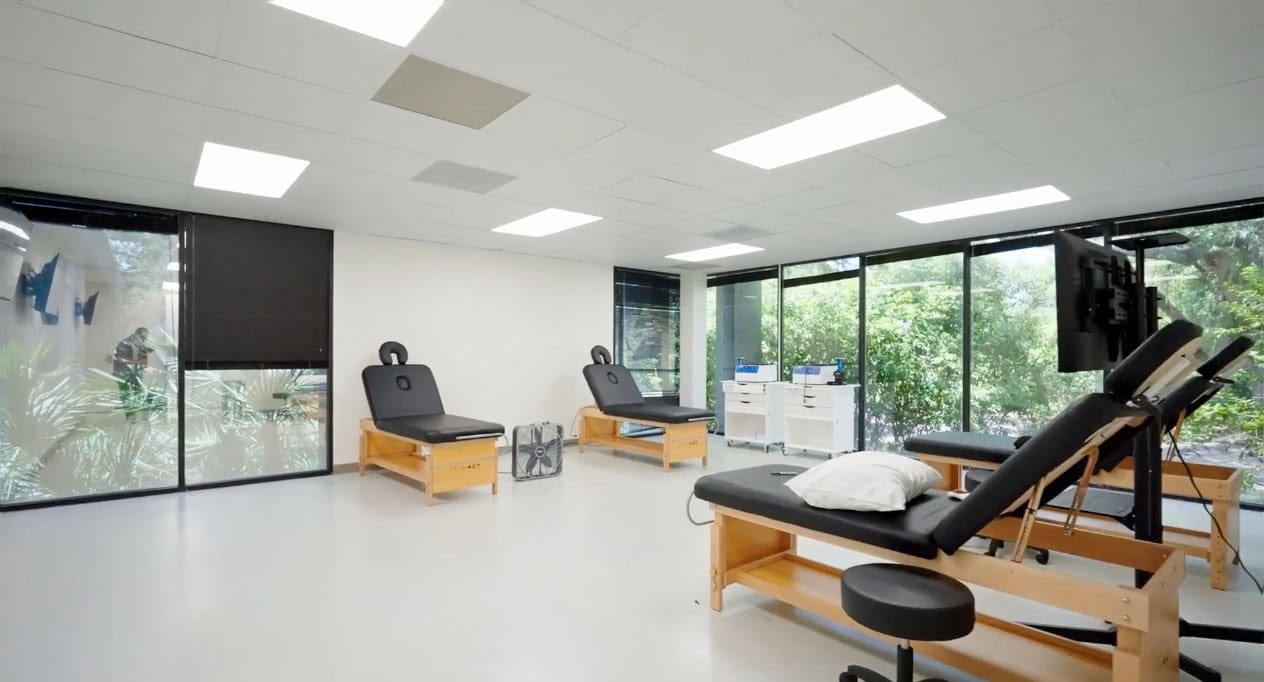
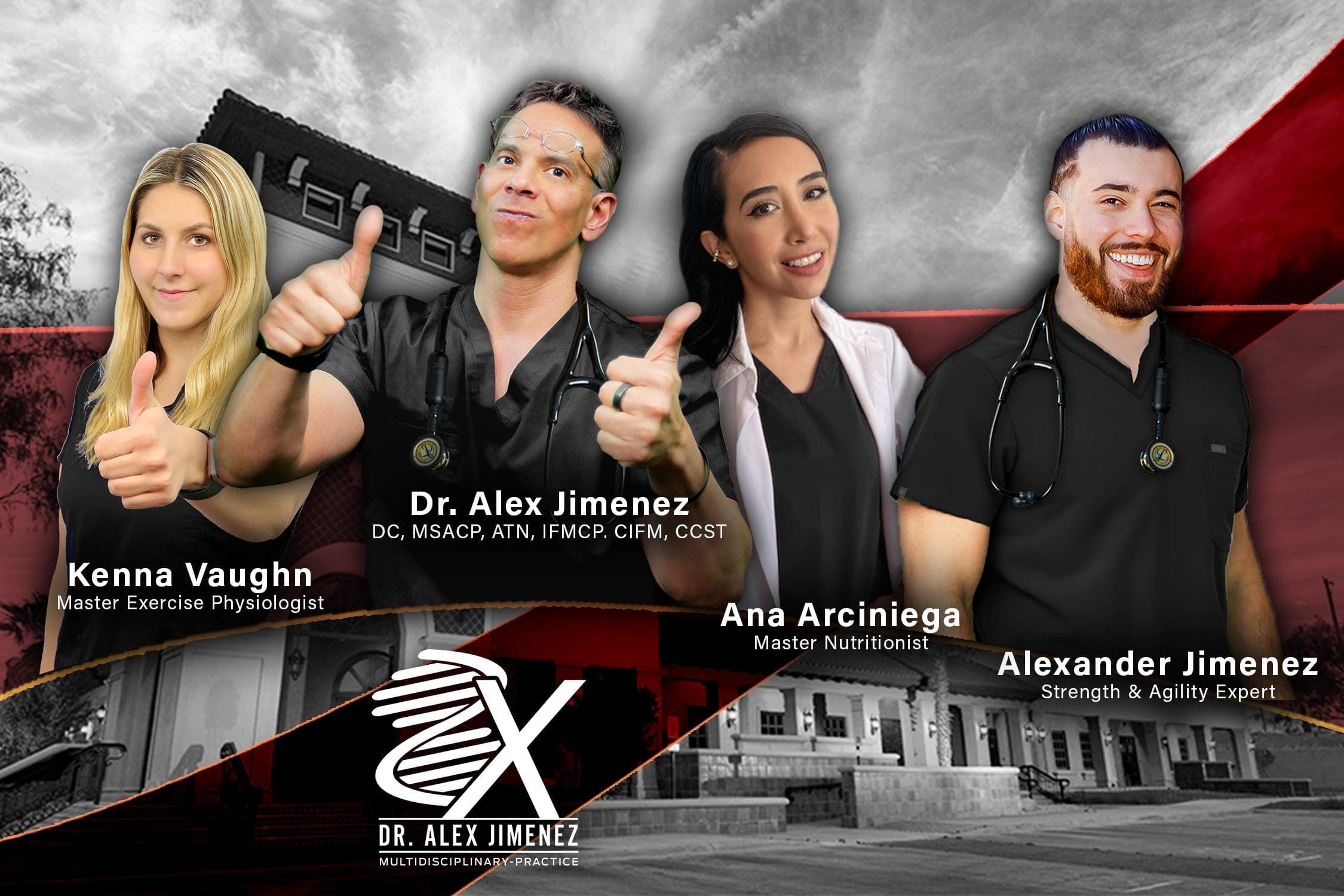
My name is Dr. Alex Jimenez, and I hold the titles of DC, APRN, FNP-BC, CFMP, IFMCP, ATN, and CCST. My passion lies in leveraging modern, evidence-based research to offer the most advanced care possible. At Injury Medical Clinic PA (Mission Plaza Injury Medical Clinic) in El Paso, Texas, we have built a collaborative environment. I work alongside Dr. Maria Guadalupe Cardenas, MD, a highly respected, Board Certified Internist (NPI #1164426749, Texas MD License #J2933) with over 40 years of experience. Dr. Cardenas serves as our Medical Director and Collaborative Physician, providing essential medical oversight that is both legally and clinically valuable. This multidisciplinary integrative model is the cornerstone of our philosophy: to treat the whole person, not just the symptom. This collaboration between chiropractic (myself), internal medicine (Dr. Cardenas), functional medicine, personal injury care, and rehabilitation services ensures our patients receive a comprehensive, well-rounded treatment plan tailored to their unique needs.
Today, I want to take you on a journey into what modern, integrative healthcare can be, moving from transactional procedures to transformational partnerships with our patients.
The Execution Problem in Orthobiologics
A common misconception is that orthobiologics is failing because the science isn’t there. As we have seen in the latest findings from leading researchers, the science is incredibly compelling. The real issue lies in execution. When we ask who is offering orthobiologics as a first-line treatment, we find a significant hurdle: cash-based services. This can be an anxiety-inducing transition for clinicians and patients accustomed to the insurance model. But this is just one piece of the execution puzzle. We also face several other significant challenges:
- Inconsistent Outcomes: We often see that Clinic A’s approach to orthobiologics differs markedly from Clinic B’s. This inconsistency in protocols leads to unpredictable results, undermining both patient trust and physician confidence.
- Poor Patient Selection: Is PRP a miracle cure for everything? While incredibly versatile, it’s not a one-size-fits-all solution. Offering PRP for severe, bone-on-bone hip arthritis with significant bone marrow edema is an example of poor patient selection. If a clinician has only one tool, they may be tempted to use it for every condition, which inevitably leads to failures. The key is to have a range of tools—such as bone marrow concentrate (BMC) and adipose-derived therapies—and to know when to use them.
- Overpromising in Marketing: We live in an era I call the “wild, wild west” of regenerative medicine. Clinics pop up making bold claims about “stem cells” without proper diagnostics or patient evaluation. This direct-to-consumer marketing often over-promises and under-delivers, eroding public trust. The philosophy should be to under-promise and over-deliver.
- Lack of Standardization: Standardization is coming, but it’s not fully here yet. For example, research has shown that a platelet dose above 5.5 billion yields significantly better outcomes for certain conditions (Everhart et al., 2021). Therefore, we should measure platelet concentration in our PRP for every patient. If you’re not measuring, you’re practicing in the dark. We know from rigorous testing in our own clinics that a specific 60 cc blood draw with a certain kit reliably yields about 10.8 billion platelets. Knowing your equipment and protocols is non-negotiable.
Patients Don’t Buy Procedures; They Invest in Transformation
Let’s consider a fundamental question: what do patients truly want? Are they hoping to get an injection? Absolutely not. No one ever wished for a rotator cuff tear so they could experience a PRP injection. What they are desperately seeking is a transformation. They are looking for:
- Recovery: To get back to a life without pain and limitation.
- Function: To regain the ability to lift their grandchildren or engage in hobbies.
- Their Life Back: To reclaim the healthy, vibrant self they remember.
Patients are investing in an outcome. When we frame our care around this concept, we stop being technicians who administer a treatment and become guides on a patient’s journey toward wellness. If you facilitate a genuine life transformation, the value you provide is immeasurable.
The Joint Vitality System: A Framework for Success
Orthobiologics is not just a procedure; it’s a system. It’s part of a new specialty I see emerging: regenerative medicine. To that end, I’ve developed a framework called the Joint Vitality System, built on four core pillars:
- Precision Diagnosis: This is the foundation. We must do a thorough job of seeing the patient, taking a detailed history, and using diagnostic ultrasound at the point of care.
- Biologic Matching: We match the disease severity and specific tissue needs to the most appropriate biologic injectate.
- Structured Care Plan: We create a clear roadmap for the patient, outlining the entire journey so they know what to expect.
- Guided Recovery: This includes a comprehensive rehabilitation program, such as a targeted tendon-loading protocol.
Pillar 1: Precision Diagnosis and Ultrasound-Guided Injection
I always say I’m from the “Show Me State”—I don’t believe it until you prove it. That’s my approach to diagnosis. I use every tool at my disposal to be 100% certain of what the problem is and, just as importantly, why it happened. Was it a structural failure, a biologic failure, or a functional failure?
- Ultrasound is Not Optional: It is impossible to overstate the clinical importance of diagnostic musculoskeletal ultrasound. Real-time ultrasound allows me to correlate a patient’s pain directly with the anatomy. Anatomy is variable, and what a patient describes as “shoulder pain” might be a biceps issue or a rotator cuff tear. Blind injection introduces unacceptable variability into a therapy whose efficacy depends on precise tissue targeting. Ultrasound provides real-time visualization of the target structure, confirming needle placement and identifying inflammatory drivers such as bursitis or synovitis that may not yet appear on MRI.
- The Power of MRI: I don’t rely on ultrasound alone. I get MRIs on almost everyone to see the labrum, cartilage, and bone. As clinicians in this field, we must look at the films ourselves. A general radiologist might miss low-grade partial tears, a high-intensity zone in a disc, or a meniscocapsular junction sprain, all significant pain generators.
- Diagnostic Injections: I am a huge proponent of differential diagnostic injections. They are an incredible tool for pinpointing the exact source of pain. For my Medicare patients, I might perform a diagnostic injection using prolotherapy (12.5% dextrose) and a micro-dose of dexamethasone. This 400-nanogram dose is equivalent to a natural stress response and is chondro-protective at such physiologic levels (Sun et al., 2020). When the patient experiences significant relief, they are much more confident moving forward with a cash-based regenerative treatment like PRP.
Hormonal and Metabolic Drivers of Musculoskeletal Degeneration
We must also consider the patient’s underlying biology. Why did their body fail to heal? Orthobiologic treatment does not occur in a physiological vacuum. A 58-year-old patient presenting with knee pain and elevated cortisol is not simply experiencing mechanical wear. Cortisol, when chronically elevated, accelerates cartilage degradation by suppressing proteoglycan synthesis and impairing chondrocyte function (Pereira et al., 2018).
Similarly, a postmenopausal patient is operating in a state of estrogen deficiency. Estrogen receptors are expressed in chondrocytes and synovial fibroblasts. Estrogen supports cartilage maintenance and reduces inflammation; its absence accelerates osteoarthritis progression (Sniekers et al., 2008). It’s our job as holistic, functional medicine-minded physicians to test for these things—thyroid function, sex hormones, blood sugar—and optimize the patient’s biology before we perform an expensive procedure. This proactive approach is a hallmark of functional and integrative medicine, and we practice it daily at our clinic, where Dr. Cardenas’s expertise in internal medicine helps us fine-tune these physiological parameters (Jimenez, 2026).
Pillar 2: Biologic Matching and Physiological Rationale
Once we have a precise diagnosis, we must match it with the right biologic. Platelet-rich plasma (PRP) is derived from blood, concentrating platelets and their associated growth factors—such as platelet-derived growth factor (PDGF) and transforming growth factor-beta (TGF-?)—that signal tissue repair (Dohan Ehrenfest et al., 2009). By contrast, hyaluronic acid (HA) provides temporary mechanical buffering. Current evidence consistently demonstrates that PRP outperforms HA for knee osteoarthritis (Belk et al., 2023).
Bone marrow concentrate (BMC) takes this a step further by introducing mesenchymal stem cells (MSCs) that modulate inflammation and promote tissue repair (Shapiro et al., 2019). Biologics can also help flip pro-inflammatory M1 macrophages to anti-inflammatory M2 macrophages. When this happens in the knee’s synovium, the synovium itself begins to produce endogenous growth factors (Fahy et al., 2019). We are literally stimulating the body to heal itself. We have to ask: What does the tissue need to achieve our goal?
- Is there a gap in a tendon? I would choose adipose tissue, which provides a structural matrix.
- Is there bone marrow edema? I would choose PRP or BMC, as they are flowable and can be injected directly into the bone.
- Does the patient have a full-thickness, retracted rotator cuff tear? This may require surgical repair of the structure, plus intraosseous BMC to address stem cell deficiency and modulate inflammation.
The Guided Pathway to Recovery
The procedure day isn’t the finish line; it’s the starting pistol. The real work starts on day one of recovery. Instead of telling a patient, “I can’t operate until you lose weight,” and leaving them without a roadmap, an integrative model provides a supportive pathway. We can say:
“One of the most effective treatments for your arthritis is weight loss. Losing just 10 pounds can reduce the pressure on your knees by 30 pounds with every step. We have a guided program to help you. Over the next eight weeks, we can walk you through a plan, and based on our experience, we expect you’ll lose around 12 pounds. Would you be interested?”
This is a game-changer. Our approach is a comprehensive package that includes:
- Biologic Interventions: Advanced treatments like PRP to stimulate healing.
- Lifestyle Optimization: Addressing the pillars of health—nutrition, exercise, sleep, and stress management. As I’ve seen in my clinical observations, a patient’s diet can either fuel or fight inflammation.
- Guided Rehabilitation: Tailored exercises to ensure the treated area heals correctly and becomes more resilient. The procedure itself is just the beginning.
Unlocking Pain Relief: How We Assess Motion to Alleviate Pain- Video
Integrating Chiropractic Care into the Regenerative Model
At our clinic, my role as a Doctor of Chiropractic is integral. An orthobiologic injection can repair tissue, but if the underlying functional problem—poor movement patterns, joint misalignment—is not corrected, the problem will likely return.
Here’s how we integrate chiropractic care:
- Pre-habilitation: Before a procedure, I use chiropractic adjustments and corrective exercises to improve biomechanics, creating a better environment for the biologic to work.
- Post-procedure Rehabilitation: After an injection, my biomechanical expertise enables me to design a personalized plan. For a tendon procedure, a specific tendon-loading program is used to stimulate the formation of new, organized collagen.
- Addressing the Kinetic Chain: As a chiropractor, I am trained to assess and treat the entire kinetic chain. Pain in the knee may originate from dysfunction in the hip or foot. We correct the root functional cause of the stress.
We integrate chiropractic principles with regenerative medicine, under the medical oversight of Dr. Cardenas, which is the essence of our multidisciplinary approach. It bridges the gap between biologic repair and long-term functional recovery, which is essential for sustainable outcomes (Jimenez, 2026).
Data, Data, Data: The Currency of Modern Medicine
I cannot overstate the importance of data collection. There is a staggering amount of data loss happening in regenerative medicine. By tracking patient progress, we can refine our protocols and provide tangible proof of our efficacy. I highly recommend using a registry like Data Biologics, an IRB-approved platform founded by physicians for physicians. This is a game-changer for private practice clinicians who want to contribute to the field.
I understand the challenges of a private clinic. But for a nominal fee—say, $25 per patient—we can implement a robust data collection system. This small cost can be incorporated into a package price. We should be tracking pain and function scores, return-to-activity timelines, and Patient-Reported Outcomes (PROs) using validated questionnaires such as the KOOS (Knee Injury and Osteoarthritis Outcome Score) or DASH (Disabilities of the Arm, Shoulder and Hand).
Building a Sustainable and Rewarding Practice
Many of us are great clinicians, but we struggle with the business side of medicine. Having a solid business system is the missing piece. One of the most persistent barriers is the belief that launching a business requires perfection. This is not true. My first business guide was “Medical Practices for Dummies.” The point is that perfection is the enemy of progress.
The framework I am describing is the orthomolecular micro-practice. This is not a volume-driven model; it is a precision practice. In the insurance model, the only lever to increase revenue is volume. In orthobiologic value terms, one biologic patient generates revenue equivalent to approximately 15 insurance patients. A precision micro-practice inverts this. Ten patients per month at 50,000 in monthly cash revenue. That is a viable, sustainable business serving a small number of patients with exceptional, individualized care.
Even the most skilled practitioner will underperform without operational infrastructure. The precision micro-practice is built on touchpoint consistency. Every call is handled the same way, and every consultation follows a structured protocol. This creates a predictable experience and makes the practice scalable. AI-powered clinical scribes, such as DeepScribe, can automatically generate clinical notes, freeing clinicians to be fully present with patients.
By building a practice around a robust, data-driven system, you create predictable outcomes and immense patient satisfaction. This, in turn, builds a reputation that attracts patients willing to invest in their health, allowing you to practice medicine with integrity, expertise, and a genuine commitment to healing.
Conclusion: The Identity Shift That Changes Everything
At the heart of everything discussed here is an identity question. Are you an injector, or are you a clinician who restores function and drives toward health? The answer determines how you diagnose, treat, and communicate. When you see a 58-year-old with knee pain, the question is not simply “where do I inject?” It is: What is driving this inflammation? What is her hormonal status? What does the ultrasound show? When you answer all those questions, build a comprehensive care plan, deliver a precision-matched biologic, and monitor her outcome to see her hiking again—that is real doctoring. That is transformational care. And that is what patients deserve.
References
- Belk, J. W., Lizzio, V. A., Pearson, J. R., McCarty, E. C., & Dragoo, J. L. (2023). Platelet-rich plasma versus hyaluronic acid for knee osteoarthritis: A systematic review and meta-analysis of randomized controlled trials. American Journal of Sports Medicine, 51(2), 548–558.
- Dohan Ehrenfest, D. M., Rasmusson, L., & Albrektsson, T. (2009). Classification of platelet concentrates: From pure platelet-rich plasma (P-PRP) to leucocyte- and platelet-rich fibrin (L-PRF). Trends in Biotechnology, 27(3), 158–167.
- Everhart, J. S., Cavendish, P. A., & Flanigan, D. C. (2021). Platelet-rich plasma in the knee: A dose-response relationship. Operative Techniques in Sports Medicine, 29(3), 150860.
- Fahy, N., de Vries-van Melle, M. L., Lehmann, J., Wei, W., Grotenhuis, N., van der Kraan, P. M., & van Osch, G. J. V. M. (2019). The role of macrophages in the process of osteoarthritic-diseased cartilage repair. Osteoarthritis and Cartilage, 27(10), 1545–1554.
- Jimenez, A. (2026). Clinical observations in integrative and personal injury care. Personal Injury Doctor Group.
- Jimenez, A. (2026). Professional profile and clinical philosophy. LinkedIn.
- Pereira, R. M., Freire de Carvalho, J., & Canalis, E. (2018). Glucocorticoid-induced osteoporosis in the pediatric population. BoneKEy Reports, 7, 18–27.
- Shapiro, S. A., Kazmerchak, S. E., Heckman, M. G., Zubair, A. C., & O’Connor, M. I. (2019). A prospective, single-masked, placebo-controlled trial of bone marrow aspirate concentrate for knee osteoarthritis. American Journal of Sports Medicine, 45(1), 82–90.
- Sniekers, Y. H., Weinans, H., Bierma-Zeinstra, S. M., van Leeuwen, J. P., & van Osch, G. J. (2008). Animal models for osteoarthritis: The effect of ovariectomy and estrogen treatment — a systematic approach. Osteoarthritis and Cartilage, 16(5), 533–541.
- Sun, A. R., Wu, X., Liu, B., & Hu, Z. C. (2020). Dexamethasone in the treatment of osteoarthritis: A review of its effects on the pathophysiology of the disease. Drug Design, Development and Therapy, 14, 1483–1494.
SEO Tags: Orthobiologics, Regenerative Medicine, Dr. Alex Jimenez, Chiropractic Care, Platelet-Rich Plasma, PRP, Bone Marrow Concentrate, BMC, Adipose Stem Cells, Integrative Medicine, Functional Medicine, Precision Diagnosis, Musculoskeletal Pain, Joint Vitality System, Patient Data Collection, Ultrasound-Guided Injections, El Paso TX, Injury Medical Clinic PA, Dr. Maria Guadalupe Cardenas, patient transformation, guided recovery, patient-centered care, lifestyle optimization, multidisciplinary clinic, weight loss for arthritis, KOOS score, DASH score, personal injury care, evidence-based practice, orthobiologic micro-practice, cash-based medical practice, knee osteoarthritis treatment, precision medicine, whole-person health, greater trochanteric pain, hyaluronic acid vs PRP, AI clinical scribe, orthopedic regenerative therapy, functional medicine practice model, multidisciplinary integrative care, Mission Plaza Injury Medical Clinic
Comments are closed.