

Softball Injuries and Chiropractic Recovery Strategies

Fastpitch Softball Injuries and How Integrative Chiropractic Care Supports Recovery
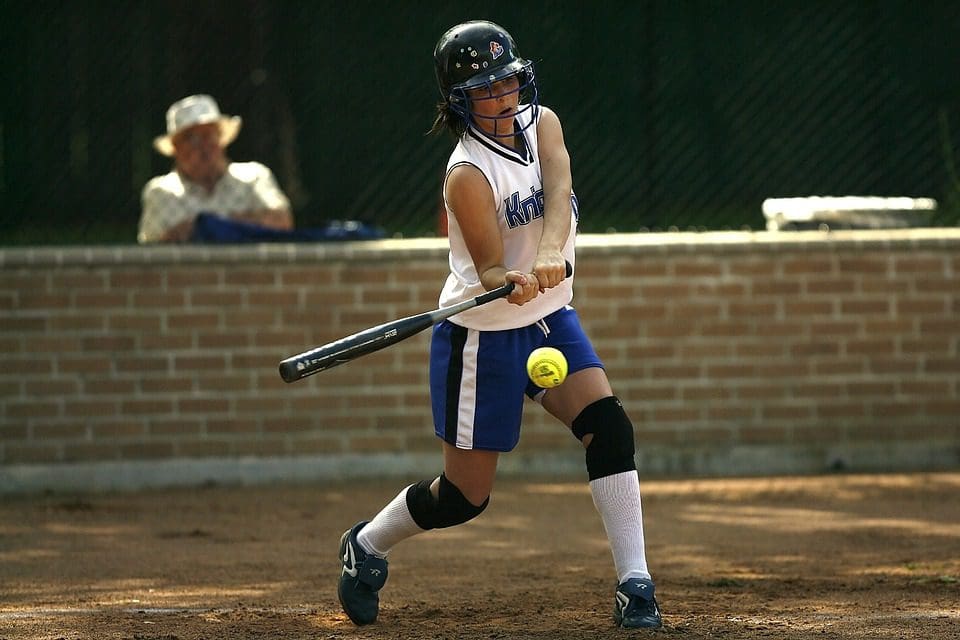
Competitive fastpitch softball is a high-speed sport built on repeated, explosive movements. The underhand windmill pitch is a full-body power motion that transfers force from the legs and hips through the trunk and into the shoulder, elbow, and wrist. Add sprinting, hard cuts, sliding, diving, and occasional collisions, and it’s easy to see why softball athletes develop both overuse and acute injuries (UPMC HealthBeat, 2020; Feeley et al., 2024).
Many players think, “It’s not a contact sport, so injuries should be rare.” However, softball still results in a steady number of sports-related ER visits, and overuse injuries are common when seasons are long, tournament schedules are packed, and rest is limited (Boston Children’s Hospital, 2013; AAOS, n.d.).
Why Fastpitch Causes Specific Musculoskeletal Problems
Fastpitch demands:
-
High repetition (pitching, throwing, batting, catching, fielding drills)
-
High force (max-effort throws, swings, and sprints)
-
Fast direction changes (defense, base running, chasing fly balls)
-
Impact moments (slides, dives, ball-to-body contact, collisions)
Over time, small stress can outpace recovery, especially when athletes play on multiple teams or compete year-round (AOSSM & STOP Sports Injuries, 2022; Boston Children’s Hospital, 2013).
Most Common Fastpitch Softball Injuries
Shoulder and elbow overuse injuries (especially in pitchers)
Overuse injuries are a major theme in softball—particularly in the throwing arm. Research on softball injuries indicates that overuse accounts for a substantial proportion of injuries, particularly among pitchers, and common diagnoses include strains and tendinitis (Feeley et al., 2024). Clinical sports medicine sources also highlight shoulder and elbow injuries as common concerns among softball players (UCHealth, 2025; Summit Orthopedics, 2022).
Common examples include:
-
Rotator cuff strain/tendinitis and shoulder pain from repeated throwing and pitching (UPMC HealthBeat, 2020; Rock Valley PT, 2022)
-
Elbow tendinitis and UCL strain/tear risk linked to repetitive pitching loads (Rock Valley PT, 2022; Jimenez, n.d.)
-
Forearm, wrist, and biceps tendon irritation from the windmill motion and repeated throws (Rothman Orthopaedics, 2018; UPMC HealthBeat, 2020)
A key point about fastpitch: the windmill motion places unique stress on the back, neck, shoulder, forearm, and wrist (AOSSM & STOP Sports Injuries, 2022; Boston Children’s Hospital, 2013).
Knee and ankle injuries from cutting, pivoting, and sliding
Lower-body injuries are common in softball, particularly during deceleration, pivoting, and sliding. Injury surveillance work reports that many non-pitching injuries involve the lower extremity (Feeley et al., 2024). In clinical practice, common problems include:
-
ACL tears and meniscus injuries from twisting and sudden direction changes (Jimenez, n.d.)
-
Ankle sprains from quick footwork, uneven ground, or base collisions (Boston Children’s Hospital, 2013; UCHealth, 2025)
Hand and finger injuries (often from ball impact or diving)
Softball moves fast, and hands are often in the danger zone. Finger fractures, sprains, and wrist injuries can occur from catches, collisions, dives, and falls (Jimenez, n.d.). Fractures and impact injuries are also noted in softball injury education resources (Rock Valley PT, 2022; Boston Children’s Hospital, 2013).
Low back and neck pain (pitchers and catchers)
Softball players often report back or neck pain because the sport repeatedly loads the spine and trunk—especially with pitching, batting, rotation, and catcher positioning (UPMC HealthBeat, 2020; Jimenez, n.d.). Overuse can build when flexibility, hip mobility, and core endurance are not keeping up with the workload (AOSSM & STOP Sports Injuries, 2022).
Concussions and head injuries
Even without tackling, softball athletes can sustain concussions from:
-
A pitched ball hitting a batter’s head
-
A collision at home plate
-
Falls while sliding or diving
Importantly, an athlete does not need to lose consciousness to have a concussion (Children’s Health, n.d.).
When an Injury Needs Fast Medical Attention
Seek urgent evaluation if any of these show up:
-
Severe pain, visible deformity, or inability to bear weight
-
A “pop” with swelling/instability in the knee (possible ligament injury)
-
Numbness, weakness, or radiating nerve pain
-
Head injury with symptoms like confusion, headache, nausea, or “not feeling right” (Children’s Health, n.d.)
What Integrative Chiropractic Care Means for Softball Athletes
Integrative chiropractic care is a whole-body, noninvasive approach that examines how the spine, joints, muscles, and movement patterns work together. The goal is not only to alleviate pain but also to address the root drivers of overload—such as poor mobility, weak stability, or faulty mechanics.
Common tools used in sports-focused chiropractic care include:
-
Joint adjustments (spine and extremities) to restore motion and improve mechanics (SCUHS, 2025)
-
Soft tissue therapy (myofascial release, trigger point work, instrument-assisted techniques) to reduce tightness and improve tissue quality (SCUHS, 2025)
-
Functional rehabilitation exercises to rebuild strength, stability, and control for safer return to sport (SCUHS, 2025)
-
A combined plan of adjustments + soft tissue + corrective exercise to reduce strain patterns and support performance (PushAsRx, 2026)
This approach is often used alongside standard sports medicine guidance, such as workload management, rest, and progressive return-to-throwing programs (AOSSM & STOP Sports Injuries, 2022).
How Integrative Chiropractic Care Can Help Players Recover Faster and Perform Better
When care is guided by function (not just symptoms), athletes often improve in the areas that matter most in softball:
-
Cleaner mechanics (less “cheating” through the back/shoulder)
-
Better mobility (hips, thoracic spine, ankles, shoulders)
-
More stability (core, scapular control, single-leg control)
-
Better body awareness (proprioception and balance)
Integrative models describe how improved alignment, soft tissue quality, and movement retraining can reduce compensation patterns that drive overuse injuries (PushAsRx, 2026; SCUHS, 2025).
Clinical Observations from Dr. Alexander Jimenez, DC, APRN, FNP-BC
In integrative injury settings, a recurring pattern emerges among fastpitch athletes: pain is rarely “just one spot.” For example, shoulder or elbow symptoms often relate to hip mobility limitations, trunk control deficits, or scapular (shoulder blade) stability problems, particularly during high-volume pitching and throwing.
Dr. Jimenez’s clinical writing on softball/baseball injuries highlights common problem areas—shoulder overuse, UCL-related elbow injuries, hand/finger injuries, back strain, and ACL- and meniscus-type knee injuries—and emphasizes the need for a comprehensive examination and accurate diagnosis, rather than guesswork (Jimenez, n.d.). His broader sports-performance content also describes integrating advanced assessment, functional training, and personalized rehabilitation to help athletes return with better resilience, not just less pain (Jimenez, 2025).
Practical Injury Prevention Ideas for Fastpitch Softball
A simple prevention plan is usually more effective than a complicated one:
-
Warm up well: easy running, dynamic mobility, gradual throwing (AOSSM & STOP Sports Injuries, 2022; Boston Children’s Hospital, 2013)
-
Respect rest: don’t pitch with pain; build recovery days into the week (AOSSM & STOP Sports Injuries, 2022)
-
Watch pitcher workload: avoid stacking heavy pitching days and year-round overload (AOSSM & STOP Sports Injuries, 2022; Boston Children’s Hospital, 2013)
-
Train the “engine”: hips, core, scapular control, and single-leg stability to reduce arm stress (PushAsRx, 2026)
Conclusion
Fastpitch softball is demanding, and injuries often follow predictable patterns: shoulder and elbow overuse from repetitive pitching and throwing, plus knee/ankle injuries, hand/finger trauma, back pain, and concussions from the speed of play (Feeley et al., 2024; Children’s Health, n.d.; UCHealth, 2025). Integrative chiropractic care supports a noninvasive recovery pathway by combining adjustments, soft-tissue therapy, and functional rehabilitation, helping athletes heal, rebuild movement quality, and reduce the risk of recurrent injuries (SCUHS, 2025; PushAsRx, 2026).
References
-
American Academy of Orthopaedic Surgeons. (n.d.). Baseball and softball injury prevention
-
American Orthopaedic Society for Sports Medicine & STOP Sports Injuries. (2022). Softball injury prevention
-
Boston Children’s Hospital. (2013). Injury prevention series: Softball
-
Children’s Health. (n.d.). Common softball injuries in kids
-
Feeley, B., et al. (2024). Fastpitch softball injuries: Epidemiology, biomechanics, and injury prevention
-
Jimenez, A. (n.d.). Softball – baseball injuries: EP’s chiropractic team
-
Jimenez, A. (2025). Sport-specific training & integrative chiropractic care
-
PushAsRx. (2026). Integrative chiropractic prevents future injuries for athletes
-
Rock Valley Physical Therapy. (2022). What are the most common softball injuries?
-
Rothman Orthopaedics. (2018). Seven ways to prevent softball pitcher injuries
-
SCUHS. (2025). Treating sports injuries: 5 methods chiropractors use
-
Summit Orthopedics. (2022). What are the most common softball injuries?
-
UCHealth. (2025). Common softball and baseball injuries—and prevention
-
UPMC HealthBeat. (2020). Common fastpitch softball pitching injuries
Post Disclaimers
General Disclaimer, Licenses and Board Certifications *
Professional Scope of Practice *
The information herein on "Softball Injuries and Chiropractic Recovery Strategies" is not intended to replace a one-on-one relationship with a qualified health care professional or licensed physician and is not medical advice. We encourage you to make healthcare decisions based on your research and partnership with a qualified healthcare professional.
Blog Information & Scope Discussions
Welcome to El Paso's Premier Wellness and Injury Care Clinic & Wellness Blog, where Dr. Alex Jimenez, DC, FNP-C, a Multi-State board-certified Family Practice Nurse Practitioner (FNP-BC) and Chiropractor (DC), presents insights on how our multidisciplinary team is dedicated to holistic healing and personalized care. Our practice aligns with evidence-based treatment protocols inspired by integrative medicine principles, similar to those on this site and on our family practice-based chiromed.com site, focusing on naturally restoring health for patients of all ages.
Our areas of multidisciplinary practice include Wellness & Nutrition, Chronic Pain, Personal Injury, Auto Accident Care, Work Injuries, Back Injury, Low Back Pain, Neck Pain, Migraine Headaches, Sports Injuries, Severe Sciatica, Scoliosis, Complex Herniated Discs, Fibromyalgia, Chronic Pain, Complex Injuries, Stress Management, Functional Medicine Treatments, and in-scope care protocols.
Our information scope is multidisciplinary, focusing on musculoskeletal and physical medicine, wellness, contributing etiological viscerosomatic disturbances within clinical presentations, associated somato-visceral reflex clinical dynamics, subluxation complexes, sensitive health issues, and functional medicine articles, topics, and discussions.
We provide and present clinical collaboration with specialists from various disciplines. Each specialist is governed by their professional scope of practice and their jurisdiction of licensure. We use functional health & wellness protocols to treat and support care for musculoskeletal injuries or disorders.
Our videos, posts, topics, and insights address clinical matters and issues that are directly or indirectly related to our clinical scope of practice.
Our office has made a reasonable effort to provide supportive citations and has identified relevant research studies that support our posts. We provide copies of supporting research studies upon request to regulatory boards and the public.
We understand that we cover matters that require an additional explanation of how they may assist in a particular care plan or treatment protocol; therefore, to discuss the subject matter above further, please feel free to ask Dr. Alex Jimenez, DC, APRN, FNP-BC, or contact us at 915-850-0900.
We are here to help you and your family.
Blessings
Dr. Alex Jimenez DC, MSACP, APRN, FNP-BC*, CCST, IFMCP, CFMP, ATN
email: [email protected]
Multidisciplinary Licensing & Board Certifications:
Licensed as a Doctor of Chiropractic (DC) in Texas & New Mexico*
Texas DC License #: TX5807, Verified: TX5807
New Mexico DC License #: NM-DC2182, Verified: NM-DC2182
Multi-State Advanced Practice Registered Nurse (APRN*) in Texas & Multi-States
Multi-state Compact APRN License by Endorsement (42 States)
Texas APRN License #: 1191402, Verified: 1191402 *
Florida APRN License #: 11043890, Verified: APRN11043890 *
Colorado License #: C-APN.0105610-C-NP, Verified: C-APN.0105610-C-NP
New York License #: N25929, Verified N25929
License Verification Link: Nursys License Verifier
* Prescriptive Authority Authorized
ANCC FNP-BC: Board Certified Nurse Practitioner*
Compact Status: Multi-State License: Authorized to Practice in 40 States*
Graduate with Honors: ICHS: MSN-FNP (Family Nurse Practitioner Program)
Degree Granted. Master's in Family Practice MSN Diploma (Cum Laude)
Dr. Alex Jimenez, DC, APRN, FNP-BC*, CFMP, IFMCP, ATN, CCST
My Digital Business Card
Licenses and Board Certifications:
DC: Doctor of Chiropractic
APRNP: Advanced Practice Registered Nurse
FNP-BC: Family Practice Specialization (Multi-State Board Certified)
RN: Registered Nurse (Multi-State Compact License)
CFMP: Certified Functional Medicine Provider
MSN-FNP: Master of Science in Family Practice Medicine
MSACP: Master of Science in Advanced Clinical Practice
IFMCP: Institute of Functional Medicine
CCST: Certified Chiropractic Spinal Trauma
ATN: Advanced Translational Neutrogenomics
Memberships & Associations:
TCA: Texas Chiropractic Association: Member ID: 104311
AANP: American Association of Nurse Practitioners: Member ID: 2198960
ANA: American Nurse Association: Member ID: 06458222 (District TX01)
TNA: Texas Nurse Association: Member ID: 06458222
NPI: 1205907805
| Primary Taxonomy | Selected Taxonomy | State | License Number |
|---|---|---|---|
| No | 111N00000X - Chiropractor | NM | DC2182 |
| Yes | 111N00000X - Chiropractor | TX | DC5807 |
| Yes | 363LF0000X - Nurse Practitioner - Family | TX | 1191402 |
| Yes | 363LF0000X - Nurse Practitioner - Family | FL | 11043890 |
| Yes | 363LF0000X - Nurse Practitioner - Family | CO | C-APN.0105610-C-NP |
| Yes | 363LF0000X - Nurse Practitioner - Family | NY | N25929 |
Dr. Alex Jimenez, DC, APRN, FNP-BC*, CFMP, IFMCP, ATN, CCST
My Digital Business Card






Comments are closed.