
Traumatic Brain Injury and Gut Health Symptoms
Traumatic Brain Injury and Gut Health: How TBIs Trigger “Leaky Gut” and How Integrative Chiropractic Care Can Help

Introduction: When a Head Injury Hits the Gut
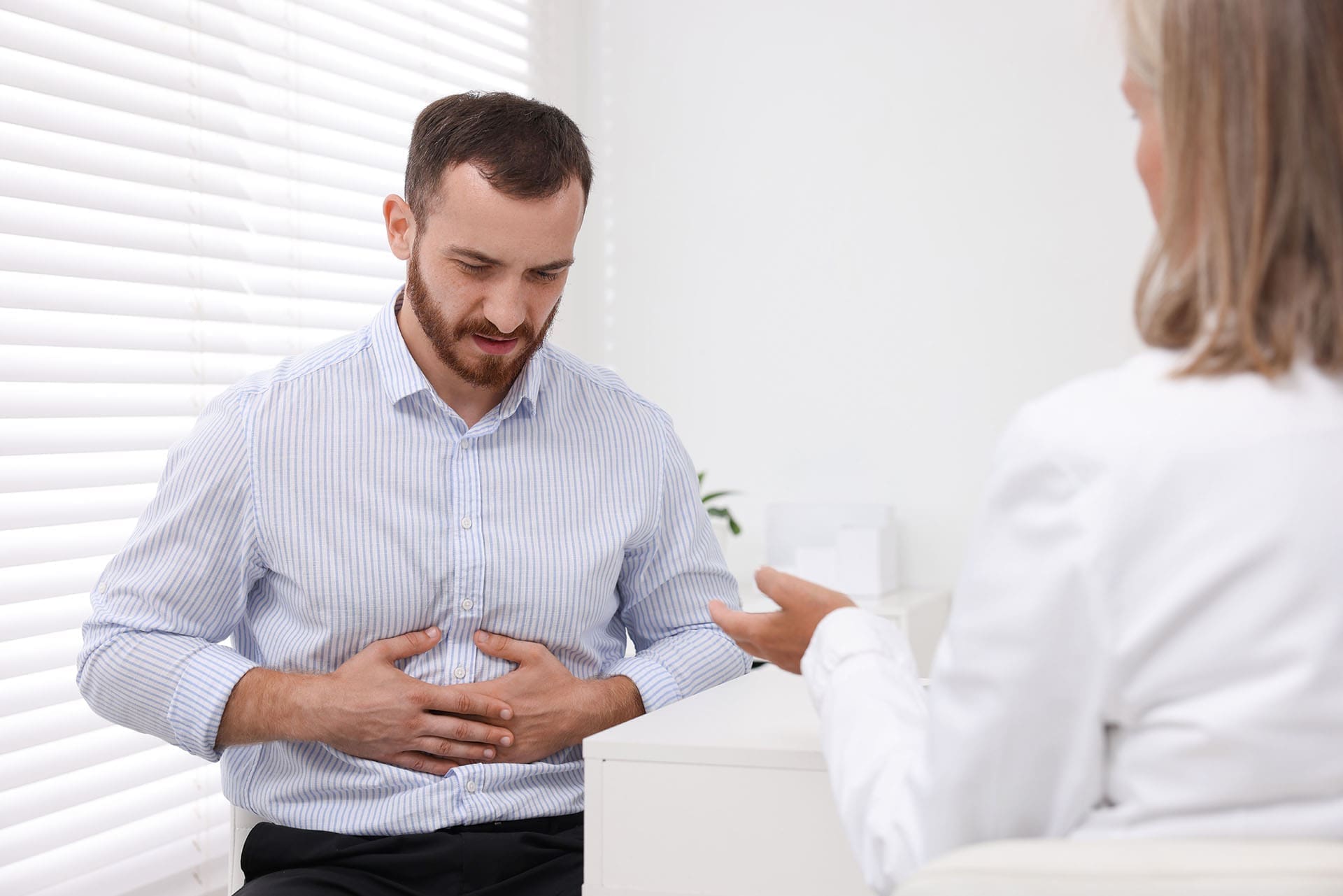
When people think about a traumatic brain injury (TBI), they often picture headaches, dizziness, or memory problems. But many patients are surprised when their stomach starts acting up after the injury. They may feel nauseous, lose their appetite, have constipation or diarrhea, or develop new bloating and pain that was never there before. Cognitive FX+1
These gut symptoms are not “in your head.” Both the brain and the gastrointestinal (GI) system can sustain injuries after a TBI. The gut lining may become “leaky,” gut bacteria can shift out of balance, and the enteric nervous system (the “little brain” in your gut) can stop working properly.Frontiers+3PMC+3PMC+3
At the same time, the gut sends signals back up to the brain through the vagus nerve, as well as immune and hormonal pathways. When the gut is inflamed or out of balance, it can send more “danger” signals that keep the brain in a stressed, inflamed state and may slow down the healing process. Frontiers+3PMC+3JC International+3
Integrative chiropractic care focuses on the whole person, not just one body part. By improving spinal alignment and nervous system function, chiropractors and nurse practitioners who practice in an integrative way aim to restore vagal tone, calm inflammation, and support healthy communication between the brain and gut. El Paso, TX Doctor Of Chiropractic+4Eugene Chiropractor+4Northwest Florida Physicians Group+4
1. The Brain–Gut Axis: How the Brain and Gut Talk to Each Other
The brain–gut axis is the two-way communication system between your brain, spinal cord, and digestive tract. It works through:
-
Nerves (especially the vagus nerve)
-
Hormones
-
Immune cells and inflammatory chemicals
-
Gut bacteria and the substances they produce PMC+2Psychology Today+2
The gut is lined with its own nervous system, called the enteric nervous system (ENS). This “second brain” controls digestion, gut movement, and blood flow. It communicates with the central nervous system (CNS) throughout the day. JC International+1
After a TBI, this carefully balanced system can start to break down. Signals from the injured brain can change gut movement, blood flow, and immune activity. In turn, changes in the gut can send stress signals back to the brain, perpetuating the inflammation cycle. PubMed+3PMC+3Frontiers+3
2. What Happens to the Gut After a TBI?
2.1 Leaky Gut: Increased Intestinal Permeability
Several studies have shown that TBI can increase intestinal permeability, commonly referred to as “leaky gut.” This means the tight junctions between gut lining cells become looser, allowing bacteria and toxins (like endotoxins) to escape into the bloodstream. PubMed+3PMC+3Frontiers+3
Researchers have found:
-
TBI can damage the intestinal barrier, leading to increased leakiness.
-
This leakiness is linked with a higher risk of infections, sepsis, and even multiple organ dysfunction. PubMed+3PMC+3Frontiers+3
When bacterial toxins enter the blood, the immune system reacts aggressively. This can trigger a systemic inflammatory response, which can also affect the brain and slow recovery.
2.2 Gut Dysbiosis: Imbalance in Gut Bacteria
The gut is home to trillions of microbes (the microbiome). After a brain injury, studies show that the microbiome often shifts into dysbiosis, an unhealthy imbalance of bacteria. Semantic Scholar+3PMC+3BioMed Central+3
Research highlights that:
-
Brain injury–driven inflammation and stress hormones can disturb the microbiome.
-
Dysbiosis can, in turn, send inflammatory and immune signals back to the brain, affecting mood, cognition, and healing. Frontiers+3PMC+3PMC+3
Some studies even report that restoring the microbiome using diet, probiotics, or fecal microbiota transplantation can improve neurological recovery in animal models. PMC+2BioMed Central+2
2.3 Enteric Nervous System and Motility Problems
TBI can also disrupt the enteric nervous system and the brain’s control over gut motility (movement). This can lead to:
-
Slowed movement (constipation, bloating)
-
Uncoordinated movement (cramping, alternating constipation and diarrhea).
-
Faster movement (urgent diarrhea) ScienceDirect+2Frontiers+2
A review of digestive disorders after brain injury notes that changes in nerve signaling, stress hormones, and immune chemicals can alter gut peristalsis (the wave-like contractions that move food through the intestines). ScienceDirect+2Frontiers+2
2.4 Common GI Symptoms After TBI
Clinical reports and patient-focused resources describe several common GI complaints after concussion or TBI: Psychology Today+3Cognitive FX+3Flint Rehab+3
-
Nausea and vomiting
-
Loss of appetite or early fullness
-
Heartburn and reflux
-
Bloating, gas, and cramping
-
Constipation or diarrhea
-
Unexplained abdominal pain
Some patients also struggle to maintain proper nutrition due to low appetite, food fears, or sensory issues with taste and smell after TBI. Cognitive FX+2Psychology Today+2
3. How Gut Changes Can Worsen Brain Inflammation
3.1 Systemic Inflammation and the “Second Hit”
After a TBI, the brain faces both a primary injury (the initial impact) and secondary injury processes, including inflammation, oxidative stress, and excitotoxicity. If the gut becomes leaky and dysbiotic, it can act as a “second hit” by releasing inflammatory molecules and bacterial toxins into the bloodstream, which then circulate to the brain. Frontiers+3JC International+3PMC+3
Studies in animals and humans suggest that:
-
Gut barrier breakdown leads to higher levels of endotoxins and immune activation.
-
This systemic inflammation can worsen brain swelling, microglial activation, and neuronal damage. Frontiers+3PMC+3BioMed Central+3
3.2 Microglia, Immune Cells, and the Brain–Gut Loop
Microglia are immune cells inside the brain. They help with cleanup and repair, but when overactivated, they can damage healthy neurons. Gut dysbiosis appears to affect microglial activity through immune and metabolic signals. PMC+2BioMed Central+2
Researchers have found that:
-
TBI-induced dysbiosis can keep microglia in a “primed,” inflammatory state.
-
Targeting the microbiome may help calm these cells and promote better neurological recovery. PMC+2BioMed Central+2
3.3 Digestive Disorders and Multi-Organ Stress
Severe digestive complications after TBI, such as GI bleeding, ileus (paralyzed gut), or infections, can contribute to multi-organ dysfunction syndrome (MODS) and worsen outcomes. Frontiers+2PubMed+2
Even in milder brain injuries, ongoing low-grade gut inflammation can:
-
Keep the nervous system in “fight-or-flight” mode
-
Increase fatigue and brain fog
-
Make mood and pain symptoms harder to manage Psychology Today+3Flint Rehab+3Psychology Today+3
4. The Gut–Brain–Spine Connection: Where Chiropractic Care Fits In
Recent articles and clinical discussions have highlighted the gut–brain–spine connection. This concept recognizes the close interconnection between spinal alignment, nervous system balance, and gut health. Dynamic Chiropractic+3Psychology Today+3Psychology Today+3
Key points include:
-
The vagus nerve exits the brainstem and travels through the neck and chest to the gut.
-
Spinal misalignments and tension, especially in the cervical and upper thoracic spine, may affect autonomic (automatic) nervous system balance.
-
When the autonomic nervous system is out of balance, digestive functions such as motility, blood flow, and enzyme secretion can be disrupted. Psychology Today+3Eugene Chiropractor+3Northwest Florida Physicians Group+3
Psychology Today recently highlighted research on how spinal health and chiropractic care may influence mental health, stress, and gut–brain regulation. Psychology Today+2Psychology Today+2
Chiropractic-focused articles also explain how adjusting spinal misalignments can help reduce nerve interference, support vagal tone, and improve gastrointestinal symptoms such as bloating, constipation, and reflux by normalizing the nervous system’s control of the gut. Eugene Chiropractor+2Northwest Florida Physicians Group+2
5. Integrative Chiropractic Care After TBI: Supporting the Brain–Gut Axis
Integrative chiropractic care combines spinal and musculoskeletal adjustments with lifestyle modifications, nutrition guidance, functional medicine, and close coordination with other healthcare professionals. Dr. Alexander Jimenez, DC, APRN, FNP-BC, is a dual-scope provider (chiropractor and nurse practitioner) whose clinical work focuses on personal injury, neurological issues, gut health, and functional medicine in El Paso, Texas. El Paso, TX Doctor Of Chiropractic
Drawing from the scientific literature and the kind of integrative approach used in Dr. Jimenez’s clinic, care after TBI and gut disruption often focuses on several pillars:
5.1 Restoring Nervous System Balance and Vagal Tone
Spinal adjustments and soft-tissue techniques aim to:
-
Improve joint motion and reduce mechanical stress in the spine
-
Decrease muscle tension and irritation around nerve roots
-
Help normalize autonomic balance between “fight-or-flight” (sympathetic) and “rest-and-digest” (parasympathetic) systems Psychology Today+3Eugene Chiropractor+3Northwest Florida Physicians Group+3
Integrative chiropractic care can enhance the strength and flexibility of the vagus nerve, thereby improving communication between the brain and gut. Improved vagal activity is associated with better digestion, reduced inflammation, and a calmer mood. Eugene Chiropractor+3Psychology Today+3Psychology Today+3
5.2 Reducing Inflammation and Mechanical Stress
TBI often creates a “whole-body” stress response. Patients may develop neck and back tension, headaches, and altered posture, which can further strain the nervous system. Frontiers+3Flint Rehab+3Northwest Florida Physicians Group+3
Chiropractic and rehabilitative care can provide assistance in the following ways:
-
Improving spinal alignment to reduce mechanical load
-
Decreasing nociceptive (pain) input to the brain
-
Supporting better breathing mechanics and rib motion, which can influence vagal and autonomic tone
Lowering mechanical and pain stress may help reduce overall inflammatory signaling, which can be helpful for both brain and gut recovery. El Paso, TX Doctor Of Chiropractic+3Northwest Florida Physicians Group+3Psychology Today+3
5.3 Supporting Gut Motility and Digestive Comfort
Through improved autonomic balance, some patients notice changes such as the following:
-
More regular bowel movements
-
Less bloating and gas
-
Reduced abdominal tension or cramping Psychology Today+3Eugene Chiropractor+3Northwest Florida Physicians Group+3
Some chiropractic and integrative clinics also include:
-
Gentle abdominal massage or visceral techniques
-
Breathing exercises to strengthen the diaphragm and improve pressure patterns in the abdomen
-
Postural training to reduce compression through the chest and abdomen
These methods aim to assist the normal wave-like motion of the intestines and improve blood flow and lymphatic drainage.
5.4 Functional and Nutritional Support
Research on diet, microbiome, and brain recovery indicates that nutrition plays a crucial role in TBI healing and gut repair. Flint Rehab+3PMC+3Psychology Today+3
Integrative providers like Dr. Jimenez often collaborate on or recommend:
-
Anti-inflammatory diets rich in whole foods, vegetables, fruits, lean proteins, healthy fats, and omega-3s
-
Fiber-rich foods (if tolerated) to support healthy gut bacteria and motility
-
Targeted nutrients like omega-3 fatty acids, polyphenols, and certain vitamins or minerals, as appropriate
-
Probiotic or prebiotic support when indicated, based on symptoms and sometimes testing Flint Rehab+4PMC+4PMC+4
In some TBI patients, diet changes and gut-directed care appear to reduce brain fog, fatigue, and mood swings, likely by lowering systemic inflammation and stabilizing blood sugar and energy levels. Psychology Today+2Psychology Today+2
6. A Practical Integrative Plan After TBI and Gut Problems
Every patient is different, but a general integrative roadmap for someone with TBI and gut problems may look like this (to be tailored by their healthcare team):
6.1 Step 1: Medical and Neurological Evaluation
-
Rule out emergencies such as gastrointestinal bleeding, severe abdominal pain, or infections.
-
Assess the severity of the TBI and any other injuries.
-
Review medications (some pain drugs and anti-inflammatories can irritate the gut). Frontiers+2PubMed+2
6.2 Step 2: Gut and Nutrition Assessment
-
Review bowel habits, nausea, appetite, weight changes, and food triggers.
-
Screen for constipation, diarrhea, or alternating patterns of bowel movements.
-
Discuss diet quality, hydration, and tolerance for fiber and fats. Psychology Today+3Cognitive FX+3Flint Rehab+3
Some patients may also benefit from:
-
Stool tests to evaluate microbiome patterns
-
Bloodwork for nutrient levels, inflammation markers, and metabolic health
6.3 Step 3: Spinal and Musculoskeletal Assessment
In clinics like Dr. Jimenez’s, the provider evaluates: El Paso, TX Doctor Of Chiropractic+1
-
Cervical and thoracic alignment
-
Posture and movement patterns
-
Muscle tension around the neck, back, and diaphragm
Small changes in spinal motion and posture can have a big impact on how easily the nervous system regulates the gut.
6.4 Step 4: Coordinated Treatment Plan
A holistic care plan may include:
-
Chiropractic adjustments to improve spinal alignment and nervous system function
-
Soft tissue work and rehab exercises to normalize muscle tone and posture
-
Vagus nerve–supportive strategies, such as diaphragm breathing, humming, or cold exposure, when appropriate
-
Diet and lifestyle changes to calm inflammation and support microbiome balance
-
Collaboration with neurologists, gastroenterologists, psychologists, physical therapists, and other specialists as needed El Paso, TX Doctor Of Chiropractic+4PMC+4Psychology Today+4
7. When to Seek Immediate Care
While integrative and chiropractic care can be very helpful, some symptoms require urgent conventional medical attention. After a TBI, you should seek emergency or immediate care if you experience:
-
Vomiting that does not stop
-
Black, tarry stools or bright red blood in the stool
-
Severe or sudden abdominal pain
-
High fever, chills, or signs of sepsis (fast heart rate, confusion, low blood pressure)
-
Worsening neurological symptoms such as severe headache, confusion, weakness, or seizures Frontiers+2PubMed+2
Integrative chiropractic care is meant to complement, not replace, emergency or needed medical treatment.
8. Bringing It All Together: Healing the Brain by Healing the Gut (and Spine)
Following a traumatic brain injury, the gut often endures silent suffering. Increased intestinal permeability, microbiome imbalance, and disrupted gut nerves can lead to significant digestive problems, including nausea, constipation, diarrhea, and abdominal pain. These gut changes don’t just stay in the abdomen—they can send inflammatory and stress signals back to the brain, feeding a cycle that slows healing. Frontiers+4PMC+4PMC+4
By addressing both brain and gut, and by recognizing the role of the spine and nervous system in this loop, integrative chiropractic care offers a practical path forward. Spinal adjustments, balancing the nervous system, specific nutrition, and changes in lifestyle can help improve vagal tone, lower inflammation, and enhance communication between the gut, brain, and El Paso, TX Doctor Of Chiropractic+5Psychology Today+5Psychology Today+5
Patients working with a dual-scope clinician, such as Dr. Alexander Jimenez, DC, APRN, FNP-BC, can benefit from both chiropractic and medical perspectives. This kind of team-based, whole-person approach can be especially valuable for those struggling with both TBI symptoms and stubborn digestive issues. El Paso, TX Doctor Of Chiropractic+2Flint Rehab+2
If you or someone you love has had a traumatic brain injury and now lives with gut problems, know that you are not alone—and that there are concrete steps that can support the brain, the gut, and the spine together.
References
Cognitive FX. (2023). Post-concussion stomach problems: Loss of appetite, pain, & more. Cognitive FX. https://www.cognitivefxusa.com/blog/concussion-loss-of-appetite-and-other-stomach-problems Cognitive FX
Celorrio, M., et al. (2021). Gut microbial dysbiosis after traumatic brain injury modulates the immune response and neuroinflammation. Acta Neuropathologica Communications. https://actaneurocomms.biomedcentral.com/articles/10.1186/s40478-021-01137-2 BioMed Central
Flint Rehab. (2023). Brain injury and gut health: Connecting the brain–gut axis. Flint Rehab. https://www.flintrehab.com/brain-injury-and-gut-health/ Flint Rehab
Heuer Fischer Law. (2023). TBI and gut health. Heuer Fischer. https://heuerfischer.com/firm-overview/blog/tbi-and-gut-health/ heuerfischer.com
Jiang, R., et al. (2015). The gut reaction to traumatic brain injury. Frontiers in Cellular Neuroscience. https://pmc.ncbi.nlm.nih.gov/articles/PMC5019014/ PMC
Lin, Y., et al. (2024). Research progress on digestive disorders following traumatic brain injury. Frontiers in Immunology. https://www.frontiersin.org/articles/10.3389/fimmu.2024.1524495/full Frontiers
Krakovski, M. A., et al. (2022). Diet–microbiome–gut–brain nexus in acute and chronic brain injury. Nutritional Neuroscience. https://pmc.ncbi.nlm.nih.gov/articles/PMC9523267/ PMC
Northwest Florida Physicians Group. (2022). Using chiropractic care to treat traumatic brain injuries. Northwest Florida Physicians Group. https://northwestfloridaphysiciansgroup.com/using-chiropractic-care-to-treat-traumatic-brain-injuries/ Northwest Florida Physicians Group
Psychology Today. (2025a). Fixing the gut–brain chaos after head injury. Your Brain on Food. https://www.psychologytoday.com/us/blog/your-brain-on-food/202501/fixing-the-gut-brain-chaos-after-head-injury Psychology Today
Psychology Today. (2025b). The gut–brain–spine connection: How chiropractic care may improve mental health. The Leading Edge. https://www.psychologytoday.com/us/blog/the-leading-edge/202503/the-gut-brain-spine-connection Psychology Today+1
Treangen, T. J., et al. (2018). Traumatic brain injury in mice induces acute bacterial dysbiosis within the fecal microbiome. Frontiers in Immunology. https://www.frontiersin.org/articles/10.3389/fimmu.2018.02757/full Frontiers
Bansal, V., et al. (2009). Traumatic brain injury and intestinal dysfunction. Journal of Neurotrauma. https://pubmed.ncbi.nlm.nih.gov/19344293/ PubMed
Zheng, Z., et al. (2022). Gut microbiota dysbiosis after traumatic brain injury. (Study summary). https://pmc.ncbi.nlm.nih.gov/articles/PMC9459947/ PMC
Eugene Chiropractic. (2021). Can chiropractic care improve your gut health? Eugene Chiropractic. https://www.eugenechiropractor.com/blog/posts/can-chiropractic-care-improve-your-gut-health Eugene Chiropractor
Dynamic Chiropractic. (2025). Chiropractic featured in Psychology Today: The Gut–Brain–Spine Connection. Dynamic Chiropractic. https://dynamicchiropractic.com/article/102695-chiropractic-featured-in-psychology-today Dynamic Chiropractic
The Journal of Clinical Investigation. (2021). Brain–gut axis dysfunction in the pathogenesis of traumatic brain injury. JCI. https://www.jci.org/articles/view/143777 JC International
Iftikhar, P. M., et al. (2020). Traumatic brain injury causing intestinal dysfunction. Best Practice & Research Clinical Anaesthesiology. https://www.sciencedirect.com/science/article/abs/pii/S0967586820313576 ScienceDirect
Wenk, G. L. (2017). Nutritional therapies for traumatic brain injury. Psychology Today. https://www.psychologytoday.com/us/blog/your-brain-on-food/201712/nutritional-therapies-for-traumatic-brain-injury Psychology Today
Jimenez, A. (n.d.). El Paso, TX chiropractor Dr. Alex Jimenez DC – Personal injury and functional medicine specialist. DrAlexJimenez.com. https://dralexjimenez.com/ El Paso, TX Doctor Of Chiropractic
Post Disclaimers
General Disclaimer, Licenses and Board Certifications *
Professional Scope of Practice *
The information herein on "Traumatic Brain Injury and Gut Health Symptoms" is not intended to replace a one-on-one relationship with a qualified health care professional or licensed physician and is not medical advice. We encourage you to make healthcare decisions based on your research and partnership with a qualified healthcare professional.
Blog Information & Scope Discussions
Welcome to El Paso's Premier Wellness and Injury Care Clinic & Wellness Blog, where Dr. Alex Jimenez, DC, FNP-C, a Multi-State board-certified Family Practice Nurse Practitioner (FNP-BC) and Chiropractor (DC), presents insights on how our multidisciplinary team is dedicated to holistic healing and personalized care. Our practice aligns with evidence-based treatment protocols inspired by integrative medicine principles, similar to those on this site and on our family practice-based chiromed.com site, focusing on naturally restoring health for patients of all ages.
Our areas of multidisciplinary practice include Wellness & Nutrition, Chronic Pain, Personal Injury, Auto Accident Care, Work Injuries, Back Injury, Low Back Pain, Neck Pain, Migraine Headaches, Sports Injuries, Severe Sciatica, Scoliosis, Complex Herniated Discs, Fibromyalgia, Chronic Pain, Complex Injuries, Stress Management, Functional Medicine Treatments, and in-scope care protocols.
Our information scope is multidisciplinary, focusing on musculoskeletal and physical medicine, wellness, contributing etiological viscerosomatic disturbances within clinical presentations, associated somato-visceral reflex clinical dynamics, subluxation complexes, sensitive health issues, and functional medicine articles, topics, and discussions.
We provide and present clinical collaboration with specialists from various disciplines. Each specialist is governed by their professional scope of practice and their jurisdiction of licensure. We use functional health & wellness protocols to treat and support care for musculoskeletal injuries or disorders.
Our videos, posts, topics, and insights address clinical matters and issues that are directly or indirectly related to our clinical scope of practice.
Our office has made a reasonable effort to provide supportive citations and has identified relevant research studies that support our posts. We provide copies of supporting research studies upon request to regulatory boards and the public.
We understand that we cover matters that require an additional explanation of how they may assist in a particular care plan or treatment protocol; therefore, to discuss the subject matter above further, please feel free to ask Dr. Alex Jimenez, DC, APRN, FNP-BC, or contact us at 915-850-0900.
We are here to help you and your family.
Blessings
Dr. Alex Jimenez DC, MSACP, APRN, FNP-BC*, CCST, IFMCP, CFMP, ATN
email: [email protected]
Multidisciplinary Licensing & Board Certifications:
Licensed as a Doctor of Chiropractic (DC) in Texas & New Mexico*
Texas DC License #: TX5807, Verified: TX5807
New Mexico DC License #: NM-DC2182, Verified: NM-DC2182
Multi-State Advanced Practice Registered Nurse (APRN*) in Texas & Multi-States
Multi-state Compact APRN License by Endorsement (42 States)
Texas APRN License #: 1191402, Verified: 1191402 *
Florida APRN License #: 11043890, Verified: APRN11043890 *
Colorado License #: C-APN.0105610-C-NP, Verified: C-APN.0105610-C-NP
New York License #: N25929, Verified N25929
License Verification Link: Nursys License Verifier
* Prescriptive Authority Authorized
ANCC FNP-BC: Board Certified Nurse Practitioner*
Compact Status: Multi-State License: Authorized to Practice in 40 States*
Graduate with Honors: ICHS: MSN-FNP (Family Nurse Practitioner Program)
Degree Granted. Master's in Family Practice MSN Diploma (Cum Laude)
Dr. Alex Jimenez, DC, APRN, FNP-BC*, CFMP, IFMCP, ATN, CCST
My Digital Business Card
Licenses and Board Certifications:
DC: Doctor of Chiropractic
APRNP: Advanced Practice Registered Nurse
FNP-BC: Family Practice Specialization (Multi-State Board Certified)
RN: Registered Nurse (Multi-State Compact License)
CFMP: Certified Functional Medicine Provider
MSN-FNP: Master of Science in Family Practice Medicine
MSACP: Master of Science in Advanced Clinical Practice
IFMCP: Institute of Functional Medicine
CCST: Certified Chiropractic Spinal Trauma
ATN: Advanced Translational Neutrogenomics
Memberships & Associations:
TCA: Texas Chiropractic Association: Member ID: 104311
AANP: American Association of Nurse Practitioners: Member ID: 2198960
ANA: American Nurse Association: Member ID: 06458222 (District TX01)
TNA: Texas Nurse Association: Member ID: 06458222
NPI: 1205907805
| Primary Taxonomy | Selected Taxonomy | State | License Number |
|---|---|---|---|
| No | 111N00000X - Chiropractor | NM | DC2182 |
| Yes | 111N00000X - Chiropractor | TX | DC5807 |
| Yes | 363LF0000X - Nurse Practitioner - Family | TX | 1191402 |
| Yes | 363LF0000X - Nurse Practitioner - Family | FL | 11043890 |
| Yes | 363LF0000X - Nurse Practitioner - Family | CO | C-APN.0105610-C-NP |
| Yes | 363LF0000X - Nurse Practitioner - Family | NY | N25929 |
Dr. Alex Jimenez, DC, APRN, FNP-BC*, CFMP, IFMCP, ATN, CCST
My Digital Business Card




Comments are closed.