

Neuropathy of the Gut After Trauma and Injury

Neuropathy of the Gut After Injury: A Practical Guide for Patients, Adjusters, and Attorneys

Why the condition matters in personal injury cases
After motor vehicle collisions (MVCs), work injuries, or sports impacts, many people report new or worsening digestive problems—early fullness, nausea, bloating, reflux, constipation, or diarrhea. Sometimes these symptoms reflect neuropathy in the gut’s nerves, also called enteric or autonomic neuropathy. These nerve problems can arise in people with pre-existing risks (like diabetes) and may be unmasked or aggravated by trauma, inflammation, stress load, medication changes, or reduced activity during recovery (NIDDK, 2018; Camilleri, 2021). For claims, this can affect treatment needs, disability duration, and documentation.
This guide explains what’s going on, how clinicians test for it, and how integrated musculoskeletal and medical care can help you function better—while also producing clear records that support medical necessity in a personal injury context.
Plain-English overview: your gut’s “autopilot”
The digestive tract is controlled by two connected systems:
-
The enteric nervous system (ENS)—millions of nerves and supporting glial cells inside the gut wall that coordinate movement, mixing, enzyme release, and blood flow.
-
The autonomic nervous system (ANS)—“automatic” nerves that help regulate organs, including the gut.
When these nerves are injured or stop working well, the timing and coordination of digestion break down. Outcomes include gastroparesis (slow stomach), constipation, diarrhea, bloating, nausea, and sometimes swallowing problems (Stanford Health Care, n.d.; NIDDK, 2018). Many patients also notice autonomic clues elsewhere, like lightheadedness on standing or sweating changes (NIDDK, 2018).
How injuries can interact with gut neuropathy
-
Stress response & pain can raise sympathetic tone, tightening the abdominal wall and disturbing gut reflexes.
-
Reduced activity after an injury (bracing, guarding, bed rest) slows gut transit.
-
Medications (e.g., certain pain meds) can worsen constipation or nausea.
-
Inflammation from trauma—local or systemic—can alter glial–neuronal signaling in the ENS and shift motility (Camilleri, 2021).
-
Pre-existing risks (especially diabetes) increase the chance of autonomic/enteric nerve involvement (Azpiroz & Malagelada, 2016; NIDDK, 2018).
-
Nutritional changes during recovery (low appetite, restricted foods) may reduce key nutrients (e.g., B12, vitamin E) linked with neuropathy risk (Carlotta et al., 2018).
In short: an injury may not cause enteric neuropathy by itself, but it frequently triggers or amplifies symptoms in vulnerable people—and that matters for both care and documentation.
What it feels like (common patterns)
-
Stomach/“gastroparesis” signs: Early fullness, nausea, vomiting undigested food, appetite loss, weight swings (Stanford Health Care, n.d.; Azpiroz & Malagelada, 2016).
-
Small-bowel dysmotility: Bloating, distension, cramping; sometimes SIBO with gas and diarrhea (Camilleri, 2021).
-
Colon/rectum dysmotility: Constipation, diarrhea, or alternating patterns; urgency or leakage if rectal sensation/coordination are affected (NIDDK, 2018).
Symptoms often flare with large meals, stress, or inactivity and improve with smaller meals and gentle movement (Camilleri, 2021).
Major medical drivers (and why PI clinicians look for them)
-
Diabetes – the most common cause worldwide; chronically high glucose injures small vessels and nerves, including those that control gut motility (Azpiroz & Malagelada, 2016; NIDDK, 2018).
-
Autoimmune/inflammatory processes – immune activity can target nerve receptors or ion channels, changing motility and sensitivity (Camilleri, 2021).
-
Infections and small-fiber neuropathy – can disturb gut barrier and ENS signaling, adding to dysmotility (Massachusetts General Hospital—Pathways, 2022).
-
Nutrient deficits & malabsorption – low B12, vitamin E, and others increase neuropathy risk; malabsorption states carry neurologic complications (Carlotta et al., 2018).
-
Toxins/medications – some chemotherapy agents and toxins damage autonomic/peripheral nerves; patients may note limb numbness and new bowel changes (Camilleri, 2021; Piedmont Healthcare, n.d.).
Personal injury teams screen for these co-factors because they influence causation opinions, apportionment, and future medicals.
How clinicians make the diagnosis (and document it)
1) History & exam
Map symptom timing, meal patterns, hydration, weight change, stress/sleep, injuries, and medication exposures. Screen for red flags (GI bleeding, dehydration, rapid weight loss). Check for neuropathy signs in feet/hands and for posture/breathing patterns that raise abdominal pressure (NIDDK, 2018; Stanford Health Care, n.d.).
2) Lab studies
A1c/glucose, thyroid panel, B12, folate, vitamin E, iron studies, and inflammation/autoimmunity markers as indicated (Carlotta et al., 2018).
3) Motility and autonomic testing
-
Gastric emptying scintigraphy or breath test for suspected gastroparesis (Azpiroz & Malagelada, 2016).
-
Manometry or wireless motility capsule for small bowel/colon dysmotility (Camilleri, 2021).
-
Autonomic testing when broader dysautonomia is suspected (NIDDK, 2018).
4) Imaging & special studies
Abdominal imaging as needed; in complex cases, targeted evaluation of barrier integrity or small-fiber neuropathy may be considered (Massachusetts General Hospital—Pathways, 2022).
Documentation notes for PI files:
-
Objective test names/dates/results, not just impressions.
-
Functional impact (missed work, lifting/standing limits, bathroom access needs).
-
Treatment response tracked over time (e.g., symptom scales, meal tolerance, step counts).
-
Clear rationale for continued care or referrals.
Treatment that works in the real world
A) Address the driver
-
Diabetes optimization; coordinate medications and nutrition (NIDDK, 2018).
-
Manage autoimmune/inflammatory processes per specialist (Camilleri, 2021).
-
Replete B12, vitamin E, and other deficits (Carlotta et al., 2018).
-
Treat post-infectious issues and SIBO when present (Camilleri, 2021).
B) Calm the symptoms
-
Gastroparesis: smaller, more frequent meals; softer textures and liquids; lower fat/fiber during flares; consider prokinetics/anti-nausea meds (Stanford Health Care, n.d.; Azpiroz & Malagelada, 2016).
-
Constipation: fluids, fiber as tolerated, osmotic laxatives; short-term stimulants; consider pelvic-floor rehab if outlet dysfunction (NIDDK, 2018).
-
Diarrhea: hydration/electrolytes, appropriate antidiarrheals; assess malabsorption/SIBO (Camilleri, 2021).
-
Bloating/pain: identify triggers; gentle movement and breathing drills; targeted medications when indicated (Camilleri, 2021).
C) Rebuild function
-
5–10 minutes of easy walking after meals to aid gas transit and reduce distension.
-
Breathing practice (calm nasal, diaphragmatic breathing) to lower stress tone and abdominal guarding.
-
Sleep/stress routines to stabilize autonomic balance.
Where chiropractic integrative care fits (supporting role)
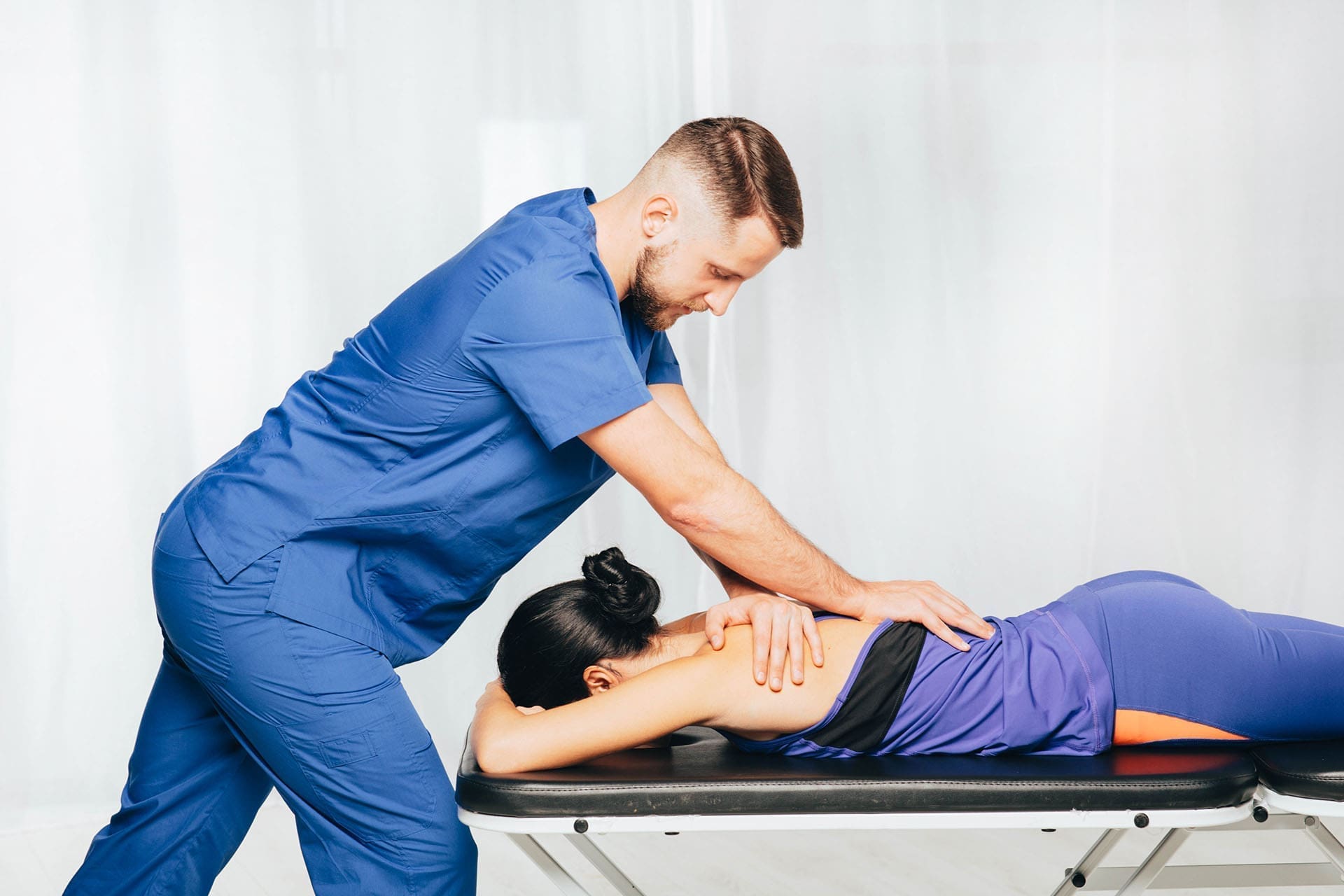
Chiropractic integrative care does not claim to “cure” enteric neuropathy. It supports the medical plan by improving the musculoskeletal foundation that influences comfort, posture, and the body’s stress response:
-
Spinal and rib mobilization/manipulation (as appropriate) to free motion, support diaphragm mechanics, and reduce abdominal wall tension.
-
Soft-tissue therapy for paraspinals, diaphragm attachments, and hip flexors that can increase pressure or reflux-like discomfort.
-
Rehabilitation exercises for posture, core endurance, and hip stability—so patients can walk after meals, tolerate daily tasks, and return to activity.
-
Education and pacing to prevent over-exertion and flare-ups.
In PI settings, this approach can help patients function better while the medical team addresses underlying drivers—and it yields measurable milestones (range-of-motion, walking tolerance, symptom logs) that strengthen the medical record (AdvPainMD, 2025; Camilleri, 2021).
Building a PI-ready care pathway (what our network emphasizes)
-
Intake & screening
-
Injury timeline, symptom mapping, red-flag check.
-
Diabetes/thyroid history, medications, diet/sleep/mobility snapshot.
-
-
Testing & referrals
-
Order appropriate labs and motility/autonomic studies; coordinate GI and neurology input as needed.
-
Use imaging judiciously to clarify pain sources and guide safe progressions.
-
-
Integrated plan
-
Medical: glucose control, nutrient repletion, SIBO care, symptom medications.
-
Chiropractic/rehab: mobility, soft-tissue care, graded walking, breathing drills, ergonomic coaching.
-
-
Documentation
-
Objective findings before/after care, patient-reported outcomes, therapy adherence.
-
Work status, restrictions, and return-to-function markers.
-
Clear justification for ongoing visits if criteria are met.
-
-
Case coordination
-
Communication with primary care, GI, and other specialists.
-
Organized records for adjusters/attorneys when requested.
-
Return-to-work & activity guidance (examples)
-
Desk or light duty: frequent brief walk breaks, upright posture supports, small meals/snacks, hydration plan, access to restroom.
-
Standing roles: anti-fatigue mat, micro-breaks, gentle rib/diaphragm stretches, meal pacing to avoid large pre-shift meals.
-
Driving-heavy jobs: short post-meal walks before long trips, planned hydration/restroom stops, and breathing drills at stoplights.
-
Progression: monitor tolerance; add time and intensity slowly; adjust plan if symptoms flare.
When to seek urgent evaluation
-
Persistent vomiting, signs of dehydration, or inability to keep liquids down
-
Black or bloody stools, severe abdominal pain, or rapid unintentional weight loss
-
Severe dizziness or fainting on standing (possible serious autonomic involvement)
(Stanford Health Care, n.d.; NIDDK, 2018)
Bottom line
-
Gut neuropathy symptoms often emerge or worsen after injury due to stress, inactivity, meds, and pre-existing risks.
-
Best outcomes come from two tracks: treat the medical driver and rebuild daily function.
-
Chiropractic integrative care supports comfort, posture, breathing, and movement capacity—helping patients follow medical plans and return to life and work.
-
Thorough testing, tracking, and documentation protect patients and strengthen the claim with objective evidence.
References
Azpiroz, F., & Malagelada, C. (2016). Diabetic neuropathy in the gut: Pathogenesis and diagnosis. Diabetologia, 59(3), 404–408.
Camilleri, M. (2021). Gastrointestinal motility disorders in neurologic disease. Mayo Clinic Proceedings.
Carlotta, S., et al. (2018). Peripheral neuropathy and gastroenterologic disorders. Acta Bio Medica.
Massachusetts General Hospital—Pathways Case Record Team. (2022). Small fiber neuropathy and recurrent GI infections. Advances in Motion.
National Institute of Diabetes and Digestive and Kidney Diseases. (2018). Autonomic neuropathy.
Piedmont Healthcare. (n.d.). The most common causes of peripheral neuropathy.
Stanford Health Care. (n.d.). Autonomic neuropathy: Gastrointestinal symptoms.
United European Gastroenterology Journal (review). (2024). Small intestine dysfunction & small-bowel dysmotility.
AdvPainMD. (2025). The link between digestion problems and neuropathy.
Post Disclaimers
General Disclaimer, Licenses and Board Certifications *
Professional Scope of Practice *
The information herein on "Neuropathy of the Gut After Trauma and Injury" is not intended to replace a one-on-one relationship with a qualified health care professional or licensed physician and is not medical advice. We encourage you to make healthcare decisions based on your research and partnership with a qualified healthcare professional.
Blog Information & Scope Discussions
Welcome to El Paso's Premier Wellness and Injury Care Clinic & Wellness Blog, where Dr. Alex Jimenez, DC, FNP-C, a Multi-State board-certified Family Practice Nurse Practitioner (FNP-BC) and Chiropractor (DC), presents insights on how our multidisciplinary team is dedicated to holistic healing and personalized care. Our practice aligns with evidence-based treatment protocols inspired by integrative medicine principles, similar to those on this site and on our family practice-based chiromed.com site, focusing on naturally restoring health for patients of all ages.
Our areas of multidisciplinary practice include Wellness & Nutrition, Chronic Pain, Personal Injury, Auto Accident Care, Work Injuries, Back Injury, Low Back Pain, Neck Pain, Migraine Headaches, Sports Injuries, Severe Sciatica, Scoliosis, Complex Herniated Discs, Fibromyalgia, Chronic Pain, Complex Injuries, Stress Management, Functional Medicine Treatments, and in-scope care protocols.
Our information scope is multidisciplinary, focusing on musculoskeletal and physical medicine, wellness, contributing etiological viscerosomatic disturbances within clinical presentations, associated somato-visceral reflex clinical dynamics, subluxation complexes, sensitive health issues, and functional medicine articles, topics, and discussions.
We provide and present clinical collaboration with specialists from various disciplines. Each specialist is governed by their professional scope of practice and their jurisdiction of licensure. We use functional health & wellness protocols to treat and support care for musculoskeletal injuries or disorders.
Our videos, posts, topics, and insights address clinical matters and issues that are directly or indirectly related to our clinical scope of practice.
Our office has made a reasonable effort to provide supportive citations and has identified relevant research studies that support our posts. We provide copies of supporting research studies upon request to regulatory boards and the public.
We understand that we cover matters that require an additional explanation of how they may assist in a particular care plan or treatment protocol; therefore, to discuss the subject matter above further, please feel free to ask Dr. Alex Jimenez, DC, APRN, FNP-BC, or contact us at 915-850-0900.
We are here to help you and your family.
Blessings
Dr. Alex Jimenez DC, MSACP, APRN, FNP-BC*, CCST, IFMCP, CFMP, ATN
email: [email protected]
Multidisciplinary Licensing & Board Certifications:
Licensed as a Doctor of Chiropractic (DC) in Texas & New Mexico*
Texas DC License #: TX5807, Verified: TX5807
New Mexico DC License #: NM-DC2182, Verified: NM-DC2182
Multi-State Advanced Practice Registered Nurse (APRN*) in Texas & Multi-States
Multi-state Compact APRN License by Endorsement (42 States)
Texas APRN License #: 1191402, Verified: 1191402 *
Florida APRN License #: 11043890, Verified: APRN11043890 *
Colorado License #: C-APN.0105610-C-NP, Verified: C-APN.0105610-C-NP
New York License #: N25929, Verified N25929
License Verification Link: Nursys License Verifier
* Prescriptive Authority Authorized
ANCC FNP-BC: Board Certified Nurse Practitioner*
Compact Status: Multi-State License: Authorized to Practice in 40 States*
Graduate with Honors: ICHS: MSN-FNP (Family Nurse Practitioner Program)
Degree Granted. Master's in Family Practice MSN Diploma (Cum Laude)
Dr. Alex Jimenez, DC, APRN, FNP-BC*, CFMP, IFMCP, ATN, CCST
My Digital Business Card
Licenses and Board Certifications:
DC: Doctor of Chiropractic
APRNP: Advanced Practice Registered Nurse
FNP-BC: Family Practice Specialization (Multi-State Board Certified)
RN: Registered Nurse (Multi-State Compact License)
CFMP: Certified Functional Medicine Provider
MSN-FNP: Master of Science in Family Practice Medicine
MSACP: Master of Science in Advanced Clinical Practice
IFMCP: Institute of Functional Medicine
CCST: Certified Chiropractic Spinal Trauma
ATN: Advanced Translational Neutrogenomics
Memberships & Associations:
TCA: Texas Chiropractic Association: Member ID: 104311
AANP: American Association of Nurse Practitioners: Member ID: 2198960
ANA: American Nurse Association: Member ID: 06458222 (District TX01)
TNA: Texas Nurse Association: Member ID: 06458222
NPI: 1205907805
| Primary Taxonomy | Selected Taxonomy | State | License Number |
|---|---|---|---|
| No | 111N00000X - Chiropractor | NM | DC2182 |
| Yes | 111N00000X - Chiropractor | TX | DC5807 |
| Yes | 363LF0000X - Nurse Practitioner - Family | TX | 1191402 |
| Yes | 363LF0000X - Nurse Practitioner - Family | FL | 11043890 |
| Yes | 363LF0000X - Nurse Practitioner - Family | CO | C-APN.0105610-C-NP |
| Yes | 363LF0000X - Nurse Practitioner - Family | NY | N25929 |
Dr. Alex Jimenez, DC, APRN, FNP-BC*, CFMP, IFMCP, ATN, CCST
My Digital Business Card






Comments are closed.