

Metabolic Health: What You Should Know About Obesity & Diabetes


Explore the connection between obesity and diabetes while discovering ways to improve your well-being and your metabolic health.
Abstract
I am Dr. Alex Jimenez, DC, APRN, FNP-BC, CFMP, IFMCP, ATN, CCST. In this educational post, I guide you through the modern science connecting obesity, prediabetes/type 2 diabetes, and cardiovascular disease, and how these conditions converge through shared physiology—particularly chronic inflammation, insulin resistance, metabolic dysfunction, and hormonal imbalance. I present a practical, patient-centered model that integrates chiropractic care, functional medicine, medical oversight, rehabilitation, and personal injury services at Injury Medical Clinic PA (Mission Plaza Injury Medical Clinic) in El Paso, Texas. Our collaborative care is led by me and Dr. Maria Guadalupe Cardenas, MD (Board Certified in Internal Medicine, NPI #1164426749, Texas MD License #J2933), our Medical Director and Collaborative Physician, who brings over 40 years of experience in internal medicine. Drawing on recent evidence from leading researchers, I explain why treating obesity as a chronic disease is essential for preventing diabetes and cardiovascular events; how modern pharmacotherapies such as GLP-1 receptor agonists and tirzepatide transform outcomes; and how integrative chiropractic care makes movement safe and sustainable, accelerates functional recovery, and supports long-term metabolic health.
Our Integrative Clinic in El Paso: A Collaborative Model That Treats the Whole Person
At Injury Medical Clinic PA, also known as Mission Plaza Injury Medical Clinic in El Paso, Texas, we offer a comprehensive, patient-centered, multidisciplinary approach. I’m a Doctor of Chiropractic with advanced certifications in nursing and functional medicine—DC, APRN, FNP-BC, CFMP, IFMCP, ATN, CCST—which allows me to address structural, neurological, and metabolic drivers of chronic disease. I work hand in hand with Dr. Maria Guadalupe Cardenas, MD (NPI #1164426749, Texas MD License #J2933), a Board-Certified Internist with four decades of clinical leadership experience. Dr. Cardenas is our Medical Director and Collaborative Physician, ensuring medical safety, evidence-based rigor, and appropriate pharmacologic management.

This MD-DC partnership is a modern hallmark of integrative and injury care: an internist provides medical direction while a chiropractor integrates musculoskeletal and functional medicine perspectives. Together, we treat the full spectrum of biochemical, structural, and behavioral influences on health.
Key elements of our care:
- Medical Oversight (Dr. Cardenas)
-
- Comprehensive diagnostics and risk stratification
- Evidence-based anti-obesity pharmacotherapy, diabetes and cardiovascular medication management
- Prevention and management of comorbidities such as hypertension, dyslipidemia, heart failure, and MASLD
- Integrative Chiropractic Care (Dr. Jimenez)
-
- Precision spinal and extremity adjustments to restore joint mechanics and reduce pain
- Soft tissue therapies, neuromuscular re-education, and corrective exercise
- Movement programming that lowers biomechanical stress so patients can safely reach physical activity targets that improve metabolic health
- Functional Medicine
-
- Root-cause assessment of genetics, environmental triggers, endocrine disruptors, sleep, stress, and nutrition
- Personalized protocols to rebalance hormones, reduce inflammation, restore gut health, and enhance mitochondrial function
- Rehabilitation and Personal Injury Care
-
- Injury recovery frameworks that improve posture, gait, core stability, and mobility
- Progressive loading plans built around pain thresholds and joint protection to raise training capacity and daily function.
In my clinical practice and public-facing work, I have long emphasized this integrated approach through my observations and articles at Personal Injury Doctor Group, and through professional insights shared on LinkedIn, where I discuss injury biomechanics, functional recovery, and the interface among pain management, movement, and metabolic health.
Obesity As a Chronic, Progressive Disease: Why Biology Drives Behavior
A pivotal mindset shift informs our entire care model: obesity is a chronic, progressive, and relapsing disease with biological drivers that dysregulate appetite, satiety, and energy expenditure. Traditional narratives suggest that overeating leads to obesity. Modern endocrinology shows the inverse often occurs: obesity causes overeating.
What does this mean physiologically?
- Homeostatic Regulation Becomes Impaired
-
- Under healthy conditions, weight is regulated by central mechanisms that adjust hunger signals and energy expenditure to maintain a stable set point. In obesity, hypothalamic inflammation and altered signaling impair satiety, increase ghrelin (hunger), and blunt responsiveness to leptin and GLP-1.
- First Hit: Endocrine Dysregulation
-
- Genetic susceptibility (over 200 identified genetic influences), environmental exposures, medications, sleep disruption, and psychosocial stress can “switch on” the physiology of obesity. The result: persistent hyperphagia, reduced satiety, and changes in metabolic efficiency that favor fat storage and impair fat mobilization.
- Second Hit: Metabolic Adaptation and Weight Defense
-
- As adiposity increases, the brain defends the higher weight as normal. During weight loss, the body counters with:
- Lower resting energy expenditure than predicted
- Increased ghrelin, reduced PYY, leptin signaling, and satiety hormones
- Heightened cravings and reduced fullness, especially at plateaus
- As adiposity increases, the brain defends the higher weight as normal. During weight loss, the body counters with:
This is biology, not a lack of willpower. It explains high relapse rates and why long-term care, including pharmacotherapy, is often necessary.
Clinical implications:
- Treat obesity early as a chronic disease requiring continuous management.
- Do not delay pharmacotherapy until “lifestyle fails”—this approach is inconsistent with diabetes and cardiology practice guidelines.
- Recognize obesogenic medications (e.g., sulfonylureas, TZDs, certain insulins, and beta-blockers like metoprolol) and prioritize weight-favorable options whenever possible.
Evidence highlights that GLP-1 receptor agonists and dual GIP/GLP-1 agonists target key endocrine pathways, restoring satiety, lowering intake, and improving insulin sensitivity. Studies such as the STEP trials and SURMOUNT-1 demonstrate clinically meaningful 15–20%+ total body weight loss and robust prevention of diabetes progression over multi-year follow-up (Wilding et al., 2021; Jastreboff et al., 2022).
Shared Pathophysiology: The Triad of Obesity, Diabetes, and Cardiovascular Disease
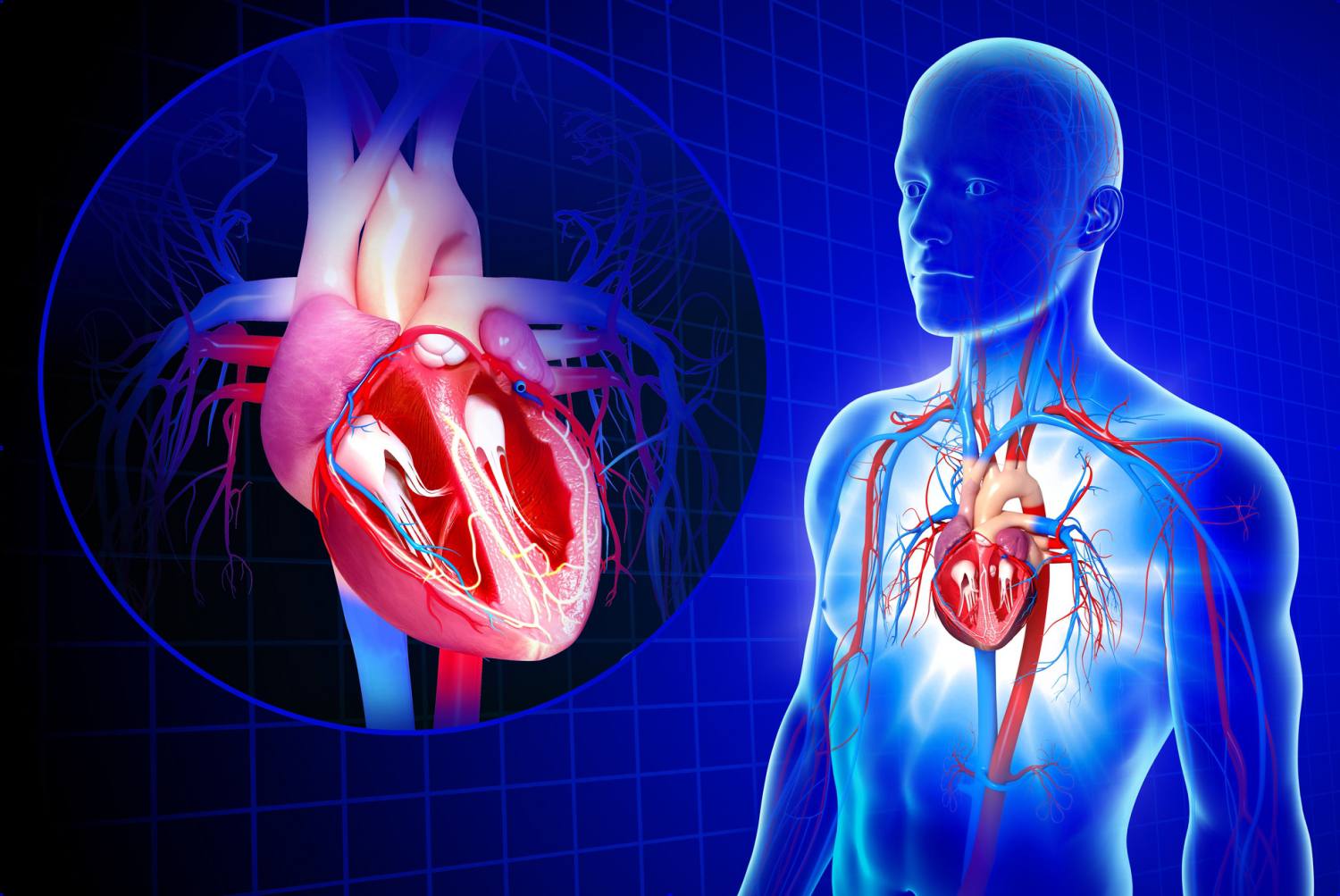
The same molecular mechanisms drive obesity, type 2 diabetes, and cardiovascular disease. Understanding these links allows us to build unified treatment strategies.
- Insulin Resistance
-
- A central defect. Early insulin resistance precipitates hyperinsulinemia, hepatic and muscular glucose dysregulation, and later beta-cell dysfunction. Treating obesity reduces insulin resistance, often transforming glycemic trajectories (American Diabetes Association, 2023; ElSayed et al., 2024).
- Chronic Low-Grade Inflammation
-
- Hypertrophic adipocytes release pro-inflammatory cytokines and alter adipokine profiles, provoking systemic inflammation. This inflames vascular endothelium and contributes to atherogenesis.
- Lipotoxicity and Ectopic Fat
-
- Fat depots accumulate in the liver, pancreas, myocardium, and skeletal muscle, impairing organ performance. In the liver, this manifests as MASLD, which can progress to fibrosis.
- Oxidative Stress and Endothelial Dysfunction
-
- Oxidative stress reduces nitric oxide (NO) bioavailability, compromising vasodilation, elevating platelet aggregation, and worsening insulin sensitivity. NO is pivotal for vascular and metabolic health; its depletion is a common thread across cardiometabolic disease.
- Prothrombotic and Proatherogenic States
-
- Altered lipid profiles, endothelial injury, platelet activation, and inflammatory cascades foster plaque formation and thrombosis.
Clinical takeaways:
- Effective obesity treatment lowers HbA1c, improves lipids (LDL and triglycerides down, HDL up), reduces blood pressure, and decreases cardiovascular events.
- Even modest weight loss yields meaningful cardiovascular benefits—on the order of milligrams-per-deciliter improvements in lipids and clinically relevant reductions in blood pressure.
Evidence-Based Foundations: Lifestyle, Pharmacotherapy, and Layered Care
Major guidelines for obesity, diabetes, and cardiovascular disease begin with nutrition, physical activity, and behavioral health. However, the decisive difference lies in the use of medications:
- In diabetes and cardiology, pharmacotherapy is initiated early alongside lifestyle changes.
- In obesity, we should mirror that strategy: early anti-obesity medications when indicated, not delayed until “failure.”
Expected outcomes:
- Lifestyle Alone
-
- Clinical trials show 5.2–8.6% weight loss at two years with intensive lifestyle; by five years, most of the weight returns. HbA1c changes are modest (~0.15–0.3%). Without physiology-targeted treatment, metabolic adaptation undermines maintenance.
- Physiology-Targeted Treatment
-
- <5% weight loss: ~0.2–0.3% drop in HbA1c
- ~15% weight loss: ~1.0% drop in HbA1c (rivaling diabetes medications)
- Sustained 15–20%+ loss: broad cardiometabolic gains, reduced medication burden, improved quality of life
Medication strategy:
- Favor metformin, GLP-1 RAs, SGLT2 inhibitors for weight neutrality or loss in diabetes.
- Address obesogenic agents when possible.
- Consider layering anti-obesity medications to target cravings, satiety, and hedonic eating patterns when single therapy is insufficient.
Cardioprotection:
- Trials such as LEADER and others show GLP-1 RAs reduce major adverse cardiovascular events (MACE).
- SGLT2 inhibitors improve outcomes in heart failure and protect renal function (Husain et al., 2019).
Menopause, Metabolism, and Sleep: A Practical Case from Primary Care
I often meet patients whose metabolic profiles shift rapidly during life transitions. Consider Victoria, a 52-year-old postmenopausal patient with newly diagnosed type 2 diabetes (HbA1c 7.3%) and Class 1 Obesity (BMI 31.8). She presented with central adiposity, sleep disruption from vasomotor symptoms, elevated triglycerides, LDL, and a high HOMA-IR indicating insulin resistance.
Menopause contributes to:
- Increased insulin resistance and visceral fat
- Higher LDL cholesterol
- Reduced muscle mass and resting metabolic rate
- Sleep disturbances from vasomotor symptoms, which amplify insulin resistance and appetite dysregulation
My initial plan with Victoria followed our Four Pillars:
- Nutrition
-
- Increase protein to enhance satiety and protect lean mass
- Eliminate sugar-sweetened beverages
- Guided meal planning through a registered dietitian
- Physical Activity
-
- Progressive aerobic capacity and resistance training at least two non-consecutive days per week
- Emphasis on joint-friendly movement with chiropractic adjustments to reduce pain and improve tolerance
- Health Behaviors
-
- Prioritize sleep quality; manage vasomotor symptoms
- Stress management techniques supported by behavioral health
- Medical Management
-
- Increase metformin and introduce Continuous Glucose Monitoring (CGM) for education and feedback.
- Refer to menopause specialist for Menopause Hormone Therapy (MHT)
- Initiate semaglutide based on clinical response and patient preference
CGM was transformative: her Glucose Management Indicator (GMI) aligned with lab HbA1c, and time above 180 mg/dL was substantial. Seeing real-time glucose responses to meals and exercise accelerated her behavior change. Evidence suggests combining MHT with GLP-1 RAs can improve weight outcomes in postmenopausal women (Jensterle et al., 2023). Within a year, Victoria moved from obesity to overweight, normalized her HbA1c, improved her lipid profile, and resolved vasomotor symptoms—demonstrating how layered care addresses physiology, behavior, and quality of life.
Long-Standing Diabetes and Cardiovascular Risk: A Specialty Obesity Case
Another common scenario in my obesity specialty clinic is the patient with entrenched metabolic disease and cardiovascular risk. Banny, age 64, had 25 years of diabetes, prior MI, hypertension, hyperlipidemia, and sleep apnea. He struggled with hedonic hunger, impaired satiety, and intense evening cravings. His BMI was 36; blood pressure remained high despite multiple medications.
I reframed treatment around cardioprotection:
- Start semaglutide (GLP-1 RA) to address glycemia and weight and reduce MACE risk (Husain et al., 2019).
- Stop older agents like sitagliptin and glipizide that don’t offer weight or cardiovascular benefits.
Laboratory evaluation revealed mild ALT elevation; calculating his FIB-4 score identified high risk for liver fibrosis—an often overlooked comorbidity in obesity and diabetes. We initiated referrals for dietitian counseling and GI elastography, and his GI team began resmetirom for fibrosis management. After a year, Banny lost 23 pounds, lowered his HbA1c to 5.9%, and reduced one antihypertensive agent. When cravings resurfaced at a plateau, we added low-dose topiramate to target hedonic eating and evening urges.
This case highlights the need to:
- Screen for MASLD using simple tools such as the FIB-4 in high-risk patients.
- Leverage medications with multi-system benefits (glycemia, weight, heart, liver).
- Address behavioral and neuroendocrine drivers—especially at plateaus—using targeted therapies and structured follow-up.
Prediabetes and Early Intervention: A Young Adult’s Rapid Course Correction
I frequently meet motivated young adults who haven’t responded to self-directed weight loss. Stephen, age 24, had prediabetes (HbA1c 5.8%), Class 1 Obesity (BMI 32.1), waist circumference 41 inches, neck circumference 17 inches, and cutaneous signs of insulin resistance such as acanthosis nigricans and skin tags. His weight gain began during a stressful adolescence, demonstrating how psychosocial stress can tip endocrine balance and reinforce maladaptive patterns.
We set realistic targets based on evidence that a 3% weight loss begins to improve prediabetes, while 10–15% or more produces durable, multi-system benefits (Chao & Wadden, 2017). Our Four Pillars plan emphasized:
- Advanced Nutrition
-
- 500–750 kcal/day deficit
- Shift away from sugary beverages; increase protein and fiber for satiety
- Behavioral Health
-
- Screen and manage stress, mood, sleep, and disordered eating risk
- Cognitive Behavioral Therapy when indicated to reinforce healthy routines
- Biomechanics and Activity
-
- Progressive step count goals starting at 3,000/day
- Joint-friendly resistance training supported by chiropractic adjustments and soft tissue care to relieve pain barriers and improve movement quality
- Medical Management
-
- Initiate tirzepatide (dual GIP/GLP-1 agonist) at 2.5 mg weekly, titrating up with tolerance.
- Frequent follow-up every 2–4 weeks until stable, then quarterly
The SURMOUNT-1 trial demonstrated that in adults with elevated BMI and prediabetes, multi-year tirzepatide therapy resulted in nearly 23% total body weight loss and 99% freedom from diabetes at three years (Jastreboff et al., 2022). This evidence informed our approach with Stephen. Over a year, he reached 15 mg weekly, lost 50 pounds, dropped to BMI 25.7, normalized his HbA1c to 5.4%, and saw improvements in body measurements and skin changes. His journey exemplifies early, aggressive intervention and the synergy of medication, movement, and behavior change.
Chiropractic Care & Metabolism *The Hidden Link*- Video
Why Integrative Chiropractic Care Is Central to Metabolic Health
A critical piece of our model is the way chiropractic care removes functional barriers and enables sustainable physical activity, which is indispensable for metabolic recovery:
- Pain Reduction and Joint Mechanics
-
- Adjustments restore spinal and extremity mobility, reduce nociception, and normalize movement patterns.
- Patients tolerate walking programs and resistance training better when mechanical pain is managed.
- Neuromuscular Re-education
-
- Corrective exercises retrain posture, gait, and core stability, lowering energy cost of movement and improving exercise form.
- Reduced compensation decreases joint wear and improves training adherence.
- Soft Tissue Optimization
-
- Targeted therapies reduce muscle guarding, improve fascial glide, and increase range of motion—making activity safer and more enjoyable.
By lowering the biomechanical “friction” of movement, chiropractic care amplifies the metabolic benefits of exercise. Increased muscle mass raises resting energy expenditure, improves insulin sensitivity in skeletal muscle, and supports long-term weight maintenance—a lynchpin for countering metabolic adaptation. My clinical observations, shared over years through Personal Injury Doctor Group and professional updates, consistently show that patients who combine precise manual care with structured activity plans achieve superior adherence and outcomes.
Putting It All Together: A Unified, Patient-Centered Strategy
From the latest standards of care to landmark trials, modern evidence converges on a clear blueprint (American Diabetes Association, 2023; ElSayed et al., 2024):
- Treat obesity as the root disease driving diabetes and cardiovascular risk.
- Deploy lifestyle strategies—nutrition, resistance training, and sleep/stress optimization—and then support physiology with early pharmacotherapy.
- Select weight-favorable agents that reduce MACE risk and protect organs—GLP-1 RAs, SGLT2 inhibitors, and tirzepatide when indicated.
- Screen and manage MASLD using accessible tools such as the FIB-4, and coordinate care with GI when fibrosis is suspected.
- Use CGM as a behavioral and clinical tool, even in non-insulin patients, to accelerate learning and adherence.
- Apply integrative chiropractic care and rehabilitation to make movement attainable, safe, and progressive.
- Commit to frequent follow-up, layered therapy when needed, and long-term care that matches the chronic nature of the disease.
In our El Paso practice, I am privileged to work alongside Dr. Maria Guadalupe Cardenas, MD (NPI #1164426749, Texas MD License #J2933) to deliver this comprehensive model. Her internal medicine leadership and my integrative chiropractic and functional medicine approach ensure that patients receive a holistic plan that is scientifically rigorous, practical, and focused on long-term success.
Key Concepts Highlighted
- Obesity causes overeating through endocrine dysregulation and hypothalamic inflammation.
- Metabolic adaptation defends higher weight, making weight regain likely without long-term, physiology-informed care.
- Insulin resistance, inflammation, oxidative stress, and NO depletion link obesity, diabetes, and heart disease.
- GLP-1 RAs, SGLT2 inhibitors, and tirzepatide transform outcomes by acting at multiple physiological levels.
- Integrative chiropractic care is essential for reducing pain, optimizing mechanics, and enabling sustainable activity that supports metabolic recovery.
- Frequent follow-up and layered therapies sustain momentum, handle plateaus, and prevent relapse.
References
- Standards of care in diabetes—2023. American Diabetes Association. (2023). Diabetes Care, 46(Supplement 1).
- 2019 ACC/AHA guideline on the primary prevention of cardiovascular disease. Arnett, D. K., Blumenthal, R. S., Albert, M. A., et al. (2019). Circulation, 140(11), e596–e646.
- 2013 AHA/ACC/TOS guideline for the management of overweight and obesity in adults. Jensen, M. D., Ryan, D. H., Apovian, C. M., et al. (2014). Circulation, 129(25_suppl_2), S102–S138.
- Obesity pathogenesis: an endocrine society scientific statement. Schwartz, M. W., Seeley, R. J., Zeltser, L. M., et al. (2017). Endocrine Reviews, 38(4), 267–296.
- Once-weekly semaglutide in adults with overweight or obesity. Wilding, J. P. H., Batterham, R. L., Calanna, S., et al. (2021). New England Journal of Medicine, 384(11), 989–1002.
- Tirzepatide once weekly for the treatment of obesity. Jastreboff, A. M., Aronne, L. J., Ahmad, N. N., et al. (2022). New England Journal of Medicine, 387(3), 205–216.
- The clinical management of obesity. Chao, A. M., & Wadden, T. A. (2017). In Endotext. MDText.com, Inc.
- Obesity and weight management for the prevention and treatment of type 2 diabetes: Standards of Care in Diabetes—2024. ElSayed, N. A., Aleppo, G., Aroda, V. R., et al. (2024). Diabetes Care, 47(Supplement_1), S158–S177.
- Oral semaglutide and cardiovascular outcomes in patients with type 2 diabetes. Husain, M., Birkenfeld, A. L., Donsmark, M., et al. (2019). New England Journal of Medicine, 381(9), 841–851.
- Effects of GLP-1 receptor agonists and MHT combination on weight loss in postmenopausal women with obesity. Jensterle, M., Podstenšek, S., & Janež, A. (2023). Endocrine, 82(1), 220–224.
- The role of continuous glucose monitoring for the treatment of people with type 2 diabetes. Vigersky, R., McMahon, C., & Galindo, R. (2018). Diabetes Technology & Therapeutics, 20(S2), S2-49–S2-56.
- From NAFLD to MAFLD: A global perspective. Younossi, Z. M., Rinella, M. E., Sanyal, A. J., et al. (2019). Hepatology, 70(4), 1126–1131.
SEO tags: obesity treatment, type 2 diabetes, prediabetes, cardiovascular disease, integrative chiropractic care, functional medicine, El Paso Texas, Dr. Alex Jimenez, Dr. Maria Guadalupe Cardenas, GLP-1 receptor agonists, tirzepatide, semaglutide, insulin resistance, chronic inflammation, nitric oxide, MASLD, FIB-4 score, CGM, menopause hormone therapy, rehabilitation, personal injury care, metabolic adaptation, weight regain biology, multidisciplinary clinic

Comments are closed.