

Martial Arts Brain Injury and Integrative Chiropractic Recovery

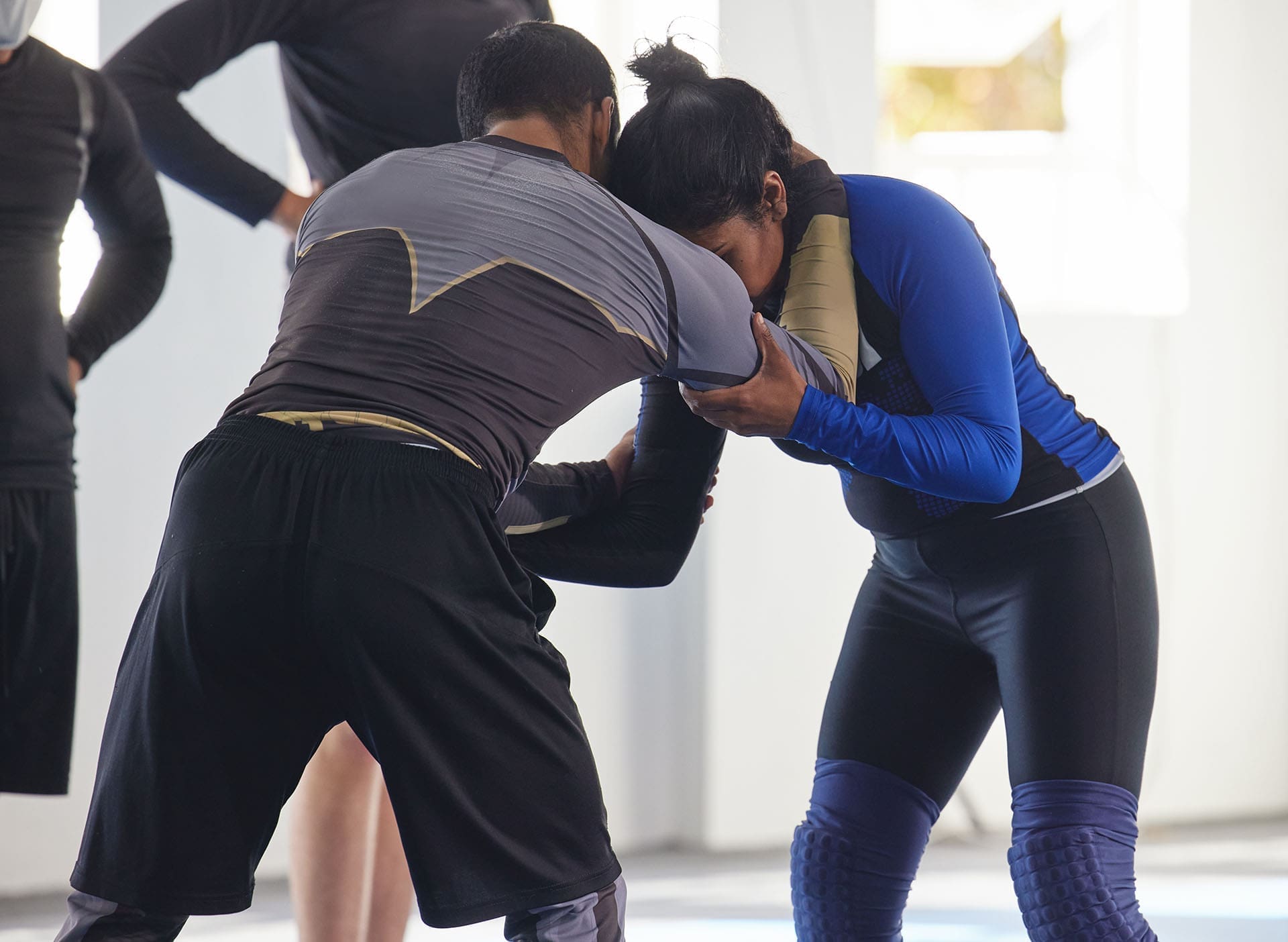
Martial Arts, Brain Injury, and Integrative Chiropractic Care: Protecting Fighters’ Long-Term Health

Introduction: Fighting Skills vs. Brain Health
Martial arts training builds strength, discipline, confidence, and mental toughness. But for many fighters, there is a hidden cost: repeated blows to the head. These hits include big knockouts and also smaller, “sub-concussive” blows that do not cause obvious symptoms right away. Over time, these impacts can add up.
Research in mixed martial arts (MMA), boxing, and other combat sports shows that repeated head trauma can lead to:
-
Dizziness, confusion, and balance problems
-
Memory and thinking changes
-
Mood and behavior shifts
-
Long-term brain diseases such as chronic traumatic encephalopathy (CTE) PubMed+1
At the same time, more clinics are using integrative chiropractic care to support fighters recovering from head and neck injuries. This approach examines the spine, nervous system, blood flow, and overall health, rather than focusing solely on treating one symptom. El Paso, TX Doctor Of Chiropractic+3Calibration Brain & Body+3apexchiroco.com+3
This article explains:
-
How head injuries affect martial artists in both the short and long term
-
What CTE is and why sub-concussive blows matter
-
How integrative chiropractic care may help improve nervous system function, balance, cerebrospinal fluid (CSF) flow, and brain recovery after injury
-
Practical steps fighters and coaches can take to protect brain health
1. Why Martial Artists Are at High Risk for Head Injury
Combat sports are built around striking, grappling, and rapid movement. Even in “light” sparring, fists, feet, knees, and elbows can land on the head.
Studies of MMA fighters show:
-
Head trauma makes up about 58–78% of all injuries in some fight samples. PubMed
-
Fighters who take more head blows show more problems with processing speed, verbal memory, and psychomotor speed when tested. PubMed+1
An outline of MMA rules and combat sports notes that many scoring systems reward clean head strikes, particularly in sports such as boxing, kickboxing, and MMA. This encourages repeated head impacts, including both concussive and sub-concussive blows. E-Journal of Education Research
A recent combat-sport brain injury review also explains:
-
Every hit to the head involves rotational forces that make the brain twist inside the skull.
-
These forces can tear tiny blood vessels and nerve fibers, leading, over time, to the breakdown of the blood–brain barrier and chronic inflammation. Rezon
In short, martial artists are not just dealing with one big injury. They are experiencing many smaller impacts over the years of training and competition.
2. Sub-Concussive Blows: The Silent Threat
A concussion is a mild traumatic brain injury (mTBI) that causes symptoms like headache, dizziness, confusion, and memory problems. ninds.nih.gov+1
A sub-concussive blow is different. It is a head impact that:
-
Does not cause obvious symptoms right away
-
Still shifts and stresses the brain tissue
-
Often happens again and again in sparring or repeated fights
Repetitive head impacts (RHI) — including concussions and sub-concussive blows — are now recognized as a key driver of CTE. A major review on CTE notes that it is a distinct neurodegenerative disease caused by repetitive head impacts, not just one severe head injury. PMC+1
A Nature-linked analysis summarized in a recent news report found that years of repeated head impacts in contact sports can:
-
Reduce the number of key neurons in the frontal lobe
-
Trigger inflammation in brain immune cells, blood vessels, and supporting cells
-
Cause damage even when full concussions were not recorded Live Science
For martial artists who spar often, those “little” hits add up. Even if they never get “knocked out,” their brains can still slowly change over time.
3. Short-Term Symptoms: Dizziness, Confusion, and More
Right after a concussive or sub-concussive event, fighters may notice:
-
Headaches
-
Light-headedness or dizziness
-
Nausea
-
Sensitivity to light and noise
-
Feeling “foggy” or “out of it” Rezon+2Calibration Brain & Body+2
Thinking and emotional symptoms can include:
-
Confusion and trouble focusing
-
Slower thinking and reaction time
-
Memory problems, especially around the event
-
Irritability, anxiety, or depression
-
Trouble sleeping or changes in sleep pattern Rezon+2Calibration Brain & Body+2
Importantly, loss of consciousness is not required for a concussion diagnosis, and many combat athletes never “black out” even when they have clear brain symptoms. Rezon+1
Neuroscience groups like the National Institute of Neurological Disorders and Stroke (NINDS) stress that even mild TBIs can disrupt brain function and should be taken seriously, especially if there are repeated injuries. ninds.nih.gov+1
4. Long-Term Changes: Smaller Brain Structures and Slower Thinking
Long-term research in boxing and MMA has uncovered worrying trends:
-
Prospective imaging studies in MMA fighters reveal more cortical thinning — a loss of brain tissue thickness — compared with non-combat athletes. PMC+1
-
Fighters with more years of experience in the sport and a higher number of head impacts often exhibit smaller brain regions and slower processing speeds on cognitive tests. PubMed+1
A systematic review on MMA head injuries found:
-
Head trauma incidence is between 58–78% of all injuries
-
Common deficits in processing speed, verbal memory, and psychomotor speed after fights, especially in those who suffered head trauma during the bout
-
Evidence that chronic repeated head injury may increase the risk of neurodegenerative disorders, including CTE PubMed+2ResearchGate+2
Similarly, boxing research and broader RHI studies utilize combat sports as “human models” to investigate how repeated blows impact brain structure and function. PMC+1
These findings support what many fighters describe: over the years, they may notice:
-
Slower reaction time
-
Difficulty multitasking
-
Problems remembering combinations or game plans
-
Feeling mentally “slower” than before
5. Emotional and Behavioral Changes in Fighters
Brain injury is not only about memory and balance. The emotional and behavioral side can be just as life-changing.
Reports from combat sports and concussion resources describe:
-
Increased anxiety, depression, and panic attacks
-
Irritability and short temper
-
Emotional ups and downs
-
Social withdrawal and loss of interest in training or family life Wikipedia+3Rezon+3Calibration Brain & Body+3
CTE, in particular, is known for its effects on mood and behavior, often appearing before significant memory loss. Reviews of confirmed CTE cases in athletes show a history of repetitive head trauma in every case. PMC+2PMC+2
For martial artists, these emotional symptoms may be attributed to stress, cutting weight, or personal life issues. However, sometimes the root cause is chronic brain strain resulting from years of impact. Recognizing this link early is crucial for seeking help.
6. Chronic Traumatic Encephalopathy (CTE) in Combat Sports
Chronic traumatic encephalopathy (CTE) is a degenerative brain disease linked to years of repetitive head impacts, including both concussive and sub-concussive blows. PMC+1
Research highlights:
-
CTE was first recognized in boxers (“punch-drunk” syndrome) and later in American football players and other contact sport athletes. PMC+1
-
A review of mixed martial arts and CTE warns that the sport combines both high-impact head strikes and repeated training blows, putting fighters at risk for the same disease. PMC+1
Common CTE-related problems include:
-
Memory loss and confusion
-
Poor judgment and decision-making
-
Mood changes (depression, anger, apathy)
-
Impulse control problems
-
Later, dementia-like decline PMC+1
CTE can only be confirmed after death by examining brain tissue. But the key message for living fighters is that years of head impacts matter, even if they never had a dramatic single injury.
7. Why Standard Rest and Imaging Are Not Enough
Emergency care is essential for serious head trauma, but many martial artists are sent home with simple advice:
“Rest a few days and see how you feel.”
Unfortunately, this is not always enough.
-
Many injuries are microscopic, such as diffuse axonal injury (tiny stretched or torn axons) that do not show up on standard CT or MRI scans. ninds.nih.gov+1
-
Some fighters go on to develop post-concussion syndrome or persistent post-concussion symptoms, where headaches, dizziness, cognitive issues, and mood changes last for months or even years. Rezon+2ninds.nih.gov+2
This is why long-term follow-up, serial neurocognitive testing, and integrative rehabilitation — encompassing physical, neurological, and emotional aspects — are crucial in combat sports.
8. What Is Integrative Chiropractic Care?
Integrative chiropractic care combines traditional spinal manipulation with:
-
Neurological assessment and rehabilitation
-
Functional and sports medicine
-
Nutritional and lifestyle counseling
-
Collaboration with other health professionals (neurologists, primary care, mental health, physical therapists, etc.) El Paso, TX Doctor Of Chiropractic+3Calibration Brain & Body+3apexchiroco.com+3
Clinics such as Calibration Chiropractic and Functional Health, and Apex Chiropractic describe using:
-
Detailed history and exam focused on both the spine and the nervous system
-
Functional neurology techniques
-
Customized exercise and brain-training programs
-
Close monitoring of symptoms and response to care Calibration Brain & Body+1
In El Paso, Dr. Alexander Jimenez, DC, APRN, FNP-BC, combines family practice nurse practitioner training with chiropractic and neuromusculoskeletal care. His practice focuses on complex injuries, personal injury, sports trauma, and neurological issues, using an integrated approach with imaging, rehab, and functional medicine principles. Synergy Chiropractic+1
9. How Integrative Chiropractic Care Helps Martial Artists with Brain Injuries
9.1 Correcting Spinal Misalignments and Nervous System Stress
Head trauma almost always involves the neck. A strike to the jaw, a whiplash-type takedown, or a slam against the mat can:
-
Strain or sprain the cervical joints
-
Irritate or compress spinal nerves
-
Change the way the brain receives sensory input from the body apexchiroco.com+2Synergy Chiropractic+2
Chiropractic adjustments aim to:
-
Restore normal joint motion in the spine
-
Reduce mechanical stress and muscle guarding
-
Improve the quality of sensory information traveling from the body to the brain apexchiroco.com+1
Some research suggests that spinal manipulation may influence areas such as the prefrontal cortex — the region involved in decision-making, attention, and pain processing — by altering how the brain integrates sensory input. apexchiroco.com+1
For fighters, this may help:
-
Reduce neck pain and tension after sparring or fights
-
Improve proprioception (body awareness)
-
Support faster and more accurate motor control
9.2 Improving Blood Flow and Cerebrospinal Fluid (CSF) Circulation
The brain relies on blood and cerebrospinal fluid (CSF) to deliver nutrients, remove waste, and maintain healthy brain function.
Apex Chiropractic notes that:
-
Cervical spine misalignments can restrict both blood flow and CSF flow between the brain and spine.
-
Poor CSF flow may allow waste products and inflammatory molecules to accumulate, worsening headaches, cognitive impairment, and other symptoms. apexchiroco.com
By correcting structural shifts in the upper neck, integrative chiropractors aim to:
-
Improve CSF and blood circulation
-
Reduce pressure and congestion around the brain
-
Create better conditions for healing and neuroplasticity
While more high-quality research is still needed, this model fits with growing evidence that vascular and fluid changes play a major role in long-term brain injury outcomes. ninds.nih.gov+1
9.3 Supporting Balance, Coordination, and Vestibular Function
Many martial artists with TBIs struggle with:
-
Dizziness
-
Imbalance
-
Difficulty tracking moving targets
-
Feeling “off” when turning quickly or spinning
Chiropractic and functional neurology clinics often include vestibular and balance training, such as:
-
Gaze stabilization exercises
-
Balance-board or foam-surface work
-
Head and eye movement drills while walking or performing simple tasks Calibration Brain & Body+2Synergy Chiropractic+2
Dr. Jimenez’s TBI page, for example, emphasizes neurological rehabilitation to restore balance, coordination, and posture after car accidents and other head injuries. Synergy Chiropractic+1
For fighters, improving balance and vestibular function is not just about safety; it can also improve performance, timing, and reaction in the ring or on the mat.
9.4 Encouraging Neuroplasticity and Brain Recovery
Neuroplasticity is the brain’s ability to reorganize, form new connections, and compensate for damage.
Integrative chiropractic care supports neuroplasticity by:
-
Restoring better input to the brain from joints, muscles, and the vestibular system
-
Using graded physical and cognitive exercises that challenge the nervous system
-
Combining spinal care with movement training, breathing, and coordination drills Calibration Brain & Body+2apexchiroco.com+2
Apex Chiropractic cites work showing that spinal manipulation can increase prefrontal brain activity on EEG, suggesting changes in how the brain processes information after treatment. apexchiroco.com
In TBI research more generally, carefully dosed exercise and sensory-motor training are key tools for driving neuroplastic recovery. ninds.nih.gov+1
9.5 Integrative Team-Based Care
No single provider can manage all aspects of a fighter’s brain injury. Best practice involves a team that may include:
-
Integrative chiropractors/chiropractic neurologists
-
Nurse practitioners or physicians (like Dr. Jimenez’s dual-scope DC/APRN role)
-
Neurologists and imaging specialists
-
Physical therapists and athletic trainers
-
Mental health professionals
In Dr. Jimenez’s clinics, personal injury and sports injury care often combine:
-
Advanced diagnostics and imaging
-
Neuromusculoskeletal evaluation
-
Chiropractic adjustments
-
Functional medicine, nutrition, and lifestyle support Synergy Chiropractic+1
This type of model suits well for martial artists who require both brain and body rehabilitation while still wanting to remain active in their sport.
10. Practical Brain-Health Strategies for Martial Artists
Even with good care, prevention is always better than treatment. Fighters and coaches can take steps to lower risk and catch problems early.
10.1 Limit Head Impacts in Training
-
Reduce hard sparring rounds, especially in the weeks leading up to fights.
-
Use technical sparring and drilling instead of full-power head shots whenever possible.
-
Consider rest periods or reduced contact after big fights or a series of head blows.
10.2 Use Baseline and Ongoing Neurocognitive Testing
Studies in MMA utilize tools such as the King-Devick test and other cognitive assessments to track changes in fighters’ brain speed and function before and after fights. PubMed+1
Doing baseline testing before the season or training camp and repeating it after big events can reveal early declines even if the fighter “feels fine.”
10.3 Respect Symptoms and Mandatory Rest
-
Any dizziness, confusion, visual changes, or loss of memory that occurs immediately after an impact should trigger immediate removal from training or competition. Rezon+2ninds.nih.gov+2
-
Do not return to sparring or fighting until cleared by a qualified healthcare provider.
10.4 Build a Recovery Team
-
Have a primary provider (e.g., an integrative chiropractor with collaboration from a medical doctor or nurse practitioner) who understands both combat sports and brain injury. Synergy Chiropractic+1
-
Add specialists as needed, such as a neurologist, vestibular therapist, psychologist, or sports nutritionist.
10.5 Support the Brain with Lifestyle
While lifestyle alone cannot undo severe damage, it can support brain health:
-
An anti-inflammatory diet rich in omega-3 fats, fruits, and vegetables
-
Adequate sleep and stress management
-
Avoiding alcohol and drugs, especially after a head injury
Integrative practices, such as Dr. Jimenez’s, often combine spinal care with nutrition, exercise, and stress reduction to support overall healing. El Paso, TX Doctor Of Chiropractic+1
11. When to Go to the ER vs. an Integrative Chiropractic Clinic
Always seek emergency care immediately if a fighter has:
-
Worsening headache
-
Repeated vomiting
-
Seizures
-
Slurred speech
-
Weakness or numbness on one side of the body
-
Increasing confusion, agitation, or inability to stay awake ninds.nih.gov+2ninds.nih.gov+2
Emergency departments rule out life-threatening problems like bleeding in the brain.
Once serious conditions are ruled out and the acute phase has passed, fighters can benefit from integrative care that targets:
-
Neck and spine misalignments
-
Persistent dizziness and balance issues
-
Cognitive slowing
-
Emotional symptoms
-
Return-to-sport planning carrchiropracticclinic.com+3Calibration Brain & Body+3apexchiroco.com+3
12. Conclusion: Fight Smart, Protect Your Brain
Martial arts will always involve risk. But fighters do not have to accept long-term brain damage as the “price of the game.”
Research shows that:
-
Repetitive head impacts — including sub-concussive blows — can shrink key brain areas, slow thinking, and raise the risk for CTE. Live Science+3PubMed+3PMC+3
-
Emotional and behavioral changes like anxiety, depression, and irritability may be early signs of chronic brain stress. Rezon+2Wikipedia+2
Integrative chiropractic care, especially when combined with neurological and medical oversight, offers a way to:
-
Correct spinal misalignments
-
Improve nervous system function
-
Support blood and CSF flow
-
Enhance balance and neuroplastic recovery
-
Address the whole person — body, brain, and lifestyle El Paso, TX Doctor Of Chiropractic+3Calibration Brain & Body+3apexchiroco.com+3
For martial artists, “fighting smart” now means more than strategy in the ring. It means protecting the brain that makes everything else possible.
References
Bernick, C., & Banks, S. (2013). What boxing tells us about repetitive head trauma and the brain. Cleveland Clinic Journal of Medicine, 80(3), 185–190.
Donnelly, R. R., et al. (2023). A systematic review and meta-analysis investigating head trauma and chronic brain changes in boxing. British Journal of Sports Medicine.
Hamdan, J. L., et al. (2022). A brief descriptive outline of the rules of mixed martial arts in relation to head injuries. Journal of Exercise Rehabilitation.
Jensen, A. R., et al. (2016). Injuries sustained by the mixed martial arts athlete. Sports Health, 8(1), 57–63.
Lim, L. J. H., et al. (2019). Dangers of mixed martial arts in the development of chronic traumatic encephalopathy. Journal of Functional Neurology. / PMC version.
McKee, A. C., et al. (2016). Repetitive head impacts and chronic traumatic encephalopathy. Brain Pathology, 26(3), 350–364.
National Institute of Neurological Disorders and Stroke. (2025). Traumatic brain injury (TBI).
National Institute of Neurological Disorders and Stroke. (2025). Traumatic brain injury – NINDS publication.
Rezon. (2025). Brain injury in combat sports.
Schlegel, P., Novotny, M., Valis, M., & Klimova, B. (2021). Head injury in mixed martial arts: A review of epidemiology, affected brain structures and risks of cognitive decline. The Physician and Sportsmedicine, 49(4), 371–380.
U.S. National Library of Medicine. (n.d.). Traumatic brain injury (BrainFacts.org summary).
Wikipedia contributors. (2025). Chronic traumatic encephalopathy. Wikipedia.
Chiropractic & Integrative Care Resources
Apex Chiropractic. (2022). How chiropractic care can treat a traumatic brain injury.
Calibration Chiropractic & Functional Health. (n.d.). How can integrative chiropractic care help with traumatic brain injuries?.
Carr Chiropractic Clinic. (n.d.). The role of chiropractic care in concussion management.
Carrick Institute. (2019). Dangers of mixed martial arts in the development of chronic traumatic encephalopathy.
NW Health Sciences University. (n.d.). Chiropractic and traumatic brain injuries.
Turnersville Chiropractic. (n.d.). Consider chiropractic care for mixed martial arts injuries.
Dr. Alexander Jimenez, DC, APRN, FNP-BC – Clinical Insights
Jimenez, A. (n.d.). El Paso, TX chiropractor – Personal injury specialist.
Synergy Chiropractic / El Paso Chiropractic. (n.d.). Traumatic brain injury – Chiropractic for recovery in El Paso.
El Paso Chiropractic. (n.d.). Traumatic brain injury article – integrated neurological and structural care.
Media and Background
ESPN. (2014). Study shows MMA brain injury risk higher than boxing.
ESPN. (2014). Combining powers for future gain: Combat rivals unite in pursuit of answers regarding brain health.
The Athletic / The New York Times. (2020). MMA fighters’ brain health and CTE.
The Athletic / The New York Times. (2020). What happens to a fighter’s brain after suffering a KO.
Rezon. (n.d.). Brain injury in sport YouTube explainer.
LiveScience. (2025). Years of repeated head impacts raise CTE risk — even if they’re not concussions. Live Science
Post Disclaimers
General Disclaimer, Licenses and Board Certifications *
Professional Scope of Practice *
The information herein on "Martial Arts Brain Injury and Integrative Chiropractic Recovery" is not intended to replace a one-on-one relationship with a qualified health care professional or licensed physician and is not medical advice. We encourage you to make healthcare decisions based on your research and partnership with a qualified healthcare professional.
Blog Information & Scope Discussions
Welcome to El Paso's Premier Wellness and Injury Care Clinic & Wellness Blog, where Dr. Alex Jimenez, DC, FNP-C, a Multi-State board-certified Family Practice Nurse Practitioner (FNP-BC) and Chiropractor (DC), presents insights on how our multidisciplinary team is dedicated to holistic healing and personalized care. Our practice aligns with evidence-based treatment protocols inspired by integrative medicine principles, similar to those on this site and on our family practice-based chiromed.com site, focusing on naturally restoring health for patients of all ages.
Our areas of multidisciplinary practice include Wellness & Nutrition, Chronic Pain, Personal Injury, Auto Accident Care, Work Injuries, Back Injury, Low Back Pain, Neck Pain, Migraine Headaches, Sports Injuries, Severe Sciatica, Scoliosis, Complex Herniated Discs, Fibromyalgia, Chronic Pain, Complex Injuries, Stress Management, Functional Medicine Treatments, and in-scope care protocols.
Our information scope is multidisciplinary, focusing on musculoskeletal and physical medicine, wellness, contributing etiological viscerosomatic disturbances within clinical presentations, associated somato-visceral reflex clinical dynamics, subluxation complexes, sensitive health issues, and functional medicine articles, topics, and discussions.
We provide and present clinical collaboration with specialists from various disciplines. Each specialist is governed by their professional scope of practice and their jurisdiction of licensure. We use functional health & wellness protocols to treat and support care for musculoskeletal injuries or disorders.
Our videos, posts, topics, and insights address clinical matters and issues that are directly or indirectly related to our clinical scope of practice.
Our office has made a reasonable effort to provide supportive citations and has identified relevant research studies that support our posts. We provide copies of supporting research studies upon request to regulatory boards and the public.
We understand that we cover matters that require an additional explanation of how they may assist in a particular care plan or treatment protocol; therefore, to discuss the subject matter above further, please feel free to ask Dr. Alex Jimenez, DC, APRN, FNP-BC, or contact us at 915-850-0900.
We are here to help you and your family.
Blessings
Dr. Alex Jimenez DC, MSACP, APRN, FNP-BC*, CCST, IFMCP, CFMP, ATN
email: [email protected]
Multidisciplinary Licensing & Board Certifications:
Licensed as a Doctor of Chiropractic (DC) in Texas & New Mexico*
Texas DC License #: TX5807, Verified: TX5807
New Mexico DC License #: NM-DC2182, Verified: NM-DC2182
Multi-State Advanced Practice Registered Nurse (APRN*) in Texas & Multi-States
Multi-state Compact APRN License by Endorsement (42 States)
Texas APRN License #: 1191402, Verified: 1191402 *
Florida APRN License #: 11043890, Verified: APRN11043890 *
Colorado License #: C-APN.0105610-C-NP, Verified: C-APN.0105610-C-NP
New York License #: N25929, Verified N25929
License Verification Link: Nursys License Verifier
* Prescriptive Authority Authorized
ANCC FNP-BC: Board Certified Nurse Practitioner*
Compact Status: Multi-State License: Authorized to Practice in 40 States*
Graduate with Honors: ICHS: MSN-FNP (Family Nurse Practitioner Program)
Degree Granted. Master's in Family Practice MSN Diploma (Cum Laude)
Dr. Alex Jimenez, DC, APRN, FNP-BC*, CFMP, IFMCP, ATN, CCST
My Digital Business Card
Licenses and Board Certifications:
DC: Doctor of Chiropractic
APRNP: Advanced Practice Registered Nurse
FNP-BC: Family Practice Specialization (Multi-State Board Certified)
RN: Registered Nurse (Multi-State Compact License)
CFMP: Certified Functional Medicine Provider
MSN-FNP: Master of Science in Family Practice Medicine
MSACP: Master of Science in Advanced Clinical Practice
IFMCP: Institute of Functional Medicine
CCST: Certified Chiropractic Spinal Trauma
ATN: Advanced Translational Neutrogenomics
Memberships & Associations:
TCA: Texas Chiropractic Association: Member ID: 104311
AANP: American Association of Nurse Practitioners: Member ID: 2198960
ANA: American Nurse Association: Member ID: 06458222 (District TX01)
TNA: Texas Nurse Association: Member ID: 06458222
NPI: 1205907805
| Primary Taxonomy | Selected Taxonomy | State | License Number |
|---|---|---|---|
| No | 111N00000X - Chiropractor | NM | DC2182 |
| Yes | 111N00000X - Chiropractor | TX | DC5807 |
| Yes | 363LF0000X - Nurse Practitioner - Family | TX | 1191402 |
| Yes | 363LF0000X - Nurse Practitioner - Family | FL | 11043890 |
| Yes | 363LF0000X - Nurse Practitioner - Family | CO | C-APN.0105610-C-NP |
| Yes | 363LF0000X - Nurse Practitioner - Family | NY | N25929 |
Dr. Alex Jimenez, DC, APRN, FNP-BC*, CFMP, IFMCP, ATN, CCST
My Digital Business Card






Comments are closed.