
Sports-Related Head Injuries and Their Treatments

Understanding Sports-Related Head Injuries: Causes, Symptoms, and Recovery Strategies
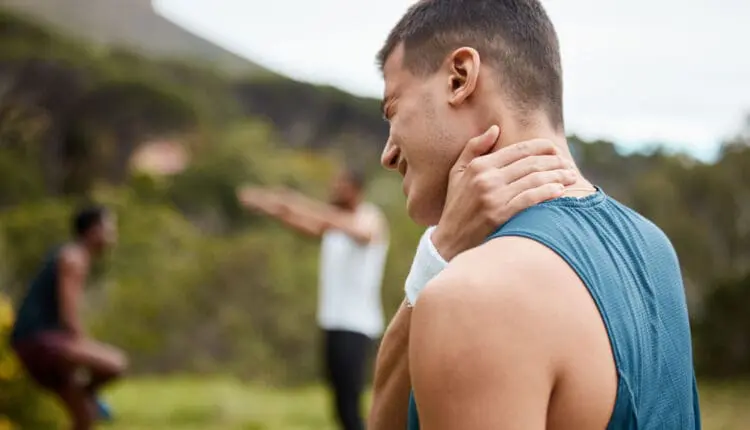
Sports can be exciting and beneficial for health, but they sometimes lead to head injuries. These injuries occur when there’s a hard hit to the head or body that causes the brain to shake. While many people think only of concussions, there are other serious types like brain bruises, bleeding inside the skull, and broken skull bones. This article examines these injuries, their causes, signs to watch for, and treatment options. It also explains how experts, such as chiropractors, contribute to recovery as part of a team of healthcare professionals.
Head injuries from sports are common. Each year, millions of people in the U.S. sustain traumatic brain injuries from activities like playing games or exercising. Many of these are not reported, so the real number might be higher. Being aware of these injuries can help athletes stay safe and recover more quickly.
What Are the Main Types of Head Injuries in Sports?
Head injuries in sports range from mild to severe. The most common one is a concussion, but others can be more dangerous.
A concussion is a mild brain injury. It occurs when the brain moves rapidly within the skull, stretching nerves and blood vessels. This causes temporary changes in how the brain functions. Concussions make up most head injuries in sports, like football, soccer, and hockey. They are not usually life-threatening, but repeated ones can lead to long-term problems like memory issues or thinking difficulties.
More serious injuries include brain contusions. These are bruises on the brain tissue itself. They cause bleeding, swelling, and damage in the area. Contusions often happen from a direct hit that makes the brain hit the skull hard. They can be on the side of the impact or the opposite side.
Intracranial hematomas are collections of blood inside the skull. There are types like epidural hematomas, which form between the skull and the brain’s covering, often from a broken blood vessel after a skull fracture. Subdural hematomas occur when veins rupture, allowing blood to pool under the brain’s covering. These can cause high pressure in the skull and need quick treatment.
Skull fractures are breaks in the bones of the skull. They result from strong impacts, such as falls or collisions. Fractures can be simple lines or more complex, where bone is pushed into the brain. They often link to other injuries, such as hematomas.
These injuries highlight the importance of addressing any head hits. Even if it seems minor, it could turn serious.
What Causes Head Injuries in Sports?
Head trauma is the main cause of these injuries. A blow to the skull or strong shaking makes the brain move too much. This can happen in many sports.
In contact sports like football, collisions between players often lead to concussions. Tackling causes about two-thirds of them in that sport. Soccer players often sustain injuries from heading the ball or colliding with others. In wrestling, takedowns often result in head hits. Even non-contact sports like basketball pose risks from falls or collisions with elbows.
Forces like speeding up and slowing down, or twisting, stretch brain tissues. This leads to chemical changes and swelling. Repeated small hits, similar to those in boxing, can accumulate damage over time.
Some sports have higher risks. Football, soccer, hockey, and wrestling top the list for concussions. Girls in soccer and basketball often report more incidents of harassment than boys in the same sports. Activities like cycling or skiing also cause injuries from falls.
Signs and Symptoms to Watch For
Symptoms can appear immediately or develop over hours or days. They affect thinking, body feelings, and mood.
For concussions, common signs are headaches, dizziness, nausea, and confusion. People might feel foggy, have trouble focusing, or forget things. Other signs include sensitivity to light or noise, fatigue, and mood changes, such as irritability. Loss of consciousness happens in some cases, but not all.
Brain contusions and hematomas have similar signs but can worsen quickly. Look for severe headaches, vomiting, seizures, or weakness on one side. Clear fluid from the nose or ears might mean a skull fracture.
Skull fractures cause pain at the spot, swelling, or bruising around the eyes. They often come with concussion symptoms.
If symptoms worsen, such as increased confusion or loss of consciousness, seek help immediately. This could mean bleeding or swelling in the brain.

How Are These Injuries Diagnosed?
Doctors begin by asking questions about the injury and conducting a physical examination. They look at balance, memory, and reflexes.
For concussions, tools like the Sport Concussion Assessment Tool help score symptoms. Tests check thinking skills.
Imaging, such as CT scans, shows fractures, bleeding, or swelling. MRI gives details on brain tissue. But for mild concussions, scans often look normal.
In serious cases, monitors check pressure inside the skull.
Treatment Options for Head Injuries
Treatment depends on the severity of the injury. Rest is key for mild cases.
For concussions, stop playing right away. Rest the body and mind until the symptoms subside. Slowly add light exercise, then gradually progress to sport drills. A step-by-step plan helps return to play safely.
Pain meds like acetaminophen help headaches. Avoid drugs that increase bleeding risk.
Severe injuries need hospital care. Surgery removes blood clots or fixes fractures. Meds control swelling or seizures.
Rehab helps regain skills. Physical therapy improves balance. Speech therapy fixes talking issues.
The Role of Chiropractic and Integrative Medicine
Chiropractors and other experts collaborate in teams to address symptoms. They focus on the spine and nerves.
Chiropractic care adjusts the spine to ease neck pain and headaches from head injuries. It improves blood flow and nerve function. For concussions, gentle techniques can help reduce dizziness and promote healing.
Integrative methods add nutrition and exercise. Anti-inflammatory foods and supplements, such as omega-3s, support brain repair.
Dr. Alexander Jimenez, a chiropractor with over 30 years of experience, uses these approaches. His work helps athletes recover from injuries by addressing root causes, such as spine misalignments. He combines chiropractic with functional medicine for better results.
Teams include doctors, therapists, and chiropractors. This comprehensive care helps the body heal naturally.
Preventing Head Injuries in Sports
Wear helmets and gear that fit well. They protect against fractures, but not all concussions.
Learn safe techniques, like proper tackling. Follow rules to avoid rough play.
Coaches and parents should be aware of the signs and remove players from play if they are hurt.
Education helps everyone spot risks early.
Living After a Head Injury
Most people get better with time. But some have long symptoms like headaches or mood changes.
Support groups help cope. Track progress and see doctors regularly.
For athletes, wait until fully healed before playing again. This prevents worse injuries.
Head injuries can change lives, but good care makes recovery possible.
In summary, sports-related head injuries require prompt action. From concussions to fractures, knowing causes and symptoms saves lives. Treatments such as rest and chiropractic care aid in healing. Stay safe by using gear and playing smart.
References
Aptiva Health. (n.d.). Sports injuries treatment. Aptiva Health.
Children’s Minnesota. (n.d.). Skull fracture. Children’s Minnesota.
Centers for Disease Control and Prevention. (n.d.). Data on sports and recreation activities. CDC.
Law Offices of Benjamin Arsenian. (n.d.). Most common sports that lead to brain injuries. Arsenian.
Neural Effects. (n.d.). High school sports that cause the most concussions. Neural Effects.
Cleveland Clinic. (n.d.). Concussion. Cleveland Clinic.
Mayo Clinic. (n.d.). Concussion – Symptoms and causes. Mayo Clinic.
WebMD. (n.d.). Head injuries and trauma in sports: Causes and treatments. WebMD.
Cleveland Clinic. (n.d.). How do I know if a head injury is serious? Cleveland Clinic.
OrthoInfo – AAOS. (n.d.). Sports concussion. OrthoInfo.
Vida Integrated Health. (n.d.). Treating concussions with chiropractic care. Vida Integrated Health.
Eastlake Chiropractic. (n.d.). How chiropractors can help sports concussions. Eastlake Chiropractic.
El Paso Chiropractic. (n.d.). Chiropractic care for young athletes. El Paso Chiropractic.
Mayo Clinic. (n.d.). Traumatic brain injury – Diagnosis & treatment. Mayo Clinic.
Jimenez, A. (n.d.). Injury specialists. DrAlexJimenez.com.
Jimenez, A. (n.d.). Dr. Alexander Jimenez DC, APRN, FNP-BC, IFMCP, CFMP, ATN ?. LinkedIn.
White, P. E., et al. (2014). Sport-related concussion: Evaluation and management. PMC.
Post Disclaimers
General Disclaimer, Licenses and Board Certifications *
Professional Scope of Practice *
The information herein on "Sports-Related Head Injuries and Their Treatments" is not intended to replace a one-on-one relationship with a qualified health care professional or licensed physician and is not medical advice. We encourage you to make healthcare decisions based on your research and partnership with a qualified healthcare professional.
Blog Information & Scope Discussions
Welcome to El Paso's Premier Wellness and Injury Care Clinic & Wellness Blog, where Dr. Alex Jimenez, DC, FNP-C, a Multi-State board-certified Family Practice Nurse Practitioner (FNP-BC) and Chiropractor (DC), presents insights on how our multidisciplinary team is dedicated to holistic healing and personalized care. Our practice aligns with evidence-based treatment protocols inspired by integrative medicine principles, similar to those on this site and on our family practice-based chiromed.com site, focusing on naturally restoring health for patients of all ages.
Our areas of multidisciplinary practice include Wellness & Nutrition, Chronic Pain, Personal Injury, Auto Accident Care, Work Injuries, Back Injury, Low Back Pain, Neck Pain, Migraine Headaches, Sports Injuries, Severe Sciatica, Scoliosis, Complex Herniated Discs, Fibromyalgia, Chronic Pain, Complex Injuries, Stress Management, Functional Medicine Treatments, and in-scope care protocols.
Our information scope is multidisciplinary, focusing on musculoskeletal and physical medicine, wellness, contributing etiological viscerosomatic disturbances within clinical presentations, associated somato-visceral reflex clinical dynamics, subluxation complexes, sensitive health issues, and functional medicine articles, topics, and discussions.
We provide and present clinical collaboration with specialists from various disciplines. Each specialist is governed by their professional scope of practice and their jurisdiction of licensure. We use functional health & wellness protocols to treat and support care for musculoskeletal injuries or disorders.
Our videos, posts, topics, and insights address clinical matters and issues that are directly or indirectly related to our clinical scope of practice.
Our office has made a reasonable effort to provide supportive citations and has identified relevant research studies that support our posts. We provide copies of supporting research studies upon request to regulatory boards and the public.
We understand that we cover matters that require an additional explanation of how they may assist in a particular care plan or treatment protocol; therefore, to discuss the subject matter above further, please feel free to ask Dr. Alex Jimenez, DC, APRN, FNP-BC, or contact us at 915-850-0900.
We are here to help you and your family.
Blessings
Dr. Alex Jimenez DC, MSACP, APRN, FNP-BC*, CCST, IFMCP, CFMP, ATN
email: [email protected]
Multidisciplinary Licensing & Board Certifications:
Licensed as a Doctor of Chiropractic (DC) in Texas & New Mexico*
Texas DC License #: TX5807, Verified: TX5807
New Mexico DC License #: NM-DC2182, Verified: NM-DC2182
Multi-State Advanced Practice Registered Nurse (APRN*) in Texas & Multi-States
Multi-state Compact APRN License by Endorsement (42 States)
Texas APRN License #: 1191402, Verified: 1191402 *
Florida APRN License #: 11043890, Verified: APRN11043890 *
Colorado License #: C-APN.0105610-C-NP, Verified: C-APN.0105610-C-NP
New York License #: N25929, Verified N25929
License Verification Link: Nursys License Verifier
* Prescriptive Authority Authorized
ANCC FNP-BC: Board Certified Nurse Practitioner*
Compact Status: Multi-State License: Authorized to Practice in 40 States*
Graduate with Honors: ICHS: MSN-FNP (Family Nurse Practitioner Program)
Degree Granted. Master's in Family Practice MSN Diploma (Cum Laude)
Dr. Alex Jimenez, DC, APRN, FNP-BC*, CFMP, IFMCP, ATN, CCST
My Digital Business Card
Licenses and Board Certifications:
DC: Doctor of Chiropractic
APRNP: Advanced Practice Registered Nurse
FNP-BC: Family Practice Specialization (Multi-State Board Certified)
RN: Registered Nurse (Multi-State Compact License)
CFMP: Certified Functional Medicine Provider
MSN-FNP: Master of Science in Family Practice Medicine
MSACP: Master of Science in Advanced Clinical Practice
IFMCP: Institute of Functional Medicine
CCST: Certified Chiropractic Spinal Trauma
ATN: Advanced Translational Neutrogenomics
Memberships & Associations:
TCA: Texas Chiropractic Association: Member ID: 104311
AANP: American Association of Nurse Practitioners: Member ID: 2198960
ANA: American Nurse Association: Member ID: 06458222 (District TX01)
TNA: Texas Nurse Association: Member ID: 06458222
NPI: 1205907805
| Primary Taxonomy | Selected Taxonomy | State | License Number |
|---|---|---|---|
| No | 111N00000X - Chiropractor | NM | DC2182 |
| Yes | 111N00000X - Chiropractor | TX | DC5807 |
| Yes | 363LF0000X - Nurse Practitioner - Family | TX | 1191402 |
| Yes | 363LF0000X - Nurse Practitioner - Family | FL | 11043890 |
| Yes | 363LF0000X - Nurse Practitioner - Family | CO | C-APN.0105610-C-NP |
| Yes | 363LF0000X - Nurse Practitioner - Family | NY | N25929 |
Dr. Alex Jimenez, DC, APRN, FNP-BC*, CFMP, IFMCP, ATN, CCST
My Digital Business Card





Comments are closed.