
Rehabilitation Exercises for Head Injuries Recovery
Rehabilitation Exercises for Head Injuries: A Practical, Whole-Body Plan for Aerobic, Strength, Balance, and Cognitive Training (with Integrative Chiropractic Support)
Why exercise is central after a head injury
After a head injury, the body and brain heal best when you move on purpose, and with a plan. Exercise supports mood, attention, cardio fitness, strength, and balance. Carefully dosed activity has been shown to improve cognition and physical function in people after TBI, with typical recommendations of 20–40 minutes of rhythmic aerobic exercise, 3–4 days per week, scaled to the individual’s abilities. Neuropt
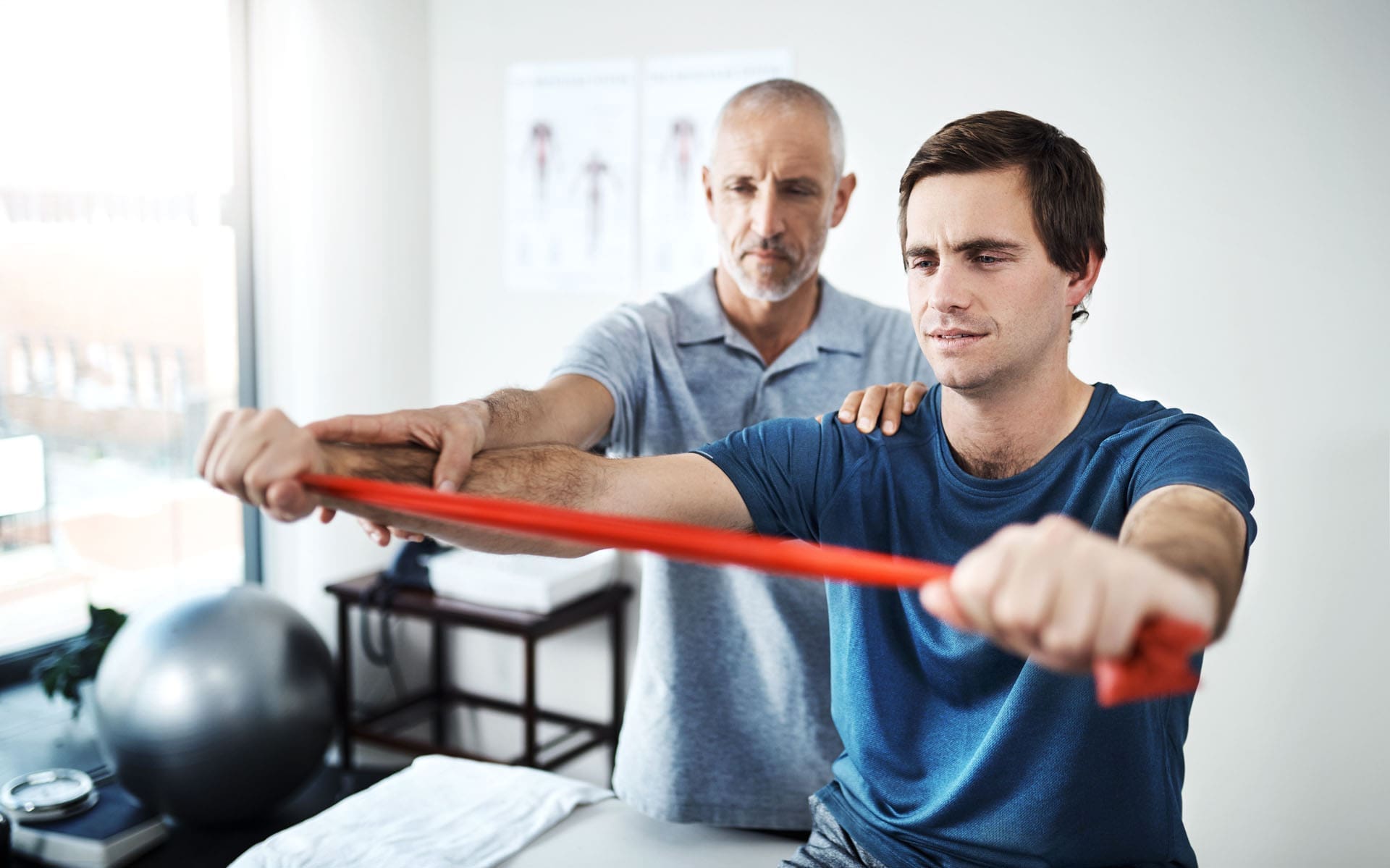
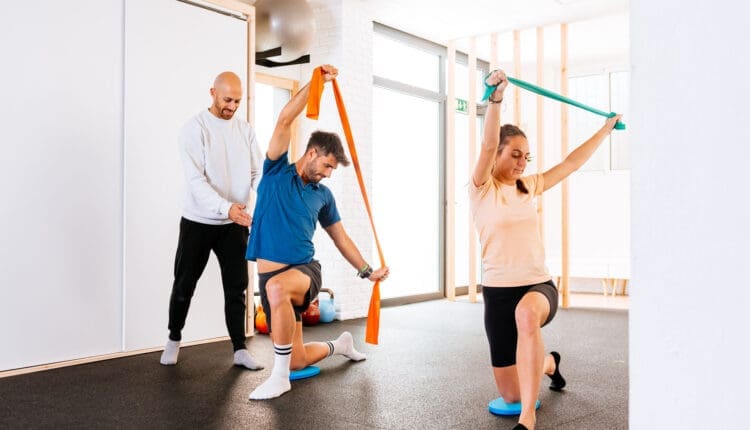
International rehab resources also outline a multicomponent program: cardiovascular exercise for endurance, strength training for muscles and posture, balance training to reduce falls and dizziness, flexibility for range of motion, and cognitive training to rebuild thinking skills. Physiopedia
The rehab “engine”: neuroplasticity, repetition, and progression
Your nervous system can rewire through neuroplasticity—the brain’s ability to strengthen or reroute connections. Repeated, task-specific practice drives these changes. In simple terms: pick the skill you want to improve, practice it often, and make it a little harder over time. CMS Illinois+2flintrehab.com+2
How to use this principle in daily training
-
Repetition: Short, frequent practice beats rare, long sessions.
-
Specificity: Work directly on targeted abilities (e.g., gait, hand dexterity, memory).
-
Progression: Add small challenges (speed, surface, dual-tasking) as tolerated.
-
Feedback: Track reps, time, difficulty, and symptoms. (See the sample tracker near the end.)
Safety first
-
Medical clearance is important if you have red flags (worsening headaches, repeated vomiting, fainting, severe neck pain, new weakness, seizures, chest pain).
-
Start below your symptom threshold and build gradually. If symptoms spike during or after a session, reduce the intensity or duration of the next session.
-
Consider home-based options and caregiver supervision when transportation or safety is a barrier. Neuropt
Aerobic training: rebuild endurance and regulate the nervous system
Goal: Improve heart-lung fitness, energy levels, mood, and attention.
Starter options (pick one):
-
Walking (treadmill or outdoors), stationary cycling, or elliptical, beginning with 5–10 minutes and progressing toward 20–40 minutes per session, 3–4x/week. Keep the effort moderate and pause if symptoms worsen. Neuropt+1
Progressions:
-
Add intervals (e.g., 2 minutes easy, 1 minute slightly harder).
-
Vary terrain for gentle challenge (flat ? slight incline).
-
Combine walking and cognitive tasks (e.g., naming categories while you walk).
At-home seated starters when standing is hard:
-
Seated marching, heel–toe raises, or weight shifts to awaken core and legs. String short bouts together and build total minutes across the day. CMS Illinois
Strength training: restore power, posture, and confidence
Why it matters: Strong legs and trunk improve walking, transfers, and balance. Strength work also supports neck and shoulder mechanics that often get tight or painful after whiplash or falls.
Foundational moves (2–3 sets of 6–12 reps, 2–3x/week):
-
Sit-to-stand or supported squats (use a chair for support).
-
Hip hinges (bowing pattern) and bridges for glutes.
-
Rows with a band to open the chest and stabilize the shoulder blades.
-
Wall push-ups progressing to incline push-ups.
-
Step-ups to a low step, holding a rail.
-
Core bracing (gentle abdominal set) paired with breathing.
Tailor volume to symptoms and quality of movement. Even low-resistance, rhythmic movements can help when heavier loads feel too intense early on. Neuropt+1
Balance & equilibrium training: steady the ground under you
Dizziness and unsteadiness are common after head injuries, especially when the vestibular system is involved. Vestibular rehabilitation (VR) is an exercise-based approach that uses head, eye, neck, and body movements—under varied visual backgrounds—to improve gaze stability, motion tolerance, and balance. Programs include habituation (becoming accustomed to motion), gaze stabilization (VOR drills), static and dynamic balance exercises, and walking tasks. PMC+2PMC+2
Static balance (start near a counter for safety):
-
Feet together ? semi-tandem ? tandem stance (heel-to-toe) ? single-leg stance. Hold for 10–30 seconds, rest, and repeat 3–5 times. Progress by closing eyes or adding gentle head turns once the basic stance is steady. flintrehab.com
Dynamic balance:
-
Heel-to-toe walking along a line.
-
Head turns while walking (look left–right or up–down).
-
Obstacle steps (cones, books) to train foot clearance. flintrehab.com
Gaze-stability drill (VOR x1):
-
Hold a target (e.g., sticky note) at arm’s length. Move your head left to right while keeping your eyes on the target for 10–30 seconds; repeat up and down. Start small and slow; increase range and speed as symptoms allow. PMC+1
Why this works: With practice, the brain “rebalances” signals from the inner ears, joints, and eyes—called vestibular compensation—and dizziness tends to fade. headway.org.uk+1
Coordination & dual-task training: move and think at once
Real life asks you to walk while talking, turn while carrying, or scan the room while stepping around a pet. Train this safely:
-
Dual-task walking: Walk and recite every other letter, list fruits, or count by 3s.
-
Target taps: Place sticky notes at shoulder height and tap left and right in a pattern.
-
Metronome steps: Step to a beat (helps timing and rhythm).
Start simple, then make the cognitive piece slightly harder (e.g., from naming colors ? naming animals that start with “B”). Build accuracy before speed.
Cognitive training: rebuild attention, memory, speed, and flexibility
Cognitive exercises can be easily integrated into daily routines and are a key pillar of TBI rehabilitation. Helpful formats include attention drills, memory strategies, executive-function tasks, and language practice, with steady progression. flintrehab.com+1
Everyday cognitive builders (easy starters):
-
Use your non-dominant hand occasionally (e.g., brushing your teeth, opening doors, simple writing). It presents a novel motor-cognitive challenge that sparks the formation of new neural patterns. zaorehab.com+1
-
Spaced retrieval (practice recalling a fact at increasing time gaps).
-
Journaling or creative writing to improve organization and memory.
-
Board or puzzle games (e.g., chess, word games, matching) for strategy and problem-solving. krysalisconsultancy.co.uk
-
Brain-training apps (visual scanning, working memory, processing speed). Choose short modules and track your scores over time. flintrehab.com
Speech-language targets (if language or speech is affected):
-
Syllable practice (“ba–pa–ma”), slowed, clear speech, and simple reading aloud, performed often across the day to drive neuroplastic changes. Great Speech+1
Flexibility & mobility: keep the system moving
Stiffness in the neck, chest, low back, and hips can worsen headaches, restrict breathing, and reduce balance control.
-
Neck range-of-motion (gentle nods and rotations within pain-free limits).
-
Thoracic openers (supine “snow angels” or doorway pec stretch).
-
Hip flexor and calf stretches to support stride and ankle balance strategies.
-
Yoga or tai chi variants for slow, controlled motion and breath. Neuropt
A clinic-tested weekly template (scale to your level)
Aim: 5–6 training days/week, mixing systems. Keep sessions 20–45 minutes unless advised otherwise.
Day 1 – Aerobic + Core
-
10–30 min walking or cycling (easy–moderate).
-
Core bracing 3×8; bridges 3×10; rows 3×10.
Day 2 – Balance + Cognitive
-
Static stances (feet together ? tandem ? single-leg) 3–5 rounds of 15–30 sec each.
-
Gaze-stability VOR x1 (10–20 sec bouts).
-
Dual-task walking: 5 minutes (name items in a category). PMC
Day 3 – Strength
-
Sit-to-stand 3×8, step-ups 3×8/leg, wall push-ups 3×8, and band rows 3×10.
Day 4 – Aerobic Intervals + Flexibility
-
2:1 walk intervals for 15–25 minutes; neck/pec/calf stretches for 30–45 seconds each.
Day 5 – Vestibular & Coordination
-
Heel-to-toe walking (2–3 passes).
-
Head-turn walking (in a slow, safe environment).
-
Target taps and metronome stepping (2–3 minutes). flintrehab.com
Day 6 – Cognitive Focus
-
20–30 minutes total: journaling, spaced retrieval, language drills, and 1–2 brain-app modules. Include one non-dominant-hand task. flintrehab.com+1
Day 7 – Restorative
-
Gentle yoga or tai chi, mindful breathing, and a light walk.
Symptom rule: If dizziness, headache, or fatigue jump during a session, pause, hydrate, breathe, and resume later at a lower difficulty. Track triggers and wins.
Home-based options when mobility is limited
If standing is hard or transportation is a challenge, build a home circuit from seated drills and short bouts through the day:
-
Seated hip internal/external rotation, abduction/adduction, marching, trunk side bends, trunk extensions, heel–toe raises, and weight shifts—all great “activation” moves. Combine these with cognitive games and journaling to create a mini-session that you can repeat in the morning, midday, and evening. CMS Illinois
Integrative chiropractic therapy: supporting symptoms and training tolerance
How it helps the plan: An integrative chiropractic approach can complement your exercise program by addressing neck and upper back mechanics, headache triggers, and dizziness that often follow head injuries. Restoring cervical motion, reducing muscle tone, and improving posture can make aerobic and balance sessions more tolerable, which indirectly supports neuroplasticity by allowing more frequent, high-quality practice. Many chiropractors also prescribe home exercises and coach patients on lifestyle habits (such as sleep, stress, and hydration) that influence recovery. El Paso, TX Doctor Of Chiropractic
For dizziness specifically: Some clinics incorporate elements consistent with vestibular rehabilitation (e.g., gaze-stability work, balance progressions) and may coordinate with PT/OT and SLP for a cohesive plan. Evidence reviews describe vestibular therapy as exercise-based, focusing on adaptation, substitution, balance, and gait to reduce dizziness and improve function after concussion. PMC+1
Craniosacral therapy (CST): Certain providers use CST—a gentle hands-on technique aimed at easing fascial tension and improving cerebrospinal fluid dynamics—to help headache or pressure complaints. While clinical claims vary, some chiropractic and rehab clinics report patient-perceived benefits as part of a multimodal plan. Discuss risks and expected outcomes with your clinician, and integrate CST only as an adjunct to your active program. zakerchiropractic.com
Dr. Alexander Jimenez, DC, APRN, FNP-BC highlights a dual-scope, integrative model that blends musculoskeletal care with medical assessment, exercise prescription, and collaboration with rehab professionals—useful for complex cases with neck pain, migraines, dizziness, and postural issues after car crashes or sports injuries. El Paso, TX Doctor Of Chiropractic
Coaching tips that make the difference
-
Start slow, but start. Early, gentle activity helps prevent deconditioning and boosts motivation. flintrehab.com
-
Short bursts add up. Two or three 10-minute sessions can equal one 30-minute session, often providing more relief from symptoms. Neuropt
-
Make it fun and novel. People stick with programs that include games, puzzles, new skills, and “brain-teasers.” krysalisconsultancy.co.uk+1
-
Track it. Use a simple log that includes exercise, reps/minutes, difficulty (on a scale of 0–10), symptoms (on a scale of 0–10), and notes.
Sample 2-week progression (printable idea)
Week 1
-
Aerobic: Walk for 10–15 minutes, 4 days a week.
-
Strength: Sit-to-stand 2×8; rows 2×10; wall push-ups 2×8, 2 days.
-
Balance: Feet together ? semi-tandem (20–30 sec holds), 5 rounds, 3 days.
-
Vestibular: VOR x1 (2×15 sec each direction), 5 days.
-
Cognitive: 10–15 min journal and 1 app module daily; non-dominant-hand task 3x/week.
Week 2
-
Aerobic: 18–25 min, add a light 2:1 interval on 2 days.
-
Strength: Add a third set; step-ups, 2 sets of 8 reps per leg.
-
Balance: Add tandem stance and heel-to-toe walking, 2 passes.
-
Vestibular: Increase VOR to 3×20 sec and add slow head turns during walking.
-
Cognitive: Add spaced-retrieval practice (names, appointments) and a new puzzle.
Frequently asked questions
Q: How hard should cardio feel?
A: Aim for easy to moderate (you can talk in full sentences). If symptoms rise above your usual level, back off and try again later. Neuropt
Q: Can I do strength and balance on the same day?
A: Yes—just keep total training time reasonable and avoid stacking two “hard” sessions back-to-back until your tolerance grows. Physiopedia
Q: I feel wobbly with my eyes closed. Is that normal?
A: Many people with head injuries rely on vision for balance. Training under safe conditions (with a counter nearby and a caregiver watching) helps rebuild somatosensory and vestibular reliance. headway.org.uk
Q: What if words are hard to find?
A: Short, frequent speech drills (syllables, reading aloud) and simple language tasks can help—ideally with a speech-language pathologist guiding progress. Great Speech
Bottom line
A comprehensive head-injury rehab plan incorporates aerobic, strength, balance/vestibular, coordination, and cognitive exercises—tailored to individual symptoms and progressively advanced over time. Layer in integrative chiropractic support when migraines, neck pain, or dizziness limit your training. The dose and consistency you can sustain are what unlock neuroplastic recovery.
References
American Physical Therapy Association, Section on Neurology. (n.d.). Exercise after traumatic brain injury (factsheet). https://www.neuropt.org/docs/default-source/brain-injury-sig/bi-sig/exercise_after_tbi.pdf Neuropt
Cleveland Clinic. (n.d.). Vestibular rehabilitation therapy: What it is & exercises. https://my.clevelandclinic.org/health/treatments/15298-vestibular-rehabilitation Cleveland Clinic
Flint Rehab. (2022, September 21). Traumatic brain injury recovery exercises: 20 best TBI exercises. https://www.flintrehab.com/exercises-for-brain-injury-recovery/ flintrehab.com
Flint Rehab. (2024, February 15). Cognitive rehabilitation exercises to sharpen your mind. https://www.flintrehab.com/cognitive-exercises-tbi/ flintrehab.com+1
Flint Rehab. (2025, February 20). Neuroplasticity exercises for brain injury. https://www.flintrehab.com/neuroplasticity-exercises-for-brain-injury/ flintrehab.com
Galeno, E., & coworkers. (2022). Effectiveness of vestibular rehabilitation after concussion: A systematic review of randomized controlled trials. International Journal of Sports Physical Therapy. https://pmc.ncbi.nlm.nih.gov/articles/PMC9819464/ PMC
Great Speech. (2020, August 1). 10 cognitive exercises to help recover from traumatic brain injury. https://www.greatspeech.com/10-cognitive-exercises-to-help-recover-from-traumatic-brain-injury/ Great Speech+1
Han, B. I., Song, H. S., & Kim, J. S. (2011). Vestibular rehabilitation therapy: Review of indications, mechanisms, and key exercises. Journal of Clinical Neurology, 7(4), 184–196. https://pmc.ncbi.nlm.nih.gov/articles/PMC3259492/ PMC
Headway. (2024). Balance problems and dizziness after brain injury (publication). https://www.headway.org.uk/media/12019/balance-problems-and-dizziness-after-brain-injury-publication.pdf headway.org.uk
Krysalis Consultancy. (2020). Over 200 home activities for brain injury survivors and their families. https://www.krysalisconsultancy.co.uk/resources/item/over-200-home-activities-for-brain-injury-survivors/ krysalisconsultancy.co.uk
Physiopedia. (n.d.). Physical activity guidelines for traumatic brain injury. https://www.physio-pedia.com/Physical_Activity_Guidelines_for_Traumatic_Brain_Injury Physiopedia
State of Illinois—Be Well Illinois. (2025). Traumatic brain injury recovery: Full-body & cognitive TBI exercises to try at home. https://cms.illinois.gov/benefits/stateemployee/bewell/getmoving/traumatic-brain-injury-recovery.html CMS Illinois
Zaker Chiropractic. (2025). Integrating chiropractic care into your head injury rehabilitation plan. https://zakerchiropractic.com/chiropractic-care-head-injury-rehabilitation/ zakerchiropractic.com
Dr. Alexander Jimenez, DC, APRN, FNP-BC. (n.d.). El Paso, TX chiropractor & personal injury specialist (integrative care portal). https://dralexjimenez.com/ El Paso, TX Doctor Of Chiropractic
Post Disclaimers
General Disclaimer, Licenses and Board Certifications *
Professional Scope of Practice *
The information herein on "Rehabilitation Exercises for Head Injuries Recovery" is not intended to replace a one-on-one relationship with a qualified health care professional or licensed physician and is not medical advice. We encourage you to make healthcare decisions based on your research and partnership with a qualified healthcare professional.
Blog Information & Scope Discussions
Welcome to El Paso's Premier Wellness and Injury Care Clinic & Wellness Blog, where Dr. Alex Jimenez, DC, FNP-C, a Multi-State board-certified Family Practice Nurse Practitioner (FNP-BC) and Chiropractor (DC), presents insights on how our multidisciplinary team is dedicated to holistic healing and personalized care. Our practice aligns with evidence-based treatment protocols inspired by integrative medicine principles, similar to those on this site and on our family practice-based chiromed.com site, focusing on naturally restoring health for patients of all ages.
Our areas of multidisciplinary practice include Wellness & Nutrition, Chronic Pain, Personal Injury, Auto Accident Care, Work Injuries, Back Injury, Low Back Pain, Neck Pain, Migraine Headaches, Sports Injuries, Severe Sciatica, Scoliosis, Complex Herniated Discs, Fibromyalgia, Chronic Pain, Complex Injuries, Stress Management, Functional Medicine Treatments, and in-scope care protocols.
Our information scope is multidisciplinary, focusing on musculoskeletal and physical medicine, wellness, contributing etiological viscerosomatic disturbances within clinical presentations, associated somato-visceral reflex clinical dynamics, subluxation complexes, sensitive health issues, and functional medicine articles, topics, and discussions.
We provide and present clinical collaboration with specialists from various disciplines. Each specialist is governed by their professional scope of practice and their jurisdiction of licensure. We use functional health & wellness protocols to treat and support care for musculoskeletal injuries or disorders.
Our videos, posts, topics, and insights address clinical matters and issues that are directly or indirectly related to our clinical scope of practice.
Our office has made a reasonable effort to provide supportive citations and has identified relevant research studies that support our posts. We provide copies of supporting research studies upon request to regulatory boards and the public.
We understand that we cover matters that require an additional explanation of how they may assist in a particular care plan or treatment protocol; therefore, to discuss the subject matter above further, please feel free to ask Dr. Alex Jimenez, DC, APRN, FNP-BC, or contact us at 915-850-0900.
We are here to help you and your family.
Blessings
Dr. Alex Jimenez DC, MSACP, APRN, FNP-BC*, CCST, IFMCP, CFMP, ATN
email: [email protected]
Multidisciplinary Licensing & Board Certifications:
Licensed as a Doctor of Chiropractic (DC) in Texas & New Mexico*
Texas DC License #: TX5807, Verified: TX5807
New Mexico DC License #: NM-DC2182, Verified: NM-DC2182
Multi-State Advanced Practice Registered Nurse (APRN*) in Texas & Multi-States
Multi-state Compact APRN License by Endorsement (42 States)
Texas APRN License #: 1191402, Verified: 1191402 *
Florida APRN License #: 11043890, Verified: APRN11043890 *
Colorado License #: C-APN.0105610-C-NP, Verified: C-APN.0105610-C-NP
New York License #: N25929, Verified N25929
License Verification Link: Nursys License Verifier
* Prescriptive Authority Authorized
ANCC FNP-BC: Board Certified Nurse Practitioner*
Compact Status: Multi-State License: Authorized to Practice in 40 States*
Graduate with Honors: ICHS: MSN-FNP (Family Nurse Practitioner Program)
Degree Granted. Master's in Family Practice MSN Diploma (Cum Laude)
Dr. Alex Jimenez, DC, APRN, FNP-BC*, CFMP, IFMCP, ATN, CCST
My Digital Business Card
Licenses and Board Certifications:
DC: Doctor of Chiropractic
APRNP: Advanced Practice Registered Nurse
FNP-BC: Family Practice Specialization (Multi-State Board Certified)
RN: Registered Nurse (Multi-State Compact License)
CFMP: Certified Functional Medicine Provider
MSN-FNP: Master of Science in Family Practice Medicine
MSACP: Master of Science in Advanced Clinical Practice
IFMCP: Institute of Functional Medicine
CCST: Certified Chiropractic Spinal Trauma
ATN: Advanced Translational Neutrogenomics
Memberships & Associations:
TCA: Texas Chiropractic Association: Member ID: 104311
AANP: American Association of Nurse Practitioners: Member ID: 2198960
ANA: American Nurse Association: Member ID: 06458222 (District TX01)
TNA: Texas Nurse Association: Member ID: 06458222
NPI: 1205907805
| Primary Taxonomy | Selected Taxonomy | State | License Number |
|---|---|---|---|
| No | 111N00000X - Chiropractor | NM | DC2182 |
| Yes | 111N00000X - Chiropractor | TX | DC5807 |
| Yes | 363LF0000X - Nurse Practitioner - Family | TX | 1191402 |
| Yes | 363LF0000X - Nurse Practitioner - Family | FL | 11043890 |
| Yes | 363LF0000X - Nurse Practitioner - Family | CO | C-APN.0105610-C-NP |
| Yes | 363LF0000X - Nurse Practitioner - Family | NY | N25929 |
Dr. Alex Jimenez, DC, APRN, FNP-BC*, CFMP, IFMCP, ATN, CCST
My Digital Business Card




Comments are closed.