
Traumatic Brain Injury Toxicity: Long-Term Consequences
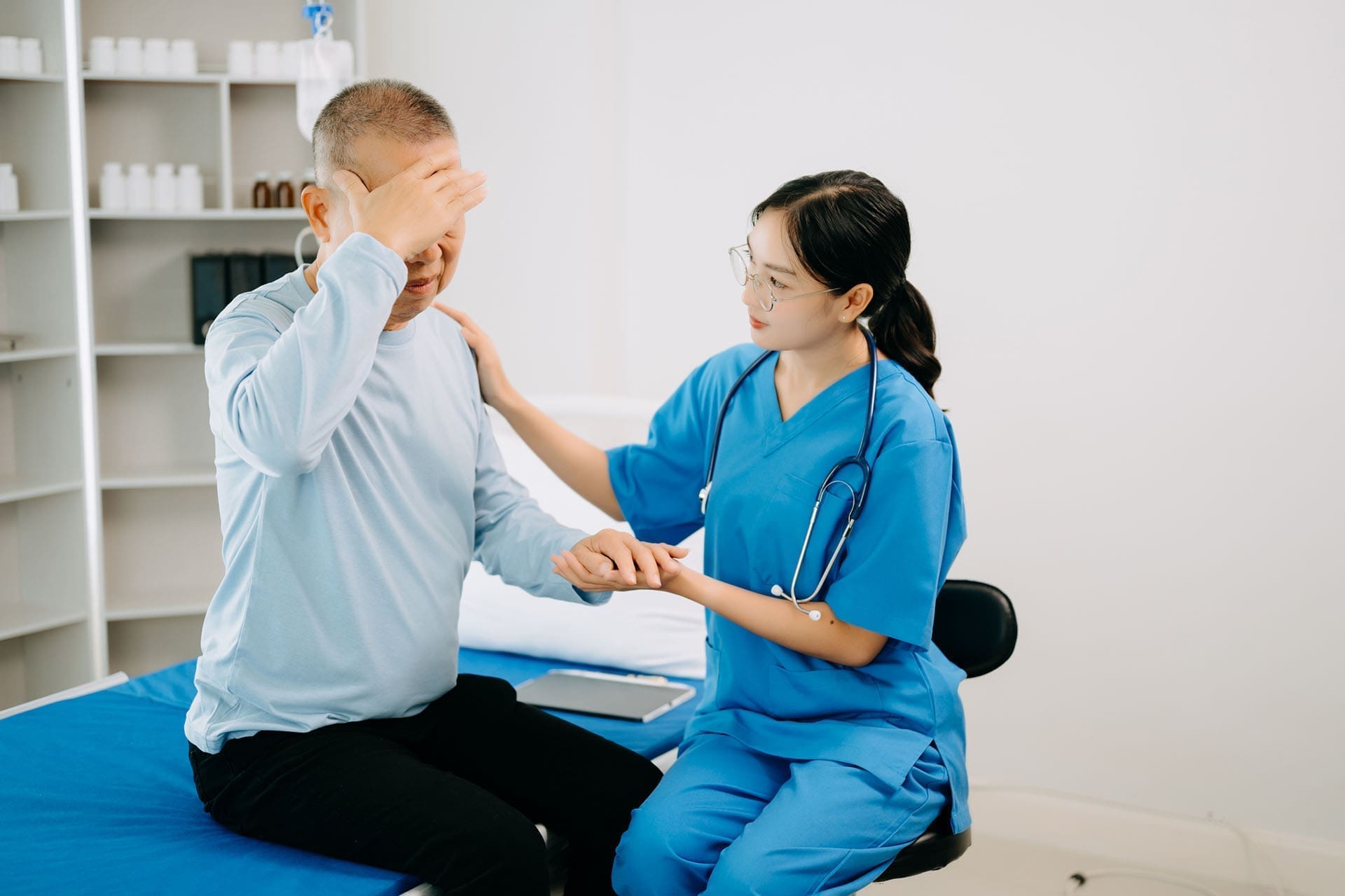
Traumatic Brain Injury Toxicity: How Integrative Care and Chiropractic Nurse Practitioners Help Brains Heal After Car Crashes, Sports Concussions, and On-the-Job Head Injuries
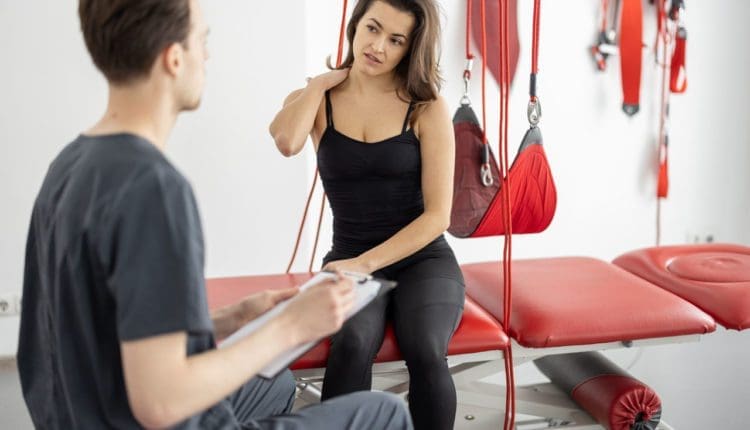
Overview: Why TBIs Behave Like a “Toxic Storm”
A traumatic brain injury (TBI) does not end when the hit, crash, or fall is over. After the first blow, the brain can enter a toxic storm—a chain reaction that includes excitotoxicity (too much glutamate signaling), oxidative stress (excess free radicals), neuroinflammation (an overactive immune response in the brain), blood–brain barrier disruption, and even gut–brain axis changes that feed back to the brain (Rauchman, 2023; Schimmel et al., 2017; Wu et al., 2022). PMC+2PMC+2
Recent research suggests that this biochemical fallout can persist for weeks after the initial impact and may be mitigated by antioxidant strategies in preclinical models, providing evidence that the aftermath of the event is crucial (Missouri S&T, 2025). News and Events
This article explains, in clear terms, how these toxic processes unfold and how integrative care teams—including chiropractic nurse practitioners (CNPs)—can help people and families move from chaos to coordinated recovery after car accidents, sports concussions, and occupational head injuries. We’ll connect science to practical steps you can use in the clinic, on the sidelines, or at home.
The Toxic Cascade in TBI—Step by Step
1) Excitotoxicity: When “Too Much Signal” Hurts Neurons
Right after a TBI, injured cells can spill glutamate, a powerful neurotransmitter. Nearby neurons may then fire excessively, drawing in calcium and triggering cell injury and death—a process known as excitotoxicity (Baracaldo-Santamaría et al., 2022; Rauchman, 2023). PMC+1
Why this matters: Excitotoxicity sets off the rest of the cascade, including oxidative stress and inflammation. Plainly, the brain gets stuck “on,” and that overdrive is toxic.
2) Oxidative Stress: Free Radicals and Mitochondrial Damage
Excessive metabolic activity and disrupted blood flow lead to the production of reactive oxygen species (ROS). ROS damage lipids, proteins, and DNA, and they impair mitochondria—the cell’s energy engines (Wu et al., 2022). The brain’s protective Nrf2 pathway can be beneficial, and researchers are investigating Nrf2-activating compounds for the treatment of TBI (Wu et al., 2022). Oxidative stress can persist for months after injury in some patients (Fesharaki-Zadeh, 2022). PMC+2PubMed+2
Why this matters: Prolonged oxidative stress can slow recovery, worsen fatigue and brain fog, and set the stage for later complications.
3) Neuroinflammation: Helpful at First, Harmful if Stuck “On”
Microglia, the brain’s immune cells, rush in to clear debris and protect tissue. Short-term, this is beneficial. However, over-activated microglia can release inflammatory chemicals and nitric oxide, which harm neurons (Denniss et al., 2023; Donat et al., 2017). Chronic neuroinflammation is a key driver of ongoing symptoms after TBI (Schimmel et al., 2017). PMC+2Frontiers+2
Why this matters: If inflammation persists, people may experience long-lasting headaches, mood changes, sleep disturbances, and cognitive impairments.
4) Blood–Brain Barrier (BBB) Disruption and Cerebral Edema
Trauma can loosen the BBB, letting immune cells and fluid into the brain and raising pressure (Price & Laird, 2016; Su & Tsai, 2016). The result can be cytotoxic (cell-swelling) and vasogenic (leaky-vessel) edema—both of which are dangerous, especially in children, who are at a higher risk (Salehi et al., 2017; Zusman et al., 2020). PMC+3NCBI+3NCBI+3
Why this matters: Swelling increases pressure and can cause secondary damage. Early recognition and medical management are critical.
5) Gut–Brain Axis Disruption
TBI can disturb the gut microbiome, slow gut motility, and increase gut inflammation—all of which can feed back to the brain and amplify neuroinflammation (Zhu et al., 2018; Lin et al., 2025). This is why some people have nausea, constipation/diarrhea, food sensitivities, or new GI pain after a head injury (Li et al., 2023; review articles 2018–2025). PMC+1
Why this matters: Healing the brain often requires supporting the gut through a balanced diet, adequate hydration, fiber, and targeted probiotics, all under the guidance of a clinician.
6) Why Symptoms Can Linger
The toxic storm can keep the brain in a low-grade danger mode for weeks to months. In some individuals, this contributes to long-term problems with memory, mood, headaches, dizziness, and sleep disturbances. Early, well-coordinated care can reduce the duration of the storm and lower the risk of long-term issues (Missouri S&T, 2025; Schimmel et al., 2017). News and Events+1
Symptom Questionnaire:

What This Looks Like in Real Life (Three Common Scenarios)
A) Car Crash with Whiplash and Concussion
-
Typical pattern: Neck pain, headaches, light/noise sensitivity, brain fog, and nausea.
-
Toxic drivers: Excitotoxicity and oxidative stress are active early; cervical soft-tissue injury, combined with BBB stress, can exacerbate dizziness and headaches (Rauchman, 2023; Price & Laird, 2016). PMC+1
B) Sports Concussion (Football, Soccer, Cheer, Hockey)
-
Typical pattern: Short loss of consciousness or none, slowed processing, balance trouble, irritability.
-
Toxic drivers: Repeated hits can keep microglia activated and hinder full recovery, especially when there is no rest and a gradual return to play (Denniss et al., 2023; Donat et al., 2017). PMC+1
C) Occupational Head Injury (Falls, Blow to Head, Equipment Strikes)
-
Typical pattern: Headache, visual strain, sleep disruption, and neck/upper-back tightness that flare symptoms during work tasks.
-
Toxic drivers: Ongoing oxidative stress, altered posture, and poor sleep contribute to high inflammation levels (Wu et al., 2022; Schimmel et al., 2017). PMC+1
How Integrative Care with a Chiropractic Nurse Practitioner (CNP) Helps
Chiropractic nurse practitioners blend musculoskeletal assessment, neurological screening, conservative manual therapy, and nurse-practitioner-level care planning. In an integrative team, the CNP works alongside primary care, neurology, physical therapy, behavioral health, and nutrition.
Clinical perspective: Dr. Alexander Jimenez, DC, APRN, FNP-BC, emphasizes dual-scope assessment—linking spine and soft-tissue findings to neurological symptoms, imaging when indicated, and a graded plan that respects both the brain and the body’s recovery timelines (Jimenez, n.d.). His approach highlights cervical alignment, thoracic mobility, vestibular/oculomotor drills, sleep, nutrition, and gut support to lower toxic load and improve function. NCBI
Below is a practical, evidence-informed framework your team can adapt.
1) Immediate Safety and Medical Coordination
-
Screen red flags: worsening headache, repeated vomiting, focal deficits, seizure, severe neck pain, or declining mental status—urgent emergency evaluation.
-
Imaging: Follow guideline-based decision tools and specialist input (Ginsburg & Christen, 2025). NCBI
2) Quiet the Toxic Storm (First 2–4 Weeks)
-
Energy & sleep: Prioritize consistent, high-quality sleep and short rest breaks. Poor sleep worsens neuroinflammation and slows tissue repair (Schimmel et al., 2017). PMC
-
Nutrition for antioxidant defense: Whole-food pattern rich in polyphenols (berries, leafy greens, olive oil, and cocoa), omega-3s (fish and flax), and adequate protein supports Nrf2 defenses and repair (Wu et al., 2022). PMC
-
Hydration & electrolytes to stabilize blood volume and reduce headache triggers.
-
Light activity as tolerated; avoid symptom-spiking exertion for 24–48 hours; then begin a graded return-to-activity plan.
3) Neck and Postural Care That Respects the Brain
-
Gentle, graded manual therapy for the cervical and upper thoracic regions may alleviate headache and vestibular symptoms by enhancing joint mobility and muscle tone. Techniques should be symptom-informed and non-provocative.
-
Rationale: Cervical noxious input can amplify dizziness and headaches after mild TBI; restoring mobility can reduce sensory mismatch. Clinical chiropractic sources describe the improvement of CSF flow, autonomic balance, and neuromuscular control, although high-quality trials specific to TBI remain limited. Therefore, any spinal care should be conservative, staged, and coordinated with the broader plan (practice resources summarize the mechanisms). NCBI
Clinical note from Dr. Jimenez: In crash-related concussions, upper-cervical muscle guarding and first-rib dysfunction often track with headache, light sensitivity, and balance issues. Addressing these, while pairing with vestibular/oculomotor drills, can noticeably cut symptom load and speed step-ups in rehab (Jimenez, n.d.). NCBI
4) Vestibular, Oculomotor, and Balance Retraining
-
Begin with gaze stabilization, smooth pursuits, saccades, and balance tasks on stable surfaces, then add head movements as tolerated.
-
Pair with cervical proprioceptive training and diaphragmatic breathing to calm autonomic overdrive.
-
Why it works: These drills help re-tune sensory systems that got scrambled by the TBI and neck injury (Denniss et al., 2023). PMC
5) Target the Gut–Brain Loop
-
Dietary fiber, fermented foods, and, when appropriate, clinician-guided probiotics support gut lining integrity and microbial diversity (Zhu et al., 2018; Lin et al., 2025).
-
Address constipation or slow motility with hydration, fiber, movement, and medical guidance as needed; abnormal motility is documented after TBI (Li et al., 2023). PMC+1
6) Oxidative Stress and Inflammation: Tiered Supports
-
Tier 1 (foundations): Whole-foods diet, sleep, stress reduction, and light aerobic activity (all reduce inflammation and oxidative load).
-
Tier 2 (clinician-guided): Consider nutrients that activate Nrf2 or bolster antioxidant defenses (e.g., polyphenol-rich foods). Supplement use should be personalized and coordinated with the medical team, given mixed evidence in TBI and potential interactions (Wu et al., 2022). PMC
7) Cognitive and Emotional Health
-
Cognitive pacing: short, structured work blocks; avoid “push-crash.”
-
Behavioral health: screen for anxiety, depression, irritability, and sleep disturbance—common after TBI—and refer to counseling or CBT when needed (Schimmel et al., 2017). PMC
8) Return-to-Play / Return-to-Work Pathways
-
Use stepwise progressions with symptom monitoring at each stage (light activity, moderate, sport-specific or job-specific, non-contact drills or light duty, full duty/contact).
-
For safety-sensitive jobs (such as drivers and equipment operators), medical clearance is required, and occupational therapy/vision therapy may be necessary if symptoms persist.
Putting It Together: A 6-Week Integrative Roadmap (Adapt and Individualize)
Week 0–1: Calm and Stabilize
-
Medical evaluation; rule out red flags.
-
Relative rest, sleep hygiene, hydration, and steady meals.
-
Neck/upper-back gentle mobility work; guided breathing.
-
Baseline symptom, balance, and oculomotor screens.
-
Begin nutrition for antioxidant defense (including omega-3s and polyphenols). (Wu et al., 2022). PMC
Week 1–2: Re-engage Systems
-
Add gaze stabilization, smooth pursuits, and gentle balance drills.
-
Progress cervical/thoracic mobility; light isometrics.
-
Begin with light aerobic activity (e.g., walking, stationary bike) if symptoms permit.
-
Address gut support with fiber and fermented foods as tolerated (Zhu et al., 2018). PMC
Week 2–4: Build Capacity
-
Advance vestibular/oculomotor tasks, as well as balance complexity.
-
Strengthen scapular/cervical stabilizers; postural retraining.
-
Gradually expand cognitive load with pacing strategies; monitor sleep and mood.
Week 4–6: Return to Role
-
Sport- or job-specific progressions.
-
If symptoms persist, consider specialty referrals (neurology, neuro-optometry, behavioral health, GI) and review imaging or medication plans (Ginsburg & Christen, 2025). NCBI
For Families and Care Teams: What Helps Day to Day
-
Track symptoms briefly each day; look for trends, not perfection.
-
Protect your sleep: maintain consistent bedtime and wake-up times, keep your room dark and cool, and avoid screens for at least an hour before bed.
-
Use the 80% rule: stop or slow when tasks hit 7–8/10 effort or trigger symptoms.
-
Small wins: improved balance, fewer headaches, longer focus—these show the toxic storm is settling.
-
Stay coordinated: Share updates among the CNP, primary care, PT, and—if needed—neurology and behavioral health.
Special Notes on Children and Teens
Children are at a higher risk for certain types of swelling and may have different recovery timelines (Salehi et al., 2017). Be conservative: prioritize rest, school accommodations, and staged returns to sport under clinical supervision. PMC
When to Seek Urgent Care
-
Worsening or “worst” headache
-
Repeated vomiting
-
Severe neck pain or new weakness/numbness
-
Seizure, confusion, slurred speech, or fainting
-
Any sudden change that scares you
These signs can reflect dangerous BBB disruption or swelling and need emergency assessment (Price & Laird, 2016; Ginsburg & Christen, 2025). NCBI+1
Key Takeaways
-
A TBI triggers excitotoxicity, oxidative stress, neuroinflammation, BBB disruption, and alterations to the gut–brain axis that can persist for weeks (Rauchman, 2023; Missouri S&T, 2025). PMC+1
-
An integrative plan—led or co-led by a chiropractic nurse practitioner—helps by calming the toxic storm, restoring neck and postural function, retraining balance and eye movements, supporting sleep and nutrition, and coordinating care.
-
With patient-centered pacing and effective team communication, most people make steady progress; persistent symptoms require a deeper evaluation and targeted support.
References
Denniss, R. J., et al. (2023). Brain trauma and the secondary cascade in humans. Frontiers in Neurology, 14, 1143131. PMC
Donat, C. K., et al. (2017). Microglial activation in traumatic brain injury. Frontiers in Aging Neuroscience, 9, 208. Frontiers
Fesharaki-Zadeh, A. (2022). Oxidative stress in traumatic brain injury. International Journal of Molecular Sciences, 23(21), 13000. PMC
Ginsburg, J., & Christen, C. (2025). Traumatic brain injury. In StatPearls. StatPearls Publishing. NCBI
Lin, D., et al. (2025). Traumatic brain injury and the gut microbiome: The role of dysbiosis and therapeutic strategies. Biomedicines, 13(4), 890. PubMed
Missouri S&T News. (2025, May 22). Traumatic brain injuries have toxic effects that last weeks after initial impact ? an antioxidant material reduces this damage in mice. News and Events
Price, L., & Laird, M. (2016). Blood–brain barrier pathophysiology following traumatic brain injury. In Brain Edema. NCBI Bookshelf. NCBI
Rauchman, S. H., et al. (2023). Traumatic brain injury: Mechanisms, manifestations, and management. Journal of Clinical Medicine, 12(5), 1517. PMC
Salehi, A., et al. (2017). Response of the cerebral vasculature following traumatic brain injury. Journal of Cerebral Blood Flow & Metabolism, 37(7), 2320–2339. PMC
Schimmel, S. J., et al. (2017). Neuroinflammation in TBI: Chronic response to acute injury. Brain Pathology, 27(5), 674–688. PubMed
Su, Y. R. S., & Tsai, C.-Y. (2016). Neuroplasticity after traumatic brain injury. In Brain Neurotrauma. NCBI Bookshelf. NCBI
Wu, A. G., et al. (2022). Targeting Nrf2-mediated oxidative stress response in traumatic brain injury. Oxidative Medicine and Cellular Longevity, 2022, 1–18. PubMed
Zhu, C. S., et al. (2018). A review of traumatic brain injury and the gut microbiome. Journal of Neurotrauma, 35(5), 573–586. PMC
Zusman, B. E., et al. (2020). Cerebral edema in traumatic brain injury. Neurosurgery Clinics of North America, 31(4), 597–612. PMC
Baracaldo-Santamaría, D., et al. (2022). Revisiting excitotoxicity in traumatic brain injury: From bench to bedside. International Journal of Molecular Sciences, 23(3), 1700. PMC
Theus, M. H., et al. (2024). Neuroinflammation and acquired traumatic CNS injury. Frontiers in Neurology, 15, 1334847. Frontiers
Cardona-Collazos, S., et al. (2025). Cerebral edema in traumatic brain injury. Biomedicines, 13(7), 1728. MDPI
Mannix, R. C., et al. (2012). Traumatic brain injury, microglia, and beta-amyloid. Journal of Neuroimmune Pharmacology, 7(3), 387–400. PMC
Clinical resources and practice perspective:
Jimenez, A. (n.d.). Injury Medical & Chiropractic/clinical insights portal; LinkedIn profile. (Dual-scope clinical observations referenced in integrative pathway.) NCBI
Note on additional lay resources the user supplied: Some community articles and clinic blogs discuss chiropractic mechanisms after TBI. These can be helpful for patient education but should be weighed against peer-reviewed evidence and used within a conservative, symptom-informed plan coordinated with medical care.
Post Disclaimers
General Disclaimer, Licenses and Board Certifications *
Professional Scope of Practice *
The information herein on "Traumatic Brain Injury Toxicity: Long-Term Consequences" is not intended to replace a one-on-one relationship with a qualified health care professional or licensed physician and is not medical advice. We encourage you to make healthcare decisions based on your research and partnership with a qualified healthcare professional.
Blog Information & Scope Discussions
Welcome to El Paso's Premier Wellness and Injury Care Clinic & Wellness Blog, where Dr. Alex Jimenez, DC, FNP-C, a Multi-State board-certified Family Practice Nurse Practitioner (FNP-BC) and Chiropractor (DC), presents insights on how our multidisciplinary team is dedicated to holistic healing and personalized care. Our practice aligns with evidence-based treatment protocols inspired by integrative medicine principles, similar to those on this site and on our family practice-based chiromed.com site, focusing on naturally restoring health for patients of all ages.
Our areas of multidisciplinary practice include Wellness & Nutrition, Chronic Pain, Personal Injury, Auto Accident Care, Work Injuries, Back Injury, Low Back Pain, Neck Pain, Migraine Headaches, Sports Injuries, Severe Sciatica, Scoliosis, Complex Herniated Discs, Fibromyalgia, Chronic Pain, Complex Injuries, Stress Management, Functional Medicine Treatments, and in-scope care protocols.
Our information scope is multidisciplinary, focusing on musculoskeletal and physical medicine, wellness, contributing etiological viscerosomatic disturbances within clinical presentations, associated somato-visceral reflex clinical dynamics, subluxation complexes, sensitive health issues, and functional medicine articles, topics, and discussions.
We provide and present clinical collaboration with specialists from various disciplines. Each specialist is governed by their professional scope of practice and their jurisdiction of licensure. We use functional health & wellness protocols to treat and support care for musculoskeletal injuries or disorders.
Our videos, posts, topics, and insights address clinical matters and issues that are directly or indirectly related to our clinical scope of practice.
Our office has made a reasonable effort to provide supportive citations and has identified relevant research studies that support our posts. We provide copies of supporting research studies upon request to regulatory boards and the public.
We understand that we cover matters that require an additional explanation of how they may assist in a particular care plan or treatment protocol; therefore, to discuss the subject matter above further, please feel free to ask Dr. Alex Jimenez, DC, APRN, FNP-BC, or contact us at 915-850-0900.
We are here to help you and your family.
Blessings
Dr. Alex Jimenez DC, MSACP, APRN, FNP-BC*, CCST, IFMCP, CFMP, ATN
email: [email protected]
Multidisciplinary Licensing & Board Certifications:
Licensed as a Doctor of Chiropractic (DC) in Texas & New Mexico*
Texas DC License #: TX5807, Verified: TX5807
New Mexico DC License #: NM-DC2182, Verified: NM-DC2182
Multi-State Advanced Practice Registered Nurse (APRN*) in Texas & Multi-States
Multi-state Compact APRN License by Endorsement (42 States)
Texas APRN License #: 1191402, Verified: 1191402 *
Florida APRN License #: 11043890, Verified: APRN11043890 *
Colorado License #: C-APN.0105610-C-NP, Verified: C-APN.0105610-C-NP
New York License #: N25929, Verified N25929
License Verification Link: Nursys License Verifier
* Prescriptive Authority Authorized
ANCC FNP-BC: Board Certified Nurse Practitioner*
Compact Status: Multi-State License: Authorized to Practice in 40 States*
Graduate with Honors: ICHS: MSN-FNP (Family Nurse Practitioner Program)
Degree Granted. Master's in Family Practice MSN Diploma (Cum Laude)
Dr. Alex Jimenez, DC, APRN, FNP-BC*, CFMP, IFMCP, ATN, CCST
My Digital Business Card
Licenses and Board Certifications:
DC: Doctor of Chiropractic
APRNP: Advanced Practice Registered Nurse
FNP-BC: Family Practice Specialization (Multi-State Board Certified)
RN: Registered Nurse (Multi-State Compact License)
CFMP: Certified Functional Medicine Provider
MSN-FNP: Master of Science in Family Practice Medicine
MSACP: Master of Science in Advanced Clinical Practice
IFMCP: Institute of Functional Medicine
CCST: Certified Chiropractic Spinal Trauma
ATN: Advanced Translational Neutrogenomics
Memberships & Associations:
TCA: Texas Chiropractic Association: Member ID: 104311
AANP: American Association of Nurse Practitioners: Member ID: 2198960
ANA: American Nurse Association: Member ID: 06458222 (District TX01)
TNA: Texas Nurse Association: Member ID: 06458222
NPI: 1205907805
| Primary Taxonomy | Selected Taxonomy | State | License Number |
|---|---|---|---|
| No | 111N00000X - Chiropractor | NM | DC2182 |
| Yes | 111N00000X - Chiropractor | TX | DC5807 |
| Yes | 363LF0000X - Nurse Practitioner - Family | TX | 1191402 |
| Yes | 363LF0000X - Nurse Practitioner - Family | FL | 11043890 |
| Yes | 363LF0000X - Nurse Practitioner - Family | CO | C-APN.0105610-C-NP |
| Yes | 363LF0000X - Nurse Practitioner - Family | NY | N25929 |
Dr. Alex Jimenez, DC, APRN, FNP-BC*, CFMP, IFMCP, ATN, CCST
My Digital Business Card




Comments are closed.